|
|
EFMC-YSN PhD PRIZE 2025, sponsored by Selvita –
CALL FOR NOMINATION
In their aim to recognise excellence and accomplishment in postgraduate research, the EFMC-Young Scientists Network is proud to announce the 2025 edition of the "EFMC-YSN PhD Prize, sponsored by Selvita", to be awarded to a European PhD student (or up to two years after PhD) in medicinal chemistry or chemical biology.
The prize, kindly sponsored by Selvita, will consist of a diploma, €1,000 and an invitation to deliver an oral communication at the EFMC Young Medicinal Chemists' Symposium (EFMC-YMCS).
The 2025 winner will also receive a free registration and a €500 travel grant to attend both the X EFMC International Symposium on Advances in Synthetic and Medicinal Chemistry (EFMC-ASMC 2025) and the 12th EFMC Young Medicinal Chemists' Symposium (EFMC-YMCS 2025) which will take place in Porto, Portugal from August 31 to September 4 & September 4-5, 2025.
More information on www.efmc.info/ysn-phd-prize.
Deadline for nominations is January 31, 2025.
CHEMBIOCHEM, AN OFFICIAL JOURNAL OF EFMC
NEW SET RELEASED: BEST PRACTICES IN PROTACs®
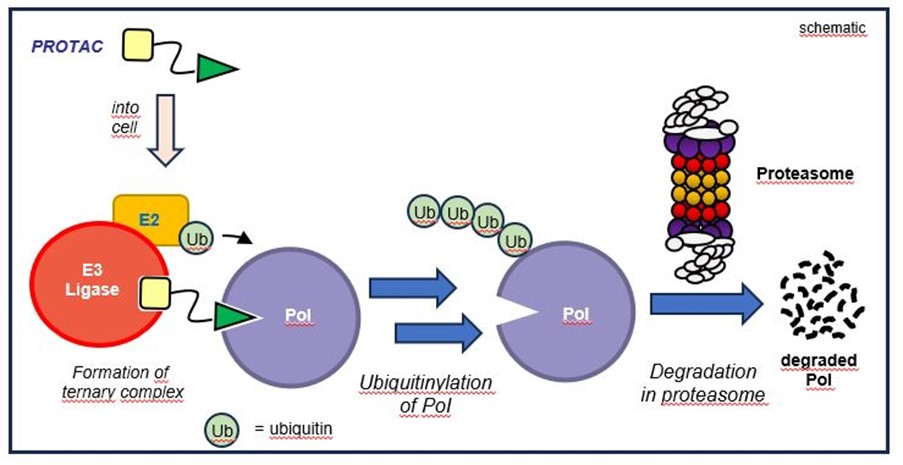
Over the last two decades, targeted protein degradation (TPD) by monovalent (molecular glues) or heterobifunctional degraders (PROTACs) has greatly advanced as a new therapeutic modality.
This set of Best Practices covers the essential concepts and approaches to develop PROTACs. The material (webinars, slide decks and case studies) is freely accessible for personal use or for use in further training or teaching material.
Visit www.efmc.info/proteolysis_targeting_chimeras to access the files.
- Part 1A introduces the ubiquitin-proteasome system (UPS) and its components, the mode of action and design of PROTACs to hijack the UPS to degrade a protein of interest (PoI)
- Part 1B describes commonly used assays for assessing and optimising PROTACs, highlights the importance of the formation of a ternary complex and explains the concept of cooperativity.
- Part 1C deals with the challenges in PROTAC optimisation as chemical probes or as drug candidates (ADME, bioavailability, safety), followed by two examples and a current overview of PROTACs in clinical trials.
- Part 2 contains A case study: “SMARCA PROTACs” from a collaboration between the Centre of Targeted Protein Degradation (University of Dundee) and Boehringer-Ingelheim.
EFMC PRIZES 2025 – CALL FOR NOMINATION
To acknowledge and recognise outstanding researchers (≤ 12 years after PhD*) working in European industry and academia, the EFMC established the "EFMC Prize for a Young Medicinal Chemist or Chemical Biologist in Industry" and the "EFMC Prize for a Young Medicinal Chemist or Chemical Biologist in Academia".
These two prizes are given annually and consist of a diploma, €2,500 and an invitation for a short presentation at the X EFMC International Symposium on Advances in Synthetic and Medicinal Chemistry (EFMC-ASMC 2025). Two additional nominees will also be identified and acknowledged as most meritorious runners-up.
Deadline for nominations is January 31, 2025.
EFMC Prize for a Young Medicinal Chemist or Chemical Biologist in Industry
Nominations should be written by the candidate’s supervisor and consist of:
- a letter by the supervisor,
- a brief CV of the candidate,
- an abstract of the potential oral presentation.
EFMC Prize for a Young Medicinal Chemist or Chemical Biologist in Academia
Applications should consist of:
- a one-page letter by the candidate, including a short rationale for their application,
- one page with the five key publications,
- a brief CV of the candidate,
- an abstract of the potential oral presentation.
*In accordance with the EFMC core values of equal opportunities and inclusiveness; Maternity leaves, as well as leaves taken for health or private reasons are considered in the ≤ 12 years after PhD limit. YSN-YMCC GRANTS TO ATTEND THE MEDCHEMFRONTIERS 2025
To support the participation of young researchers to attend transatlantic conferences and offer them the opportunity to broaden their network outside the national-regional scope, the EFMC Young Scientists Network (YSN) and the ACSMEDI Young Medicinal Chemists Committee (YMCC) decided to fund a joint grant.
Up to two grants of €1,500 each, covering economy flights and up to 3 nights of accommodation, will be awarded to facilitate attendance to ACSMEDI|EFMC Medicinal Chemistry Frontiers conference. The prizes will be allocated to European researchers when the conference takes place in the United States, and to American researchers when the conference takes place in Europe. In addition, the awardees will be guaranteed a poster presentation and will be offered the opportunity to apply for an oral communication.
The upcoming edition of the ACSMEDI|EFMC Medicinal Chemistry Frontiers will take place in Chicago, United States, on May 12-15, 2025.
More information on www.efmc.info/ysn-ymcc-prize.
Deadline for nominations is February 10, 2025.
GET TO KNOW TANA TANDARIC (UPPSALA UNIVERSITY, SWEDEN)
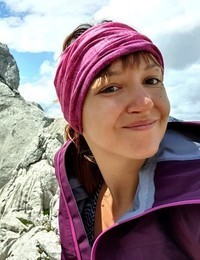
Our MedChemBioConversations is with Tana Tandaric (Uppsala University, Sweden).
Get to know her better by reading the interview below:
How did you get interested in Medicinal Chemistry?
I found my way into the field of medicinal chemistry by chance. I have always liked chemistry, and during my master's studies in medical biochemistry, I became actively involved in scientific research at the university. And that’s how my love affair with computational chemistry began. Applying it to biological systems and drug design felt like a natural progression, given the complexity and challenges these systems present.
Where and when did you obtain your PhD diploma? What was the topic of your PhD project?
I completed my PhD at the Faculty of Science, University of Zagreb, in 2021, focusing on the mechanism of irreversible inhibition of MAO B enzymes by propargylamine inhibitors. During my doctoral studies, I was employed at the Ruder Boskovic Institute in Zagreb (Croatia).
Where did you have your postdoc position?
In early 2022, I spent six months as a scholarship holder at the Austrian Academy of Sciences and Arts, working in Prof. Bojan Zagrovic’s group at the Max Perutz Laboratories in Vienna. Since September 2022, I have been working as a postdoctoral researcher at Uppsala University (Sweden) under the guidance of Prof. Hugo Gutierrez de Terán.
What are your current research interests?
My research centres on G protein-coupled receptors (GPCRs), especially adenosine receptors A2A and A2B, which are key targets for drug development in cancer immunotherapy and dementia. We use molecular dynamics (MD) simulations and Free Energy Perturbation (FEP) methods to explore receptor mechanisms, ligand interactions, and the impact of point mutations on ligand binding. The main goal is to rationally create new molecules with better pharmacodynamic and pharmacokinetic profiles.
I also focus on developing allosteric ligands for these receptors. Allosteric modulators can offer better selectivity and fewer side effects, but identifying allosteric binding sites is challenging. My postdoctoral work involves developing techniques to locate these sites in GPCRs.
How would you explain what your research area is to non-scientists?
That’s a challenging question. I often describe it as having the ability to use a magnifying glass to observe what happens when a drug interacts with its target. I then watch this interaction like a movie to understand the behaviour of the drug.
What do you like best about your work?
I love the moment when all the pieces come together, allowing me to see the bigger picture. It gives me a sense of purpose.
What kind of tasks does your work involve?
First, I have to prepare the system for simulation. I need to consider for the biochemical context to create good model. The simulation type and parameters depend on the specific problem, and detailed analysis follows. While published articles highlight beautiful figures made by computational people, our daily work is centred around the Linux terminal—and we love it!
What do you consider your greatest achievement in your scientific career?
I received a message from a girl I taught in science outreach workshops during my student years. She shared that my enthusiasm inspired her to pursue chemistry. For me, success isn't measured by awards or impact factors but by how much I motivate and influence those around me.
Which of your papers are you most proud of and why?
The main paper from my PhD thesis, "Computational Insight into the Mechanism of the Irreversible Inhibition of Monoamine Oxidase Enzymes by the Antiparkinsonian Propargylamine Inhibitors Rasagiline and Selegiline" (Tandaric T, Vianello R, ACS Chem Neurosci. 2019, 10(8):3532-3542, doi: 10.1021/acschemneuro.9b00147), is my favourite one. I invested a lot of time and work, and I was extremely proud when it was published.
Also, the paper I’m working on right now is probably the most meaningful to me because it’s really pushed me out of my comfort zone.
What are the features of a successful PhD student or postdoc?
Behind every successful research project are countless hours of hard work, numerous mistakes, and many attempts that sometimes feel like they’re leading nowhere. I believe this is something all researchers experience. When things don't go as planned, the key is not to give up. This principle applies to everyone in research, not just postdocs and PhD students. Mistakes, though unpleasant, are invaluable learning opportunities!
Additionally, it's important not to neglect your personal life, hobbies, and friendships. Balance is key! Many of us invest all our time in our careers and research, but it's equally important to rest, relax, and spend quality time with loved ones.
Have you experienced any unfair situations during your scientific career? How would you advise scientists facing similar situations?
Unfair situations occur in every career path. When I was younger, they affected me more deeply than they do now. I've come to accept that injustices are inevitable, but I can choose how to react and whether to expend energy on a given situation. Injustice now motivates me to be even more persistent. My one piece of advice is this: don't be afraid to stand up for yourself, no matter how challenging it might be.
What is the most embarrassing thing you have done in the lab while doing experiments, e.g. explosions?
The most embarrassing moment I experienced was collapsing while speaking to a professor at a conference. It wasn't the impression I intended to make, but I'm certain he will remember me and that moment forever.
What are your recommendations for a book, podcast, website, blog, YouTube channel or film?
The book that changed me and my perspective on the world is "The Snow Leopard" by Peter Matthiessen. In it, the author recounts his journey to the remote Himalayas in search of a snow leopard. Although he didn't find the snow leopard, which in his case symbolises the meaning of life, he discovered the peace that arise from accepting the world as it is.
Which scientist do you admire the most and why?
Clara Immerwahr, Germany’s first female chemistry Ph.D., is a scientist I admire. Despite societal expectations to confine her to domestic roles, she remained active in women's rights, educated young women, and opposed her husband Fritz Haber’s work on chemical weapons. Though her life ended tragically, people like her made scientific careers possible for everyone.
Which field of medicinal chemistry do you consider the most promising for the future?
I have to admit I’m pretty biased on this. With the rapid advancements in computational techniques and more accurate methods, I’m really excited and hopeful that we’re on the start of a new era in drug discovery. SPOTLIGHT ON SPAIN!
The Early Career Scientists (ECS) group of the Spanish Society of Medicinal Chemistry (SEQT) is pleased to highlight two recent articles from their members.
The first publication, entitled “Promising Aryl Selenoate Derivatives as Antileishmanial Agents and Their Effect on Gene Expression”, has been proposed by our member Mercedes Rubio-Hernández.
The second publication, proposed by Guillermo Martínez Muñoz, is entitled “Versatile Biodegradable Poly(acrylic acid)-Based Hydrogels Infiltrated in Porous Titanium Implants to Improve the Biofunctional Performance”.
Promising Aryl Selenoate Derivatives as Antileishmanial Agents and Their Effect on Gene Expression
Although neglected tropical diseases (NTDs) remain unknown, they are of special concern because they mainly affect worldwide impoverished population. Chagas disease belongs to this group of diseases, and it is caused by Trypanosoma cruzi, a protozoan parasite mainly transmitted by Triatominae bugs. The available treatment for this disease consists of two drugs: Benznidazole and Nifurtimox. Both cause side effects and lose efficacy in the chronic phase of the disease when it is usually diagnosed. Therefore, new treatment alternatives are needed. The isosteric replacement of sulphur by selenium is a strategy already used for other pathologies and there is literature that shows that selenium compounds are more active than their sulphur analogues. In this publication, the authors synthesised a pool of thiosemicarbazones and their selenium counterparts (selenosemicarbazones), as well as their cyclic analogues, thiazoles, and selenazoles. From the 57 synthesised compounds, the lead compound (4-methyl-2-(2-(1-(3-nitrophenyl)ethylidene)hydrazineyl)-1,3-selenazole, Se2h) was selected after performing biological and enzymatic assays. This compound showed activity against the intracellular form of T. cruzi, which is responsible of the chronic phase of the disease. Se2h also inhibits cruzain, the main cysteine protease of the parasite, and it is selective for its human analogue, human cathepsin L. After choosing the lead compound, they went deeper on its mechanism of action, and performed molecular dynamics against cruzain to study the interactions and a radical scavenging assay. Finally, they studied the pharmacokinetic properties of Se2h in vivo, showing encouraging results in the bioavailability for the oral route.
https://doi.org/10.1021/acs.jmedchem.4c01535
Versatile Biodegradable Poly(acrylic acid)-Based Hydrogels Infiltrated in Porous Titanium Implants to Improve the Biofunctional Performance
Up to 5% of dental implants fail in the first 3 to 6 months after undergoing surgery due to bacterial infections or poor osseointegration. This research presents an innovative approach to optimise titanium (Ti) implant functionality by combining porous Ti substrates with a specially designed, biodegradable poly(acrylic acid)-based hydrogel coating. The porous Ti substrates address the mechanical incompatibility between Ti and cortical bone by reducing the Young’s modulus mismatch through space-holder techniques that create two different porous substrates. Meanwhile, the hydrogel layer is crafted from crosslinked poly(acrylic acid) using a newly synthesised diacrylate containing reduction-sensitive disulfide bonds. This crosslinker is essential, as it enables the hydrogel to degrade under biological conditions in the presence of glutathione, an abundant biomolecule within the human body. Three polymers and their corresponding hydrogel formulations (1, 2, and 4% w/w crosslinker content) were characterised and tested for their swelling, degradation, and antimicrobial properties. Upon infiltrating the 4% crosslinked hydrogel into the 30 vol. %, 100 – 200 µm porous Ti, the resulting composite significantly reduced bacterial adhesion and supported osseointegration, enhancing biocompatibility and reducing infection risks. This synergistic approach marks a promising advancement for dental and orthopaedic applications for long-term implant success.
https://doi.org/10.1021/acs.biomac.3c00532 #MEDCHEMCASES - SEMINAR BY THE DIVISION OF MEDICINAL CHEMISTRY OF THE GERMAN CHEMICAL SOCIETY (GDCH)
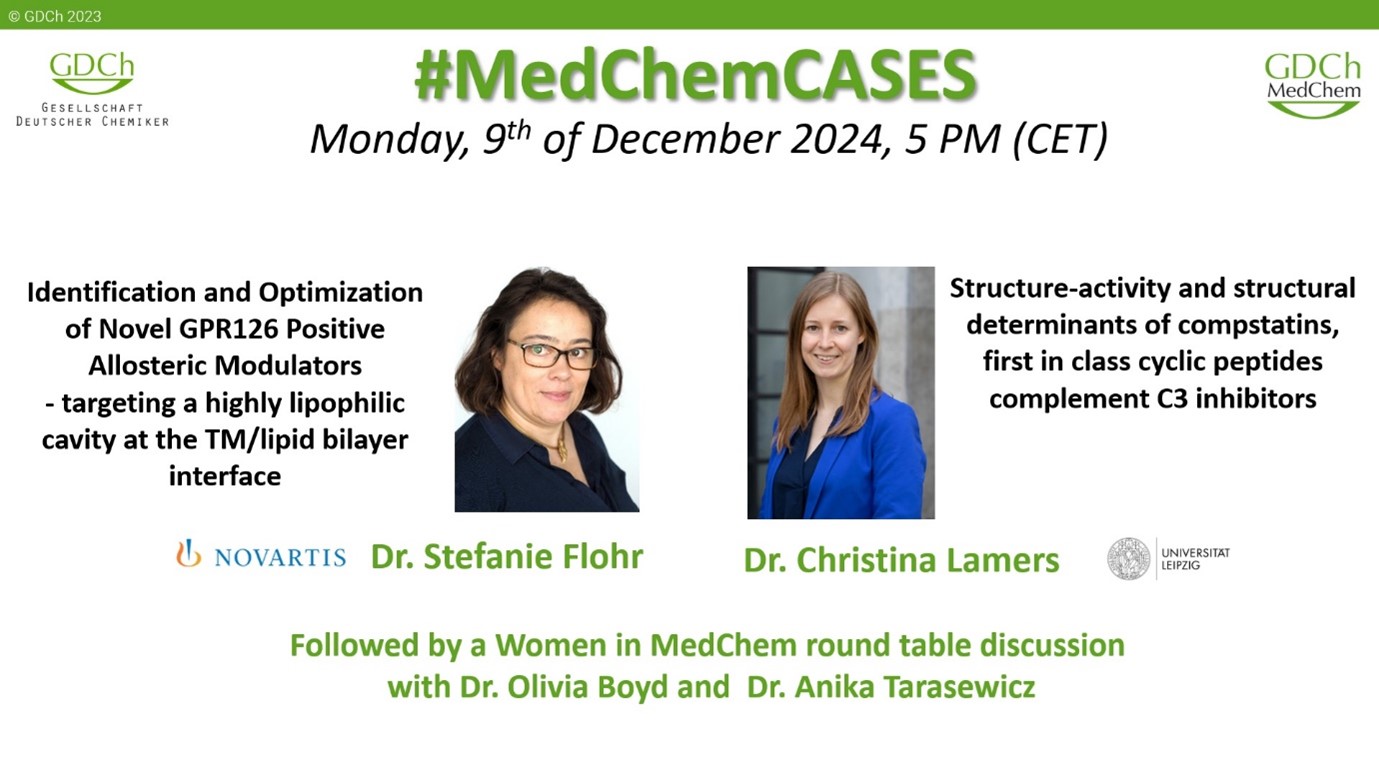
The MedChem Division of the German Chemical Society (GDCh) would like to invite you to the next #MedChemCASES online seminar which will be held on December 9, with a Women in MedChem special edition comprising two short talks and a round table discussion afterwards.
- Identification and Optimization of Novel GPR126 Positive Allosteric Modulators - targeting a highly lipophilic cavity at the TM/lipid bilayer interface
Dr. Stefanie Flohr, Novartis
- Structure-activity and structural determinants of compstatins, first in class cyclic peptides complement C3 inhibitors
Dr. Christina Lamers, University Leipzig
Register for free here.
#GDCh (MedChem Division), #NextGenMedChem.
NEWS FROM THE SOCIETY FOR MEDICINES RESEARCH
Building on the interest gained from the initial SMR Molecular Glues meeting held in March 2023, the Society for Medicines Research is delighted to be returning to GSK in Stevenage to run the second meeting in the series to discover more about this emerging drug modality.
The 2nd SMR Molecular Glues Meeting will take place on March 21, 2025.
Once again, leading speakers from academia and industry will outline recent advances in the field.
Registration now open.
Speakers include:
- Markus Queisser - Director, Novel Modalities Group, GSK
- Zoran Rankovic - Director, CPD ICR
- Marta Carrara – Amphista
- Aneika Leney - University of Birmingham, Group Leader
- Ingo Kober - Director Molecular Pharmacology Group, Merck
- Brian Liau - Group Leader, Harvard University
- Katherine Donovan - Dana Farber
- Ed Tate - Imperial College London
Sponsorship opportunities are available for this event.
Click here to download the Sponsorship Opportunities flyer and booking form. NEWS FROM THE BIOLOGICAL AND MEDICINAL CHEMISTRY SECTOR (BMCS) OF THE ROYAL SOCIETY OF CHEMISTRY (RSC)
The BMCS is happy to announce several upcoming events:
BMCS Postgraduate Symposium XVIII
12th December 2024, University of Oxford, Oxford, UK
Registration closing soon!
Website: https://www.rscbmcs.org/events/psxviii/
Synopsis: This face-to-face meeting will comprise oral and poster presentations from PhD students and post-doctoral workers researching in biological or medicinal chemistry. In addition, the agenda will feature invited keynote speakers from industry and academia.
Meetings in 2025:
BMCS 2nd Conformational Design in Drug Discovery 2025
3rd March 2025, AstraZeneca, Cambridge, UK
Registration and abstract submission now open! Oral Abstract deadline Thursday 14th November!
Website: https://www.rscbmcs.org/events/conformationaldesign25/
Synopsis: Conformational Design plays a key role in the medicinal chemistry of small molecule drug candidates. The emergence of generative AI models to assist molecular design and free-energy-perturbation techniques critically depend on accurate prediction of 3D ligand conformations. Here we bring together cutting-edge computational methods with experimental free ligand NMR solution conformations and protein-ligand X-ray and CryoEM structures to craft the medicines of tomorrow. We will discuss ligand rigidification and physicochemical optimisation strategies for protein-protein interaction inhibitors, PROTACs, molecular glues, antibody-drug-conjugate payloads and other new modalities. This RSC-BMCS event aims at building a community that shares conformational design strategies, technologies, and successful case studies. It will complement other rational drug design events and promote more successful research into future medicines.
8th RSC-BMCS / SCI Symposium on Ion Channels as Therapeutic Targets
31st March – 1st April 2025, Hinxton Hall Conference Centre, Cambridge, UK
Registration and abstract submissions are now open! Oral Abstract deadline Thursday 14th November!
Website: https://www.rscbmcs.org/events/ionchannels25/
Synopsis: Ion channels are important targets for therapeutic intervention due to their extensive roles in human physiology and the pathophysiology of disease. Many successful drugs targeting this gene family have been discovered for diseases such as hypertension, epilepsy, and neuropathic pain. This symposium, the 8th in an ongoing series, will showcase the most recent advances to aid the design of new ion channel therapeutics and promote interaction between scientists with a shared interest in the field of ion channel drug discovery.
36th BMCS Spring Symposium on Medicinal Chemistry
24th April 2025, Fielder Centre, Hatfield, UK
Abstract submission is now open!
Website: https://www.rscbmcs.org/events/hatfields25/
Synopsis: Known colloquially as the “Hatfield MedChem” meeting, this is a highly successful, long-standing, one-day meeting that runs annually. The scientific program will comprise presentations showcasing medicinal chemistry case studies from tools to candidates, across a range of modalities, therapeutic areas and target classes, as well as covering more general topics at the forefront of drug discovery. The meeting aims to be informal and interactive, and is ideal for all those working in medicinal chemistry and drug discovery more widely.
11th RSC/SCI Symposium on Kinase Inhibitor Design
12nd – 13rd May 2025, Royal College of Physicians of Edinburgh, Edinburgh, UK
Registration and abstract submissions are now open!
Website: https://www.rscbmcs.org/events/kinase2025/
Synopsis: With more than 100 clinically approved small molecules, the field of kinase modulation continues to attract significant investment from the drug discovery community and attention from academia. The 11th RCS-BMCS/SCI symposium on kinase inhibitor design will encompass plenary lectures on emerging topics and case studies of ongoing programmes as well as successful past programmes. A range of topics including brain penetrant and inhaled kinase inhibitors, kinase chemical probes, allosteric modulators, targeted kinase protein degradation and kinase inhibition for non-oncology indications will be covered, along with views and perspectives on the future of kinase modulator research.
BMCS 5th Synthesis in Drug Discovery and Development
3rd – 4th June 2025, Virtual
Website: https://www.rscbmcs.org/events/sddd25/
Synopsis: Synthesis is at the heart of drug discovery and development. The industry has increasingly demanded higher quality clinical candidates and has sought to exploit less druggable biological targets. Densely functionalised small molecules with a high degree of synthetic complexity are often the result of these demands. Successful programmes therefore require the application of innovative synthesis in all stages of discovery and development. The medicinal chemist’s toolbox is also enhanced by the introduction of novel bioisosteres, often made available only through the application of new synthetic methods. This symposium aims to celebrate the crucial role of synthesis in the success of drug discovery and development.
4th RSC Anglo-Nordic Medicinal Chemistry Symposium
10th – 13th June 2025, Hotel Comwell Borupgaard, Snekkersten, Denmark
Registration and abstract submissions are now open!
Website: https://www.rscbmcs.org/events/anmc-4/
Synopsis: This 2.5-day symposium is the fourth in the very successful series of biannual meetings started in 2017 containing high quality international speakers from industry and academia on topics of Medicinal Chemistry and related enabling technologies. Organised by the BMCS of the RSC, together with Nordic affiliates, the meeting promises to be an exciting and invigorating gathering packed with fantastic opportunities to disseminate knowledge and expand networks.
RSC-BMCS / SCI 23rd Medicinal Chemistry Symposium
14th – 17th September 2025, Churchill College, Cambridge, UK
Website: https://www.rscbmcs.org/events/cammedchem25/
Synopsis: The organisers invite you to the 23rd SCI-RSC Medicinal Chemistry symposium, Europe’s premier biennial Medicinal Chemistry event, focusing on first disclosures and new strategies in Medicinal Chemistry.
8th RSC-CICAG / RSC-BMCS Artificial Intelligence in Chemistry
22nd – 24th September 2025, Churchill College, Cambridge, UK
RSC-CICAG/ BMCS
Website: https://www.rscbmcs.org/events/aichem8 /
Synopsis: Artificial Intelligence is experiencing a renaissance in the development of new methods and practical applications to ongoing challenges in Chemistry. Following the successes of six annual “Artificial Intelligence in Chemistry” meetings starting in 2018, we are pleased to announce that the Chemical Information & Computer Applications Group (CICAG) and Biological & Medicinal Chemistry Sector (BMCS) of the Royal Society of Chemistry are once again organising a conference to present the current advances in AI and machine learning in Chemistry. The meeting will be held over two and half days and combine aspects of artificial intelligence and deep machine learning methods to applications in chemistry. The programme will include a mixture of keynote talks, panel discussion, oral presentations, flash presentations, posters and opportunities for open debate, networking, and discussion. This year’s meeting will follow 2024 with two and a half days and will include a workshop on first day, please keep checking website for updates. |
|
|
|
|
|
EFMC ORGANISED EVENTS
January 29-31, 2025
Basel, Switzerland
2nd EFMC International Symposium on Chemical Biology (EFMC-ISCB 2025)
April 6-9, 2025
Oegstgeest (near Leiden), The Netherlands
19th EFMC Short Course on Medicinal Chemistry
May 12-15, 2025
Chicago, USA
ACSMEDI-EFMC Medicinal Chemistry Frontiers 2025
August 31 - September 4, 2025
Porto, Portugal
X EFMC International Symposium on Advances in Synthetic and Medicinal Chemistry
September 4-5, 2025
Porto, Portugal
12th EFMC Young Medicinal Chemists' Symposium
JOB PORTAL
Senior Computational Chemist, Aqemia, FRANCE
Read more
Head of Biology, Aqemia, FRANCE
Read more
PhD Chemistry, Chemical Biology, Proteomics, Leiden University, THE NETHERLANDS
Read more
Post-Doc Researcher Medicinal Chemistry, Université de Tours, France
More info
|
|