|
|
EFMC-YSN MENTORING PROGRAMME 2025 – APPLICATIONS ARE OPEN
To inspire, connect and provide opportunities to medicinal chemists and chemical biologists in their Early Career, the Young Scientists Network of the EFMC is hosting the fifth edition of the mentoring programme, aiming to connect motivated students with high-profile mentors.
The mentoring programme is shaped for PhDs (up to 18 months before the end of PhD) and Post-docs, who are seeking a career in medicinal chemistry, chemical biology or related fields, either in industry or academia. The main objective is to support their transition into the job market by providing feedback, soft-skill training, and overall guidance.
More information and mentee application on www.efmc.info/mentoring-programme.
Deadline for application is April 15, 2025.
Want to join the programme as a mentor? Reach out to us at ysn@efmc.info.
5th EFMC² TANDEM TALKS
The EFMC² Tandem Talks series, jointly organised by the EFMC and the EFMC Computational Chemistry Initiative (EFMC²), returns to give you real life insights into how medicinal and computational chemists can drive projects together. The tandem talks feature a balanced perspective from both sides.
The fifth edition will take place on April 3 from 16:00 to 17:00 CET. Fionn O'Hara and Bernd Kuhn (F. Hoffmann-La Roche) will deliver a lecture on “Leveraging Structural Insights and Machine-learning Predictions for the Accelerated Optimization of Novel MAGL Inhibitors” before joining the round table discussion to interact with the attendees.
More information and registration on www.efmctandemtalks.org.
Interested in becoming the exclusive sponsor of the event and benefit from extended visibility toward this highly targeted audience? Reach out to administration@efmc.info for more information.
LITERATURE SPOTLIGHT
The “literature spotlight” section of the newsletter will bring you a summary of recently published research in a concise and accessible way. Multiple thematics from different journals will be highlighted thanks to the valuable contribution of members of the EFMC working groups.
This contribution focuses on the recently published article “Proteome-Wide Profiling of Olaparib Interactors Using a Biotinylated Photoaffinity Probe” by F. L. A. M. van der Heijden, S. A. Weijers, O. Bleijerveld, K. W. Kliza, M. Vermeulen, D. V. Filippov, ChemBioChem 2025, e202400882. https://doi.org/10.1002/cbic.202400882.
The ability to track the life journey of a drug and its interactions with our biological systems is critical to fully understanding its pharmacological activities. Whilst often overlooked, mapping a drug’s interactions with its unintended ‘off-targets’ is especially important for addressing adverse effects of drugs and identifying potential new drug targets.
Olaparib is the first PARP1/2 inhibitor approved for the targeted treatment of BRCA-mutated cancers. To delineate its pharmacological activities within the human proteome, Fillipov and co-workers developed an elegant photoaffinity labelling (PAL) approach to target-and-label protein interactors of olaparib. In this approach, the authors designed photoaffinity-based probes (AfBPs) featuring three components: (1) an olaparib-derived recognition element to ‘target’ its endogenous protein interactors (2) a diazirine photocrosslinker to ‘label’ the proteins, and (3) a pre-installed biotin for direct pull-down reporting.
With the AfBPs in hand, the authors deployed the probes for photoaffinity labelling of whole-cell protein lysates from HeLa cervical cancer cells. Whilst impermeability of the probes precludes live-cell labelling, this operationally simple approach offers a multitude of advantages over present methods. It can label protein targets using only UV irradiation as the trigger and pre-installed biotin for direct reporting. This circumvents the use of copper(I) catalysed click reactions where a secondary reporter group conjugation is required, and biocompatibility is a potential issue.
In addition to its known on-targets (PARP1 and PARP2), the photoaffinity-labelling studies revealed a broad range of previously unreported olaparib off-target interactors: 6 ADP-ribosyltransferases and 10 NAD+ binding proteins. Herein, the authors successfully demonstrated the applicability of bespoke photoaffinity tools for the mapping of novel pharmacological activities of an important targeted cancer drug. This method brings useful proteomic screening tools that will inform on future design of targeted therapeutics with fewer off-target complications.
Read the article. MEET ERIC MILLER, EMORY UNIVERSITY, UNITED STATES
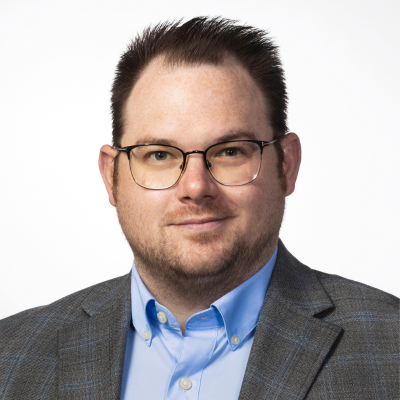
In this edition, our MedChemBioConversations is with Eric Miller from Emory University, United States.
Get to know him better by reading the interview below:
How did you get interested in Medicinal Chemistry?
Ever since childhood, I’ve been fascinated by medicines that alleviate human ailments. Having seasonal allergies and asthma, I’ve gone through many over-the-counter and prescription medications to treat these very common conditions. The fact that a simple tablet can treat human disease remains inspiring.
What was the topic of your PhD project?
My PhD involved 2 projects. Project 1 involved the diastereoselective syntheses and anticancer evaluation of natural product-derived fluorinated sphingolipids. Project 2 involved elucidation of the molecular mechanism of chloride-sensitivity of metabotropic glutamate receptor 3 (mGluR3, class C GPCR) using molecular modelling, organic synthesis, site-directed mutagenesis, and cell signalling assays.
Where did you have your postdoc position?
For my postdoctoral work, I had the opportunity to stay at Emory Chemistry to engage in a Bristol-Myers Squibb-sponsored research project focused on developing best-in-class orally bioavailable antagonists of the CXC-type chemokine receptor 4 (CXCR4, class A GPCR) as immunomodulators to pair with immune checkpoint inhibitors.
Where are you currently working and what is your current position?
After postdoctoral fellowship, my interdisciplinary research further drove me into nucleoside antiviral drug discovery and protein-protein interaction networks in collaboration with School of Medicine colleagues in the Departments of Pharmacology & Chemical Biology, Urology, and Pathology & Laboratory Medicine. I am currently an Assistant Professor in the Emory University School of Medicine Department of Pharmacology & Chemical Biology where I am 1.5 years into building my lab.
What are your current research interests?
So many!! but my lab focuses on anticancer, antifungal, and antiviral drug discovery and delivery, protein-protein interactions disrupters and molecular glues for cancer and neurodegeneration, and location- and signalling-biased modulators of CXCR4.
How would you explain what your research area is to non-scientists?
Broadly speaking, we study the chemistry of biological localization. We seek to understand and control where and when drugs are activated in the body, where are when disease-driving protein complexes are formed, and where and when immune cells are trafficked to different tissues.
What do you like best about your work?
Through this research program, we strive, not only to develop new therapeutic approaches to treat cancer, neurodegeneration, and infectious diseases, not only to robustly contribute to the ever-growing body of human biomedical and scientific knowledge, but perhaps most importantly, to engage in training the next-generation of medicinal chemists, pharmacologists, chemical biologists, physicians, and industry leaders.
How would you describe yourself as a supervisor?
In general, I prefer to be relatively hands off. I seek to empower members of the lab to drive their own research. I typically get them up and running in the lab at the beginning, training technical laboratory skills, spectral interpretation, and laboratory safety. But once they demonstrate competence and safe laboratory practices, I encourage the team to work through their issues together. I am of course always available to discuss experiments and results, review data, edit writing materials, provide general guidance and deal with general laboratory issues. It is important to me that each member of the lab knows that I am always there for them, just an office visit, text, or phone call away if I’m not in the lab. I do not want to ever be the bottle neck for them. It is also important that each lab member grow both independently and with the team. Critical thinking, scientific planning, and experiment troubleshooting are critical components of that growth.
What do you consider your greatest achievement in your scientific career?
Reaching the level of Assistant Professor and having the opportunity to build my own lab.
Which of your papers are you most proud of and why?
I’m not sure I’ve ever thought about that before! My first 1st author paper was special of course, and a bit of a synthetic feat [DOI: 10.1021/acsmedchemlett.6b00113]. Other than that, the nucleoside therapeutics papers have been very rewarding as corresponding author [https://doi.org/10.1021/acs.jmedchem.1c01083; DOI 10.3389/fphar.2022.1083284; https://doi.org/10.1021/acsptsci.2c00252; https://doi.org/10.1021/acs.jmedchem.4c01510].
What would you like to ask from other medicinal chemists?
Medicinal chemistry is inherently a collaborative discipline, as it brings together organic synthesis, chemical & molecular biology, pharmacology, and medicine. Although the interdisciplinary nature of medicinal chemistry can make this especially challenging, it is our collective responsibility to thoroughly report reproducible methods in the literature. I am a big fan of supplementary information. In my opinion, doing the experiments is the hard part, and reporting the methods and results is the easy part. So why not report everything from the raw data, through data analysis, to the final results and related information in the SI? You’ve already troubleshot the system, so you might as well make all of your findings available so that it is easier for another lab to replicate.
Have you experienced any unfair situations during your scientific career? How would you advise scientists facing similar situations?
I have been incredibly fortunate to have great advisors and mentors during my scientific career. The one thing I will suggest is that no matter where you train or work, there will always be politics and difficult individuals. Learning how to not let those things distract you from being productive in your research, and how to effectively navigate related situations, can be very important. But no one is perfect at this, and my advice is to try and keep getting better every day.
What is the most embarrassing thing you have done in the lab while doing experiments, e.g. explosions?
One time I was quenching a bottle of n-butyllithium solution, just like they say in the safety manuals. Cannulated into addition funnel and slowly dropwise added to an ice-cold stirring solution of 10:1 hexanes:iPrOH. The addition occurred nicely without incident. However, there was some lithium salt residue remaining on the insides of the addition funnel. Feeling overconfident from having seen not even a hint of gas expulsion during the quench, I grabbed the MeOH squirt bottle to rinse down the insides. This was quickly met with violent spurting gas expulsion that thankfully did not result in a fire. But it was close.
What are your recommendations for a book, podcast, website, blog, YouTube channel or film?
I highly recommend using an RSS feed such as Feedly.com to help stay up on the recently published literature. In grad school, I would try (and often fail) to go to journal websites to reach ASAPs each week. I now subscribe to the journals I want to follow on Feedly. Feedly changed my life. It is now my home page, and I go through recently published articles on a daily basis. Derek Lowe’s In the Pipeline blog is also very good.
Which scientist do you admire most and why?
I have so much respect and admiration for chemists who became experts in the field before the advents of mass spectrometry and NMR, as well as for all researchers who didn’t have access to databases like SciFinder and search engines like Google Scholar. I don’t know what I would do without these. Also shout out to anyone who has learned a scientific discipline in a language other than your native tongue! I can only imagine how challenging this must be. AUTOMATED HIGH-THROUGHPUT CHEMISTRY WORKFLOWS IN DRUG DISCOVERY AT J&J.
The Young Scientists Network is proud to showcase a webinar organised by the SEQT. This webinar will delve into the latest advancements and applications of High-Throughput Experimentation (HTE), Lab Automation, flow chemistry and AI/ML in the realm of chemical synthesis. Participants will gain insights into HTE methodologies, Automated Synthesis, and engage in discussions on their integration with AI/ML.
Topics Covered:
- AI/ML applied to Drug Discovery
- Instrumentation for HTE Labs
- Lab Automation in Medicinal Chemistry
- Flow chemistry
March 27, 2025 (3:00pm)
Registration for free here.
CHEMBIOCHEM SPECIAL COLLECTION "MUTUALLY REWARDING ACADEMIA-INDUSTRY COLLABORATIONS IN CHEMICAL BIOLOGY"
We are pleased to present the recently completed ChemBioChem – EFMC Special Collection on "Mutually Rewarding Academia-Industry Collaborations in Chemical Biology" (Auberson et al., 2023). Breakthroughs in life sciences, such as drug discovery, involve complex, multidisciplinary processes that transition from initial scientific concepts to the development of viable candidates, offering valuable collaboration opportunities between academia and industry. While industry is driven by goal-oriented, time-sensitive projects, academia focuses on basic research, allowing for riskier, long-term explorations.
These collaborations can be mutually advantageous, with academia contributing innovative tools and industry providing advanced resources, potentially leading to significant scientific advancements. Ideally, successful partnerships should culminate in published outcomes that benefit society, and recognizing common pitfalls can enhance future cooperation. This collection features ten contributions that showcase fruitful collaborations.
Evaluating Activity-Based Probes for Protein Tyrosine Phosphatases
Ter Brake et al. examined activity-based protein profiling (ABPP) for protein tyrosine phosphatases, focusing on allosteric SHP2 inhibitors (ter Brake et al., 2024). They discovered that direct electrophiles and quinone methide-based traps, used as probes, faced issues with unspecific labeling. Direct electrophiles lacked specificity, while quinone methide-based traps caused 'bystander' labeling, highlighting the need for alternative strategies in phosphatase research.
CNS Drug Discovery in Academia
Gertsch and Chicca highlight academia's growing role in drug discovery, though few projects reach clinical trials (Gertsch and Chicca, 2024). The NCCR TransCure initiative, backed by the Swiss National Science Foundation, aims to boost early-stage research on membrane transporters for CNS disorders. Success depends on interdisciplinary collaboration, strong intellectual property, and motivated startups like Synendos Therapeutics. Challenges include exploring new druggable spaces and overcoming the "valley of death."
Non-Profit Development of PET Ligands for Huntington's Imaging
Positron emission tomography (PET) with high-affinity radioligands has improved understanding of neurodegenerative diseases like Parkinson's and Alzheimer's. Huntington's disease involves mutant huntingtin (mHTT) protein fibrils, but specific radioligand development is challenging due to limited structural knowledge. The CHDI Foundation has screened small molecules to find high-affinity mHTT ligands, with some nearing clinical application, as reviewed by Dickmann et al. (Dickmann et al., 2024).
Task-Similarity for Few-Shot SAR Meta-Learning
Kötter et al. highlight challenges in early drug discovery due to limited training data for machine learning models (Kötter et al., 2024). Meta-learning uses existing structure-activity data for efficient few-shot training. The study assessed model-agnostic meta-learning (MAML) and adaptive deep kernel fitting (ADKF) in regression, focusing on dataset size and task similarity. ADKF outperformed MAML on inhibition data, emphasizing task similarity's role in predictability.
Preclinical Evaluation of a Monoacylglycerol Lipase PET Tracer
Monoacylglycerol lipase (MAGL) degrades the endocannabinoid 2-AG, with its inhibition potentially aiding pain, anxiety, inflammation, and neuroprotection. He et al. introduced (R)-[11C]YH132, a pure MAGL PET tracer with improved pharmacokinetics over its racemate (He et al., 2024). It showed high MAGL specificity in vitro and excellent brain penetration and selectivity in vivo. Its accumulation decreased with a MAGL inhibitor, supporting its use in drug development.
Development and Assessment of PROTACs for Acyl Protein Thioesterase 1 Targeting
PROTAC linker design is often empirical, but PRosettaC software aids in designing sulfonyl-fluoride-based PROTACs for acyl protein thioesterase 1 (APT1). It identified alkyl linkers as optimal, confirmed by Western blotting for APT1 degradation and activity-based protein profiling for selectivity among serine hydrolases. Carvalho et al. suggest integrating PRosettaC with chemoproteomics to streamline PROTAC synthesis and assess potency and selectivity (Carvalho et al., 2024).
Preclinical Evaluation of Azabenzimidazole PET Radioligands for AMPA Receptor Imaging
AMPA glutamate receptors with the TARP γ-8 subunit in the hippocampus are key anti-epileptic drug targets. Chen et al. developed novel 18F-labeled TARP γ-8 inhibitors from the azabenzimidazole scaffold for PET imaging (Chen et al., 2024). Radioligands [18F]TARP-2204 and [18F]TARP-2205 showed high purity and specific binding, but unexpected radiodefluorination in rodent PET studies suggests further structural refinement is needed.
Identification of Novel NSD2-Degraders from Selective DEL Hits
NSD2, a histone methyltransferase, is linked to cancers like multiple myeloma. Legaard Andersson fused DNA-encoded libraries to find small molecules that bind the PWWP1 domain of NSD2, inhibiting its interaction with H3K36me2 nucleosomes without affecting methyltransferase activity (LegaardAndersson et al., 2023). These were converted into VHL1-recruiting degraders, with one showing NSD2 degradation, reduced H3K36me2 levels, and inhibited cell proliferation.
Creation of a Selective NanoBRET Probe for Live-Cell MAGL Inhibition Assessment
Cell-free enzymatic assays often miss the complexity of cellular target engagement, leading to misleading pharmacology due to factors like permeability and nonspecific binding. Gazzi et al. developed an intracellular NanoBRET assay to assess MAGL inhibition in live cells, using a BODIPY590-conjugated inhibitor and MAGL-nanoluciferase fusion protein (Gazzi et al., 2024). This assay evaluated over 1,900 MAGL candidates, aiding in selecting compounds with favorable properties for drug discovery.
Probing CB2 Receptor Mobility in Live Cell Membranes Using FRAP
In the study of Ciaramellano et al, the novel fluorescent probe RO7304924, which selectively targets the cannabinoid 2 receptor (CB2R), was used to assess its lateral mobility in CHO cells (Ciaramellano et al., 2025). Confocal fluorescence recovery after photobleaching (FRAP) measured the diffusion coefficient and mobile fraction, highlighting RO7304924's effectiveness in studying CB2R dynamics and its potential impact on receptor-dependent cellular processes.
The ten contributions span diverse areas of Chemical Biology, including DNA-encoded libraries (DEL), PROTACs, proteomics, radio- and fluorescently labeled ligands, as well as cutting-edge approaches in CNS drug discovery and machine learning applications. Researchers from public and private institutions across Europe, the US, and Asia have provided highly engaging articles that showcase innovative research. Both startups and large pharmaceutical companies have participated, highlighting the breadth and potential of academia-industry collaborations in Chemical Biology. These collaborations may serve as a model for jointly identifying healthcare solutions in this sector.
Auberson, Y. P., Grether, U., Vauzeilles, B., & Vázquez, O. (2023). Mutually Rewarding Academia-Industry Collaborations in the Field of Chemical Biology. ChemBioChem, 24(11), e202300121. doi:https://doi.org/10.1002/cbic.202300121.
Carvalho, L. A. R., Sousa, B. B., Zaidman, D., Kiely-Collins, H., & Bernardes, G. J. L. (2024). Design and Evaluation of PROTACs Targeting Acyl Protein Thioesterase 1. ChemBioChem, 25(4), e202300736. doi:https://doi.org/10.1002/cbic.202300736.
Chen, J., Li, Y., Yu, Q., Patel, J. S., Zhou, X., Zhang, K., et al. (2024). Preclinical Evaluation of Azabenzimidazole-Based PET Radioligands for γ-8 Dependent Transmembrane AMPA Receptor Regulatory Protein Imaging. ChemBioChem, 25(6), e202300813. doi:https://doi.org/10.1002/cbic.202300813.
Ciaramellano, F., Leuti, A., Kurtz, A. D. E., Sarott, R., Westphal, M., Pfaff, P., et al. (2025). Probing Native CB2 Receptor Mobility in Plasma Membranes of Living Cells by Fluorescence Recovery After Photobleaching. ChemBioChem, n/a(n/a), e202400921. doi:https://doi.org/10.1002/cbic.202400921.
Dickmann, C. G. F., Milicevic Sephton, S., Barker, R. A., & Aigbirhio, F. I. (2024). PET Ligands for Imaging Mutant Huntingtin Aggregates: A Case Study in Non-For-Profit Scientific Management. ChemBioChem, 25(11), e202400152. doi:https://doi.org/10.1002/cbic.202400152.
Gazzi, T., Brennecke, B., Olikauskas, V., Hochstrasser, R., Wang, H., Keen Chao, S., et al. (2024). Development of a Highly Selective NanoBRET Probe to Assess MAGL Inhibition in Live Cells. ChemBioChem, n/a(n/a), e202400704. doi:https://doi.org/10.1002/cbic.202400704.
Gertsch, J., & Chicca, A. (2024). CNS Drug Discovery in Academia: Where Basic Research Meets Innovation. ChemBioChem, 25(19), e202400397. doi:https://doi.org/10.1002/cbic.202400397.
He, Y., Delparente, A., Jie, C. V. M. L., Keller, C., Humm, R., Heer, D., et al. (2024). Preclinical Evaluation of the Reversible Monoacylglycerol Lipase PET Tracer (R)-[11C]YH132: Application in Drug Development and Neurodegenerative Diseases. ChemBioChem, 25(7), e202300819. doi:https://doi.org/10.1002/cbic.202300819.
Kötter, A., Allenspach, S., Grebner, C., Matter, H., Hiss, J. A., Schneider, G., et al. (2024). Task-Similarity is a Crucial Factor for Few-Shot Meta-Learning of Structure-Activity Relationships. ChemBioChem, 25(19), e202400095. doi:https://doi.org/10.1002/cbic.202400095.
LegaardAndersson, J., Christensen, J., Kleine-Kohlbrecher, D., Vacher Comet, I., Fullerton Støier, J., Antoku, Y., et al. (2023). Discovery of NSD2-Degraders from Novel and Selective DEL Hits. ChemBioChem, 24(24), e202300515. doi:https://doi.org/10.1002/cbic.202300515.
Ter Brake, F. H. G., van Luttikhuizen, S. A. F. M., van der Wel, T., Gagestein, B., Florea, B. I., van der Stelt, M., et al. (2024). Previously Published Phosphatase Probes have Limited Utility Due to their Unspecific Reactivity. ChemBioChem, 25(22), e202400333. doi:https://doi.org/10.1002/cbic.202400333.
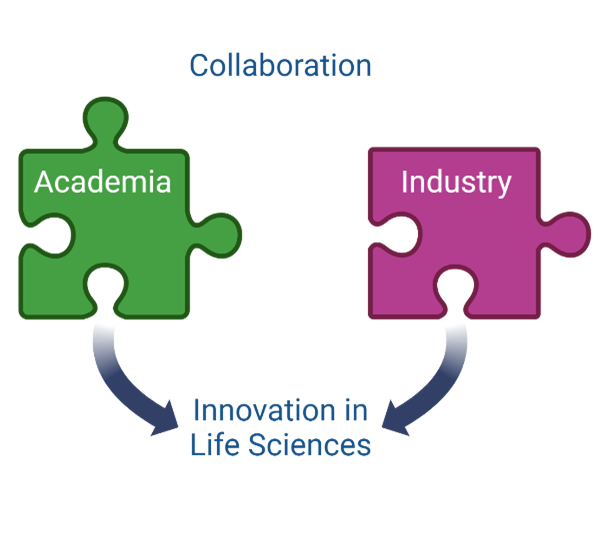
Breakthroughs in life sciences often stem from multidisciplinary research, with academia-industry collaborations offering significant potential to enhance results and accelerate innovation, as highlighted by successful examples in this special collection on chemical biology.
[License 1569822-1 by Wiley to EFMC Chemical Biology Working Group for reusing the above graphical abstract for EFMC material] XII BRAZMEDCHEM 2025
Join the forefront of drug discovery at BrazMedChem 2025, Brazil’s premier Medicinal Chemistry conference, scheduled from September 20th to 24th, 2025, in the picturesque setting of Búzios, Rio de Janeiro. This event unites top scientists, industry leaders, and innovators to explore the latest advancements in drug design, bioactive molecules, and therapeutic breakthroughs. With world-class speakers and cutting-edge research presentations, BrazMedChem 2025 offers a unique platform to engage in discussions that shape the future of healthcare.
Participants will have the opportunity to network with leading researchers, startups, and pharmaceutical giants, fostering collaborations that drive innovation. The conference features hands-on workshops, interactive poster sessions, and live demonstrations showcasing breakthrough technologies. Whether presenting research or seeking inspiration, attendees will find an unparalleled environment to connect with experts and gain valuable insights.
More information and registration on https://brazmedchem.org/.
NEWS FROM THE DIVISION MEDICINAL CHEMISTRY & CHEMICAL BIOLOGY, ROYAL NETHERLANDS CHEMICAL SOCIETY (KNCV-MCCB)
It is our great pleasure to announce the KNCV MCCB-SOC Symposium which will take place on March 24-25, 2025 in De Werelt in Lunteren.
Just as two years ago, the symposium is organised jointly by the sections of Medicinal Chemistry & Chemical Biology (MCCB) and Organic Chemistry (SOC), and the programme will include speakers relevant to both sections.
Have a look at the confirmed speakers: https://mccb.kncv.nl/mccb-soc-2025.
Registration closes on March 14, so don’t miss the opportunity to attend!
#MEDCHEMCASES - SEMINAR BY THE DIVISION OF MEDICINAL CHEMISTRY OF THE GERMAN CHEMICAL SOCIETY (GDCH)
The MedChem Division of the German Chemical Society (GDCh) invites you to the next #MedChemCASES online seminar which will be held on March 19 by Jesus Alcazar.
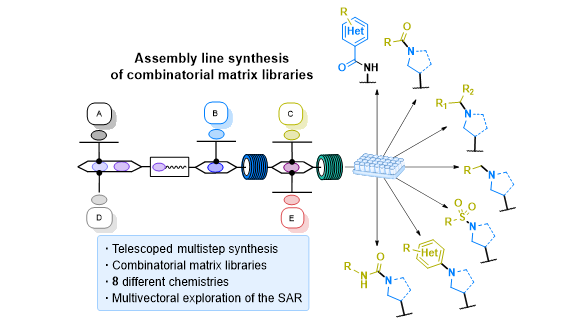
The webinar will focus on “Enabling High-Throughput Chemistry in Flow to Access Novel Chemical Space for Drug Discovery”.
Enabling chemical space is a key element for Drug Discovery.[1] However, methodologies to build molecules in a medicinal chemistry setting is limited and has not been changed over the last years.[2] There is a clear need to develop new methodologies for such transformations that can be applicable in a Drug Discovery setting.[3]
Continuous flow chemistry has recently emerged as a novel chemical tool that can help chemists to access chemistries not suitable in batch and make them real alternatives in synthetic pathways. In this way it enables access to novel chemical space not available by traditional batch procedures. The enablement of automation in flow devices has supported the development of High Throughput Flow Chemistry as a tool for Drug Discovery.
In this presentation we are going to disclose how advantages of flow chemistry can be translated to methodologies that can help medicinal chemist access novel chemical space; how flow chemistry can impact in this way Drug Discovery; and how these tools can then be automated for library synthesis and access this new chemical space in a high throughput format. We will also disclose some ideas about what the future will look like.[4]
Register for free here.
#GDCh (MedChem Division), #NextGenMedChem.
[1] (a) Flow Chemistry in Drug Discovery (Ed.: Alcázar, J.; de la Hoz, A.; Díaz-ortiz, A.), Topics in Medicinal Chemistry 38. 2021, Nature, Gewerbestrasse, Switzerland; (b) Meyers, J.; Carte, M.; Mok, N. Y.; Brown, N. Future Med. Chem. 2016, 8, 1753; (c) Tsukamoto, T. ACS Med. Chem. Lett. 2013, 4, 369; (d) Walters, W. P.; Green, J.; Weiss, J. R.; Murcko, M. A. J. Med. Chem. 2011, 54, 6405.
2 López, E.; Linares, M. L.; Alcázar, J. Future med. Chem. 2020, 12, 1547.
3 (a) Roughley, S. D.; Jordan, A. M. J. Med. Chem. 2011, 54, 3451; (b) Brown, G. D.; Boström, J. J. Med. Chem. 2016, 59, 4443; (c) Wang, Y.; Haight, I.; Gupta, R.; Vasudevan, A. J. Med. Chem. 2021, 64, 17115; (d) Dombrowski, A. W.; Aguirre, A. L.; Shrestha, A.; Sarris, K. A.; Wang, Y. J. Org. Chem. 2021, DOI: 10.1021/acs.joc.1c01427.
4 (a) Pijper, B.; Abdiaj, I.; Mazuela, J.; Linares, M.L.; Gómez, J.E.; Rodriguez, R.; Chaves Arquero, B.; Palao, E.; Cañellas, S; Alcázar, J. Chem Catal. 2024, 4, 101118; (b) Oksdath-Mansilla, G.; Bisogno, F.R.; Pijper, B.; Alcázar, J. Chem Catal. 2023, 3, 100487; (c) Pijper, B.; Alcázar, J.; Oksdath-Mansilla, G.; Bisogno, F.R. Chem Catal. 2023, 3, 100488 NEWS FROM THE BIOLOGICAL AND MEDICINAL CHEMISTRY SECTOR (BMCS) OF THE ROYAL SOCIETY OF CHEMISTRY (RSC)
The BMCS is happy to announce several upcoming events:
8th RSC-BMCS / SCI Symposium on Ion Channels as Therapeutic Targets
31st March – 1st April, 2025, Hinxton Hall Conference Centre, Cambridge
Registration and abstract submissions are now open! Poster Abstract extended Tuesday 14th January!!
Website: https://www.rscbmcs.org/events/ionchannels25/
Synopsis: Ion channels are important targets for therapeutic intervention due to their extensive roles in human physiology and the pathophysiology of disease. Many successful drugs targeting this gene family have been discovered for diseases such as hypertension, epilepsy, and neuropathic pain. This symposium, the 8th in an ongoing series, will showcase the most recent advances to aid the design of new ion channel therapeutics and promote interaction between scientists with a shared interest in the field of ion channel drug discovery.
36th BMCS Spring Symposium on Medicinal Chemistry
Thursday, 24th April 2025, Fielder Centre, Hatfield, UK
Registration and poster abstract submission open! Poster deadline is Friday 7th February 2025.
Website: https://www.rscbmcs.org/events/hatfields25/
Synopsis: Known colloquially as the “Hatfield MedChem” meeting, this is a highly successful, long-standing, one-day meeting that runs annually. The scientific program will comprise presentations showcasing medicinal chemistry case studies from tools to candidates, across a range of modalities, therapeutic areas and target classes, as well as covering more general topics at the forefront of drug discovery. The meeting aims to be informal and interactive, and is ideal for all those working in medicinal chemistry and drug discovery more widely.
11th RSC/SCI Symposium on Kinase Inhibitor Design
Monday 12th – Tuesday 13th May, 2025, Royal College of Physicians of Edinburgh, Edinburgh
Registration and abstract submissions are now open! Early bird registration deadline: 14th March 2025.
Website: https://www.rscbmcs.org/events/kinase2025/
Synopsis: With more than 100 clinically approved small molecules, the field of kinase modulation continues to attract significant investment from the drug discovery community and attention from academia. The 11th RCS-BMCS/SCI symposium on kinase inhibitor design will encompass plenary lectures on emerging topics and case studies of ongoing programmes as well as successful past programmes. A range of topics including brain penetrant and inhaled kinase inhibitors, kinase chemical probes, allosteric modulators, targeted kinase protein degradation and kinase inhibition for non-oncology indications will be covered, along with views and perspectives on the future of kinase modulator research.
BMCS Hot Topics: PROTACs and Glues 2025
Wednesday 28th May 2025, Virtual
Registration is open!
Website: https://www.rscbmcs.org/events/hottopicsprotacsandglues2025/
Synopsis: The BMCS Hot Topics online meetings are intended to highlight breaking areas of research in fields of science relevant to drug discovery. They run as stand-alone half-day virtual events, 2-3 times per year. The programme will be targeted towards researchers working who would like to enhance their understanding of these nascent or developing fields.
While conventional small molecule drugs typically inhibit or activate proteins, PROTACs and glues offer new strategies to modulate biological pathways by either removing proteins entirely or enhancing their interactions to elicit a pharmacological effect. This meeting will feature presentations on the application and development of PROTACs, glues, and bifunctional molecules in chemical biology and drug discovery, highlighting their roles in both protein degradation and the modulation of new and existing protein-protein interactions (PPIs).
BMCS 5th Synthesis in Drug Discovery and Development
Tuesday 3rd – Wednesday 4th June, 2025, Virtual
Abstract submission and registration now open!
Website: https://www.rscbmcs.org/events/sddd25/
Synopsis: Synthesis is at the heart of drug discovery and development. The industry has increasingly demanded higher quality clinical candidates and has sought to exploit less druggable biological targets. Densely functionalised small molecules with a high degree of synthetic complexity are often the result of these demands. Successful programmes therefore require the application of innovative synthesis in all stages of discovery and development. The medicinal chemist’s toolbox is also enhanced by the introduction of novel bioisosteres, often made available only through the application of new synthetic methods. This symposium aims to celebrate the crucial role of synthesis in the success of drug discovery and development.
4th RSC Anglo-Nordic Medicinal Chemistry Symposium
10th-13th June 2025, Hotel Comwell Borupgaard, Snekkersten, Denmark
Registration and abstract submissions are now open! The deadline for oral abstracts is Friday 31st January 2025.
Website: https://www.rscbmcs.org/events/anmc-4/
Synopsis: This 2.5 day symposium is the fourth in the very successful series of biannual meetings started in 2017 containing high quality international speakers from industry and academia on topics of Medicinal Chemistry and related enabling technologies. Organised by the Biological and Medicinal Chemistry Sector of the Royal Society of Chemistry, together with Nordic affiliates, the meeting promises to be an exciting and invigorating gathering packed with fantastic opportunities to disseminate knowledge and expand networks.
RSC-BMCS / SCI 23rd Medicinal Chemistry Symposium
Sunday – Wednesday, 14th-17th September, 2025, Churchill College, Cambridge
Registration is now open! Abstract submission will be open soon!
Website: https://www.rscbmcs.org/events/cammedchem25/
Synopsis: The organisers invite you to the 23rd SCI-RSC Medicinal Chemistry symposium, Europe’s premier biennial Medicinal Chemistry event, focusing on first disclosures and new strategies in Medicinal Chemistry.
8th RSC-CICAG / RSC-BMCS Artificial Intelligence in Chemistry
Monday-Wednesday, 22nd – 24th September 2025, Churchill College, Cambridge
A date for your diary!
Website: https://www.rscbmcs.org/events/aichem8 /
Synopsis: Artificial Intelligence is experiencing a renaissance in the development of new methods and practical applications to ongoing challenges in Chemistry. Following the successes of six annual “Artificial Intelligence in Chemistry” meetings starting in 2018, we are pleased to announce that the Chemical Information & Computer Applications Group (CICAG) and Biological & Medicinal Chemistry Sector (BMCS) of the Royal Society of Chemistry are once again organising a conference to present the current advances in AI and machine learning in Chemistry. The meeting will be held over two and half days and combine aspects of artificial intelligence and deep machine learning methods to applications in chemistry. The programme will include a mixture of keynote talks, panel discussion, oral presentations, flash presentations, posters and opportunities for open debate, networking, and discussion. This year meeting will follow 2024 with two and half days and will include workshop on first day, please keep checking website for updates. |
|
|
|
|
|
EFMC ORGANISED EVENTS
April 3, 2025
Webinar
5th EFMC Tandem Talks
April 6-9, 2025
Oegstgeest (near Leiden), The Netherlands
19th EFMC Short Course on Medicinal Chemistry
May 12-15, 2025
Chicago, USA
ACSMEDI-EFMC Medicinal Chemistry Frontiers 2025
August 31 - September 4, 2025
Porto, Portugal
X EFMC International Symposium on Advances in Synthetic and Medicinal Chemistry (EFMC-ASMC 2025)
September 4-5, 2025
Porto, Portugal
12th EFMC Young Medicinal Chemists' Symposium
EFMC SPONSORED EVENTS
March 14, 2025
Burlington House, London, United Kingdom
9th RSC-BMCS Symposium on Mastering Medicinal Chemistry
31st March – 1st April 2025
Hinxton Hall, Wellcome Genome Campus, Cambridge, United Kingdom
8th RSC-BMCS / SCI Symposium on Ion Channels as Therapeutic Targets
April 3-5, 2025
University of Ioannina, Karolos Papoulias Conference, Greece
20th Hellenic Symposium on Medicinal Chemistry (HSMC-20)
June 3, 2025
Institut Pasteur, Lille, France
Advanced Organic Chemistry
June 10-13, 2025
Hotel Comwell Borupgaard, Snekkersten, Denmark
4th RSC Anglo-Nordic Medicinal Chemistry Symposium
June 15-18, 2025
Seville, Centro de Investigaciones Científicas cicCartuja, Spain
XXI National Meeting of the Spanish Society of Medicinal Chemistry
JOB PORTAL
Junior research group leader
Institut Pasteur, FRANCE
Read more
Doctoral scholarship holder in the field of proline-specific proteases
University of Antwerp, Belgium
Read more
|
|



