|
|
OPEN ACCESS EDUCATION MATERIAL FOR BEST PRACTICES IN MEDCHEM
With five sets already available (the most recent one covering PROTACs®), the EFMC Best Practice in Medicinal Chemistry working group share insights gathered from experienced practitioners from industry and academia and illustrate the guidelines with case studies.
Have a look at their recent article, published in ChemMedChem.
The other topics already covered are:
- Hit Generation
- Hit to Lead Generation
- Validating Chemical Probes
- Phenotypic Drug Discovery
The material comprises of webinars accessible on the EFMC YouTube channel, educational slide decks and case studies. These are freely accessible for personal use or for use in further training or teaching material.
Find more on www.efmc.info/best-practices.
CHEMMEDCHEM & CHEMBIOCHEM, THE OFFICIAL JOURNALS OF EFMC
EFMC-YSN MENTORING PROGRAMME 2025 – DEADLINE APPROACHING!
Do not miss the deadline of April 15 to enrol in the fifth edition of the mentoring programme, aiming to connect motivated students with high-profile mentors.
The mentoring programme is shaped for PhDs (up to 18 months before the end of PhD) and Post-docs, who are seeking a career in medicinal chemistry, chemical biology or related fields, either in industry or academia. The main objective is to support their transition into the job market by providing feedback, soft-skill training, and overall guidance.
More information and mentee application on www.efmc.info/mentoring-programme.
Want to join the programme as a mentor? Reach out to us at ysn@efmc.info.
NEW ANTIBIOTICS ARE URGENTLY NEEDED!
Are you working with new potential antibiotics and need resources to develop them? ENABLE-2 is an antibacterial drug discovery platform with a focus on the early stages of antibiotic discovery and development. We provide cost-free experimental and advisory support for early-stage academic antibiotic developers in Europe.
Visit uu.se/enable2 to learn more about how ENABLE-2 can support your project.
More information about ENABLE-2 Open Call
LITERATURE SPOTLIGHT
The “Literature Spotlight” section of the newsletter offers concise and accessible summaries of recently published research. It highlights a range of themes drawn from various journals, with this edition’s contribution provided by Dr Alex Hallat (University of Dundee, United Kingdom).
This contribution will focus on the recently published article "Development of a Highly Selective NanoBRET Probe to Assess MAGL Inhibition in Live Cells" by Thais Gazzi et al., published in ChemBioChem. (https://doi.org/10.1002/cbic.202400704)
In their study of monoacylglycerol lipase (MAGL) inhibition, the authors develop a NanoBRET-based probe to assess MAGL activity in live cells. MAGL is a cytosolic serine hydrolase that is responsible for the release of arachidonic acid in the brain, which promotes the synthesis of proinflammatory eicosanoids such as prostaglandins. As such, inhibition of MAGL has emerged as a promising therapeutic strategy for the treatment of neurological inflammation and tissue injury.
Previous methods for profiling MAGL inhibitors had been limited to the use of cell-free enzymatic assays or cellular fluorescence-based assays which relied on non-selective probes. To address the limitations of existing methods, the authors designed a bioluminescence resonance energy transfer (BRET) probe that enables the selective monitoring of MAGL inhibition in real time, and in either live or permeabilised cells.
To begin their efforts, the authors utilised an existing MAGL inhibitor scaffold from the patent literature due to its low nanomolar potency on both human and mouse MAGL isoforms, and high passive cell permeability. After the use of structure-activity relationships (SAR) to determine the optimal exit vector, the authors evaluated the (albeit limited) choice of linker and fluorophore on the overall properties of the tracer. In the end, a BODIPY590-based fluorophore was selected for the lead probe which was used for subsequent assay optimisation.
The newly established NanoBRET assay was validated with a range of known MAGL inhibitors and subsequently used to screen a panel of 1,908 ligands for MAGL inhibition, in conjunction with a cell''.chr('8209').''free RapidFire MS assay. The establishment of this NanoBRET system provides an improved toolbox for the development of MAGL modulators in future and will have particular applications in high-throughput screening (HTS) approaches. AWARDEES OF THE 2025 YSN-YMCC TRAVEL GRANTS
We proudly announce the names of the awardees of the 2025 YSN-YMCC Grant to attend ACSMEDI|EFMC Medicinal Chemistry Frontiers.
- Dr Camilla Scarpellini, University of Antwerp, Belgium
- Dr Dimitrios-Ilias Balourdas, Utrecht University, The Netherlands
 |
|
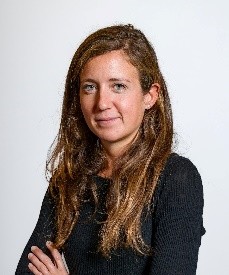
Camilla Scarpellini is a postdoctoral researcher in the Medicinal Chemistry laboratory at the University of Antwerp (UAMC). After studying Pharmacy at the University of Bologna, Camilla joined the research group of Prof. Koen Augustyns (UAMC) in 2018 as a PhD student funded by the EU Horizon 2020 Research & Innovation programme Marie Sklodowska-Curie Action (IT-DED³). Camilla gained additional experience at the University of Tübingen and Karlsruher Institute of Research and Technology, Germany; GSK Vaccines, Italy; King Abdullah University for Science and Technology, Saudi Arabia; Instituto Universitario de Oftalmobiología Aplicada, Spain; Symeres, The Netherlands and VIB-UGent, Belgium. Her current research focuses on the lead optimisation of novel ferroptosis inhibitors, a novel mechanism of regulated cell death with emerging therapeutic potential.
|
 |
|
|
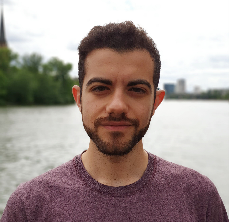
Dimitrios-Ilias Balourdas earned his Pharmacy degree from the National and Kapodistrian University of Athens in 2019. As part of the Erasmus+ program, he completed his diploma dissertation in the Knapp group at Goethe University Frankfurt, focusing on the characterization of epigenetic inhibitors for treating aggressive pancreatic carcinomas. In August 2020, Ilias joined the Structural Genomics Consortium in Frankfurt as a PhD student, working on targeting transcription dysregulation for precision oncology. In 2024, he became a postdoctoral researcher in the Braakman/van der Sluijs group. As a member of the newly founded FLOW Consortium, his research focuses on the folding fitness of CFTR.
|
Congratulations to both for their outstanding application, as well as to the other worthy candidates.
Each grant of up to 1500€ will be used to cover registration, economy flight and up to 3-nights accommodation to attend the upcoming edition of the ACSMEDI|EFMC Medicinal Chemistry Frontiers will take place in Chicago, IL, United States on May 12-15, 2025. Each one of them will present their research at the conference with a Poster and will be invited to submit an abstract for Oral Communication. GET TO KNOW SILVIA ORTEGA GUTIERREZ (UNIVERSIDAD COMPLUTENSE DE MADRID, SPAIN)
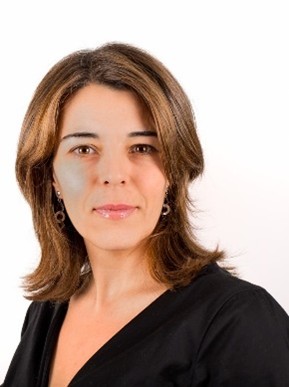
Our MedChemBioConversations is with Silvia Ortega Gutierrez (Universidad Complutense de Madrid, Spain).
Get to know her better by reading the interview below:
How did you get interested in Medicinal Chemistry?
Since I was a child, I have always been interested in science. And within science, I was very early captivated by the lives of Santiago Ramón y Cajal, Louis Pasteur and Marie Curie and their contributions to scientific advances that made an objective impact in the quality of life of many people. In this broad framework, and as I grew up, what attracted me the most was the possibility of improving health with small molecules that some special people could envision, create and test. The 80’s and 90’s were full of key advances in cancer and in HIV. These discoveries were in the news, and they made me think that I would like to take a part of this fascinating field.
Where and when did you obtain your PhD diploma?
I obtained my PhD in Universidad Complutense de Madrid, in 2004, under the guidance of professor María Luz López-Rodríguez. The aim of my PhD project was framed in the study on the endogenous cannabinoid system. It particularly aimed at the development of new endocannabinoid uptake inhibitors.
Afterwards, I carried out my postdoc with a fellowship of the Fulbright Program and the Spanish Ministry of Science in The Scripps Research Institute in California, under the advice of Professor Benjamin F. Cravatt.
Where are you currently working and what is your current position?
I work in the Organic Chemistry Department of Universidad Complutense de Madrid, where I lead the Medicinal Chemistry Lab since 2021. My current position is Full Professor.
My current research interests are within the fields of medicinal chemistry and chemical biology with a focus on two things: (i) the identification and (ii) validation of new therapeutic targets. In the former, we are working on the development of new modulators of the lysophosphatidic acid receptors and on the endogenous cannabinoid system. Regarding the latter, we are working on targeted protein degradation and its application to rare diseases such as progeria, on the generation of new chemical probes for the identification of the targets of bioactive compounds with unknown modes of action and on the development of chemical tools for the study of the human microbiome.
How would you explain what your research area is to non-scientists?
In a broad sense, we can say that diseases are due to the malfunctioning of a protein. In some cases, the protein is known and so are the compounds able to restore its normal function. In these cases, we have treatments. However, sometimes we do not know which protein is responsible for a given disease, or the compounds able to regulate it do not exist, so there are no treatments available. Our research aims to identify new molecules and new proteins to expand the number of therapies for diseases that remain as unmet needs.
What do you like best about your work?
The possibility of working on new things everyday and contributing to the formation of the new generation of scientists.
What kind of skills does your work require?
Besides the technical ones that include proficiency in the specific laboratory techniques that the project requires, you need creativity, resilience, and perseveration.
Are you currently looking for a new PhD student or a postdoc?
Yes, in our group we are always keen to incorporate new motivated members both as PhD students and postdoctoral researchers.
What do you consider your greatest achievement in your scientific career?
I hope that my greatest scientific achievement is still to come… It is difficult to select one from what I have done until today, since all research in which I have been involved during the different stages of my life has been of importance to me. Nonetheless, I am especially proud of the work done in the endogenous cannabinoid system, where we have provided widely used chemical tools for the scientific community, and of the work we are carrying out in the progeria field.
From a different perspective, I am proud of the career achievements of my former PhD students and of my current team and the network of collaborations we have established over time. Without their hard work and committed dedication, none of our discoveries would be possible.
Which of your papers are you most proud of and why?
It is difficult to select one because every project that translates into a paper is build upon the tireless work and endless enthusiasm of the PhD students and postdocs involved. Papers represent the happy ending of a specific story, so I cannot select just one over the others. On a more personal level, I have always had a soft spot for my first Journal of Medicinal Chemistry paper, which represented an important milestone in my PhD project.
What are the features of a successful PhD student or postdoc?
Curiosity and motivation are perhaps among the most important ones. Also, a strong technical background in the specific area of work is fundamental, especially at the postdoc level. Of course, hard-work capacity and perseverance are essential. As Einstein claimed already “success comes from curiosity, concentration, perseverance and self-criticism”. Finally, some soft skills are also a must, including team spirit, collaborative predisposition and good communication skills.
Have you experienced any unfair situations during your scientific career? How would you advise scientists facing similar situations?
I guess that at some point all of us perceive as unfair the lack of an eagerly awaited accomplishment in which we have invested a lot of time and effort. We are currently subjected to round after round of evaluation, such as paper submission, grant revision, or even student opinion about teaching performance as different pieces of this global map.
Although this system is intended to keep and promote improvement, sometimes it is unfair. And it is a reality… so at the end of the day, it is important to never give up, trying a second, third, or even fourth time… and keep the focus on the important things.
A different thing is workplace mobbing or discrimination, which is not only unfair but unacceptable. If this is the case, just speak out and remember that this is not the way it should be and that there will be always a place where you can feel respected and have opportunities for personal growth.
What is the most embarrassing thing you have done in the lab while doing experiments, e.g. explosions?
At the beginning of my PhD, I accidentally broke all the glass balls of a brand-new glass oven for microdistillation.
Which scientist do you admire the most and why?
There are quite a few. But if I must select, I will choose two stories of vaccine discovery, the polio and smallpox. At the beginning of the 20th century, polio was one of the most feared diseases in western countries, paralysing hundreds of thousands of children every year. Today, global incidence of polio cases has decreased by 99%. Jonas Salk developed the first safe and effective vaccine for polio and the lack of a patent boosted its use all over the world in few years.
When talking about pandemics, smallpox is the virus that has killed the most in history, more than 500 million people. Today smallpox is considered eradicated due to the efforts of Edward Jenner, who developed the first vaccine in history, which was against smallpox, together with Francisco J. de Balmis and Isabel Zendal, who extended the vaccine against smallpox all over the world through the Spanish Royal Philanthropic Vaccine Expedition, considered the first international healthcare expedition in history.
What would you expect to be the next breakthrough in medicinal chemistry?
Targeted protein degradation and proximity induced modification of proteins with small molecules are two fields full of potential and which are still in their infancy. I am sure that they will provide breakthroughs in the upcoming years. SHOWCASING THE SECTION OF MEDICINAL AND PHARMACEUTICAL CHEMISTRY OF THE CROATIAN CHEMICAL SOCIETY
The Section of Medicinal and Pharmaceutical Chemistry is the youngest of the eight divisions of the Croatian Chemical Society (CCS). Established in 2009, its mission is to develop and promote scientific, professional, and educational activities within the Croatian medicinal chemistry community, while building up partnerships and collaborations, primarily with other EU-based medicinal chemistry societies. The Section’s main activities include organizing symposia, meetings, and lectures to enhance the visibility of scientific research, facilitate knowledge exchange, and foster collaboration between academia and industry. Additionally, it actively promotes the dissemination of significant scientific achievements and supports young researchers through funding opportunities.
The main activities of the Section:
Organizing scientific events
- Mini Symposium: Since 2017, the Section of Medicinal and Pharmaceutical Chemistry has been organizing the annual Mini Symposium. This one-day event offers young scientists, particularly PhD students, postdoctoral researchers, and early-career scientists an opportunity to present their work through oral presentations. These symposia not only highlight innovative research but also encourage networking and collaboration among scientists, contributing to the advancement of medicinal and pharmaceutical chemistry in Croatia.
- Annual Meetings: The Section is a key organizer of the annual meeting where leading domestic and international experts in the field gather to discuss the latest research, trends, and developments in medicinal chemistry and pharmaceutical sciences.
Awards and grants
- In 2019, the Croatian Chemical Society, in collaboration with Selvita Ltd., established an annual award to recognize and support young medicinal chemists. This award honours scientists under the age of 35 for outstanding research achievements early in their careers. Candidates can apply for the award and present their work at the Mini Symposium, after which the best researcher is selected to receive the award, which includes a diploma, a monetary prize, and an invitation to present at the EFMC Young Medicinal Chemist Symposium
- The Section also provides financial support to young researchers to attend major scientific events, including funding grants for EFMC-organized conferences such as the EFMC Young Medicinal Chemist Symposium and the EFMC International Symposium on Medicinal Chemistry
Recent and Upcoming Events:
- EFMC-ASMC and EFMC-YMCS 2023: The Section, in collaboration with EFMC, has been both the co-organizer and host of the IX EFMC International Symposium on Advances in Synthetic and Medicinal Chemistry and the 10th EFMC Young Medicinal Chemist Symposium in 2023. These symposia have brought together chemists from industry, academia and start-up companies, as well as young scientists from around the world and were focused on the latest advancements in synthetic methodologies, total synthesis, chemical biology, process and medicinal chemistry, and automation & AI-driven approaches in synthesis and drug discovery.
- Croatian Summer School on Medicinal Chemistry: The Section is excited to announce the first-ever Croatian Summer School on Medicinal Chemistry, which will take place in Rijeka from September 14-17, 2025.
To learn more about Croatian Chemical Society, you can visit our website here and follow us on the Section’s media channels (LinkedIn, Facebook).
Author: Marina Marinovic, Faculty of Pharmacy and Biochemistry, University of Zagreb, Croatia. SPOTLIGHT ON “CROATIA”
The Section of Medicinal and Pharmaceutical Chemistry of the Croatian Chemical Society (CCS) is pleased to highlight two recent articles from its members:
The first publication, entitled “Towards Novel Antiplasmodial Agents—Design, Synthesis, and Antimalarial Activity of Second-Generation β-Carboline/Chloroquine Hybrids”, represents a continuation of research on β-carboline-based hybrids as potential antimalarial agents. This study was conducted by a research group from the Faculty of Pharmacy and Biochemistry (University of Zagreb) in collaboration with Institute of Tropical Medicine (University of Tübingen) and Rudjer Boškovic Institute (Zagreb).
The second article, entitled “Impact of the Hydrophilic-Lipophilic Balance of Free-Base and Zn(II) Tricationic Pyridiniumporphyrins and Irradiation Wavelength in PDT Against Melanoma Cell Lines”, was recently published in the European Journal of Medicinal Chemistry. This study, conducted by research groups from the Faculty of Biotechnology and Drug Development, University of Rijeka and the Rudjer Boškovic Institute, Zagreb, demonstrates the impact of different amphiphilic pyridiniumporphyrins as photosensitizers in photodynamic therapy.
Towards Novel Antiplasmodial Agents—Design, Synthesis, and Antimalarial Activity of Second-Generation β-Carboline/Chloroquine Hybrids
As Plasmodium resistance to existing antimalarials increases, there is a crucial need to expand the antimalarial drug pipeline. This research group has recently identified potent antimalarial compounds, namely harmiquins, hybrids derived from the β-carboline alkaloid harmine and 4-amino-7-chloroquinoline, a key chloroquine (CQ) motif. To further explore structure-activity relationships, the authors synthesized 13 novel N-9 β-carboline hybrids and tested them in vitro against Plasmodium falciparum 3D7 (CQ-sensitive) and Dd2 (multi-drug-resistant) strains. All compounds showed persistent antimalarial activity, with the two most potent exhibiting low nanomolar IC50 values (4.7 ± 1.3 nM and 4.6 ± 0.6 nM for 3D7; 6.5 ± 2.5 nM and 10.5 ± 0.4 nM for Dd2). Resistance indices (RIs) ranged from 0.9 to 5.3, compared to CQ’s 14.4, indicating their superior activity. Furthermore, cytotoxicity screening on HepG2 cells revealed IC50 values over three orders of magnitude higher for most compounds, with selectivity indices (SIs) from 711.0 to 8081.8.
Additionally, they conducted spectroscopic studies on two hybrids to explore their binding to DNA, RNA, and HSA. Both showed intrinsic fluorescence with remarkable Stokes shifts (Δλ = +103 and +93 nm). Fluorimetric experiments indicate that the compound with a shorter, more flexible linker had a significantly higher affinity for ds-DNAs over ds-RNA and was two orders of magnitude more selective for GC-DNAs. Both hybrids exhibited similar HSA binding behaviour, with a strong hypsochromic shift (Δλ = −70 nm), demonstrating their potential as fluorimetric probes to distinguish DNA/RNA from proteins.
Taken together, the high SIs, low RIs, and significant nanomolar potency against Plasmodium strains confirmed in this study highlight the remarkable antiplasmodial activity of these compounds, and paving the way for further optimization toward developing more potent and less cytotoxic antiplasmodial agents.
Read the full article here: https://doi.org/10.3390/molecules29245991
Impact of the Hydrophilic-Lipophilic Balance of Free-Base and Zn(II) Tricationic Pyridiniumporphyrins and Irradiation Wavelength in PDT Against Melanoma Cell Lines
The amphiphilic and asymmetric structure of porphyrins, when used as photosensitizers (PSs) for photodynamic therapy (PDT), plays a crucial role in facilitating their entry into cells, thereby enhancing their efficiency in PDT, as demonstrated by numerous studies. In this article, two groups of cationic AB3 pyridiniumporphyrins, free-base and chelated with Zn(II), both substituted with alkyl chains of various lengths, were studied in PDT on melanoma cell lines. Since the aim of this study was to investigate the impact of hydrophilic-lipophilic balance and Zn(II) chelation as well as the importance of matching the irradiation wavelength to the optical properties of the PS on in vitro PDT efficiency they performed spectroscopic studies, singlet oxygen production and lipophilicity, cellular uptake, localization and cytotoxicity studies of the two series of porphyrins.
In both series of porphyrins, the longest alkyl chain (17C-atoms long) enables the greatest internalization of the PS. Chelation with Zn(II) resulted in better physicochemical properties, but slower cellular internalization. As expected, free-base porphyrins were more PDT efficient than their Zn(II) complexes after 30-min photoactivation by low-fluence (2mW/cm2) red light (643nm). However the use of orange light (606nm) with the same fluence rate was more suitable for Zn(II) porphyrins and resulted in similar overall toxicity to their free-base analogues with similar lipophilicity. Although the highest phototoxicity was achieved with the PSs carrying the longest alkyl chain,TMPyP3-C13H27 and Zn(II)-TMPyP3-C13H27 proved to be the most promising candidates for use in PDT as they exhibit high phototoxicity, but also greater selectivity towards melanoma cell lines (MeWo and A375) compared to fibroblasts (HDF).
Read the full article here: https://doi.org/10.1016/j.ejmech.2024.117063 NEWS FROM THE BIOLOGICAL AND MEDICINAL CHEMISTRY SECTOR (BMCS) OF THE ROYAL SOCIETY OF CHEMISTRY (RSC)
The BMCS is happy to announce several upcoming events:
8th RSC-BMCS / SCI Symposium on Ion Channels as Therapeutic Targets
31st March – 1st April, 2025, Hinxton Hall Conference Centre, Cambridge
Registration closes 14 March!
Website: https://www.rscbmcs.org/events/ionchannels25/
Synopsis: Ion channels are important targets for therapeutic intervention due to their extensive roles in human physiology and the pathophysiology of disease. Many successful drugs targeting this gene family have been discovered for diseases such as hypertension, epilepsy, and neuropathic pain. This symposium, the 8th in an ongoing series, will showcase the most recent advances to aid the design of new ion channel therapeutics and promote interaction between scientists with a shared interest in the field of ion channel drug discovery.
36th BMCS Spring Symposium on Medicinal Chemistry
Thursday, 24th April 2025, Fielder Centre, Hatfield, UK
Registration is open!
Website: https://www.rscbmcs.org/events/hatfields25/
Synopsis: Known colloquially as the “Hatfield MedChem” meeting, this is a highly successful, long-standing, one-day meeting that runs annually. The scientific program will comprise presentations showcasing medicinal chemistry case studies from tools to candidates, across a range of modalities, therapeutic areas and target classes, as well as covering more general topics at the forefront of drug discovery. The meeting aims to be informal and interactive, and is ideal for all those working in medicinal chemistry and drug discovery more widely.
11th RSC/SCI Symposium on Kinase Inhibitor Design
Monday 12th – Tuesday 13th May, 2025, Royal College of Physicians of Edinburgh, Edinburgh
Registration is open!
Website: https://www.rscbmcs.org/events/kinase2025/
Synopsis: With more than 100 clinically approved small molecules, the field of kinase modulation continues to attract significant investment from the drug discovery community and attention from academia. The 11th RCS-BMCS/SCI symposium on kinase inhibitor design will encompass plenary lectures on emerging topics and case studies of ongoing programmes as well as successful past programmes. A range of topics including brain penetrant and inhaled kinase inhibitors, kinase chemical probes, allosteric modulators, targeted kinase protein degradation and kinase inhibition for non-oncology indications will be covered, along with views and perspectives on the future of kinase modulator research.
BMCS Hot Topics: PROTACs and Glues 2025
Wednesday 28th May 2025 (afternoon), Virtual
Registration is open!
Website: https://www.rscbmcs.org/events/hottopicsprotacsandglues2025/
Synopsis: The BMCS Hot Topics online meetings are intended to highlight breaking areas of research in fields of science relevant to drug discovery. They run as stand-alone half-day virtual events, 2-3 times per year. The programme will be targeted towards researchers working who would like to enhance their understanding of these nascent or developing fields.
While conventional small molecule drugs typically inhibit or activate proteins, PROTACs and glues offer new strategies to modulate biological pathways by either removing proteins entirely or enhancing their interactions to elicit a pharmacological effect. This meeting will feature presentations on the application and development of PROTACs, glues, and bifunctional molecules in chemical biology and drug discovery, highlighting their roles in both protein degradation and the modulation of new and existing protein-protein interactions (PPIs).
BMCS 5th Synthesis in Drug Discovery and Development
Tuesday 3rd – Wednesday 4th June (afternoons), 2025, Virtual
Registration is open!
Website: https://www.rscbmcs.org/events/sddd25/
Synopsis: Synthesis is at the heart of drug discovery and development. The industry has increasingly demanded higher quality clinical candidates and has sought to exploit less druggable biological targets. Densely functionalised small molecules with a high degree of synthetic complexity are often the result of these demands. Successful programmes therefore require the application of innovative synthesis in all stages of discovery and development. The medicinal chemist’s toolbox is also enhanced by the introduction of novel bioisosteres, often made available only through the application of new synthetic methods. This symposium aims to celebrate the crucial role of synthesis in the success of drug discovery and development.
4th RSC Anglo-Nordic Medicinal Chemistry Symposium
10th-13th June 2025, Hotel Comwell Borupgaard, Snekkersten, Denmark
Registration and abstract submissions are now open! The deadline for poster abstracts is Thursday 1st May.
Website: https://www.rscbmcs.org/events/anmc-4/
Synopsis: This 2.5 day symposium is the fourth in the very successful series of biannual meetings started in 2017 containing high quality international speakers from industry and academia on topics of Medicinal Chemistry and related enabling technologies. Organised by the Biological and Medicinal Chemistry Sector of the Royal Society of Chemistry, together with Nordic affiliates, the meeting promises to be an exciting and invigorating gathering packed with fantastic opportunities to disseminate knowledge and expand networks.
RSC-BMCS / SCI 23rd Medicinal Chemistry Symposium
Sunday – Wednesday, 14th-17th September, 2025, Churchill College, Cambridge
Registration is open! Abstract submission is open! The deadline for abstract submission is Wednesday 30th April 2025.
Website: https://www.rscbmcs.org/events/cammedchem25/
Synopsis: The organisers invite you to the 23rd SCI-RSC Medicinal Chemistry symposium, Europe’s premier biennial Medicinal Chemistry event, focusing on first disclosures and new strategies in Medicinal Chemistry.
8th RSC-CICAG / RSC-BMCS Artificial Intelligence in Chemistry
Monday-Wednesday, 22nd – 24th September 2025, Churchill College, Cambridge
Abstract submission is now open!
Website: https://www.rscbmcs.org/events/aichem8 /
Synopsis: Artificial Intelligence is experiencing a renaissance in the development of new methods and practical applications to ongoing challenges in Chemistry. Following the successes of six annual “Artificial Intelligence in Chemistry” meetings starting in 2018, we are pleased to announce that the Chemical Information & Computer Applications Group (CICAG) and Biological & Medicinal Chemistry Sector (BMCS) of the Royal Society of Chemistry are once again organising a conference to present the current advances in AI and machine learning in Chemistry. The meeting will be held over two and half days and combine aspects of artificial intelligence and deep machine learning methods to applications in chemistry. The programme will include a mixture of keynote talks, panel discussion, oral presentations, flash presentations, posters and opportunities for open debate, networking, and discussion. This year meeting will follow 2024 with two and half days and will include workshop on first day, please keep checking website for updates.
BMCS New approaches to the treatment of Parkinson’s
Wednesday 12th November 2025, Burlington House, London
BMCS / Parkinsons UK
Abstract Submission is now open!
Website: https://www.rscbmcs.org/events/parkinsons25/
Synopsis: Join the Royal Society of Chemistry Biological Medicinal Chemistry Sector and Parkinson’s UK to hear about new approaches to the treatment of Parkinson’s Disease.
In the dynamic field of drug discovery, the search for new treatments for Parkinson’s disease has never been more critical. It is estimated 10 million people worldwide are living with Parkinson’s – a chronic, progressive neurodegenerative condition resulting from the loss of the dopamine-containing cells of the substantia nigra. Motor and non-motor symptoms of the condition are wide ranging and current treatments only help to manage a small subset of the symptoms and do not modify the disease progression. But there is a wealth of research to find new and better therapeutics for Parkinson’s.
This meeting, specifically designed for professionals dedicated to developing new therapeutics for Parkinson’s disease, will highlight current research offering symptomatic relief and disease modifying approaches. |
|
|
|
|
|
EFMC ORGANISED EVENTS
May 12-15, 2025
Chicago, USA
ACSMEDI-EFMC Medicinal Chemistry Frontiers 2025
June 17, 2025
Webinar
21st EFMC-YSN MedChemBioOnline
August 31 - September 4, 2025
Porto, Portugal
X EFMC International Symposium on Advances in Synthetic and Medicinal Chemistry (EFMC-ASMC 2025)
September 4-5, 2025
Porto, Portugal
12th EFMC Young Medicinal Chemists' Symposium
EFMC SPONSORED EVENTS
May 28, 2025
Online Event
BMCS Hot Topics: PROTACs and Glues
June 3, 2025
Institut Pasteur, Lille, France
Advanced Organic Chemistry
June 3 - 4, 2025
Online Event
5th Synthesis in Drug Discovery and Development
June 10-13, 2025
Hotel Comwell Borupgaard, Snekkersten, Denmark
4th RSC Anglo-Nordic Medicinal Chemistry Symposium
June 15-18, 2025
Seville, Centro de Investigaciones Científicas cicCartuja, Spain
XXI National Meeting of the Spanish Society of Medicinal Chemistry
July 2 - 4, 2025
Orléans, France
59th International Conference on Medicinal Chemistry
EFMC CERTIFIFED SCHOOLS
June 29 - July 3, 2025
Urbino, Palazzo Battiferri, Italy
ESMEC School
June 30 - July 6, 2025
Pivot Park, Oss, The Netherlands
Radboud Summerschool
July 15-17, 2025
Bilbao, Spain
SEQT Summer School
September 14 - 19, 2025
Department of Pharmaceutical Sciences - Vienna, Austria
Vienna Summer School
September 15-16, 2025
University of Tübingen, Tübingen, Germany
MedChemCampus2025
September 22 - 24, 2025
University of Bologna – Rimini Campus, Rimini, Italy
SSPA Summer School
JOB PORTAL
Junior research group leader
Institut Pasteur, FRANCE
Read more
Research Assistant (Postdoc)
University of Marburg, GERMANY
Read more
|
|