|
|
EFMC PRIZES 2025 ANNOUNCED!
The EFMC is happy to announce the names of the 2025 Prize winners.
- EFMC Prize for Young Medicinal Chemist or Chemical Biologist in Academia
The selection committee designated Prof. Joleen Masschelein (KU Leuven, Belgium) as the winner of the 2025 EFMC Prize for a Young Medicinal Chemist or Chemical Biologist in Academia
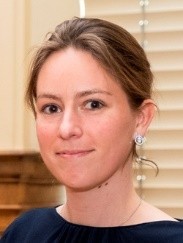
Joleen Masschelein leads the Laboratory for Biomolecular Discovery and Engineering at the VIB-KU Leuven Center for Microbiology in Belgium. She studied Bioscience Engineering at KU Leuven, where she earned her PhD in 2015, focusing on the discovery and characterization of novel antibiotics. She was subsequently awarded a Marie-Sklodowska Curie Individual Fellowship from the European Commission to continue her research at the Department of Chemistry at the University of Warwick. In 2017, she moved to the Laboratory for Medicinal Chemistry at KU Leuven as a postdoctoral research fellow of the Research Foundation – Flanders. In 2020, she was appointed as a Group Leader at the VIB-KU Leuven Center for Microbiology and as an Assistant Professor at the Department of Biology at KU Leuven. She holds an ERC Starting Grant and is also a Visiting Professor at the Tianjin Institute for Industrial Biotechnology in China. She currently leads a multidisciplinary team of 7 postdocs, 13 PhD students and 4 technicians. Her research centers on engineering bacteria and their natural product biosynthetic pathways for drug discovery and novel therapeutic applications.
Dr Johannes Broichhagen (Leibniz-Institute for Molecular Pharmacology (FMP), Germany) and Dr Marta Artola (Leiden University, The Netherlands) have been recognised as the most meritorious runners-up.
- EFMC Prize for Young Medicinal Chemist or Chemical Biologist in Industry
The selection committee designated Dr Veronika Ehmke (Novartis BioMedical Research, Switzerland) as the winner of the 2025 EFMC Prize for a Young Medicinal Chemist or Chemical Biologist in Industry
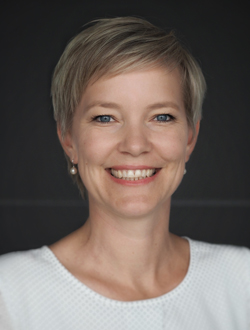
Veronika Ehmke is a Senior Principal Scientist in Novartis’ Global Discovery Chemistry team in Basel. She is an organic chemist by training and earned her PhD from the Swiss Federal Institute of Technology (ETH) in Zurich working with Professor Francois Diederich. After receiving her doctorate, Veronika conducted postdoctoral research with Professor Barry Trost at Stanford University. Since joining Novartis, she has supported several immunology and oncology projects. Within the oncology team, Veronika has been responsible for projects ranging from target validation and early hit finding to lead optimization across different modalities. Currently, Veronika is a group leader in oncology and responsible for a targeted therapy project with a specific focus on applying AI/ML and generative chemistry approaches to accelerate the drug discovery phase.
Dr Andrea Testa (Trimtech Therapeutics, United Kingdom) and Dr Michael Reutlinger (F. Hoffmann-La Roche Ltd., Switzerland) have been recognised as the most meritorious runners-up.
The two Prizes are given annually and consists of a diploma, € 2.500 and an invitation for a short presentation at an EFMC symposium. For the 2025 edition, the prize-winners are invited to give an oral communications at the X EFMC International Symposium on Advances in Synthetic and Medicinal Chemistry (EFMC-ASMC 2025), scheduled to take place in Porto, Portugal on August 31-September 4, 2025.
2025 EFMC-YSN PhD PRIZE AWARDED
The selection committee designated Dr Rebecca Stevens (GSK) as the winner of the 2025 EFMC-YSN PhD Prize, sponsored by Selvita. Dr Giulia Antonini (Milan University) has been designated as the most meritorious runner-up.
Rebecca Stevens obtained her MSci in Chemistry from the University of Bristol in 2021. She is about to complete her doctoral studies as part of the GSK/University of Strathclyde Collaborative PhD Programme, where she has been primarily based in the Modality Platform Technologies group at GSK, focusing on developing new platform capabilities for direct-to-biology and their applications within targeted protein degradation. During her PhD she also performed two research placements, in the Burley group at the University of Strathclyde in 2023, and with Professor Stuart Conway at University of California, Los Angeles, in 2024. Following her PhD, she will soon be joining the Medicinal Chemistry team at Bicycle Therapeutics.
The prize, kindly sponsored by Selvita, will consist of a diploma, 1.000€ and an invitation to deliver an oral communication at the EFMC Young Medicinal Chemists' Symposium (EFMC-YMCS). The 2025 winner will also receive a free registration and a 500€ travel grant to attend both the X EFMC International Symposium on Advances in Synthetic and Medicinal Chemistry (EFMC-ASMC 2025) and the 12th EFMC Young Medicinal Chemists' Symposium (EFMC-YMCS 2025) which will take place in Porto, Portugal on August 31 to September 4 & September 4-5, 2025. An additional nominee will also be identified and acknowledged as the most meritorious runner-up and will receive a 500€ prize. THE NEWSLETTER IS KINDLY SPONSORED BY COLLABORATIVE DRUG DISCOVERY - CDD
LITERATURE SPOTLIGHT
The “Literature Spotlight” section of the newsletter offers concise and accessible summaries of recently published research. It highlights a range of themes drawn from various journals, with this edition’s contribution provided by Katerina Barmpidi (University of Barcelona, Spain).
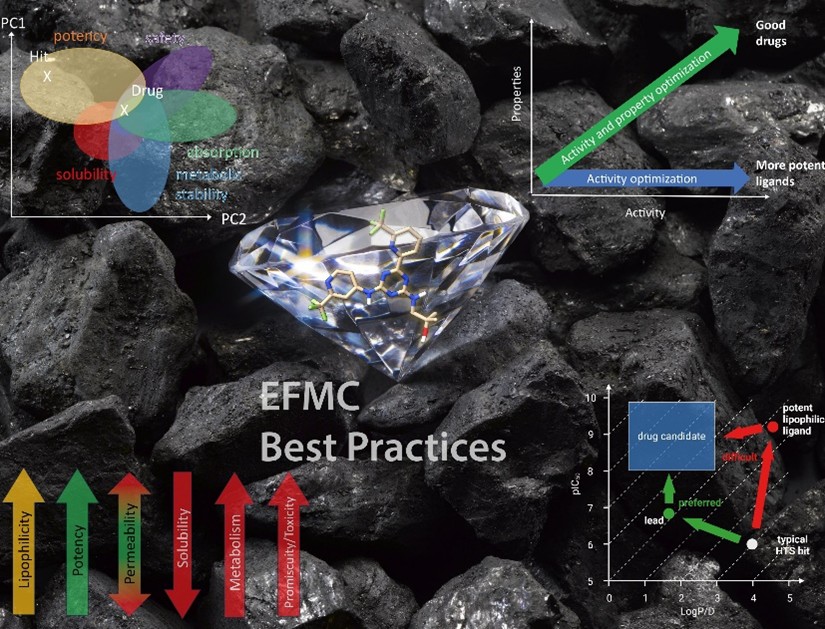
This edition’s contribution highlights the recently published article "The European Federation for Medicinal Chemistry and Chemical Biology (EFMC) Best Practice Initiative: Hit to Lead" by the EFMC Best Practices Group, led by Jean Quancard, and published in ChemMedChem. (https://chemistry-europe.onlinelibrary.wiley.com/doi/epdf/10.1002/cmdc.202400931).
As part of the EFMC Best Practice Initiative (https://www.efmc.info/best-practices), this paper provides a comprehensive overview of the Hit-to-Lead (H2L) phase, outlining key principles, practical challenges, and recommended strategies to improve the efficiency and success rate of this critical stage in drug discovery. The following guiding questions are addressed:
- How do we select the most promising chemical matter from all hit series?
Prioritization of hit series should be guided by early data on activity, pharmacokinetics (e.g., solubility and metabolism), SAR (structure-activity relationship), selectivity, preliminary toxicity risks, and synthetic feasibility.
- How to optimize compound properties to ensure good quality leads?
“Potency and properties (physicochemical and ADMET) have to be optimized in parallel to get to quality leads and later drug candidates with higher chances of clinical success.”
- How do we start optimizing a scaffold?
Key tactics include identifying essential binding elements through deconstructive SAR, determining the bioactive conformation, and leveraging high-throughput and computational methods to rapidly explore SAR and SPR (structure-property relationship). Scaffold modifications - not just substituent changes - should be considered early, supported by structural biology and predictive models to prioritize compounds with desirable properties. A “predict-first” mindset helps reduce unnecessary synthesis and accelerates progress toward high-quality leads.
- How can we ensure that optimization is progressing as expected, and when should we consider stopping work on a chemical series?
A lead is just a starting point - progress must be demonstrated to justify continued investment. Monitoring dynamic SAR, potency, ADMET, and in vivo evidence is essential. If improvements plateau or confidence in translation is low, it may be time to discontinue and refocus efforts elsewhere.
A must-read for all scientists in drug discovery aiming to navigate the H2L phase with greater clarity, consistency, and scientific precision.
Access the associated webinars, slide set, and case studies freely via this link: https://www.efmc.info/hit-to-lead 21st EFMC-YSN MEDCHEMBIOONLINE | BEST PRACTICES IN DISCOVERING PROTACS
This edition of MedChemBioOnline covers the essential concepts and approaches to develop PROTACs as well as the progress in clinical exploration of this exciting modality.
Over the last two decades, targeted protein degradation (TPD) by monovalent (molecular glues) or heterobifunctional degraders (PROTACs) has greatly advanced as a new therapeutic modality. The discovery of PROTAC based drugs in particular poses specific challenges due to their property space and requires a dedicated set of assays and concepts to optimize their efficacy.
The speakers for this edition of MedChemBioOnline are:
- Dr Christiane Kofink (Boehringer Ingelheim, Austria)
- Dr Kirsten McAuley (University of Dundee, United Kingdom)
- Dr Kurt Ritter (University of Tübingen, Germany)
A round table discussion at the end of the event will allow you to ask questions.
What sets EFMC-YSN MedChemBioOnline apart is its flexibility and accessibility. The webinar is free and open to everyone, making it easy to balance your attendance with other commitments. And because it's organised by EFMC-YSN, you'll have the opportunity to connect with a global community of young scientists who share your interests and goals.
The event will take place on June 17 between 15:30 and 17:30 CEST and we kindly invite you to register on https://www.medchembio.online/.
EFMC-YSN LAUNCHES THE LUNCH & LEARN INITIATIVE!
Are you an early career researcher looking to share your expertise, expand your professional network, and contribute to the scientific community?
The Lunch & Learn initiative is designed to be a valuable knowledge sharing resource for early-career scientists in medicinal chemistry and chemical biology. Foundational presentations outlining key topics and techniques in drug discovery will be delivered by PhD students, postdoctoral researchers, and their industry peers.
What to expect?
Each Lunch & Learn session will take the form of a short lunchtime webinar (max.1 hr), covering background theory, practical techniques and case study applications.
Why should you apply?
- Gain visibility in the scientific community
- Strengthen your presentation and public speaking skills
- Expand your professional network within EFMC and beyond
- Contribute to knowledge-sharing within the field
Who can apply?
We envision the series to be a collaborative effort; therefore, we encourage contributors to form small teams (2-3 members) for the organization and delivery of a topic. Teams composed of representatives from different institutions are highly encouraged. Solo submissions are also welcome, and in such cases we will try to team you up with another colleague in your field.
Get Involved!
To register your interest in contributing to the Lunch & Learn series, please fill in this form. One of our team members will get in touch with you in due course.
Closing date for submissions is May 16! MEET MARIA MAJELLARO, CELTARYS RESEARCH, SPAIN
In this edition, our MedChemBioConversations is with Maria Majellaro from Celtarys Research, Spain. Get to know her better by reading the interview below:
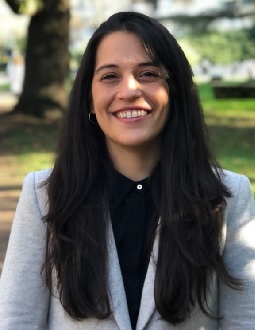
How did you get interested in Medicinal Chemistry?
I've always been fascinated by medical and pharmaceutical sciences since I was a child, as my father is a doctor. When it came time to choose a university, the Faculty of Pharmacy immediately appealed to me. I loved its courses, and during my final year, my professor of Medicinal Chemistry truly inspired me. I did my thesis with him, and that's how my journey in Medicinal Chemistry began.
Where and when did you obtain your PhD diploma?
I obtained my PhD in 2018 at the University of Bari, in southern Italy, after spending a research period abroad at CIQUS in Santiago de Compostela, where I worked with Prof. Eddy Sotelo. My PhD project focused on the use of bioisosteric replacements to optimize lead compounds and develop novel pharmacological agents for cancer and other major therapeutic areas. The work centered on three key examples: discovery and optimization of antiproliferative agents derived from a first series of biphenyl anilides showing inhibition of the P-gp pump, where we thoroughly investigated their mechanism of action; optimization of selective antagonists of the A3 adenosine receptor, for which we also explored their binding mode through computational studies; and optimization of A2b receptor antagonists, synthesized via the Biginelli multicomponent reaction. This last approach enabled us to generate hundreds of compounds, establish a detailed SAR profile for this class, and rationalize the enantio-specific interaction of the scaffold. Where did you have your postdoc position? I had my postdoc position at the CIQUS Centre in Santiago de Compostela, Spain.
Where are you currently working, and what is your current position?
I’m the Co-founder and Chief Scientific Officer of Celtarys Research, a biotech start-up located in Santiago de Compostela. We have patented a technology that allows us to assemble highly complex molecular architectures convergently. We have been widely applying it to the development of fluorescent ligands, building a portfolio of GPCR fluorescent ligands. Additionally, we offer customized development projects for targets that currently lack commercially available fluorescent tools or for designing next-generation assays. We also participate in funded projects where we contribute to developing innovative concepts for screening assays and diagnostic tools.
What do you like best about your work?
The opportunity to be creative every time a collaborator or customer presents a problem to be solved. I love proposing innovative and effective solutions. Even better is when the solution works—it’s incredibly satisfying! So, I’d say the combination of creativity and the gratification is what I enjoy most.
What kind of tasks does your work involve?
I wear many hats, but all are related to science! My tasks include marketing activities and identifying new customers and projects, collaborating and securing funding for research projects, selecting and managing researchers for my scientific team, and overseeing all projects. I also prepare publications based on our results and coordinate the various activities within scientific projects.
How many PhD students and postdocs do you currently supervise?
I supervise one PhD student as part of an industrial PhD project in collaboration with the University of Santiago de Compostela...and yes, we are always looking for new PhD students.
I believe the best way to teach is to trust. I assign tasks that help the student develop new skills. I am highly involved and enthusiastic about our work, fostering a collaborative and inspiring environment. I prioritize building strong relationships and creating a safe and peaceful space for productive work
What do you consider your greatest achievement in your scientific career?
Developing the technology we patented and founding our own biotech company.
Which of your papers are you most proud of, and why?
Every paper I’ve authored has its own story, and I’m proud of each one. They span not only medicinal chemistry but also other fields like metabolomics, analytics, and catalysis. If I had to highlight a few, I would mention the paper on the development of A2b antagonists (J. Med. Chem. 2021, 64, 1, 458–480). It provides a comprehensive SAR analysis and was instrumental in understanding the A2b receptor's binding pocket, which had not been crystallized until 2022.
Another key paper is on the development of A2b fluorescent agents to demonstrate their involvement in cancer (Biomedicine & Pharmacotherapy, Volume 153, September 2022, 113408). This work combined cutting-edge chemistry and biology, contributing to our understanding of the receptor's role in disease.
What are the features of a successful PhD student or postdoc?
A lot of passion, determination, and eagerness to learn. Being open to mobility is also crucial. During a PhD, it's important to work in different laboratories to develop your own scientific personality. This is something I experienced personally, and I am very satisfied with the outcome. Follow science communication pages, regulatory agencies (especially European ones), and take advantage of the many online seminars available, which are often open to everyone.
Have you experienced any unfair situations during your scientific career? How would you advise scientists facing similar situations?
Yes, I believe this happens to everyone to some degree. You might encounter people who are open to collaboration and others who are not, thinking that your success diminishes their own. This attitude harms science. My advice: don’t get discouraged or nervous, continue doing your work, and seek out new laboratories and places to grow. Remember, these kinds of people represent only a small minority of the scientific community.
What is the most embarrassing thing you have done in the lab while doing experiments, e.g., explosions?
During my visiting period in Santiago, after completing a 10-step synthetic pathway and finally obtaining a gram of the precursor compound for the final step, I accidentally dropped the vial, and it shattered on the floor. More than embarrassing, it was nervewracking—I started sweating and trembling at the thought of having to redo everything from scratch. Luckily, the postdoc supervising me in the lab, whom we can call Saint Johnny, helped me and managed to recover it. Another time was worse, though—a classic lab mistake: the reaction flask detached from the rotary evaporator, and water from the rota entered the flask. I lost the entire product.
Which scientist do you admire the most and why?
As a woman, I deeply admire all female scientists who paved the way for women in science and academia. Great examples for me are Marie Curie and Margherita Hack.
Which field of medicinal chemistry do you consider the most promising for the future?
Green Chemistry in Drug Development. Sustainable practices in medicinal chemistry are gaining traction to reduce the environmental impact of drug development.
What would you expect to be the next major breakthrough in medicinal chemistry?
Real-time drug screening technologies that allow for direct observation of drug-target interactions within living systems. This would greatly enhance the efficiency of drug discovery, providing unprecedented insights into how compounds behave in complex biological environments, and accelerating the path to effective therapies REPORT OF THE SHORT COURSE
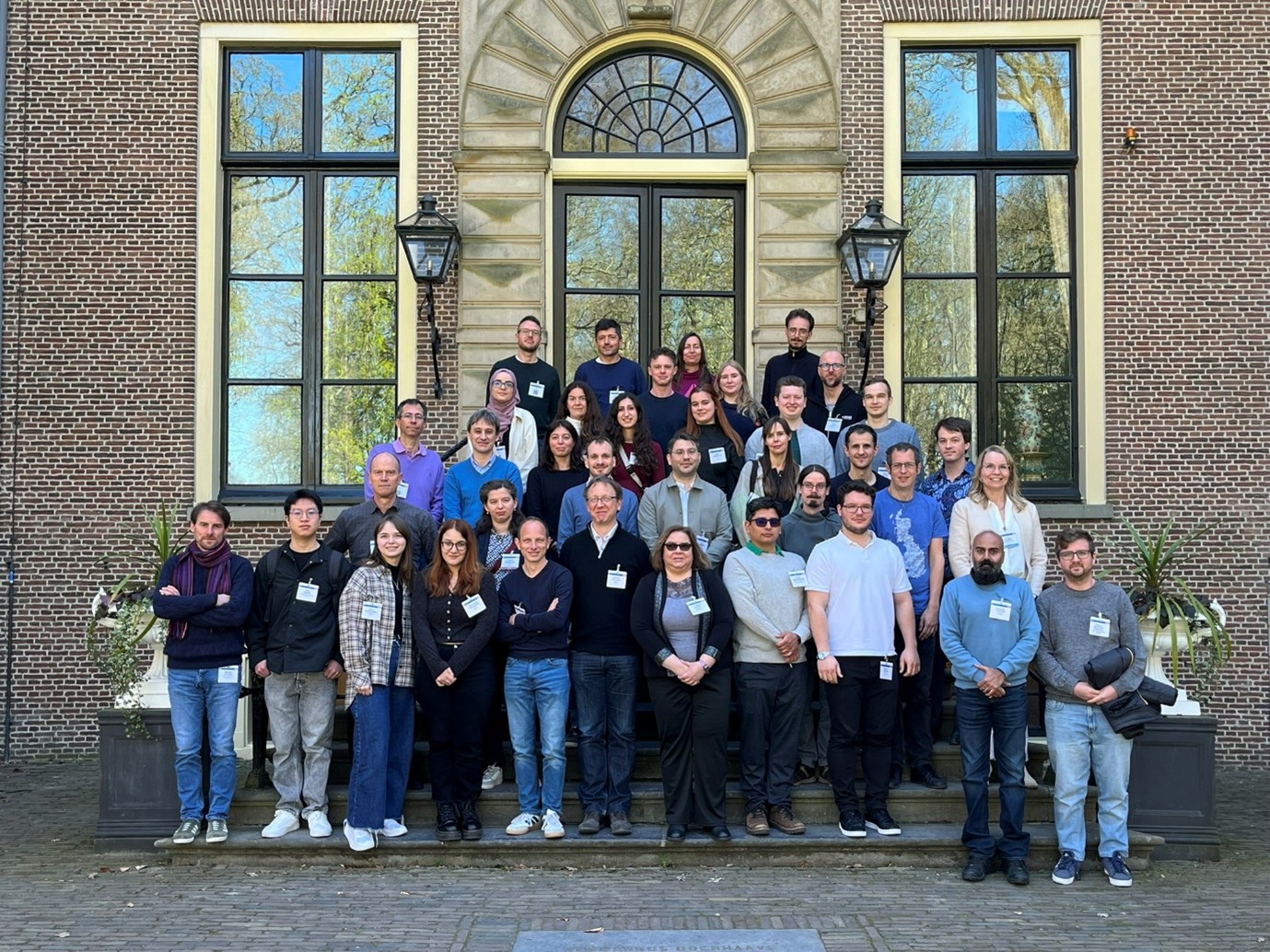
The 19th edition of the EFMC Short Course, titled "Artificial Intelligence and Medicinal Chemistry: Developments, Limitations, and Applications," was held from April 6 to 9, 2025, in the scenic surroundings of Castle Oud-Poelgeest in the Netherlands. Thirty-eight motivated participants took part in this intensive and engaging course.
With Prof. Gerard van Westen (Leiden University, The Netherlands) as organiser, the course gathered an additional five speakers. Over two and a half days, Dr Barbara Zdrazil & Mr Harris Ioannidis (EMBL-EBI, United Kingdom), Dr Christina Schindler (Merck KGAA, Germany), Dr Herman van Vlijmen (Janssen, Belgium) and Dr Bart Lenselink (La Randstad, The Netherlands) followed one another to tackle the trendy topic of Artificial Intelligence and Medicinal Chemistry.
Beyond its academic value, the event was elevated by its charming location, a historic castle nestled in the heart of Leiden. Attendees praised the unique setting, which added to the overall experience.
To foster networking, the programme included a social dinner on Sunday, April 6, and a guided walking tour of Leiden on Monday, April 7. Evenings were animated by informal gatherings at the Castle Bar, where participants connected and shared memorable moments in a relaxed atmosphere.
The EFMC Short Course will return for a 20th edition in Spring 2026. Stay tuned to the EFMC channels to learn more about the topic and speakers as they become available.
More info on www.efmcshortcourses.org
EFMC SESSSION AT THE ICBS/ECBS 2025
ChemBioParis 2025, or ICBS/ECBS 2025, is a joint edition of the 14th annual conference of the International Chemical Biology Society & the 9th European Chemical Biology Symposium. It is co-organized by the International Chemical Biology Society, the EuChemS Division of Chemical Biology and Chemistry in Life Sciences, EU-OPENSCREEN, and the Division of Chemical Biology: Chemistry and Life Sciences of the French Chemical Society, SCF-ChemBio.
The EFMC is happy to organise a session on “Genome Base Editing and Precision Chemistry for Therapy” at this major event in the field of chemical biology.
The annual conference of the International Chemical Biology Society (ICBS) has been organized since 2011, alternating between Northern America and other continents. The last, and only time, it was held in Europe was back in 2015, with the Berlin edition.
The European Chemical Biology Symposium has been organized biennially since 2008 in a European city by EU-OPENSCREEN, a not-for-profit European Research Infrastructure Consortium (ERIC). Since the Madrid edition in 2019, it has been co-organized by the EuChemS Division of Chemical Biology and Chemistry in Life Sciences.
The Berlin edition in 2015 was a joint ECBS & ICBS event. Ten years later, ICBS comes back to Europe for the first time for ChemBioParis2025, a new ICBS / ECBS joint meeting, and a major event for European and Worldwide chemical biology.
Do not miss this edition, featuring an exceptional lineup of keynote and invited speakers, at Sorbonne University, in the heart of the beautiful city of Paris!
Follow the link: chembioparis2025.com
- Registrations opened on April 28th.
- Abstract Submission Deadline will be June 9th.
- Early Bird Deadline will be June 9th.
Looking forward to seeing you in Paris next October! SHOWCASING THE PORTUGUESE YOUNG CHEMISTS GROUP (GQJ)
The Portuguese Young Chemists Group (GQJ) has been fostering a sense of community among young researchers since its establishment in 2008. By promoting chemistry as a vital and creative science, GQJ supports early-career chemists through scientific, educational, and outreach initiatives. Its activities aim to spark collaboration, encourage innovation, and bring chemistry closer to the public.
Here are some examples of the activities promoted by GQJ:
PYCheM
The Portuguese Young Chemists Meeting (PYCheM) is a biennial flagship event designed to unite young researchers in Portugal and beyond. Each edition features a diverse program with plenary talks by leading scientists, oral and poster presentations, and networking opportunities that help participants exchange ideas and explore collaborations.
PYCheM provides an informal and welcoming atmosphere, fostering connections between early career researchers and more established and recognized international speakers.
The upcoming edition will be held from April 28th to 30th in the picturesque coastal city of Faro. Participants can look forward to exciting sessions with world-renowned speakers, engaging presentations, and a chance to experience the vibrant culture of southern Portugal. Registrations are still open, so don’t miss the opportunity to be part of this inspiring event!
PYCA
The Portuguese Young Chemists Award (PYCA) is an award that honors the exceptional achievements of recent PhD holders in chemistry under the age of 35. Open to both Portuguese and international researchers who completed their PhDs at a Portuguese institution, the award recognizes not only the quality and impact of their research but also their ability to communicate scientific concepts effectively to the broader community.
The PYCA recipient is invited to deliver an oral presentation at PYCheM, showcasing their research to an engaged audience of peers and mentors. Additionally, the award-winning work could be published, as an article, in SPQ’s QUÍMICA magazine, reaching an even wider audience. With a focus on recognizing talent and excellence, PYCA is a testament to GQJ’s commitment to celebrating the next generation of chemists.
FlashChem
FlashChem is GQJ’s photography contest that bridges the gap between science and art. Open to university students, the competition challenges participants to describe chemistry through the lens of a camera. Each edition has a unique theme, inspiring creative and thought-provoking visual interpretations of chemistry in action.
Capturing the beauty and relevance of chemistry, FlashChem fosters a new perspective among young scientists and promotes public appreciation for the field.
ChemRus
ChemRus is an annual video competition tailored for high school students across Portugal. Since its inception in 2012, the contest has engaged young learners by inviting them to create short videos that creatively showcase chemical concepts or experiments.
Each year, ChemRus adopts a unique theme to encourage innovative ideas. In 2023, participants explored the chemistry within the kitchen, culminating in more than 70 creative applications. This year, the challenge shifts to “The Secret Chemistry of Nature,” offering students the chance to uncover and present the fascinating chemical processes hidden in the natural world. Winning entries receive exciting prizes, and all submissions are featured on GQJ’s YouTube channel for the broader community to enjoy.
High School Visits
GQJ brings chemistry directly to the classroom through interactive visits to high schools across Portugal. These visits aim to inspire students by highlighting the importance of chemistry in daily life and introducing them to the many career paths that a chemistry background can unlock.
The sessions are designed to be fun and engaging, featuring hands-on experiments where students can actively participate and witness the practical side of chemistry. To make learning even more enjoyable, GQJ also organizes chemistry-themed quizzes during the visits, sparking curiosity and encouraging friendly competition among students.
By combining education, interaction, and entertainment, GQJ’s school visits make a lasting impact on students, fostering an appreciation for the relevance and excitement of chemistry in the world around them.
Through its diverse programs and initiatives, the Portuguese Young Chemists Group continues to cultivate a vibrant and supportive community for early-career researchers while engaging the public in the wonders of chemistry.
Stay informed about GQJ’s activities by visiting our website or following us on social media (LinkedIn, X, Instagram). FURTHER SPOTLIGHT ON “PORTUGAL”
The Portuguese Young Chemists Group (GQJ) is pleased to highlight a paper titled “Non-Natural MUC1 Glycopeptide Homogeneous Cancer Vaccine with Enhanced Immunogenicity and Therapeutic Activity” recently published in Angewandte Chemie.
For years, glycopeptides derived from MUC1, a molecule often altered on the surface of cancer cells, have been explored as promising candidates for cancer vaccines. However, they’ve faced two critical obstacles: low immunogenicity, which means they fail to effectively trigger the immune system, and the inconsistent way they are attached to carrier proteins, leading to variable and often suboptimal results. These limitations have significantly hindered the clinical potential of MUC1-based vaccines.
In this paper, the authors tackle these issues head-on with a precisely engineered solution. They designed a synthetic MUC1 glycopeptide containing two non-natural amino acids and an α-S-glycosidic bond, which replaces a key oxygen atom with sulfur. This chemical modification not only enhances the stability of the glycopeptide but also boosts its ability to elicit a strong immune response.
To ensure consistent vaccine production and optimal performance, the glycopeptide is attached to CRM197, a safe and widely used protein carrier, via a highly selective disulfide re-bridging strategy enabling the attachment of a single glycopeptide. The result is a chemically defined and homogeneous vaccine that retains both the structural integrity and immunogenicity of the protein carrier.
The vaccine’s impact has been demonstrated in preclinical studies with mice, where it successfully triggered a robust Th1-like immune response, a type of immunity critical for fighting cancer. The antibodies generated specifically recognized cancer cells displaying MUC1, leading to a significant delay in tumor growth in colon adenocarcinoma and pancreatic cancer models. Notably, the vaccine showed both preventive and therapeutic benefits, with even better outcomes when combined with an immune checkpoint inhibitor (anti-PD-1).
By addressing the challenges of low immunogenicity and inconsistent manufacturing, this approach sets a new standard for glycopeptide-based vaccines. It also challenges the traditional belief that multivalent antigen displays are essential for effective cancer vaccines, proving that a single, precisely displayed antigen can drive powerful immune responses.
https://doi.org/10.1002/anie.202411009 #MEDCHEMCASES - SEMINAR BY THE DIVISION OF MEDICINAL CHEMISTRY OF THE GERMAN CHEMICAL SOCIETY (GDCH)
The MedChem Division of the German Chemical Society (GDCh) would like to invite you to the next #MedChemCASES online seminar which will be held on May 15 (5.00pm) by Prof. Dr. Stefan Laufer (University of Tübingen).
The topic of the webinar will be “Discovery and Development of a First in Class MKK-4 Inhibitor HRX-215 to Increase Liver Regeneration”.
As a case study, the development of a first in class MKK4 inhibitor for liver regeneration from target ID to clinical application (Phase I data) will be presented and the chemical structure of the development candidate disclosed. MKK4 has recently been identified as a major regulator in liver regeneration by functional genetic silencing of the dual specific kinase MKK4. The target was validated in various experimental disease models. These data strongly supported the concept, that selective MKK4-inhibition with a small molecule represents a promising and attractive approach for treatment of a complex and multifactorial disease.
In my lecture, I will present on the structure-based development (NMR) and characterization of first-in-class small molecule MKK4 inhibitors (MKK4i). Based on the observation that the approved BRAFV600E inhibitor vemurafenib shows a high affinity to and a moderate functional inhibition of MKK4, our hit optimization concept included classical iterative SAR-optimization but also a scaffold-hopping approach by changing the core heterocycle from 1H-pyrrolo[2,3-b]pyridine to 1H-pyrazolo[2,3-b]pyridine. Both approaches followed a mandatory multiparameter optimization. In vivo RNAi experiments also revealed that MKK7 and JNK1 are anti-targets and thereby defined the requirements regarding the kinase selectivity. In both series, highly selective MKK4 inhibitors down to a low nanomolar range with an excellent selectivity against MKK7/JNK1 could be obtained. LN3118 was identified as a tool compound with a moderate inhibitory potency against MKK4 (IC50 = 0,2 μM) but an attractive selectivity profile. It was used to validate MKK4 as a druggable target for treatment of liver disease. The PoC in vivo was performed with the „mouse probe“ in hepatectomy models, CCl4-induced liver injury, alcohol-induced steatosis and CCl4-induced liver fibrosis.
With our first clinical candidate, HRX215, the effect on liver regeneration was demonstrated after extended hepatectomy in the pig. After 80% liver resection, a significant and impressive acceleration of new liver tissue growth was observed within the first days after surgery. An initial Phase I study in 48 male healthy volunteers paved the way to the now ongoing Phase IIa program to prevent/treat liver failure after extensive oncological liver resections or after transplantation of small grafts.
References
1) Zwirner et al., 2024, Cell 187, 1–19 March 28, 2024,
2) PNAS 2024 Vol. 121 No. 9 e2319492121
Register for free here.
#GDCh (MedChem Division), #NextGenMedChem. NEWS FROM THE FRENCH MEDICINAL CHEMISTRY SOCIETY (SOCIÉTÉ DE CHIMIE THÉRAPEUTIQUE, SCT)
The SCT invites you to attend its two major upcoming events. Pay attention to the approaching deadlines.
- Advancing Medicinal Chemistry and Chemical Biology
The Division of Organic Chemistry of Société Chimique de France (SCF-DCO) and the Societé de Chimie Therapeutique (SCT) are proud to jointly propose a one day meeting on the transformative advances in organic synthetic chemistry that are reshaping the fields of medicinal chemistry and chemical biology. Over the past decade, the development of innovative synthetic methodologies has provided unprecedented tools for drug discovery, molecular probe design, and the study of biological systems.
The event will take place on June 3 at the Institut Pasteur de Lille, Lille, France.
More information and registration under this link. Registration deadline is May 19.
- 59th International Conference on Medicinal Chemistry
SCT’s flagship conference will take place in Orléans, France on July 2-4, 2025. The congress will be devoted to "Drug Discovery and Selection" and will feature 18 plenary lectures and 6 short lectures. On top, 2 plenary lectures will be delivered by the recipients of the SCT Award for Drug Discovery Chemistry and the Evotec Prize for Excellence in Molecular Design.
In addition, a poster session will provide the opportunity for all participants to present their current results. Poster prizes will be attributed at the end of the meeting. A limited number of grants will be funded by the SCT and Corporate Sponsors to support the participation of young academic scientists presenting a poster at the conference.
- Early-bird registration deadline: May 13, 2025
- Abstract submission deadline: May 13, 2025
More information on www.rict2025.org.
NEWS FROM THE BIOLOGICAL AND MEDICINAL CHEMISTRY SECTOR (BMCS) OF THE ROYAL SOCIETY OF CHEMISTRY (RSC)
The BMCS is happy to announce several upcoming events.
36th BMCS Spring Symposium on Medicinal Chemistry
Thursday, 24th April 2025, Fielder Centre, Hatfield, UK
Website: https://www.rscbmcs.org/events/hatfields25/
Synopsis: Known colloquially as the “Hatfield MedChem” meeting, this is a highly successful, long-standing, one-day meeting that runs annually. The scientific program will comprise presentations showcasing medicinal chemistry case studies from tools to candidates, across a range of modalities, therapeutic areas and target classes, as well as covering more general topics at the forefront of drug discovery. The meeting aims to be informal and interactive, and is ideal for all those working in medicinal chemistry and drug discovery more widely.
11th RSC/SCI Symposium on Kinase Inhibitor Design
Monday 12th – Tuesday 13th May, 2025, Royal College of Physicians of Edinburgh, Edinburgh
Registration is open!
Website: https://www.rscbmcs.org/events/kinase2025/
Synopsis: With more than 100 clinically approved small molecules, the field of kinase modulation continues to attract significant investment from the drug discovery community and attention from academia. The 11th RCS-BMCS/SCI symposium on kinase inhibitor design will encompass plenary lectures on emerging topics and case studies of ongoing programmes as well as successful past programmes. A range of topics including brain penetrant and inhaled kinase inhibitors, kinase chemical probes, allosteric modulators, targeted kinase protein degradation and kinase inhibition for non-oncology indications will be covered, along with views and perspectives on the future of kinase modulator research.
BMCS Hot Topics: PROTACs and Glues 2025
Wednesday 28th May 2025 (afternoon), Virtual
Registration is open!
Website: https://www.rscbmcs.org/events/hottopicsprotacsandglues2025/
Synopsis: The BMCS Hot Topics online meetings are intended to highlight breaking areas of research in fields of science relevant to drug discovery. They run as stand-alone half-day virtual events, 2-3 times per year. The programme will be targeted towards researchers working who would like to enhance their understanding of these nascent or developing fields.
While conventional small molecule drugs typically inhibit or activate proteins, PROTACs and glues offer new strategies to modulate biological pathways by either removing proteins entirely or enhancing their interactions to elicit a pharmacological effect. This meeting will feature presentations on the application and development of PROTACs, glues, and bifunctional molecules in chemical biology and drug discovery, highlighting their roles in both protein degradation and the modulation of new and existing protein-protein interactions (PPIs).
BMCS 5th Synthesis in Drug Discovery and Development
Tuesday 3rd – Wednesday 4th June (afternoons), 2025, Virtual
Registration is open!
Website: https://www.rscbmcs.org/events/sddd25/
Synopsis: Synthesis is at the heart of drug discovery and development. The industry has increasingly demanded higher quality clinical candidates and has sought to exploit less druggable biological targets. Densely functionalised small molecules with a high degree of synthetic complexity are often the result of these demands. Successful programmes therefore require the application of innovative synthesis in all stages of discovery and development. The medicinal chemist’s toolbox is also enhanced by the introduction of novel bioisosteres, often made available only through the application of new synthetic methods. This symposium aims to celebrate the crucial role of synthesis in the success of drug discovery and development.
4th RSC Anglo-Nordic Medicinal Chemistry Symposium
10th-13th June 2025, Hotel Comwell Borupgaard, Snekkersten, Denmark
Registration and abstract submissions are now open! The deadline for poster abstracts is Thursday 1st May.
Website: https://www.rscbmcs.org/events/anmc-4/
Synopsis: This 2.5 day symposium is the fourth in the very successful series of biannual meetings started in 2017 containing high quality international speakers from industry and academia on topics of Medicinal Chemistry and related enabling technologies. Organised by the Biological and Medicinal Chemistry Sector of the Royal Society of Chemistry, together with Nordic affiliates, the meeting promises to be an exciting and invigorating gathering packed with fantastic opportunities to disseminate knowledge and expand networks.
RSC-BMCS / SCI 23rd Medicinal Chemistry Symposium
Sunday – Wednesday, 14th-17th September, 2025, Churchill College, Cambridge
Registration is open! Abstract submission is open! The deadline for abstract submission is Wednesday 30th April 2025.
Website: https://www.rscbmcs.org/events/cammedchem25/
Synopsis: The organisers invite you to the 23rd SCI-RSC Medicinal Chemistry symposium, Europe’s premier biennial Medicinal Chemistry event, focusing on first disclosures and new strategies in Medicinal Chemistry.
8th RSC-CICAG / RSC-BMCS Artificial Intelligence in Chemistry
Monday-Wednesday, 22nd – 24th September 2025, Churchill College, Cambridge
Abstract submission and registration is open!
Website: https://www.rscbmcs.org/events/aichem8 /
Synopsis: Artificial Intelligence is experiencing a renaissance in the development of new methods and practical applications to ongoing challenges in Chemistry. Following the successes of six annual “Artificial Intelligence in Chemistry” meetings starting in 2018, we are pleased to announce that the Chemical Information & Computer Applications Group (CICAG) and Biological & Medicinal Chemistry Sector (BMCS) of the Royal Society of Chemistry are once again organising a conference to present the current advances in AI and machine learning in Chemistry. The meeting will be held over two and half days and combine aspects of artificial intelligence and deep machine learning methods to applications in chemistry. The programme will include a mixture of keynote talks, panel discussion, oral presentations, flash presentations, posters and opportunities for open debate, networking, and discussion. This year meeting will follow 2024 with two and half days and will include workshop on first day, please keep checking the website for updates.
BMCS New approaches to the treatment of Parkinson’s
Wednesday 12th November 2025, Burlington House, London
BMCS / Parkinsons UK
Abstract Submission and registration is now open!
Website: https://www.rscbmcs.org/events/parkinsons25/
Join the Royal Society of Chemistry Biological Medicinal Chemistry Sector and Parkinson’s UK to hear about new approaches to the treatment of Parkinson’s Disease.
In the dynamic field of drug discovery, the search for new treatments for Parkinson’s disease has never been more critical. It is estimated 10 million people worldwide are living with Parkinson’s – a chronic, progressive neurodegenerative condition resulting from the loss of the dopamine-containing cells of the substantia nigra. Motor and non-motor symptoms of the condition are wide ranging and current treatments only help to manage a small subset of the symptoms and do not modify the disease progression. But there is a wealth of research to find new and better therapeutics for Parkinson’s.
This meeting, specifically designed for professionals dedicated to developing new therapeutics for Parkinson’s disease, will highlight current research offering symptomatic relief and disease modifying approaches. |
|
|
|
|
|
ISSUE SPONSORED BY

Accelerate innovation with CDD Vault, an AI+-powered platform for medicinal chemists and chemical biologists. Centralize, analyze, and share chemical and biological data seamlessly. From bioisosteric design to FAIR data, integrated docking, and real-time collaboration, CDD Vault empowers EFMC researchers to streamline discovery and unlock next-generation therapeutic breakthroughs.
Read more
EFMC ORGANISED EVENTS
June 17, 2025
Webinar
21st EFMC-YSN MedChemBioOnline
August 31 - September 4, 2025
Porto, Portugal
X EFMC International Symposium on Advances in Synthetic and Medicinal Chemistry (EFMC-ASMC 2025)
September 4-5, 2025
Porto, Portugal
12th EFMC Young Medicinal Chemists' Symposium (EFMC-YMCS 2025)
EFMC SPONSORED EVENTS
July 18, 2025
Bilbao, Spain
XI Symposium of Medicinal Chemistry Young Researchers 2025 (YRS2025)
September 14-17, 2025
Churchill College, Cambridge
RSC-BMCS / SCI 23rd Medicinal Chemistry Symposium
September 22-24, 2025
Churchill College, Cambridge
RSC-CICAG/RSC-BMCS 8th Artificial intelligence in Chemistry
September 30, 2025
Online Event
5th Virtual ChemBio Talks
October 23-24, 2025
Berlin, Germany
Advances in Structural Analysis of Biomolecules (Wiley)
EFMC CERTIFIFED SCHOOLS
June 29 - July 3, 2025
Urbino, Palazzo Battiferri, Italy
ESMEC School
June 30 - July 6, 2025
Pivot Park, Oss, The Netherlands
Radboud Summerschool
July 15-17, 2025
Bilbao, Spain
SEQT Summer School
September 14 - 19, 2025
Department of Pharmaceutical Sciences - Vienna, Austria
Vienna Summer School
September 15-16, 2025
University of Tübingen, Tübingen, Germany
MedChemCampus2025
September 22 - 24, 2025
University of Bologna – Rimini Campus, Rimini, Italy
SSPA Summer School
JOB PORTAL
Junior research group leader
Institut Pasteur, FRANCE
Read more
|
|