|
|
X EFMC INTERNATIONAL SYMPOSIUM ON ADVANCES IN SYNTHETIC AND MEDICINAL CHEMISTRY (EFMC-ASMC 2025) – SHORT REPORT
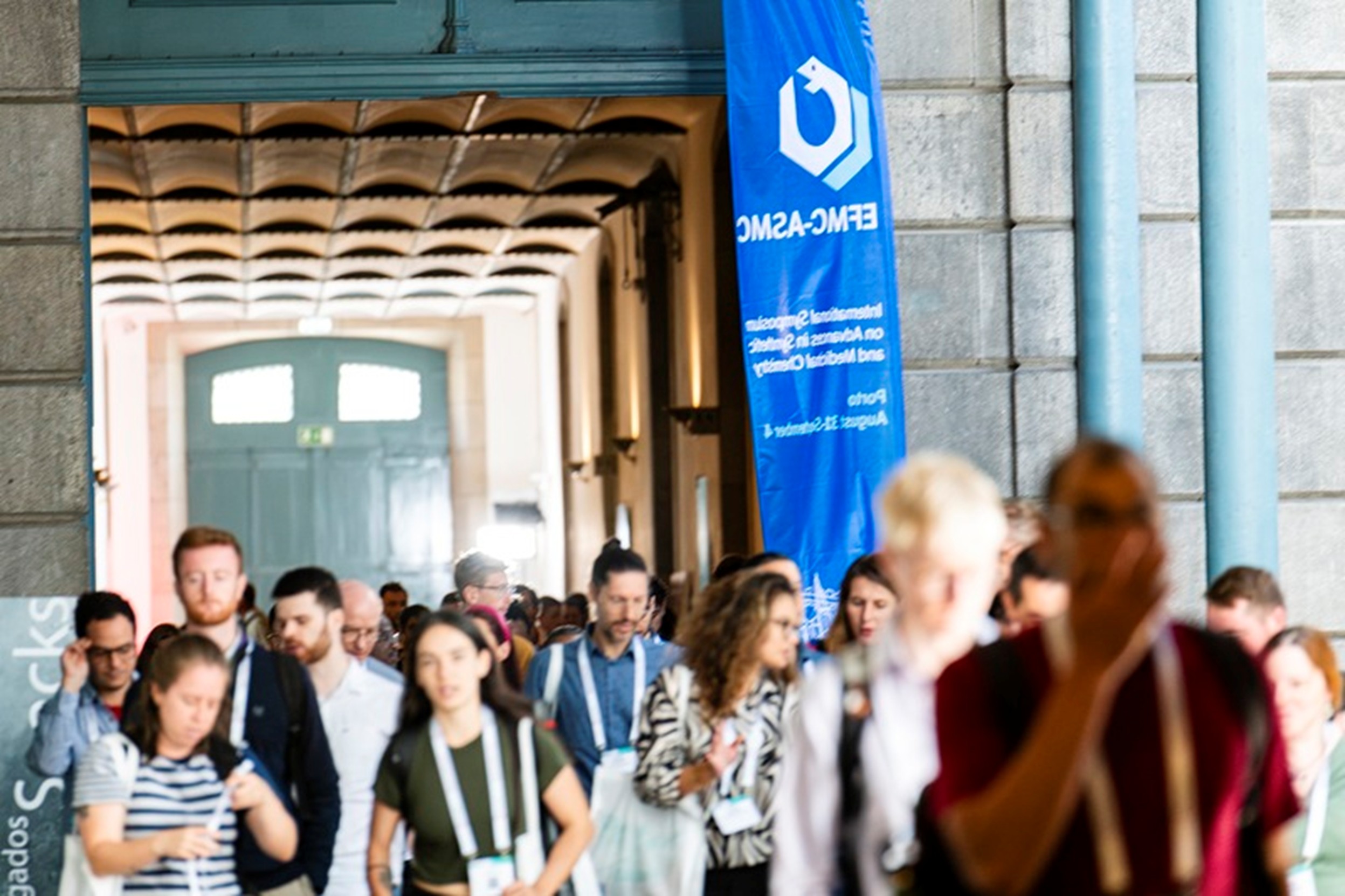
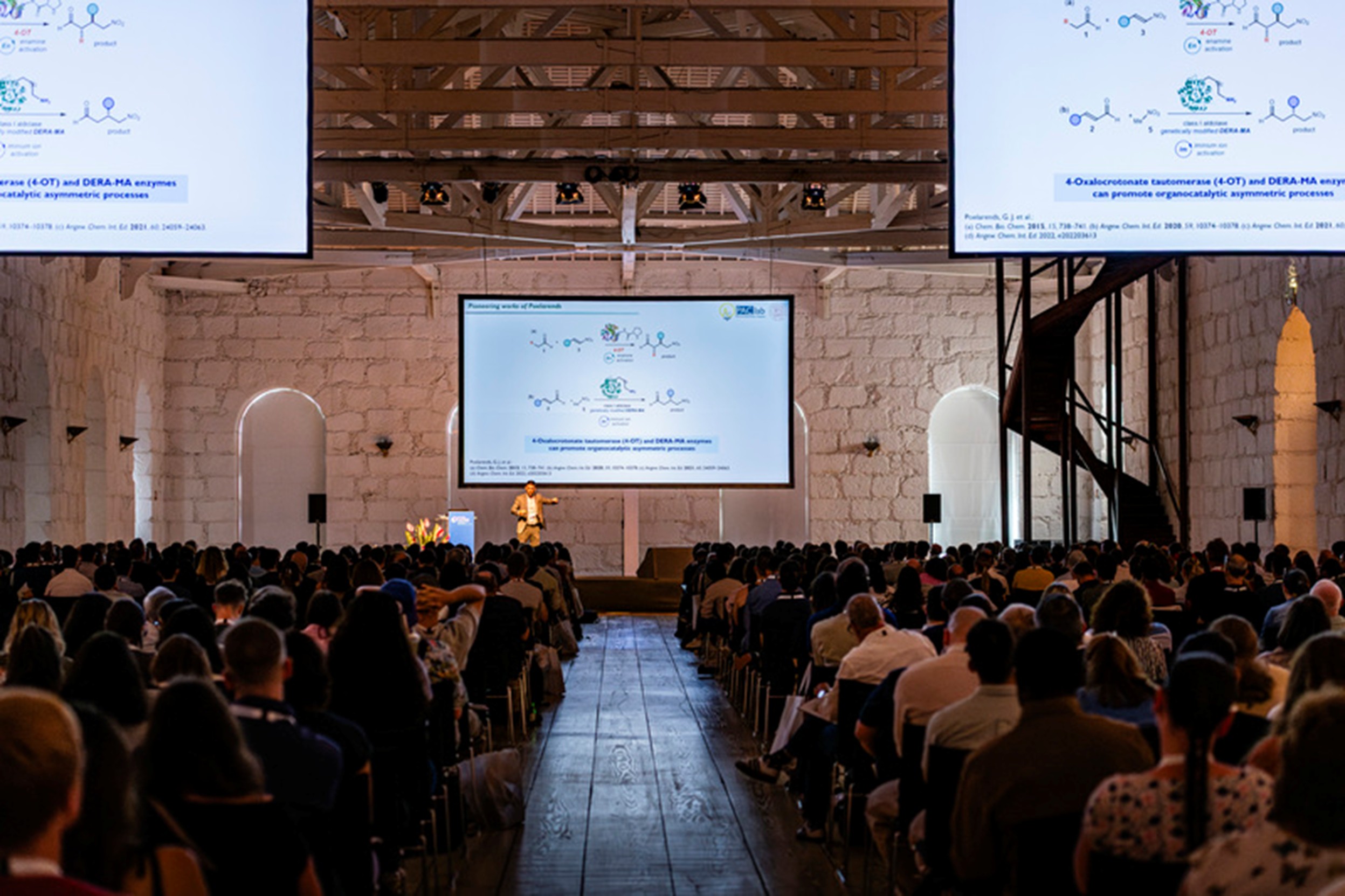
The 10th edition of the EFMC International Symposium on Advances in Synthetic and Medicinal Chemistry (EFMC-ASMC 2025) took place last week on August 31-September 4 in Porto, Portugal.
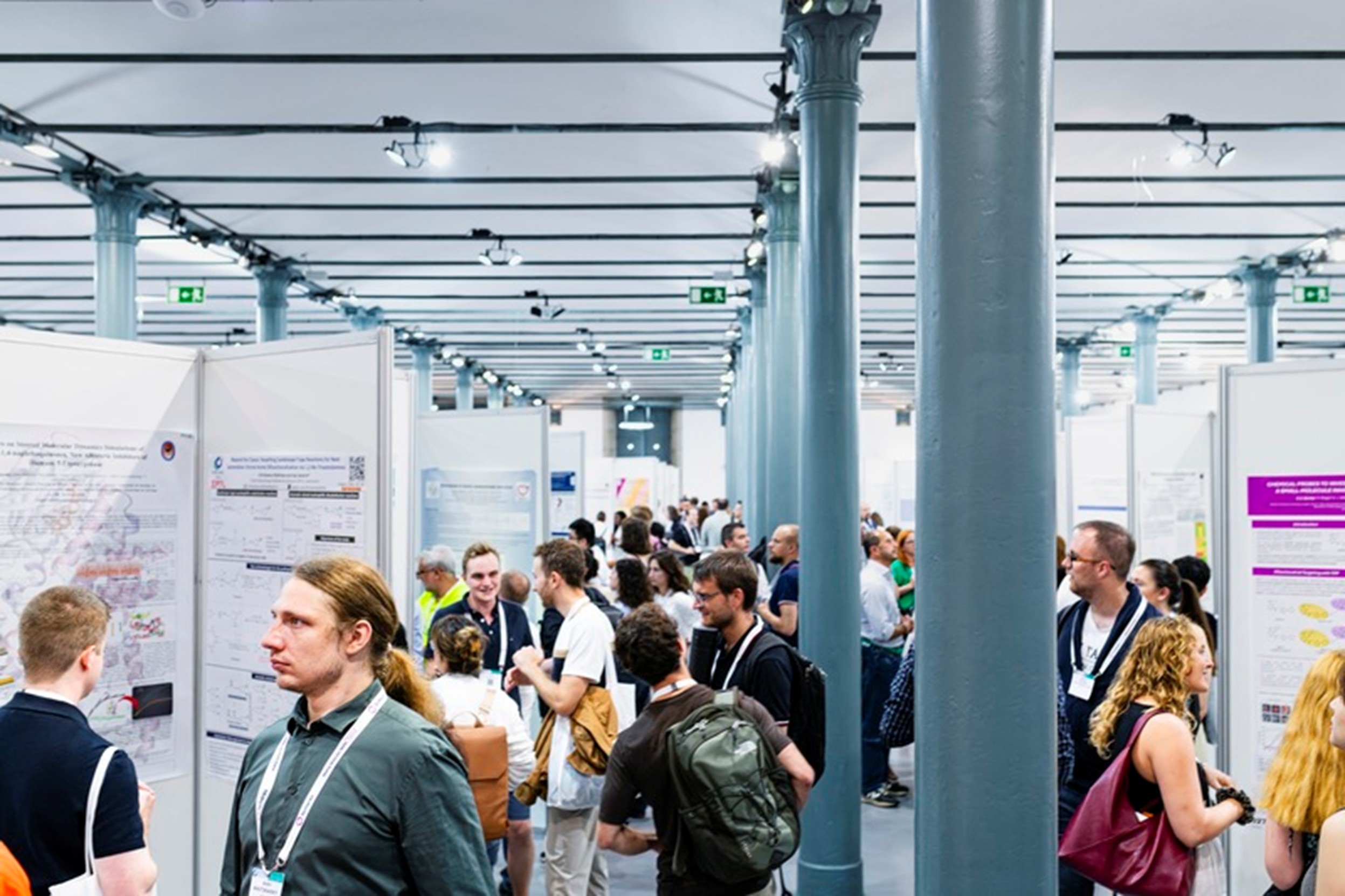
Over 800 international scientists gathered to listen to the cutting-edge science presented by the 27 invited speakers, 12 oral communications and 400+ poster presenters over the five days of the conference.
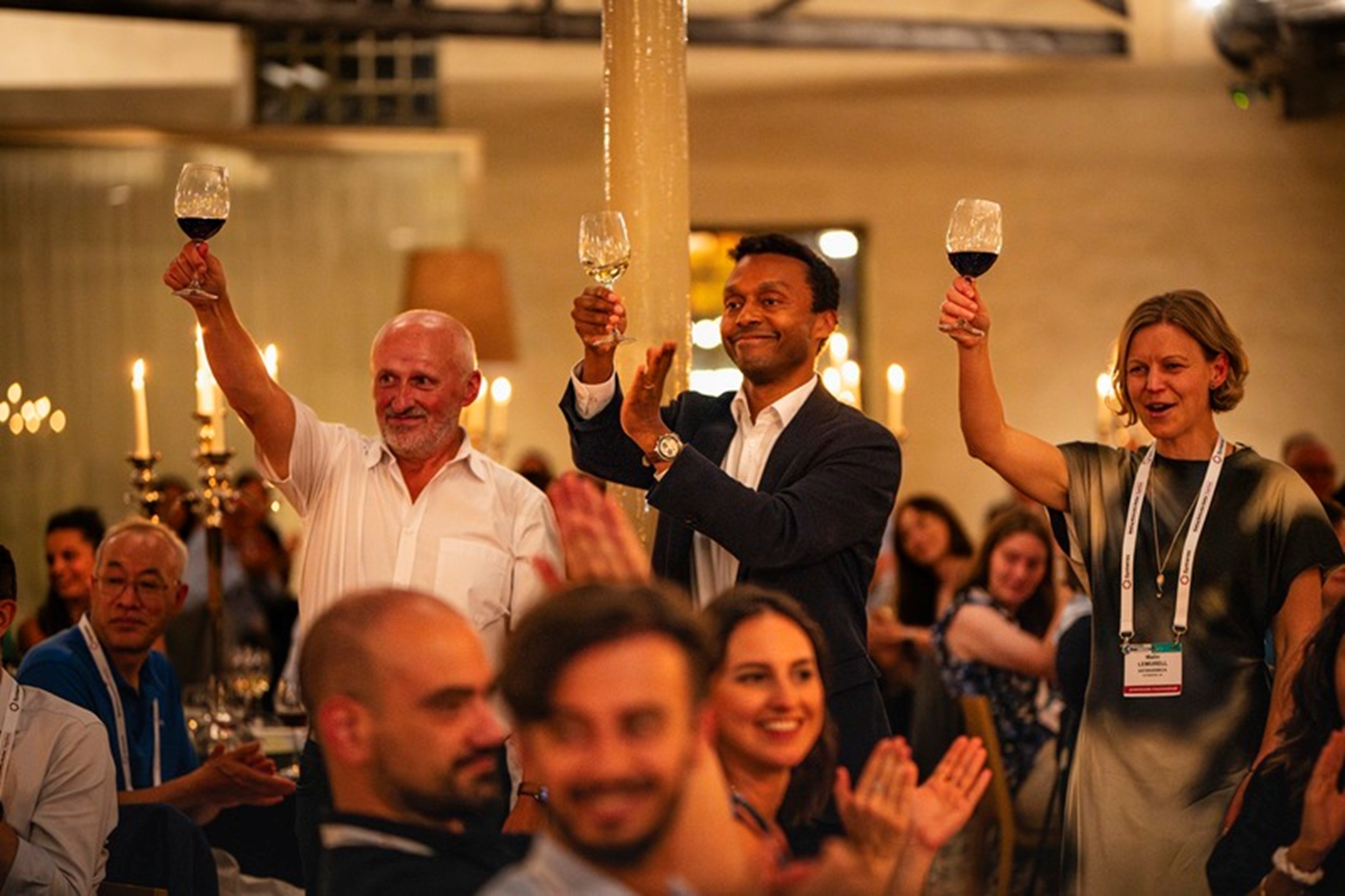
The opening ceremony was led by the symposium chairs, Dr Malin Lemurell (AstraZeneca, Sweden) and Prof. Nuno Maulide (University of Vienna, Austria), the EFMC President, Dr Luc Van Hijfte (Novalix, France) and the Representative of the Division of Medicinal Chemistry of the Portuguese Chemical Society, Prof. Maria-Emilia Sousa (University of Porto, Portugal). The ceremony was followed by an inspiring lecture by Prof. Samuel Stupp (Northwestern University, United States) on “Supramolecular Peptide Therapeutics: A New Frontier for Regeneration” and a welcome reception gathering all participants in the impressive scenery of the venue, the ancient custom house of Porto.
Over the course of the event, participants attended a busy programme of seven sessions mixing talks equally selected from industry and academia, one first-time disclosure, the lectures of the EFMC Prize for a Young Medicinal Chemist or Chemical Biologist in Academia and in Industry, as well as two poster sessions. Among the posters presented, five were awarded an EFMC Best Poster Prize. Five young scientists were also awarded a free subscription to the event by the EFMC.
Amongst many highlights of the programme were the prize lectures by Dr Joleen Masschelein (KU Leuven, Belgium) and Dr Veronika Ehmke (Novartis, Switzerland), and the closing lecture delivered by Dr Pedro Gois (University of Lisbon, Portugal).
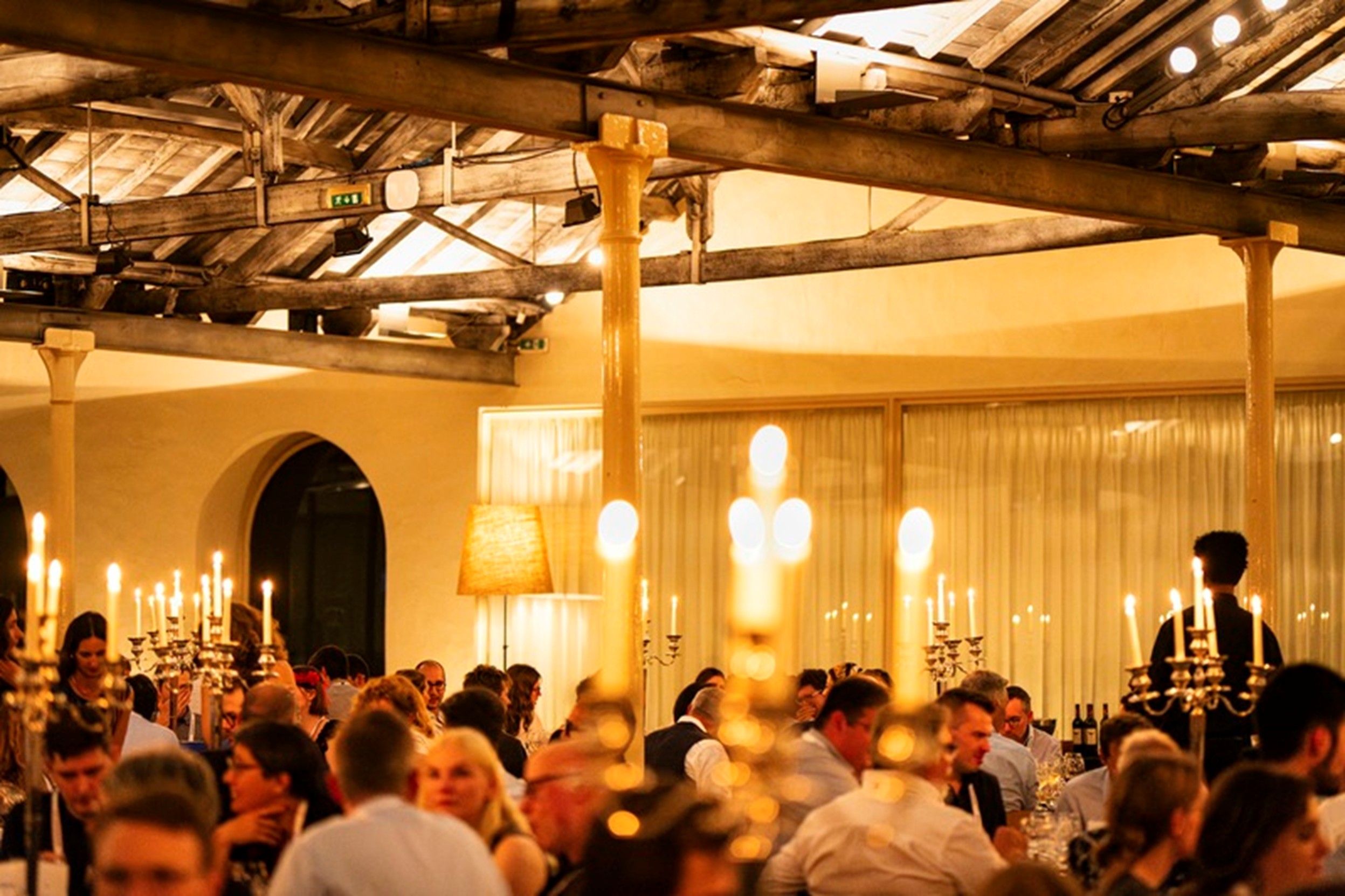
Several networking opportunities were offered during the event, and the exhibition gathered a total of 22 vendors, to whom we are thankful for their support. To conclude the event in style, a conference dinner was hosted at "Casa Ferreirinha”, a traditional wine cellar.
We would like to thank again all our committee members, speakers, sponsors, exhibitors, and of course participants for their support – and we look forward to warmly meeting you all in Edinburgh, United Kingdom for the XI EFMC International Symposium on Advances in Synthetic and Medicinal Chemistry, which will take place on August 30-September 3, 2027.
Credits: Fabien Venturi THE NEWSLETTER IS KINDLY SPONSORED BY VIVA BIOTECH
EFMC PRIZES CEREMONIES
The 10th edition of the EFMC International Symposium on Advances in Synthetic and Medicinal Chemistry was also the stage for the EFMC Prizes Ceremonies, rewarding outstanding young medicinal chemists and chemical biologists working in Academia and in Industry.
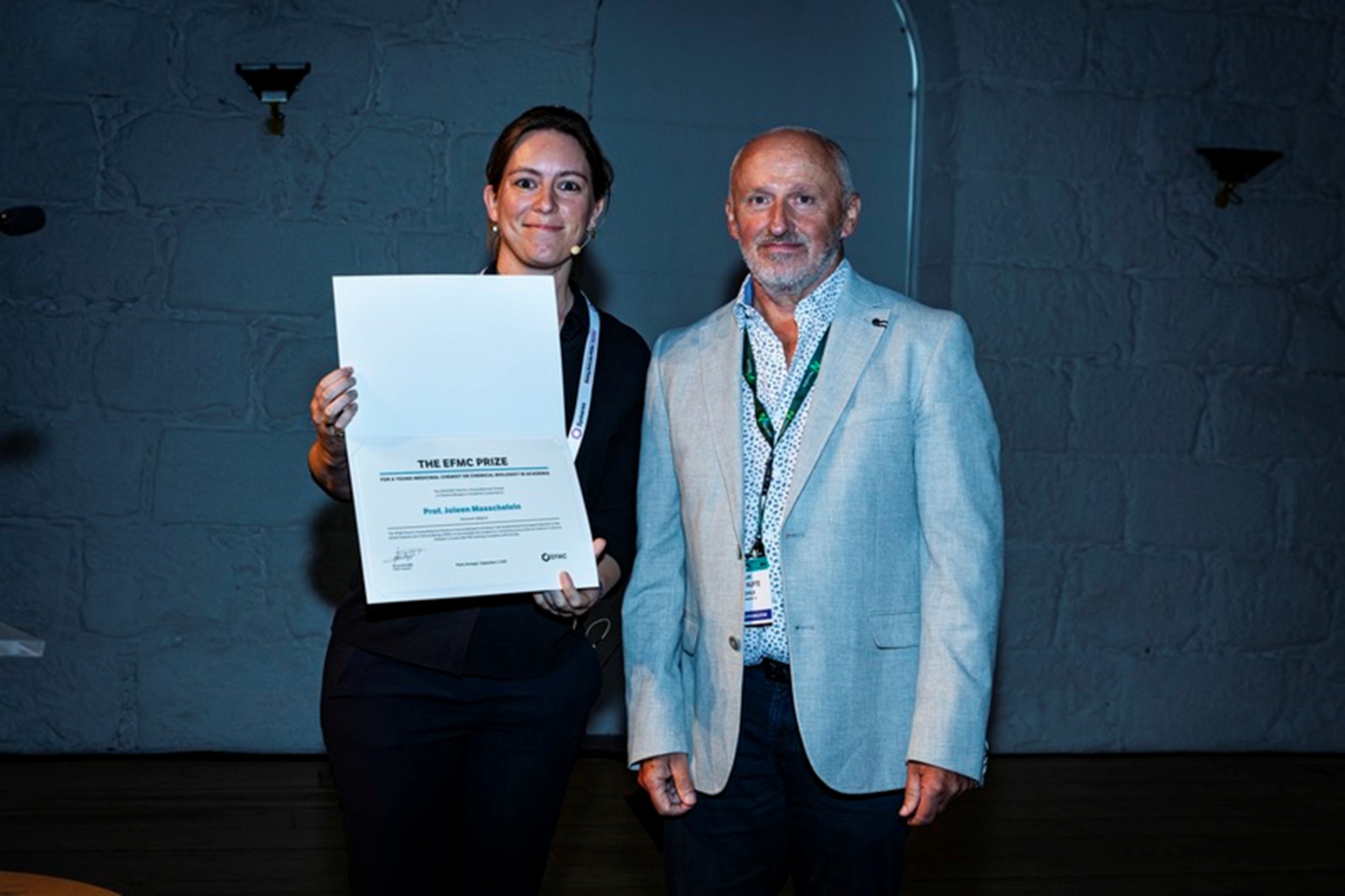
Prof. Joleen Masschelein (KU Leuven, Belgium) received the prize from Dr Luc Van Hijfte. Dr Johannes Broichhagen (Leibniz-Institute for Molecular Pharmacology (FMP), Germany) and Dr Marta Artola (Leiden University, The Netherlands) have been recognised as the most meritorious runners-up.
Dr Veronika Ehmke (Novartis, Switzerland) received the prize from Dr Luc Van Hijfte. Dr Andrea Testa (Trimtech Therapeutics, United Kingdom) and Dr Michael Reutlinger (F. Hoffmann-La Roche Ltd., Switzerland) have been recognised as the most meritorious runners-up.
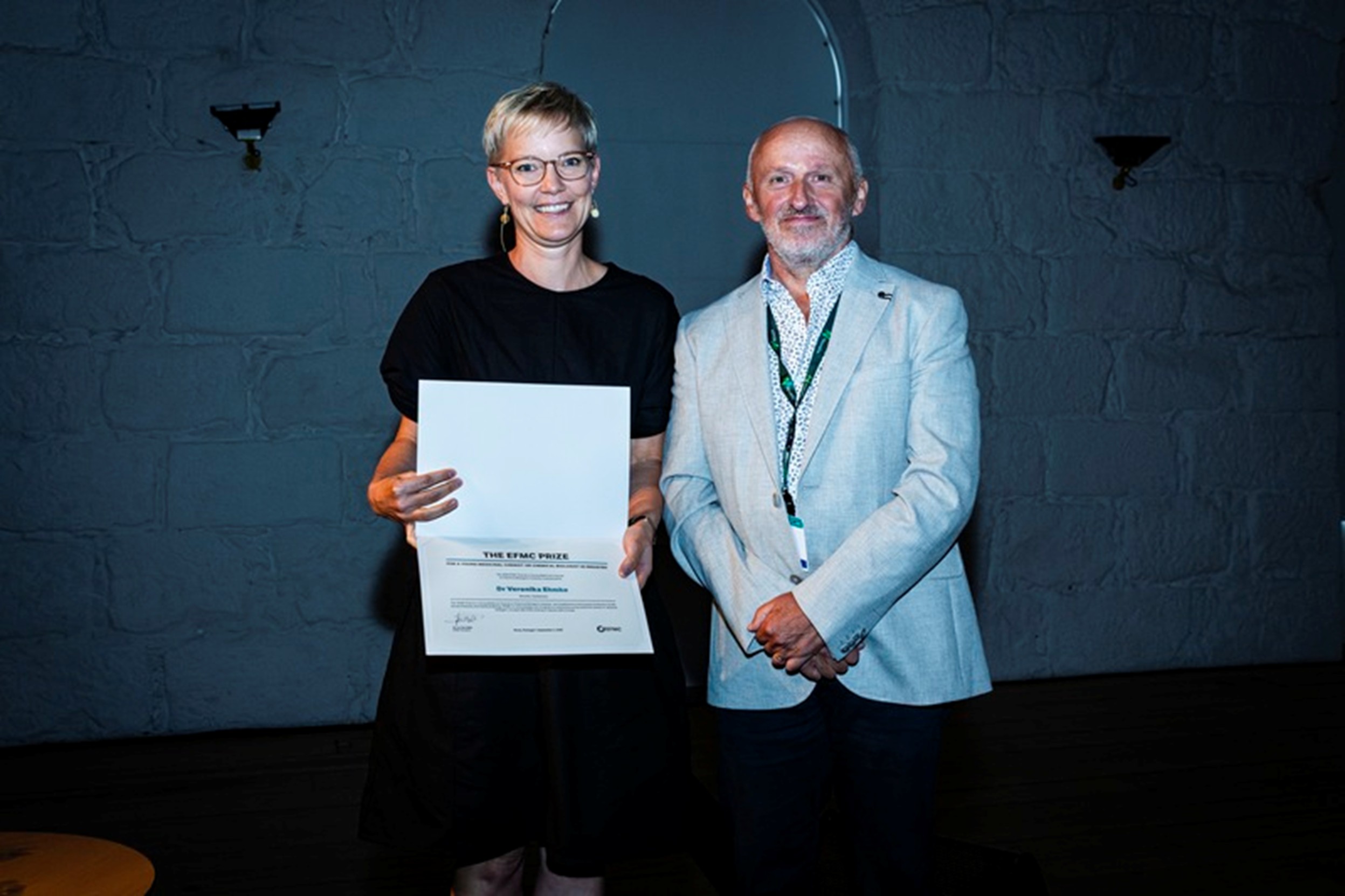
Credits: Fabien Venturi EFMC BEST POSTER PRIZES
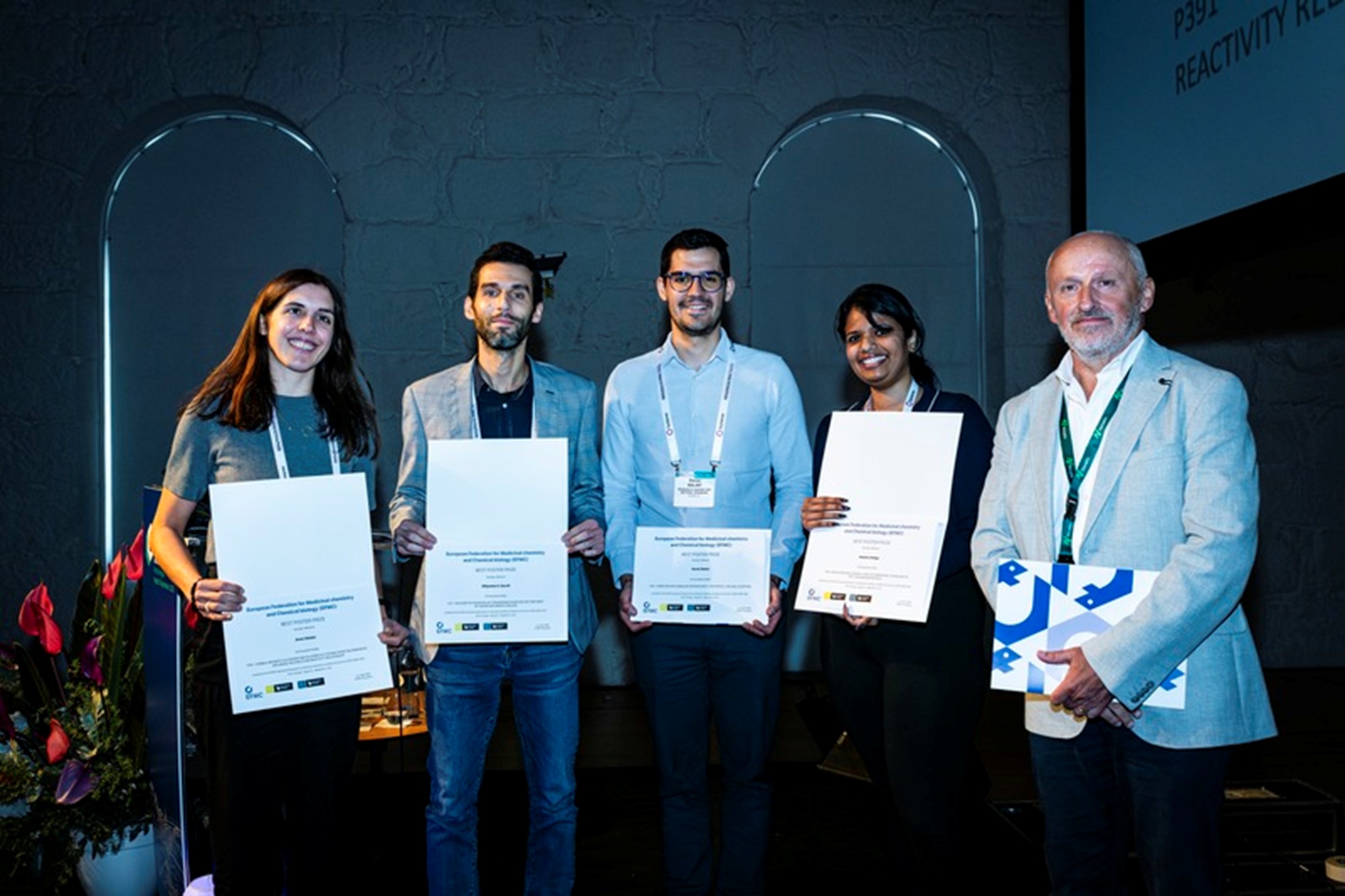
The EFMC Best Poster Prizes have been granted to the following participants:
- Mr Daniel Balint, Research Centre for Natural Sciences, Hungary
- Dr Efthymios S. Gavriil, Imperial College London, United Kingdom
- Ms Imesha Hettige, Monash University, Australia
- Dr Iole Mannella, University of Turin, Italy
- Mrs Anna Valaka, University of Gothenburg, Sweden
Congratulations to all!
6th EFMC² TANDEM TALKS – OCTOBER 9
EFMC² Tandem Talks, jointly organised by the EFMC and the EFMC Computational Chemistry Initiative (EFMC²), are designed to give you real life insights into how medicinal and computational chemists can drive projects together. The tandem talks feature a balanced perspective from both sides. In this online seminar and discussion format you can hear about case studies where collaboration between the disciplines was key and discuss what makes the essence of successful MedChem-CompChem interaction now and in the future.
Supported by Schrödinger, the sixth edition will take place on October 9 from 16:00 to 17:00 CET. Hans Matter and Maria Méndez Pérez (Sanofi) will deliver a lecture entitled "Modern Computational Design Meets Late-Stage Functionalization: A New Class of RIPK1 Inhibitors" before joining the round table discussion to interact with the attendees.
More information on www.efmctandemtalks.org.
LITERATURE SPOTLIGHT
The “Literature Spotlight” section of the newsletter offers concise and accessible summaries of recently published research. It highlights a range of themes drawn from various journals, with this edition’s contribution provided by Massimiliano Runfola (University of Oxford, United Kingdom).
This contribution focuses on the recently published article “Identification of a New Interesting BAG3 Modulator Able to Disrupt Cancer-Related Pathways” by Dafne Ruggiero, Eleonora Boccia, Emis Ingenito, Vincenzo Vestuto, Gilda D’Urso, Alessandra Capuano, Agostino Casapullo, Stefania Terracciano, Giuseppe Bifulco, Gianluigi Lauro, Ines Bruno (ChemMedChem 2025, DOI: 10.1002/cmdc.202500310)
BAG3 (Bcl-2-associated athanogene 3) is an anti-apoptotic protein that plays crucial roles in cancer progression by cooperating with HSP70 to maintain proteostasis and support cell survival under stress conditions. Despite its therapeutic potential, the discovery of BAG3 modulators remains challenging due to the lack of crystal structure information.
In this study, Ruggiero et al. screened 60 compounds using Surface Plasmon Resonance assays, identifying a triazole-containing compound SP18 as a promising hit with binding affinity comparable to the known inhibitor LK4. Using targeted-limited proteolysis mass spectrometry, they identified specific binding regions in the BAG domain. In silico- and in vitro-based structure-activity optimization, led to compound 2 with superior binding properties (Kd = 1.04 μM for full-length BAG3, 0.38 μM for the BAG domain), representing a >35-fold improvement over SP18. Compound 2 also showed no significant cytotoxicity against healthy cells up to 70 μM, while effectively inducing concentration-dependent apoptosis and cell cycle arrest in cancer cells. Additionally, the compound induced protein misfolding and aggregate formation, confirming the disruption of the BAG3-HSP70 proteostasis system.
Given the limited number of known BAG3 modulators, this discovery significantly expands the chemical toolkit for targeting this protein and provides important structural insights for future drug discovery efforts. It will be interesting to see the further development of this compound and its potential application in other diseases, given the multifaceted role of BAG3.
Read the full article! LUNCH & LEARN: A THIRD EDITION WORTH YOUR TIME!
The Lunch & Learn initiative returns to provide a valuable knowledge sharing resource for early-career scientists in medicinal chemistry and chemical biology.
Each Lunch & Learn session will take the form of a short lunchtime webinar (max.1 hr), covering background theory, practical techniques and case study applications.
Our third edition, hosted on October 14, will tackle Direct-to-Biology Platforms to Accelerate Drug Discovery and will be delivered by Dr Rebecca Stevens (Bicycle Therapeutics), Mr Andreas Holmqvist (University of Dundee) and Dr Cassie Pratley (AstraZeneca).
Register!
GET TO KNOW EFTHYMIOS GAVRIIL (IMPERIAL COLLEGE LONDON, UNITED KINGDOM)
In this edition, our MedChemBioConversations is with Efthymios Gavriil from the Imperial College London, United Kingdom. Get to know him better by reading the interview below:
How did you get interested in Medicinal Chemistry?
I obtained my master’s degree in pharmacy at National and Kapodistrian University of Athens. During my studies, I was fascinated by the fact, that a small chemical compound can target the underlying mechanisms of a disease and restore the balance in the complex cellular environment. Drug design seemed like a form of art to me. I also loved both organic chemistry and pharmacology, so I realized that medicinal chemistry was the perfect place for me. I could work in the interface of different disciplines and contribute to the discovery of a drug that could help patients.
So, then I decided to pursue a PhD in medicinal chemistry with my mentors Prof. Nicole Pouli, Prof. Panagiotis Marakos and Prof. Emmanuel Mikros at University of Athens. I worked on the discovery of novel substituted purine isosters as anti-cancer agents, focusing on kinase inhibitors. In addition, I worked on a separate project for the development of chemical tools to study fungal nucleobase transporters. During my PhD, I developed synthetic skills, especially for heterocyclic compounds and learned the principles of drug discovery.
Where did you have your postdoc position?
After finishing my PhD, I decided to move abroad for my postdoc, in order to broaden my horizons and obtain new skills. In 2019, I joined Prof. Caroline Springer’s group at the Drug Discovery Unit of Cancer Research UK Manchester Institute. I loved being in a multidisciplinary environment, surrounded by experienced scientists in all aspects of drug discovery. In this ‘industrial-like’ setting, I gained expertise in all stages of a modern campaign, from hit generation, to lead identification and optimization. I worked on two kinase inhibition projects for oncology indications, with the prospect of nominating a clinical candidate, and I experienced all the challenges that a medicinal chemist faces, when trying to optimize the overall profile of a series.
Where are you currently working and what are your current research interests?
After my three-year postdoc at Cancer Research UK Manchester Institute, I moved in 2022 to Imperial College London to become a Research Associate in Prof. Ed Tate’s group. I have been leading the medicinal chemistry part of several projects in the areas of oncology, immunology and neglected tropical diseases. We design and synthesize probes that help us study new targets using activity-based protein profiling (ABPP) and we optimize library screening hits to discover potent and selective compounds with suitable pharmacokinetic properties for in vivo evaluation. Furthermore, we focus on advancing the field of targeted protein degradation or stabilization, both by developing new PROTACs and DUBTACs against established targets, and by discovering new ligands for E3 ligases and deubiquitinases.
What do you like best about your work and how many students do you currently supervise?
Our group has over 60 members working across different, but overlapping scientific fields. I enjoy being next to people, who specialize in chemical biology and proteomics, as each one of us possesses distinct skills, and through our collaboration, we can achieve the successful completion of a project. In addition to performing ‘hands-on’ work in the lab, I am currently supervising a group of about 10 students (PhD, Master, undergraduate), which gives me the opportunity to design projects and transfer my skills to junior scientists. As a supervisor, I like paying attention to experimental details, but also, I encourage my students to take initiative for their projects and become independent. Overall, I would describe the research performed in our group, as a multidisciplinary team effort to unlock new therapeutic targets and open a new pathway for the treatment of devastating diseases.
What is your greatest achievement in your scientific career?
The Hedgehog signalling pathway is aberrantly activated in many types of cancer and in fibrotic diseases. Although inhibitors of Hedgehog signalling that target the Smoothened (SMO) protein have been approved, they are not effective in all cases, so there is an urgent need for an alternative strategy. In the Tate group at Imperial, we have discovered the most potent and the first orally bioavailable inhibitors of Hedgehog Acyltransferase (HHAT) as a novel approach to target the Hedgehog pathway. Our work could expand the therapeutic options for patients suffering from Hedgehog-related diseases. I am grateful to the EFMC for giving me the opportunity to present our research results at the EFMC-ACSMEDI Medicinal Chemistry Frontiers in Utrecht and at the XXVIII EFMC International Symposium on Medicinal Chemistry in Rome.
What are the features of a successful PhD student or postdoc and how would you advise scientists facing unfair or challenging situations?
Being a researcher is an extremely challenging job, especially in the early stages of our careers. The failures we face frequently in our experiments, combined with the uncertainty regarding our future career development, create significant stress for PhD students and postdocs. However, the feeling of excitement we get after a scientific achievement is unique and gives us the strength to keep going. Passion is key for the successful completion of our scientific tasks.
As researchers we can’t always predict the outcome of our experiments. The pathway to reach the end of our PhD or postdoc is not a straight line. However, we can do our best to rationally design our experiments, by thinking through all the parameters, studying comprehensively related literature and by efficiently managing our available time. Discussing our work with colleagues always helps, and even a casual chat over coffee can generate wonderful ideas. Furthermore, attending conferences and becoming part of a scientific network are extremely valuable, both for our current work and future career. More importantly, I would encourage everyone to express any mental health issues and speak up about the challenges they face. We should all try to create supportive working environments and help each other.
What would you like to ask from other medicinal chemists?
We have to be aware of the limitations of our skills and respect the expertise of others in certain aspects of our projects. For example, we should seek for advice from computational chemists for molecular modelling studies (especially the more complex ones!) and have a good collaboration with the biology team in a drug discovery project. We must evaluate objectively the profile of a compound and its value for the project, without any bias, because sometimes, we might develop an ‘emotional attachment’ towards a compound we designed and synthesized.
What is the most embarrassing thing you have done in the lab while doing experiments?
My first reaction during my Master’s project was nitration of an aminopyridine that leads to two isomers. My supervisors had done this many times and knew exactly the polarity and ratio of the two isomers. However, I saw only one spot in my TLC plate, that always moved all the way up to the solvent front, even with very non-polar eluent systems. After many discussions and digging up old lab notebooks for thorough exploration of this ‘scientific mystery’, I realized that I had mixed the hexane and methanol bottles… :)
What are your recommendations for a book, website, blog or film?
Book: Any of Agatha Christie
Website: Drughunter.com
Blog: ‘In the pipeline’ by Derek Lowe
Films: The Fountain (2006), The Broken Circle Breakdown (2012) and Radioactive (2019) – must watch for chemists and cancer researchers!
Which scientist do you admire the most and why?
I admire scientists, like Rosalind Franklin or Alan Turing, who in different ways and for different reasons, were not respected at their time or their work was not acknowledged. Of course, also pioneers like Marie Sklodowska-Curie and Katherine Johnson, who managed to overcome both gender and racial barriers. Unfortunately, these are just examples of a very long list.
Which field of medicinal chemistry and drug discovery do you consider the most promising for the future and what would you expect to be the next breakthrough?
In recent years we have witnessed achievements that were once considered impossible. Drugs have been approved for targets that were supposed to be undruggable. The land ‘beyond the Ro5’ that once seemed forbidden, is now accessible. New modalities are validated in the clinic and expand our therapeutic toolbox. Especially, in the field of induced proximity, I believe we have only seen a minor fraction of what we can achieve. If we elucidate the role of more E3 ligases and deubiquitinases and recruit them; if we rationalize the discovery of molecular glues, not just for degradation; if we can design ligands for any binding pocket in proteins-of-interest, no matter how shallow or ‘unfriendly’ it looks, then we can rewire the cellular networks and restore the disrupted balance. The rise of AI/ML and new automation technologies can significantly alter drug discovery, as we know it. But are technological breakthroughs alone, sufficient to lead to drug discovery breakthroughs? Despite the current hype, I believe the answer is ‘no’. However, if they are used sensibly and are combined with the actual intelligence and experience of scientists, then only sky is the limit for the future of medicinal chemistry and drug discovery. CALL FOR NOMINATIONS – 2026 IUPAC RICHTER PRIZE
The 2026 IUPAC-Richter Prize will be presented during the 39th ACS National Medicinal Chemistry Symposium (May 31-June 3, 2026) in Atlanta, GA, United States and the recipient will also give a lecture on the subject of their research at the XXIXth EFMC International Symposium on Medicinal Chemistry (September 6-10, 2026) in Basel, Switzerland.
The prize of USD 10 000 is to be awarded to an internationally recognized scientist, preferably a medicinal chemist, whose activities or published accounts have made an outstanding contribution to the practice of medicinal chemistry or to an outstanding example of new drug discovery.
Nomination materials should be uploaded by 15 December 2025
to IUPAC Secretariat via the following online form
The Prize has been established by a generous gift from the Chemical Works of Gedeon Richter, Plc. (Budapest, Hungary) to acknowledge the key role that medicinal chemistry plays toward improving human health.
Applicants should be received by NOMINATION only, with just one person needing to serve in that capacity, although a total of five (5) individuals should be listed as referees overall. The package must be submitted electronically and should contain a complete resume, a professional biography of not more than two pages, and a one-page summary of what the individual considers to be their activities, accomplishments and/or publications that have had the most significant impact upon the field of Medicinal Chemistry. The material will be forwarded confidentially to an independent selection committee appointed by the IUPAC Subcommittee on Medicinal Chemistry and Drug Development.
For further information please contact Prof. Janos Fischer, Member of the IUPAC Sub-committee on Drug Discovery and Development, by email at fischer-ext@gedeonrichter.com SHOWCASING THE YOUNG PHARMACEUTICAL SCIENTISTS (YPS): EMPOWERING EARLY-CAREER RESEARCHERS IN GERMANY
The Young Pharmaceutical Scientists (YPS) group is a newly founded youth organization within the German Pharmaceutical Society (DPhG), officially established in April 2025. Our primary mission is to represent and support pharmaceutical early-career researchers across Germany, focusing on PhD candidates and postdoctoral researchers.
The DPhG already offers a variety of initiatives to support early-career scientists, including an annual PhD and postdoc meeting, prizes for PhD students, mentoring programs, and travel grants for attending the annual DPhG conference. Building on this foundation, the YPS complements and expands support for young scientists through our own targeted projects.
For example, we organize a dedicated session at the annual DPhG meeting, providing four PhD candidates or postdocs the opportunity to deliver an oral presentation on a national stage. Additionally, we invite a session speaker, selected from pre-tenure or recently tenured group leaders, to inspire and engage young attendees. Other initiatives include social get-togethers during DPhG meetings, online workshops focusing on career development and networking, and the creation of a forum designed to foster collaboration and exchange among early-career scientists. More information can be found on the DPhG-website or on our social media channels (LinkedIn and Instagram).
At YPS, we are committed to supporting pharmaceutical early-career researchers in every way possible. We warmly invite all early-career scientists from all pharmaceutical disciplines to join us, contribute their ideas, and help shape the future of pharmaceutical research. We are incredibly excited about what lies ahead! SPOTLIGHT ON GERMANY!
The Young Pharmaceutical Scientists (YPS) is pleased to highlight the “Electrostatic Anchoring in RNA-Ligand Design - Dissecting the Effects of Positive Charges on Affinity, Selectivity, Binding Kinetics, and Thermodynamics.” by Almena Rodriguez, L.; Kallert, E.; Husmann, J.-Å.; Schaubruch, K.; Meisel, K. I. S.; Schwickert, M.; Hoba, S. N.; Heermann, R.; Kersten, C. J. Med. Chem. 2025, 68, 8659–8678. https://doi.org/10.1021/acs.jmedchem.5c00339.
Targeting RNA with small molecules is an emerging field in medicinal chemistry and chemical biology. However, developing high potency RNA binders can be challenging. In their work, Almena Rodriguez et al. investigated the intuitive strategy to enhance affinity via introduction of positively charged moieties. Using ligand series for the preQ1 and SAM-VI riboswitch aptamers, they elucidated not only affinity but also selectivity, binding thermodynamics, and kinetics by SPR, ITC and MST.
Their results showed that RNA-ligand binding for these targets is dominated by enthalpy. For RNA-ligand development electrostatic anchors only had moderate effects on binding affinity largely due to slightly enhanced association rates. Despite observing loose binding behavior in SPR with multi-basic ligands, selectivity over structurally unrelated RNA off-targets was maintained.
While the addition of positively charged moieties might not hold up as a universal RNA-ligand design principle, a purposefully implemented ionic RNA-ligand interaction can enhance potency without impairing selectivity. EFMC-YSN REVIEWER & PUBLISHING ACADEMIES, POWERED BY CHEMISTRY EUROPE
If you haven’t heard of these yet, this is the occasion to discover the two training courses offered by the Young Scientists’ Network and run by professional editors from Chemistry Europe / Wiley-VCH.
- The reviewer academy aims to teach best practices in peer review, especially for early-career researchers and consist of a live one-hour workshop and Q&A session (4 times a year), an online workshop (c/o Wiley Research/Reviewer Academy), and actual peer review assignments and evaluations.
Next Live Workshop and Q/A Session: October 28th (10:00-11:00 CET)
More information on www.efmc.info/reviewer-academy.
- The publishing academy is a full-day intensive workshop covering topics on writing, publishing, and general communication that will be helpful for early-career researchers.
Next Live Workshop and Q/A Session: November 13th (09:30-17:00 CET)
More information on www.efmc.info/publishing-academy.
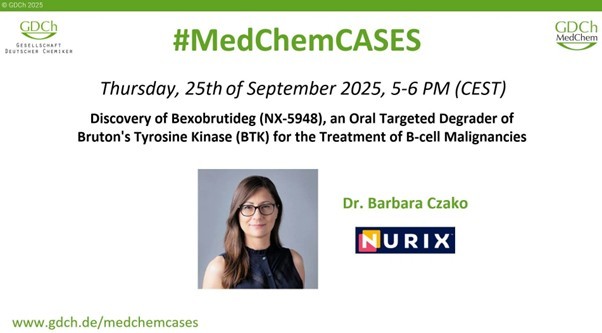
#MEDCHEMCASES - SEMINAR BY THE DIVISION OF MEDICINAL CHEMISTRY OF THE GERMAN CHEMICAL SOCIETY (GDCH)
The MedChem Division of the German Chemical Society (GDCh) would like to invite you to the next #MedChemCASES online seminar which will be held on September 25 by Dr Barbara Czako, Nurix Therapeutics.
The topic of the webinar will be “Discovery of Bexobrutideg (NX-5948), an Oral Targeted Degrader of Bruton's Tyrosine Kinase (BTK) for the Treatment of B-cell Malignancies”.
Register for free here.
#GDCh (MedChem Division), #NextGenMedChem.
NEWS FROM THE BIOLOGICAL AND MEDICINAL CHEMISTRY SECTOR (BMCS) OF THE ROYAL SOCIETY OF CHEMISTRY (RSC)
The BMCS is happy to announce several upcoming events.
Meetings in 2025
8th RSC-CICAG/RSC-BMCS Artificial Intelligence in Chemistry
Monday 22 – Wednesday 24 September 2025, Churchill College, Cambridge, UK
RSC-BMCS/CICAG
Registration is open! Exhibitor opportunities still available!
Website: https://www.rscbmcs.org/events/aichem8 /
Synopsis: Artificial Intelligence is experiencing a renaissance in the development of new methods and practical applications to ongoing challenges in Chemistry. Following the successes of six annual “Artificial Intelligence in Chemistry” meetings starting in 2018, we are pleased to announce that the Chemical Information & Computer Applications Group (CICAG) and Biological & Medicinal Chemistry Sector (BMCS) of the Royal Society of Chemistry are once again organising a conference to present the current advances in AI and machine learning in Chemistry. The meeting will be held over two and half days and combine aspects of artificial intelligence and deep machine learning methods to applications in chemistry. The programme will include a mixture of keynote talks, panel discussion, oral presentations, flash presentations, posters and opportunities for open debate, networking, and discussion. This year meeting will follow 2024 with two and half days and will include workshop on first day, please keep checking the website for updates.
ELRIG Drug Discovery 2025
Tuesday 21 – Wednesday 22 October 2025, Liverpool, UK
RSC-BMCS/RSC Medicinal Chemistry/ELRIG
Registration and abstract submission is open!
Website: https://elrig.org/portfolio/drug-discovery-2025/
Synopsis: RSC-BMCS is once again collaborating with ELRIG to present a chemistry-focused track on day 2 of ELRIG Drug Discovery 2025, Europe’s leading drug discovery and life sciences conference which will also have scientific tracks covering topics including robotics, cell and disease models, ‘omics, AI, oncology and neurodegenerative disease. Our contribution to ELRIG’s ‘Festival of Life Science’ is put together by the RSC-BMCS and RSC Medicinal Chemistry, the UK’s leading drug discovery journal. As in previous years, our track will feature the drug discovery process from early stage emerging technologies to clinical candidate selection. We have an exciting lineup of UK and international experts and among the hot topics covered are high throughput lead discovery, protein degradation as a drug modality, and lead optimisation of natural products. Please keep checking the website for updates.
BMCS New approaches to the treatment of Parkinson’s
Wednesday 12 November 2025, Burlington House, London, UK
BMCS/Parkinsons UK
Registration and abstract submission is open! Check the website for updated speaker details!
Website: https://www.rscbmcs.org/events/parkinsons25/
Synopsis: Join the Royal Society of Chemistry Biological Medicinal Chemistry Sector and Parkinson’s UK to hear about new approaches to the treatment of Parkinson’s Disease.
In the dynamic field of drug discovery, the search for new treatments for Parkinson’s disease has never been more critical. It is estimated 10 million people worldwide are living with Parkinson’s – a chronic, progressive neurodegenerative condition resulting from the loss of the dopamine-containing cells of the substantia nigra. Motor and non-motor symptoms of the condition are wide ranging and current treatments only help to manage a small subset of the symptoms and do not modify the disease progression. But there is a wealth of research to find new and better therapeutics for Parkinson’s.
This meeting, specifically designed for professionals dedicated to developing new therapeutics for Parkinson’s disease, will highlight current research offering symptomatic relief and disease modifying approaches.
BMCS Hot Topics: Antibody–Drug Conjugates
Thursday 20 November 2025 (afternoon), Virtual
BMCS
Registration is open!
Website: https://www.rscbmcs.org/events/hottopicsadcs2025/
Synopsis: The BMCS Hot Topics online meetings are intended to highlight breaking areas of research in fields of science relevant to drug discovery. They will run as stand-alone half-day virtual events, 2-3 times per year. The programmes will be targeted towards researchers working in or who would like to enhance their understanding of these nascent or developing fields.
Antibody-drug conjugates (ADCs), alongside other targeted modalities, effectively enrich target tissues with potent payloads unsuitable for systemic administration. With several recent clinical successes, the number of new ADCs approaching the clinic is rapidly increasing. This meeting aims to highlight the technological advancements and innovations driving these ADCs, while addressing the challenges and opportunities within the field. The Hot Topics session will feature speakers from industry and academia who are at the forefront of ADC design.
Meetings in 2026
BMCS Postgraduate Symposium XIX
Thursday 08 January 2026, University of Manchester, UK
BMCS
Registration and abstract submission is now open!
Website: https://www.rscbmcs.org/events/psxix/
Synopsis: This face-to-face meeting will comprise of oral and poster presentations from PhD students and post-doctoral workers researching in biological or medicinal chemistry. In addition, the agenda will feature invited keynote speakers from industry and academia.
BMCS 3rd Conformational Design in Drug Discovery
Monday 02 March 2026, Stevenage, UK
BMCS
A date for your diary!
Website: BMCS 3rd Conformational Design in Drug Discovery 2026 - RSC BMCS
Synopsis: Conformational Design plays a key role in the medicinal chemistry of small molecule drug candidates. The emergence of generative AI models to assist molecular design and free-energy-perturbation techniques critically depend on accurate prediction of 3D ligand conformations. Here we bring together cutting-edge computational methods with experimental free ligand NMR solution conformations and protein-ligand X-ray and CryoEM structures to craft the medicines of tomorrow. We will discuss ligand rigidification and physicochemical optimisation strategies for protein-protein interaction inhibitors, PROTACs, molecular glues, antibody-drug-conjugate payloads and other new modalities. This RSC-BMCS event aims at building a community that shares conformational design strategies, technologies, and successful case studies. It will complement other rational drug design events and promote more successful research into future medicines.
The BMCS Mastering MedChem X: 10th RSC-BMCS Symposium on Mastering Medicinal Chemistry
Friday 13 March 2026, Burlington House, London, UK
BMCS
A date for your diary!
Website: https://www.rscbmcs.org/events/mastermedchem26/
Synopsis: Mastering Medicinal Chemistry X is the latest in an ongoing series of conferences intended to provide expert advice and guidance to new practitioners in the field of drug discovery. It has been said that “there are two types of drug discovery programmes: those that hit serious problems and those that are going to hit serious problems.” Anticipating and preparing for such problems thus accelerates the delivery of new medicines: this event will feature presentations from experienced ‘drug-hunters’ in both industry and academia, who will talk about the challenges faced in modern drug discovery, and will share best practice common to all successful medicinal chemists.
RSC-BMCS/SCI 5th Symposium on Anti-Infectives Drug Discovery
Monday 01 – Tuesday 02 June 2026, Francis Crick Institute, London, UK
SCI/BMCS
A date for your diary!
Website: https://www.rscbmcs.org/events/mastermedchem26/
Synopsis: With the ever-growing prevalence of drug-resistant pathogens, it has never been more important that we refresh the drug pipeline with new antimicrobials that act on new targets or exhibit novel modes of action. The rise of antimicrobial resistance and recent COVID pandemic serve to highlight the importance of developing effective treatments for infection, and is helping to drive a resurgence in anti-infectives drug discovery and the development of innovative technologies and approaches for combating infection through more effective detection and diagnosis methods.
7th RSC-BMCS/DMDG New Perspectives in DMPK
Wednesday 10 June 2026, Burlington House, London, UK
BMCS/DMDG
A date for your diary!
Website: https://www.rscbmcs.org/events/dmpk26/
Synopsis: Novel small-molecule-based therapeutic approaches represent a key component of the discovery landscape. The emergence of molecular glues, PROTACs, bicyclic peptides, and other novel chemistries often bring with them new challenges for drug discovery scientists; synthetic difficulty, beyond rule-of-five physicochemical properties, and complexity in the link between exposure and response, may complicate ADME characterisation and accurate human dose prediction, particularly for drugs aimed at oral administration. This meeting will provide a forum for the exchange of ideas between principal members of the DMPK research community on how we can rise to these challenges. Keynote talks from thought leaders will provide wider perspectives on how DMPK can contribute to the delivery of medicines to patients more quickly and efficiently. There will be a balanced mix of oral and poster presentations, and networking opportunities throughout.
10th Fragment-based Drug Discovery Meeting
Monday 14 – Wednesday 16 September 2026, Churchill College, Cambridge, UK
BMCS
Save the date
Website: https://www.rscbmcs.org/events/fragmentsx/
Synopsis: The aim of the 10th RSC-BMCS Fragment-based Drug Discovery meeting will be to continue the focus on case studies in Fragment-based Drug Discovery that have delivered compounds to late stage medicinal chemistry, preclinical or clinical programmes. The Fragment series was started in 2007 and continues with this theme in having over three-quarters of the presentations focused on case studies. This will be complemented by technology progress in high concentration, NMR, SPR and X-ray screening. INTERESTED IN SPONSORING THIS NEWSLETTER?
Take the opportunity of our monthly newsletter “MedChemBioWatch” to promote your company or deliver a message to our audience of more than 10,000 members.
Each issue can be sponsored exclusively with two banners, a short company description, and a weblink. Reach out to administration@efmc.info if you want to receive more information.
|
|
|
|
|
|
ISSUE SPONSORED BY

We are a one-stop provider of integrated drug discovery and development services, offering world-class medicinal and synthetic chemistry, through collaboration and with innovation and efficiency, from hit ID through to preclinical candidate nomination, for small molecules and therapeutic modalities such as (Cyclic) Peptides, ADCs, PROTACs and Molecular Glues.
EFMC ORGANISED EVENTS
October 9, 2025
Virtual Event
6th EFMC² Tandem Talks
EFMC SPONSORED EVENTS
September 30, 2025
Gizzeria Lido, Italy
First PANVIRIDE Drug Discovery Conference
October 6-9, 2025
Paris, France
ICBS/ECBS2025
October 23-24, 2025
Berlin, Germany
Advances in Structural Analysis of Biomolecules (Wiley)
January 25-29, 2026
St Anton, Austria
5th Alpine Winter Conference on Medicinal and Synthetic Chemistry
EFMC CERTIFIFED SCHOOLS
September 14 - 19, 2025
Department of Pharmaceutical Sciences - Vienna, Austria
Vienna Summer School
September 15-16, 2025
University of Tübingen, Tübingen, Germany
MedChemCampus2025
September 22 - 24, 2025
University of Bologna – Rimini Campus, Rimini, Italy
SSPA Summer School
JOB PORTAL
Junior research group leader
Institut Pasteur, FRANCE
Read more
|
|