|
|
A SEASONING OF SCIENCE IN BASEL
Do not miss the opportunity to join the participants already registered for the EFMC International Symposium on Medicinal Chemistry (EFMC Medicinal Chemistry 2026) and the satellite EFMC Young Scientists Symposium, scheduled to take place on September 6-10 and 10-11, 2026 in Basel, Switzerland.
High-level presentations, an appealing social programme, and numerous networking opportunities will make up the programmes of both conferences.
If you have not yet secured your seat, hurry up; and if you are already booked to join, be sure to pass by the EFMC Booth (#1) to take a snapshot with our photobooth and learn more about our many activities and our official journals ChemMedChem and ChemBioChem.
More information and registration on www.efmc-ismc.org and www.efmc-ymcs.org.
We look forward to meeting you in Basel!
AWARDEES OF THE 2026 KLAUS GROHE PRIZE
The 2026 Klaus Grohe Prize will be awarded to Professor Dr Edward Tate, Imperial College London, United Kingdom, and Professor Dr Nicolas Winssinger, University of Geneva, Switzerland.
For the first time, two awardees will share the award, and for the first time, it will be endowed with €75,000 – making the Klaus Grohe Prize one of the most prestigious prizes for medicinal chemistry in Europe.
It is awarded by the Klaus Grohe Foundation, which is affiliated with the German Chemical Society (GDCh). The award ceremony will take place on September 6, 2026, during the EFMC Medicinal Chemistry 2026 Conference in Basel, Switzerland.
At the same event, on September 9, 2026, the 2026 Klaus Grohe Young Scientist Award will be presented to Dr Sebastian Pomplun, Leiden University, The Netherlands.
IN MEMORIAM ROBIN GANELLIN
With deep sadness, the European Federation for Medicinal Chemistry and Chemical Biology (EFMC) has learned of the passing of Professor C. Robin Ganellin on 27 June 2026, at the age of 92.
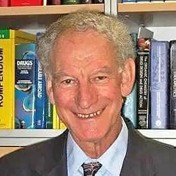
A distinguished British medicinal chemist, Robin Ganellin made pioneering contributions to drug discovery. Working alongside Sir James Black, he played a key role in the discovery and development of H2 receptor antagonists, leading to the introduction of cimetidine, one of the first truly blockbuster medicines. Throughout his career, he continued to advance the field, making significant contributions to the development of H3 receptor antagonists.
Beyond his exceptional scientific achievements, Robin was a valued supporter of the EFMC and its mission throughout the 2010s. His vision, dedication, and lasting impact on medicinal chemistry will continue to inspire generations of scientists. LITERATURE SPOTLIGHT
Ponatinib is a third-generation tyrosine kinase inhibitor approved for the treatment of chronic myeloid leukemia, particularly in patients harboring the T315I gatekeeper mutation that confers resistance to other tyrosine kinase inhibitors. Its clinical efficacy is related to its broad kinase inhibition profile, which is able to inhibit more than 60 kinases. However, this promiscuity is also associated with severe adverse effects, including cardiovascular toxicity. In this work, Betzholz and co-workers investigated whether subtle structural modifications could reduce ponatinib's kinase promiscuity while maintaining its antiproliferative activity, using a structure-based medicinal chemistry approach.
The design was guided by crystal structures of ponatinib bound to diverse kinases, which suggested that the benzamide moiety could tolerate structural modifications without disrupting the key interactions responsible for target binding. Based on this, the authors prepared a chemo-library of twelve derivatives by varying two structural elements: the substitution pattern of the benzamide ring and the terminal basic side chain. Four regioisomeric methyl-substituted benzamides were first synthesized and coupled to either a propylamine- or a propenylamine-containing ponatinib intermediate, giving two complementary subseries (compounds 1-4 and 5-12, respectively). The modular synthetic route enabled late-stage diversification while preserving the imidazopyridazine core and the ethynyl linker, allowing the authors to directly assess how subtle steric modifications influence kinase inhibition.
The compounds were evaluated in MDA-MB-231, a breast cancer cell line that expresses many kinases that are targeted by ponatinib, using both cytotoxicity assays and long-term colony formation experiments. Interestingly, the colony formation assay proved to be more sensitive in detecting sustained antiproliferative effects, revealing differences between analogues that were less apparent in the short-term viability assay. To characterize kinase engagement, the authors employed differential scanning fluorimetry (DSF) as a primary profiling method, followed by microscale thermophoresis (MST) to quantify binding affinities for selected kinases.
One of the most notable findings was the steep structure-activity relationship associated with methyl substitution on the benzamide ring. Although the analogues differ only by the position of a single methyl group, these minor changes were able to alter the kinase selectivity. Among the series, compound 5 was the most informative example: despite retaining the antiproliferative activity, particularly in the colony formation assay, it showed a narrower kinase target spectrum than ponatinib. DSF analyses showed that strong interactions with B-Raf, Flt1, and STK10 were largely preserved, whereas several kinases targeted by ponatinib, including FGFR1 and SLK, both associated with cardiovascular toxicity, were no longer significantly engaged. These findings illustrate that subtle steric modifications can reshape kinase recognition rather than simply attenuating potency.
Rather than presenting a new therapeutic candidate, this study provides elegant proof of concept that kinase selectivity can be intentionally engineered through minimal structural modifications. By demonstrating that a single methyl substituent can markedly remodel the interaction profile of a clinically established multikinase inhibitor, the authors highlight an important principle in medicinal chemistry: optimizing a drug is not only about maximizing potency, but also about controlling polypharmacology.
MEET TONY GEORGIEV, PHILOCHEM, SWITZERLAND
In this edition, our MedChemBioConversations is with the awardee of the 2026 EFMC-YSN PhD Prize, sonsored by Selvita: Tony Georgiev from Philochem, Switzerland. Get to know him better by reading the interview below:
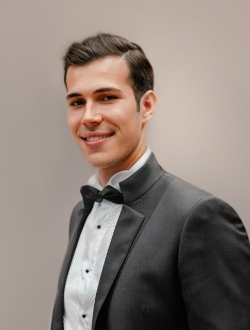
How did you get interested in Medicinal Chemistry/ Chemical Biology?
Organic chemistry caught my attention ever since I was in high school. I just loved to draw out mechanistic arrows and follow the logic behind chemical transformations. As time progressed, I saw organic chemistry more and more as a tool kit to make an impact on a higher level. That is when I also got involved with Chemical Biology and expanded my skillset to be able to push molecules from the bench to pre-clinical evaluation.
Where are you currently working and what is your current position?
I am currently working in a small Biotech company, Philochem AG, as a research scientist. I have always been more drawn to industry than to academia and Philochem allowed me to also do an industrial PhD before I continued as a research scientist. I am working in the field of Oncology, particularly in drug discovery and development.
How would you explain what your research area is to non-scientists?
I would often tell non-scientists that I work to develop treatments for diseases with an unmet medical need. The chemistry can often be described as cooking: sometimes following recipes and other times applying your experience and feeling to make your own unique “dishes”. The most successful “dishes” are sometimes served to mice before being served to humans. If the mouse is happy, we hope that also the human will be too.
What do you like best about your work?
I love the interdisciplinarity. It never becomes boring because I find myself routinely not only in the fume hood, but also in the cell culture, mouse house, and radiosafety laboratory. I have built a differs skillset and I am happy to apply it while assisting and training other scientists.
What kind of tasks does your work involve?
I am still actively involved with chemical synthesis and validation experiments, both in vitro and in vivo. I also now have a PhD student to supervise and my responsibilities are growing along with the number of projects that I am working on/ managing.
What kind of skills does your work require?
Synthetic organic chemistry, analytical methodology, biochemistry, cell biology, animal work, immunology.
How would you describe yourself as a supervisor?
I see myself as a mentor and as a supportive function, rather than as a boss. I work side-by-side with my students when I transfer new skills and make sure that they are comfortable while learning at their own rate. I value independence a lot and always give my students agency to plan their projects. I will never micromanage and apply excessive pressure. I am always happy to discuss anything and remain open and flexible as soon as my students have questions. Regularly, the students make their plans and discuss them with me and proceed after I have given my feedback.
What do you consider your greatest achievement in your scientific career?
The first in human study performed with OncoACP3 – a molecule that I synthesized with my own hands and shared with doctors proceeded to help many patients and change the course of their treatment. Now I am proudly supporting the development of the involving clinical programs.
Which of your papers are you most proud of and why?
“Discovery of high-affinity ligands for prostatic acid phosphatase via DNA-encoded library screening enables targeted cancer therapy”, published in Nature Biomedical Engineering. Firstly, it is my highest impact first-author paper, but most importantly, it starting to fan the flames for a revolution in prostate cancer imaging and therapy. We were brave to invest in a target that was overlooked and forgotten for many years in the small molecule field, and produced a ligand that is ready to outperform the gold standard in the clinics.
What are the features of a successful PhD student or postdoc?
The most important is to believe in your project and the work that you do. Motivation, drive, and curiosity are the most essential qualities, in my opinion. And it is much easier to possess them if you love what you do and are passionate about what you are working on!
What advice would you give to someone who wants to know more about your field?
It is a fast-paced environment where small details matter and speed is of the essence. You must work smart and chose which targets you invest your energy in.
Have you experienced any unfair situations during your scientific career? How would you advise scientists facing similar situations?
Before I began my Industrial PhD at Philochem AG, I was actually doing another PhD in a renowned organic chemistry group at ETH Zurich. I discontinued because my professor clearly abused his power and enforced a completely toxic work ethic. The only advice I can give is to find the strength to put your mental health first. Nothing is worth losing who you are and there are always alternatives, so be brave to escape any situation that makes you question your life choices. It is not quitting… It is self-respect and self-enabling to be the best version of yourself that you can be, without anyone holding you back or trying to change you.
What is the most embarrassing thing you have done in the lab while doing experiments, e.g. explosions?
Once I was at the last step of a long synthesis and dropped my flask after the final rotavap step after purification…. Needless to say, it broke and I was scrubbing the floor with cotton swabs to try to recover as much as I could before repurifying again. The whole thing took an extra half day, but surprisingly my final yield didn’t suffer so much!
What are your recommendations for a book, podcast, website, blog, YouTube channel or film?
I have to say, I am more on the music/gaming/fitness side of things, so I am much better at giving advice in these areas. I have to say, I would recommend the following website for prospective scientists, because it has saved me quite some headaches: https://www.chem.rochester.edu/notvoodoo/
Which scientist do you admire the most and why?
I have had the chance to work with and engage with various Professors, but I have to say that the one that won my unconditional admiration is Prof. Dr. Dario Neri. I am extremely lucky to be able to occasionally engage in higher level scientific discussions with Dario, as his knowledge of the field is exceptional. In additional, he is a truly great human being – very wholesome and kind. He is genuinely happy to see others succeed and support them along the way!
Which field of medicinal chemistry do you consider the most promising for the future?
I am in Oncology because I believe that I can make a difference in areas of high unmedical need. Indeed, this hypothesis got proven to me with the ACP3 story and I have no plans of going out of Oncology. Medicinal chemistry is a powerful tool in this field as it can lead to effective ligand optimization for targeted delivery purposes.
What would you expect to be the next major breakthrough in medicinal chemistry?
I think it will come from the field of targeted therapy. Possibly a universal approach to extend tumor retention time (i.e., covalent warheads or other types of novel approaches). The DEL technology also holds great promise and I believe strong medicinal chemists are needed to design smart libraries to broaden the scope of targets we can access. 25th EFMC-YSN MEDCHEMBIOONLINE – NOVEMBER 17
EFMC-YSN MedChemBioOnline is an exceptional opportunity for (early career) scientists who are interested in learning more about medicinal chemistry and chemical biology. The 25th edition will be devoted to “Expanding the ADC Toolbox: Novel Linkers, Payloads, and Conjugation Chemistries” and will take place on November 17 from 15:30 to 17:30 CET.
This webinar will explore recent innovations that are expanding the ADC toolbox, with particular emphasis on next-generation linkers, novel payload classes, and emerging conjugation chemistries. Attendees will gain insights into how these advances are improving the stability, efficacy, and safety of ADCs, while opening new opportunities for targeted therapeutics.
Meet our confirmed speakers to date:
- Prof. Marc-Andre Kasper (Tubulis, Germany)
- Dr Sarah Schlesiger (Merck KGaa, Germany)
More information and registration on www.medchembio.online.
REPORT OF THE EFMC-ACSMEDI MEDICINAL CHEMISTRY FRONTIERS 2026
Jointly organised by EFMC (European Federation for Medicinal chemistry and Chemical biology) and ACS MEDI (Division of Medicinal Chemistry of the American Chemical Society), the EFMC-ACSMEDI Medicinal Chemistry Frontiers 2026 took place in Dublin, Ireland on June 22-25, 2026. The latest advances and current state of research in drug discovery and development were presented to about 350 attendees, among which students, academics, and industry-affiliated researchers from all over the world.
A programme including nine sessions, composed of Plenary and Invited lectures, as well as short Oral Communications was proposed to the attendees. The symposium started with the Plenary Lecture of Prof. Anna Mapp (University of Michigan, USA) on “Rewiring Transcription Factor Networks to Disrupt BRAF V600 Signaling in Melanoma”. Additional Plenary lectures by Prof. Christian Hackenberger (Leibniz Institute for Molecular Pharmacology, DE) and Dr Elisabetta Chiarparin (Angelini Pharma, UK) figured among the numerous highlights of the event.
The conference showcased a broad spectrum of contemporary medicinal chemistry research, highlighting both emerging therapeutic strategies and enabling technologies. Key themes included targeted protein degradation and induced proximity, chemical biology, and novel therapeutic modalities, alongside advances in anti-infective agents, neuroscience, immunology, and precision medicine through epigenetic and epitranscriptomic approaches. Significant attention was also given to cutting-edge synthetic methodologies, particularly late-stage functionalisation, as well as the growing impact of machine learning and data-driven approaches in drug discovery. Across both oral and poster presentations, participants shared innovative research spanning diverse disease areas and scientific disciplines. The Early Career session provided again a valuable platform for young scientists to present their work and connect with leaders from academia and industry. Finally, the company workshops fostered networking opportunities while showcasing new technologies, platforms, and services that are shaping the future of medicinal chemistry and drug discovery.
The social programme included a welcome reception on the first day, a walking tour or Dublin or of the Trinity College on the second evening, and the traditional symposium banquet to conclude the event. These various networking activities provided an exceptional atmosphere for all the attendees to connect and share impressions in an informal setting.
The excellent collaboration between EFMC and ACSMEDI was also represented in their respective young section, with a joint programme organised by the EFMC Young Scientists Network and the ACSMEDI Young Medicinal Chemists Committee. These targeted events allowed students and early career researchers to mingle in a more informal set-up during the “Meet & Greet” in a local Irish Pub and to interact freely with inspiring researchers during the round table discussion “Your Career, Your Path: Academia, Industry, Entrepreneurship, and Beyond”.
The support provided through the YMCC/YSN Grant was once again instrumental in enabling the participation of two US-based researchers at the conference: Kenneth Lopez-Perez (University of Florida) and Jerret Holdaway (University of Minnesota). In addition, the EFMC further supported early-career scientists by granting five registration fee waivers, helping to broaden access to the meeting and fostering the participation of promising young researchers from diverse backgrounds.
The next edition of the ACSMEDI-EFMC Medicinal Chemistry Frontiers will take place in San Diego, CA, USA on June 20-23, 2027, and the YSN/YMCC Grant will allow the participation of two European-based researchers.
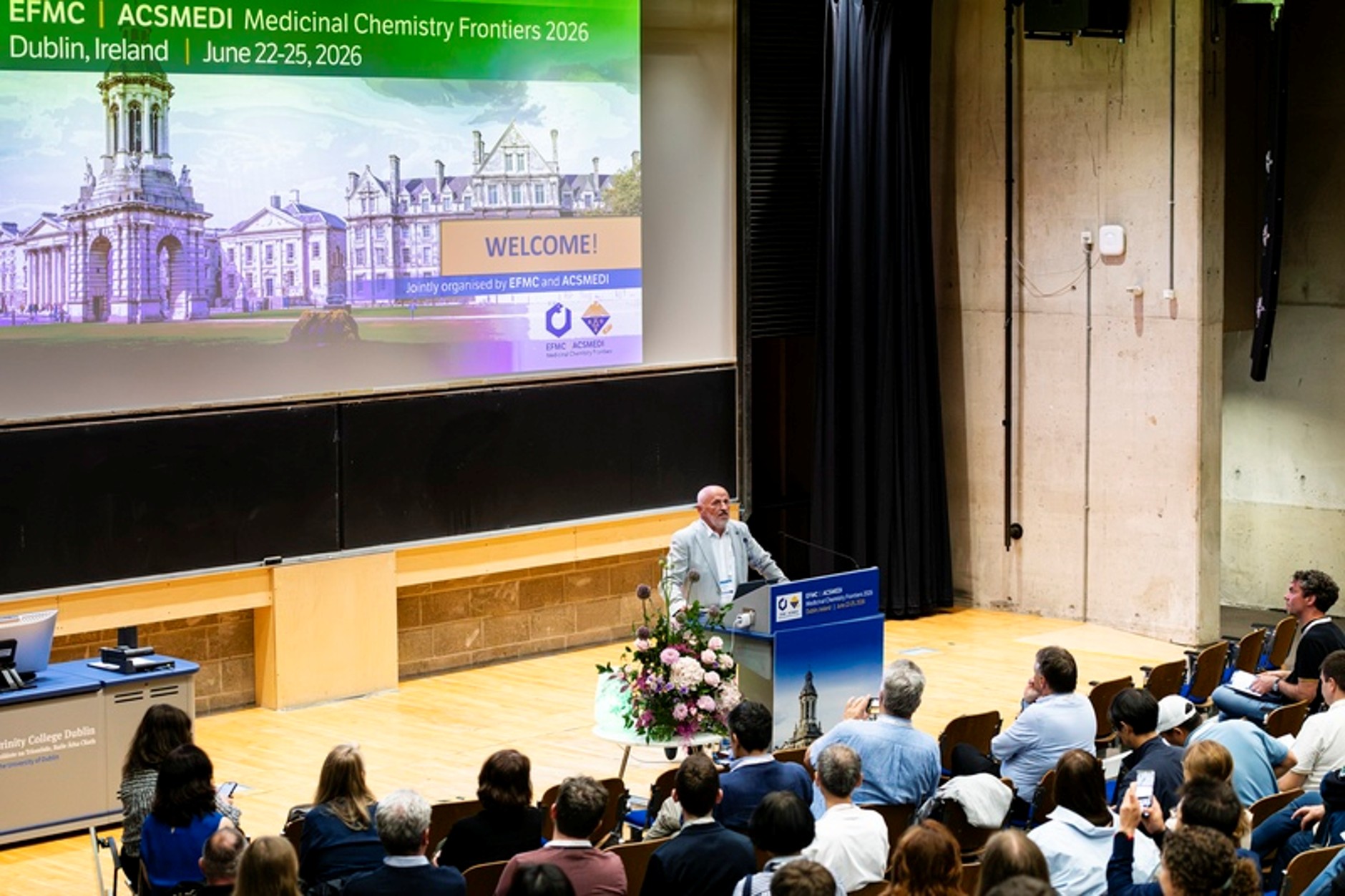
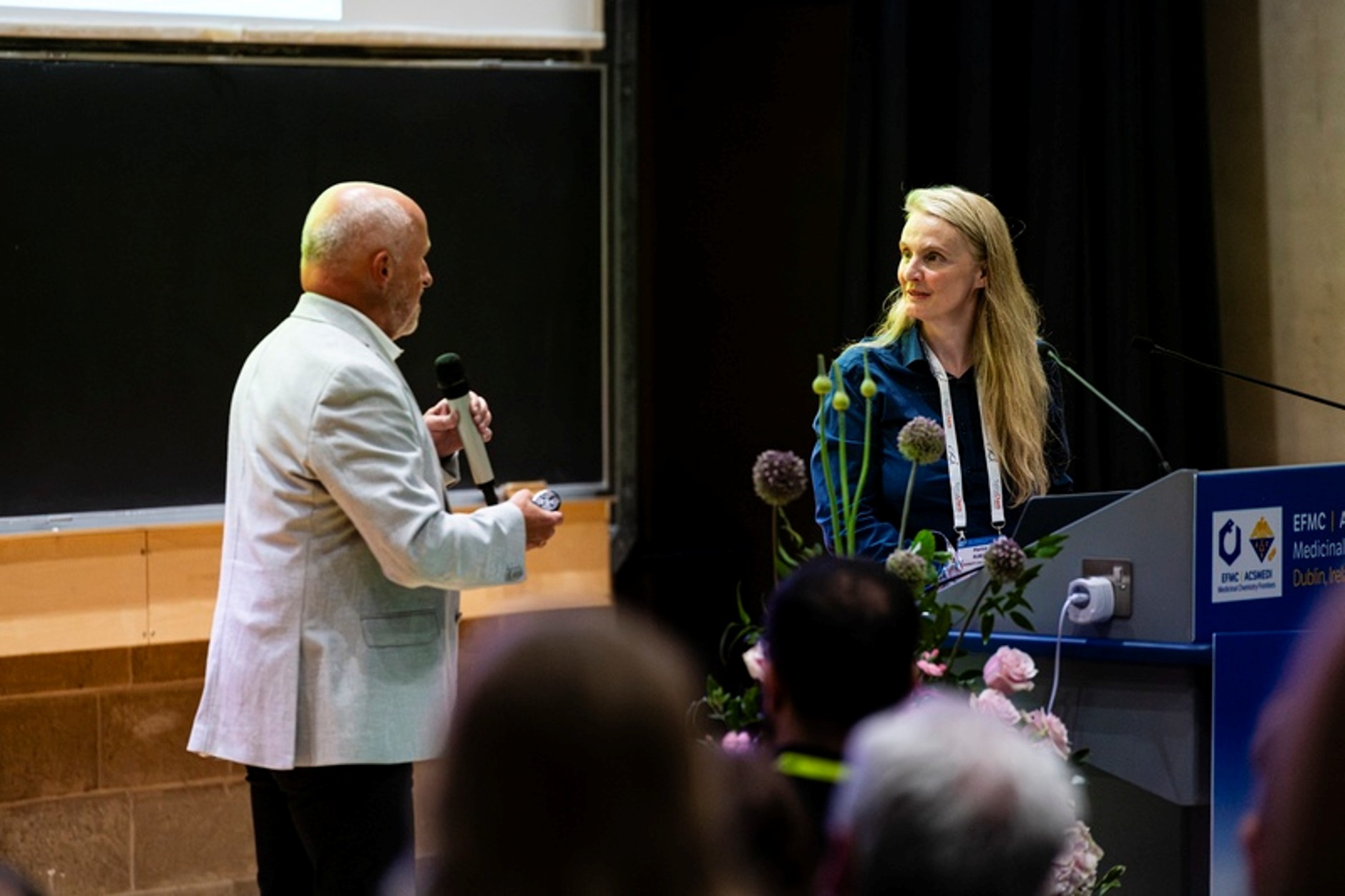
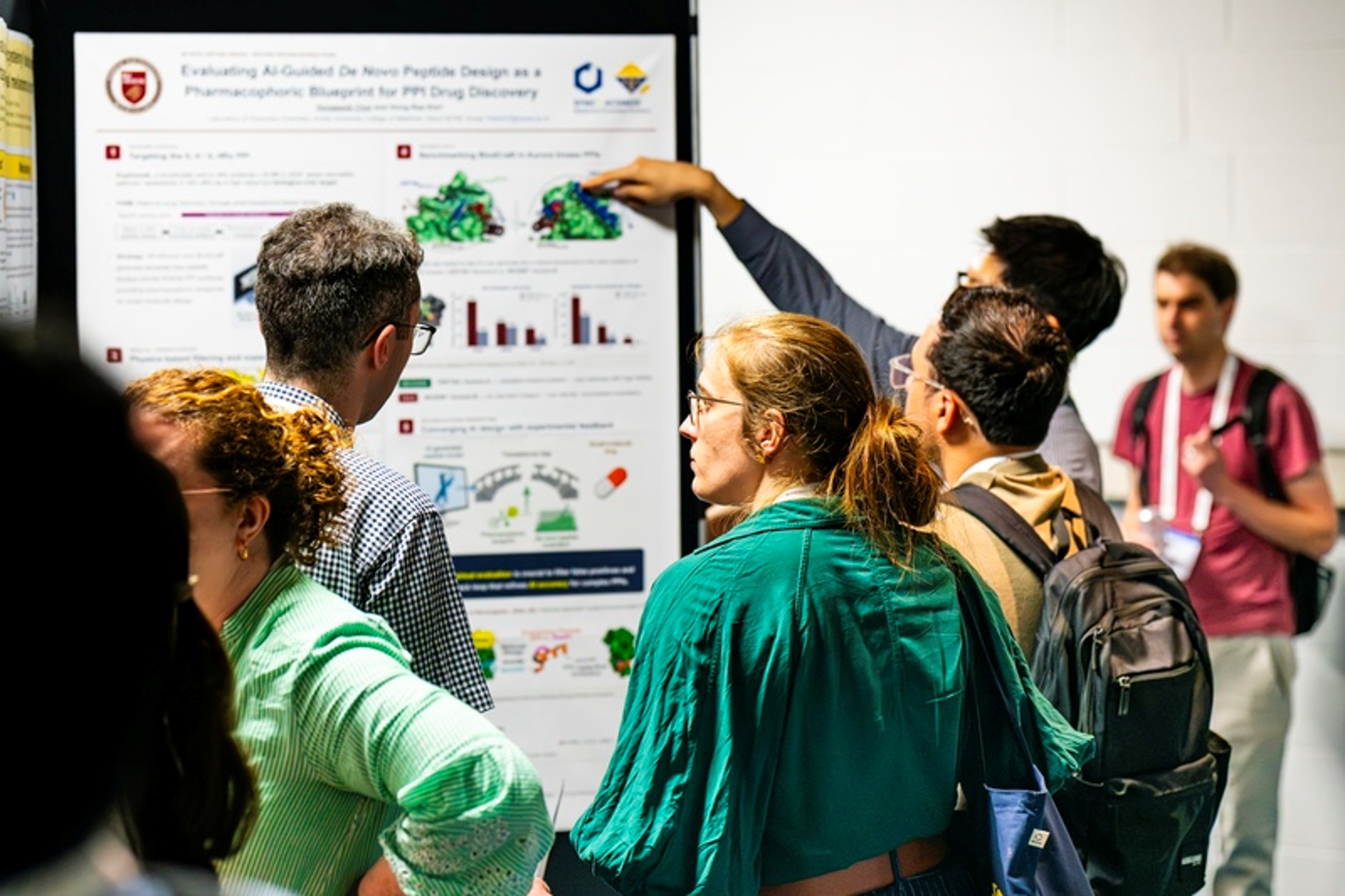
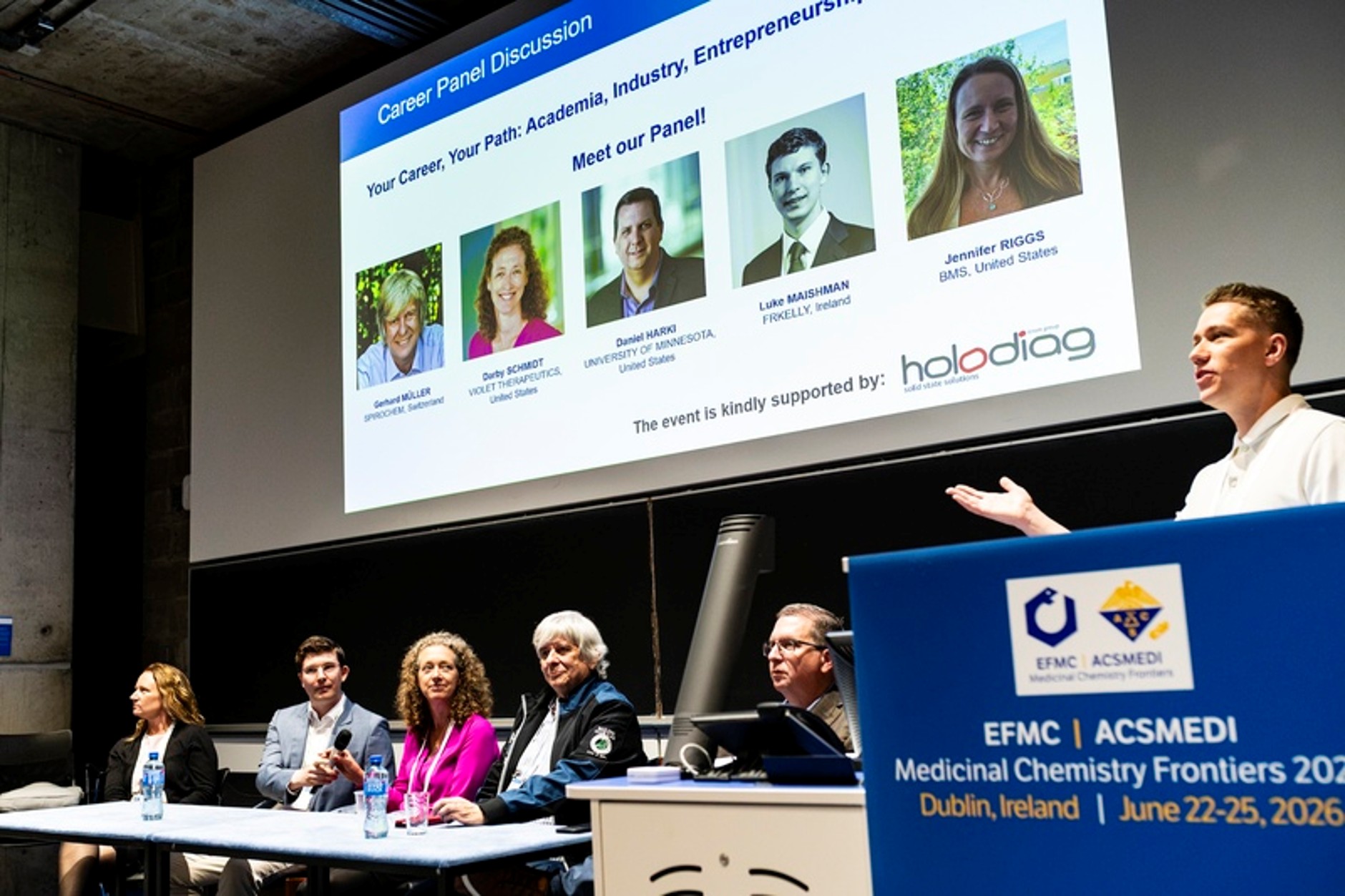
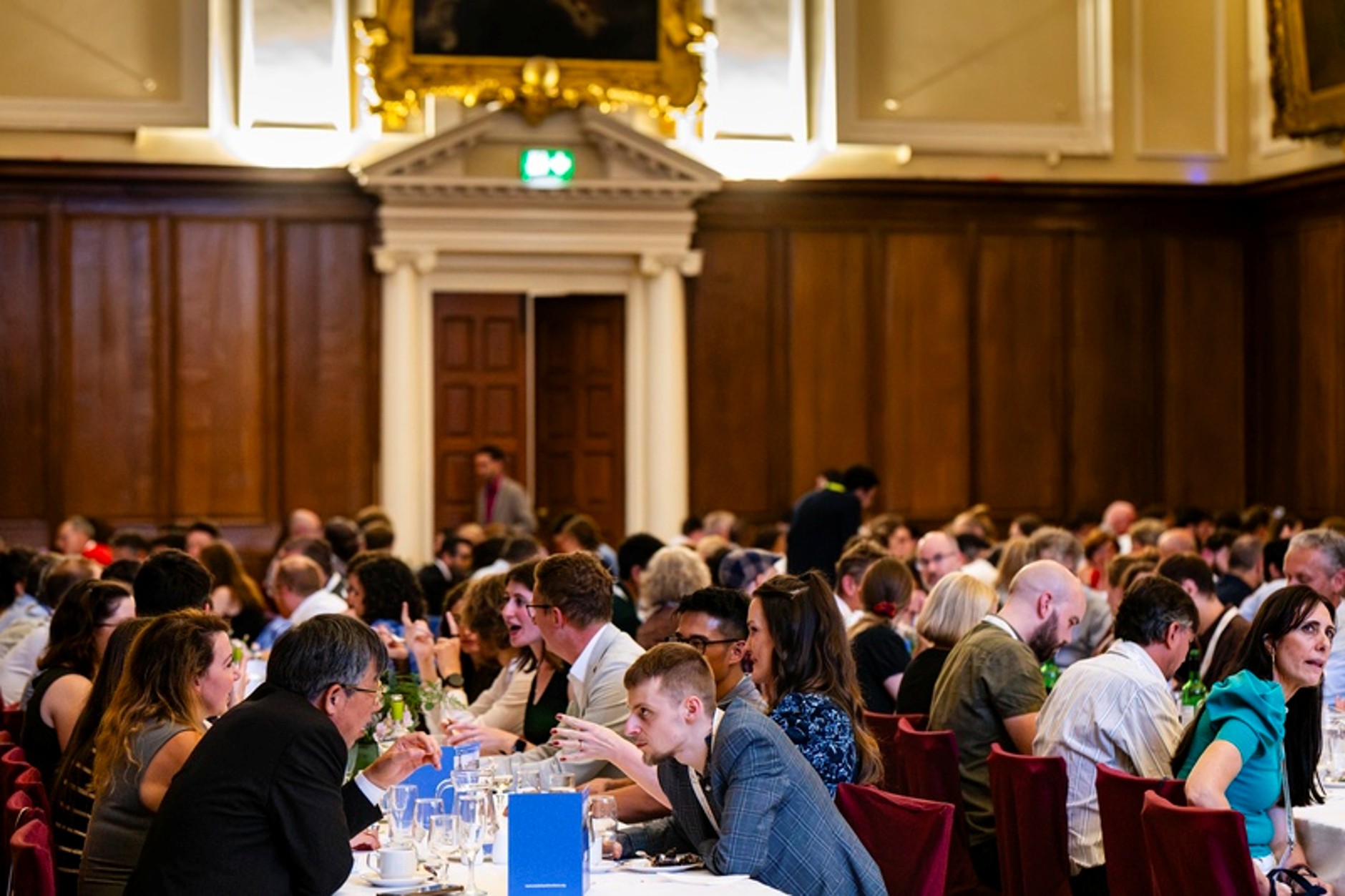
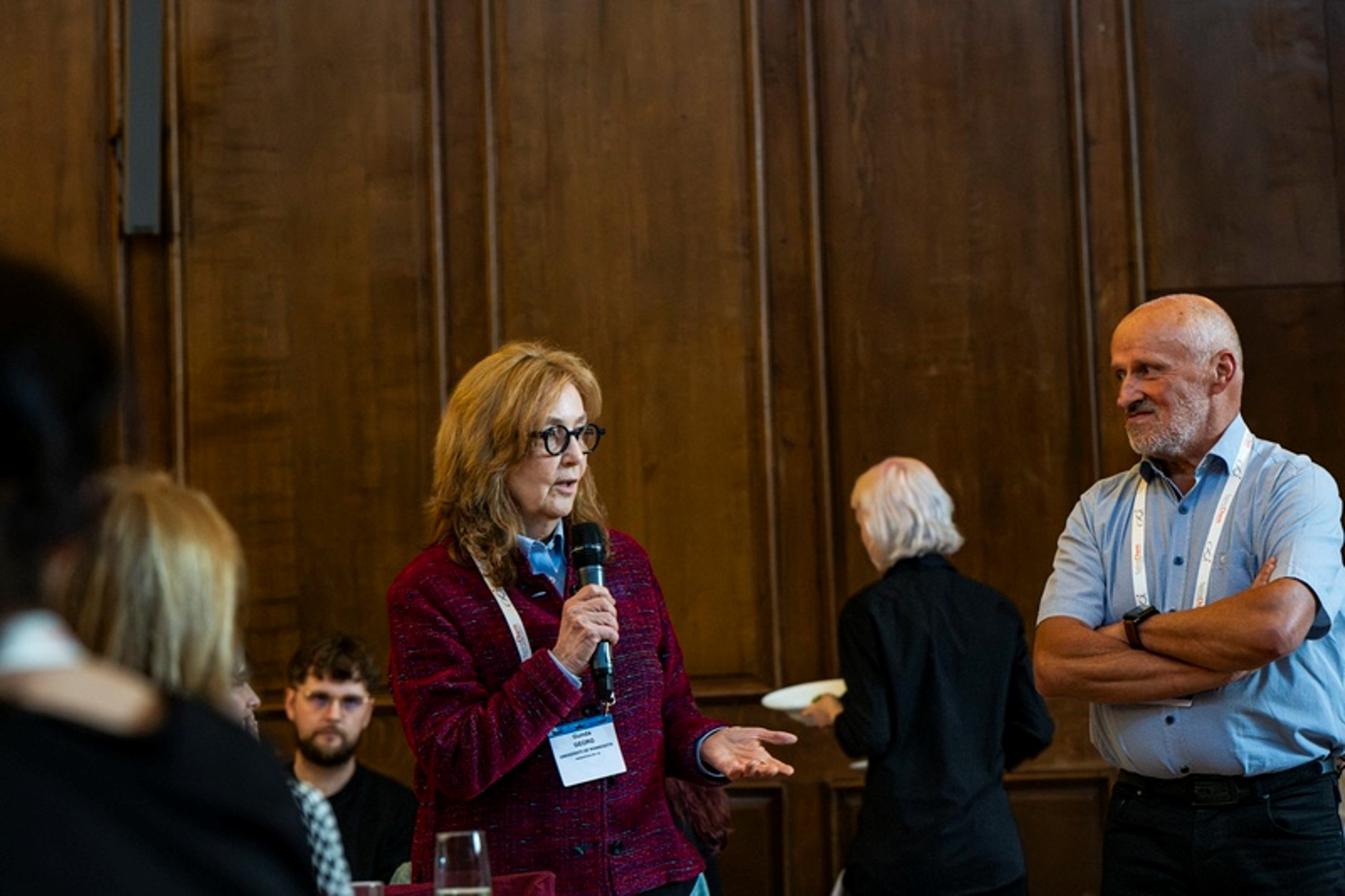
See all the Pictures! EFMC GRANTS 2026
In our continuous effort to support the attendance of early career researchers at scientific conferences, the EFMC proudly announces that, in 2026, the following grants have been awarded:
20th EFMC Short Course in Medicinal Chemistry
- Radu BULAI, KU Leuven, Belgium
- Calum MCLAUGHLIN, University of Dundee, United Kingdom
- Cecilia SANCHEZ, CSIC, Spain
EFMC|ACSMEDI Medicinal Chemistry Frontiers 2026
- Ana BEC, University of Zagreb, Croatia
- Ana Laura DIAS, University of Lisbon, Portugal
- Celia ESCRICHE, University of Barcelona, Spain
- Patryk KRAJCZY, Leiden University, The Netherlands
- Chiara VIGATO, University of Turin, Italy
EFMC Medicinal Chemistry 2026 & EFMC Young Scientists Symposium 2026
- Giulia BONONI, University of Pisa, Italy
- Luisa CAMERIN, IBEC, Spain
- Imma CAPRIELLO, Czech Advanced Technology Research Institute, Czech Republic
- Eleftherios CHARISSOPOULOS, Aristotle University of Thessaloniki, Greece
- Markos GEORGIADIS, University of Athens, School of Pharmacy, Greece
- Eden GUEDU, Institut de Chimie de Nice, France
- Maria HEINKE, ETH Zürich, Switzerland
- Dionysis KAMPASIS, University of Bologna, Italy
- Taimoor KHAN, University of Warwick, United Kingdom
- Mehmet Murat KISLA, Ankara University Faculty of Pharmacy, Turkey
- Natan KORAJ, University of Ljubljana, Slovenia
- Pilar María LUQUE NAVARRO, Sociedad Española de Química Terapeutica, Spain
- Matteo LUSARDI, Università degli Studi di Genova, Italy
- Jon MACICIOR, University of Dundee, United Kingdom
- Silvia MORI, University of Wuerzburg, Germany
- Diogo NUNES, Research Institute for Medicines (iMed.ULisboa), Portugal
- Adam PINTO, University of Dundee, United Kingdom
- Elle WATSON, Newcastle University, United Kingdom
We would like to congratulate all the worthy winners, as well as the numerous applicants. Stay tuned to EFMC Grants in the coming months to hear about the grant opportunities for 2027! JOIN THE EFMC SESSION AT ICBS 2026
The annual meeting of the International Chemical Biology Society (ICBS 2026) will take place from October 12-15, 2026, in San Francisco, United States.
The EFMC is happy to organise a session entitled “RNA as Target with Small Molecules by RNA splicing and direct RNA modulations”. Chaired by Prof. Gianluca Sbardella (University of Salerno, Italy), it will gather two expert speakers in the field.
- Prof. Amanda Garner, University of Michigan, United States
- Prof. Peng WU, Max-Planck-Institute of Molecular Physiology, Germany
We look forward to meeting you at ICBS2026.
NEWS FROM THE SOCIÉTÉ ROYALE DE CHIMIE (SRC)
The Medicinal Chemistry Divisions of the two Belgian Chemical Societies — the Société Royale de Chimie (SRC) and Koninklijke Vlaamse Chemische Vereniging (KVCV) — are pleased to invite you to the Annual One-Day Meeting on Medicinal Chemistry (MedChem 2026), which will be held on Monday December 14, 2026, in UCLouvain - Woluwé, Brussels (Belgium).
This one-day meeting is designed to provide participants with the latest information on key areas of pharmaceutical research, presented by leading experts in the field.
Have a look at the deadlines and confirmed speakers!
- September 17: Deadline for Firstcommer registration fees
- October 22: Deadline for Early-bird registration & Oral Communication submission
- November 5: Deadline for Poster submission
Confirmed Speakers
- Dr Marion FLIPO (UNIV. LILLE - INSERM - IPL, France)
- Dr Soufyan JERHAOUI (JOHNSON & JOHNSON, Belgium)
- Dr Joleen MASSCHELEIN (KU LEUVEN, Belgium)
- Dr Sebastian POMPLUN (LEIDEN UNIVERSITY, The Netherlands)
- Prof. Christopher J. SCHOFIELD (UNIVERSITY OF OXFORD, United Kingdom)
The programme will feature 7 Invited Lectures, 3 Oral Communications selected from the submitted abstracts, and a Poster Session. NEWS FROM THE BIOLOGICAL AND MEDICINAL CHEMISTRY SECTOR (BMCS) OF THE ROYAL SOCIETY OF CHEMISTRY (RSC)
The BMCS is happy to announce several upcoming events:
Meetings in 2026
9th Artificial Intelligence in Chemistry Symposium
Wednesday 02 – Friday 04 September 2026, Churchill College, Cambridge, UK
RSC-CICAG/BMCS
Registration is open!
Website: https://www.rscbmcs.org/events/aichem9/
Synopsis: Artificial intelligence is increasingly revolutionizing chemistry. We are witnessing the impact of new methods and practical applications in many diverse areas of chemistry. Following on the successes of eight annual “Artificial Intelligence in Chemistry” meetings starting in 2018, we are pleased to announce that the Chemical Information & Computer Applications Group (CICAG) and Biological & Medicinal Chemistry Sector (BMCS) of the Royal Society of Chemistry are once again organizing a conference to present the latest advances in AI and machine learning in chemistry. The meeting will be held over two and half days and will combine aspects of artificial intelligence and deep machine learning methods to applications in chemistry. The programme will include a mixture of keynote talks, panel discussions, oral presentations, flash presentations, posters and opportunities for open debate, networking and discussion.
This year’s meeting will again feature the popular “Introduction to AI in Chemistry” workshop on Day 1, including an introduction to Python and Jupyter notebooks.
10th RSC-BMCS Fragment-based Drug Discovery Meeting
Monday 14 – Wednesday 16 September 2026, Churchill College, Cambridge, UK
BMCS
Registration is open!
Website: https://www.rscbmcs.org/events/fragmentsx/
Synopsis: The aim of the 10th RSC-BMCS Fragment-based Drug Discovery meeting will be to continue the focus on case studies in Fragment-based Drug Discovery that have delivered compounds to late stage medicinal chemistry, preclinical or clinical programmes. The Fragment series was started in 2007 and continues with this theme in having over three-quarters of the presentations focused on case studies. This will be complemented by technology progress in high concentration, NMR, SPR and X-ray screening.
10th RSC-BMCS/SCI Symposium on GPCRs in Medicinal Chemistry
Wednesday 30 September – Friday 02 October, 2026, Evotec Campus, Verona, Italy
BMCS/SCI
Registration is open!
Website: https://www.rscbmcs.org/events/gpcrs26/
Synopsis: The key role of G protein-coupled receptors (GPCRs) in human disease underpins their importance to modern medicine. We are pleased to hold this 10th meeting in the series on GPCR drug discovery, which combines cutting edge medicinal chemistry with innovative structural biology and novel drug design approaches.
ELRIG Drug Discovery 2026
Wednesday 14 – Thursday 15 October 2026, Excel London, UK
BMCS/RSC Medicinal Chemistry/ELRIG
Registration and Poster abstract submission is open!
Website: https://elrig.org/portfolio/drug-discovery-2026/
Synopsis: RSC-BMCS is once again collaborating with RSC Medicinal Chemistry and ELRIG to present a track on the theme of AI in medicinal chemistry at ELRIG Drug Discovery, Europe’s leading drug discovery and life sciences conference.
RSC-BMCS/SCI Targeting Protein Degradation 5
Wednesday 21 – Thursday 22 October 2026, The Fielder Centre, Hatfield, UK
BMCS/SCI
Registration is open: Poster abstract submission closes soon!
Website: https://www.rscbmcs.org/events/protdeg26/
Synopsis: One of the most exciting new therapeutic modalities to emerge in the 21st century has been Targeted Protein Degradation (TPD). In 2021, the Targeted Protein Degradation Market size was valued at USD 400.5 million and is poised to grow from USD 507.0 million in 2022 to USD 3,300.0 million by 2030 and so has attracted interest from academia, non-profit organisations through to CROs and small and large pharma. This multidisciplinary meeting aims to present the latest developments in the design, biology, chemistry and ADME in TPD within the general themes of PROTACS (including non-oncology targets), Molecular Glues and non-PROTAC degraders. We aim to highlight the newest in enabling technologies such as computational techniques, Direct to Biology, HT synthesis (click, photochemistry etc) and structural biology methods.
BMCS Hot Topics: AI in Drug Discovery
Tuesday 03 November 2026, virtual (13:00 – 17:00 UK Time)
BMCS
Registration is open!
Website: https://www.rscbmcs.org/events/hottopicsai26/
Synopsis: The BMCS Hot Topics online meetings are intended to highlight breaking areas of research in fields of science relevant to drug discovery. They will run as stand-alone half-day virtual events, 2-3 times per year. The programme will be targeted towards researchers who would like to enhance their understanding of these nascent or developing fields.
Artificial intelligence (AI) is becoming an increasingly important part of the drug discovery toolkit, with applications spanning target discovery, molecular design, protein modelling, and clinical development. As the field advances, AI is not only offering new technical capabilities but also changing how researchers approach the challenges of drug discovery. This meeting will highlight recent progress in AI-driven drug discovery, bringing together perspectives from industry and academia. Talks will explore enabling technologies and practical applications of AI across the drug discovery pipeline.
BMCS Antibody – Drug Conjugates
Thursday 19 November 2026, GSK, Stevenage, UK
Registration and abstract submission are open!
Website: https://www.rscbmcs.org/events/adcs2026/
Synopsis: Following the success of the BMCS Hot Topics Antibody-drug conjugates meeting, the BMCS are organising an in-person Antibody-Drug Conjugates meeting. Antibody-Drug Conjugates (ADCs), alongside other targeted modalities, effectively enrich target tissues with potent payloads unsuitable for systemic administration. With several recent clinical successes, the number of new ADCs approaching the clinic is rapidly increasing. This meeting aims to highlight the technological advancements and innovations driving these ADCs, while addressing the challenges and opportunities within the field. The meeting will feature speakers from industry and academia who are at the forefront of ADC design.
Recent Trends in Medicinal Chemistry and Enabling Technologies
Wednesday 02 December 2026, Burlington House, London, UK
BMCS/SMR
A date for your diary!
Website: https://www.smr.org.uk/Meetings/
Synopsis: BMCS and the Society for Medicines Research will again jointly host this popular biennial symposium covering medicinal chemistry, chemistry-based drug discovery-enabling technologies
and chemical biology, reflecting the breadth of work taking place in academia and industry to advance our understanding and to underpin medicines research.
Meetings in 2027
RSC-BMCS 20th Postgraduate Symposium – Biological and Medicinal Chemistry Symposium for Postgraduates
Thursday 07 January 2027, MIB Building, Manchester, UK
BMCS
Registration now open! Abstract submission now open!
Website: https://www.rscbmcs.org/events/20thpostgrad/
Synopsis: This face to face meeting will comprise of oral and poster presentations from PhD students and post-doctoral workers researching in biological or medicinal chemistry. In addition, the agenda will feature invited keynote speakers from industry and academia.
The BMCS Mastering MedChem XI: 11th RSC-BMCS Symposium on Mastering Medicinal Chemistry
Friday 19 March 2027, Burlington House, London, UK
BMCS
A date for your diary!
Website: https://www.rscbmcs.org/events/mastermedchem27/
Synopsis: Mastering Medicinal Chemistry XI is the latest in an ongoing series of conferences intended to provide expert advice and guidance to current and new practitioners in the field of drug discovery. Chemists interested in learning the latest strategies and methods to make the next generation of therapeutics, from the very early stages of discovery to the latest phases of drug development, are particularly welcome to this meeting. This event will feature presentations from experienced ‘drug-hunters’ in both industry and academia, who will talk about the challenges faced in modern drug discovery, and will share best practice common to all successful medicinal chemists.
BMCS New Approaches to Neurodegenerative Diseases
Monday 05 – Tuesday 06 April, 2027, Wellcome Genome Campus, Hinxton, UK
BMCS
Abstract submission is now open!
Website: https://www.rscbmcs.org/events/neuro27/
Synopsis: A recent study estimated that 3.4 billion people worldwide are effected by neurodegenerative diseases[1] placing a major burden on health systems. For many diseases the current treatments only address the symptoms and are not disease progression, whilst these treatments can be very helpful there is an urgent need for disease modifying therapies. Over the last few years we have seen significant advances in our understanding of the underlying biology, identification of new therapeutic targets and the design of novel drug candidates. This meeting will highlight leading edge research in the design and development of new therapeutics.
This meeting is building upon the very successful New Approaches to the Treatment in Parkinson’s meeting held in November 2025.
9th RSC-BMCS/SCI symposium on Ion Channels as Therapeutic Targets
Monday 19 – Tuesday 20 April 2027, Hinxton Hall, Wellcome Genome Campus, Cambridge, UK
BMCS/SCI
Abstract submission now open!
Website: https://www.rscbmcs.org/events/ionchannels27/
Synopsis: Ion channels are important targets for therapeutic intervention due to their extensive roles in human physiology and the pathophysiology of disease. Many successful drugs targeting this gene family have been discovered for diseases such as hypertension, epilepsy, and neuropathic pain. This symposium, the 9th in an ongoing series, will showcase the most recent advances to aid the design of new ion channel therapeutics and promote interaction between scientists with a shared interest in the field of ion channel drug discovery.
5th RSC Anglo-Nordic Medicinal Chemistry Symposium
Tuesday 15 – Friday 18 June 2027, Hotel Comwell Borupgaard, Snekkersten, Denmark
BMCS
Registration and abstract submission now open!
Website: https://www.rscbmcs.org/events/anmc-5/
Synopsis: This 2.5 day symposium is the fifth in the very successful series of biannual meetings started in 2017 containing high quality international speakers from industry and academia on topics of Medicinal Chemistry and related enabling technologies. Organised by the Biological and Medicinal Chemistry Sector of the Royal Society of Chemistry, together with Nordic affiliates, the meeting promises to be an exciting and invigorating gathering packed with fantastic opportunities to disseminate knowledge and expand networks. The event will include first rate lectures, poster session, trade exhibition, ample networking opportunities, welcome buffet on Tuesday, exceptional location, venue and accommodation. INTERESTED IN SPONSORING THIS NEWSLETTER?
Take the opportunity of our monthly newsletter “MedChemBioWatch” to promote your company or deliver a message to our audience of more than 10,000 members.
Each issue can be sponsored exclusively with two banners, a short company description, and a weblink. Reach out to administration@efmc.info if you want to receive more information.
|
|
|
|
|
|
EFMC ORGANISED EVENTS
September 6-10, 2026
Basel, Switzerland
EFMC Medicinal Chemsitry 2026
September 10-11, 2026
Basel, Switzerland
EFMC Young Scientists 2026
EFMC SPONSORED EVENTS
September 13-16, 2026
Messina, Italy
30th National Meeting on Medicinal Chemistry (NMMC30) and 17th Young Medicinal Chemists Symposium “Nuove Prospettive in Chimica Farmaceutica” (NPCF17)
September 29, 2026
Online Event
The 6th Virtual ChemBioTalks
September 27 - October 1, 2026
Perugia, Italy
25th European Symposium on Quantitative Structure-Activity Relationship (EuroQSAR)
November 26, 2026
Institut de Recherche Servier Paris Saclay, France
One-day symposium about Therapeutic Oligonucleotides
EFMC CERTIFIED SCHOOLS
September 21-23, 2026
University of Bologna – Rimini Campus, Rimini, Italy
SSPA Summer School
October 4-9, 2026
Leysin, Switzerland
Swiss Course on Medicinal Chemistry 2026
JOB PORTAL
Postdoc in Medicinal Chemistry or Organic Chemistry
Texas Southern University, United States
Read more
Mid-career Group Leader in Chemistry for Health (Institut Pasteur/CNRS)
Institut Pasteur - CNRS, Department of Structural Biology and Chemistry of Institut Pasteur and UMR Chem4LIfe CNRS-Institut Pasteur, France
Read more
|
|



