|
|
EFMC YOUNG SCIENTISTS 2026 – SHORT REPORT
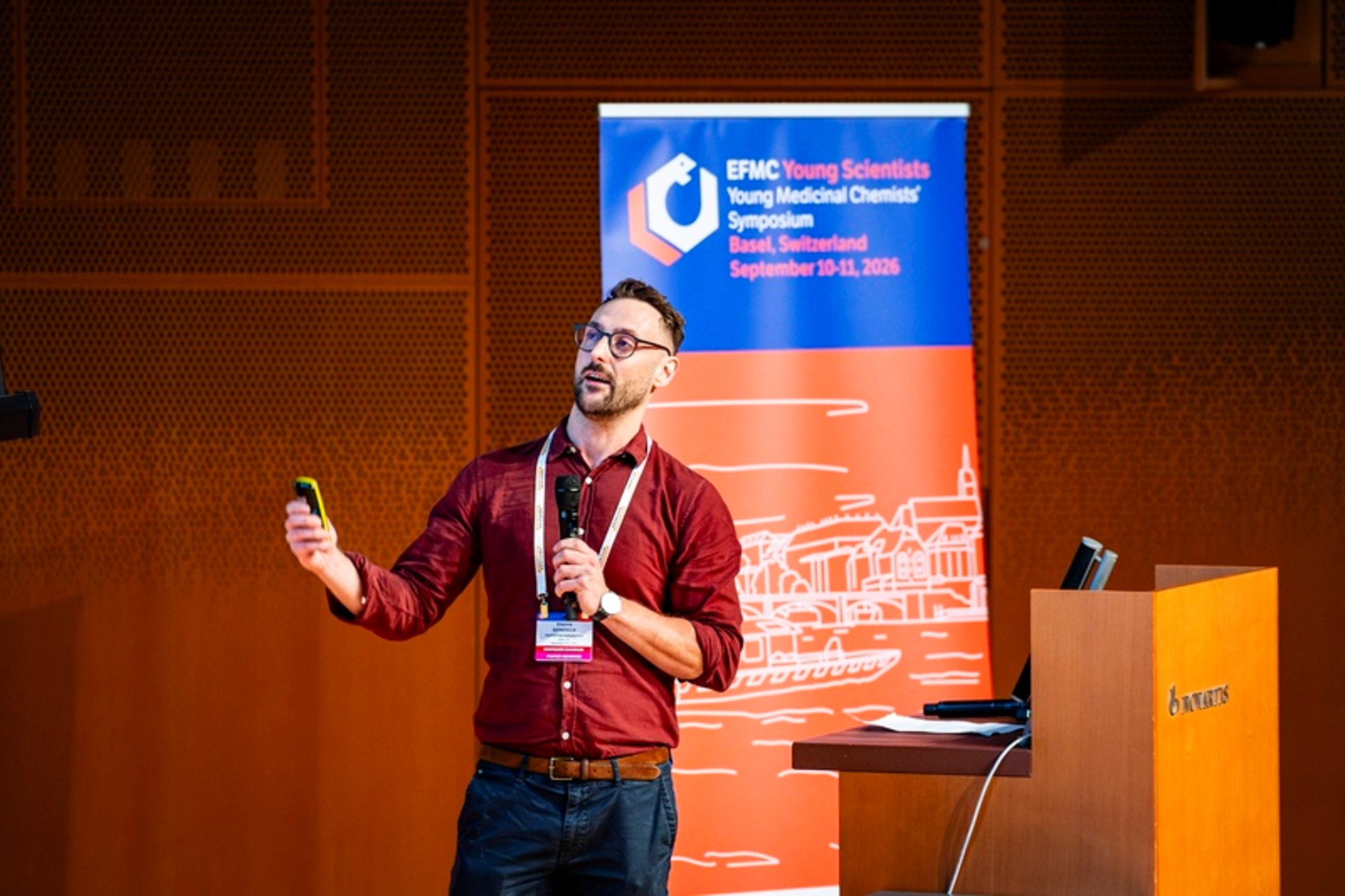
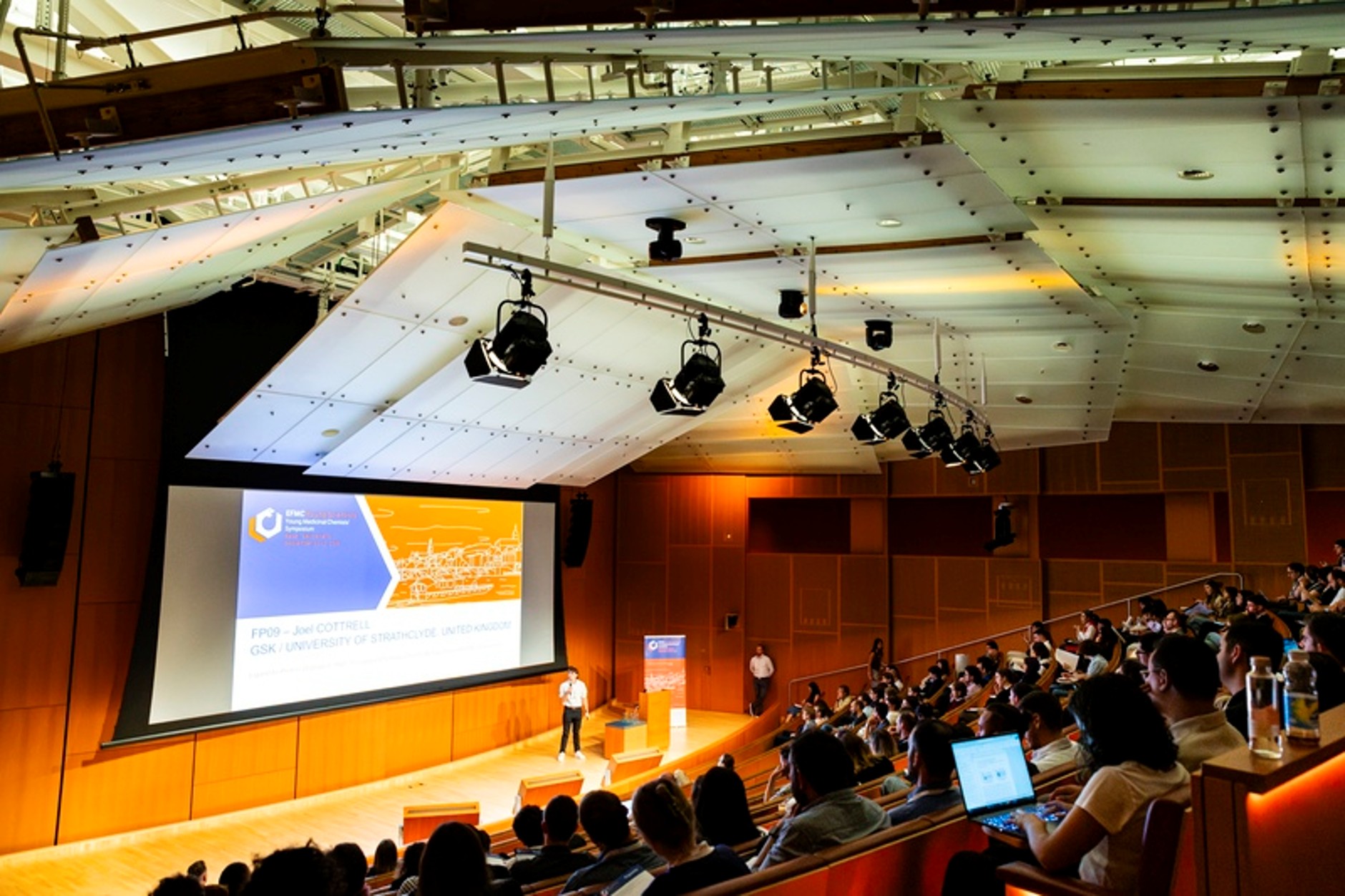
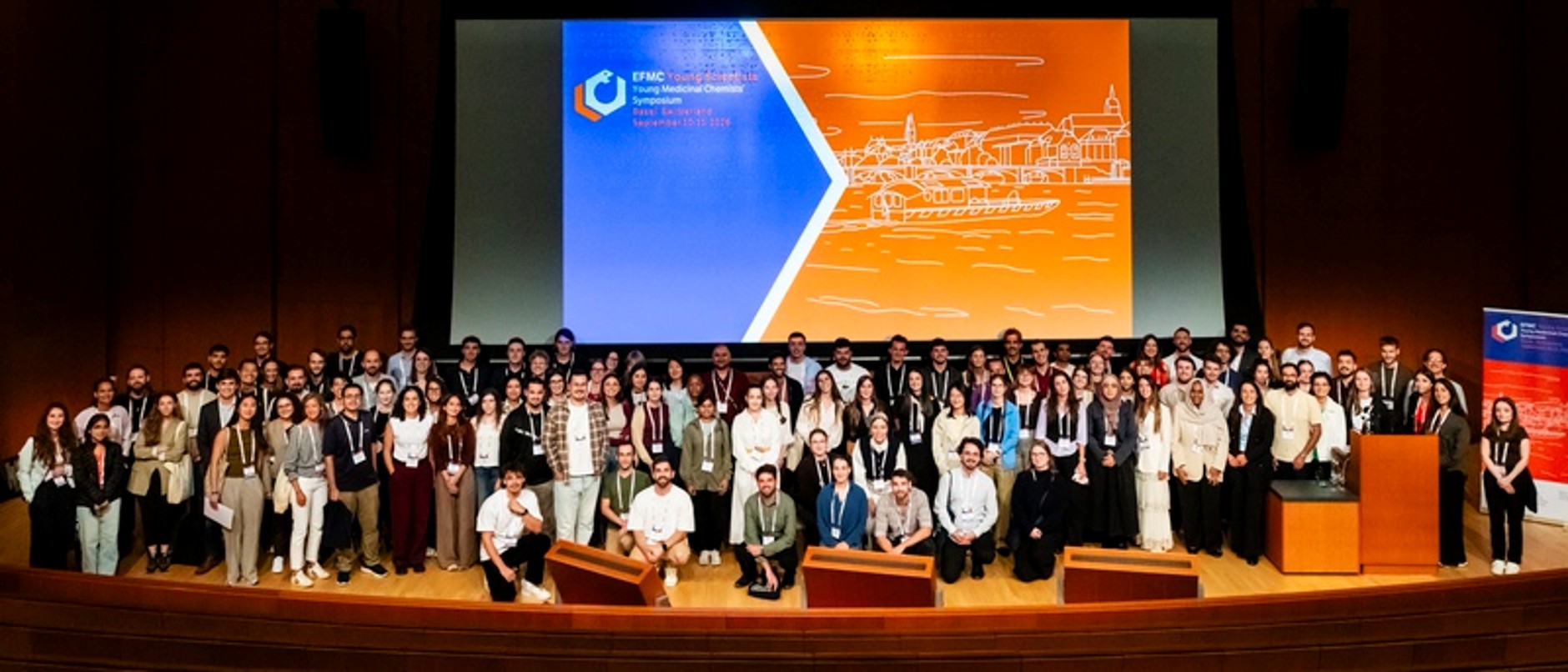
The 13th EFMC Young Medicinal Chemists' Symposium followed the EFMC International Symposium on Medicinal Chemistry and gathered 200+ attendees at the Novartis Campus, Switzerland.
The symposium's programme for this year continued the successful format mixing two distinguished keynote lectures, 8 oral presentations, 20 National Highlights by invited prize winners from national young medicinal chemist meetings across Europe, 2 prize lecture and 20 flash poster presentations.
The symposium began on Thursday, September 10, with a warm welcome from the chair, Dr Etienne Donckele (Monte Rose Therapeutics, Switzerland. The opening lecture “Chemical Biology and Medicinal Chemistry of Lipid Transport” was delivered by Dr Luca Laraia (Technical University of Denmark, Denmark), before leaving the stage to the competition between the oral communications, and the first set of National Highlights and flash poster presentations.
The second day of the conference started with a stimulating Career Panel Discussion, organised by the EFMC-YSN, featuring early-career talents from both industry and academia. The competition resumed over the course of the day, as well as the second set of flash poster presentations before closing with a lecture by Dr Maria Majellaro (Celtarys Research, Spain) on “Growing with Celtarys: Work Hard, Enjoy the Journey”.
The conference was also the stage for two prize lectures:
- The 2026 EFMC-YSN PhD Prize, sponsored by Selvita awarded to Dr Tony Georgiev (Philochem, Switzerland)
- The 2026 Novalix PhD Prize for Excellence in Chemistry in Life Sciences Research, awarded to Dr Camilla Scarpellini (University of Antwerp, Belgium)
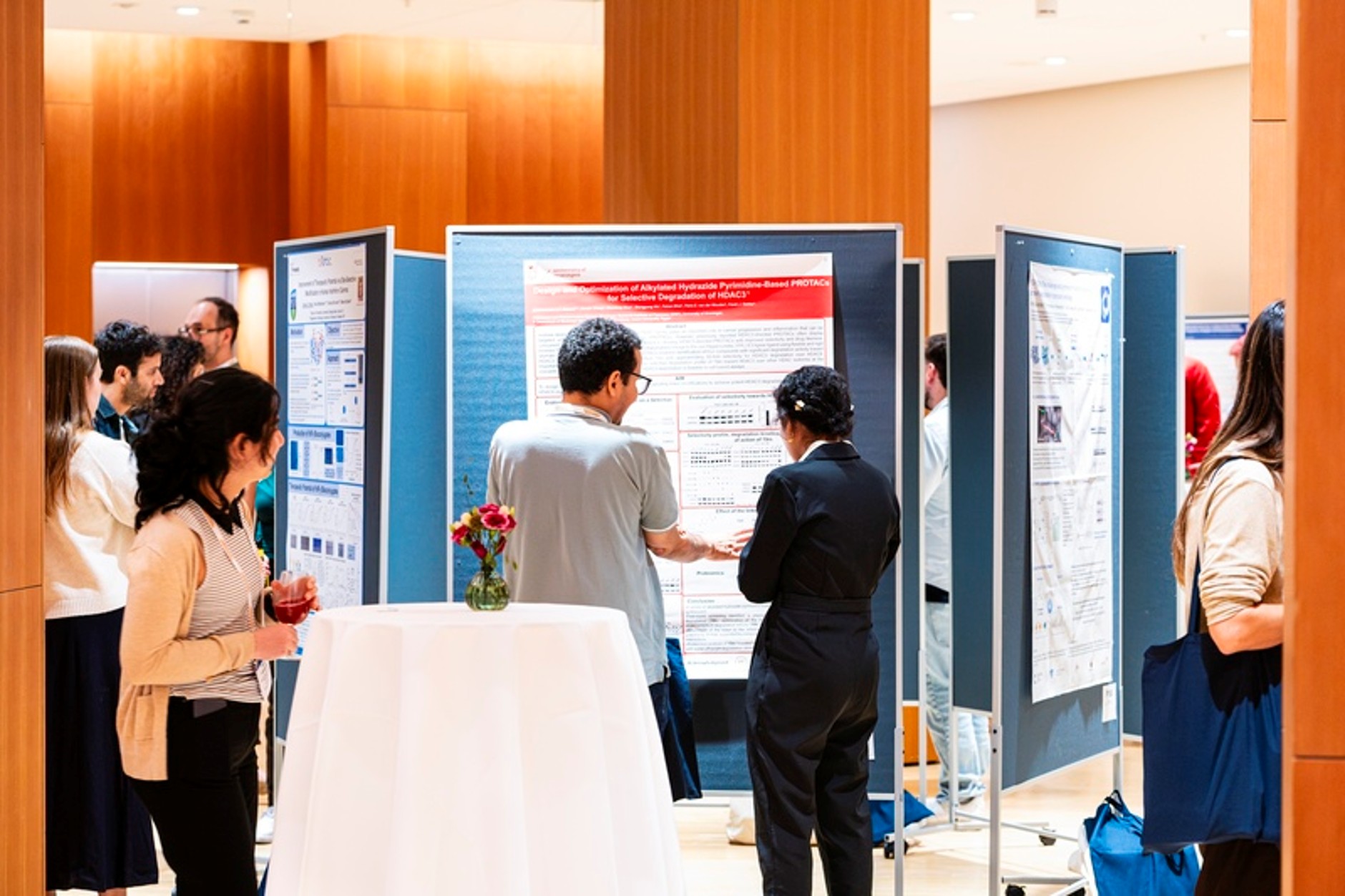
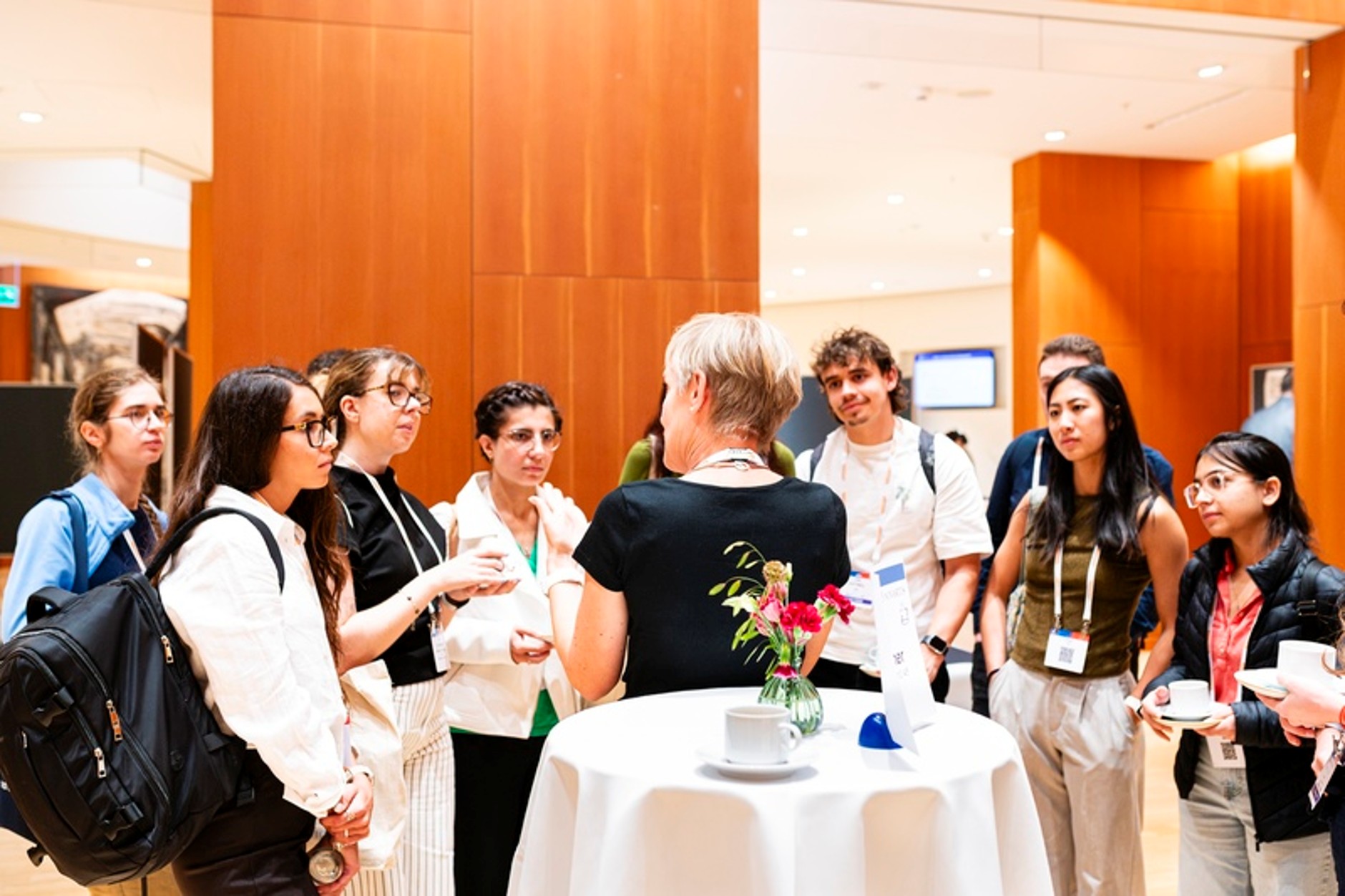
Throughout the event, networking was at the heart, with a welcome reception and networking event offered by the EFMC-YSN, a Career Corner hosted by Novartis researchers, as well as three poster sessions showcasing 142 posters.
The Award Ceremony recognised the following champions:
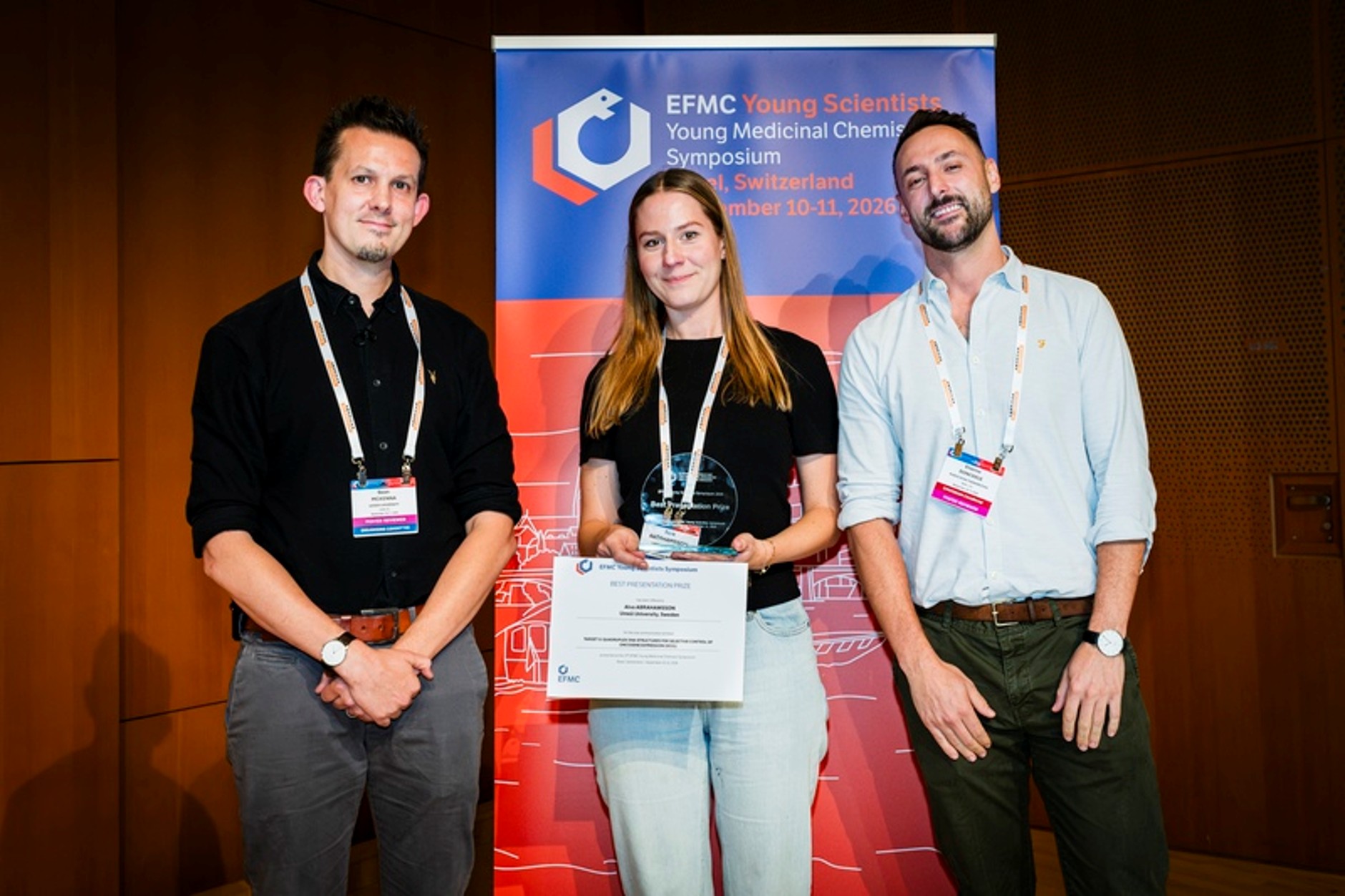
- Alva Abrahamsson (Umeå University, Sweden) received the EFMC Best Presentation Prize for her presentation entitled "Target G-Quadruplex DNA Structures for Selective Control of Oncogene Expression".
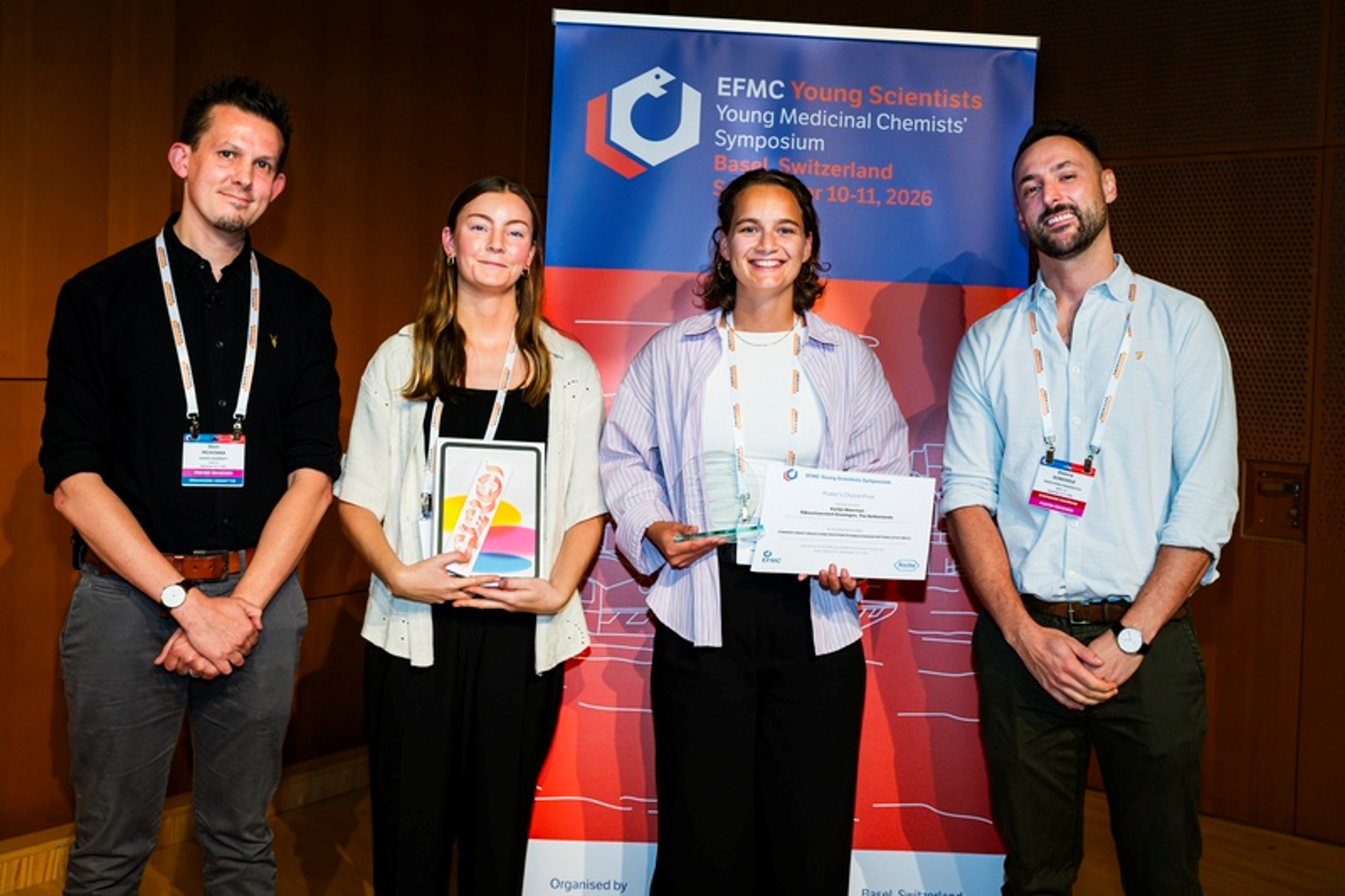
- Karlijn Meerman (University of Groningen, The Netherlands) was awarded the Public's Choice Prize, sponsored by Roche, for his presentation entitled "Towards Smart Drugs Using Photoswitchable Stapled Peptides".
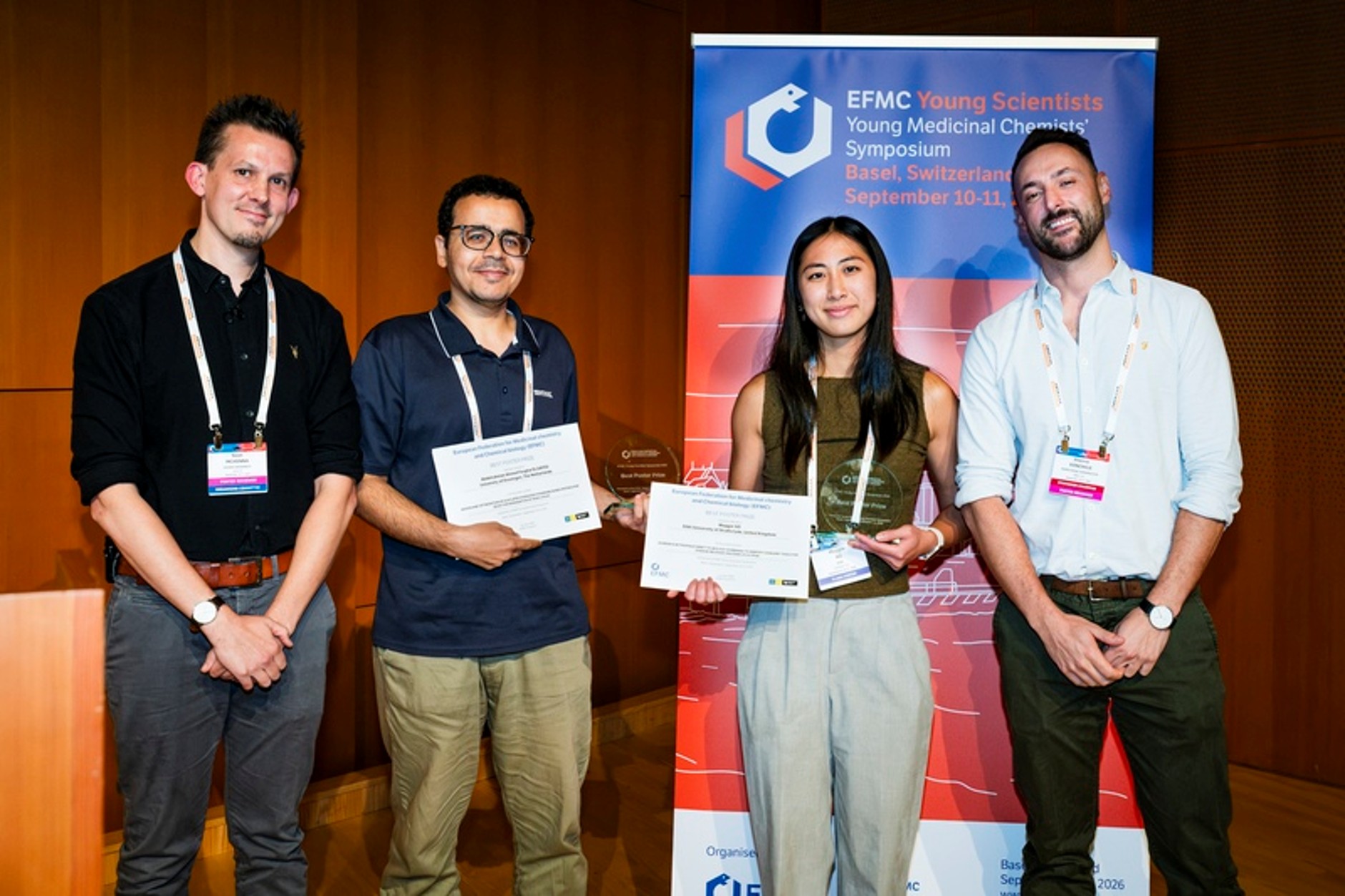
Additionally, three deserving participants received a Poster Prizes, jointly sponsored by EFMC & Chemistry Europe:
- Poster 045: Ema Faganeli (University of Ljubljana, Slovenia)
- Poster 144: Abdelrahman Ahmed Farghal Elsayed (University of Groningen, The Netherlands)
- Poster 124: Maggie So (GSK/University of Strathclyde, United Kingdom)
We extend our sincerest gratitude to all the committee members, speakers, sponsors, exhibitors, and, most importantly, the participants for their invaluable support. We look forward to meeting all of you in Edinburgh, United Kingdom, for the EFMC Young Scientists 2027 set to take place on September 2-3, 2027.
Have a look at the Pictures!
EFMC PRIZES 2027 – CALL FOR NOMINATION
To acknowledge and recognise outstanding researchers (≤ 12 years after PhD) working in European industry and academia, the EFMC established the "EFMC Prize for a Young Medicinal Chemist or Chemical Biologist in Industry" and the "EFMC Prize for a Young Medicinal Chemist or Chemical Biologist in Academia".
These two prizes are given annually and consist of a diploma, 2.500€ and an invitation to give an oral communication at the EFMC Synthetic and Medicinal Chemistry Symposium 2027, scheduled to be held in Edinburgh, United Kingdom on August 30-September 2, 2027. Two additional nominees will also be identified and acknowledged as most meritorious runners-up.
Deadline for nominations is January 31, 2027.
EFMC Prize for a Young Medicinal Chemist or Chemical Biologist in Industry
Nominations should be written by the candidate’s supervisor and consist of:
- a one-page letter by the supervisor.
- a brief CV of the candidate.
- an abstract of the potential oral presentation.
EFMC Prize for a Young Medicinal Chemist or Chemical Biologist in Academia
Applications should consist of:
- a one-page letter by the candidate, including a short rationale for their application.
- one page with the five key publications.
- a brief CV of the candidate.
- an abstract of the potential oral presentation.
LITERATURE SPOTLIGHT
This study reports the discovery of novel inhibitors targeting the SARS-CoV-2 papain-like protease (PLpro), an essential viral cysteine protease responsible for viral polyprotein processing and suppression of the host innate immune response through its deubiquitinating and ‘deISGylating’ activities. As currently approved antiviral therapies primarily target the viral RNA-dependent RNA polymerase or the main protease (Mpro), PLpro has emerged as an attractive alternative target for the development of new anti-coronavirus therapeutics.
To identify new PLpro inhibitors, the authors employed two complementary approaches. The first involved the rational design and synthesis of a series of non-covalent inhibitors based on the reference compound GRL0617, aiming to improve its potency through systematic structure–activity relationship (SAR) studies. Modifications focused on the tail, linker, and head regions of the scaffold through introducing a range of bicyclic and tricyclic aromatic substituents. In parallel, an in-house covalent compound library was screened to identify electrophilic inhibitors targeting the catalytic Cys111 residue of PLpro.
Biochemical evaluation revealed that most structural modifications of GRL0617 were detrimental to activity. However, repositioning the piperazine substituent on the phenyl ring led to the identification of compound 2t (TPG-2t) as the most potent non-covalent inhibitor, displaying an IC50 of 0.634 μM, comparable to that of the parent compound. In contrast, the corresponding S-enantiomer was inactive, highlighting the importance of stereochemistry for productive target engagement. Computational docking and molecular dynamics simulations further supported the proposed binding mode and rationalized the observed SAR. Compound 2t was subsequently evaluated in cellular assays, where it exhibited potent antiviral activity against SARS-CoV-2 without detectable cytotoxicity, demonstrating that inhibition of PLpro translated into antiviral efficacy in infected cells.
The second part of the study focused on the identification of covalent PLpro inhibitors by screening a proprietary library of electrophilic compounds. Several isoindoline- and indoline-based derivatives inhibited PLpro in the micromolar range, with compound 13f (TPG-13f) emerging as the most active covalent inhibitor (IC50 = 5.0 μM). SAR analysis indicated that larger hydrophobic substituents on the isoindoline scaffold significantly improved potency, providing a promising starting point for further optimization.
Overall, this work identifies compound 2t as a promising non-covalent PLpro inhibitor with potent enzymatic and antiviral activity, while also introducing new covalent inhibitor chemotypes for this therapeutically relevant viral target. The study highlights the complementary value of rational medicinal chemistry, biochemical screening, computational modeling, and antiviral evaluation for the discovery of next-generation SARS-CoV-2 PLpro inhibitors.
HOW ARE YOU, REALLY? A MENTAL HEALTH INTERACTIVE SESSION
Early-career scientists can face many pressures while navigating their studies and professional lives. This interactive session will provide an opportunity to hear from experts and explore different perspectives on mental health, well-being, sleep, and coping with pressure.
Join us on October 15, 2026, at 16:30 CEST for “How are you, really?” and meet our four experts:
- Hendrik Huthoff (Mental Health Advocate at Habmann Aufstiegsakademie)
- Alen Juginović (Sleep Researcher at Harvard University)
- Francesca Giulia Nacca (Scientist’s Life Coach at University College Dublin
- Yone Zubiaurre Alberdi (Senior Counselor at IE University)
Registration is free but required. Register!
MEET BRENDA PIJPER, ASTRAZENECA, SWEDEN
In this edition, our MedChemBioConversations is with Brenda Pijper from AstraZeneca, Sweden. Get to know her better by reading the interview below:
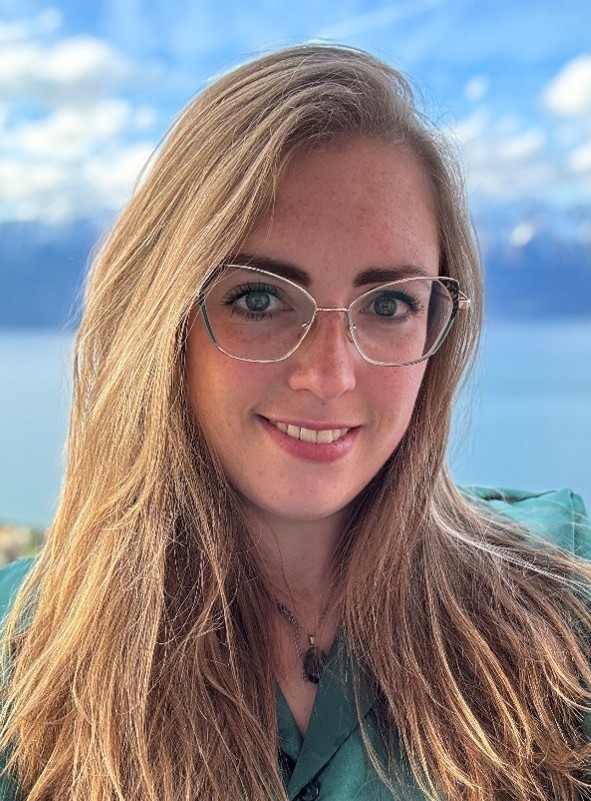
How did you get interested in Medicinal Chemistry?
I've always been curious about the world around me, and chemistry quickly became my favourite subject in high school. That early enthusiasm led me to pursue chemistry at university, and during my bachelor's programme I had the opportunity to complete several six-month internships, which allowed me to explore different subfields and figure out what part of chemistry I really liked.
I started in analytical chemistry, then moved to polymer chemistry, both interesting, but neither felt like the right fit. Everything changed when I joined Janssen Pharmaceutica in Belgium for an internship in medicinal chemistry. I fell in love with the work almost immediately. What captivated me was the unique blend of organic chemistry and biology: studying a biological target, understanding its interactions, and then making rational, informed decisions about how to modify a molecule to improve its potency. That combination of creativity, logic, and purpose is what drew me in and it's what still excites me today.
Where did you have your postdoc position?
I didn't follow the traditional postdoc route. Instead, I completed an industrial PhD in collaboration with Johnson & Johnson (Janssen Research & Development) as part of the PhotoReAct consortium, a Marie Skłodowska-Curie Innovative Training Network (ITN) funded under the European Union's Horizon 2020 programme (Grant Agreement No. 956324). Within this network, my research focused on the interface of automation, flow chemistry, and photochemistry, exploring how these enabling technologies can be combined to accelerate reaction development and bring photocatalytic methodologies from the academic lab into industrial practice. The industrial PhD format gave me the best of both worlds: the scientific depth of academic research, and the real-world perspective of working alongside medicinal chemists in a pharmaceutical setting.
Where are you currently working and what is your current position?
I am currently a Senior Scientist in the Chemical Synthesis and Automation team at AstraZeneca. In this role, I focus on parallel medicinal chemistry and work closely with medicinal chemistry project teams to support their programmes and help accelerate the Design–Make–Test–Analyse (DMTA) cycle through automation. A key part of our work also involves applying direct-to-biology (D2B) approaches, which allow us to shorten timelines even further by moving compounds from synthesis into biological testing without the traditional purification bottleneck.
What are your current research interests?
I'm genuinely drawn to the problem-solving and efficiency mindset that parallel medicinal chemistry and automation demand. Setting up a reaction in an automated or parallel format forces you to think holistically about chemistry, reagent compatibility, solvent choice, reaction robustness, scalability, analytical workflows, all at once. Another area I find particularly exciting is downscaling: pushing reactions to smaller and smaller scales enables us to explore broader chemical space with less material, which is transformative for early drug discovery. More broadly, I'm passionate about how the integration of automation, high-throughput experimentation, and data-rich workflows can reshape the way medicinal chemists design and make molecules.
What do you like best about your work?
The diversity, no two days are the same. I get to work across many different projects, collaborate with a wide range of scientists, and operate a variety of instruments and platforms. That constant variety keeps me curious, keeps me learning, and is what makes the job so rewarding.
How would you describe yourself as a supervisor?
Open-minded and enthusiastic. When I look back at my own career, I realise how much impact my mentors had on shaping who I am as a scientist, and I want to pay that forward to the next generation of researchers. I try to create an environment where people feel supported to ask questions, take ownership of their work, and explore their own ideas. My favourite piece of advice, and one I always share: never let anyone tell you that you can't do it.
Which of your papers are you most proud of and why?
The paper I'm most proud of is: "Addressing Reproducibility Challenges in High-Throughput Photochemistry" JACS Au 2024, 4 (7), 2585–2595. DOI: 10.1021/jacsau.4c00312. I'm particularly proud that the paper directly addressed a pressing need in the field. It has since been widely adopted and is now effectively considered a reference in the industry for photochemistry in HTE and library synthesis. For me, it's also a paper that brings together the three threads that have shaped my career photochemistry, automation, and medicinal chemistry.
Have you experienced any unfair situations during your scientific career? How would you advise scientists facing similar situations?
Like many scientists, and maybe especially women in STEM, I've had moments where I felt underestimated or had to work a little harder to have my voice heard. They show up as subtle biases or assumptions about what you can or cannot do. My advice is: trust your gut, surround yourself with mentors and allies who believe in you, and don't be afraid to speak up both for yourself and for others. And once you're in a position to lift people up, do it visibly. The piece of advice I always come back to, as mentioned before: never let anyone tell you that you can't do it, and prove people who doubt you wrong by doing exactly that!
Which scientist do you admire the most and why?
One scientist I really admire is Dr. Emma R. Parmee. I had the chance to speak with her during my PhD at Johnson & Johnson, and that conversation has stayed with me ever since.
What struck me wasn't just her impressive career, but how openly she talked about the reality of balancing a demanding career with a rich personal life, and about pursuing high ambitions without losing sight of what matters outside the lab. Hearing someone at her level speak so genuinely about that balance was really meaningful to me. She showed me that it's possible to be both ambitious and grounded. That's the kind of scientist, and the kind of person, I aspire to be.
Which field of medicinal chemistry do you consider the most promising for the future?
For me, the most exciting evolution in medicinal chemistry is the combination of automation, high-throughput experimentation, and data-driven design. We're moving away from the traditional, sequential DMTA cycle toward workflows where design, synthesis, and biological testing are tightly integrated and often supported by AI and machine learning. Approaches like direct-to-biology (D2B) are a great example. Combined with miniaturisation and parallel chemistry, this fundamentally changes the kind of questions we can ask and how quickly we can answer them. I believe the medicinal chemists of the future might spend less time repeating routine chemistry and more time doing what we do best: thinking creatively, designing smarter molecules, and making rational decisions based on richer, higher-quality data. 25th EFMC-YSN MEDCHEMBIOONLINE – NOVEMBER 17
EFMC-YSN MedChemBioOnline is an exceptional opportunity for (early career) scientists who are interested in learning more about medicinal chemistry and chemical biology. The 25th edition will be devoted to “Expanding the ADC Toolbox: Novel Linkers, Payloads, and Conjugation Chemistries” and will take place on November 17 from 15:30 to 17:30 CET.
This webinar will explore recent innovations that are expanding the ADC toolbox, with particular emphasis on next-generation linkers, novel payload classes, and emerging conjugation chemistries. Attendees will gain insights into how these advances are improving the stability, efficacy, and safety of ADCs, while opening new opportunities for targeted therapeutics.
Have a look at the programme:
- Use of “Click” Chemistry and Native Disulfide Rebridging to Make Homogeneous ADCs, Bispecifics and “Synthetic” Antibodies (SynAbs)
Dr Vijay Chudasama (University College London, United Kingdom)
- Phosphorus-Based Linkers for the Construction of Stable and Efficacious Antibody-Drug-Conjugates
Prof. Marc-Andre Kasper (Tubulis, Germany)
- Principles of Crafting Degrader-Antibody-Conjugates (DACs)
Dr Sarah Schlesiger (Merck KGaa, Germany)
More information and registration on www.medchembio.online.
EFMC-YSN REVIEWER & PUBLISHING ACADEMIES, POWERED BY CHEMISTRY EUROPE
If you haven’t heard of these yet, this is the occasion to discover the two training courses offered by the Young Scientists’ Network and run by professional editors from Chemistry Europe / Wiley-VCH.
- The reviewer academy aims to teach best practices in peer review, especially for early-career researchers and consists of a live one-hour workshop and Q&A session (4 times a year), an online workshop (c/o Wiley Research/Reviewer Academy), and actual peer review assignments and evaluations.
Next Live Workshop and Q/A Session: October 15 (09:00 - 10:00 CEST)
More information on www.efmc.info/reviewer-academy.
- The publishing academy is a full-day intensive workshop covering topics on writing, publishing, and general communication that will be helpful for early-career researchers.
Next Live Workshop and Q/A Session: November 19 (09:30-17:00 CET)
More information on www.efmc.info/publishing-academy.
#MEDCHEMCASES - SEMINAR BY THE DIVISION OF MEDICINAL CHEMISTRY OF THE GERMAN CHEMICAL SOCIETY (GDCH)
#MEDCHEMCASES - SEMINAR BY THE DIVISION OF MEDICINAL CHEMISTRY OF THE GERMAN CHEMICAL SOCIETY (GDCH)
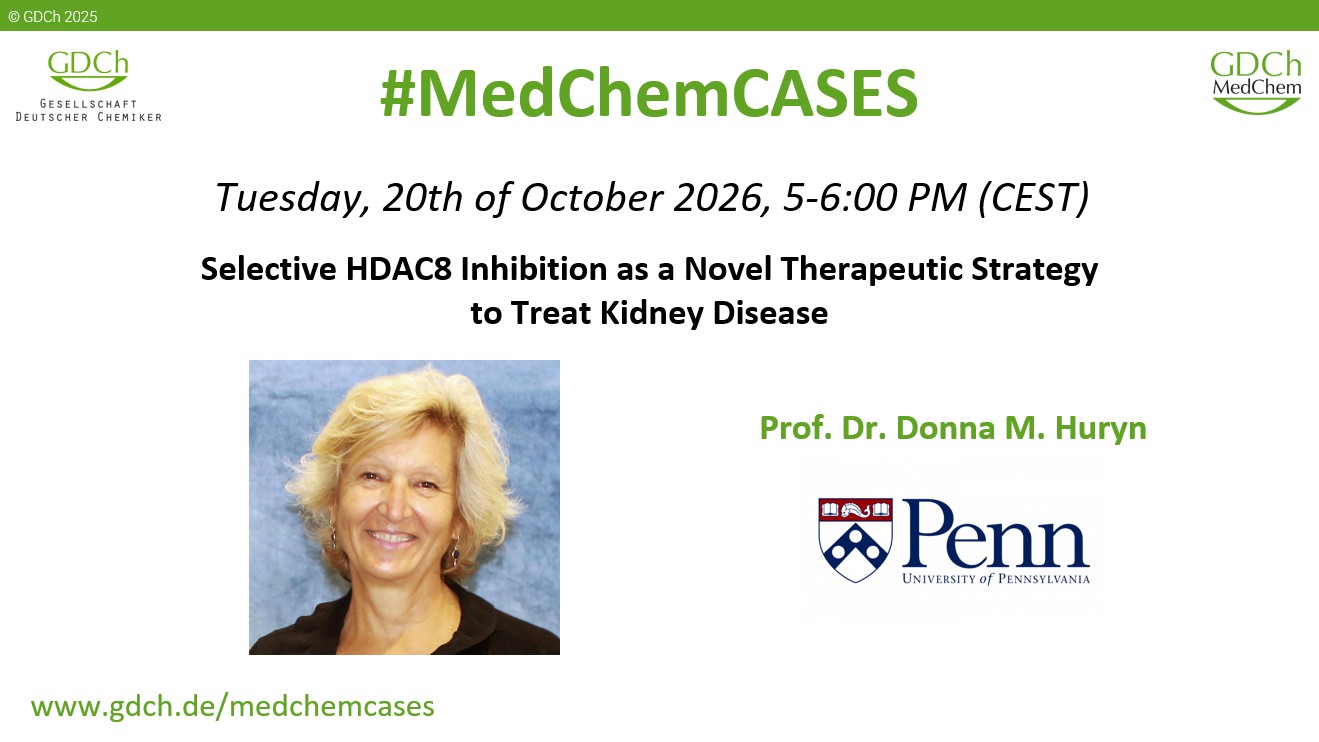
The MedChem Division of the German Chemical Society (GDCh) would like to invite you to the next #MedChemCASES online seminar which will be held on October 20 by Prof Dr. Donna M. Huryn (University of Pennsylvania).
The topic of the webinar will be “Selective HDAC8 Inhibition as a Novel Therapeutic Strategy to Treat Kidney Disease”
Register for free here.
Acute Kidney Injury (AKI) - a sudden episode of kidney failure - affects millions of patients each year, including nearly 60% of those in intensive care units. Some patients do not recover and progress to chronic kidney disease (CKD), and eventually require dialysis or renal transplant. Those who do recover are often left with kidney fibrosis, and are at increased risk of developing CKD later. Currently, there are no approved drugs that specifically target AKI, nor prevent or reduce post-injury progression to CKD. There remains, therefore, a critical need for AKI-specific treatments that hasten recovery, promote kidney repair and reduce the risk of CKD development. We discovered that selective HDAC8 inhibitors resolve AKI and reduce the resultant kidney damage after the onset of injury across multiple in vivo AKI models. This talk will describe our work on developing and optimizing several series of novel HDAC8 inhibitors, including molecules that indirectly modulate HDAC8 function, as well as active site inhibitors that lack the hydroxamic acid moiety – a functional group common to many HDAC inhibitors and associated with toxicity.
NEWS FROM THE BIOLOGICAL AND MEDICINAL CHEMISTRY SECTOR (BMCS) OF THE ROYAL SOCIETY OF CHEMISTRY (RSC)
The BMCS is happy to announce several upcoming events:
Meetings in 2026
ELRIG Drug Discovery 2026
Wednesday 14 – Thursday 15 October 2026, Excel London, UK
BMCS/RSC Medicinal Chemistry/ELRIG
Registration and Poster abstract submission is open!
Website: https://elrig.org/portfolio/drug-discovery-2026/
Synopsis: RSC-BMCS is once again collaborating with RSC Medicinal Chemistry and ELRIG to present a track on the theme of AI in medicinal chemistry at ELRIG Drug Discovery, Europe’s leading drug discovery and life sciences conference.
RSC-BMCS/SCI Targeting Protein Degradation 5
Wednesday 21 – Thursday 22 October 2026, The Fielder Centre, Hatfield, UK
BMCS/SCI
Registration is open: Poster abstract submission closes soon!
Website: https://www.rscbmcs.org/events/protdeg26/
Synopsis: One of the most exciting new therapeutic modalities to emerge in the 21st century has been Targeted Protein Degradation (TPD). In 2021, the Targeted Protein Degradation Market size was valued at USD 400.5 million and is poised to grow from USD 507.0 million in 2022 to USD 3,300.0 million by 2030 and so has attracted interest from academia, non-profit organisations through to CROs and small and large pharma. This multidisciplinary meeting aims to present the latest developments in the design, biology, chemistry and ADME in TPD within the general themes of PROTACS (including non-oncology targets), Molecular Glues and non-PROTAC degraders. We aim to highlight the newest in enabling technologies such as computational techniques, Direct to Biology, HT synthesis (click, photochemistry etc) and structural biology methods.
BMCS Hot Topics: AI in Drug Discovery
Tuesday 03 November 2026, virtual (13:00 – 17:00 UK Time)
BMCS
Registration is open!
Website: https://www.rscbmcs.org/events/hottopicsai26/
Synopsis: The BMCS Hot Topics online meetings are intended to highlight breaking areas of research in fields of science relevant to drug discovery. They will run as stand-alone half-day virtual events, 2-3 times per year. The programme will be targeted towards researchers who would like to enhance their understanding of these nascent or developing fields.
Artificial intelligence (AI) is becoming an increasingly important part of the drug discovery toolkit, with applications spanning target discovery, molecular design, protein modelling, and clinical development. As the field advances, AI is not only offering new technical capabilities but also changing how researchers approach the challenges of drug discovery. This meeting will highlight recent progress in AI-driven drug discovery, bringing together perspectives from industry and academia. Talks will explore enabling technologies and practical applications of AI across the drug discovery pipeline.
BMCS Antibody – Drug Conjugates
Thursday 19 November 2026, GSK, Stevenage, UK
Registration and abstract submission are open!
Website: https://www.rscbmcs.org/events/adcs2026/
Synopsis: Following the success of the BMCS Hot Topics Antibody-drug conjugates meeting, the BMCS are organising an in-person Antibody-Drug Conjugates meeting. Antibody-Drug Conjugates (ADCs), alongside other targeted modalities, effectively enrich target tissues with potent payloads unsuitable for systemic administration. With several recent clinical successes, the number of new ADCs approaching the clinic is rapidly increasing. This meeting aims to highlight the technological advancements and innovations driving these ADCs, while addressing the challenges and opportunities within the field. The meeting will feature speakers from industry and academia who are at the forefront of ADC design.
Recent Trends in Medicinal Chemistry and Enabling Technologies
Wednesday 02 December 2026, Burlington House, London, UK
BMCS/SMR
A date for your diary!
Website: https://www.smr.org.uk/Meetings/
Synopsis: BMCS and the Society for Medicines Research will again jointly host this popular biennial symposium covering medicinal chemistry, chemistry-based drug discovery-enabling technologies
and chemical biology, reflecting the breadth of work taking place in academia and industry to advance our understanding and to underpin medicines research.
Meetings in 2027
RSC-BMCS 20th Postgraduate Symposium – Biological and Medicinal Chemistry Symposium for Postgraduates
Thursday 07 January 2027, MIB Building, Manchester, UK
BMCS
Registration now open! Abstract submission now open!
Website: https://www.rscbmcs.org/events/20thpostgrad/
Synopsis: This face to face meeting will comprise of oral and poster presentations from PhD students and post-doctoral workers researching in biological or medicinal chemistry. In addition, the agenda will feature invited keynote speakers from industry and academia.
The BMCS Mastering MedChem XI: 11th RSC-BMCS Symposium on Mastering Medicinal Chemistry
Friday 19 March 2027, Burlington House, London, UK
BMCS
A date for your diary!
Website: https://www.rscbmcs.org/events/mastermedchem27/
Synopsis: Mastering Medicinal Chemistry XI is the latest in an ongoing series of conferences intended to provide expert advice and guidance to current and new practitioners in the field of drug discovery. Chemists interested in learning the latest strategies and methods to make the next generation of therapeutics, from the very early stages of discovery to the latest phases of drug development, are particularly welcome to this meeting. This event will feature presentations from experienced ‘drug-hunters’ in both industry and academia, who will talk about the challenges faced in modern drug discovery, and will share best practice common to all successful medicinal chemists.
BMCS New Approaches to Neurodegenerative Diseases
Monday 05 – Tuesday 06 April, 2027, Wellcome Genome Campus, Hinxton, UK
BMCS
Abstract submission is now open!
Website: https://www.rscbmcs.org/events/neuro27/
Synopsis: A recent study estimated that 3.4 billion people worldwide are effected by neurodegenerative diseases[1] placing a major burden on health systems. For many diseases the current treatments only address the symptoms and are not disease progression, whilst these treatments can be very helpful there is an urgent need for disease modifying therapies. Over the last few years we have seen significant advances in our understanding of the underlying biology, identification of new therapeutic targets and the design of novel drug candidates. This meeting will highlight leading edge research in the design and development of new therapeutics.
This meeting is building upon the very successful New Approaches to the Treatment in Parkinson’s meeting held in November 2025.
9th RSC-BMCS/SCI symposium on Ion Channels as Therapeutic Targets
Monday 19 – Tuesday 20 April 2027, Hinxton Hall, Wellcome Genome Campus, Cambridge, UK
BMCS/SCI
Abstract submission now open!
Website: https://www.rscbmcs.org/events/ionchannels27/
Synopsis: Ion channels are important targets for therapeutic intervention due to their extensive roles in human physiology and the pathophysiology of disease. Many successful drugs targeting this gene family have been discovered for diseases such as hypertension, epilepsy, and neuropathic pain. This symposium, the 9th in an ongoing series, will showcase the most recent advances to aid the design of new ion channel therapeutics and promote interaction between scientists with a shared interest in the field of ion channel drug discovery.
5th RSC Anglo-Nordic Medicinal Chemistry Symposium
Tuesday 15 – Friday 18 June 2027, Hotel Comwell Borupgaard, Snekkersten, Denmark
BMCS
Registration and abstract submission now open!
Website: https://www.rscbmcs.org/events/anmc-5/
Synopsis: This 2.5 day symposium is the fifth in the very successful series of biannual meetings started in 2017 containing high quality international speakers from industry and academia on topics of Medicinal Chemistry and related enabling technologies. Organised by the Biological and Medicinal Chemistry Sector of the Royal Society of Chemistry, together with Nordic affiliates, the meeting promises to be an exciting and invigorating gathering packed with fantastic opportunities to disseminate knowledge and expand networks. The event will include first rate lectures, poster session, trade exhibition, ample networking opportunities, welcome buffet on Tuesday, exceptional location, venue and accommodation. INTERESTED IN SPONSORING THIS NEWSLETTER?
Take the opportunity of our monthly newsletter “MedChemBioWatch” to promote your company or deliver a message to our audience of more than 10,000 members.
Each issue can be sponsored exclusively with two banners, a short company description, and a weblink. Reach out to administration@efmc.info if you want to receive more information.
|
|
|
|
|
|
EFMC ORGANISED EVENTS
April 11-14, 2027
Oegstgeest, The Netherlands
21st EFMC Short Course on Medicinal Chemistry
June 21-24, 2027
San Diego, CA, United States
ACSMEDI-EFMC Medicinal Chemistry Frontiers 2027
August 31-September 2, 2027
Edinburgh, United Kingdom
EFMC Synthetic and Medicinal Chemistry 2027
September 2-3, 2027
Edinburgh, United Kingdom
EFMC Young Scientists 2027
EFMC SPONSORED EVENTS
November 26, 2026
Institut de Recherche Servier Paris Saclay, France
One-day symposium about Therapeutic Oligonucleotides
December 14, 2026
Brussels, Belgium
MedChem 2026
JOB PORTAL
Postdoctoral Positions
Pharmaceutical Institute, Pharmaceutical & Medicinal Chemistry, Pharma Center Bonn, Bonn, Germany
Read more
Doctoral Thesis - New generation of antimicrobials from biomass and CO2 (Université de Toulouse/Autonomous University of Barcelona)
Université de Toulouse - Autonomous University of Barcelona, Laboratory of Fundamental and Applied Heterochemistry, France/Spain
Read more
Mid-career Group Leader in Chemistry for Health (Institut Pasteur/CNRS)
Institut Pasteur - CNRS, Department of Structural Biology and Chemistry of Institut Pasteur and UMR Chem4LIfe CNRS-Institut Pasteur, France
Read more
|
|