|
|
LET’S ROAM TO ROME!
Do not miss the opportunity to join the 1300+ participants already registered for the XXVIII EFMC International Symposium on Medicinal Chemistry (EFMC-ISMC 2024), scheduled to take place on September 1-5, 2024.
High level presentations, an appealing social programme, and numerous networking opportunities will compose the programme over the 5-day conference.
If you have not yet secured your seat, hurry up before we reach our full capacity; and if you are already booked to join, be sure to pass by the EFMC Booth (#59) to take a snapshot with our photobooth and learn more about our many activities.
More information and registration www.efmc-ismc.org.
We look forward to meeting you in Rome!
19th EFMC-YSN MEDCHEMBIOONLINE – OCTOBER 1
EFMC-YSN MedChemBioOnline is an exceptional opportunity for (early career) scientists who are interested in learning more about medicinal chemistry and chemical biology. The 19th edition will be devoted to “Sustainability in Drug Discovery” and will take place on October 1 from 16:30 to 18:30 CEST.
In this webinar, we will showcase three leading researchers in the field of Sustainability in Drug Discovery, before joining a round table discussion at the end of the event to allow you to ask questions.
Have a look at our confirmed speakers to date:
- Prof. Benoit Deprez (Inserm – Université de Lille/Institut Pasteur of Lille, FR)
- Prof. Klaus Kümmerer (Leuphana University Lüneburg, DE)
- Prof. Magnus J. Johansson (AstraZeneca, SE)
More information and registration on www.medchembio.online.
INTERESTED IN SPONSORING THIS NEWSLETTER?
Take the opportunity of our monthly newsletter “MedChemBioWatch” to promote your company or deliver a message to our audience of more than 10,000 members.
Each issue can be sponsored exclusively with two banners, a short company description, and a weblink. Reach out to administration@efmc.info if you want to receive more information.
DIRECTORY OF MEDCHEMBIO MSc PROGRAMMES ACROSS EUROPE
The Chemical Biology Working Group of the EFMC has curated a comprehensive list of MSc programmes across Europe that offer specialisations in chemical biology or medicinal chemistry. This list is organised by country and can be found on the EFMC Website.
While we have made every effort to include all relevant programmes, we appreciate your understanding if any have been inadvertently omitted. We encourage you to contact the EFMC Administrative Secretariat to suggest new entries, updates, or modifications.
GET TO KNOW LEOPOLD THABAULT (GALAPAGOS, BELGIUM)
In this edition, our MedChemBioConversations is with Léopold Thabault from Galapagos, Belgium. Get to know him better by reading the interview below:
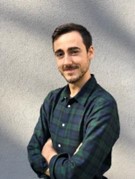
How did you get interested in Medicinal Chemistry?
During my studies in pharmaceutical sciences, I was quickly fascinated by how protein and small molecules interact and how we could rationally optimize a compound to fit into a protein cavity. This drew me to join a medicinal chemistry lab as soon as I had the opportunity to do so.
Where and when did you obtain your PhD diploma?
I obtained my PhD in 2020 from the Catholic University of Louvain (UCLouvain, Belgium). I worked in both a pharmacology lab (Pr. P. Sonveaux) and a medicinal chemistry lab (Pr. R. Frédérick). During my doctoral studies, I became particularly interested in biophysical and biochemical assays and how they can allow scientists to probe interactions.
What was the topic of your PhD project?
During my PhD, I designed peptidic tool compounds able to target the tetramerization of lactate dehydrogenase (LDH), a target for cancer therapy. The main part of my PhD was to successfully set up a panel of biochemical and biophysical assays allowing to study LDH tetramerization process. These assays were essential to help us understand how the tool compounds were working, and to optimize their potency.
Where did you have your postdoc position?
Following the completion of my PhD, I remained a year as a postdoctoral researcher in the laboratories where I conducted my doctoral research. During that year, I focused on adapting the assays I had developed during my PhD to the discovery of small molecules that could potentially interfere with LDH tetramerization.
Afterwards, I took on a second yearly postdoctoral position at the Institute of Cancer Research in London, UK, under the guidance of Dr. M. Douglas. During this period, I studied recombinant heteromeric complexes involved in DNA replication. This research involved a range of techniques and approaches in biochemistry and molecular biology. This second postdoc gave me the opportunity to expand my skillset and broaden my research experience.
After my postdoc in London, I decided to transition to industry and started working as a scientist specialist in biophysics at Galapagos, an integrated drug discovery company based in Belgium.
What are your current research interests?
I am fascinated by the current biophysical and biochemical technologies that enable scientists to study the most complex interactions. I am also excited about new paradigms in drug discovery, such as protein degraders, stabilizers, and destabilizers.
How would you explain what your research area is to non-scientists?
My work involves developing new methods to understand how different chemical compounds interact with their target. By studying these interactions, we can gain insights into how different compounds work and potentially identify new treatments for diseases. This is particularly important for developing new drugs, as it helps us understand how a drug might work in the body and how it can be optimized to be more effective.
What do you like best about your work?
I really enjoy the freedom to be creative and find new ways to interrogate the different targets we are working on. I'm always learning new things and trying new approaches, which keeps the work exciting.
What kind of skills does your work require?
My work involves a lot of experimentation in the lab, where I use a variety of skills related to biophysics, biochemistry, molecular biology, and protein biochemistry. I am responsible for designing and executing experiments, analysing data, and presenting my findings in a way that makes sense to both technical and non-technical people.
Which of your papers are you most proud of and why?
I am proud of my first paper as first author in the Journal of Medicinal Chemistry. It was a challenge to get it accepted, but I was happy and relieved when we received the acceptance letter. This research also led to the development of two patents that are currently being utilized by a pharmaceutical company. I find it highly rewarding and motivating to see the direct impact of my work on practical applications.
What are the features of a successful PhD student or postdoc?
In my opinion, pursuing a PhD requires a great deal of resilience and a willingness to step outside of your comfort zone to acquire new skills. It's important to keep in mind that a PhD programme is a unique opportunity to learn and develop skills, as you may not have as much time for learning later in your career.
What advice would you give to someone who wants to know more about your field?
Ask around! Scientists are always eager to share their passion and will often enjoy helping and guiding new people in the field. Going to conferences/congress is also a good way to get new ideas and meet members of the scientific community working on similar topics.
Have you experienced any unfair situations during your scientific career? How would you advise scientists facing similar situations?
While I have not personally experienced unfair situations, I have witnessed many of them during my PhD. I would advise scientists who are facing such situations to remember that their worth is not defined by the discrimination they may face. Remember that there is always a place where you can feel valued and have opportunities to grow.
Which field of medicinal chemistry do you consider the most promising for the future?
It is difficult to choose from the numerous avenues that are currently being developed, but I would say that I am especially excited about bifunctional molecules such as PROTACs. In my opinion, such molecules open new possibilities beyond the classical inhibition/activation of a target. They have the potential to revolutionize what we consider a druggable target. EFMC SESSION AT THE 13TH OFFICIAL CONFERENCE OF THE INTERNATIONAL CHEMICAL BIOLOGY SOCIETY (ICBS2024)
The meeting will carry the broader thematic of "Data-Driven Chemical Biology" and will be hosted in Toronto, Canada from October 27 to 30, 2024. EFMC is happy to organise a session on “Proximity-Inducing Bifunctional Molecules Beyond Targeted Protein Degradation” chaired by Prof. Gianluca Sbardella (University of Salerno, IT) on October 29, showcasing two leaders in the field:
- Prof Amit Choudhary (Broad Institute, US)
- Dr Harald Weinstabl (Boehringer Ingelheim, DE)
Early Registration and Abstract Submission end on August 31, 2024.
ICBS 2024 will feature the following scientific sessions:
- AI In Drug Discovery
- Proximity Pharmacology and Targeted Protein Degradation
- System-Level Analysis of Drug Action
- Natural Product Discovery Reimagined
- Synthetic Protein Design
- Pushing the Boundaries of Chemical Space
- Target 2035
Keynote Lecturers:
- Hiroaki Suga (University of Tokyo, JP)
- Danette Daniels (Foghorn Therapeutics, US)
- John Chodera (Memorial Sloan Kettering Cancer Center, US)
For more information visit www.chemical-biology.org or e-mail at icbs@chemical-biology.org. SHOWCASING THE INSTITUTE OF CHEMISTRY OF IRELAND YOUNG CHEMISTS’ NETWORK (ICI-YCN)
The ICI Young Chemists’ Network is the young division of the Institute of Chemistry of Ireland and represents the interests of all early-career chemists and postgraduate scholars across the island of Ireland. The network was formed in 2021 with the aim of promoting engagement and collaboration amongst early-stage researchers in Ireland through the organisation of various conferences and networking events. In addition, the ICI-YCN actively supports its members by providing a platform to promote upcoming positions and opportunities available in Ireland across various fields of chemistry.
Activities organised within the ICI-YCN have included:
- ‘Young Chemists for Change (YCFC): Advancing Equity in Chemistry’: Earlier this year, the ICI-YCN hosted the first YCFC conference with the aims of raising awareness within the chemistry community in Ireland around the topic of equality, diversity and inclusion (EDI). The event was structured to create a safe environment for chemists in Ireland to come together and share their research outcomes with a special focus on EDI-based subjects. This interactive event included renowned plenary speakers from Ireland and the UK, with insightful discussions exploring:
- The promotion of open communication and understanding what it means to be your authentic self.
- The practice of active listening, self-awareness and valuing diverse perspectives to enrich collaboration and innovation.
- The value of a supportive working environment and behaviours that support EDI within chemistry communities.
- The enhancement of the neurodiverse student experience in higher education and the cultivation of a more inclusive and accessible learning infrastructure.
- ‘Ceimic as Gaeilge 2024’: Being the first event of its kind, the ICI-YCN hosted ‘Ceimic as Gaeilge’ as a unique opportunity for chemists across the island of Ireland to present their research findings through the Irish language. With the participation of eight oral presenters, this event successfully showcased the feasibility of presenting both diverse and technical areas of chemical research through the Irish language, as well as the increased demand for this accessibility across other scientific fields.
- ‘A Day in the Life of a Medicinal Chemist’: In collaboration with Sygnature Discovery, the ICI-YCN hosted an information workshop discussing the various roles of a medicinal chemist within a chemical research organisation. Alongside this, the workshop provided valuable CV tips and offered mock interview sessions to assist early-career researchers in preparation for their transition to industry.
- ‘Where I Went With Science’ Seminar Series: First established in 2022, the ICI-YCN have also hosted numerous online seminars engaging with guest speakers from both industry and academia. By sharing insights into the speakers’ professional journeys, the seminars aim to illustrate the overall diversity of career paths a degree in Chemistry can offer.
To learn more about the work of the ICI-YCN, please visit our website and/or social media pages (LinkedIn, Instagram, X).
SPOTLIGHT ON IRELAND!
The Institute of Chemistry of Ireland Young Chemists’ Network is pleased to highlight a recent publication by Dr. Alex Gibney and Prof. Dr. Andrew Kellett of Dublin City University, entitled ‘A Click Chemistry-Based Artificial Metallo-Nuclease’, featuring in Angewandte Chemie.
Artificial metallo-nucleases (AMNs) have sparked significant interest over the years as small molecule agents that induce nucleic acid cleavage with high selectivity and potency. This article presents the development of a new polynuclear Cu-binding AMN – ‘TC-Thio’ - as a promising metallodrug candidate for enhanced DNA recognition and damage.
To begin, Gibney et al. reported a click chemistry synthetic route towards TC-Thio, making use of a 1,2,3-triazole linker generated from a Cu-catalysed alkyne-azide cycloaddition reaction. Through this approach, the authors were successful in affording a Tri-Click AMN scaffold comprised of three triazole-thiophene planar groups with excellent CuII and CuI binding properties, supported by subsequent density functional theory calculations and crystallographic data.
In order to probe the DNA binding capabilities of CuII-TC-Thio, fluorescent displacement experiments were carried out using ethidium bromide (EtBr) complexed to calf thymus DNA. From this, it was revealed that the quenching activity of EtBr was CuII-dependent, with CuII-TC-Thio selectively binding in the minor groove. Using a series of Dickenson Drew hairpin sequences, fluorescence thermal melting experiments captured an increase in Tm that was dose-dependent on the addition of CuII-TC-Thio, and circular dichroism measurements revealed a decrease in intensity coinciding with a loss of helicity and base pair π–π stacking interactions.
With this information, the authors proposed a non-intercalative DNA binding mode consistent with minor groove recognition, and employed preassociative molecular docking studies in order to confirm both strand-specific and interstrand CuII ion interactions. The formation of an interstrand molecular bridge upon complexation of CuII-TC-Thio strongly indicated the propensity for condensation effects via backbone neutralisation, and this conformational change was later visualised using atomic force microscopy.
Furthermore, the AMN activity of CuII-TC-Thio was investigated using an agarose-based DNA cleavage assay and was found to preferentially induce single strand breaks and mediate oxidative cleavage via a superoxide/peroxide-dependent mechanism. A ~4-fold increase in the formation of oxidative DNA lesions induced by CuII-TC-Thio was detected using a repair-assisted damage detection (RADD) assay, particularly in those recognised by the FpG base-excision repair enzyme. Further RADD experiments presented CuII-TC-Thio to possess comparable activity to the clinically approved chemotherapeutic temozolomide, albeit with an additional redox environment dependency. Overall, this article excellently showcases the applicability and versatility of click chemistry in the development of novel, bioactive AMNs with high-affinity binding and potent DNA damage capabilities.
To find out more: https://doi.org/10.1002/anie.202305759 CALL FOR 2024 MERCK RESEARCH GRANTS (Deadline is August 31)
Merck KGaA, Darmstadt, Germany is a science-driven organisation. We conduct our business across life science, healthcare and electronics - since 2018, we have published calls for research grants to stimulate innovative research in challenging areas of future importance. This year we are offering research grants in fields relevant to Medicinal Chemistry.
- Discovery strategies for molecular glue degraders and other protein-protein-interaction stabilisers: grant comprising up to €100,000/year for up to 3 years with potential further collaboration
- Augmented Reality Digital Twin: grant comprising up to €120,000/year for 1 year with potential further collaboration
- AI-Driven Drug Discovery: up to 3 grants comprising AIDDISON software licenses for one year with potential further collaboration
We invite scientists affiliated with any research-based institution, university or company to apply for our research grants programme. This programme is designed for researchers who are interested in working with our scientists and receive guidance from industry experts on research in the exciting fields of AI and Drug Discovery.
The research grants programme is open to scientists in all career stages who are affiliated with any research-based institution, university, or company.
The Research Grants process follows a 2-stage submission process. Abstract submission is by registering with our submission portal and filling in the application form by 31 August 2024. In accordance with the Terms and Conditions published on our websites, we then invite selected teams to submit a full proposal under confidentiality and participate in a deep-dive workshop. The culmination of the in-depth workshops will be the selection of the research grant winners. The best proposals will be awarded with grants comprising up to a total of €300,000.
More information about the schedule and the terms and conditions can be found by following this link. REPORT OF THE RADBOUD SUMMERSCHOOL “PRECLINICAL DRUG DISCOVERY’
The Radboud SummerSchool “Preclinical Drug Discovery’, organised by Radboud University, Applied University of Arnhem and Nijmegen and Pivot Park was given for the fourth time at Pivot Park in the Netherlands from July 1 to 5.
The thirteen participants coming from universities and companies were introduced to drug discovery in a weekly programme. Starting from target identification/validation to assay development techniques and high throughput screening resulting in hit identification and lead optimisation. Much attention was also given to the process for biologicals, molecular modelling, ADME and IP. Extra topics this year were nanomedicines, protein-protein-interactions (glues) and artificial intelligence in drug discovery.
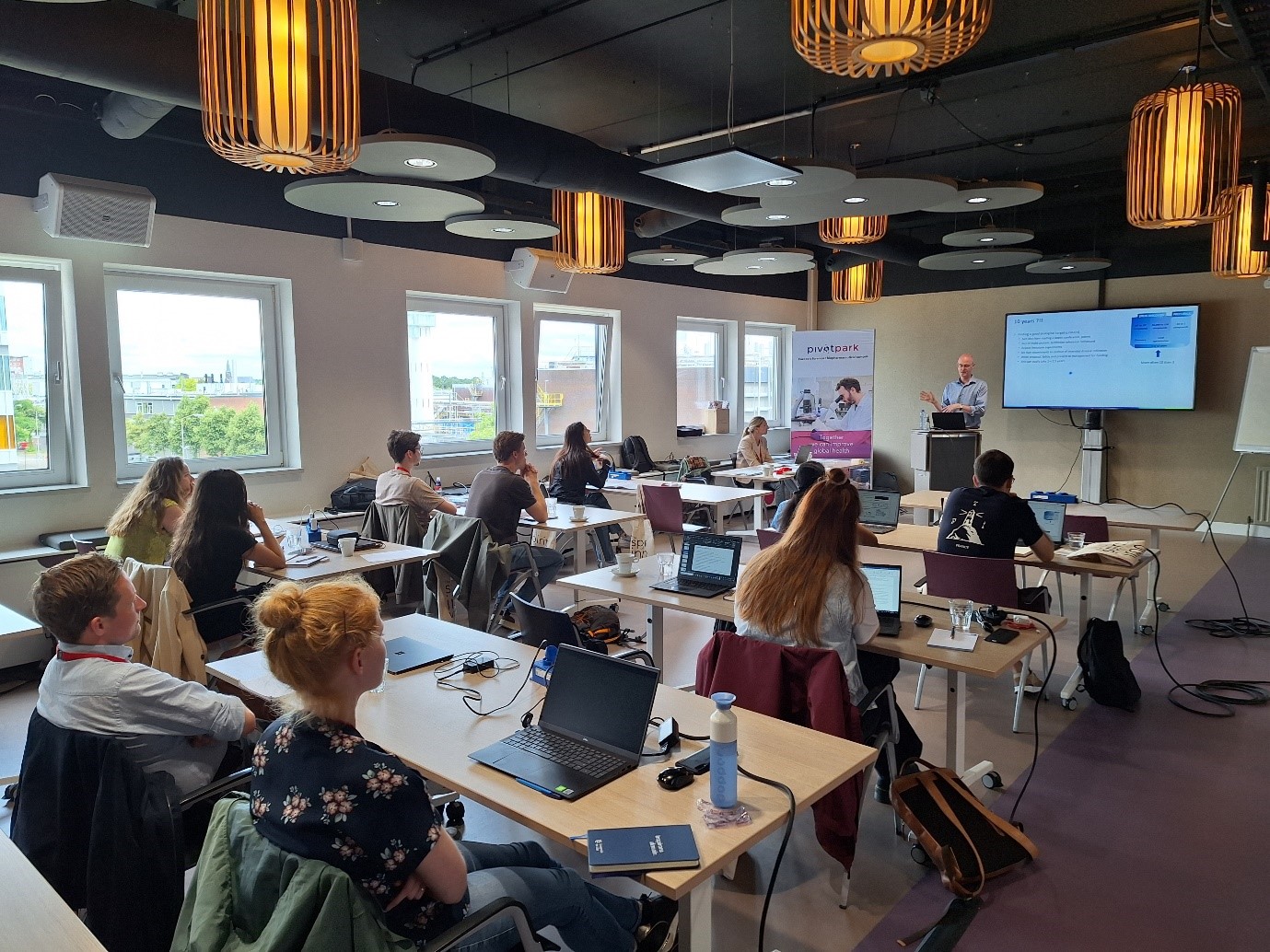
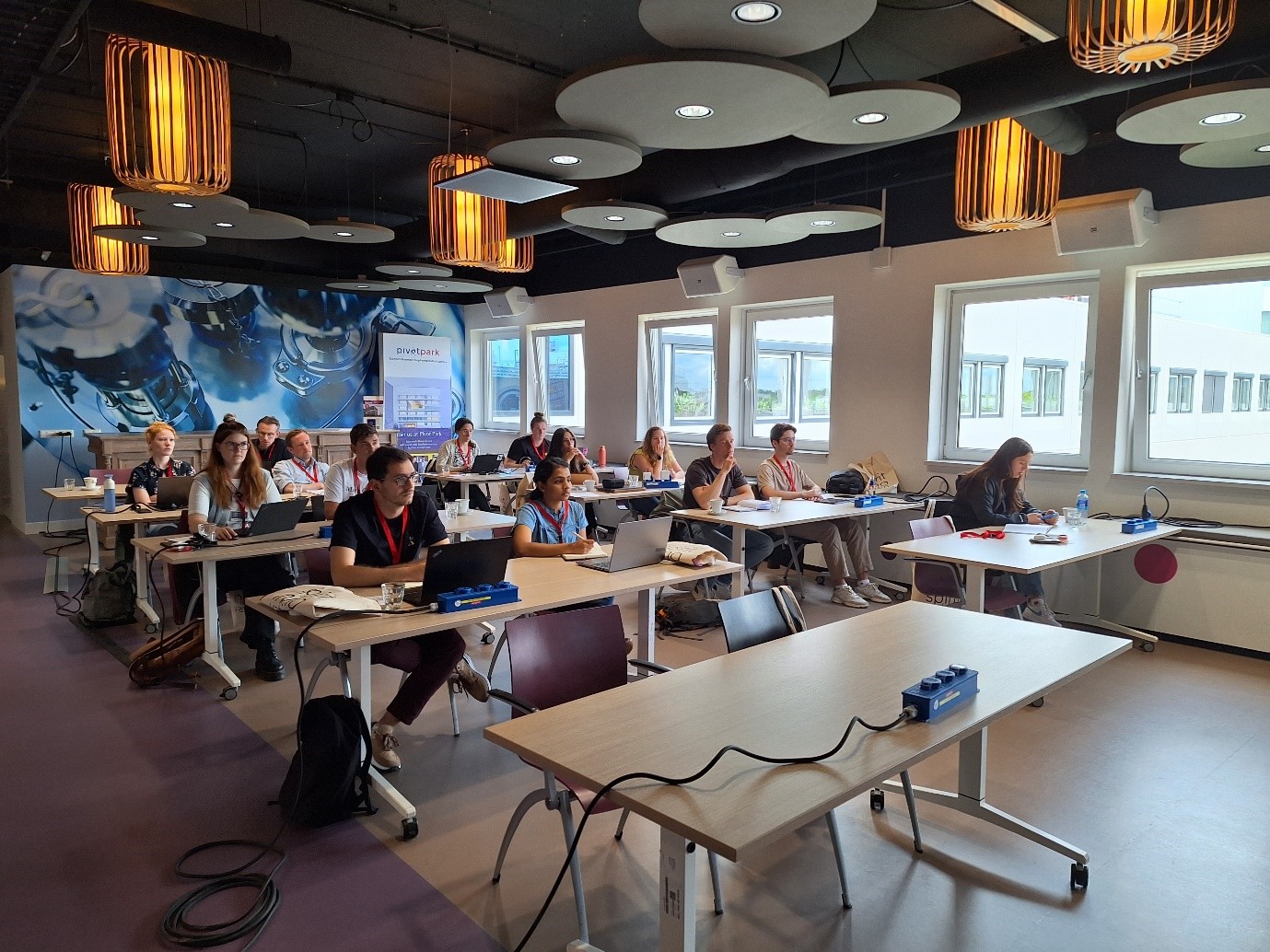
The programme is set-up as an introduction for people from universities (M.Sc., PhD, post-docs) and starting co-workers in companies. All related disciplines (chemistry, biology, biochemistry, etc.) are welcome and preferably the composition is multidisciplinary. It covers the process coming from an idea to clinical studies as well for small molecules as biologicals. Experts from companies and universities provide the lectures. Next to lectures, participants have to work in teams (5-6 people) at a case study, which they will defend the last morning (in a competition with the other teams). For this, they can use all information provided by the experts and publicly known information.
In the 4 year the course has been offered, we have had 81 participants coming from all over the whole world (Europe, Asia, South Africa). During this period, the course has consistently scored above 8.5 (on a scale of 10) in participant evaluations. Every year, we update the course based on comments from the participants and new developments. #MEDCHEMCASES - SEMINAR BY THE DIVISION OF MEDICINAL CHEMISTRY OF THE GERMAN CHEMICAL SOCIETY (GDCH)
The MedChem Division of the German Chemical Society (GDCh) would like to invite you to the next #MedChemCASES online seminar which will be held on September 24 by Dr Teresa de Haro, UCB.
The topic of the webinar will be “Design of Potent and Orally Available Antimalarial PMX Inhibitors via Molecular Property Optimisation”.
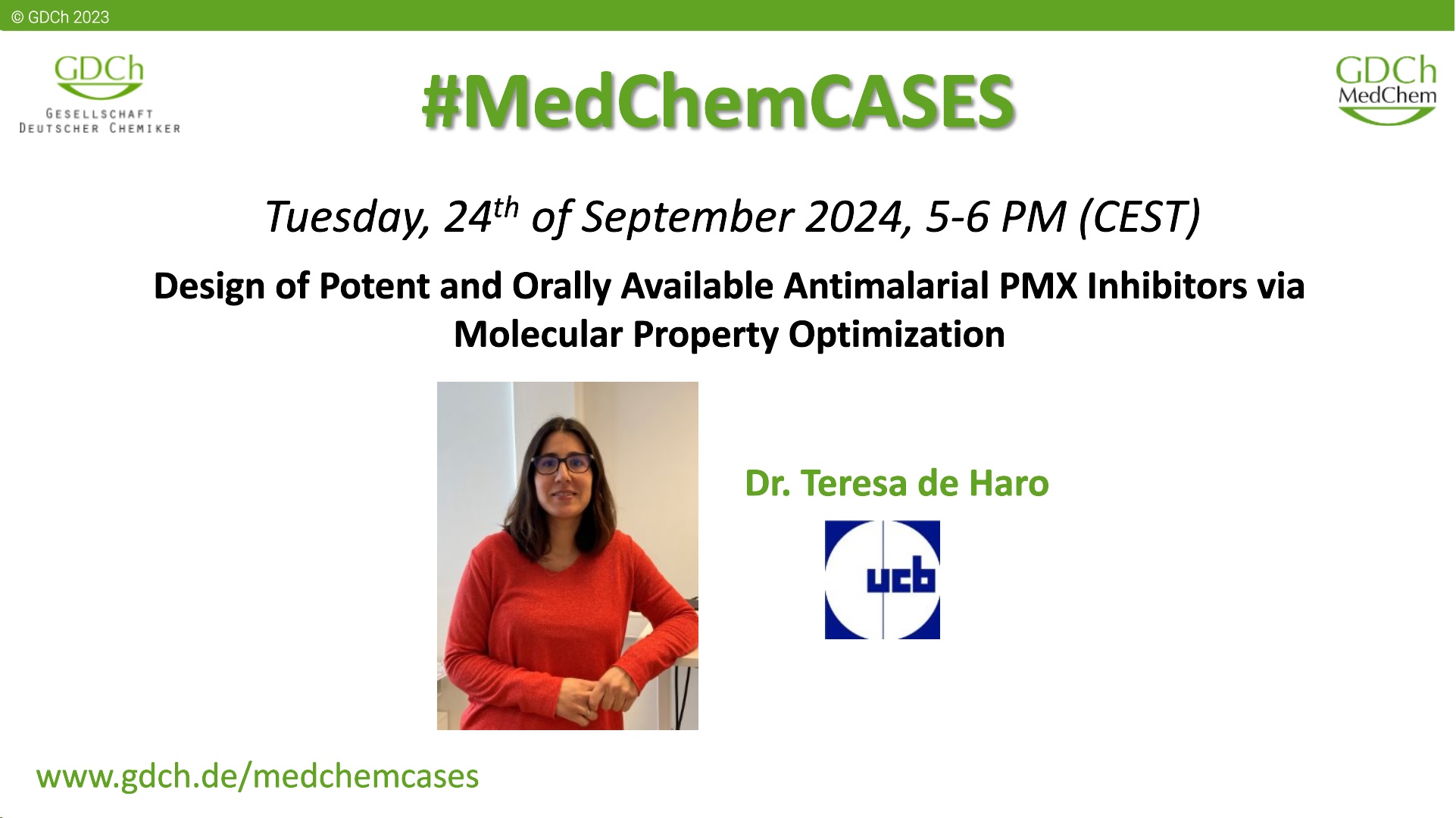
Malaria is a serious mosquito-borne disease with an estimated 249 million cases and 608,000 deaths worldwide in 2022, predominantly affecting young children in Africa. There is a constant need for novel antimalarial medicines to complement existing artemisinin-dependent therapies, which are under pressure from resistance conferring mutations. Plasmepsin X (PMX), an essential aspartyl protease of malaria parasite, has been identified as new potential multistage drug target to fight against malaria. PMX controls malaria parasite egress and invasion of erythrocytes, development of functional liver merozoites (prophylactic activity) and blocking transmission to mosquitoes. UCB, in collaboration with Medicines for Malaria Venture (MMV), identified UCB7362, a potent, orally available, PMX inhibitor with in vivo antimalaria activity. However, preclinical assessment of UCB7362 revealed a suboptimal dose paradigm (once daily dosing of 50 mg for 7 days for the treatment of uncomplicated malaria) compared to the current standard of care (three-dose regime). Molecular property optimisation to balance potency, selectivity, and pharmacokinetic parameters led to the identification of a biaryl chemical series with increased metabolic stability, higher Vss and accordingly longer t½ than UCB7362, while maintaining the off-target hit rate of UCB7362.
Register for free here.
#GDCh (MedChem Division), #NextGenMedChem. NEWS FROM THE BIOLOGICAL AND MEDICINAL CHEMISTRY SECTOR (BMCS) OF THE ROYAL SOCIETY OF CHEMISTRY (RSC)
The BMCS is happy to announce several upcoming events.
3rd RSC / SCI New Therapeutics for Global Health
9th – 11th September 2024, Cranfield Management Development Centre, Cranfield University, Milton Keynes
Website: https://www.rscbmcs.org/events/ntgh24/
Synopsis: Tuberculosis, malaria and diseases caused by a diverse range of pathogens, including flaviviruses (e.g. dengue, West Nile), kinetoplastids (causative agents of Chagas disease, leishmaniasis, etc.) and gut pathogens (worms, bacteria, parasites), remain a cause of high mortality across the globe. Fortunately, an ever-improving understanding of the complex life cycles of these disease-causing pathogens is presenting increasing opportunities for those seeking to tackle these global health problems. This meeting will focus on medicinal chemistry approaches to developing new medicines for diseases affecting global health. Keynote talks by international experts from industry and academia, along with perspectives detailing case histories in drug discovery, will highlight the latest developments in the field while showcasing opportunities for creativity and innovation.
7th RSC-CICAG/RSC-BMCS Artificial intelligence in Chemistry
16th – 18th September 2024, Churchill College, Cambridge
Website: https://www.rscbmcs.org/events/aichem7/
Synopsis: Artificial Intelligence is experiencing a renaissance in the development of new methods and practical applications to ongoing challenges in Chemistry. Following the successes of five annual “Artificial Intelligence in Chemistry” meetings starting in 2018, we are pleased to announce that the Biological & Medicinal Chemistry Sector (BMCS) and Chemical Information & Computer Applications Group (CICAG) of the Royal Society of Chemistry are once again organising a conference to present the current advances in AI and machine learning in Chemistry. The meeting will be held over two days and combine aspects of artificial intelligence and deep machine learning methods to applications in chemistry. The programme will include a mixture of keynote talks, panel discussion, oral presentations, flash presentations, posters and opportunities for open debate, networking and discussion.
This year’s meeting has changed been changed to a two-and-a-half-day format and will include a workshop on the first day. Please keep checking the website for updates.
9th RSC/SCI Symposium on GPCR’s in Medicinal Chemistry
2nd – 4th October 2024, Evotec Campus Levi-Montalchini, Verona, Italy
Registration and Abstract submissions are now open!
Website: https://www.rscbmcs.org/events/gpcrs24/
Synopsis: The key role of G protein-coupled receptors (GPCRs) in human disease underpins their importance in modern medicine. We were pleased to hold this 9th meeting in the series on GPCR drug discovery, which combined cutting-edge medicinal chemistry with innovative structural biology and novel drug design approaches.
RSC-BMCS/SCI Targeting Protein Degradation 4
15th – 16th October, Cranfield Management Development Centre, Cranfield University, Milton Keynes
Registration and Poster Abstracts submissions are open!
Website: https://www.rscbmcs.org/events/protdeg24/
Synopsis: One of the most exciting new therapeutic modalities to emerge in the 21st century has been Targeted Protein Degradation (TPD). In 2021, the Targeted Protein Degradation Market size was valued at USD 400.5 million and is poised to grow from USD 507.0 million in 2022 to USD 3,300.0 million by 2030 and so has attracted interest from academia, non-profit organisations through to CROs and small and large pharma. This multidisciplinary meeting aims to present the latest developments in the design, biology, chemistry and ADME in TPD within the general themes of PROTACS (including non-oncology targets), Molecular Glues and non-PROTAC degraders. We aim to highlight the latest advancements in enabling technologies, such as computational techniques, Direct to Biology, HT synthesis (click, photochemistry, etc.) and structural biology methods.
BMCS Postgraduate Symposium XVIII
12th December 2024, University of Oxford, Oxford, UK
Registration and abstract submissions are now open!
Website: https://www.rscbmcs.org/events/psxviii/
Synopsis: This face-to-face meeting will comprise an oral and poster presentations from PhD students and post-doctoral workers researching in biological or medicinal chemistry. In addition, the agenda will feature invited keynote speakers from industry and academia.
Meetings in 2025:
8th RSC-BMCS / SCI Symposium on Ion Channels as Therapeutic Targets
31st March – 1st April, 2025, Hinxton Hall Conference Centre, Cambridge
A date for your diary!
Website: https://www.rscbmcs.org/events/ionchannels25/
11th RSC/SCI Symposium on Kinase Inhibitor Design
12th – 13th May, 2025, Royal College of Physicians of Edinburgh, Edinburgh
A date for your diary!
Website: https://www.rscbmcs.org/events/kinase2025/
4th RSC Anglo-Nordic Medicinal Chemistry Symposium,
10th – 13th June 2025, Hotel Comwell Borupgaard, Snekkersten, Denmark
A date for your diary!
Website: https://www.rscbmcs.org/events/anmc-4/
RSC-BMCS / SCI 23rd Medicinal Chemistry Symposium, 14th – 17th September 2025, Churchill College, Cambridge
A date for your diary!
Website: https://www.rscbmcs.org/events/cammedchem25/ |
|
|
|
|
|
EFMC ORGANISED EVENTS
September 1-5, 2024
Rome, Italy
XXVIII EFMC International Symposium on Medicinal Chemistry (EFMC-ISMC 2024)
September 5-6, 2024
Rome, Italy
11th EFMC Young Medicinal Chemists' Symposium (EFMC-YMCS 2024)
October 1, 2024
Virtual
19th EFMC-YSN MedChemBioOnline
January 29-31, 2025
Basel, Switzerland
2nd EFMC International Symposium on Chemical Biology (EFMC-ISCB 2025)
EFMC SPONSORED EVENTS
September 16-17, 2024
Cambridge, United Kingdom
RSC-CICAG/RSC-BMCS 7th Artificial intelligence in Chemistry
September 22-26, 2024
Barcelona, Spain
24th EuroQSAR
September 24, 2024
Webinar
4th Munich-Leiden Virtual ChemBio Talks
October 15-16, 2024
Wharley End, United Kingdom
Targeting protein degradation 4
December 8, 2024
Verona, Italy
9th GPCR’s in Medicinal Chemistry
December 12, 2024
Virtual Event
BMCS Postgraduate Symposium XVIII
EFMC CERTIFIED SCHOOLS
October 13-18, 2024
Leysin, Switzerland
15th Swiss Course on Medicinal Chemistry 2024
EFMC SPONSORED SCHOOL
September 18-20, 2024
Rimini, Italy
Summer School on Pharmaceutical Analysis 2024 (SSPA2024)
JOB PORTAL
PostDoc in Medicinal Chemistry & Molecular Glue Drug Discovery, TU Darmstadt, GERMANY
Read more
PhD in Medicinal Chemistry, Université Côte d'Azur, FRANCE
Read more
Post-doc in Medicinal Chemistry, CNRS, FRANCE
Read more
PhD Chemistry, Chemical Biology, Proteomics, Leiden University, THE NETHERLANDS
Read more
Head of Biology, Aqemia, FRANCE
Read more
Senior Computational Chemist, Aqemia, FRANCE
Read more
|
|



