|
|
MEDICINAL CHEMISTRY: A GREAT PAST, AN UNDERESTIMATED FUTURE
The following testimonial was delivered by Jean-Claude Muller, former President (1996-1998) of the European Federation for Medicinal chemistry and Chemical biology (EFMC) at the Opening Ceremony of the XXVIII EFMC-International Symposium on Medicinal Chemistry (ISMC) in Rome (Italy) on September 1, 2024.
Dear Fellow Chemists,
Ever since I have been involved in drug discovery, I have heard “Do we still need medicinal chemists?” or even worse “We don’t need medicinal chemists anymore”. And I guess most of you have, at some time, been exposed to a similar message delivered by CEOs, consultants, gurus and more recently by so called influencers.
When, on September 1, 1974, 50 years ago as of today, I started my career in the biopharmaceutical industry, the buzz word was peptides. “They are more potent and more specific than small molecules, they are easily designed and can be produced by programmed machines”. They did not make the cut at the time and only recently have they produced approved drugs of major importance such as the GLP-1 agonists. Then came recombinant proteins which would wipe out the necessity to produce new small molecules. This technology produced great new drugs, but it did not replace small molecules. When, at the same time, molecular modelling made its way, I heard that this approach would be so accurate that one would just need to produce a handful of molecules to design a perfect drug. No need of armies of medicinal chemists anymore. We all know the outcome. Just a few years later we saw the emergence of the humanized antibodies, the holy grail to cure cancer and inflammatory diseases. Again, many products based on this technology became breakthrough drugs, but small molecules were also highly competitive in these areas. I could go on like this with gene therapy, cellular therapy and now Artificial Intelligence with its strong and extravagant claim to definitively eliminate Medicinal Chemistry.
Let me present a few data to illustrate my point.
Over the last twenty years, roughly 60-65% of all the new approved drugs in the world were small molecules. I have already identified 15 out 23 in 2024.
The oncology domain is very interesting to analyse over these last twenty years. There is no doubt that major improvements have been proposed to patients and many were biologics.
But do you know how many small molecules have done a similar job over the same period? 103 in 30 different indications.
How many in the last 10 years? 66.
How many in the last 18 months? 16 +2 radioligands.
A very impressive performance delivered by medicinal chemists to help and relieve millions of cancer patients.
The recent approval of vorasidenib, an IDH1/2 dual inhibitor, the first major treatment of low-grade glioma, is a perfect example of what medicinal chemistry can still deliver today.
At the beginning of this year at the JPMorgan Health conference, the largest business conference in the world, Antibody-drug conjugates (ADCs) were claimed to be the “hottest ticket” of the year. What a beautiful example of strong collaboration between medicinal chemistry and modern biology to produce a hybrid structure that combines biologics with well-defined chemical entities such as linkers and cytotoxic drugs.
The long-neglected field of antiviral has been a playground where medicinal chemistry has made miracles. AIDS patients have now access to lecanapavir, a capside inhibitor, which has a 100% efficacy for the HIV prevention when given subcutaneously twice a year.
At this stage, let me make a very strong statement: Without medicinal chemistry, 40 years after the outbreak of the disease, HIV patients would still have no treatment.
What is still in front of you in medicinal chemistry in the years to come? A lot, not just an easy stride, but an exciting journey. A few recent examples to try to convince you.
Peptides GLP-1 agonists are going to be replaced by small molecular entities (SMEs) which have already proven to be effective in late-stage clinical settings. Several laboratories are designing small molecules to become the next generation checkpoint inhibitors. A first oral small molecule inhibiting PCSK9 has shown strong anti-cholesterol activity. I am aware of programs where SMEs are being designed to replace any type of antibody. Barely conceivable a few years ago such achievements are now just around the corner thanks to skilled innovative medicinal chemists such as you here in this audience.
The following areas are still in strong need for better treatments: Antivirals, antibiotics, neurological diseases, chronic inflammation, pancreatic cancer, glioblastoma and the 6,000 to 8,000 rare diseases. There is also a need for agents that counteract resistance pathways for antibiotics and tumour microenvironment and for new vectors and shuttles to allow better penetration of specific organs particularly the CNS.
Third generation ADCs, radiopharmaceuticals (where a radioactive chemical is linked to a cell-targeting molecule), protein degraders and other molecules designed by medicinal chemists are already showing signs of potential future success.
Let me finish with one recommendation based on my own experience.
Try to understand the issue and problems of the biology of your domain and propose and find a chemical solution. You may not get the glory and the reward of the success, but you will gain the respect of your peers for your contribution.
In conclusion I would reemphasise:
Do not listen or believe messages from consultants, gurus and influencers. I am the first one to admit that most of the already mentioned new technologies have proven successful in delivering useful new drugs, but none of them has replaced medicinal chemistry. Artificial Intelligence (AI), which is now presented as a new panacea, will just be the same story, there is no doubt that AI will have a future in drug discovery and that it will become another very useful tool in the toolbox. What I saw over the last thirty years is straightforward: All the new technologies have obliged medicinal chemists to tackle more difficult issues and substantially improve their performance and the quality of their output. I am confident that in twenty years from now, biopharmaceutical R&D organisations will still strongly rely on medicinal chemistry, on chemical biology and on skilled medicinal chemists to discover and develop new innovative drugs.
Rome, September 1, 2024. EFMC AWARDS CEREMONIES
Hosted during the XXVIII EFMC International Symposium on Medicinal Chemistry (EFMC-ISMC 2024), the EFMC Awards ceremonies were the occasion to recognise the individuals who contributed to strengthening the position of medicinal chemistry, chemical biology, or related fields in Europe.
The life-long title of EFMC Honorary Fellow was awarded to Dr Toni Torrens, Prof. Katarzyna Kiec-Kononowicz, Prof. Anders Karlen and Dr Yves P. Auberson.
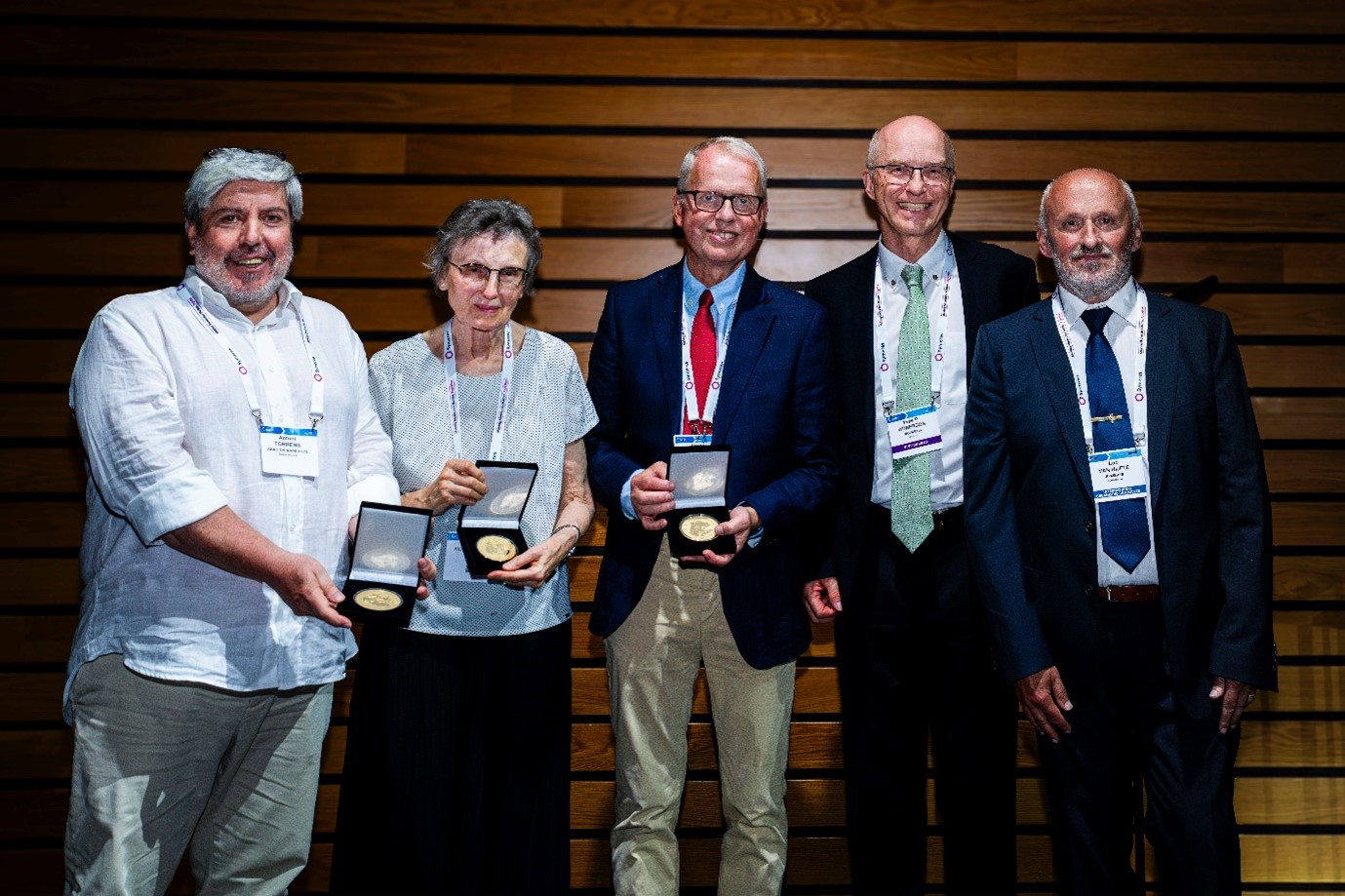
Credits: Fabien Venturi
Dr Laurent Meijer (Perha Pharmaceuticals, France) received the Nauta Award for Medicinal Chemistry and Chemical Biology for his unparalleled achievements in the discovery and development of kinase inhibitors derived from natural sources, both within his academic and biotech endeavors. The award was given by Dr Andele Nauta, Prof. Henk Timmerman and Dr Luc Van Hijfte.
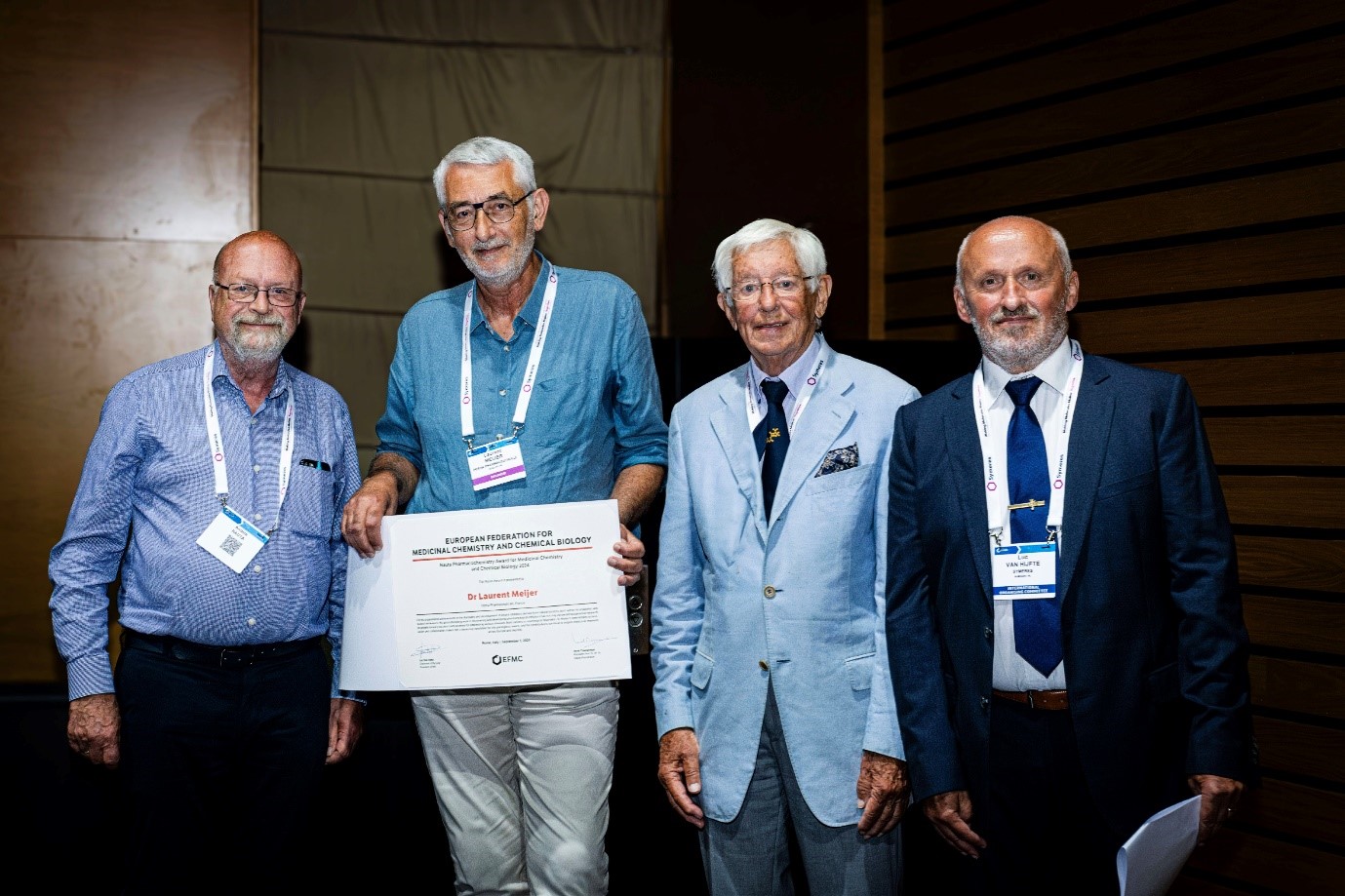
Credits: Fabien Venturi
Prof. Stuart Conway (University of California, Los Angeles, United States) received the UCB-Ehrlich Award for Excellence in Medicinal Chemistry for his pioneering contribution in medicinal chemistry and epigenetics that has reshaped our understanding of disease treatment. The award was given by Dr Adrian Hall and Dr Luc Van Hijfte.
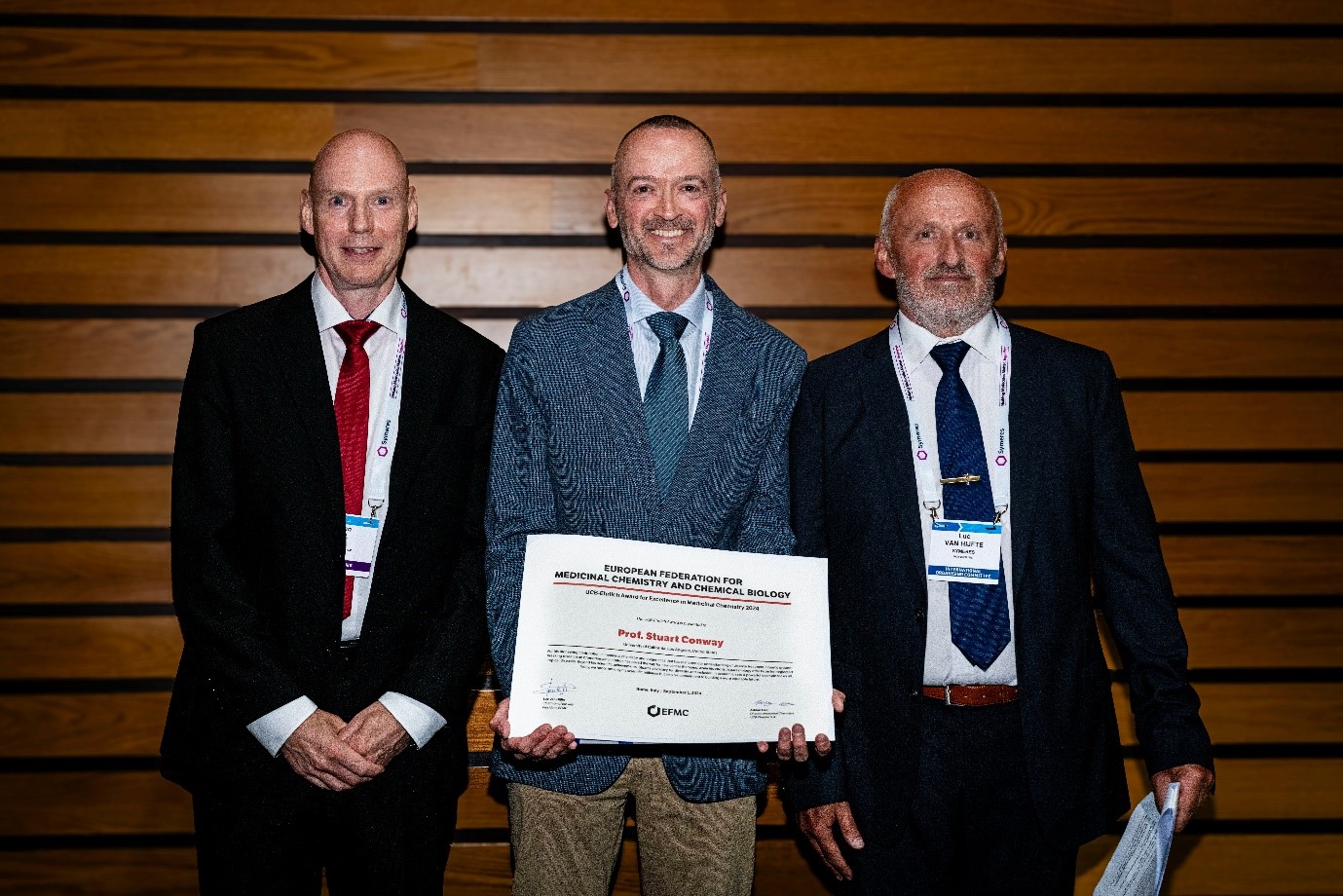
Credits: Fabien Venturi
Prof. Véronique Gouverneur (University of Oxford, United Kingdom) received the Prous Institute – Overton and Meyer Award for New Technologies in Drug Discovery for her ground-breaking contributions to the field of fluorine (19F and 18F) chemistry for applications in medicine and Positron Emission Tomography (PET) Imaging. The award was given by Dr David Prous and Dr Luc Van Hijfte.
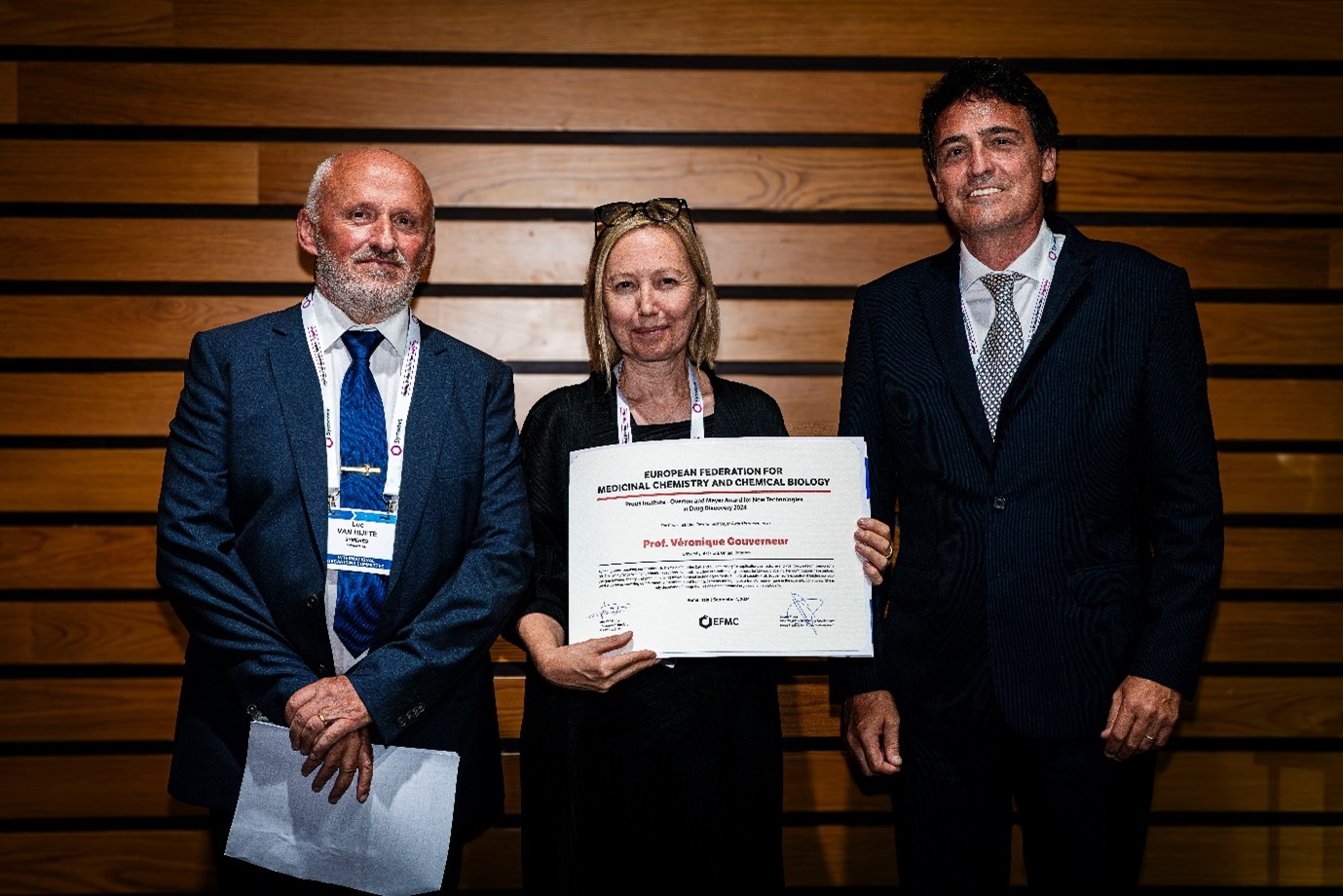
Credits: Fabien Venturi
Several partner awards were also delivered at the occasion of the conference. Prof. Yimon Aye (EPFL, Switzerland) received the Klaus Grohe Prize and Prof. Craig Crews (Yale University, United States) received the IUPAC Richter Prize.
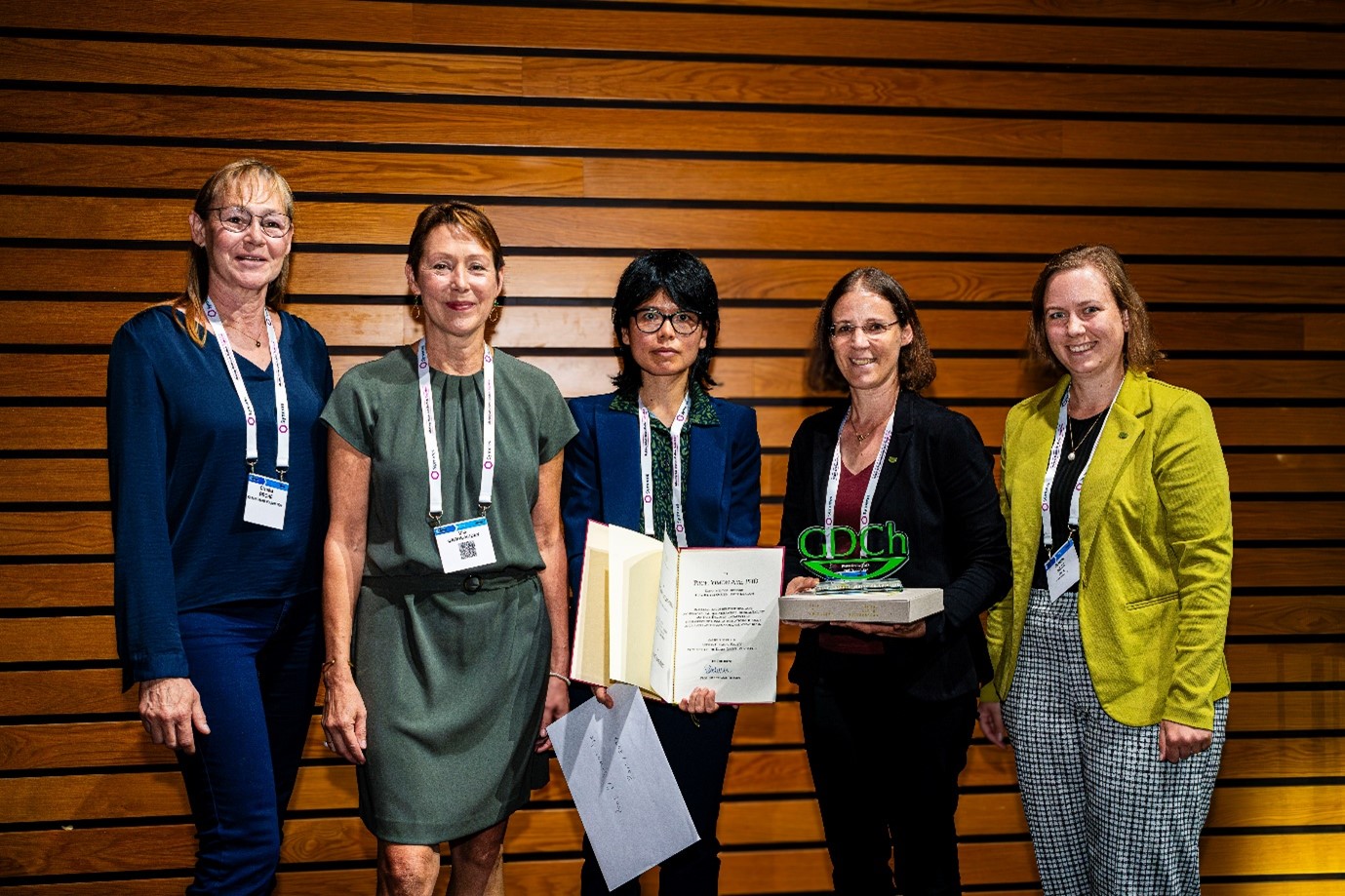
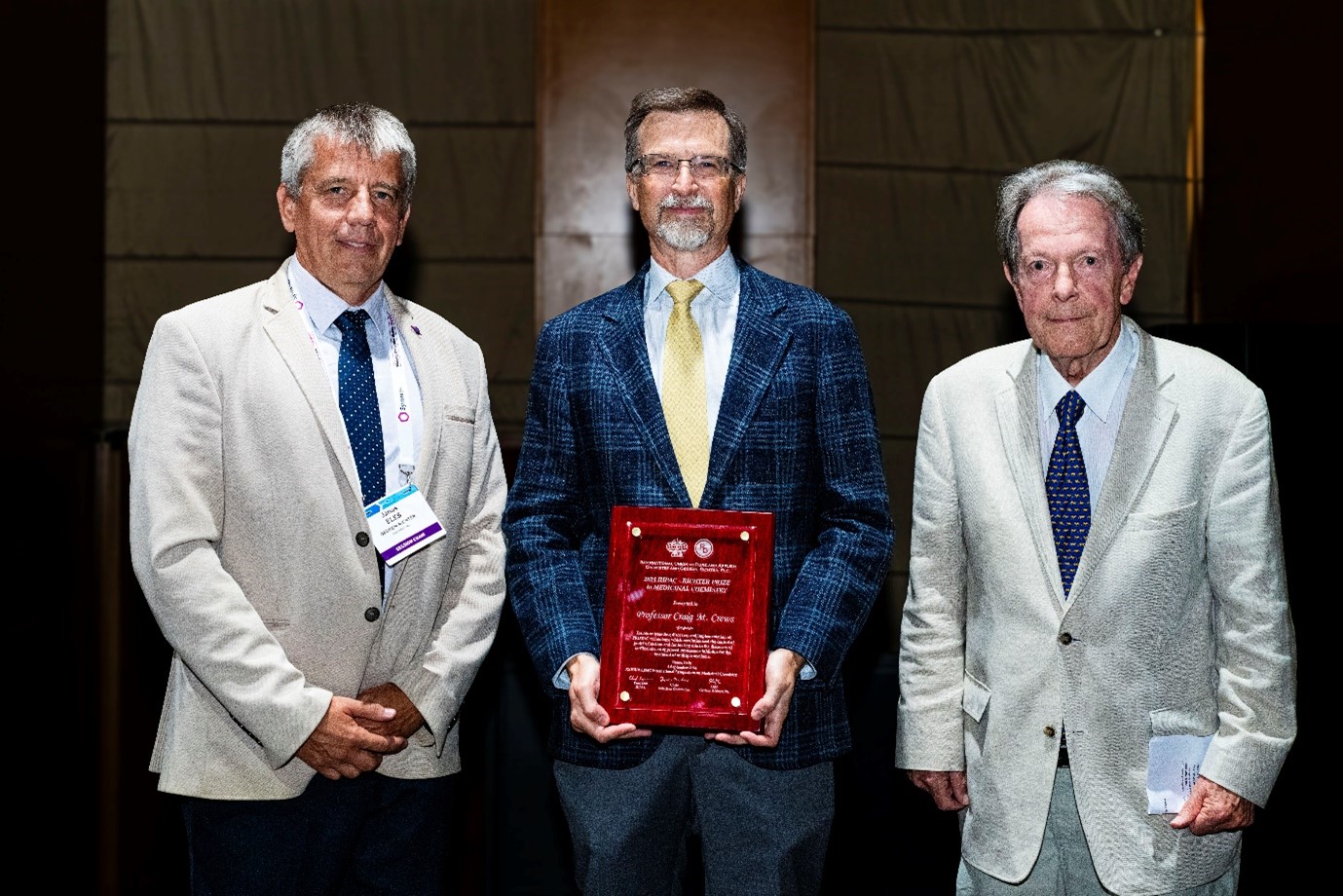
Credits: Fabien Venturi EFMC PRIZES CEREMONIES
The XXVIII EFMC International Symposium on Medicinal Chemistry (EFMC-ISMC 2024) was also the stage for the EFMC Prizes Ceremonies, rewarding outstanding young medicinal chemists and chemical biologists working in Academia and in Industry.
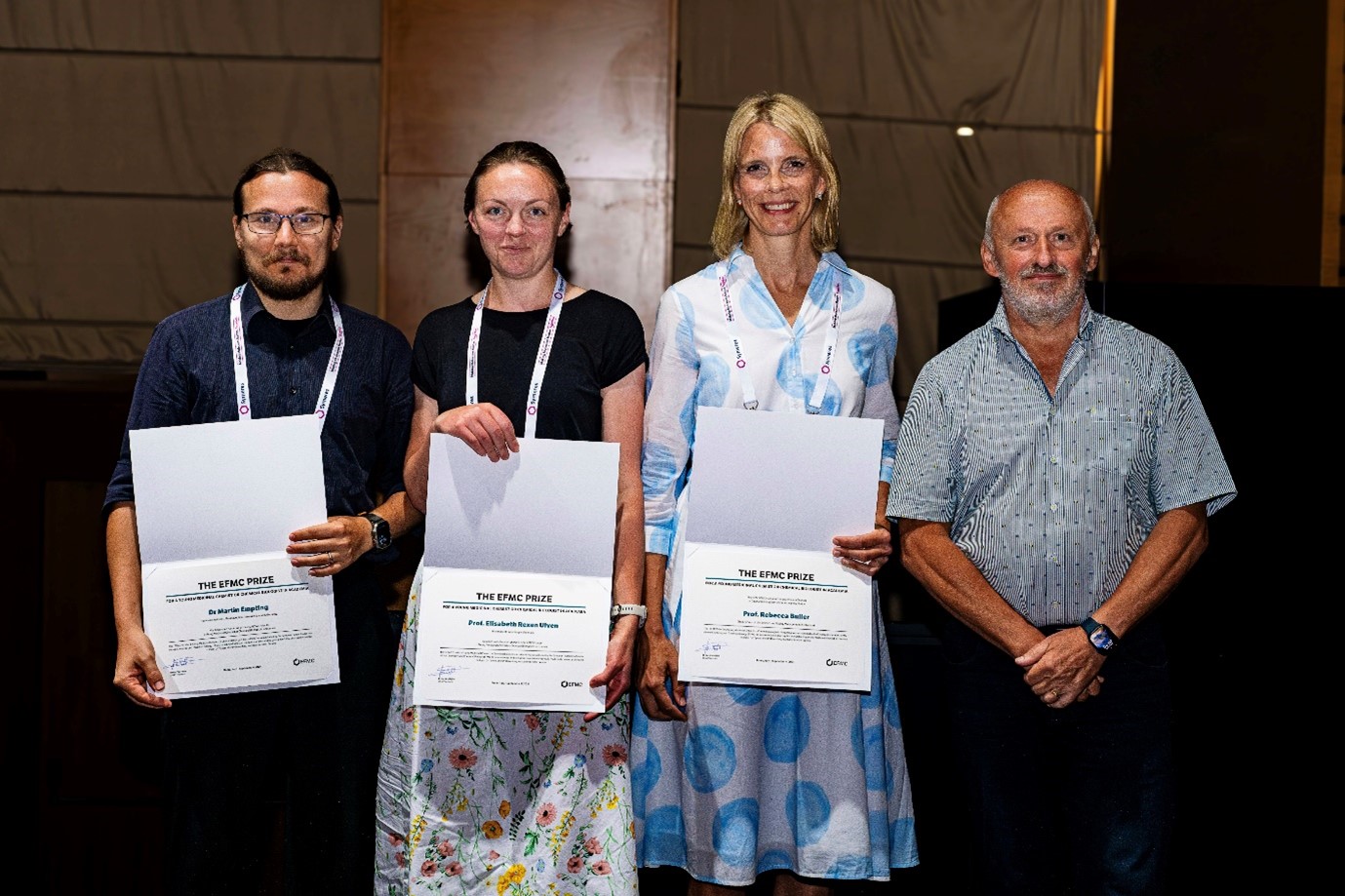
Prof. Rebecca Buller (Zhaw School of Life Science and Facility Management, Switzerland) received the prize from Dr Luc Van Hijfte. Dr Martin Empting (Helmholtz-Institute f. Pharmaceutical Research Saarland, Germany) and Prof. Elisabeth Rexen Ulven (University of Copenhagen, Denmark) have also been recognised as the most meritorious runners-up.
Credits: Fabien Venturi
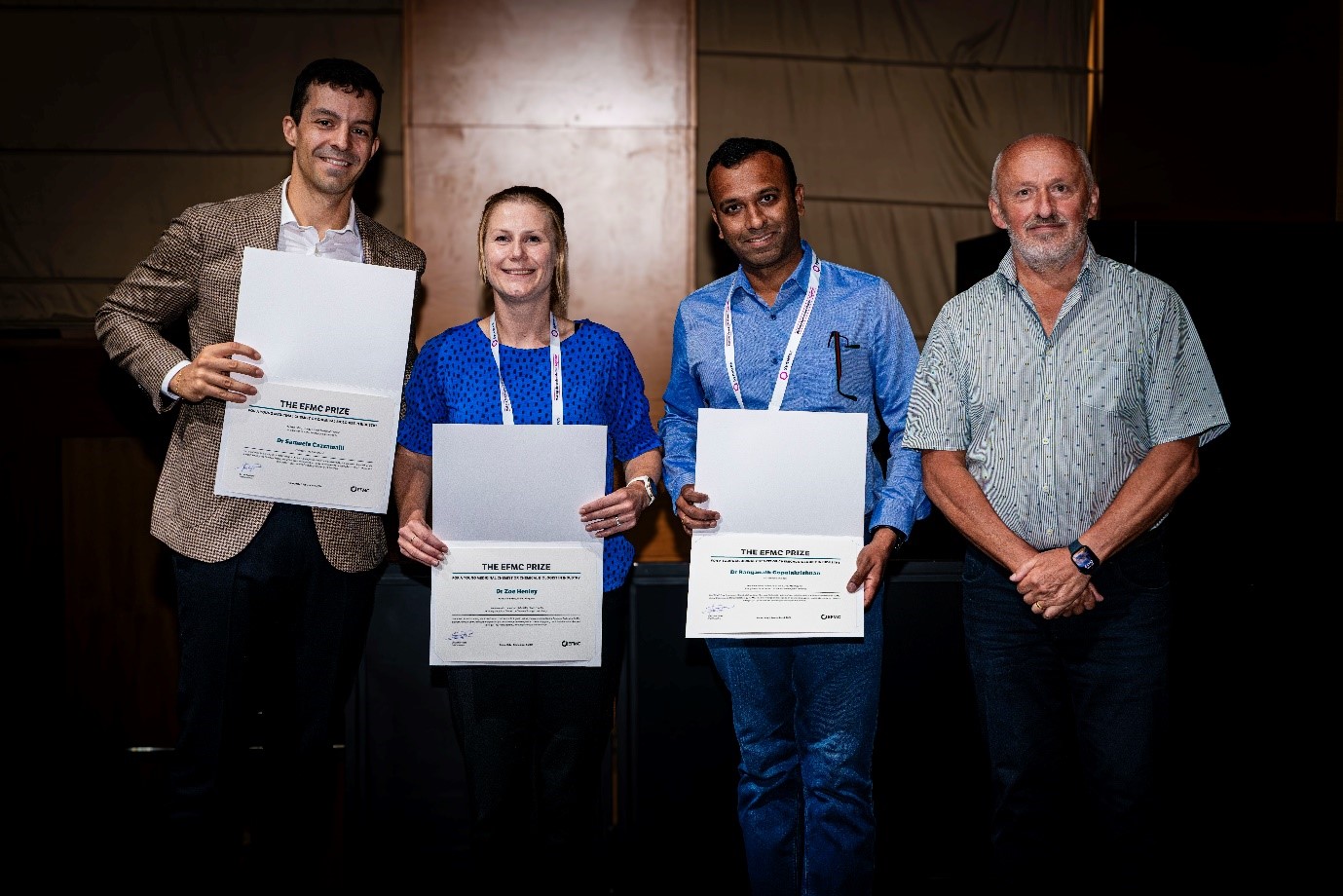
Dr Samuele Cazzamalli (Philochem AG, Switzerland) received the prize from Dr Luc Van Hijfte. Dr Ranganath Gopalakrishnan (AstraZeneca, Sweden) and Dr Zoe Henley (GSK, United Kingdom) have been recognised as the most meritorious runners-up.
Credits: Fabien Venturi EFMC BEST POSTER PRIZES
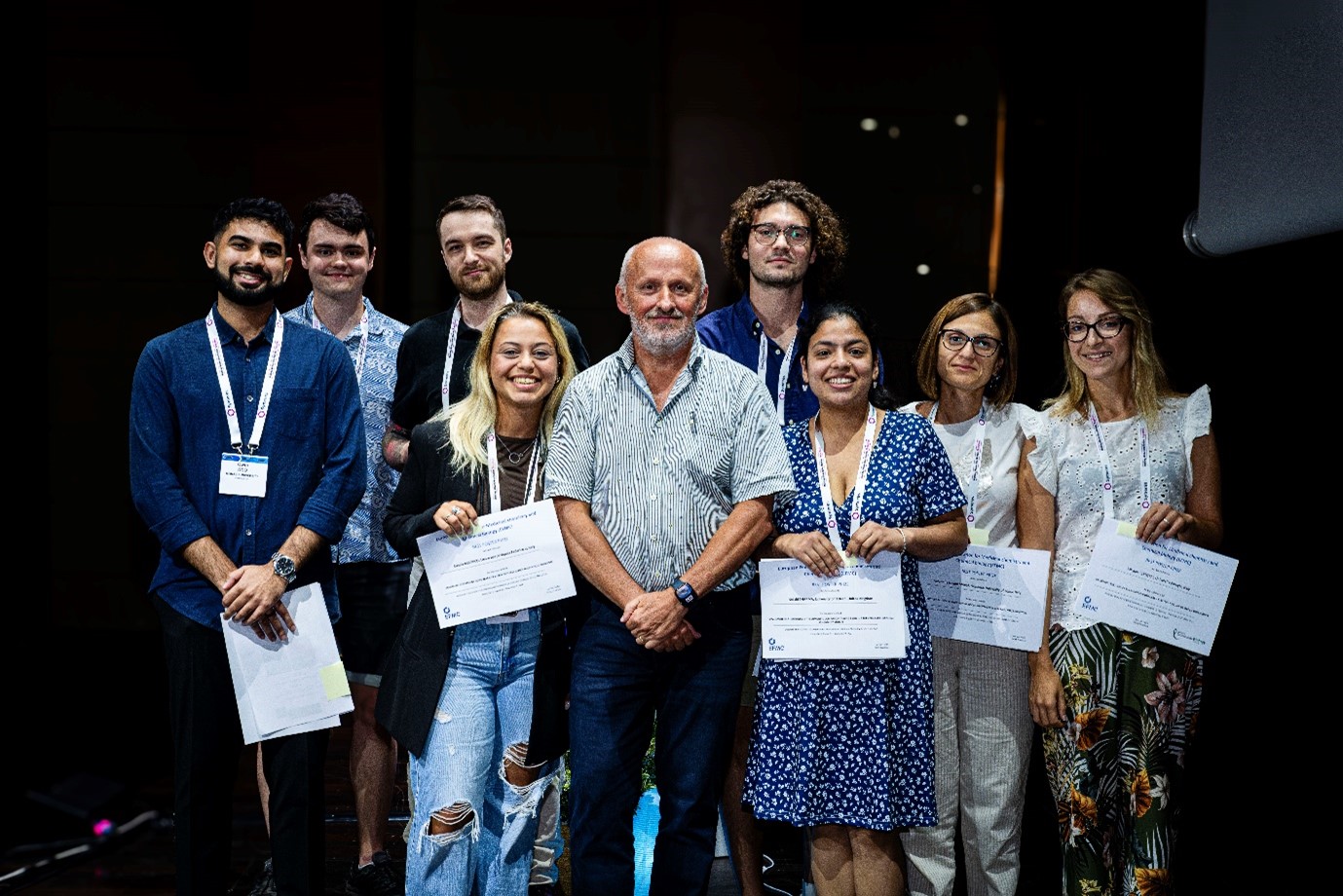
The EFMC Best Poster Prizes have been granted to the following participants:
- Marie Cadot, University of Copenhagen, Denmark
- Alessia Alberico, University of Naples Federico II, Italy
- Valentina Noemi Madia, Sapienza, University of Rome, Italy
- Marie Thiemann, TU Braunschweig, Germany
- Matthew Bowen, University of Oxford, United Kingdom
- Sakshi Sharma, University of Oxford, United Kingdom
- Owin Deo, Monash University, Australia
- Aleix Quintana, Universitat Autonoma de Barcelona, Spain
The joint EFMC-ICBS Best Poster Prizes have been granted to:
- Michaele Eleuteri, University of Perugia, Italy
- Alexis Paquin, Université du Québec à Montréal, Canada
Congratulations to all!
EFMC INTERNATIONAL SYMPOSIUM ON CHEMICAL BIOLOGY (EFMC-ISCB 2025) – POSTER DEADLINE APPROACHING
The European Federation for Medicinal Chemistry and Chemical Biology (EFMC) and the Swiss Chemical Society, Division for Medicinal Chemistry & Chemical Biology (DMCCB) invite you to join the International Symposium on Chemical Biology (EFMC-ISCB), scheduled to take place on January 29-31, 2025 in Basel, Switzerland.
Abstracts for poster presentation can be submitted until October 9, 2025. Join the 2 Poster Sessions which will give you ample time to share results and discuss scientific collaborations with fellow researchers. Several poster prizes will be awarded.
The scientific programme will feature 20 speakers and 9 oral communications, and the networking and social activities will give you plenty of chance to engage in discussions outside of the lecture halls.
More information and registration www.efmc-iscb.org.
19th EFMC-YSN MEDCHEMBIOONLINE – OCTOBER 1
The 19th edition will be devoted to “Sustainability in Drug Discovery” and will take place on October 1 from 16:30 to 18:30 CEST.
In this webinar, we will showcase three leading researchers in the field of Sustainability in Drug Discovery, before joining a round table discussion at the end of the event to allow you to ask questions.
Have a look at our confirmed speakers and panellists:
- Prof. Benoit Deprez (Université de Lille/Institut Pasteur of Lille, FR)
- Prof. Klaus Kümmerer (Leuphana University Lüneburg, DE)
- Prof. Magnus J. Johansson (AstraZeneca, SE)
- Prof. Helen Sneddon (University of York, UK)
More information and registration on www.medchembio.online.
GET TO KNOW TRACEY PIRALI (UNIVERSITÀ DEL PIEMONTE ORIENTALE, ITALY)
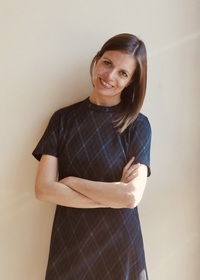
In this edition, our MedChemBioConversations is with Tracey Pirali (Universita del Piemonte Orientale, Italy). Get to know her better by reading the interview below:
How did you get interested in Medicinal Chemistry?
Since my adolescence, I have been fascinated by drugs and their ability to be effective in human beings. Paracetamol being able to lower fever looked like a miracle to me, and, when I realised that the discovery of a drug is something that you can achieve by applying a scientific approach, I fell in love with the idea of contributing to the process and I decided to pursue a degree in Pharmacy.
Where and when did you obtain your PhD diploma?
I obtained my PhD diploma in 2008 at the University of Piemonte Orientale, Novara (Italy), under the guidance of Prof. Gian Cesare Tron.
What was the topic of your PhD project?
The topic of my PhD was the exploitation of click chemistry and multicomponent reactions to accelerate the drug discovery process. During my PhD I co-authored one of the first articles where click chemistry was used in a medicinal chemistry campaign (https://doi.org/10.1021/jm051118z), together with a seminal review paper on the topic (10.1002/med.20107; > 1200 citations). My laboratory has followed Prof. Tron’s footsteps and is still passionate about the use of a straightforward type of chemistry in R&D. Recently, for example, we have developed a platform based on multicomponent reactions (Ugi reaction and its variants) to easily access PROTACs (https://doi.org/10.1021/acs.jmedchem.2c01218).
Where did you have your postdoc position?
During my PhD I joined the laboratory of prof. Jieping Zhu in CNRS (Paris) working on the discovery of isocyanide-based multicomponent reactions and, later, I spent a postdoctoral period in Michael Greaney’s group at the School of Chemistry (Edinburgh), where I learnt about the chemistry of benzyne.
Where are you currently working and what is your current position?
Currently, I am a full professor of Medicinal Chemistry at the University of Piemonte Orientale where I lead a medicinal chemistry team. I am also CTO of the start-up ChemiCare that I co-founded in 2016 with Dr. Beatrice Riva (www.chemicare.it). The company is developing small molecules that modulate calcium signalling for the treatment of rare genetic myopathies.
What are your current research interests?
I am very curious, but I get bored very easily. Therefore, during my career I have been working on many different targets and approaches. My current research consists of merging the different technologies I have approached so far (such as PROTACs, deuterium labelling, soft drug design, and multicomponent reactions) in drug discovery campaigns, especially in the fields of rare genetic diseases, cancer immunotherapy and pain.
What do you like best about your work?
In my work what I like best is mentoring young students and promote their growth, offering them opportunities to become scientists, thereby becoming the facilitator for talents. I feel a sense of pride and gratification in their achievements.
What kind of tasks does your work involve?
My work involves many tasks: I discuss ideas and data with my students, postdocs, and collaborators, I write articles and research grants, I teach medicinal chemistry, and I coordinate the Erasmus Mundus Master EMOTION that every year trains students coming from all over the world (www.emotion-master.eu).
What kind of skills does your work require?
My work requires many skills. Critically thinking: the ability to carry out complex R&D projects with many data to interpret and, based on them, critically judge if the project must be concluded, continued or abandoned. Social skills: the ability to get along with people, from students to colleagues, collaborators, and administrative staff, each of them with different personality traits. Time management: the ability to organise my time and find the right balance between what I like most and what I like least, but am required to do, while prioritizing activities to meet deadlines.
How many PhD students and postdocs are you currently supervising?
Currently, I am supervising three PhD students and a postdoc. I also supervise a handful of M.Sc. students every year.
How would you describe yourself as a supervisor?
I think I am an optimistic, cheerful, and empathetic supervisor who inspires young scientists, especially girls, to pursue a career in science. Even though I am not working closely with students in the lab anymore, I follow the progress of each project, and advise when necessary to guide it in the right direction and make it successful.
What do you consider to be your greatest achievement in your scientific career?
My greatest achievement is the identification of a candidate that, by acting on Store-Operated Calcium Entry, is effective in models of tubular aggregate myopathy and Duchenne muscular dystrophy and has received orphan designations by EMA. Another great achievement (a long-cherished dream) is the Nat. Rev. Drug Discov. paper (https://doi.org/10.1038/s41573-023-00703-8) that showcases the use of the heavy isotope deuterium in medicinal chemistry, a topic I am passionate about. Finally, I am proud of my current team and the network of collaborations we have established over time: without the dedication of each of us, exciting discoveries wouldn’t be possible.
Which one of your papers are you most proud of and why?
The paper that I am most proud of is the J. Med. Chem. paper that describes the use of multicomponent reactions to synthesise modulators of TRPV1 channels (https://doi.org/10.1021/acs.jmedchem.8b00109). Due to their soft nature, these compounds are devoid of systemic side-effects when topically applied. One of the described compounds is on the market in a line of cosmetic products and, gratifyingly, the work has been highlighted by both C&EN and ACS Med. Chem. Lett
What are the features of a successful PhD student or postdoc?
Spirit of initiative. Passion. Spirit of sharing among the team members. Ambition. Resilience.
Have you experienced any unfair situations during your scientific career? How would you advise scientists facing similar situations?
Yes. From unfair culture, through unfair funding body decisions, to unfair behaviours. My suggestion is: never give up (your day will come) and walk away from toxic people!
What is the most embarrassing thing you have done in the lab while doing experiments, e.g. explosions?
It was one of my first days of my M.Sc. thesis, and I was preparing some fresh manganese dioxide by adding sugar to a solution of potassium permanganate. Since it was saccharose, I was convinced that the reaction was safe and did not pay attention to the increasing temperature when suddenly the mixture exploded, and a black slurry covered all the fume hood. Luckily, nobody was injured, and I learnt that you must always be careful in the lab, even when you are doing things that are apparently safe.
What are your recommendations for a book, podcast, website, blog, YouTube channel or film?
I recommend the book “Lessons in Chemistry” by B. Garmus. It is a thought-provoking novel about a chemist battling a sexist 1950s establishment and initiating a quiet, but effective, revolution.
Which scientist do you admire the most and why?
I admire Michael Sofia, who discovered sofosbuvir for the treatment of hepatitis C, for his dedication, perseverance, and humble attitude. His interviews and speeches are so inspiring.
Which field of medicinal chemistry do you consider the most promising for the future?
Deuterium, the heavy isotope of hydrogen, is entering the medicinal chemist’s toolbox as it has a positive impact on drug metabolism and other properties, as exemplified by a few deuterated approved drugs and about a dozen of deuterated candidates in clinical trials. Given its great potential, I believe that deuterium will be found in many marketed drugs in the future. LAUNCHING THE MEDCHEMBIOCONVERSATIONS PODCAST!
As indicated by the name, MedChemBioConversations, our interviews are now an actual discussion between fellow researchers. In this first edition, Sean McKenna from the Young Scientists Network speaks with Stephan Hacker, Assistant Professor at Leiden Institute of Chemistry, Leiden University.
Listen to the Podcast here!
As scientists, we all love an experiment, and this podcast is very much an experiment. If you like the format or have feedback to share, reach out to us at ysn@efmc.info.
EFMC-YSN REVIEWER ACADEMY, POWERED BY CHEMISTRY EUROPE
The reviewer academy is a programme hosted by EFMC’s Young Scientists Network and conducted by professional editors of Chemistry Europe / Wiley-VCH to help train future referees. The academy aims to teach best practices in peer review, especially for early-career researchers.
The academy is a rolling programme throughout the year, which consists of a live one-hour workshop and Q&A session (4 times a year), an online workshop (c/o Wiley Research/Reviewer Academy), and actual peer review assignments and evaluations.
Next Live Workshop and Q/A Session: October 28th (10:00-11:00 CET)
More information on www.efmc.info/reviewer-academy.
#MEDCHEMCASES - SEMINAR BY THE DIVISION OF MEDICINAL CHEMISTRY OF THE GERMAN CHEMICAL SOCIETY (GDCH)
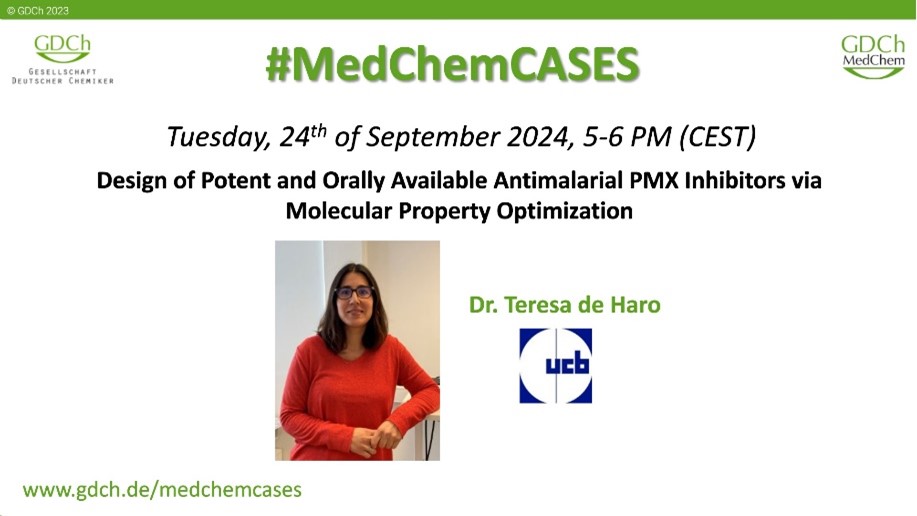
The MedChem Division of the German Chemical Society (GDCh) would like to invite you to the next #MedChemCASES online seminar which will be held on September 24 by Dr Teresa de Haro, UCB.
The topic of the webinar will be “Design of Potent and Orally Available Antimalarial PMX Inhibitors via Molecular Property Optimisation”.
Malaria is a serious mosquito-borne disease with an estimated 249 million cases and 608,000 deaths worldwide in 2022, predominantly affecting young children in Africa. There is a constant need for novel antimalarial medicines to complement existing artemisinin-dependent therapies, which are under pressure from resistance conferring mutations. Plasmepsin X (PMX), an essential aspartyl protease of malaria parasite, has been identified as new potential multistage drug target to fight against malaria. PMX controls malaria parasite egress and invasion of erythrocytes, the development of functional liver merozoites (prophylactic activity), and blocks transmission to mosquitoes. UCB, in collaboration with Medicines for Malaria Venture (MMV), identified UCB7362, a potent, orally available, PMX inhibitor with in vivo antimalaria activity. However, preclinical assessment of UCB7362 revealed a suboptimal dose paradigm (once daily dosing of 50 mg for 7 days for the treatment of uncomplicated malaria) compared to the current standard of care (three-dose regime). Molecular property optimisation to balance potency, selectivity, and pharmacokinetic parameters led to the identification of a biaryl chemical series with increased metabolic stability, higher Vss and accordingly longer t½ than UCB7362, while maintaining the off-target hit rate of UCB7362.
Register for free here.
#GDCh (MedChem Division), #NextGenMedChem. NEWS FROM THE BIOLOGICAL AND MEDICINAL CHEMISTRY SECTOR (BMCS) OF THE ROYAL SOCIETY OF CHEMISTRY (RSC)
The BMCS is happy to announce several upcoming events.
9th RSC/SCI Symposium on GPCR’s in Medicinal Chemistry
2nd – 4th October, 2024, Evotec Campus Levi-Montalchini, Verona, Italy
Registration and Abstract submissions are now open!
Website: https://www.rscbmcs.org/events/gpcrs24/
Synopsis: The key role of G protein-coupled receptors (GPCRs) in human disease underpins their importance in modern medicine. We were pleased to hold this 9th meeting in the series on GPCR drug discovery, which combined cutting-edge medicinal chemistry with innovative structural biology and novel drug design approaches.
RSC-BMCS/SCI Targeting Protein Degradation 4
15th – 16th October, 2024, Cranfield Management Development Centre, Cranfield University, Milton Keynes
Registration and Poster Abstracts submissions are open!
Website: https://www.rscbmcs.org/events/protdeg24/
Synopsis: One of the most exciting new therapeutic modalities to emerge in the 21st century has been Targeted Protein Degradation (TPD). In 2021, the Targeted Protein Degradation Market size was valued at USD 400.5 million and is poised to grow from USD 507.0 million in 2022 to USD 3,300.0 million by 2030 and so has attracted interest from academia, non-profit organisations through to CROs and small and large pharma. This multidisciplinary meeting aims to present the latest developments in the design, biology, chemistry and ADME in TPD within the general themes of PROTACS (including non-oncology targets), Molecular Glues and non-PROTAC degraders. We aim to highlight the latest advancements in enabling technologies, such as computational techniques, Direct to Biology, HT synthesis (click, photochemistry, etc.) and structural biology methods.
BMCS Postgraduate Symposium XVIII
12th December, 2024, University of Oxford, Oxford, UK
Registration and abstract submissions are now open!
Website: https://www.rscbmcs.org/events/psxviii/
Synopsis: This face-to-face meeting will comprise an oral and poster presentations from PhD students and post-doctoral workers researching in biological or medicinal chemistry. In addition, the agenda will feature invited keynote speakers from industry and academia.
Meetings in 2025:
8th RSC-BMCS / SCI Symposium on Ion Channels as Therapeutic Targets
31st March – 1st April, 2025, Hinxton Hall Conference Centre, Cambridge
A date for your diary!
Website: https://www.rscbmcs.org/events/ionchannels25/
11th RSC/SCI Symposium on Kinase Inhibitor Design
12th – 13th May, 2025, Royal College of Physicians of Edinburgh, Edinburgh
A date for your diary!
Website: https://www.rscbmcs.org/events/kinase2025/
4th RSC Anglo-Nordic Medicinal Chemistry Symposium
10th – 13th June, 2025, Hotel Comwell Borupgaard, Snekkersten, Denmark
A date for your diary!
Website: https://www.rscbmcs.org/events/anmc-4/
RSC-BMCS / SCI 23rd Medicinal Chemistry Symposium
14th – 17th September, 2025, Churchill College, Cambridge
A date for your diary!
Website: https://www.rscbmcs.org/events/cammedchem25/ |
|
|
|
|
|
EFMC ORGANISED EVENTS
October 1, 2024
Virtual
19th EFMC-YSN MedChemBioOnline
January 29-31, 2025
Basel, Switzerland
2nd EFMC International Symposium on Chemical Biology (EFMC-ISCB 2025)
May 12-15, 2025
Chicago, USA
ACSMEDI-EFMC Medicinal Chemistry Frontiers 2025
EFMC SPONSORED EVENTS
September 22-26, 2024
Barcelona, Spain
24th EuroQSAR
September 24, 2024
Webinar
4th Munich-Leiden Virtual ChemBio Talks
October 2-4, 2024
Verona, Italy
9th GPCR’s in Medicinal Chemistry
October 15-16, 2024
Wharley End, United Kingdom
Targeting protein degradation 4
December 12, 2024
Virtual Event
BMCS Postgraduate Symposium XVIII
JOB PORTAL
Senior Computational Chemist, Aqemia, FRANCE
Read more
Head of Biology, Aqemia, FRANCE
Read more
PhD Chemistry, Chemical Biology, Proteomics, Leiden University, THE NETHERLANDS
Read more
|
|