MedChemWatch
Monthly Newsletter January 2026

BEST WISHES FROM THE EFMC

Welcome to our first MedChemBioWatch for 2026!

As EFMC President and EFMC President-Elect, we would like to take the opportunity of this newsletter to wish you a happy, healthy, and prosperous New Year.

Our mission is made possible thanks to the commitment of our members, collaborators, both past and present, for which we are deeply grateful. We are also thankful for the dedication of the whole community to advance the research and improve human health.

We look forward to the opportunities ahead to connect at one of our organised events or webinars or collaborate on some of our many activities planned for 2026!

Luc Van Hijfte
EFMC President

Gianluca Sbardella
EFMC President Elect

EFMC AWARDS & PRIZES – DEADLINE IS APPROACHING!

The deadline to apply for some of the EFMC Awards and Prizes is quickly approaching!

The various prizes will be presented at the EFMC International Symposium on Medicinal Chemistry EFMC Medicinal Chemistry 2026) or the EFMC Young Medicinal Chemist’s Symposium (EFMC Young Scientists 2026), scheduled to be held in Basel, Switzerland on September 6 to 10, 2026, and September 10 to 11, 2026, respectively.

Awards

To celebrate outstanding achievements in the field of Medicinal Chemistry and Chemical Biology.

Prizes

To acknowledge and recognise outstanding young medicinal chemists and chemical biologists (≤ 12 years after PhD) working in European industry and academia.

To recognise excellence and merits at the early stage.

BOOST YOUR CAREER WITH TWO UPCOMING EFMC-YSN WEBINARS

The Young Scientists Network of the EFMC aims to provide educational and career development resources for Early Career Researchers. Do not miss our two upcoming opportunities to boost your career.

  • Medicinal Chemistry Careers Uncovered (January 22 | 15:00-17:00 CET)
    Register

During this event, you will hear from five accomplished young scientists working in both academia and industry in Denmark and Croatia, as they share their experiences and insights on how to enter the job market in these countries, and provide valuable tips for your next career steps.

  • CV Essentials: Tailoring Your Resume for Success (January 29 | 17:00 to 18:30 CET)
    Register

This programme will showcase a CV building workshop by Dr Robert Bowles (Careers and Professional Development Adviser at the Royal Society of Chemistry), followed by a round table discussion with various experts in the field, who will share their views on the key items to showcase if you are aiming for a job in Academia or Industry, in Europe, United Kingdom or the United States.

Excited? Let your colleagues and students know!

LITERATURE SPOTLIGHT

The “Literature Spotlight” section of the newsletter offers concise and accessible summaries of recently published research. It highlights a range of themes drawn from various journals, with this edition’s contribution provided by Dr Sean M. McKenna (Leiden University, Netherlands).

This contribution focuses on the recently published article "Multidisciplinary Preclinical Investigations on Ferrocenyl, Ruthenocenyl, and Benzyl Derivatives of Niridazole as New Drug Candidates against Schistosomiasis" by Tanja Karpstein et al., published in ChemMedChem.

To address the narrow treatment options for schistosomiasis, a neglected tropical disease caused by blood-dwelling trematodes, the authors investigated structure-based optimisation of the legacy antiparasitic niridazole. Drawing inspiration from the development of ferroquine, a ferrocene-containing derivative of chloroquine, a series of organometallic derivatives of niridazole were designed to assess whether metal-specific modes of action could enhance antiparasitic activity and improve the poor safety profile of the parent compound. A variety of ferrocenyl and ruthenocenyl derivatives were synthesised using amide coupling or N-alkylation strategies, alongside aromatic and aliphatic analogues as non-organometallic controls.

Ten novel compounds were initially screened against adult Schistosoma mansoni, with eight exhibiting >60% drug effect after 72 h and three outperforming niridazole. Among these, compound A5, a derivative bearing an ethenyl-linked ferrocene group, showed the highest potency (EC''.chr('8325').''''.chr('8320').'' = 1.5 µM), representing a 3.8-fold improvement over niridazole. Comparable activity between ferrocenyl and ruthenocenyl analogues indicated that redox properties of the metal centre were not the primary driver of activity. Instead, structure-activity relationships revealed that short linker motifs were critical, as longer linkers led to diminished efficacy. Notably, the amide-linked ferrocene derivative A2 displayed activity across all life stages of S. mansoni, including newly transformed schistosomula, juveniles, and adults, an important advancement over both niridazole and the current standard of care, praziquantel. Cytotoxicity testing in HUH7 and SH-SY5Y cell lines showed that A2 and A5 maintained favourable safety profiles at 20 µM.

Overall, while further studies are required to evaluate in vivo efficacy and therapeutic potential, this work identifies several promising leads and demonstrates that organometallic derivatization of niridazole is a viable strategy for developing next-generation antischistosomal agents.

Read the article.

EFMC GRANTS 2026 – LAST CALL FOR APPLICATIONS

EFMC offers grants to support young academic scientists attending EFMC-organised events in 2026. Deadlines are approaching, so don’t miss your chance! Upon application, a limited number of grants will cover the full registration fees.

  • EFMC Young Scientists' Symposium (Formerly EFMC-YMCS)
    Basel, Switzerland | September 10-11, 2026
    Combined with the grant application of EFMC Medicinal Chemistry 2026 - (Participation to both events is mandatory) 

More information and application on www.efmc.info/ysn-grants.

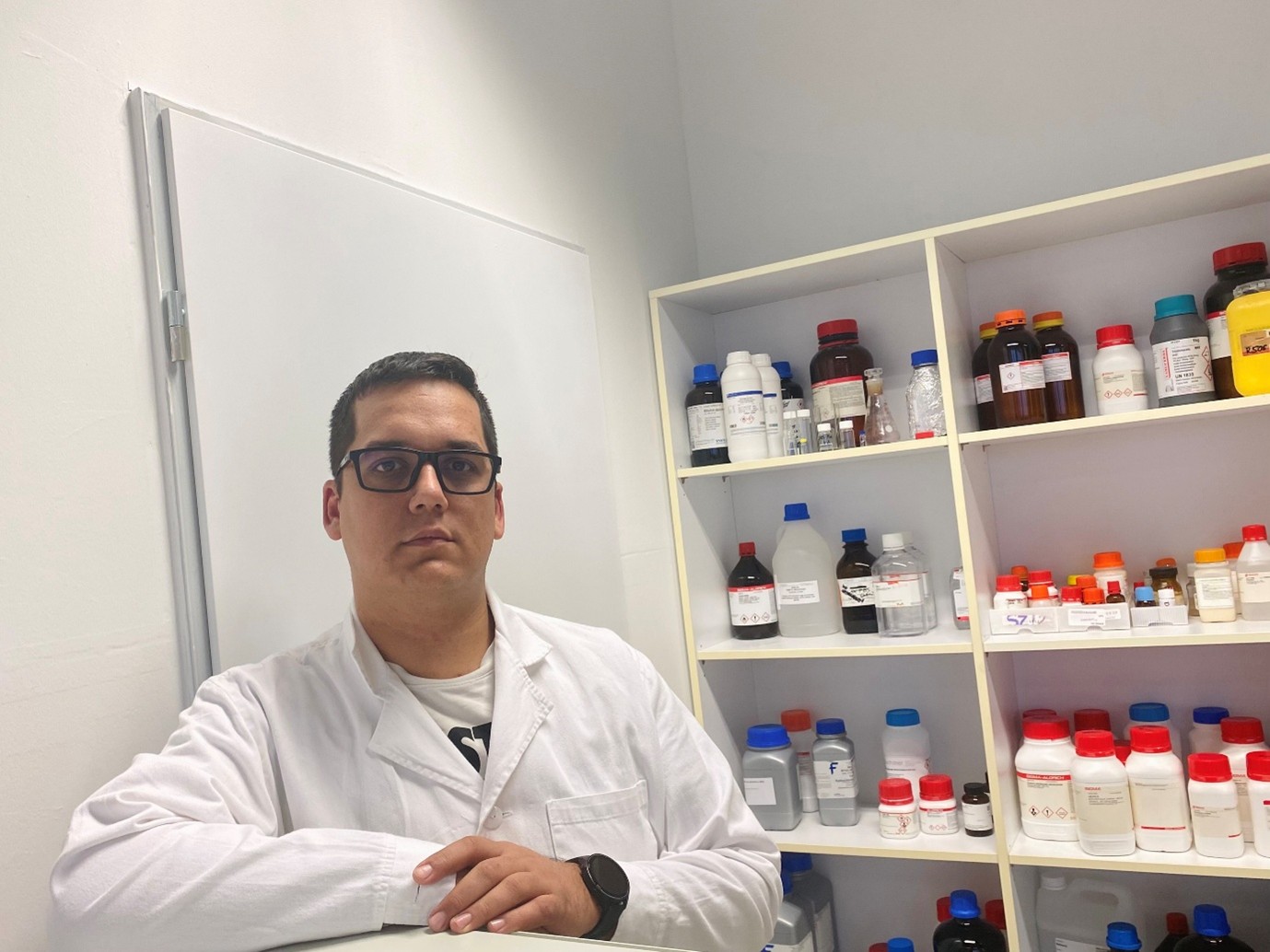
GET TO KNOW LAZLO PETRI (HUNGARIAN RESEARCH CENTRE FOR NATURAL SCIENCES, HUNGARY)

In this edition, our MedChemBioConversations is with Lazlo Petri from the HUN-REN Hungarian Research Centre for Natural Sciences. Get to know him better by reading the interview below:

How did you get interested in Medicinal Chemistry?

My original interest was in organic chemistry; during my undergraduate years I worked on novel supramolecular catalysts. Later, however, I became fascinated by the idea that carefully designed molecules could one day become drugs, which motivated me to pursue a PhD project in the field of medicinal chemistry. This curiosity naturally led me toward chemical biology, which I see as bridging the gap between organic chemistry and biological entities. Following this line, what especially excites me today is the development of antibody–drug conjugates: the possibility of treating cancer with such precision and selectivity is remarkable.

Where did you have your postdoc position?

I am conducting my postdoctoral research at the HUN-REN Medicinal Chemistry Research Group in Budapest, under the supervision of Prof. György M. Keser''.chr('369').''. My work focuses on covalent target discovery, library design and development of innovative warhead chemistries. In parallel, I am applying these approaches to the development of new chemical methods suitable for the preparation of antibody–drug conjugates.

What are your current research interests?

My main interests lie at the interface of medicinal chemistry and chemical biology. Over the past years, I have worked on covalent fragment-based drug discovery, developing libraries and methods to map reactive amino acids in proteins and to design targeted covalent inhibitors. More recently, my interest has partially shifted to antibody–drug conjugates (ADCs), with a focus on developing new chemical technologies to make these complex biologics more homogeneous, selective, and clinically useful.

How would you explain what your research area is to non-scientists?

In simple words, my research is about finding better ways to connect small drug-like molecules to larger biological systems, such as proteins or antibodies, so that they can target diseases more precisely. Think of antibody-drug conjugates as attaching a powerful but potentially harmful medicine to a “delivery vehicle” that takes it exactly to the diseased cells while sparing the healthy ones. This is the principle behind antibody–drug conjugates, and my work is to invent the chemical tools that make such precise delivery of drug molecules more readily available.

What do you like best about your work?

What excites me the most is the combination of creativity and impact. On one hand, chemistry gives me the freedom to design new molecules and methods; on the other, these innovations can eventually lead to real therapeutic advances. I also enjoy the collaborative nature of my work as many of our projects involve partnerships with biologists, analytical chemists, pharmacologists, computational chemists, clinicians, or industry colleagues, which makes the research dynamic and translational.

What kind of tasks does your work involve?

My daily work is a mixture of experimental design, supervision, writing, and coordination. I still spend time in the lab, but a growing part of my role is to guide projects, mentor younger colleagues, and build collaborations. I also handle grant proposals, write manuscripts, and present our results at conferences.

What kind of skills does your work require?

A solid background in organic and medicinal chemistry is essential, but so is flexibility to learn from other fields such as proteomics, structural biology, immunology and pharmacology. Project leadership requires communication and organizational skills, while creative problem-solving is indispensable for tackling experimental challenges. I would say resilience and persistence are just as important in this field as technical expertise.

How would you describe yourself as a supervisor?

I aim to provide my students with the freedom to carry out their research independently, while ensuring that key decisions are made together after carefully reviewing the results. I see supervision as a collaborative process, where open discussion and mutual trust are essential. I am especially proud that former students once told me I was the first supervisor in their career to whom they felt comfortable reporting even negative results without fear.

Are you currently looking for a new PhD student or a postdoc?

Yes, I am always open to motivated young scientists who are interested in medicinal chemistry and chemical biology. Our projects are multidisciplinary and evolving, so there is room for people with diverse expertise and interests.

What do you consider your greatest achievement in your scientific career?

I would probably give a very basic answer to this, but I still consider earning my PhD to be my greatest achievement. It was a truly iconic milestone, not only because of the scientific work itself, but because it marked the point when I decided to fully commit myself to a scientific career. After that, I started applying for postdoctoral grants with the long-term goal of establishing my own independent research line. So, in many ways, it wasn’t just an achievement, but a turning point that set the direction for everything I’m doing now.

Which of your papers are you most proud of and why?

I’m most proud of the paper I began working on right after completing my PhD, published in the Journal of Medicinal Chemistry under the title “Size-Dependent Target Engagement of Covalent Probes” (DOI: 10.1021/acs.jmedchem.5c00017). The work behind this study, which explores the size-dependent nature of covalent target engagement, brings together all the skills and expertise I have built up so far, from chemical synthesis and proteomics to bioconjugation and biological methods, and reflects the highly interdisciplinary environment in which I have conducted my postdoctoral research. I am also proud of the teamwork that made this project possible and the fact that it helped draw the attention of the international covalent drug discovery community to our Medicinal Chemistry Research Group. In that sense, this publication represents not only a scientific achievement but also an important milestone in establishing my research identity.

What are the features of a successful PhD student or postdoc?

Success as a PhD student or postdoc in medicinal chemistry depends as much on attitude as on skill. Curiosity drives you to understand how things work at the molecular level, while patience and resilience help you face inevitable failures. You should be open to learning from people in other fields, such as biology or computational chemistry, since modern research is very interdisciplinary. Above all, honesty and enthusiasm for science, together with the determination to keep seeking solutions even after many setbacks, truly define a successful researcher.

What advice would you give to someone who wants to know more about your field?

Read recent research, attend seminars, and talk to scientists in different disciplines to see how chemistry, biology, and pharmacology connect. Most importantly, stay curious and keep asking questions, that is how real understanding begins.

What would you like to ask from other medicinal chemists?

I would ask other medicinal chemists how they turn negative results into new promising directions. I am also curious how they see the balance between the creative intuition of a scientist and the growing influence of AI-based or data-driven tools in drug discovery.

Have you experienced any unfair situations during your scientific career? How would you advise scientists facing similar situations?

Yes, I have faced situations that felt unfair, such as uneven recognition or biased decision-making, which can be discouraging. In those moments I learned that the best response is to stay focused on the science, because in the long run it is the quality and consistency of your work that truly shape your career.

What is the most embarrassing thing you have done in the lab while doing experiments, e.g. explosions?

One of my most embarrassing moments in the lab happened when I accidentally broke a flash column cartridge inside the instrument’s valve. It turned into a ‘long night surgery’ to carefully remove the broken piece without damaging anything, but in the end, I managed to fix it. I’ve also had a few reactions that decided to ‘test the limits of pressure’ and ended up exploding. Luckily, I always used extra safety shielding for these dangerous reactions, so the only problem was the mess I had to clean up.

What are your recommendations for a book, podcast, website, blog, YouTube channel or film?

I would heartfully recommend ‘The Language of God’ by Francis S. Collins. I believe it carries valuable insights not only for readers of any religious background but also for those who identify themselves as atheists or agnostics, as it encourages thoughtful dialogue about the meaning and purpose of exploring the world through science.

Which scientist do you admire the most and why?

There are many scientists who stand out not only for their great work but also for their kindness, passion for teaching, and effort to inspire young people. Among them, I particularly admire Katalin Karikó, as she shows both talent and true humility. Coming from a small village of the Hungarian countryside, she worked hard through many difficulties and later won the Nobel Prize for her important research on mRNA technology. I also respect her as a parent, since she managed to follow an exceptional scientific career while raising a daughter who became a two-time Olympic gold medallist. Her story shows strength, honesty and modesty, making her a real role model both as a scientist and as a person.

Which field of medicinal chemistry do you consider the most promising for the future?

I see the most promising future in targeted therapeutic modalities, such as antibody–drug conjugates and PROTACs. These approaches combine precise molecular recognition with controlled pharmacological action, offering the potential to intervene selectively in complex disease pathways that were previously considered undruggable. As our understanding of molecular oncology deepens and conjugation chemistries become more sophisticated, I believe these targeted solutions will redefine both the efficacy and safety profiles of future medicines.

What would you expect to be the next breakthrough in medicinal chemistry?

I believe the next breakthrough in medicinal chemistry will be the full integration of AI-driven, patient-derived targeted therapies. But said therapeutics needs for modular, rapid and robust methods to deliver the patient-tailored medicines efficiently. I believe, in the future genomic and proteomic data will be directly translated by advanced AI models into actionable phenotypic insights. This will enable the design of truly individualized treatments, for example, identifying the most suitable targeted immunotherapy for each patient.

MISSED OUR LUNCH & LEARN WEBINARS? ACCESS THE REPLAYS!

By popular demand and thanks to the work of our five session leaders, the replay of the lunch & learn webinars hosted last fall are now available for viewing.

Foundational presentations outlining key topics and techniques in the following topics are presented:

  • Hit & Tell: Chemical Probes to Map Protein Targets through Affinity-Based Proteome Profiling (ABPP)
  • Protein Kinases as Drug Targets
  • Direct-to-Biology Platforms to Accelerate Drug Discovery
  • Light-responsive Molecules: From the Fumehood to the Cell
  • Targeting RNA with Small Molecules

Please visit https://www.efmc.info/lunchandlearn to view the replay under each section and download the handouts when available. Please allow a few seconds for the replay window to appear depending on your web browser.

To help us evaluate the success of this initiative, we welcome your feedback and suggestions for future topics. Please let us know at ysn@efmc.info whether you found it helpful and if you’d like the Lunch & Learn series to continue.

REPORT OF THE ANNUAL ONE-DAY MEETING ON MEDICINAL CHEMISTRY OF KVCV & SRC (MedChem 2025)

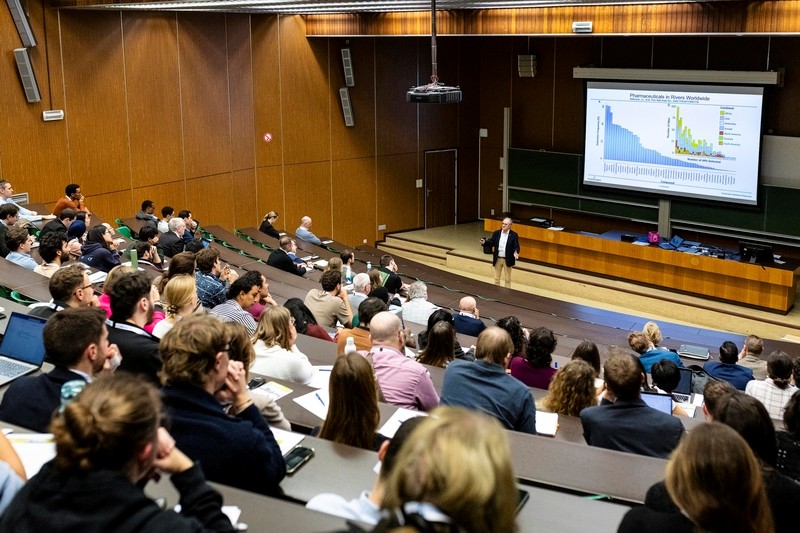
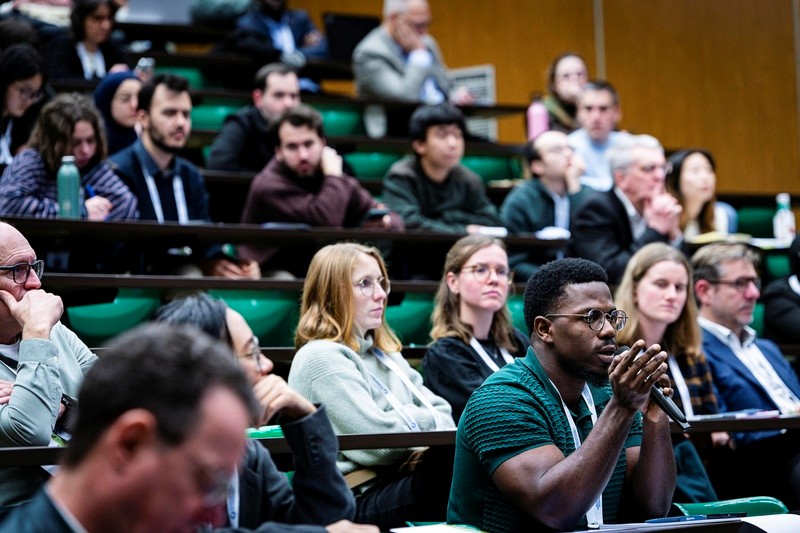
The 2025 edition of the Annual One-Day Meeting on Medicinal Chemistry, organised by the KVCV (Koninklijke Vlaamse Chemische Vereniging) and the SRC (Société Royale de Chimie), was held on December,15 2025 in the Andreas Vesalius Auditorium at Ghent University, Belgium. The meeting brought together more than 100 scientists from Belgium and neighbouring countries to exchange insights and discuss recent developments on sustainable strategies in drug discovery.

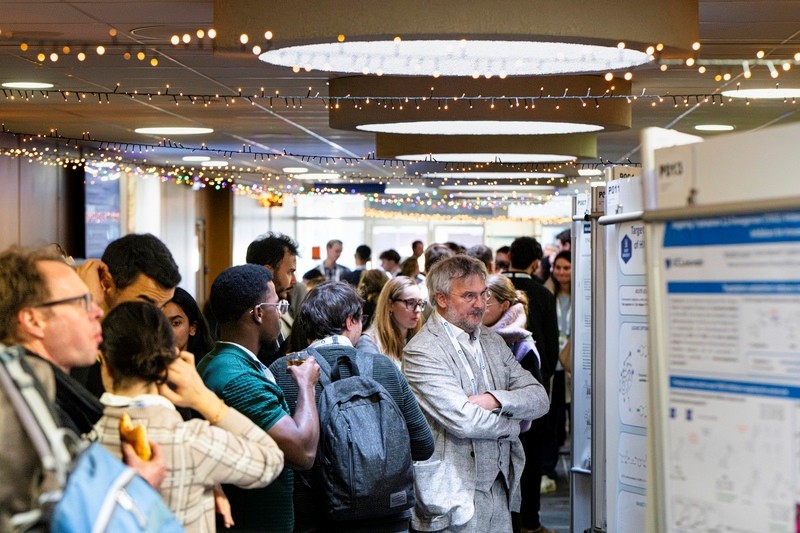
The scientific programme of this 25th edition, entitled ‘Sustainability in Drug Discovery,’ featured 6 renowned speakers from academia and industry, complemented by 3 oral communications selected from the submitted abstracts. A poster session and exhibition further enriched the programme and provided opportunities for scientific discussion and networking.

The meeting opened with a welcome address chaired by Prof.  Serge Van Calenbergh (Ghent University, Belgium), followed by the first morning session, devoted to new sustainability-focused approaches in drug discovery. Presentations were given by Prof. Klaus Kümmerer (Leuphana University of Lüneburg, Germany), Prof. Daniele Castagnolo (University College London, United Kingdom), Mr Darius Mazhari Dorooee (University of Leuven, Belgium), Dr Roberta Pacifico (University of Antwerp, Belgium) and Prof. Timothy Noël (University of Amsterdam, The Netherlands), highlighting the benign-by-design concept, as well as the emerging role of (engineered) biocatalysts for promoting challenging transformations and the use of an AI-guided RoboChem platform for reaction optimizations with minimal waste.

Posters were presented and discussed during the lunch break. The afternoon session, chaired by Prof. Raphaël Frederick (UCLouvain, Belgium) continued the exploration of sustainable drug discovery with contributions from Prof. Anna K. H. Hirsch (Helmholtz Institute, Germany), Dr Kiran Matcha (Johnson & Johnson, Belgium), Prof. Eli Thoré (University of Namur, Belgium), Mr Ewout Van de Velde (Ghent University, Belgium) and Dr Ed Griffen (MedChemica, United Kingdom), who provided perspectives on antibacterial drug discovery, the surprising effects of the exposure of fish to API’s and on the preparedness for new viral outbreaks.

The meeting concluded with a closing ceremony, once again hosted by Prof. Raphaël Frederick (UCLouvain, Belgium), during which the organisers thanked the speakers and participants and announced the next edition of the annual One-Day Meeting on Medicinal Chemistry, scheduled for 2026 in Brussels.


NEWS FROM THE BIOLOGICAL AND MEDICINAL CHEMISTRY SECTOR (BMCS) OF THE ROYAL SOCIETY OF CHEMISTRY (RSC)

The BMCS is happy to announce several upcoming events:

BMCS 3rd Conformational Design in Drug Discovery
Monday 02 March 2026, Stevenage, UK
BMCS
Registration is open!
Website: BMCS 3rd Conformational Design in Drug Discovery 2026 - RSC BMCS
Synopsis: Conformational Design plays a key role in the medicinal chemistry of small molecule drug candidates. The emergence of generative AI models to assist molecular design and free-energy-perturbation techniques critically depend on accurate prediction of 3D ligand conformations. Here we bring together cutting-edge computational methods with experimental free ligand NMR solution conformations and protein-ligand X-ray and CryoEM structures to craft the medicines of tomorrow. We will discuss ligand rigidification and physicochemical optimisation strategies for protein-protein interaction inhibitors, PROTACs, molecular glues, antibody-drug-conjugate payloads and other new modalities. This RSC-BMCS event aims at building a community that shares conformational design strategies, technologies, and successful case studies. It will complement other rational drug design events and promote more successful research into future medicines.


The BMCS Mastering MedChem X: 10th RSC-BMCS Symposium on Mastering Medicinal Chemistry
Friday 13 March 2026, Burlington House, London, UK
BMCS
Registration is open!
Website: https://www.rscbmcs.org/events/mastermedchem26/
Synopsis: Mastering Medicinal Chemistry X is the latest in an ongoing series of conferences intended to provide expert advice and guidance to new practitioners in the field of drug discovery. It has been said that “there are two types of drug discovery programmes: those that hit serious problems and those that are going to hit serious problems.” Anticipating and preparing for such problems thus accelerates the delivery of new medicines: this event will feature presentations from experienced ‘drug-hunters’ in both industry and academia, who will talk about the challenges faced in modern drug discovery, and will share best practice common to all successful medicinal chemists.


37th BMCS Spring Symposium on Medicinal Chemistry
Thursday 23 April 2026,
Website:  https://www.rscbmcs.org/events/hatfield26/
BMCS
Registration and abstract submission are open!
Synopsis: Known colloquially as the “Hatfield MedChem” meeting, this is a highly successful, long-standing, one-day meeting that runs annually. The scientific program will comprise presentations showcasing medicinal chemistry case studies from tools to candidates, across a range of modalities, therapeutic areas and target classes, as well as covering more general topics at the forefront of drug discovery. The meeting aims to be informal and interactive, and is ideal for all those working in medicinal chemistry and drug discovery more widely.


BMCS 6th Synthesis in Drug Discovery and Development
Monday 18 – Tuesday 19May 2026, virtual
BMCS
Registration now open! Abstract submission now open!
Website: https://www.rscbmcs.org/events/sddd26/
Synopsis: Synthesis is at the heart of drug discovery and development. The industry has increasingly demanded higher quality clinical candidates and has sought to exploit less druggable biological targets. Densely functionalised small molecules with a high degree of synthetic complexity are often the result of these demands. Successful programmes therefore require the application of innovative synthesis in all stages of discovery and development. The medicinal chemist’s toolbox is also enhanced by the introduction of novel bioisosteres, often made available only through the application of new synthetic methods. This symposium aims to celebrate the crucial role of synthesis in the success of drug discovery and development.


5th SCI/RSC-BMCS Symposium on Anti-Infectives Drug Discovery
Monday 01 – Tuesday 02 June 2026, Francis Crick Institute, London, UK
SCI/BMCS
Registration now open! Abstract submission open!
Website: https://www.rscbmcs.org/events/mastermedchem26/
Synopsis: With the ever-growing prevalence of drug-resistant pathogens, it has never been more important that we refresh the drug pipeline with new antimicrobials that act on new targets or exhibit novel modes of action. The rise of antimicrobial resistance and recent COVID pandemic serve to highlight the importance of developing effective treatments for infection, and is helping to drive a resurgence in anti-infectives drug discovery and the development of innovative technologies and approaches for combating infection through more effective detection and diagnosis methods.


7th RSC-BMCS/DMDG New Perspectives in DMPK
Wednesday 10 June 2026, Burlington House, London, UK
BMCS/DMDG
Registration and Abstract submission are open!
Website: https://www.rscbmcs.org/events/dmpk26/
Synopsis: Novel small-molecule-based therapeutic approaches represent a key component of the discovery landscape. The emergence of molecular glues, PROTACs, bicyclic peptides, and other novel chemistries often bring with them new challenges for drug discovery scientists; synthetic difficulty, beyond rule-of-five physicochemical properties, and complexity in the link between exposure and response, may complicate ADME characterisation and accurate human dose prediction, particularly for drugs aimed at oral administration. This meeting will provide a forum for the exchange of ideas between principal members of the DMPK research community on how we can rise to these challenges. Keynote talks from thought leaders will provide wider perspectives on how DMPK can contribute to the delivery of medicines to patients more quickly and efficiently.  There will be a balanced mix of oral and poster presentations, and networking opportunities throughout.


10th RSC-BMCS Fragment-based Drug Discovery Meeting
Monday 14 – Wednesday 16 September 2026, Churchill College, Cambridge, UK
BMCS
Registration and abstract submission now open!
Website: https://www.rscbmcs.org/events/fragmentsx/
Synopsis: The aim of the 10th RSC-BMCS Fragment-based Drug Discovery meeting will be to continue the focus on case studies in Fragment-based Drug Discovery that have delivered compounds to late stage medicinal chemistry, preclinical or clinical programmes. The Fragment series was started in 2007 and continues with this theme in having over three-quarters of the presentations focused on case studies. This will be complemented by technology progress in high concentration, NMR, SPR and X-ray screening.


10th RSC-BMCS / SCI Symposium on GPCRs in Medicinal Chemistry
Wednesday 30 September – Friday 02 October, 2026, Evotec Campus, Verona, Italy
BMCS/SCI
A date for your diary!
Website: https://www.rscbmcs.org/events/gpcrs26/
Synopsis: The key role of G protein-coupled receptors (GPCRs) in human disease underpins their importance to modern medicine. We are pleased to hold this 10th meeting in the series on GPCR drug discovery, which combines cutting edge medicinal chemistry with innovative structural biology and novel drug design approaches.


ELRIG Drug Discovery 2026
Wednesday 14 – Thursday 15 October 2026, Excel London, UK
BMCS/RSC Medicinal Chemistry/ELRIG
A date for your diary!
Website: https://elrig.org/portfolio/drug-discovery-2026/
Synopsis: RSC-BMCS is once again collaborating with RSC Medicinal Chemistry and ELRIG to present a chemistry-focused track at ELRIG Drug Discovery, Europe’s leading drug discovery and life sciences conference.


RSC-BMCS/SCI Targeting Protein Degradation 5
Wednesday 21 – Thursday 22 October 2026, The Fielder Centre, Hatfield, UK
BMCS/SCI
Registration and abstract submission now open!
Website:  https://www.rscbmcs.org/events/protdeg26/
Synopsis:  One of the most exciting new therapeutic modalities to emerge in the 21st century has been Targeted Protein Degradation (TPD). In 2021, the Targeted Protein Degradation Market size was valued at USD 400.5 million and is poised to grow from USD 507.0 million in 2022 to USD 3,300.0 million by 2030 and so has attracted interest from academia, non-profit organisations through to CROs and small and large pharma. This multidisciplinary meeting aims to present the latest developments in the design, biology, chemistry and ADME in TPD within the general themes of PROTACS (including non-oncology targets), Molecular Glues and non-PROTAC degraders. We aim to highlight the newest in enabling technologies such as computational techniques, Direct to Biology, HT synthesis (click, photochemistry etc) and structural biology methods.


Recent Trends in Medicinal Chemistry and Enabling Technologies
Wednesday 02 December 2026, Burlington House, London, UK
BMCS/SMR
A date for your diary!
Website: https://www.smr.org.uk/Meetings/
Synopsis: BMCS and the Society for Medicines Research will again jointly host this popular biennial symposium covering medicinal chemistry, chemistry-based drug discovery-enabling technologies and chemical biology, reflecting the breadth of work taking place in academia and industry to advance our understanding and to underpin medicines research.

INTERESTED IN SPONSORING THIS NEWSLETTER?

Take the opportunity of our monthly newsletter “MedChemBioWatch” to promote your company or deliver a message to our audience of more than 10,000 members.

Each issue can be sponsored exclusively with two banners, a short company description, and a weblink. Reach out to administration@efmc.info if you want to receive more information.


EFMC ORGANISED EVENTS

March 10, 2026
Online Event
23rd EFMC-YSN MedChemBioOnline

April 19-22, 2026
Oegstgeest, The Netherlands
EFMC Short Course on Medicinal Chemistry

June 22-25, 2026
Dublin, Ireland
EFMC-ACSMEDI MedChem Frontiers 2026

September 6-10, 2026
Basel, Switzerland
EFMC Medicinal Chemsitry 2026

September 10-11, 2026
Basel, Switzerland
EFMC Young Scientists 2026

EFMC SPONSORED EVENTS

January 25-29, 2026
St Anton, Austria
5th Alpine Winter Conference on Medicinal and Synthetic Chemistry

February 11-13, 2026
Lisbon, Portugal
16th National Organic Chemistry Meeting & 9th National Medicinal and Biological Chemistry Meeting (16ENQO & 9ENQMB)

July 1-3, 2026
Paris, France
60th edition of the International Conference on Medicinal Chemistry (RICT 2026)

Find us on social media

EFMC Facebook EFMC Twitter EFMC LinkedIn EFMC Instagram

EFMC