|
|
LAST CHANCE TO NOMINATE AN EFMC HONORARY FELLOW IN 2026!
This life-long title and associated medal aim to recognize the individuals who have provided outstanding support to the EFMC and contributed in strengthening the position of medicinal chemistry, chemical biology or related fields in Europe.
The award ceremony will take place during the opening ceremony of the EFMC International Symposium on Medicinal Chemistry (EFMC Medicinal Chemistry 2026), scheduled to take place in Basel, Switzerland on September 6-10, 2026. Appointed Honorary Fellows will be invited to attend the meeting and receive their recognition on stage.
Nominations can be submitted until March 31, 2026!
Nominate a Fellow!
EFMC-YSN MENTORING PROGRAMME – APPLICATIONS ARE OPEN
The deadline to join the next edition of the mentoring programme as mentee is April 15.
The mentoring programme is shaped for PhDs (up to 18 months before the end of PhD) and Post-docs, who are seeking a career in medicinal chemistry, chemical biology or related fields, either in industry or academia. The main objective is to support their transition into the job market by providing feedback, soft-skill training, and overall guidance.
More information and mentee application on www.efmc.info/mentoring-programme.
Want to join the programme as a mentor? Reach out to us at ysn@efmc.info.
NOVALIX PHD PRIZE – DEADLINE APPROACHING
The "Novalix PhD Prize for Excellence in Chemistry in Life Sciences Research" is a new EFMC-YSN Partner Prize aiming to recognise outstanding research in medicinal chemistry and chemical biology, executed by early career researchers during their thesis work.
Aimed at European PhD students (up to 12 months before the end of PhD and up to three years after PhD) in medicinal chemistry or chemical biology, the prize will consist of a:
More info and applications on www.efmc.info/novalix-phd-prize
Deadline for submission: March 31, 2026
INTERESTED IN SPONSORING THIS NEWSLETTER?
Take the opportunity of our monthly newsletter “MedChemBioWatch” to promote your company or deliver a message to our audience of more than 10,000 members.
Each issue can be sponsored exclusively with two banners, a short company description, and a weblink. Reach out to administration@efmc.info if you want to receive more information.
LITERATURE SPOTLIGHT
The “Literature Spotlight” section of the newsletter offers concise and accessible summaries of recently published research. It highlights a range of themes drawn from various journals, with this edition’s contribution provided by Dr Massimiliano Runfola (University of Padova, Italy).
This contribution discusses the recently published article “Structure-Based Discovery of Obeticholic Acid Derivatives as Novel Farnesoid X Receptor Partial Agonists with Improved Selectivity and Reduced Off-Target Effects” by Passeri et al., published in ChemMedChem.
Farnesoid X receptor (FXR) is a key pharmaceutical target for treating metabolic and cholestatic liver diseases. However, the clinical utility of full agonists like obeticholic acid (OCA) is frequently hampered by dose-limiting side effects, specifically itching and lipid imbalances. In a recent study published in ChemMedChem, Passeri et al. describe a structure-based strategy to decouple therapeutic efficacy from these side effects by developing novel partial agonists.
To this end, the authors decided to functionalize the C3α position and the side chain of the bile acid scaffold. By tethering bulky amino acid carbamates at C3α, they induced a specific steric clash within the ligand-binding domain that prevents full receptor activation. Molecular dynamics simulations reveal that this modification forces an "outward" shift of the Trp454 residue, which in turn destabilizes the AF-2 helix. This subtle conformational change limits co-activator recruitment, effectively reducing the transcriptional response to a more moderate, and potentially safer, level of activation.
Crucially, two lead valine derivatives demonstrated a significantly improved selectivity profile in vitro. Unlike traditional bile acid derivatives, these compounds failed to activate hX4 receptor, the GPCR recently identified as the primary mediator of bile acid-induced itching. By combining partial FXR agonism with the elimination of hX4 cross-reactivity, this work provides a sophisticated chemical roadmap for next-generation FXR modulators that maintain metabolic benefits while minimizing the burden of debilitating side effects.
Read the Article! 7th EFMC² TANDEM TALKS
The EFMC² Tandem Talks series, jointly organised by the EFMC and the EFMC Computational Chemistry Initiative (EFMC²), returns to give you real life insights into how medicinal and computational chemists can drive projects together. The tandem talks feature a balanced perspective from both sides.
The next edition will take place on May 7 from 16:00 to 17:00 CET. Nina Gommermann, Juraj Velcicky and Matthias Bauer (Novartis, Switzerland) will deliver a lecture entitled "Expanding Chemical Space for IL 17 Inhibition through In-Silico-Guided Discovery". All three will join the round table discussion to interact with the attendees afterwards
More information and registration on www.efmctandemtalks.org.
Interested in becoming the exclusive sponsor of the event and benefit from extended visibility toward this highly targeted audience? Reach out to administration@efmc.info for more information.
MISSED OUR LUNCH & LEARN WEBINARS? ACCESS THE REPLAYS!
By popular demand and thanks to the work of our five session leaders, the replay of the lunch & learn webinars hosted last fall are now available for viewing.
Foundational presentations outlining key topics and techniques in the following topics are presented:
- Hit & Tell: Chemical Probes to Map Protein Targets through Affinity-Based Proteome Profiling (ABPP)
- Protein Kinases as Drug Targets
- Direct-to-Biology Platforms to Accelerate Drug Discovery
- Light-responsive Molecules: From the Fumehood to the Cell
- Targeting RNA with Small Molecules
Please visit https://www.efmc.info/lunchandlearn to view the replay under each section and download the handouts when available. Please allow a few seconds for the replay window to appear depending on your web browser.
To help us evaluate the success of this initiative, we welcome your feedback and suggestions for future topics. Please let us know at ysn@efmc.info whether you found it helpful and if you’d like the Lunch & Learn series to continue.
MEET ZEYNEP ATES-ALAGOZ, ANKARA UNIVERSITY, TURKEY
In this edition, our MedChemBioConversations is with Zeynep Ates-Alagoz from Ankara University, Turkey.
Get to know her better by reading the interview below:
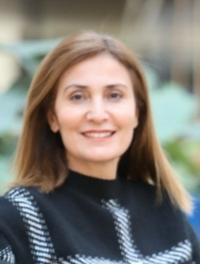
How did you get interested in medicinal chemistry?
My interest in medicinal chemistry emerged during my early academic training in pharmaceutical chemistry. I was fascinated by the idea that small molecules could interact with biological systems and influence complex cellular processes. Understanding how chemical structures translate into biological activity opened a new perspective for me, particularly in the context of drug discovery. This interdisciplinary field, which combines chemistry with biology and medicine, naturally led me to focus on medicinal chemistry and the design of biologically active molecules.
Where did you have your postdoc position?
I completed my postdoctoral research at the University of the Sciences in Philadelphia, USA, between 2008 and 2010. During this period, I had the opportunity to work in an international research environment and further develop my expertise in medicinal chemistry and drug design.
Where are you currently working and what is your current position?
I am currently working at Ankara University, Faculty of Pharmacy, Department of Pharmaceutical Chemistry, where I serve as a Full Professor.
What are your current research interests?
With more than three decades of experience in medicinal chemistry, my research focuses on rational drug design, the synthesis of bioactive compounds, and the development of new pharmaceutical agents. In particular, my work involves the design and synthesis of small molecules targeting biologically relevant enzymes and signalling pathways, especially in cancer research. In addition, we use molecular modelling and structure–activity relationship studies to better understand how chemical modifications influence biological activity. Throughout my career, I have led and participated in many national and international research projects, aiming to translate scientific ideas into real discoveries.
What do you like best about your work?
What I enjoy most is the process of discovery. Designing a molecule, synthesising it, and then evaluating its biological activity is incredibly rewarding. I also greatly value mentoring students and young researchers. Seeing them develop their scientific thinking and grow into independent researchers is one of the most fulfilling aspects of my career.
How would you describe yourself as a supervisor?
I try to be supportive and approachable while maintaining high scientific standards. I encourage students to think independently and develop their own ideas, while guiding them through the scientific process and helping them build confidence as researchers.
Which of your papers are you most proud of and why?
Rather than a single publication, I am proud of the collective work produced with my research group over the years. Our studies on the design and synthesis of novel bioactive molecules, particularly potential anticancer agents, have contributed to the understanding of structure–activity relationships and new therapeutic strategies. These achievements are especially meaningful because they are the result of teamwork with talented students and collaborators.
Have you experienced any unfair situations during your scientific career? How would you advise scientists facing similar situations?
Like many researchers, I have encountered challenges and situations that were not always fair. However, I believe that persistence, integrity, and dedication to high-quality research are the most important factors for overcoming such difficulties. My advice to young scientists is to stay focused on their work, maintain scientific integrity, and build strong collaborations. In the long run, consistent and meaningful scientific contributions always speak louder than temporary obstacles.
Which scientist do you admire the most and why?
I admire scientists who have made transformative contributions to science through curiosity, perseverance, and creativity. In medicinal chemistry, many pioneers have significantly shaped the field by developing innovative strategies for drug discovery. What I find most inspiring is their ability to translate fundamental scientific knowledge into therapies that improve human health.
Which field of medicinal chemistry do you consider the most promising for the future?
I believe that the integration of medicinal chemistry with computational methods, artificial intelligence, and chemical biology will shape the future of drug discovery. In particular, targeted therapies, covalent inhibitors, and drugs addressing previously “undruggable” targets represent very promising directions. Additionally, interdisciplinary approaches that combine chemistry, biology, and data science will accelerate the development of more effective and personalized medicines. REPORT OF 5th ALPINE WINTER CONFERENCE ON MEDICINAL AND SYNTHETIC CHEMISTRY
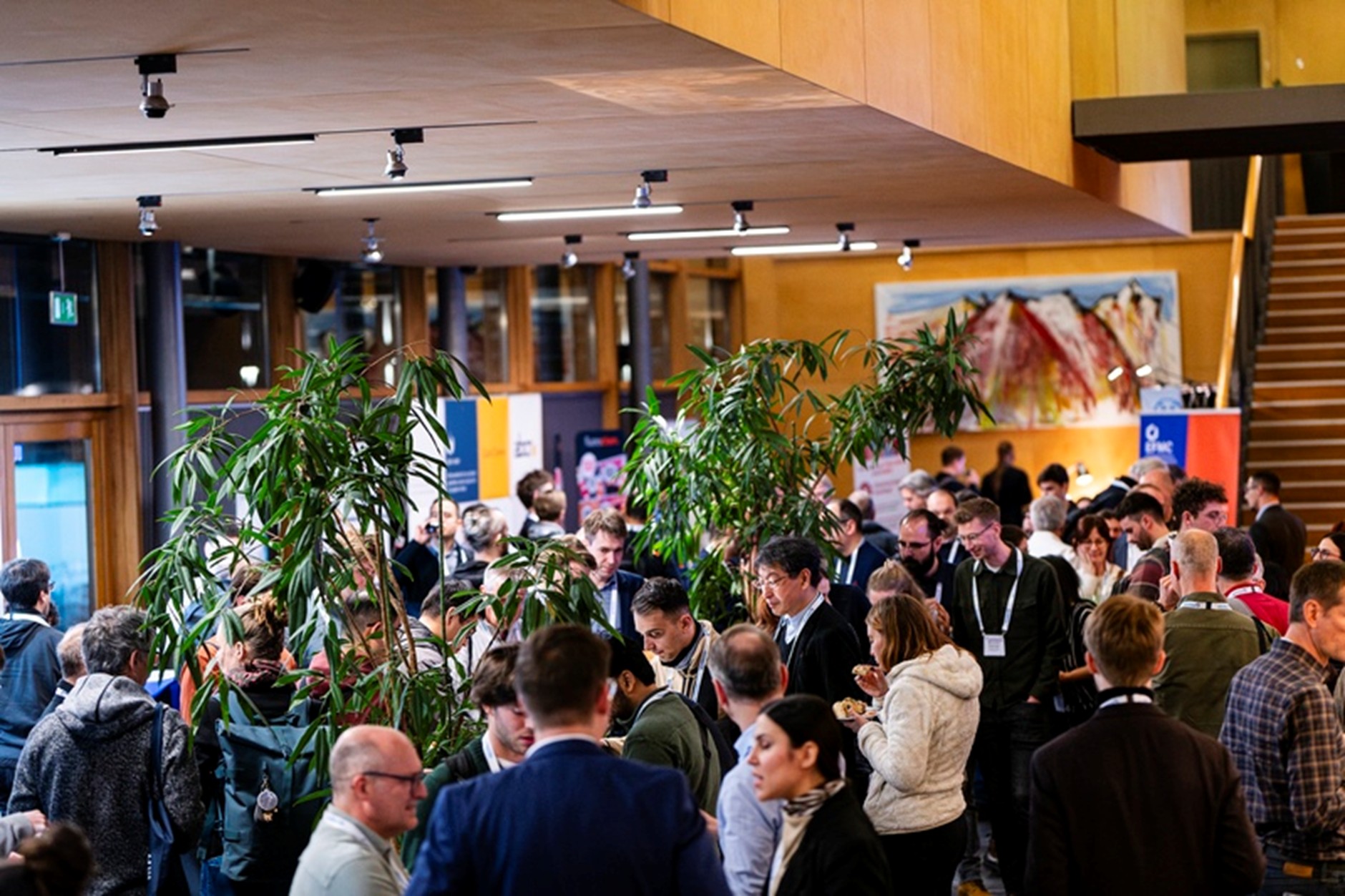
The 2026 conference held in St. Anton, Austria, from January 25 to 29 brought together a vibrant international community for a week of scientific exchange, discussion, and collaboration. This edition welcomed 172 participants representing 29 countries, highlighting the global reach and diversity of the event. The atmosphere throughout the week reflected the value of bringing together researchers from so many different regions and backgrounds.
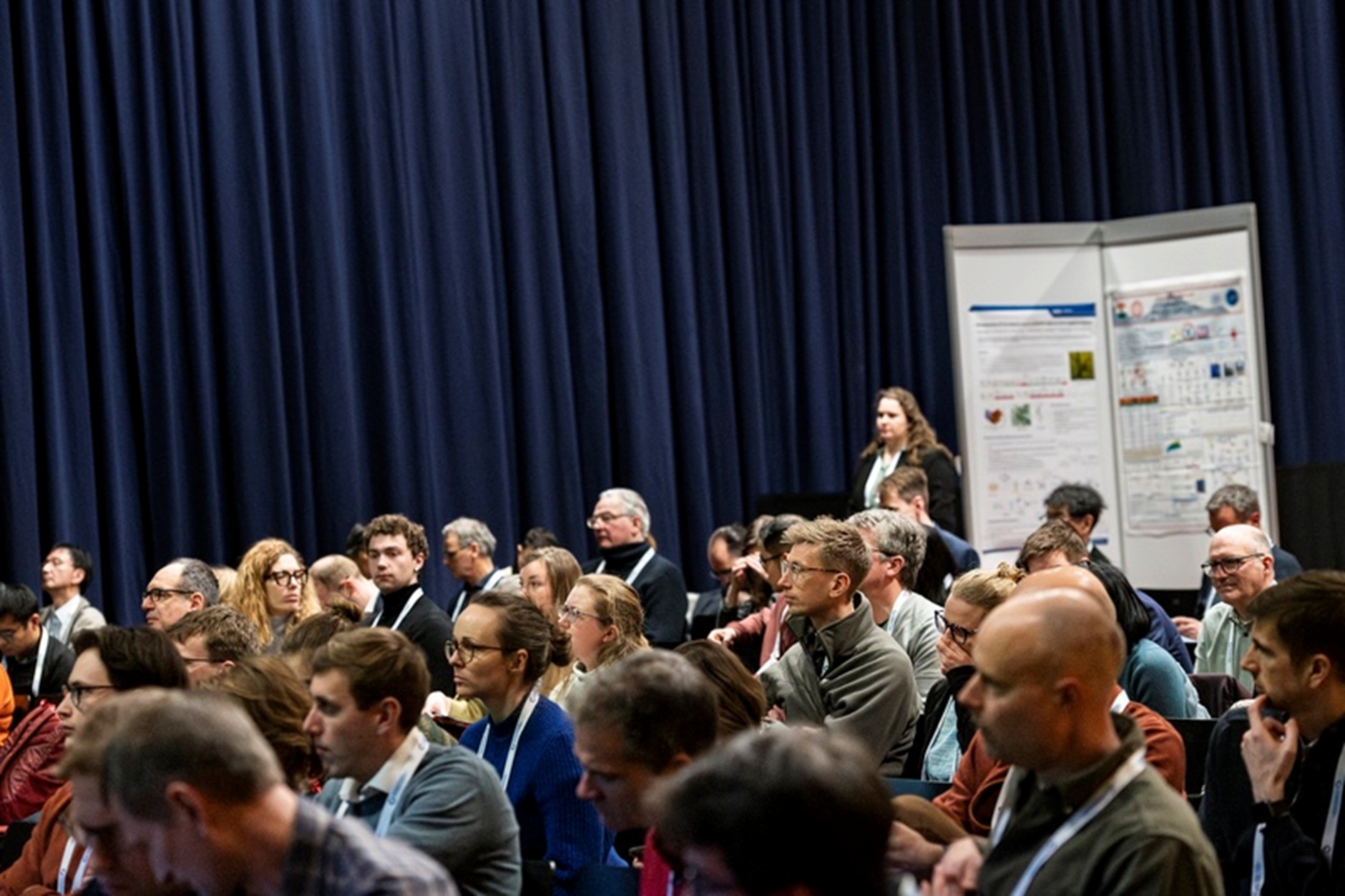
The scientific programme unfolded from Sunday to Thursday and offered a rich and well-balanced combination of keynote lectures, invited contributions, workshops, and poster sessions. In total, the event featured three keynote lectures, twenty-eight invited speakers, five oral communications selected from submitted abstracts, two workshops, and fifty-six poster presentations. The structure allowed for both depth and breadth, ensuring that participants could explore major recent developments while also engaging with emerging work from across the field.
The conference opened on Sunday evening with the first keynote address delivered by Prof. Scott E. Denmark, who set an ambitious and inspiring tone for the days ahead. On Monday evening, the second keynote was delivered by Prof. Véronique Gouverneur, whose talk on fluorochemicals stimulated considerable interest and lively discussion. The keynote series concluded on Thursday evening with a final presentation by Dr Jesper Lau, whose lecture provided a thoughtful and engaging close to the scientific programme. Each keynote session was allocated sixty minutes, giving speakers time to explore their topics in depth and encouraging substantial engagement from the audience. The remaining talks were organized as thirty''.chr('8209').''minute presentations, creating a dynamic rhythm and allowing for a wide range of expert perspectives.
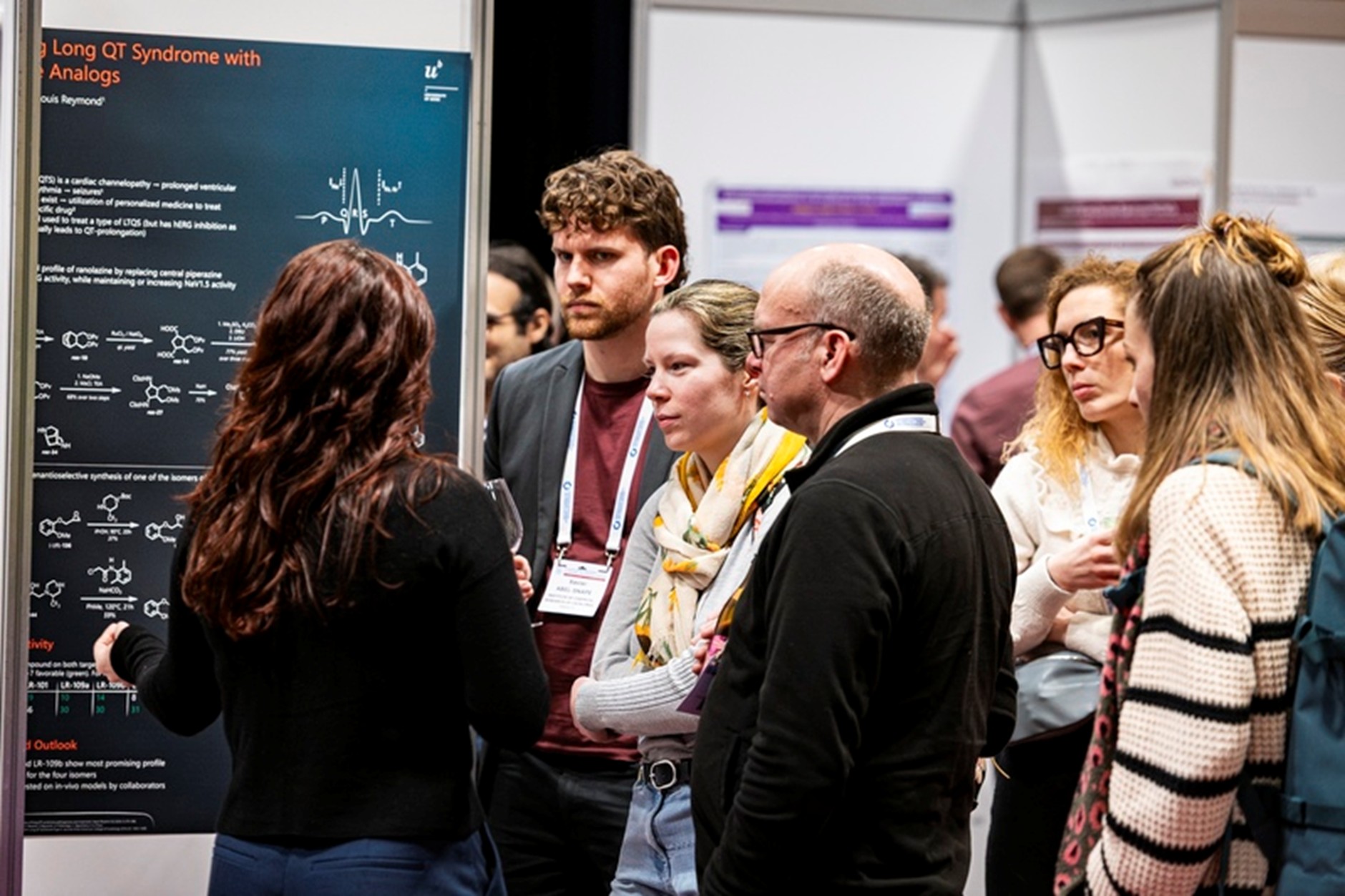
Beyond the lectures, the two workshops and the extensive poster session contributed to the event’s interactive spirit. The poster presentations, in particular, created an energetic forum for exchange, offering early''.chr('8209').''career researchers and established scientists alike the opportunity to present their work, receive feedback, and initiate new collaborations.
Each midday break throughout the week was dedicated to networking activities, a deliberate choice that played an important role in the event’s success. These sessions encouraged participants to meet colleagues from other countries and institutions, share ideas, discuss potential partnerships, and expand their professional connections in a relaxed setting. Many attendees noted that these informal interactions were among the highlights of the week.
Overall, the 2026 edition was a strong and memorable edition, distinguished by its international scope, its scientifically rich programme, and its emphasis on community-building. The combination of high-quality presentations, interactive formats, and ample networking opportunities ensured a productive and inspiring experience for all who attended.

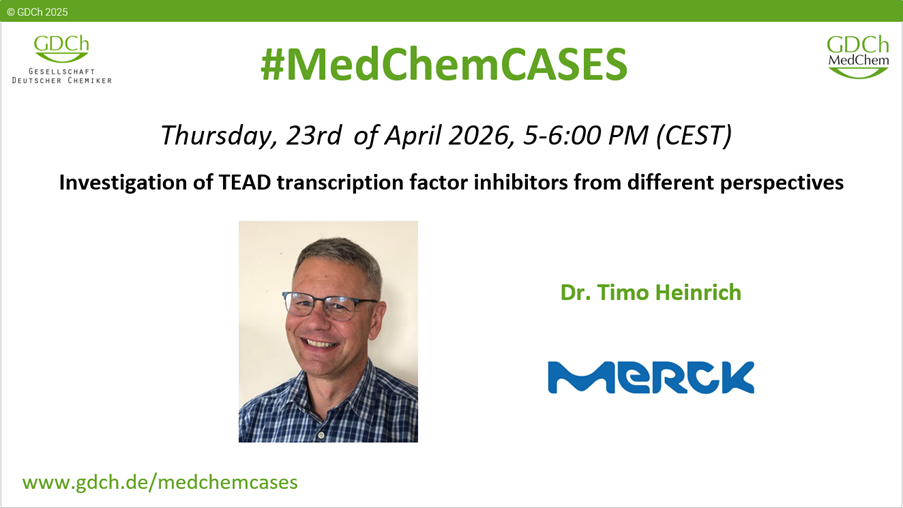
#MEDCHEMCASES - SEMINAR BY THE DIVISION OF MEDICINAL CHEMISTRY OF THE GERMAN CHEMICAL SOCIETY (GDCH)
The MedChem Division of the German Chemical Society (GDCh) would like to invite you to the next #MedChemCASES online seminar which will be held on April 23 by Dr Timo Heinrich (Merck).
The topic of the webinar will be “Investigation of TEAD transcription factor inhibitors from different perspectives.”
Register for free here.
#GDCh (MedChem Division), #NextGenMedChem.
A cell-based screening approach identified an azaindole-based hit, optimized to the pan-TEAD inhibitor MSC-2723, which demonstrated monotherapy effects in vivo. Structure-derived scaffold modifications led to the lactam-based TEAD1,2,4 inhibitor MSC-9643, which exhibited convincing synergism with an approved drug in vivo. Scaffold tuning resulted in the brain-penetrant inhibitor MSC-4070. Proton/deuterium exchange experiments with a fragment derived TEAD1 selective inhibitor revealed how TEAD P-site binding compounds interfere with the formation of an active YAP/TAZ-TEAD transcription complex. Together with MD simulations a working hypothesis is developed how TEAD selectivity impacts the benefit/risk ratio. NEWS FROM THE DIVISION FOR MEDICINAL CHEMISTRY & CHEMICAL BIOLOGY OF THE SWISS CHEMICAL SOCIETY (DMCCB)
Save the date for the Peptide Therapeutics Forum 2026, an interdisciplinary conference dedicated to bioactive peptides. Held on June 4-5, 2026, at the Biozentrum in Basel, Switzerland, the forum offers a unique opportunity to connect with leading experts and innovators in the field. Dive into the latest developments, from fundamental science to pre-clinical and clinical drug candidates, and engage in meaningful discussions shaping the future of peptide therapeutics.
Over the last decade, the Peptide Therapeutics Forum has become one of the leading interdisciplinary conferences on bioactive peptides. This year’s event will once again bring together academic and industrial experts, regulatory professionals, and CDMOs, offering a unique platform to exchange ideas, spark collaborations, and shape the future of peptide therapeutics.
- Cutting-Edge Research: Discover the latest advancements in peptide science, from fundamental research to drug candidates at all stages of development.
- Networking Opportunities: Connect with researchers, pharmaceutical professionals, regulatory authorities, and CDMOs in a collaborative environment.
- Renowned Speakers: Gain insights from an exceptional lineup of speakers, including Dr. Anne Louise Bank Kodal (Novo Nordisk), Prof. Phil Dawson (Scripps Research Institute), Prof. Yael David (Memorial Sloan Kettering Cancer Center), Dr. Alaric Desmarchelier (Almac Group), Dr. Thomas Fox (Boehringer Ingelheim), Dr. Marc-André Kasper (Tubulis GmbH), Dr. David Klein Cerrejon (Johnson & Johnson, former CEO & co-founder of OBaris), Prof. Joshua Kritzer (Tufts University), Prof. Alesia Tietze (University of Gothenburg), and Dr. René Thürmer (Bundesinstitut für Arzneimittel und Medizinprodukte).
Registration is now open, with abstract submission deadlines for talks and posters approaching in March and April, respectively.
Don’t miss this opportunity to connect, learn, and contribute to the future of peptide therapeutics. NEWS FROM THE BIOLOGICAL AND MEDICINAL CHEMISTRY SECTOR (BMCS) OF THE ROYAL SOCIETY OF CHEMISTRY (RSC)
The BMCS is happy to announce several upcoming events:
37th BMCS Spring Symposium on Medicinal Chemistry
Thursday 23 April 2026, The Fielder Centre, Hatfield, UK
Website: https://www.rscbmcs.org/events/hatfield26/
BMCS
Registration is open!
Synopsis: Known colloquially as the “Hatfield MedChem” meeting, this is a highly successful, long-standing, one-day meeting that runs annually. The scientific program will comprise presentations showcasing medicinal chemistry case studies from tools to candidates, across a range of modalities, therapeutic areas and target classes, as well as covering more general topics at the forefront of drug discovery. The meeting aims to be informal and interactive, and is ideal for all those working in medicinal chemistry and drug discovery more widely.
BMCS Hot Topics: Peptides in Drug Discovery
Wednesday 06 May 13.00-17.00 UK time, virtual
BMCS
Registration is open!
Website: https://www.rscbmcs.org/events/hottopicspeptides26/
Synopsis: The BMCS Hot Topics online meetings are intended to highlight breaking areas of research in fields of science relevant to drug discovery. They will run as stand-alone half-day virtual events, 2-3 times per year. The programme will be targeted towards researchers working who would like to enhance their understanding of these nascent or developing fields.
Peptides are a key modality for modulating biological pathways with the potential to enable mechanisms inaccessible to traditional small molecules. This meeting will showcase advances in peptide discovery and development, from cyclic and stapled scaffolds to strategies for achieving oral bioavailability. Talks will span discovery and optimisation technologies alongside chemistry strategies for stability, permeability, and delivery, with case studies charting progress from peptide leads to clinical candidates.
BMCS 6th Synthesis in Drug Discovery and Development
Monday 18 – Tuesday 19May 2026, virtual
BMCS
Registration is open!
Website: https://www.rscbmcs.org/events/sddd26/
Synopsis: Synthesis is at the heart of drug discovery and development. The industry has increasingly demanded higher quality clinical candidates and has sought to exploit less druggable biological targets. Densely functionalised small molecules with a high degree of synthetic complexity are often the result of these demands. Successful programmes therefore require the application of innovative synthesis in all stages of discovery and development. The medicinal chemist’s toolbox is also enhanced by the introduction of novel bioisosteres, often made available only through the application of new synthetic methods. This symposium aims to celebrate the crucial role of synthesis in the success of drug discovery and development.
5th SCI/RSC-BMCS Symposium on Anti-Infectives Drug Discovery
Monday 01 – Tuesday 02 June 2026, Francis Crick Institute, London, UK
SCI/BMCS
Registration and abstract submission open!
Website: https://www.rscbmcs.org/events/antiinfectives/
Synopsis: With the ever-growing prevalence of drug-resistant pathogens, it has never been more important that we refresh the drug pipeline with new antimicrobials that act on new targets or exhibit novel modes of action. The rise of antimicrobial resistance and recent COVID pandemic serve to highlight the importance of developing effective treatments for infection, and is helping to drive a resurgence in anti-infectives drug discovery and the development of innovative technologies and approaches for combating infection through more effective detection and diagnosis methods.
7th RSC-BMCS/DMDG New Perspectives in DMPK
Wednesday 10 June 2026, Burlington House, London, UK
BMCS/DMDG
Registration and abstract submission open!
Website: https://www.rscbmcs.org/events/dmpk26/
Synopsis: Novel small-molecule-based therapeutic approaches represent a key component of the discovery landscape. The emergence of molecular glues, PROTACs, bicyclic peptides, and other novel chemistries often bring with them new challenges for drug discovery scientists; synthetic difficulty, beyond rule-of-five physicochemical properties, and complexity in the link between exposure and response, may complicate ADME characterisation and accurate human dose prediction, particularly for drugs aimed at oral administration. This meeting will provide a forum for the exchange of ideas between principal members of the DMPK research community on how we can rise to these challenges. Keynote talks from thought leaders will provide wider perspectives on how DMPK can contribute to the delivery of medicines to patients more quickly and efficiently. There will be a balanced mix of oral and poster presentations, and networking opportunities throughout.
9th Artificial Intelligence in Chemistry Symposium
Wednesday 02 – Friday 04 September 2026, Churchill College, Cambridge, UK
RSC-CICAG/BMCS
Registration and abstract submission open!
Website: https://www.rscbmcs.org/events/aichem9/
Synopsis: Artificial intelligence is increasingly revolutionizing chemistry. We are witnessing the impact of new methods and practical applications in many diverse areas of chemistry. Following on the successes of eight annual “Artificial Intelligence in Chemistry” meetings starting in 2018, we are pleased to announce that the Chemical Information & Computer Applications Group (CICAG) and Biological & Medicinal Chemistry Sector (BMCS) of the Royal Society of Chemistry are once again organizing a conference to present the latest advances in AI and machine learning in chemistry. The meeting will be held over two and half days and will combine aspects of artificial intelligence and deep machine learning methods to applications in chemistry. The programme will include a mixture of keynote talks, panel discussions, oral presentations, flash presentations, posters and opportunities for open debate, networking and discussion.
This year’s meeting will again feature the popular “Introduction to AI in Chemistry” workshop on Day 1, including an introduction to Python and Jupyter notebooks.
10th RSC-BMCS Fragment-based Drug Discovery Meeting
Monday 14 – Wednesday 16 September 2026, Churchill College, Cambridge, UK
BMCS
Registration and abstract submission open!
Website: https://www.rscbmcs.org/events/fragmentsx/
Synopsis: The aim of the 10th RSC-BMCS Fragment-based Drug Discovery meeting will be to continue the focus on case studies in Fragment-based Drug Discovery that have delivered compounds to late stage medicinal chemistry, preclinical or clinical programmes. The Fragment series was started in 2007 and continues with this theme in having over three-quarters of the presentations focused on case studies. This will be complemented by technology progress in high concentration, NMR, SPR and X-ray screening.
10th RSC-BMCS/SCI Symposium on GPCRs in Medicinal Chemistry
Wednesday 30 September – Friday 02 October, 2026, Evotec Campus, Verona, Italy
BMCS/SCI
Abstract submission is open!
Website: https://www.rscbmcs.org/events/gpcrs26/
Synopsis: The key role of G protein-coupled receptors (GPCRs) in human disease underpins their importance to modern medicine. We are pleased to hold this 10th meeting in the series on GPCR drug discovery, which combines cutting edge medicinal chemistry with innovative structural biology and novel drug design approaches.
ELRIG Drug Discovery 2026
Wednesday 14 – Thursday 15 October 2026, Excel London, UK
BMCS/RSC Medicinal Chemistry/ELRIG
A date for your diary!
Website: https://elrig.org/portfolio/drug-discovery-2026/
Synopsis: RSC-BMCS is once again collaborating with RSC Medicinal Chemistry and ELRIG to present a chemistry-focused track at ELRIG Drug Discovery, Europe’s leading drug discovery and life sciences conference.
RSC-BMCS/SCI Targeting Protein Degradation 5
Wednesday 21 – Thursday 22 October 2026, The Fielder Centre, Hatfield, UK
BMCS/SCI
Registration and abstract submission open!
Website: https://www.rscbmcs.org/events/protdeg26/
Synopsis: One of the most exciting new therapeutic modalities to emerge in the 21st century has been Targeted Protein Degradation (TPD). In 2021, the Targeted Protein Degradation Market size was valued at USD 400.5 million and is poised to grow from USD 507.0 million in 2022 to USD 3,300.0 million by 2030 and so has attracted interest from academia, non-profit organisations through to CROs and small and large pharma. This multidisciplinary meeting aims to present the latest developments in the design, biology, chemistry and ADME in TPD within the general themes of PROTACS (including non-oncology targets), Molecular Glues and non-PROTAC degraders. We aim to highlight the newest in enabling technologies such as computational techniques, Direct to Biology, HT synthesis (click, photochemistry etc) and structural biology methods.
Recent Trends in Medicinal Chemistry and Enabling Technologies
Wednesday 02 December 2026, Burlington House, London, UK
BMCS/SMR
A date for your diary!
Website: https://www.smr.org.uk/Meetings/
Synopsis: BMCS and the Society for Medicines Research will again jointly host this popular biennial symposium covering medicinal chemistry, chemistry-based drug discovery-enabling technologies
and chemical biology, reflecting the breadth of work taking place in academia and industry to advance our understanding and to underpin medicines research. NEWS FROM THE SOCIETY FOR MEDICINES RESEARCH (SMR)
The Society for Medicines Research T2P26 conference is now open for in person and online registrations – full details at SMR.
We have a fantastic line up of speakers covering 5 sessions on:
- Machine Learning for Target Identification;
- Rewiring Biology through Induced Proximity;
- Impact of Advances in Analytical Sciences;
- Complex in vitro Models;
- Improving Clinical Trial Ooutcomes.
Plenary speakers:
- Dr Anne Phelan (SVP GSK target discovery)
- Professor Dame Carol Robinson DBE FRS FMedSci FRSC (Dr Lee's Professor of Chemistry, Oxford; co-founder and Chief Scientific Consultant of OMass)
- Dr Cathy Vickers (Head of Innovation, NC3Rs)
- Dr Malcom Skingle CBE FMedSci (formerly Director Academic Liaison, GSK)
Supported by the following speakers: Fergus Imrie, University of Oxford; Harpreet Saini, Astex Pharmeceuticals; Mo Lotfollahi, Sanger Institute; Prof Payam Barnaghi, Imperial College London; Lyn Jones, Dana Faber Cancer Institute; Agnieszka Konopacka, ICR ; Giles Brown, Amphista Therapeutics ; Roman Sarott, Max-Planck-Institute, Heidelberg; Maria Augusta Arruda, Director of Brazilian National Biosciences Lab (Brazil); Prof Josephine Bunch, National Physics Laboratory, London; Chris Thompson, Co-Founder and CTO, Micrographia; Prof Volker Lauschke Professor in Translational Pharmacology, Karolinska Institute; Prof Maddy Parsons Professor of Cell Biology, Kings College London; Tomasz Kostrzewski, CSO, CN-Bio; Rhiannon David, Head of Advanced Cell Models, Safety Sciences, AstraZeneca; Prof Jeremy Hobart, Professor of Health Measurement and Consultant Neurologist, Peninsula College of Medicine and Dentistry; Prof Duncan Richards, Professor of Medicine, University of Cambridge; Chris Wallace, Wellcome Trust Senior Research Fellow, University of Cambridge and Director, GSK; Sumu Sethi, Senior Director, Digital Health, GSK
There will be panel discussions with speakers, poster and exhibitor sessions and plenty of time for networking.
Please consider join us by registering yourself and/or forwarding this email to as many of your contacts as you can!
Discounted prices before 13/03/2026
|
|
|
|
|
|
EFMC ORGANISED EVENTS
April 19-22, 2026
Oegstgeest, The Netherlands
EFMC Short Course on Medicinal Chemistry
May 7, 2026
Online Event
8th EFMC Tandem Talk
June 22-25, 2026
Dublin, Ireland
EFMC-ACSMEDI MedChem Frontiers 2026
September 6-10, 2026
Basel, Switzerland
EFMC Medicinal Chemsitry 2026
September 10-11, 2026
Basel, Switzerland
EFMC Young Scientists 2026
EFMC SPONSORED EVENTS
April 20-21, 2026
Hinxton, United Kingdom
TARGET TO PATIENT 2026 (T2P26)
May 6, 2026
Paris, France
Perspectives in Medicinal Chemistry and Chemical Biology 60 years of SCT
June 2-4, 2026
Kuopio, Finland
Computational and Medicinal Chemistry by the Lake 2026
July 1-3, 2026
Paris, France
60th edition of the International Conference on Medicinal Chemistry (RICT 2026)
|
|



