|
|
EFMC PRIZES 2026 ANNOUNCED!
The EFMC is happy to announce the names of the 2026 Prize winners.
- EFMC Prize for Young Medicinal Chemist or Chemical Biologist in Academia
The selection committee designated Prof. Daniel Merk (Ludwig Maximilian University of Munich, Germany) as the winner of the 2026 EFMC Prize for a Young Medicinal Chemist or Chemical Biologist in Academia
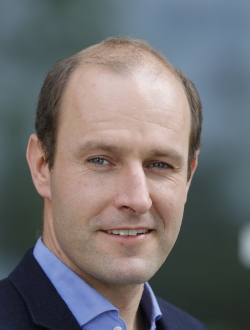
Daniel Merk is Full Professor/Chair of Pharmaceutical & Medicinal Chemistry at Ludwig-Maximilians-University (LMU) Munich. His research mainly focuses on chemical tool development for orphan nuclear receptors and the application of chemical language models for molecular design. Daniel Merk studied Pharmaceutical Sciences and Pharmacy at LMU and obtained his PhD in Pharmaceutical and Medicinal Chemistry from Goethe University (GU) Frankfurt in 2015. He was a Junior Group Leader in Pharmaceutical Chemistry at GU and Postdoctoral ETH Fellowship Scholar at the Swiss Federal Institute of Technology (ETH) Zurich before he finished his Habilitation in Pharmaceutical Chemistry at GU in 2019. Between 2019 and 2021, he was Independent Group Leader at GU before joining LMU as Chair of Pharmaceutical & Medicinal Chemistry in 2021. His work was recognized with the Aventis Life Science Bridge Award (2019), the GDCh/DPhG Innovation Award in Medicinal Chemistry (2020) and an ERC starting grant (2021).
Dr Luca Laraia (Technical University of Denmark, Denmark) and Dr Benjamin Schumann (TUD Dresden University of Technology, Germany) have been recognised as the most meritorious runners-up.
- EFMC Prize for Young Medicinal Chemist or Chemical Biologist in Industry
The selection committee designated Dr Fabian Hulpia (Janssen Pharmaceutica, Belgium) as the winner of the 2026 EFMC Prize for a Young Medicinal Chemist or Chemical Biologist in Industry
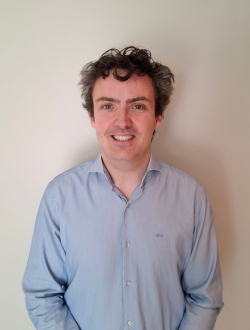
Fabian Hulpia is a Principal Scientist at Johnson & Johnson in Beerse, Belgium, focused on small-molecule oncology discovery in Global Discovery Chemistry. Trained as a pharmacist, he completed a PhD and postdoctoral work in medicinal chemistry at Ghent University and has helped advance oncology programs to clinical candidate nomination. He currently leads innovative targeted therapy projects across the portfolio.
Dr Maria Majellaro (Celtarys Research, Spain) and Dr Stig Friis (AstraZeneca, Sweden) have been recognised as the most meritorious runners-up.
The two Prizes are given annually and consists of a diploma, € 2.500 and an invitation for a short presentation at an EFMC symposium. For the 2026 edition, the prize-winners are invited to give an oral communication at the EFMC International Symposium on Medicinal Chemistry (EFMC Medicinal Chemistry 2026), scheduled to take place in Basel, Switzerland on September 6-10, 2026.
Join us in celebrating these six outstanding researchers, and in recognising all the excellent candidates who applied for this edition of the prizes.
2026 EFMC-YSN PhD PRIZE AWARDED
The selection committee designated Dr Tony Georgiev (Philochem AG, Switzerland) as the winner of the 2026 EFMC-YSN PhD Prize, sponsored by Selvita.
Dr Jaka Dernovsek (University of Ljubljana, Slovenia) has been designated as the most meritorious runner-up.
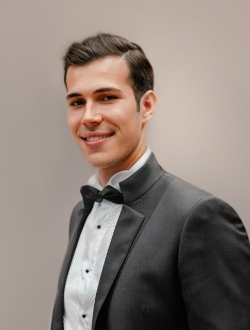
Tony Georgiev obtained his MSc in Chemistry from ETH Zürich in 2018. He completed his doctoral studies in 2024 as part of the Philochem AG/IUSS Pavia Industrial PhD Program, working in the Small Molecule Therapeutics Team on the discovery of novel therapeutics against metastatic prostate cancer. The highlight of his PhD work was the discovery and development of OncoACP3 – the first-in-class ultra-high affinity small molecule ligand, targeting prostatic acid phosphatase (Acid Phosphatase 3, ACP3), derived from a DNA-Encoded Chemical Library. The results of this venture were published in Nature Biomedical Engineering, and the asset was licensed by RayzeBio (a BMS company), highlighting its pharmaceutical relevance. Following his PhD, Tony remained at Philochem AG to continue his career as a Research Scientist, focusing on translational oncology research and the initiation of new programs on oncological targets of interest.
The prize, kindly sponsored by Selvita, will consist of a diploma, 1.000€ and an invitation to deliver an oral communication at the 13th EFMC Young Medicinal Chemists' Symposium (EFMC Young Scientists 2026). The 2026 winner will also receive a free registration and a 500€ travel grant to attend both the EFMC Medicinal Chemistry 2026 and the EFMC Young Scientists' Symposium 2026 which will take place in Basel, Switzerland on September 6-10 & September 10-11, 2026. LITERATURE SPOTLIGHT
The “Literature Spotlight” section of the newsletter offers concise and accessible summaries of recently published research. It highlights a range of themes drawn from various journals, with this edition’s contribution provided by Dr Gwenaëlle Jézéquel (Laboratory of Coordination Chemistry, Toulouse, France).
This contribution discusses the recently published article “Breaking Down Barriers: CorA Effectively Targets Staphylococcal Biofilms in Vitro and in Vivo” by De Benedetti et al., published in ChemMedChem.
Antimicrobial resistance is often called “the silent pandemic”, as it represents a global burden causing an estimated 5 million deaths per year. This is a pressing matter that is addressed in this month’s publication by targeting biofilms in Staphylococcus aureus. Biofilms are structured, surface-associated microbial communities embedded in a self-produced extracellular matrix that exhibit enhanced resistance to antibiotics and host immune responses. Current treatments for staphylococcal biofilms, often relying on rifampicin-based regimens, are limited by the rapid development of resistance, hepatotoxicity, and drug-drug interactions, while glycopeptides like dalbavancin struggle to penetrate established biofilms.
The authors evaluated corallopyronin A (CorA), a natural product antibiotic produced by Corallococcus coralloides, for its potential to inhibit and eradicate staphylococcal biofilms. CorA targets the switch region of bacterial RNA polymerase, distinct from the rifampicin-binding site, conferring activity against rifampicin-resistant (Rif-R) strains while sparing eukaryotic polymerases. The study assessed CorA’s efficacy across a panel of clinical and reference S. aureus strains, including strong biofilm formers and Rif-R isolates, using Calgary biofilm device assays and confocal laser scanning microscopy. CorA prevented biofilm formation, but also eradicated established biofilms at concentrations close to its MIC, outperforming dalbavancin (4–128× MIC) and rifampicin (4–8× MIC). Notably, CorA retained activity against Rif-R strains, a critical advantage over existing therapies. Interestingly, it also reduced the viable population in established biofilms for 97% of the 33 strains tested.
In a murine foreign body infection model with S. aureus SA113, CorA treatment (36 mg/kg) achieved a >4-log''.chr('8321').''''.chr('8320').'' reduction in bacterial loads on implanted catheters and surrounding tissues, comparable to high-dose rifampicin (12.5 mg/kg). Additionally, CorA reduced local inflammation, as evidenced by lower edema sizes and decreased IL-1β levels in peri-implant tissues. These results highlight CorA’s potential as a dual-action agent, effective against both planktonic and biofilm-embedded staphylococci, including resistant strains, while mitigating inflammatory responses.
This work positions CorA as a promising candidate for treating biofilm-associated infections, where conventional antibiotics often fail. Its unique mechanism of action, low resistance frequency, and favorable ADME properties further support its clinical potential.
Read the article! 23rd EFMC-YSN MEDCHEMBIOONLINE | FIGHTING BACK: NEXT-GENERATION STRATEGIES TO COMBAT ANTIMICROBIAL RESISTANCE
This webinar will explore next-generation strategies to reinvigorate antibacterial discovery, with particular emphasis on identifying new vulnerabilities in pathogens and advancing drugs with novel mechanisms of action that can outpace resistance.
Antimicrobial resistance (AMR) is steadily eroding the effectiveness of once-reliable therapies, rendering many standard antibiotics ineffective and increasing the risk of treatment failure. As resistance spreads, routine procedures such as common surgeries, cancer chemotherapy, and organ transplantation are becoming more dangerous because of the growing threat of untreatable infections. The discovery of new antibacterial agents is therefore an urgent global health priority. Yet antibiotic development remains scientifically and economically complex, demanding sustained innovation and coordinated action across the R&D ecosystem.
The confirmed speakers for this edition of MedChemBioOnline are:
- Prof. Anna K. H. HIRSCH (HIPS, Germany)
- Dr Alessia MICHELOTTI (Bioversys, France)
- Prof. Nathaniel MARTIN (Leiden University, The Netherlands
A round table discussion at the end of the event will allow you to ask questions.
What sets EFMC-YSN MedChemBioOnline apart is its flexibility and accessibility. The webinar is free and open to everyone, making it easy to balance your attendance with other commitments. And because it's organised by EFMC-YSN, you'll have the opportunity to connect with a global community of young scientists who share your interests and goals.
The event will take place on June 16 between 15:30 and 17:30 CEST and we kindly invite you to register on https://www.medchembio.online/.
MEDCHEMBIO VIDEO ONLINE
The EFMC-YSN, together with the Hellenic Society of Medicinal Chemistry – Connect Young Scientists (HSMC-CYS), and the Italian Chemical Society – Young Division of Medicinal Chemistry (SCI-DCF) are pleased to announce the 1st MedChemBio Video Online, a joint online video competition dedicated to Medicinal Chemistry, Chemical Biology, and Computational Chemistry.
This innovative event will be hosted on LinkedIn from June 8-12, 2026. The MedChemBio Video Online is open to early-career researchers worldwide, from both academia and industry.
If you like to present your research in a dynamic video format, connect with peers and experts across the globe, enhance the visibility of your work, and be considered for one of our official prizes, please register via the form below by May 27, 2026.
Save the date, spread the word (#MCBVideo26), and join us for the 1st MedChemBio Video Online!
Registration & More information!
EFMC-YSN WEBINAR | CAREER DESIGN: OPPORTUNITIES BEYOND THE TRADITIONAL SCIENTIFIC PATH
This webinar, hosted jointly by EFMC YSN, SEQT, and the Society for Medicines Research (SMR) will explore diverse and impactful career paths in drug discovery and the life sciences.
The event is designed to broaden attendees’ understanding of opportunities beyond traditional academic or industry research roles, combining short speaker presentations with interactive discussions featuring professionals from a range of non-traditional scientific careers. The session aims to inform and inspire early-career scientists as they consider and prepare for alternative career trajectories within the life sciences sector.
When: Wednesday, 27th of May | 13:30 CET
Speakers:
- Maria Lamprech, Scientific Illustrator, LampScience
- Isobel Tibbetts, Publishing Editor, RSC
- Jessica Iegre, Head of Business Development, PharmEnable Therapeutics
- Laurence Silpa, VC Fellow, Wild Tree Ventures
- Fontcalda Garde, Operation Management, Almirall
- Paula Carrero, Patents, Chemogroup
Register!
MEET SARA PUGLIOLI, PHILOCHEM, SWTIZERLAND
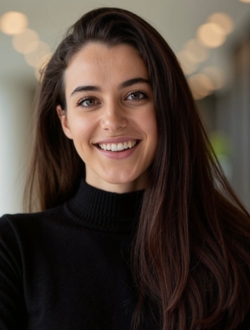
In this edition, our MedChemBioConversations is with Sara Puglioli from Philochem, Switzerland. Get to know her better by reading the interview below
How did you get interested in Medicinal Chemistry?
During my high school years, my science and physics teachers encouraged me to take part in an extracurricular program in collaboration with the University of Florence. The project focused on the synthesis and characterization of gold and iron nanoparticles for medical applications in cancer therapy. Through this experience, I had my first exposure to organic synthesis and laboratory work with a clear connection to medicinal chemistry. It sparked my interest and I really enjoyed my time in the lab where I could combine my passion for chemistry, biology, and physics with the opportunity to contribute to improving human health. This ultimately led me to pursue a degree in Medicinal Chemistry. Since then, I have been passionate about the field.
What are your current research interests?
I am currently working as a Research Scientist in a biotech company based in Zürich, with a strong focus on cancer-targeted therapies. Unlike conventional cytotoxic chemotherapy, targeted therapies offer improved efficacy and selectivity, while minimizing damage to healthy tissues and reducing common side effects such as hair loss, gastrointestinal disorders, and nausea.
Building on my PhD work, I apply high-throughput technologies - specifically DNA-Encoded Libraries (DELs) - to enable the parallel synthesis and screening of compounds with pharmaceutical potential. This approach significantly accelerates the identification of new lead candidates for drug discovery.
My research interests span between medicinal chemistry, chemical biology, and machine learning tools applied to the drug discovery process.
How would you explain what your research area is to non-scientists?
The primary goal of a medicinal chemist is to discover and develop new molecules with the aim of improving patient outcomes and lives. In the context of cancer therapy, this is particularly challenging, as cancer comprises a broad range of distinct diseases. It is therefore essential to understand these differences in order to design therapies that are more specific, effective, and better tolerated. This requires working at the edge of multiple intriguing fields such as chemistry, biology, and immunology. And yes, we do wear lab coats and safety goggles, but our work is far less dramatic than often portrayed… we don’t typically cause explosions or blow up the lab at the end of our experiments!
What do you like best about your work?
What I enjoy most about my work is the variety it offers: no two days are the same, and I am constantly engaged in a wide range of experiments across different areas. I also spend a significant amount of time questioning, troubleshooting, and finding solutions to the challenges that arise on a daily basis.
It is exciting to explore the scientific literature and discover how others have approached similar problems, but even more rewarding is the possibility of contributing something new, exploring questions that have not yet been answered.
What kind of tasks does your work involve?
My role requires me to balance multiple responsibilities: conducting my own research, training new students and supervising and guiding their scientific projects, troubleshooting technical issues with laboratory equipment, actively participating in both scientific and non-scientific meetings and discussions, and contributing to the writing of scientific manuscripts and patents.
What kind of skills does your work require?
Above all, flexibility is essential. Scientific work often does not go as planned, and it is important to adapt to unexpected challenges with a resilient and open mindset. In addition, teamwork, strong organizational skills, and effective communication are key qualities for success in this field.
How many PhD students and postdocs do you currently supervise?
I am currently responsible for supervising one PhD student, one internship student, and one Master’s student.
How would you describe yourself as a supervisor?
I consider myself an attentive and responsible supervisor. At the beginning of a student’s research journey, I prioritize establishing a close one-to-one working relationship and dedicate time to teaching both the theoretical and practical aspects of medicinal chemistry research. I provide honest and constructive feedback and actively encourage students to share their perspectives as well. As their confidence and independence grow, I gradually give them more autonomy in their daily work, while remaining available for questions and scientific discussions to help shape the future direction of their projects. I find this stage particularly rewarding and exciting.
Are you currently looking for a new PhD student or a postdoc?
At the moment, we do not have open positions; however, at Philochem we regularly offer opportunities for PhD students and are always happy to receive strong applications from interested candidates.
What do you consider your greatest achievement in your scientific career?
The greatest achievement of my work is seeing its direct impact on patients’ lives. At Philochem, we collaborate closely with hospitals and physicians who evaluate our molecules directly in clinical settings. Knowing that the compounds we develop can reach patients and potentially improve their outcomes is incredibly motivating and rewarding.
Which of your papers are you most proud of and why?
The achievement I am most proud of is a manuscript currently under revision. This work originated from an idea developed jointly with a colleague, combining our respective areas of expertise and research interests in chemistry and machine learning.
Together, we conceived the concept, designed and carried out the experiments, and wrote the manuscript. Notably, we managed the entire process independently, without direct supervision, and in a field that differs from both our primary area of research. This experience was both challenging and highly rewarding, as it allowed us to step outside our usual scope and develop a project from idea to near-publication.
What are the features of a successful PhD student or postdoc?
You need to be passionate about the field, motivated to overcome challenges, and able to maintain a flexible mindset. In addition, it is important to be resilient and capable of handling periods of high pressure.
What advice would you give to someone who wants to know more about your field?
To speak and connect with people that are working on the field.
What would you like to ask from other medicinal chemists?
I would be interested in asking senior medicinal chemists about their research and career journeys. I am fascinated by the diversity of backgrounds and the wide range of paths that careers (and lives) can take in this field.
Have you experienced any unfair situations during your scientific career? How would you advise scientists facing similar situations?
Unfortunately, yes. I believe it is part of the nature of research, which is inherently a competitive environment. The best way to navigate this is to take pride in your day-to-day journey and to recognize the personal and professional growth you achieve at each stage of your career. This is something that primarily depends on you and cannot be taken away by others.
What is the most embarrassing thing you have done in the lab while doing experiments, e.g. explosions?
When an experiment leads to an unexpected outcome and I find myself puzzled, I tend to walk around the lab saying, “This doesn’t make any sense!” I have done this so often that my colleagues now associate the phrase with me and occasionally tease me by repeating it in unexpected situations.
Which scientist do you admire the most and why?
Like many female scientists, I grew up with Marie Curie as a role model.
More recently, I had the opportunity to attend a talk by Nobel Prize laureate Jennifer Doudna, whom I also found deeply inspiring. Her passion and depth of knowledge are remarkable, and it is fascinating to see how her curiosity-driven approach to scientific questions has led to breakthrough discoveries across multiple fields.
Which field of medicinal chemistry do you consider the most promising for the future?
I believe that the integration of AI tools across the different stages of drug discovery will significantly reshape the future of the field.
What would you expect to be the next breakthrough in medicinal chemistry?
I believe that targeted therapies (i.e., gene therapy) are becoming a breakthrough in modern medicine. The possibility of developing drugs that specifically address an individual patient’s disease holds enormous potential. At the same time, this progress brings new challenges from a pharmaceutical industry perspective. SHOWCASING THE CONNECT YOUNG SCIENTISTS (CYS) GROUP OF THE HSMC
The Connect Young Scientists (CYS) is the newly established young group of the Hellenic Society of Medicinal Chemistry (HSMC). Our Board is comprised of a dedicated group of early-career researchers representing both academia and the pharmaceutical industry. Just as Cysteine residues form the essential covalent bonds that stabilize molecular structures, CYS aims to act as a bridge for young researchers in Greece and abroad, creating a robust network that promotes professional growth, knowledge exchange, and cross-border collaboration.
Despite being a recently formed group, we are already active in the international stage. In collaboration with the EFMC-YSN, we are co-organizing the MedChemBio Video Online competition, taking place from June 8th to 12th, 2026
This initiative marks our inaugural activity and is designed to provide a dynamic platform for young scientists across Europe. It offers a unique opportunity to showcase research through an innovative digital format that bridges the gap between complex science and creative communication.
Registration Deadline: May 27, 2026
Register here: https://buff.ly/Ojl92vH
To stay tuned for future events and networking opportunities, follow us on LinkedIn and Instagram.
SPOTLIGHT ON GREECE
The Connect Young Scientist group of the Hellenic Society of Medicinal Chemistry is pleased to highlight the recent publication, 'Discovery of the First-in-Class Inhibitors of Hypoxia Up-Regulated Protein 1 (HYOU1) Suppressing Pathogenic Fibroblast Activation,' featured in Angewandte Chemie International Edition.
Pathogenic fibroblast activation is a fundamental driver of fibrosis and chronic inflammatory diseases. Despite its clinical significance, current therapies largely manage symptoms rather than addressing the underlying cellular drivers. In this study, Papadopoulou and colleagues describe a paradigm shift from conventional immunosuppression by identifying a novel target for fibroblast pathogenicity.
Taking Amisulpride, a molecule with previously observed anti-fibrotic activity, as a starting scaffold, the authors utilized a phenotypic screening assay of activated fibroblasts to guide their medicinal chemistry efforts. Through parallel synthesis and iterative optimization of physicochemical properties, the team explored the SAR to identify derivatives with significantly improved potency and metabolic stability.
To elucidate the mechanism of action, the authors employed a multi-omic approach integrating chemoproteomics and bulk RNA sequencing. This workflow identified Hypoxia Up-Regulated Protein 1 (HYOU1) as the high-priority molecular target responsible for the observed phenotypic effect.
The target was rigorously validated using shRNA-mediated silencing and thermal shift assays (TSA), confirming the direct interaction between the inhibitors and HYOU1. Furthermore, molecular docking studies provided structural insights into the binding mode of the most potent compounds within the HYOU1 pocket. This discovery establishes HYOU1 inhibition as a promising, first-in-class therapeutic strategy for the treatment of fibroproliferative disorders.
Read the article! NEWS FROM THE HELLENIC SOCIETY OF MEDICINAL CHEMISTRY
Professor Panos N. Kourounakis, a pioneering figure in Medicinal Chemistry in Greece and an internationally respected scientist, passed away in April 2026 at the age of 91.
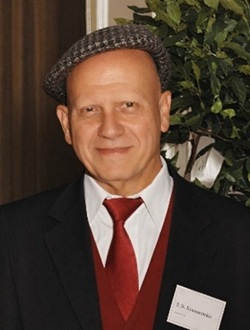
Born in Kalamata, Greece, he graduated from the University of Athens before pursuing a Ph.D. in Medicinal Chemistry at Chelsea College of Science and Technology, University of London, under Professor A.H. Beckett. He continued his early academic career at the University of Montreal, where he worked with the renowned Professor Hans Selye and was appointed Director of the Biochemistry Section of the Institute of Experimental Medicine and Surgery and later Assistant Professor.
In 1976, he returned to Greece to join the Aristotle University of Thessaloniki, where he served as Professor of Medicinal Chemistry, Director of the Division of Pharmaceutical Chemistry, and Dean of the School of Pharmacy. Over several decades, he played a decisive role in establishing and advancing Medicinal Chemistry and drug metabolism as academic disciplines in Greece, leaving a lasting institutional and scientific legacy.
Professor Kourounakis was a leading figure in the Greek and European medicinal chemistry community. He was a founding member of the European Federation of Pharmaceutical Sciences (EUFEPS) and of the Hellenic Society of Medicinal Chemistry (HSMC). In the latter he served as President for many years and became honorary president after retiring. He was an active delegate of Greece in international scientific bodies, including EFMC and EUFEPS. He also contributed extensively to public health and regulatory authorities as a member of the Administrative Council and drug approval committees of the National Organization for Medicines.
His scientific contributions spanned drug design, metabolism, and structure–activity relationships, reflected in approximately 200 research publications and several influential books. He supervised numerous doctoral and postgraduate students, mentoring a generation of scientists who continue to contribute to the field.
In recognition of his outstanding contributions to medicinal chemistry and pharmaceutical sciences, he was awarded the prestigious Hermann-Thoms Medal of the Deutsche Pharmazeutische Gesellschaft and honored by HSMC in a special ceremony.
Professor Kourounakis will be remembered not only for his scientific achievements but also for his dedication to teaching, his leadership, and his enduring enthusiasm for Medicinal Chemistry. #MEDCHEMCASES - SEMINAR BY THE DIVISION OF MEDICINAL CHEMISTRY OF THE GERMAN CHEMICAL SOCIETY (GDCH)
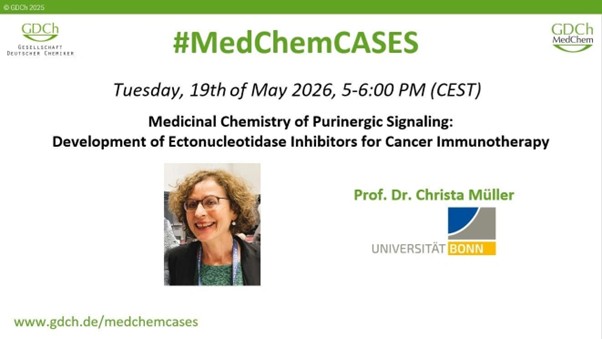
The MedChem Division of the German Chemical Society (GDCh) would like to invite you to the next #MedChemCASES online seminar which will be held on May 19 by Prof. Christa Müller (University of Bonn).
The topic of the webinar will be “Medicinal Chemistry of Purinergic Signaling: Development of Ectonucleotidase Inhibitors for Cancer Immunotherapy.”
Register for free here.
#GDCh (MedChem Division), #NextGenMedChem.
The extracellular nucleoside adenosine is an important signaling molecule activating G protein-coupled purine P1 (adenosine) receptors. These receptors, that belong to the family of class A, rhodopsin-like GPCRs, play crucial roles in inflammation, immunity, and cancer. For example, cancer and inflamed tissues can release large amounts of the nucleotide ATP, which is hydrolyzed by ectonucleotidases, expressed on many cancer and immune cells, leading to the production of high levels of extracellular adenosine. Subsequent activation of G protein-coupled adenosine A2A and A2B receptors results in cancer-promoting, angiogenic, pro-metastatic, and strongly immunosuppressive effects. Recent progress in the identification and optimization of ectonucleotidase inhibitors, utilizing structural biology, will be presented. These tool compounds, including labeled derivatives and conjugates, are used to study their targets’ role in health and disease. Moreover, they have potential for further development as diagnostic and therapeutic drugs. NEWS FROM THE BIOLOGICAL AND MEDICINAL CHEMISTRY SECTOR (BMCS) OF THE ROYAL SOCIETY OF CHEMISTRY (RSC)
The BMCS is happy to announce several upcoming events:
BMCS 6th Synthesis in Drug Discovery and Development
Monday 18 – Tuesday 19 May 2026, virtual
BMCS
Registration is open!
Website: https://www.rscbmcs.org/events/sddd26/
Synopsis: Synthesis is at the heart of drug discovery and development. The industry has increasingly demanded higher quality clinical candidates and has sought to exploit less druggable biological targets. Densely functionalised small molecules with a high degree of synthetic complexity are often the result of these demands. Successful programmes therefore require the application of innovative synthesis in all stages of discovery and development. The medicinal chemist’s toolbox is also enhanced by the introduction of novel bioisosteres, often made available only through the application of new synthetic methods. This symposium aims to celebrate the crucial role of synthesis in the success of drug discovery and development.
5th SCI/RSC-BMCS Symposium on Anti-Infectives Drug Discovery
Monday 01 – Tuesday 02 June 2026, Francis Crick Institute, London, UK
SCI/BMCS
Registration and abstract submission open!
Website: https://www.rscbmcs.org/events/antiinfectives/
Synopsis: With the ever-growing prevalence of drug-resistant pathogens, it has never been more important that we refresh the drug pipeline with new antimicrobials that act on new targets or exhibit novel modes of action. The rise of antimicrobial resistance and recent COVID pandemic serve to highlight the importance of developing effective treatments for infection, and is helping to drive a resurgence in anti-infectives drug discovery and the development of innovative technologies and approaches for combating infection through more effective detection and diagnosis methods.
7th RSC-BMCS/DMDG New Perspectives in DMPK
Wednesday 10 June 2026, Burlington House, London, UK
BMCS/DMDG
Registration and abstract submission open!
Website: https://www.rscbmcs.org/events/dmpk26/
Synopsis: Novel small-molecule-based therapeutic approaches represent a key component of the discovery landscape. The emergence of molecular glues, PROTACs, bicyclic peptides, and other novel chemistries often bring with them new challenges for drug discovery scientists; synthetic difficulty, beyond rule-of-five physicochemical properties, and complexity in the link between exposure and response, may complicate ADME characterisation and accurate human dose prediction, particularly for drugs aimed at oral administration. This meeting will provide a forum for the exchange of ideas between principal members of the DMPK research community on how we can rise to these challenges. Keynote talks from thought leaders will provide wider perspectives on how DMPK can contribute to the delivery of medicines to patients more quickly and efficiently. There will be a balanced mix of oral and poster presentations, and networking opportunities throughout.
9th Artificial Intelligence in Chemistry Symposium
Wednesday 02 – Friday 04 September 2026, Churchill College, Cambridge, UK
RSC-CICAG/BMCS
Registration and abstract submission open!
Website: https://www.rscbmcs.org/events/aichem9/
Synopsis: Artificial intelligence is increasingly revolutionizing chemistry. We are witnessing the impact of new methods and practical applications in many diverse areas of chemistry. Following on the successes of eight annual “Artificial Intelligence in Chemistry” meetings starting in 2018, we are pleased to announce that the Chemical Information & Computer Applications Group (CICAG) and Biological & Medicinal Chemistry Sector (BMCS) of the Royal Society of Chemistry are once again organizing a conference to present the latest advances in AI and machine learning in chemistry. The meeting will be held over two and half days and will combine aspects of artificial intelligence and deep machine learning methods to applications in chemistry. The programme will include a mixture of keynote talks, panel discussions, oral presentations, flash presentations, posters and opportunities for open debate, networking and discussion.
This year’s meeting will again feature the popular “Introduction to AI in Chemistry” workshop on Day 1, including an introduction to Python and Jupyter notebooks.
10th RSC-BMCS Fragment-based Drug Discovery Meeting
Monday 14 – Wednesday 16 September 2026, Churchill College, Cambridge, UK
BMCS
Registration and abstract submission open!
Website: https://www.rscbmcs.org/events/fragmentsx/
Synopsis: The aim of the 10th RSC-BMCS Fragment-based Drug Discovery meeting will be to continue the focus on case studies in Fragment-based Drug Discovery that have delivered compounds to late stage medicinal chemistry, preclinical or clinical programmes. The Fragment series was started in 2007 and continues with this theme in having over three-quarters of the presentations focused on case studies. This will be complemented by technology progress in high concentration, NMR, SPR and X-ray screening.
10th RSC-BMCS/SCI Symposium on GPCRs in Medicinal Chemistry
Wednesday 30 September – Friday 02 October, 2026, Evotec Campus, Verona, Italy
BMCS/SCI
Abstract submission is open!
Website: https://www.rscbmcs.org/events/gpcrs26/
Synopsis: The key role of G protein-coupled receptors (GPCRs) in human disease underpins their importance to modern medicine. We are pleased to hold this 10th meeting in the series on GPCR drug discovery, which combines cutting edge medicinal chemistry with innovative structural biology and novel drug design approaches.
ELRIG Drug Discovery 2026
Wednesday 14 – Thursday 15 October 2026, Excel London, UK
BMCS/RSC Medicinal Chemistry/ELRIG
A date for your diary!
Website: https://elrig.org/portfolio/drug-discovery-2026/
Synopsis: RSC-BMCS is once again collaborating with RSC Medicinal Chemistry and ELRIG to present a chemistry-focused track at ELRIG Drug Discovery, Europe’s leading drug discovery and life sciences conference.
RSC-BMCS/SCI Targeting Protein Degradation 5
Wednesday 21 – Thursday 22 October 2026, The Fielder Centre, Hatfield, UK
BMCS/SCI
Registration and abstract submission open!
Website: https://www.rscbmcs.org/events/protdeg26/
Synopsis: One of the most exciting new therapeutic modalities to emerge in the 21st century has been Targeted Protein Degradation (TPD). In 2021, the Targeted Protein Degradation Market size was valued at USD 400.5 million and is poised to grow from USD 507.0 million in 2022 to USD 3,300.0 million by 2030 and so has attracted interest from academia, non-profit organisations through to CROs and small and large pharma. This multidisciplinary meeting aims to present the latest developments in the design, biology, chemistry and ADME in TPD within the general themes of PROTACS (including non-oncology targets), Molecular Glues and non-PROTAC degraders. We aim to highlight the newest in enabling technologies such as computational techniques, Direct to Biology, HT synthesis (click, photochemistry etc) and structural biology methods.
Recent Trends in Medicinal Chemistry and Enabling Technologies
Wednesday 02 December 2026, Burlington House, London, UK
BMCS/SMR
A date for your diary!
Website: https://www.smr.org.uk/Meetings/
Synopsis: BMCS and the Society for Medicines Research will again jointly host this popular biennial symposium covering medicinal chemistry, chemistry-based drug discovery-enabling technologies
and chemical biology, reflecting the breadth of work taking place in academia and industry to advance our understanding and to underpin medicines research.
|
|
|
|
|
|
EFMC ORGANISED EVENTS
June 16, 2026
Online Event
24th EFMC-YSN MedChembioOnline
June 22-25, 2026
Dublin, Ireland
EFMC-ACSMEDI MedChem Frontiers 2026
September 6-10, 2026
Basel, Switzerland
EFMC Medicinal Chemsitry 2026
September 10-11, 2026
Basel, Switzerland
EFMC Young Scientists 2026
EFMC SPONSORED EVENTS
June 2-4, 2026
Kuopio, Finland
Computational and Medicinal Chemistry by the Lake 2026
July 1-3, 2026
Paris, France
60th edition of the International Conference on Medicinal Chemistry (RICT 2026)
July 10, 2026
Valencia, Spain
XII Symposium of Medicinal Chemistry Young Researchers 2026 (YRS2026)
September 13-16, 2026
Messina, Italy
30th National Meeting on Medicinal Chemistry (NMMC30) and 17th Young Medicinal Chemists Symposium “Nuove Prospettive in Chimica Farmaceutica” (NPCF17)
September 29, 2026
Online Event
The 6th Virtual ChemBioTalks
September 27 - October 1, 2026
Perugia, Italy
25th European Symposium on Quantitative Structure-Activity Relationship (EuroQSAR)
EFMC CERTIFIED SCHOOLS
July 1-3, 2026
Madrid, Spain
SEQT Summer School
July 5-9, 2026
Urbino, Italy
European School of Medicinal Chemistry (ESMEC)
September 21-23, 2026
University of Bologna – Rimini Campus, Rimini, Italy
SSPA Summer School
JOB PORTAL
SUNY PRODIG Plus Fellow in Chemistry
Stony Brook, United States
Read more
|
|



