|
|
EFMC AWARDS 2024 ANNOUNCED!
The EFMC is proud to announce the names of the 2024 Awards winners.
Congratulations to:
Dr Laurent Meijer (Perha Pharmaceuticals, France)
For his unparalleled achievements in the discovery and development of kinase inhibitors derived from natural sources, both within his academic and biotech endeavors. His groundbreaking work in discovering and developing pharmacological inhibitors has not only advanced fundamental research on protein kinases but also holds promise for addressing various diseases, from cancers to neurological disorders. Dr. Meijer's commitment to innovation and collaboration makes him a deserving candidate for this prestigious award, and his contributions continue to inspire medicinal chemists across Europe and beyond.
Prof. Stuart Conway (University of California, Los Angeles, United States)
For his pioneering contributions in medicinal chemistry and epigenetics that have reshaped our understanding of disease treatment. Stuart's groundbreaking research on bromodomain inhibitors has paved the way for new cancer therapies, while his efforts in parasitology offer hope for neglected tropical diseases. Beyond his scientific achievements, Stuart's advocacy for diversity and inclusion in academia sets a powerful example for us all. Today, we honor not only his scientific brilliance but also his commitment to building a more equitable future.
Prof. Véronique Gouverneur (University of Oxford, United Kingdom)
For her ground-breaking contributions to the field of fluorine (19F and 18F) chemistry for applications in medicine and Positron Emission Tomography (PET) Imaging. With over 45 fluorination reactions invented, including groundbreaking methods for 18F-radiolabeling, her contributions have bridged the gap between theory and practice, driving forward crucial technologies for the benefit of society. Prof. Gouverneur's exceptional leadership, coupled with her unwavering commitment to mentorship and training, cements her legacy as a transformative figure in the scientific community. She is truly deserving of recognition as one of the foremost organic chemists globally.
All three awards consist of a diploma, € 7.500, and an invitation to give a headline presentation at the EFMC International Symposium on Medicinal Chemistry.
The 2024 Awards will be presented at the XXVIII EFMC International Symposium on Medicinal Chemistry (EFMC-ISMC 2024), scheduled to take place in Rome, Italy on September 1-5, 2024.
EFMC AWARDS 2025 – CALL FOR NOMINATIONS
The 2nd "EFMC-WuXi AppTec Award for Excellence in Chemical Biology" will recognise outstanding research in the field of chemical biology as defined by EFMC in The Chemical Biology-Medicinal Chemistry Continuum: EFMC’s Vision, ChemBioChem 2021, 22, 2823– 2825.
The Award shall be open to any scientist whose age does not exceed 50 years on January 1st of the year during which the Award is to be presented, and whose accomplishment has not yet been honoured by other EFMC awards. In accordance with the EFMC core values of equal opportunities and inclusiveness, maternity/paternity leave, as well as leaves taken for health or private reasons are considered upon making the final selection.
The Award will consist of a diploma, € 7.500, and an invitation to present a lecture at an EFMC-ISCB symposium. The Award will be presented at the 2nd EFMC International Symposium on Chemical Biology (EFMC-ISCB 2025) to be held in Basel, Switzerland on January 29-31, 2025.
Deadline for submission: June 30, 2024
More information on The EFMC-WuXi AppTec Award for Excellence in Chemical Biology.
SPONSORED CONTENT: WUXI APPTEC
WuXi Chemistry: Integrated, end-to-end chemistry research, development, and commercial manufacturing services.
WuXi Biology: A full spectrum of biology-related services to support drug discovery and development.
EFMC PRIZES 2024 ANNOUNCED!
The EFMC is happy to announce the names of the 2024 Prize winners.
- 2024 EFMC Prize for Young Medicinal Chemist or Chemical Biologist in Academia
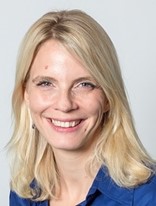
The selection committee designated Prof. Rebecca Buller (Zhaw School of Life Science and Facility Management, Switzerland) as the winner.
 |
|
Rebecca Buller is a biological chemist and Professor for Biotechnological Methods, Systems and Processes at the Zurich University of Applied Sciences. Rebecca Buller studied chemistry at the Westfälische-Wilhelms Universität Münster (D) and the University of California Santa Barbara (US). After completing her PhD with a focus on enzyme engineering at the ETH in Zurich (CH), Rebecca Buller accepted a position as laboratory head at the flavour and fragrance company Firmenich (CH). In 2015 she relocated to the Zurich University of Applied Sciences where she founded the Competence Center for Biocatalysis (CCBIO).
|
Dr Martin Empting (Helmholtz-Institute f. Pharmaceutical Research Saarland, Germany) and Prof. Elisabeth Rexen Ulven (University of Copenhagen, Denmark) have been recognised as the most meritorious runners-up.
- 2024 EFMC Prize for Young Medicinal Chemist or Chemical Biologist in Industry
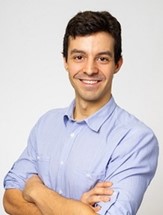
The selection committee designated Dr Samuele Cazzamalli (Philochem AG, Switzerland) as the winner.
 |
|
Samuele Cazzamalli (PhD) is the Head of Chemistry at Philochem AG, the Swiss subsidiary of the Philogen group, acting as a discovery center with a focus on chemical pharmaceutical products and technologies. At Philochem, Samuele’s group focuses on the discovery of novel tumor-targeting small molecule ligands through the use of DNA-Encoded Chemical Libraries. Samuele earned his PhD at ETH Zurich under the supervision of Prof. Dario Neri, with a thesis on non-internalizing antibody- and small molecule-drug conjugates for the treatment of cancer. Samuele has authored more than 40 scientific articles and has brought three compounds in Phase I clinical trials. His group is currently using high-affinity small organic ligands to develop small molecule diagnostic and therapeutic compounds against solid tumors.
|
Dr Ranganath Gopalakrishnan (AstraZeneca, Sweden) and Dr Zoe Henley (GSK, United Kingdom) have been recognised as the most meritorious runners-up.
These two prizes are given annually and consist of a diploma, € 1.000 and an invitation for a short presentation at an EFMC symposium. The 2024 prize-winners will be invited to give oral communications at the XXVIII EFMC International Symposium on Medicinal Chemistry (EFMC-ISMC 2024).
More information about EFMC Prizes.
2024 EFMC-YSN PhD PRIZE AWARDED
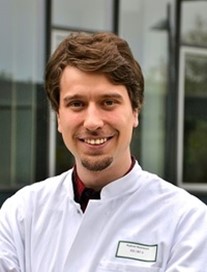
The selection committee designated Dr Raphael Steimbach (Servier, France) as the winner.
Dr Jennifer Müller (ETH Zürich, Switzerland) has been designated as the most meritorious runner-up. Following a decision from the jury, an extraordinary honorary mention was also given to Dr Sébastien Depienne (Ghent University, Belgium).
 |
|
Raphael R. Steimbach received his Ph.D. from Heidelberg University, Germany in 2023. His thesis work at the German Cancer Research Center (DKFZ) in the group of Dr. Aubry K. Miller resulted in the first selective histone deacetylase 10 inhibitor suitable as a chemical probe. Dr. Steimbach’s scientific background is in chemical biology with a Master’s degree in Life Science from the University of Konstanz, Germany. He gained additional experience at Cardiff University, Wales and in chemical process development at Boehringer Ingelheim. Since 2023, he pursues his passion for high-throughput experimentation and medicinal chemistry as a postdoctoral fellow at the Institut de Recherche et Développement Servier Paris-Saclay, France.
|
The prize will consist of a diploma, 1.000€ and an invitation to deliver an oral communication at the EFMC Young Medicinal Chemists' Symposium (EFMC-YMCS). The 2024 winner will also receive a free registration and a 500€ travel grant to attend both the XXVIII EFMC International Symposium on Medicinal Chemistry (EFMC-ISMC 2024) and the 11th EFMC Young Medicinal Chemists' Symposium (EFMC-YMCS 2024).
More information about EFMC-YSN Prize.
LITERATURE SPOTLIGHT
The “literature spotlight” section of the newsletter will bring you a summary of recently published research in a concise and accessible way. Multiple thematics from different journals will be highlighted thanks to the valuable contribution of members of the EFMC working groups.
This contribution will focus on the recently published article on "Challenges for the Discovery of Non-Covalent WRN Helicase Inhibitors” by Alisa Heuser and colleagues at Novartis (Basel, Switzerland).
The Werner Syndrome helicase (WRN) is a promising therapeutic target in cancers with microsatellite instability (MSI). Unfortunately, the discovery of specific WRN helicase probes has proven to be a challenging task due to the high propensity of WRN-t- protein interferences.
Heuser et al. demonstrated that initial WRN inhibitors have been wrongly considered as specific WRN probes. Unfortunately, many false positives and in vitro artefacts could arise from the susceptibility of the WRN protein in standard biochemical assay conditions. The authors suggest some key parameters to improve the screening outcome and to better validate or invalidate compounds displaying apparent inhibition in enzymatic assays. WRN is reported as case study for its propensity for protein interference artefacts, but this is likely to occur also for other helicases and unstable proteins in general.
This paper is an excellent example of the need to ensure sufficient potency, selectivity, and permeability before using WRN inhibitors as high-quality cellular probes. Poor-quality and insufficiently selective chemical probes might lead to misleading results, and impair reproducibility and robustness of scientific findings. Using the lessons learned described in this paper, the Novartis Team improved the WRN biological assays and discovered high-quality noncovalent WRN helicase inhibitors, which resulted in the first clinical WRN inhibitor (HRO761).
Read the article! 18th EFMC-YSN MEDCHEMBIOONLINE | BECOMING A CHEMICAL BIOLOGIST
In this webinar, we will showcase the careers of three leading researchers in the field of chemical biology, with the aim of both illuminating research opportunities in the field and highlighting different pathways into a career in chemical biology.
- Prof. Claudia Höbartner (University of Würzburg, Germany)
- Dr Valle Palomo (IMDEA Nanoscience, Spain)
- Dr Arne Rufer (F. Hoffmann-La Roche, Switzerland)
A round table discussion at the end of the event will allow you to ask questions.
What sets EFMC-YSN MedChemBioOnline apart is its flexibility and accessibility. The webinar is free and open to everyone, making it easy to balance your attendance with other commitments. And because it's organised by EFMC-YSN, you'll have the opportunity to connect with a global community of young scientists who share your interests and goals.
The event will take place on June 11 between 16:30 and 18:30 CEST and we kindly invite you to register on https://www.medchembio.online/.
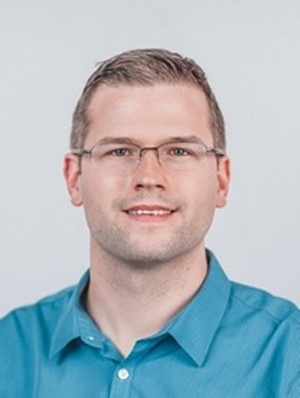
MEET STEFAN SCHIESSER, ASTRAZENECA, SWEDEN
In this edition, our MedChemBioConversations is with Stefan Schiesser from AstraZeneca, Sweden.
Get to know him better by reading the interview below:
How did you get interested in Medicinal Chemistry?
Already as a kid I have been fascinated by biological questions such as what happens inside the body when one gets sick and how medicines help you to feel better again. During high school I then realized my talent for chemistry. In medicinal chemistry and drug discovery in general I can combine my passion to design molecules to answer biological questions and moreover do science to help patients!
Where and when did you obtain your PhD diploma?
I did my Ph.D. in the group of Prof. Thomas Carell at the Ludwig-Maximilian-University of Munich (Germany) from 2009–2014. As said, I am fascinated by the interface of chemistry and biology, so doing a Ph.D. in bioorganic chemistry was the perfect fit. The key learning from my Ph.D. is that it is essential to be brave and ask the tough and challenging questions to ensure your project is progressing into the right direction and you see its full potential! And also communicating science in an engaging way is highly important to become a successful researcher. Even if your science is great, but you present it in a boring way you will not get the full credit your research deserves.
Where did you have your postdoc position?
Another key learning from my Ph.D. was that in order to answer interesting biological questions with chemical tools, it is key to have rapid synthetic access to the required molecules. This is why I decided to learn more about organic synthesis and to do a postdoc in total synthesis in the group of Professor Movassaghi at the Massachusetts Institute of Technology (MIT) in Cambridge, USA. At MIT I especially enjoyed the “can do mentality”: if there is a problem, let´s find a way to fix it!
Where are you currently working and what is your current position?
I am currently a director of medicinal chemistry at AstraZeneca in Gothenburg, Sweden. In addition to working with my direct reports I am also a chemistry lead responsible for the delivery of innovative clinical candidates to tackle respiratory and immunology diseases. As a co-project leader of an AstraZeneca strategic initiative, I also scope out new grounds for small molecule drug discovery. I keep strong ties to academia with giving several annual lectures in master courses, initiating and leading collaborations, supervising students of various career levels, and advancing science through publishing papers and presenting at conferences. Moreover, I am also very curious about future trends in drug discovery and therefore have been hosting various round table discussions.
What do you like best about your work?
I especially enjoy drug discovery being a highly interdisciplinary field, where every day there are new things to learn and explore. For example, one day I engage with colleagues from DMPK, biology, and safety. The other day I discuss with clinical colleagues and learn about commercial aspects. So, it never gets boring!
What kind of skills does your work require?
Curiosity and creativity are key for being innovative. Being curious about current and future trends and then being creative to see how these opportunities can be utilized to accelerate your present research are essential. Additionally, knowing future trends will allow you to already now prepare yourself and your team to be fit for the future.
It is also important to challenge the status quo and acknowledge that we do not fully understand the area we are working in. In medicinal chemistry we often think we understand the biology of our targets. However, this can sometimes limit ourselves, because we assume we know what will work and what not. I have what I call the “90% / 10% rule”. 90% of the compounds I design are following our current working hypotheses, but 10% of the compounds are on purpose outside what we believe will work. The 90% compounds will progress the project into the planned direction, but the 10% compounds, if they work, will give completely new directions of the project and might be exactly the game changer required to accelerate your project!
The last skill I like to highlight is enthusiasm about your work and the ability to get colleagues and the upper management excited about your ideas. We cannot do research on our own and the best idea will not succeed if you cannot get your colleagues excited to join your idea!
How would you describe yourself as a supervisor?
For me creating an atmosphere of high psychological safety is key. My team members know that they can freely speak their mind and I value their opinions and feedback, especially if they disagree with the proposed direction of the project. Enabling everyone to contribute and challenge ideas will ensure that only the best idea (irrespective of who has proposed it) will be progressed.
And communication is key. Sharing the thinking behind (also sometimes tough) decisions in an authentic way is important for a trustworthy work relationship
Which of your papers are you most proud of and why?
The paper I am most proud of is the work on N-CF3 azoles as underutilized functional groups in medicinal chemistry (J. Med. Chem.2020, 63, 13076). When starting this project, the perception among medicinal chemists was that all N-CF3 groups are too hydrolytically unstable to be useful. However, in this paper we demonstrate that N-CF3 azoles have excellent aqueous stability. This shows that it is key to always challenge perceptions with data and allow science to surprise you! Based on our work N-CF3 azoles are now explored across the industry and I am curious to see the first clinical compound bearing this functionality.
What do you consider your greatest achievement in your scientific career?
My greatest achievement in my career clearly is the discovery of clinical candidates with one being currently in phase 1 clinical trials. Seeing a compound entering clinical trials with the ultimate goal to benefit patients is highly rewarding!
What are the features of a successful PhD student or postdoc?
Thinking back on my Ph.D. and postdoc time I have two quotes which I believe are very much summarizing what it takes to be a successful Ph.D. student, postdoc, and beyond. The first quote is from Thomas Edison on “Genius is 1% inspiration, 99% perspiration” summarizing nicely that having a great idea is not enough. You need to be persistent in following your idea, not get discouraged by failures, but learn from them to improve and finally achieve your goal. However, this does not mean you should go down a rabbit hole! You also need to know when to stop a project and focus on a more promising area.
The second quote is from Henry Ford: Whether you think you can, or think you can´t. You are right. Do not limit yourself, because you think you cannot do it. Be brave to get started, learn from your failures, and succeed!
What would you like to ask from other medicinal chemists?
One area where medicinal chemists and researchers in general can improve is in reporting “negative” results. If the science is sound and rigorously done, but the outcome is for example that a target is devalidated for a certain disease this is also an achievement, because it allows to invest resources into more promising projects. And publishing these results would avoid other companies heading into the same unfruitful direction. As a whole industry this might lead to more drugs being discovered faster, because time and money are not wasted in an area, where someone else has already shown that it will not work (but never published it).
What are your recommendations for a book, podcast, website, blog, YouTube channel or film?
Additional to continuing to stay up to date with your current disease area and general medicinal chemistry I think it is also key to understand the more business/economics related topics. For example, I recommend following fiercebiotech.com and endpts.com to stay up-to-date with current events within the pharma/biotech industry such as merger and acquisitions, key investments in future technologies, and upcoming biotechs worth looking further into. This will give you an idea on where the field is heading and also some inspiration on where to focus/invest next.
Additionally, as scientists we also need to be aware that we do not work in an isolated environment, but that areas beyond science such as geopolitical and socioeconomical changes have an impact on how we discover drugs. Prominent recent examples are the impact of COVID-19 on our way of working (remotely versus face to face or mixed arrangements) and its consequences, the Inflation Reduction Act, and the increased focus on sustainability including PFAS. Keeping up to date with what is happening around us outside science with an eye on how this will affect our present and future way of working is essential to be prepared for the future!
What do you think is the biggest future challenge of medicinal chemistry?
Additional to upcoming geopolitical and socioeconomical changes I think the biggest challenge for future small molecule drug discovery is to expand the mechanisms of action for small molecules. In the past medicinal chemists have highly successfully modulated the function of proteins by a small molecule binding to a suitable binding pocket of a protein. However, the number of these targets is limited, and we medicinal chemists need to think of alternative ways to obtain the desired physiological outcome. There are several promising approaches:
Let´s for example take the field of TACs such as PROTACs, LYTACs RIBOTACs etc. This opened up a whole now research field with exciting opportunities to degrade the protein of interest or change its post translational modification stage. However, it still remains to be seen which of these TACs will emancipate from “just” being a chemical biology tool to establishing a new class of drug modalities.
Another area where I see vast potential is modulating biological function with small molecules binding to RNA. There are huge possibilities such as modulating biology of long non-coding RNA, splice switching, or interfering with miRNA biogenesis. And we so far have only scratched the surface of it. I am curious to see more examples where modulating RNA was chosen as the desired mechanism of action from the start of the project in contrast to being retrospectively shown to do so (though nothing is wrong with the later either).
The third area I think is highly promising for medicinal chemistry are antibody-drug conjugates. Originating from oncology people now look into their application outside of oncology. Though being an exciting area, much still needs to be learned, for example, on how far this field can be pushed for chronic indications. REPORT OF THE EFMC-ACSMEDI MEDICINAL CHEMISTRY FRONTIERS 2024
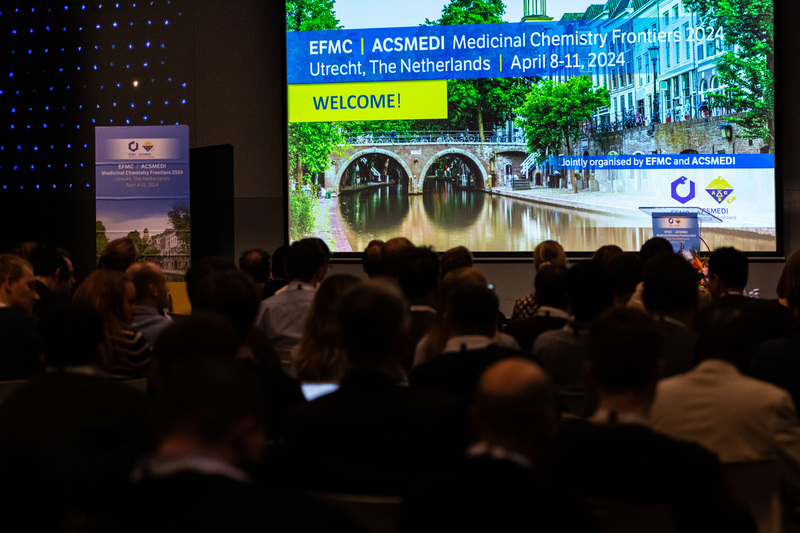
The EFMC-ACSMEDI Medicinal Chemistry Frontiers 2024 symposium, chaired by Prof. Iwan DE ESCH (Vrije Universiteit Amsterdam, The Netherlands), was held in Utrecht, The Netherlands, from April 8th until 11th and included 9 different sessions covering a selection of vital topics in medicinal chemistry.
Over 300 participants engaged in a comprehensive program featuring 3 high-quality plenary lectures, 19 invited talks, and 20 oral presentations selected from submitted abstracts, creating a rich and diverse agenda in the fields of computer assisted drug design, biology, DMPK, pharmacology, and early toxicology.
The organising committee prepared a truly exciting event, which featured a number of distinguished scientists that delivered inspiring talks, encouraged fruitful discussions, and highlighted the importance of interdisciplinary collaboration. The scientific programme provided the attendees with a broader perspective on the challenges facing medicinal chemists, which will undoubtedly contribute to their own research projects.
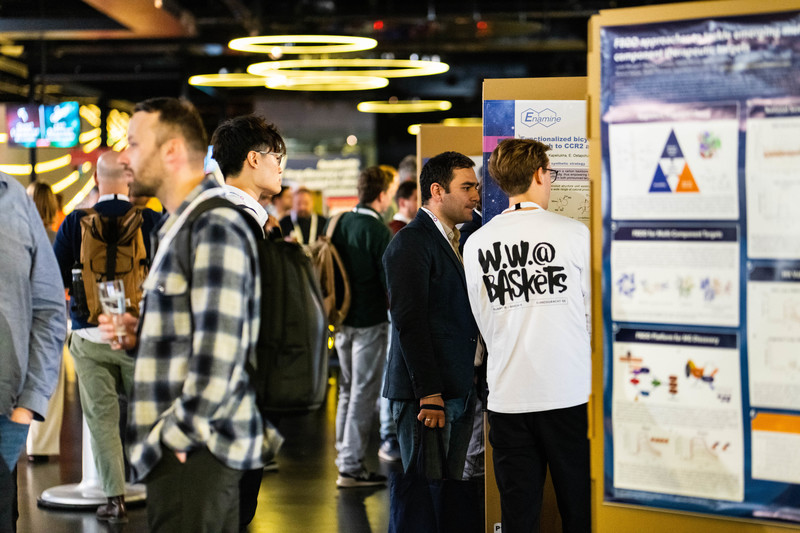
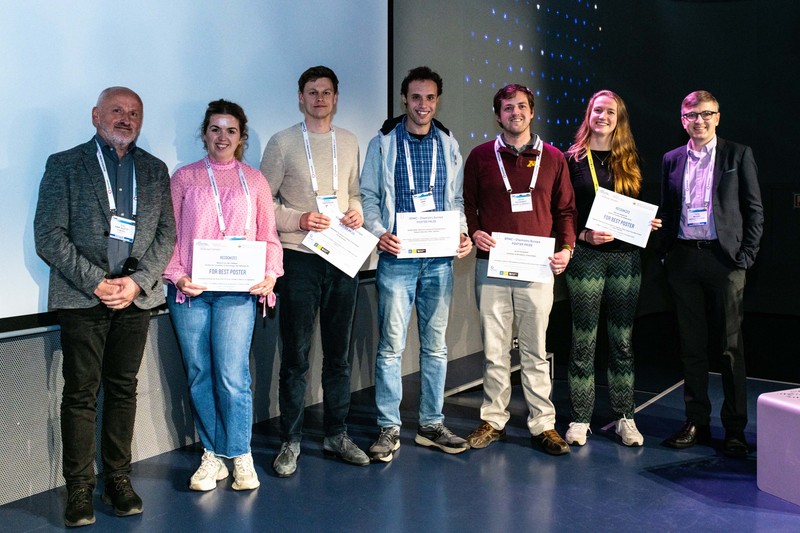
In addition, 2 poster sessions of 122 posters allowed fruitful exchanges between the participants, who could present their research to peers in a relaxed and informal atmosphere.
The EFMC Young Scientists Network and ACSMEDI Young Medicinal Chemists Committee organised a series of networking activities to facilitate the exchanges between students and early career researchers, especially those for whom attending a conference abroad was a first experience. The programme was completed by a panel discussion on Career Perspectives from Industry, Academia and Beyond, From Graduate Student to Young Professional, with panellists from US and Europe sharing their experience to an eager audience.
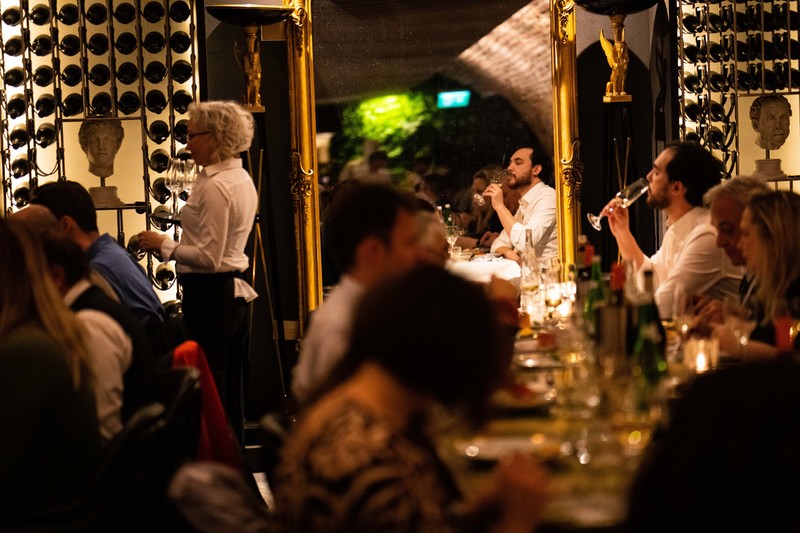
Finally, the conference was also the occasion to meet more informally during the social programme, whether it was during the welcome reception, the (rainy) city tour, or at the conference dinner in the beautiful restaurant La Cantina Di David, located in charming cellars in the heart of Utrecht.
We invite you all to the next edition of the meeting, scheduled to take place in Chicago, United States in spring 2025.
SHOWCASE ON THE YOUNG MEDCHEM FORUM OF THE FRENCH SOCIÉTÉ DE CHIMIE THÉRAPEUTIQUE
The Young MedChem Forum of the French Société de Chimie Thérapeutique is a group of 11 academic and industrial medicinal chemists and medicinal biologists founded in early 2022. They aim at promoting our field towards French young scientists’ community (and beyond!) by inspiring, training and connecting them. So far, 5 main actions are established:
- Willing to share and explain the daily medicinal chemists’ tasks with the students, the AskMeAnything sessions were settled. During these interactive moments of exchanges, two members of the group use their knowledge and own experience to provide clear and useful answers to questions such as “Can I be a researcher without a PhD ?”, “Is a post-doc mandatory for an industrial career ?”. Recently, we were honored to receive Dr Jean Quancard (Novartis; to decipher the current expectations of the pharma industry towards young medicinal chemists), Dr Gilles Guichard (to explain how to join the CNRS and pass the entrance examination) and Pr. Delphine Joseph (to explain how to join a French university and become an associate professor). All these episodes are broadcasted on the YouTube channel. Using the most frequently asked questions as material, “YMCF publications” were started and published in the SCT’s website. The first introductive article about the preclinical drug discovery process has thus recently been shared online and many more are to follow in the coming weeks.
- A mentoring program was set up, (2nd edition in 2023-24), in order to help and impact the students at the individual stage. A dozen of senior researchers take time to regularly talk with their mentee about career management and give answers and feedbacks from the current field. Both mentees and mentors gave excellent feedback on the program and the relationship they built together.
- Finding the right master’s degree, an academic lab or a pharma company for an internship, a PhD program or a job is not an easy task and are require investing a lot of time and energy into searches. With the idea of facilitating this process, we gathered all these information under the form of mappings allowing to see at a glance the territory as well as going into details.
- Following these initiatives to help young scientists finding their way with advices, it was also decided to highlight them scientifically with the “My publication at a glance” videos. PhD students or post-doc produce a 5 min-episodes, to present their late publication. So far, 5 episodes are publicly available in the YouTube channel.
The Young MedChem Forum is also involved in the organization of the main annual SCT event: 58th International Conference on Medicinal Chemistry (RICT2024) in Bordeaux (3-5th July), specifically during the career session.
Finally, as a new action for these year, monthly scientific quizzes will be launched in early May in LinkedIn and X.
For questions or feedback, please reach the Young MedChem Forum at ymcf@sct-asso.fr.
#MEDCHEMCASES - SEMINAR BY THE DIVISION OF MEDICINAL CHEMISTRY OF THE GERMAN CHEMICAL SOCIETY (GDCH)
The MedChem Division of the German Chemical Society (GDCh) would like to invite you to the next #MedChemCASES online seminar which will be held on May 16 (5.00pm) by Dr. Beatrice Ranieri (Monte Rosa Therapeutics)
The topic of the webinar will be “Discovery of MRT-2359, an orally bioavailable GSPT1 molecular glue degrader”.
G1 to S phase transition 1 (GSPT1) - also known as eukaryotic release factor 3a (eRF3a) - is a key translation termination factor that helps catalyze the termination of protein synthesis, facilitating the release of mRNA and newly synthesized protein from the ribosomal protein synthesis machinery. We have identified GSPT1 as a potential therapeutic vulnerability for MYC-driven cancers. Molecular glue degraders (MGD) are small molecules able to bind to an E3 ligase such as cereblon (CRBN) and subsequently recruit neosubstrate proteins for ubiquitination-proteasomal degradation. This therapeutic approach shows great potential in treating cancers and other diseases. The focus of the seminar will be MGDs and the discovery of MRT-2359, a potent, selective, and orally bioavailable MGD, able to induce the interaction between CRBN and GSPT1 protein. The compound is currently in a phase 1/2 clinical study for safety, tolerability, and anti-tumor activity evaluation (NCT05546268).
Register for free here.
#GDCh (MedChem Division), #NextGenMedChem. NEWS FROM THE FRENCH MEDICINAL CHEMISTRY SOCIETY (SOCIÉTÉ DE CHIMIE THÉRAPEUTIQUE, SCT)
This One-Day Thematic Meeting on « Targeted Protein Degradation: past, current and future strategies» organized by the Société de Chimie Thérapeutique (SCT) is at the frontier of developing new health technologies for the benefit of patients. This one-day symposium is a great opportunity for 8 European and US “Targeting Protein Degradation” experts from academy and industry to share recent results from their research.
The event will take place on May 30 at the Sanofi Gentilly Campus, France. Registration deadline is May 15!
Have a look at the exciting programme!
- Prof. Daniel Nomura (Berkeley)
Reimagining Druggability using Chemoproteomic Platforms
- Dr Martin Schroeder (Novartis)
Novel and Reversible DCAF1 Ligands Expand the TPD-toolbox
- Prof. Nicolas Thomä (Lausanne University)
How to Drug and Degrade Oncogenic Transcription Factors
- Dr Ester Morreale (Crick Institute)
Enabling Targeted Protein Degradation in Bacteria
- Prof. Ivan Dikic (Max Planck Institute of Bio)
Discovery of Novel Molecular Glues and Anti-microbial PROTACs
- Dr Samir Jegham (Sanofi)
Opportunities And Challenges: Case study of the SAR444656 the 1st Orally Bioavailable Clinical IRAK4 Degrader for the Treatment of Autoimmune Diseases
- Dr Kirsten McAulay (Dundee University, CETP)
PROTAC Design for Oncology Targets – an Industry-Academia Collaboration
- Prof. Anne-Sophie Voisin-Chiret (Caen University)
Targeted Protein Degradation, a Groundbreaking Strategy for Drug Discovery. Application to the Degradation of the Mcl-1 Protein as a Promising Route for Developing Novel Cancer Therapeutics
NEWS FROM THE BIOLOGICAL AND MEDICINAL CHEMISTRY SECTOR (BMCS) OF THE ROYAL SOCIETY OF CHEMISTRY (RSC)
The BMCS is happy to announce several upcoming events.
4th Synthesis in Drug Discovery and Development
4th – 5th June, Virtual
Registration is now open!
Website: https://www.rscbmcs.org/events/sddd24/
Synopsis: Synthesis is at the heart of drug discovery and development. The industry has increasingly demanded higher quality clinical candidates and has sought to exploit less druggable biological targets. Densely functionalised small molecules with a high degree of synthetic complexity are often the result of these demands. Successful programmes therefore require the application of innovative synthesis in all stages of discovery and development. The medicinal chemist’s toolbox is also enhanced by the introduction of novel bioisosteres, often made available only through the application of new synthetic methods. This symposium aims to celebrate the crucial role of synthesis in the success of drug discovery and development.
6th RSC-BMCS/DMDG New Perspectives in DMPK
Monday 17th June, 2024 Liverpool Medical Institute,
Abstract submissions and registration is now open!
Website: https://www.rscbmcs.org/events/dmpk24/
Synopsis: Novel small-molecule-based therapeutic approaches represent a key component of the discovery landscape. The emergence of molecular glues, PROTACs, bicyclic peptides, and other novel chemistries often bring with them new challenges for drug discovery scientists; synthetic difficulty, beyond rule-of-five physicochemical properties, and complexity in the link between exposure and response, may complicate ADME characterisation and accurate human dose prediction, particularly for drugs aimed at oral administration. This meeting will provide a forum for the exchange of ideas between principal members of the DMPK research community on how we can rise to these challenges. Keynote talks from thought leaders will provide wider perspectives on how DMPK can contribute to the delivery of medicines to patients more quickly and efficiently. There will be a balanced mix of oral and poster presentations, and networking opportunities throughout.
3rd RSC / SCI New Therapeutics for Global Health
9th – 11th September 2024, Cranfield Management Development Centre, Cranfield University, Milton Keynes
RSC/BMCS/SCI
Abstract submissions are now open!
Website: https://www.rscbmcs.org/events/ntgh24/
Synopsis: Tuberculosis, malaria and diseases caused by a diverse range of pathogens, including flaviviruses (eg dengue, West Nile), kinetoplastids (causative agents of Chagas disease, leishmaniasis, etc) and gut pathogens (worms, bacteria, parasites),
remain a cause of high mortality across the globe. Fortunately, an ever-improving understanding of the complex life-cycles of these disease-causing pathogens is presenting increasing opportunities for those seeking to tackle these global health problems. This meeting will focus on medicinal chemistry approaches to developing new medicines for diseases affecting global health. Keynote talks from international experts from industry and academia, alongside perspectives detailing case histories in drug discovery, will highlight the latest developments in the field whilst also showcasing the opportunity for creativity and innovation.
9th GPCRs in Medicinal Chemistry
2nd – 4th October 2024, Evotec Campus Levi-Montalchini, Verona, Italy
Registration is now open!
Website: https://www.rscbmcs.org/events/gpcrs24/
Synopsis: The key role of G-protein-coupled receptors (GPCRs) in human disease underpins their importance to modern medicine. We are pleased to hold this 9th meeting in the series on GPCR drug discovery, which combines cutting edge medicinal chemistry with innovative structural biology and novel drug design approaches. |
|
|
|
|
|
ISSUE SPONSORED BY

As a global company with operations across Asia, Europe, and North America, WuXi AppTec provides a broad portfolio of R&D and manufacturing services that enable the global pharmaceutical and life sciences industry to advance discoveries and deliver groundbreaking treatments to patients.
Learn more
EFMC ORGANISED EVENTS
May 28, 2024
Webinar
3rd EFMC² Tandem Talks
May 28, 2024
Webinar
18th EFMC-YSN MedChemBioOnline
September 1-5, 2024
Rome, Italy
XXVIII EFMC International Symposium on Medicinal Chemistry (EFMC-ISMC 2024)
September 5-6, 2024
Rome, Italy
11th EFMC Young Medicinal Chemists' Symposium (EFMC-YMCS 2024)
January 29-31, 2025
Basel, Switzerland
2nd EFMC International Symposium on Chemical Biology (EFMC-ISCB 2025)
EFMC SPONSORED EVENTS
May 16, 2024
Virtual Event
BMCS Hot Topics: Covalent Drug Discovery 2024
June 4-5, 2024
Virtual Event
4th Synthesis in Drug Discovery and Development
July 3-5, 2024
Bordeaux, France
58th International Conference on Medicinal Chemistry
July 12, 2024
Madrid, Spain
X Symposium of Medicinal Chemistry Young Researchers of the Spanish Society of Medicinal Chemistry (SEQT)
July 22-23, 2024
Galway, Ireland
International Chemical Biology Ireland Conference
September 16-17, 2024
Cambridge, United Kingdom
RSC-CICAG/RSC-BMCS 7th Artificial intelligence in Chemistry
September 22-26, 2024
Barcelona, Spain
24th EuroQSAR
EFMC CERTIFIED SCHOOLS
June 30 - July 4, 2024
Urbino, Italy
43rd Advanced Course of Medicinal Chemistry and Seminar for PhD students (ESMEC 2024)
August 25-39, 2024
Bergün, Switzerland
Swiss Summer School 2024 in Chemical Biology
October 13-18, 2024
Leysin, Switzerland
15th Swiss Course on Medicinal Chemistry 2024
EFMC SPONSORED SCHOOL
July 1-5, 2024
Oss, The Netherlands
Radboud Summerschool: Introduction into Preclinical Drug Discovery
September 18-20, 2024
Rimini, Italy
Summer School on Pharmaceutical Analysis 2024 (SSPA2024)
JOB PORTAL
Postdoctoral Position in Medicinal Chemistry, IOCB Prague, CZECH REPUBLIC
Read more
|
|