|
|
EFMC AWARDS 2025 – CALL FOR NOMINATIONS
The 2nd "EFMC-WuXi AppTec Award for Excellence in Chemical Biology" will recognise outstanding research in the field of chemical biology as defined by EFMC in The Chemical Biology-Medicinal Chemistry Continuum: EFMC’s Vision, ChemBioChem 2021, 22, 2823– 2825.
The Award shall be open to any scientist whose age does not exceed 50 years on January 1st of the year during which the Award is to be presented, and whose accomplishment has not yet been honoured by other EFMC awards. In accordance with the EFMC core values of equal opportunities and inclusiveness, maternity/paternity leave, as well as leaves taken for health or private reasons are considered upon making the final selection.
The Award will consist of a diploma, € 7.500, and an invitation to present a lecture at an EFMC-ISCB symposium. The Award will be presented at the 2nd EFMC International Symposium on Chemical Biology (EFMC-ISCB 2025) to be held in Basel, Switzerland on January 29-31, 2025.
Deadline for submission: June 30, 2024
More information on The EFMC-WuXi AppTec Award for Excellence in Chemical Biology.
2024 EFMC HONORARY FELLOWS ANNOUNCED!
The EFMC is very proud to announce the 2024 EFMC Honorary Fellows.
EFMC Honorary Fellow is a life-long title with the aim to recognise individuals who have provided outstanding support to the EFMC and contributed in strengthening the position of medicinal chemistry, chemical biology, or related fields in Europe.
Congratulations and thanks to:
-
Dr Yves P. Auberson, for his more than active role within the various leading boards of the EFMC, for his bold vision of the future of EFMC and the efforts he spends creating it, as well as for his extraordinary support to the young community. As President of the EFMC, Dr Auberson succeeded at sketching a new vision of the Federation: Embracing Chemical Biology, world widely acclaimed as a key player in the fields, supportive to his young and early career researchers and constantly aiming at reaching new goals. So many activities are to be credited to his daring mind, the most important being the successful integration of Chemical Biology within our scope, the fostering of working groups such as the Best Practices or the Young Scientists Network and the renewal of the EFMC Portfolio in the difficult period of the COVID-19 crisis. Dr Auberson also devoted that same energy within the activities of the Division for Medicinal Chemistry & Chemical Biology (DMCCB) of the Swiss Chemical Society (SCS) and in fostering new international collaboration with EFMC partners around the globe. Dr Auberson played a direct role in the discovery and development of several drug candidates for epilepsy and narcolepsy, as well as of clinical tracers for positron emission tomography. Some of these projects are currently in phase II and III clinical development. Yves Auberson is known for his leadership in medicinal chemistry and his contributions to drug discovery and development
-
Prof. Anders Karlén joined the executive committee of the EFMC as Secretary in 2017 and remained in his position until 2022. During the 6 years of his mandate, he acted as trusted guide to the president. Prof. Karlén also dedicated his efforts to represent the EFMC interests at the EU-level, working at the arduous task of influencing EU Policies together with our trusted partners. In this mission that very view within our Federation knew how to handle, he proved confident and hard-working. Prof. Karlén also significantly contributed to the visibility of the Swedish Pharmaceutical Society. His research group studies targets of importance in infectious diseases with a focus on tuberculosis and Gram-negative infections. From 2014 to 2021, Prof. Karlén has led the Managing Entity as well as been co-coordinator of the project from the Innovative Medicines Initiative (IMI) entitled European Gram-negative Antibacterial Engine (ENABLE). Since 2019, Prof. Karlén has also coordinated the project within IMI’s Antimicrobial Resistance (AMR) Accelerator Programme entitled Collaboration for Prevention and Treatment of MDR Bacterial Infections (COMBINE).
-
Prof. Katarzyna Kiec-Kononowicz for her long-lasting role within the Council of the EFMC, her dedication to carry the voice of the Polish medicinal chemists and chemical biologists and her efforts to integrate the community within our European community. Dr Kiec-Kononowicz has been a loyal member of the Council for 17 years and played a pivotal role in the integration of the Polish Society of Medicinal Chemistry within the EFMC. Dr Kiec-Kononowicz has also significantly contributed to the visibility of the Polish Society of Medicinal Chemistry on the European and international and is considered with high-esteem by many of her peers.Prof. Katarzyna Kiec-Kononowicz, a professor in the Department of Technology and Biotechnology of Drugs at the Faculty of Pharmacy Medical College, Jagiellonian University, Krakow, Poland, was recognized as one of the world's most influential scientists in 2020-2022 by experts from Collegium Medicum Jagiellonian University. Her research focuses on medicinal chemistry and pharmaceutical biotechnology, particularly the design, synthesis, and evaluation of GPCR ligands, including adenosine, histamine, and orphan receptors such as GPR18 and GPR55.
-
Dr Antoni Torrens has been a regular member of the EFMC from 2017 to 2018, before becoming the treasurer from 2019 to 2023. In this role, he worked in developing and restructuring the EFMC finances to allow more funding towards activities most regarded by our scientific communities, such as grants, prizes, sponsorship of schools, etc. Dr Torrens has been a strong supporter of the young community, both in Spain and within the EFMC. He has been an active participant teacher in Master and Doctorate Courses of several universities in Spain and Portugal, including the Horizon Europe’s Marie Sk''.chr('322').''odowska-Curie Actions (MSCA) funded BREAKthrough Doctoral Network, and in several European Medicinal Chemistry Schools as well, just like the EFMC European School of Medicinal Chemistry (ESMEC). Dr Torrens has significantly contributed to the Spanish Society of Medicinal Chemistry (Sociedad Española de Química Terapéutica) and continues to play a major role in the activities of the national association.
The award ceremony will take place during the opening of the XXVIII EFMC International Symposium on Medicinal Chemistry (EFMC-ISMC 2024), scheduled to take place in Rome, Italy on September 1-5, 2024. Appointed Honorary Fellows will be invited to attend the meeting and receive their recognition on stage.
The EFMC Recognition Programme will continue awarding outstanding contributors to EFMC and sciences in the future. More information will be available here: www.efmc.info/honorary-fellows.
YIMON AYE AWARDEE OF THE 2024 KLAUS GROHE PRIZE
Prof. Yimon Aye (Ecole Polytechnique de Lausanne – EPFL, Switzerland) has been selected as awardee of the 2024 Klaus Grohe Prize.
The award will be conferred during the opening ceremony of the International Symposium on Medicinal Chemistry of the European Federation of Medicinal Chemistry (EFMC-ISMC 2024), scheduled on September 1 in Rome, Italy.
The prize winner gave a lecture on " Lightening the Burden: Illuminating Precision Influencers of Innate Electrophile Signaling for Functional Drug Discovery".
18th EFMC-YSN MEDCHEMBIOONLINE | BECOMING A CHEMICAL BIOLOGIST
In this webinar, we will showcase three leading researchers in the field of chemical biology, with the aim of both illuminating research opportunities in the field and highlighting different pathways into a career in chemical biology.
- Design and Serendipity in Nucleic Acid Chemical Biology
Prof. Claudia Höbartner (University of Würzburg, Germany)
- Discovering Tools to Fight Against Neurodegeneration: from PhD Student to Junior PI
Dr Valle Palomo (IMDEA Nanoscience, Spain)
- Probing the Invisible: Leveraging Chemical Probes to Elucidate Molecular Interactions
Dr Arne Rufer (F. Hoffmann-La Roche, Switzerland)
- Publishing Update from Chemistry Europe: EFMC-Related Activities and AI in Publishing
- Dr Laura Woodward-Heni (ChemBioChem, Germany)
A round table discussion at the end of the event will allow you to ask questions.
What sets EFMC-YSN MedChemBioOnline apart is its flexibility and accessibility. The webinar is free and open to everyone, making it easy to balance your attendance with other commitments. And because it's organised by EFMC-YSN, you'll have the opportunity to connect with a global community of young scientists who share your interests and goals.
The event will take place on June 11 between 16:30 and 18:30 CEST and we kindly invite you to register on https://www.medchembio.online/.
LITERATURE SPOTLIGHT
The “literature spotlight” section of the newsletter will bring you a summary of recently published research in a concise and accessible way. Multiple thematics from different journals will be highlighted thanks to the valuable contribution of members of the EFMC working groups.
This contribution will focus on the recently published article on "Prodrug Approach to Exploit (S) Alanine as Arginine Mimic Moiety in the Development of Protein Arginine Methyltransferase 4 Inhibitors" by Ciro Milite, Giuliana Sarno, Ida Pacilio, Agostino Cianciulli, Monica Viviano, Giulia Iannelli, Erica Gazzillo, Alessandra Feoli, Alessandra Cipriano, Maria Giovanna Chini, Sabrina Castellano, Giuseppe Bifulco, and Gianluca Sbardella.
Protein arginine methyltransferases (PRMTs) play a key role in cellular metabolism, gene regulation, and signal transduction. In order to verify whether the inhibition of PRMT4 might be beneficial for diseases like cancer and cardiovascular disorders, selective modulators are needed. Some of the reported modulators act as substrate-competitive inhibitors and contain an arginine mimic moiety such as an ethylenediamine, 1-amino-3-phenoxy-propan-2-ol, or an alanine amide. However, the latter suffer from poor cellular uptake leading to no activity in cell-based assays. In this work, the authors aimed to solve the lack of cellular activity of the alanine amide class of inhibitors.
Firstly, the authors investigated whether the pyrazole central core of the known inhibitors could be replaced by a pyrrole, which might increase lipophilicity and consequently also cell permeability. This bioisosteric replacement was supported by computational studies, which predicted that the pyrroles reproduced a similar binding mode to the corresponding pyrazoles. Their first pyrrole derivatives reduced activity of PRMT4, albeit at lower potency as compared to the pyrazoles. Then, they performed structure-activity relationship studies to increase both potency and lipophilicity, which were guided by computational predictions of binding modes and of QPlogPo/w. Introducing conformational flexibility and a lipophilic trifluoromethyl group led to a derivative with a lipophilic efficiency of 0.22 kcal/mol/atom.
Despite these efforts, their best compound still failed to affect PRMT4 activity in a cellular context, which the authors ascribed to poor cellular permeability associated with large polar surface area of the alanine amide chain. To address this, they used a prodrug approach that incorporates a trimethyl lock system to mask the amine group, with quinone propionic acid as trigger group. The cytosolic enzyme NQO1 expressed in cancer cells can reduce the quinone and trigger a release of the free amine. In HEK293T cells, their prodrugs were able to reduce PRMT4-catalyzed arginine methylation, but not the active component of the prodrugs.
This paper supports the use of prodrugs for compound series that lack adequate physicochemical properties to attain the desired biological effect inside cells.
Read the article! 2024 PORTOGHESE LECTURESHIP AWARDS: CONGRATULATIONS TO MATTHIAS GERHINGER!
The Editors of the Journal of Medicinal Chemistry, ACS Medicinal Chemistry Letters, and the ACS Division of Medicinal Chemistry (MEDI) are pleased to announce the winners of the 2024 Philip S. Portoghese Journal of Medicinal Chemistry/ACS Medicinal Chemistry Letters/Division of Medicinal Chemistry Joint Lectureship Awards:
- Prof. Matthias Gehringer, University of Tübingen, Germany
- Prof. Amanda Wolfe, University of North Carolina Asheville, United States
These annual awards are named in honor of Professor Philip Portoghese, who served as Editor-in-Chief of Journal of Medicinal Chemistry from 1972 to 2011. The awards are given to young investigators who have displayed impact and/or promise of impact to the field of medicinal chemistry and are presented yearly at the ACS Fall Meeting.
The EFMC would particularly congratulate Prof. Matthias Gehringer for his Update on Emerging and Re-emerging Warheads for Targeted Covalent Inhibitors (link).
2nd SYMERES PHD PRIZE FOR EXCELLENCE IN CHEMISTRY IN LIFE SCIENCE – 6 BEST CANDIDATES SELECTED
The "Symeres PhD Prize for Excellence in Chemistry in Life Sciences Research" is an EFMC-YSN Partner Prize given annually, with the aim to recognise outstanding research in medicinal chemistry and chemical biology, executed by early career researchers during their thesis work.
The review committee is proud to announce the names of the 6 candidates which will move to the second round and present their application at the Symeres facilities on July 9, 2024.
Congratulations to:
- Eka Putra Gusti Ngurah Putu (Institut Curie, France)
- Irene Herrera González (Universidad de Salamanca, Spain)
- Jennifer Müller (ETH Zürich, Switzerland)
- Hermann Neitz (Universität Würzburg, Germany)
- Jana Volaric (Imperial College London, United Kingdom)
- Martin Wilkovitsch (TU Wien, Austria)
The prizes will consist of a diploma and a cash prize of 1000€ for the winner, 600€ for the runner-up and 400€ for the third place. The winner will also be invited to deliver an oral communication at the EFMC Young Medicinal Chemists' Symposium (EFMC-YMCS).
The 2024 winner will also receive a free registration and a 500€ travel grant to attend both the XXVIII EFMC International Symposium on Medicinal Chemistry (EFMC-ISMC 2024) and the 11th EFMC Young Medicinal Chemists' Symposium (EFMC-YMCS 2024) which will take place in Rome, Italy on September 1-5 & September 5-6, 2024.
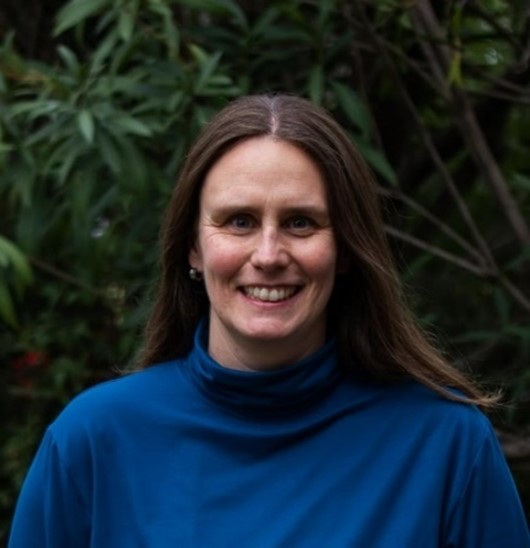
GET TO KNOW MANUELA JORG (MONASH UNIVERSITY, AUSTRALIA)
In this edition, our MedChemBioConversations is with Dr Manuela Jorg from Monash University, Australia.
Get to know her better by reading the interview below:
How did you get interested in Medicinal Chemistry?
I started my career with an apprenticeship as a chemical lab technician at Ciba Specialty Chemicals. After a few years working in industry, I then obtained a Bachelors and Masters in Chemistry from the University of Applied Sciences Northwestern Switzerland and the University of Basel, respectively. While being interested and trained as an organic chemist, I have always been extremely passionate about the application of chemistry within the health sciences. Therefore, for my PhD I have specialised in Medicinal Chemistry as I want my research to contribute to improving health within our society.
Where and when did you obtain your PhD diploma?
I have obtained my PhD in Medicinal Chemistry from Monash University in 2014. My PhD focused on the development adenosine A2A receptor antagonists, dopamine D2 receptor agonists and dual acting ligands for the treatment of Parkinson’s disease.
Where did you have your postdoc position?
I stayed at Monash University for my postdoc and worked in the group of Professor Peter Scammells, where I worked on the development of allosteric and bitopic ligands targeting muscarinic and adenosine receptors.
What are your current research interests?
My research interests are in the development of novel chemical probes to improve our understanding of proteins on a molecular level, and to address important questions in molecular biology related to the structure, activation, degradation, oligomerisation, allostery and selectivity of selected drug targets.
How would you explain what your research area is to non-scientists?
We currently lack crucial insights into the function of cells and how they perform the billions of chemical reactions that keep us functioning each day, allowing us to sleep, breathe, move about, and stay healthy. While atoms and molecules are known to play a central role in this functioning, further chemical biology studies are needed to improve our understanding of vital processes within cells. My work is aimed to provide a better understanding of these chemical reactions within the body and use this information to develop better drugs.
What kind of tasks does your work involve?
My duties include running a medicinal chemistry lab, overseeing research projects, supervising students, preparing lectures, teaching, attending meetings as well as writing papers and applying for grants.
What do you like best about your work?
The biggest privilege is working with students on research projects. It combines two aspects that I am most excited about in my job 1) realising research ideas, and 2) teaching, working with and learning from the next generation of great minds.
Are you currently looking for a new PhD student or a postdoc?
My group currently consist of 5 PhD, 2 master’s and 1 Honours students. I am always interested in expanding my group with talented and motivated PhD students that are interested in Medicinal Chemistry and/or Chemical Biology.
What do you consider your greatest achievement in your scientific career?
I don’t think that there is one particular achievement I am most proud of, but more the combination of a series of achievements. Growing up I wasn’t a very good student and an academic career seemed out of reach. The completion of a Bachelor’s Degree, Master’s Degree and PhD after several years of work experience in industry was only possible due to a lot of hard work and dedication. Therefore, running my own research group, teaching and supervising postgraduate students is something I not only enjoy, but I am proud of.
Which of your papers are you most proud of and why?
This is a difficult question as behind every paper there is a lot of work and unique experiences. However, my first publication in the Journal of Medicinal Chemistry (M. Jörg et al. J. Med. Chem. 2015, 58, 718-738.) is very special to me as it sums up three years of work during my PhD. The majority of the work was performed by myself and this publication one of the highlights of my PhD.
What are the features of a successful PhD student or postdoc?
Passion for their field of study, good work ethic, ability to work individually and also be a team player, attention to detail, drive to excel, high motivation, resilience, good communication and interpersonal skills.
Have you experienced any unfair situations during your scientific career? How would you advise scientists facing similar situations?
Unfortunately, unfair situations are not uncommon in scientific careers (and probably most careers). For example, my non-traditional academic career path has prohibited me from applying to several early- and mid-career grants and fellowships due to age limitations. Thankfully, this has become less common over the last few years. I recommend connecting with people that actively support your career. Be resilient. Stay true to your values. Try to make the change that is needed to make it better for future generations.
What is the most embarrassing thing you have done in the lab while doing experiments, e.g. explosions?
In my second week of a 1-year internship, I forgot to turn on the water flow to one of the rotavaps. While this doesn’t sound too bad, it resulted in breaking the condenser of the rotavap, which is not easy or cheap to repair. It was a very embarrassing mistake and not a good way to join a new lab.
Which scientist do you admire the most and why?
There isn’t just one scientist that I admire the most. Generally, I am most inspired by genuine people that have faced and overcome some major obstacles in their career and/or life.
Which field of medicinal chemistry do you consider the most promising for the future?
Some of the areas that have huge potential are protein degradation, DNA-encoded libraries, biomarkers, and personalised medicine. Additionally, machine learning will transform the way we work in drug discovery and beyond. SPOTLIGHT ON FRANCE!
This contribution by the Young MedChem Forum (YMCF) of the French Société de Chimie Thérapeutique (SCT) will focus on the recently published review "Gut Microbiome Integration in Drug Discovery and Development of Small Molecules" by the Medicen Microbiome Drug Metabolism Working Group.
The human microbiome, especially in the gut, significantly influences drug efficacy and toxicity. Despite this, gut microbial metabolism is frequently overlooked in drug development. Medicen, a Paris-based health innovation cluster, has convened over 30 global academic and industrial experts to propose integrating microbiome science into drug discovery and development. Seven expert teams address diverse areas, producing state-of-the-art reports highlighting microbiome-related tools at each stage. Critical limitations include limited data on drug-microbiome interactions and lack of agreed standards. This paper presents proposals for utilizing microbiome tools to support drug development, alerting to potential microbiome-induced drug properties, and integrating microbiome data into predictive pharmacokinetic models. Detailed discussions on drugs metabolized by the microbiome support the working group's recommendations.
https://dmd.aspetjournals.org/content/early/2024/02/02/dmd.123.001605 #MEDCHEMCASES - SEMINAR BY THE DIVISION OF MEDICINAL CHEMISTRY OF THE GERMAN CHEMICAL SOCIETY (GDCH)
The MedChem Division of the German Chemical Society (GDCh) would like to invite you to the next #MedChemCASES online seminar which will be held on June 12 by Dr Yoshihiro Ishihara, Vividion Therapeutics
The topic of the webinar will be “Magic Chloro”: Profound Effects of the Chlorine Atom in Drug Discovery”.
Chlorine is one of the most common atoms present in small-molecule drugs beyond carbon, hydrogen, nitrogen, and oxygen. There are currently more than 250 FDA-approved chlorine-containing drugs, and their structures and syntheses have been tabulated in a review by Fang et al. in 2019 [1]. However, the beneficial effects of the chlorine substituent have not yet been discussed to the same extent as other small groups like methyl [2] or fluorine [3]. The seemingly simple substitution of a hydrogen atom (R = H) with a chlorine atom (R = Cl) can result in remarkable improvements in potency of up to 100,000-fold. Following the literature terminology of the “magic methyl effect” in drugs, the term “magic chloro effect” has been coined [4]. Although reports of 500-fold or 1000-fold potency improvements are often serendipitous discoveries that can be considered “magical” rather than planned, attempts to explain an unexpectedly significant chloro effect can be an important exercise. In this presentation, the effect of chlorine substitution on dipole moments, acidity, and lipophilicity, as well as hydrogen and halogen bonding, will be discussed in the context of ligand–protein binding and potency improvements. Furthermore, chlorine substituents can lead to profound effects on pharmacokinetic parameters including clearance, half-life, and drug exposure in vivo. Although there are case-by-case variations, a chlorine atom is able to combine the beneficial effects of a methyl group (e.g., lipophilicity, van der Waals interactions, steric effect) and a fluorine atom (e.g., electronegativity / electron-withdrawing ability, metabolic stability, increased acidity). Suggestions will be made regarding when (and when not to) include chlorine substituents in a preclinical molecule. Although the chlorine effect might be more beneficial for early preclinical studies, it can be argued that the chlorine effect can be useful at all stages of preclinical work, and understanding this effect better could lead to lessons that accelerate the cycle of drug discovery.
[1] Smith, B. R.; Eastman, C. M.; Njardarson, J. T. Beyond C, H, O, and N! Analysis of the Elemental Composition of U.S. FDA Approved Drug Architectures. J. Med. Chem. 2014, 57, 9764–9773.
[2] Fang, W.-Y.; Ravindar, L.; Rakesh, K. P.; Manukumar, H. M.; Shantharam, C. S.; Alharbi, N. S.; Qin, H.-L. Synthetic Approaches and Pharmaceutical Applications of Chloro-containing Molecules for Drug Discovery: A Critical Review. Eur. J. Med. Chem. 2019, 173, 117–153.
[3] Schönherr, H.; Cernak, T. Profound Methyl Effects in Drug Discovery and a Call for New C–H Methylation Reactions. Angew. Chem. Int. Ed. 2013, 52, 12256–12267.
[4] Gillis, E. P.; Eastman, K. J.; Hill, M. D.; Donnelly, D. J.; Meanwell, N. A. Applications of Fluorine in Medicinal Chemistry. J. Med. Chem. 2015, 58, 8315–8359.
[5] Chiodi, D.; Ishihara, Y. “Magic Chloro”: Profound Effects of the Chlorine Atom in Drug Discovery. J. Med. Chem. 2023, 66, 5305–5331.
Register for free here.
#GDCh (MedChem Division), #NextGenMedChem. NEWS FROM THE SOCIETY FOR MEDICINES RESEARCH (SMR) - MODULATING RNA WITH OLIGONUCLEOTIDES OR SMALL MOLECULES
The SMR happily announces the upcoming one-day conference “Modulating RNA with Oligonucleotides or Small Molecules”, which will take place on June 21 at the GSK Medicines Research Centre at Stevenage, UK
With the increasing approval of RNA modulating therapies, the speakers will give anyone interested in this topic an excellent opportunity to learn more about this theme. Speakers will cover successful approaches, future opportunities, and novel approaches being explored in industry and academia to exploit ways to downregulate, upregulate or change splicing in protein synthesis for therapeutic purposes. Speakers will also discuss safety and pharmacokinetic aspects of the modalities being explored. The morning session will focus on the use of oligonucleotide approaches to modulating RNA transcription, while the afternoon session will focus on small molecule approaches.
More information and registration on SMR. NEWS FROM THE BIOLOGICAL AND MEDICINAL CHEMISTRY SECTOR (BMCS) OF THE ROYAL SOCIETY OF CHEMISTRY (RSC)
The BMCS is happy to announce several upcoming events.
RSC-BMCS Hot Topics: Covalent Drug Discovery 2024
16th May 2024, Virtual
Registration will close on 15th May
Website: https://www.rscbmcs.org/events/hottopicscdd24/
Synopsis: Covalent binding has emerged as a key strategy in contemporary drug discovery. This online, half-day meeting will bring together experts from both academia and industry to discuss recent advances in using covalent small molecules to target challenging protein targets. The BMCS Hot Topics online meetings are intended to highlight breaking areas of research in fields of science relevant to drug discovery. They will run as stand-alone half-day virtual events, 2-3 times per year. The programme will be targeted towards researchers working who would like to enhance their understanding of these nascent or developing fields.
BMCS 4th Synthesis in Drug Discovery and Development
4th – 5th June, Virtual
Website: https://www.rscbmcs.org/events/sddd24/
Synopsis: Synthesis is at the heart of drug discovery and development. The industry has increasingly demanded higher quality clinical candidates and has sought to exploit less druggable biological targets. Densely functionalised small molecules with a high degree of synthetic complexity are often the result of these demands. Successful programmes therefore require the application of innovative synthesis in all stages of discovery and development. The medicinal chemist’s toolbox is also enhanced by the introduction of novel bioisosteres, often made available only through the application of new synthetic methods. This symposium aims to celebrate the crucial role of synthesis in the success of drug discovery and development.
6th RSC-BMCS/DMDG New Perspectives in DMPK
Monday 17th June, 2024 Liverpool Medical Institute,
Registration closes on 7th June!
Website: https://www.rscbmcs.org/events/dmpk24/
Synopsis: Novel small-molecule-based therapeutic approaches represent a key component of the discovery landscape. The emergence of molecular glues, PROTACs, bicyclic peptides, and other novel chemistries often bring with them new challenges for drug discovery scientists; synthetic difficulty, beyond rule-of-five physicochemical properties, and complexity in the link between exposure and response, may complicate ADME characterisation and accurate human dose prediction, particularly for drugs aimed at oral administration. This meeting will provide a forum for the exchange of ideas between principal members of the DMPK research community on how we can rise to these challenges. Keynote talks from thought leaders will provide wider perspectives on how DMPK can contribute to the delivery of medicines to patients more quickly and efficiently. There will be a balanced mix of oral and poster presentations, and networking opportunities throughout.
3rd RSC / SCI New Therapeutics for Global Health
9th – 11th September 2024, Cranfield Management Development Centre, Cranfield University, Milton Keynes
Abstract submissions are now open! Registration is now open!
Website: https://www.rscbmcs.org/events/ntgh24/
Synopsis: Tuberculosis, malaria and diseases caused by a diverse range of pathogens, including flaviviruses (eg dengue, West Nile), kinetoplastids (causative agents of Chagas disease, leishmaniasis, etc) and gut pathogens (worms, bacteria, parasites),remain a cause of high mortality across the globe. Fortunately, an ever-improving understanding of the complex life-cycles of these disease-causing pathogens is presenting increasing opportunities for those seeking to tackle these global health problems. This meeting will focus on medicinal chemistry approaches to developing new medicines for diseases affecting global health. Keynote talks from international experts from industry and academia, alongside perspectives detailing case histories in drug discovery, will highlight the latest developments in the field whilst also showcasing the opportunity for creativity and innovation.
7th RSC-CICAG/RSC-BMCS Artificial intelligence in Chemistry
16th – 18th September, Churchill College, Cambridge
Registration is now open!
Website: https://www.rscbmcs.org/events/aichem7/
Synopsis: Artificial Intelligence is experiencing a renaissance in the development of new methods and practical applications to ongoing challenges in Chemistry. Following the successes of five annual “Artificial Intelligence in Chemistry” meetings starting in 2018, we are pleased to announce that the Biological & Medicinal Chemistry Sector (BMCS) and Chemical Information & Computer Applications Group (CICAG) of the Royal Society of Chemistry are once again organising a conference to present the current advances in AI and machine learning in Chemistry. The meeting will be held over two days and combine aspects of artificial intelligence and deep machine learning methods to applications in chemistry. The programme will include a mixture of keynote talks, panel discussion, oral presentations, flash presentations, posters and opportunities for open debate, networking and discussion.
This year meeting has changed format to two and half days and will include workshop on first day, please keep checking website for updates.
9th RSC/SCI Symposium on GPCR’s in Medicinal Chemistry
2nd – 4th October 2024, Evotec Campus Levi-Montalchini, Verona, Italy
Registration and Abstract submissions are now open!
Website: https://www.rscbmcs.org/events/gpcrs24/
Synopsis: The key role of G protein-coupled receptors (GPCRs) in human disease underpins their importance to modern medicine. We were pleased to hold this 9th meeting in the series on GPCR drug discovery, which combined cutting edge medicinal chemistry with innovative structural biology and novel drug design approaches.
RSC-BMCS/SCI Targeting Protein Degradation 4
15th 16th October, Cranfield Management Development Centre, Cranfield University, Milton Keynes
Registration and Abstracts submissions are now open!
Website: https://www.rscbmcs.org/events/protdeg24/
Synopsis: One of the most exciting new therapeutic modalities to emerge in the 21st century has been Targeted Protein Degradation (TPD). In 2021, the Targeted Protein Degradation Market size was valued at USD 400.5 million and is poised to grow from USD 507.0 million in 2022 to USD 3,300.0 million by 2030 and so has attracted interest from academia, non-profit organisations through to CROs and small and large pharma.This multidisciplinary meeting aims to present the latest developments in the design, biology, chemistry and ADME in TPD within the general themes of PROTACS (including non-oncology targets), Molecular Glues and non-PROTAC degraders. We aim to highlight the newest in enabling technologies such as computational techniques, Direct to Biology, HT synthesis (click, photochemistry etc) and structural biology methods.
BMCS Postgraduate Symposium XVIII
12th December 2024, University of Oxford, Oxford, UK
Registration and abstract submissions are now open!
Website: https://www.rscbmcs.org/events/psxviii/
Synopsis: This face-to-face meeting will comprise an oral and poster presentations from PhD students and post-doctoral workers researching in biological or medicinal chemistry. In addition, the agenda will feature invited keynote speakers from industry and academia.
Meetings in 2025
8th RSC-BMCS / SCI Symposium on Ion Channels as Therapeutic Targets
31st March – 1st April, 2025, Hinxton Hall Conference Centre, Cambridge
11th RSC/SCI Symposium on Kinase Inhibitor Design
Monday 12 – Tuesday 13 May, 2025, Royal College of Physicians of Edinburgh, Edinburgh
RSC-BMCS / SCI 23rd Medicinal Chemistry Symposium
Sunday – Wednesday, 14th-17th September, 2025, Churchill College, Cambridge |
|
|
|
|
|
EFMC ORGANISED EVENTS
June 11, 2024
Webinar
18th EFMC-YSN MedChemBioOnline
September 1-5, 2024
Rome, Italy
XXVIII EFMC International Symposium on Medicinal Chemistry (EFMC-ISMC 2024)
September 5-6, 2024
Rome, Italy
11th EFMC Young Medicinal Chemists' Symposium (EFMC-YMCS 2024)
January 29-31, 2025
Basel, Switzerland
2nd EFMC International Symposium on Chemical Biology (EFMC-ISCB 2025)
EFMC SPONSORED EVENTS
July 3-5, 2024
Bordeaux, France
58th International Conference on Medicinal Chemistry
July 12, 2024
Madrid, Spain
X Symposium of Medicinal Chemistry Young Researchers of the Spanish Society of Medicinal Chemistry (SEQT)
July 22-23, 2024
Galway, Ireland
International Chemical Biology Ireland Conference
September 16-17, 2024
Cambridge, United Kingdom
RSC-CICAG/RSC-BMCS 7th Artificial intelligence in Chemistry
September 22-26, 2024
Barcelona, Spain
24th EuroQSAR
September 24, 2024
Webinar
4th Munich-Leiden Virtual ChemBio Talks
December 8, 2023
Verona, Italy
9th GPCR’s in Medicinal Chemistry
EFMC CERTIFIED SCHOOLS
June 30 - July 4, 2024
Urbino, Italy
43rd Advanced Course of Medicinal Chemistry and Seminar for PhD students (ESMEC 2024)
August 25-39, 2024
Bergün, Switzerland
Swiss Summer School 2024 in Chemical Biology
October 13-18, 2024
Leysin, Switzerland
15th Swiss Course on Medicinal Chemistry 2024
EFMC SPONSORED SCHOOL
July 1-5, 2024
Oss, The Netherlands
Radboud Summerschool: Introduction into Preclinical Drug Discovery
September 18-20, 2024
Rimini, Italy
Summer School on Pharmaceutical Analysis 2024 (SSPA2024)
JOB PORTAL
Postdoctoral Position in Medicinal Chemistry, IOCB Prague, CZECH REPUBLIC
Read more
|
|



