|
|
EFMC MESSAGE IN SUPPORT OF THE SPANISH COMMUNITY
We at the EFMC are deeply saddened by the devastation caused by the recent floods in the region of Valencia and can only imagine the pain and hardship so many of you are enduring. Our hearts go out to each of you who has been affected, and we share in your sorrow as you face the losses brought by this tragedy.
Please know that the thoughts of the whole EFMC community are with you, and we extend our heartfelt support as you begin to recover. In this difficult time, may you feel the strength of the compassion surrounding you and know that you are not alone.
Luc Van Hijfte
EFMC President
EFMC PRIZES 2025 – CALL FOR NOMINATION
To acknowledge and recognise outstanding researchers (≤ 12 years after PhD*) working in European industry and academia, the EFMC established the "EFMC Prize for a Young Medicinal Chemist or Chemical Biologist in Industry" and the "EFMC Prize for a Young Medicinal Chemist or Chemical Biologist in Academia".
These two prizes are given annually and consist of a diploma, 2.500€ and an invitation for a short presentation at the X EFMC International Symposium on Advances in Synthetic and Medicinal Chemistry (EFMC-ASMC 2025). Two additional nominees will also be identified and acknowledged as most meritorious runners-up.
Deadline for nominations is January 31, 2025.
EFMC Prize for a Young Medicinal Chemist or Chemical Biologist in Industry
Nominations should be written by the candidate’s supervisor and consist of:
- a letter by the supervisor
- a brief CV of the candidate
- an abstract of the potential oral presentation
EFMC Prize for a Young Medicinal Chemist or Chemical Biologist in Academia
Applications should consist of:
- a one-page letter by the candidate, including a short rationale for their application
- one page with the five key publication
- a brief CV of the candidate
- an abstract of the potential oral presentation
*In accordance with the EFMC core values of equal opportunities and inclusiveness; Maternity leaves, as well as leaves taken for health or private reasons are considered in the ≤ 12 years after PhD limit. FOSTERING THE DEVELOPMENT OF A PHARMACEUTICAL SECTOR IN SUB-SAHARAN AFRICA
The transition towards the status of Middle-Income Countries of many sub-Saharan African nations must be accompanied and facilitated by a throughout process of upskilling and higher education capacity building in STEM disciplines, which in turn will fuel the development of an entrepreneur and industrial environment. Medicinal chemistry, chemical biology, and pharmaceutical technology play a fundamental role in this process, not without specific and peculiar problems. Fulfilling its crucial role of Federation of Learned Societies, EFMC has organised a Round Table during the EFMC-ISMC conference in Rome, offering the audience with a broad and unprecedented reflection on the theme.
The XXVIII ISMC-EFMC symposium in Rome has hosted a Round Table on “Fostering the Development of a Pharmaceutical Sector in Sub-Saharan Africa” with the aim of offering the audience an overview of opportunities and drawbacks associated with the development of a structured industrial pharmaceutical sector in Sub-Sharan Africa. The transition from the Low Income to Middle Income Countries requires the development of robust internal markets and an internal industrial sector capable of sustaining the demand. The pharmaceutical sector plays a particularly relevant role in the process, due to both the high added value of its production and the extraordinary important fall-out of their products in the public health and wellbeing, which in turn are strong drivers for social and economic progress. This process has been so far very slow and hindered by several factors. Some of them are objectively found in the insufficient infrastructural development of many parts of the Continent, and in the expected difficulties in filling the existing gap not only with the most advanced economies, but also with other developing countries. Other factors can be based more on perceptions than objective analysis, such as the reluctance of investors due to the fear of insufficient return on investment.
The COVID pandemic has suddenly changed the scenario. From one side, the resilience shown by many countries and the readiness of response, tracking, and mitigation have indicated a growing level of maturity in the management of health resources. From another point of view, the demand for an in-house production system for vaccines and other medicines emerged as an unpostponable need of sub-Saharan countries.
The concrete attempts of some Countries and some Western world companies to develop an internal pharmaceutical sector, which could respond to this need in the middle-term, has immediately faced the infrastructural obstacles, but also the almost complete lack of skilled and trained manpower to be employed in the growing sector. While the infrastructural development (roads, cold-chain, electricity supply, water, point-to-point air connection, just to mention a few) is obviously a (trans)national political issue, the problem of training, skilling, upskilling is something that closely concerns academic and industrial colleagues who operate through learned societies.
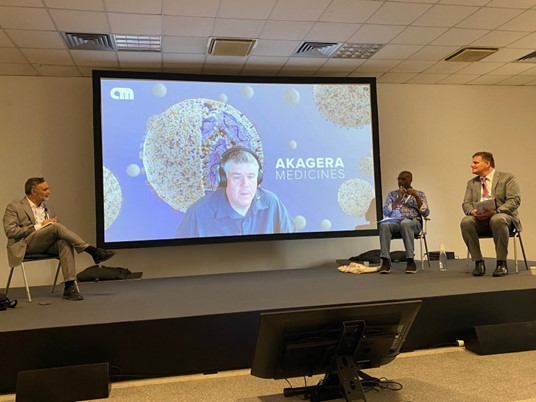
The Round Table held in Rome intended to start talking in a structured way about this problem, and the organiser, Prof. Gabriele Costantino (University of Parma and EFMC-honorary fellow) has invited three panellists, with a broad and complementary experience in drug discovery in Africa. Kelly Chibale is Professor of Medicinal Chemistry at Cape Town University (UCT) and director of South African Medical Research Council/UCT Drug Discovery and Development Research Unit and CEO of Holistic Drug Discovery and Development (H3D) Centre. Daryl Drummond is founder and CSO of Akagera Medicines, a pharmaceutical company registered in the US, but with the majority of shares owned by Rwandan and other African investors. Akagera medicines is planning a phase II clinical trial in Africa for a proprietary antitubercular medicine. Felix Seyfarth is Senior Advisor for Digital Higher Education and Training in the Rwanda Ministry of Education (MINEDUC) and coordinator of the African Biomanufacturing Institute (ABI), supported of the Rwandan Ministry of Education and the Rwandan Ministry of Health.
In their thoughtful speeches, the panellists have expressed opinions reflecting the different perspectives from the academic field, the entrepreneurial world, and the government agencies. Prof. Chibale expressed his convincement that a productive academic drug discovery environment needs a few but highly technological hubs, interconnected, and able to competitively access to public funds and private grants. Clearly, these hubs must be continuously fed with well-trained researchers and this demands for a change of level in teaching topics such as chemistry, pharmacology, technology, and so on. Dr Drummond has described the experience of Akagera Medicines. Again, while many parts of sub-Saharan Africa constitute now a fertile cultural environment for seeding new entrepreneurial and industrial initiatives, the real obstacle is still posed by the lack of infrastructure and manpower able to assure the required quality under the internationally recognized GMP system. Nevertheless, the sub-Saharan medicine market is growing at a very high pace, the public opinion is realising the difference in the quality of medicines coming from different producers and is willing to pay additional price for the certified quality. Dr Seyfarth has explained the strategy of the Rwandan government —and other countries have similar approaches and endeavour— to facilitate the growth of the pharmaceutical sector. A key point is clearly education, and a workable example is the concept of accredited micro-credentials recognised across Africa and the EU as a way to upskill and empower the younger generations in highly qualified professions which meet the need of the industrial sector.
From different perspectives, the three panellists have all pointed towards the need for high education in medicinal chemistry and, of course, more generally in STEM and biomedical disciplines. For many of us —coming from Europe and the Western world— this may seem a rhetorical statement. However, the audience might be surprised to hear that they are only now installing the first NMR equipment in the Republic of Rwanda, and one can seriously wonder what kind of chemical formation can be offered in the 21st century without having an NMR for minimal practical training. The EU, through the Horizon programme, as well as many other institutions and associations, are offering tools and instruments for capacity building and industrial acceleration in Africa. It is probably duty of learned societies to promote the real implementation of these initiatives, offering their know-how and willingness to cooperate in order to facilitate the professional, cultural, and economic growth of hundreds of thousands of colleagues and students.
Author: Gabriele Costantino, Professor of Medicinal Chemistry, Department of Food and Drugs, University of Parma (Italy). gabriele.costantino@unipr.it
CHEMMEDCHEM, AN OFFICIAL JOURNAL OF EFMC
18th EUFEPS TALKS
The upcoming EUFEPS talk will showcase a talk by the EFMC President, Dr Luc Van Hijfte, on “The academia-CRO tandem: The drug discovery engine of the future?”
Join us on November 25, 2024, at 4 pm CET.
A registration is needed for this event. Please use the following link to register. Once registered, you will receive an e-mail with the log-in details.
The Pharmaceutical Industry has known a considerable drop in output of new drugs during the last decades and has been seeking solutions to tackle this issue. Following the megamergers and novel technology developments, there is a transformation ongoing of the Pharma R&D value chain. Large Pharma is aiming to share risks and costs, improve resource allocation, and install a leaner, more agile R&D ecosystem based on open innovation concepts. The earlier phases of the drug discovery process are today more and more in the hands of biotech, academia and CROs, funded by VCs, where the large pharma will then recover the assets at a later discovery stage to bring them to market. This transformation, and an example of a collaboration between Oslo University and Symeres in the field of Tankyrase inhibitors, will be highlighted. EFMC GRANTS 2025 – APPLICATIONS ARE OPEN
EFMC is funding grants for EFMC organised events with the aim to support the participation of young academic scientists.
Upon application, a limited number of grants will be covered by EFMC, corresponding to:
- The full registration fees for EFMC-ISMC/EFMC-YMCS, EFMC-ASMC, EFMC-ISCB, and ACSMEDI-EFMC Medicinal Chemistry Frontiers
- Up to 50% of the registration fees for the EFMC Short Courses
The following grant applications for 2025 events are open:
EFMC-ISCB 2025 – POSTER SUBMISSION DEADLINE APPROACHING
The European Federation for Medicinal chemistry and Chemical biology (EFMC) and the Swiss Chemical Society, Division for Medicinal Chemistry & Chemical Biology (DMCCB) will be organising the 2nd International Symposium on Chemical Biology (EFMC-ISCB) on January 29-31, 2025, in Basel, Switzerland.
Abstracts for poster presentation can be submitted until December 4, 2025. Join the 2 Poster Sessions which will give you ample time to share results and discuss scientific collaborations with fellow researchers.
Register now!
MEDCHEMBIO POSTERS ONLINE
To promote our field and encourage collaboration and networking among young researchers, the EFMC YSN, the GDCh NextGenMedChem group, and the SCT YMCF are excited to host their first joint online poster session focused on Medicinal Chemistry & Chemical Biology!
The event will take place on LinkedIn on November 26, 2024, from 10 AM to 6 PM CET and is open to young researchers worldwide, whether from academia or industry.
If you’d like to meet your peers, share your work, learn new tricks, and possibly be awarded one of our prizes with a special highlight on our social media, please register here before November 24.
Save the date, spread the word (#MCBPoster24) & get ready for the 1st MedChemBio Posters Online!
More information!
SPOTLIGHT ON BELGIUM!
The youth section of the mother organisation Société Royal de Chimie (SRC) is pleased to highlight a paper titled “Advances in analytical technologies detecting and characterizing noncovalent interactions for fragment-based drug” recently featured in TrAC Trends in Analytical Chemistry.
Understanding how biomolecules interact is essential in drug discovery. One common method used is called fragment-based drug discovery (FBDD). This approach starts by finding small chemical pieces, or fragments, that weakly bind to a target molecule. Researchers then combine or modify these fragments to create stronger, drug-like compounds. While FBDD has benefits compared to traditional high-throughput screening, it can be difficult to implement because identifying weak binders and figuring out how to enhance their binding can be challenging.
To address these issues, ongoing research is focused on developing new analytical technologies that can detect and analyse these weak, non-covalent interactions. This article reviews the latest analytical techniques used in FBDD and compares them with traditional methods. They outline the principles behind each technique, their benefits and drawbacks, and potential issues that might arise. They also provide practical examples for each new technique. Accurate detection and understanding of weak interactions are crucial for successful FBDD projects, so knowing the strengths and weaknesses of different methods can help researchers choose the best analytical tools for their work.
Read the Article! SHOWCASING THE EARLY CAREER SCIENTISTS (ECS) GROUP of SEQT
The Early Career Scientists (ECS) group of the Spanish Society of Medicinal Chemistry (SEQT) was established in 2023. Our mission is to support and highlight the work of medicinal chemists and chemical biologists at the start of their research careers, increase visibility of medicinal chemistry in Spain, and strengthen our network of junior researchers. Our activities are organised by a board team composed of members at various career stages, both in academia and industry, located across Spain and abroad.
Our group has so far organised the following activities:
- Scientific webinars: We have organised three 90-minute scientific webinars. Each webinar features a talk by an academic researcher, followed by either a talk from an industry speaker or a workshop on transferable skills.
- National Mentoring Programme: Currently in its first edition with 30 mentees, this programme is designed for PhD and post-doctoral researchers in the early stages of their careers. It aims to support and guide participants in developing their professional profiles in both industrial and academic settings. We have built a pool of experienced researchers working throughout Spain, with diverse backgrounds that cover a wide range of research fields and experiences. Mentees are paired with these mentors based on their interests, and they meet regularly —every 1-2 months— to receive guidance, share experiences, and develop soft skills.
- Young Researcher Symposium: We organise the annual Young Researcher Symposium, a one-day event where young scientists showcase their work through poster, oral, and flash presentations. This year we celebrated the 10th anniversary commemoration with more than 100 participants, where scientists built new professional connections and learnt from the inspiring plenary lectures given by Chiara Borsari, Ana Oliveira, and Salva Guardiola. We also had 9 oral communications, 31 flash poster presentations, and 41 poster presentations. We awarded prizes for the best presentations, with one winner selected to present at the larger EFMC-YMCS conference.
We aim to expand further in the coming year by increasing and renovating our board team and planning new initiatives, such as organising outreach events, creating networks of researchers working in similar fields, and developing an interactive map to highlight where medicinal chemistry is being conducted in Spain, including universities, research centres, and companies.
To learn more about our group, you can visit our website here, and follow us on SEQT’s social media channels (LinkedIn, X, Instagram).
REPORT OF THE 24TH EUROQSAR SYMPOSIUM
The 24th EuroQSAR Symposium, focusing on “Synergizing AI and Multiscale Modeling for Drug Discovery” took place in Barcelona, Spain, from 22 to 26 September. The conference was organised on behalf of QCMS and chaired by Jordi Mestres (University of Girona). EuroQSAR 2024 has been attended by over 400 participants from academia (60%) and industry (40%).
The EuroQSAR symposia have been taking place at different locations in Europe at roughly two-year intervals since 1973 to promote, disseminate, and discuss advances in drug design by computer-aided methods. They constitute major scientific events in the field of computational design in pharmaceutical, agricultural and environmental sciences, embracing all aspects relevant to the field, from quantum chemistry to protein dynamics. The symposium included 12 plenary lectures, 14 session lectures, 12 oral communications, a career workshop, 247 poster presentations, and a commercial exhibition.
The EuroQSAR symposia are organised on behalf of QCMS – the QSAR, chemoinformatics and modeling society. QCMS is an international society open to scientists involved in all scientific disciplines relevant to computational design. In its latest edition, it tackled topics like artificial intelligence in drug design and protein design, multiscale modelling from atomic details to drug safety surveillance, and the importance of highly curated big data for network medicine.
The programme also included a “Hall of Fame” session, devoted this year to honour Yvonne C. Martin, and the presentation of the Corwin Hansch and Toshio Fujita Awards 2024, named after two pioneers in the QSAR field. These awards are given to young —under 40— investigators (Hansch Award) and more senior investigators (Fujita Award) in recognition for their contributions in any of the research areas of interest to the QCMS society.
Fujita Award 2024
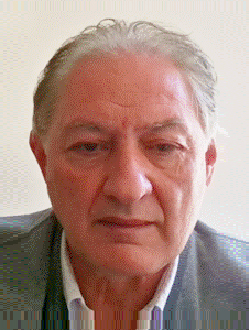 |
Prof. Gabriele CRUCIANI
UNIVERSITY OF PERUGIA, Perugia, Italy
|
Hansch Awards 2024
 |
|
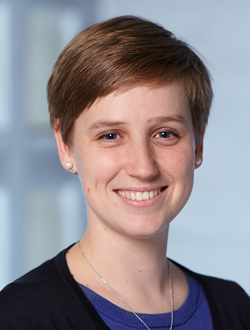
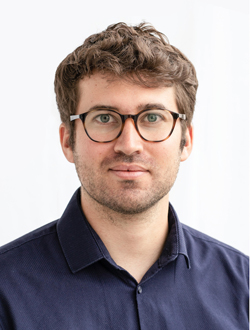
Prof. Sereina RINIKER
ETH ZÜRICH, Zurich, Switzerland
|
 |
|
Prof. Philippe SCHWALLER
ECOLE POLYTECHNIQUE FÉDÉRALE DE LAUSANNE (EPLF), Lausanne, Switzerland
|
Several Oral Communications and Poster prizes sponsored by RSC, Springer, and Wiley were awarded during the closing of the conference to:
- Best Oral Communication Prize:
Ms Varbina IVANOVA - University of Barcelona, Spain (OC05)
- Oral Communication Prize:
Dr Maria FALAGUERA - EMBL-EBI, Hinxton (OC11)
- Best Poster Prize:
Dr Seungchan AN - Seoul National University, South Korea (P004)
- Poster Prizes:
- Mr Bola KHALIL - Leiden University, The Netherlands (P111)
- Mr Carlo BIGIOTTI - University of Perugia, Italy (P024)
- Ms Raquel PARRONDO PIZARRO - Chemotargets, Spain (P182)
- Ms Barbara HERLAH - National Institute of Chemistry, Slovenia (P091)
The event is an EFMC (European Federation for Medicinal Chemistry and Chemical Biology) sponsored event, and it was supported by HITS, who distributed grants to support participation from young researchers. The event was also sponsored by Dompé, the Prous Institute and other institutions, companies, and publishers.
More information is available on the programme: https://www.euroqsar.org/programme #MEDCHEMCASES - SEMINAR BY THE DIVISION OF MEDICINAL CHEMISTRY OF THE GERMAN CHEMICAL SOCIETY (GDCH)
The MedChem Division of the German Chemical Society (GDCh) would like to invite you to the next #MedChemCASES online seminar which will be held on November 19 by Prof. Monique Mulder (Leiden University Medical Center).
The topic of the webinar will be “Navigating the Ubiquitin Landscape: Chemical Tools for Small Molecule Interventions”.
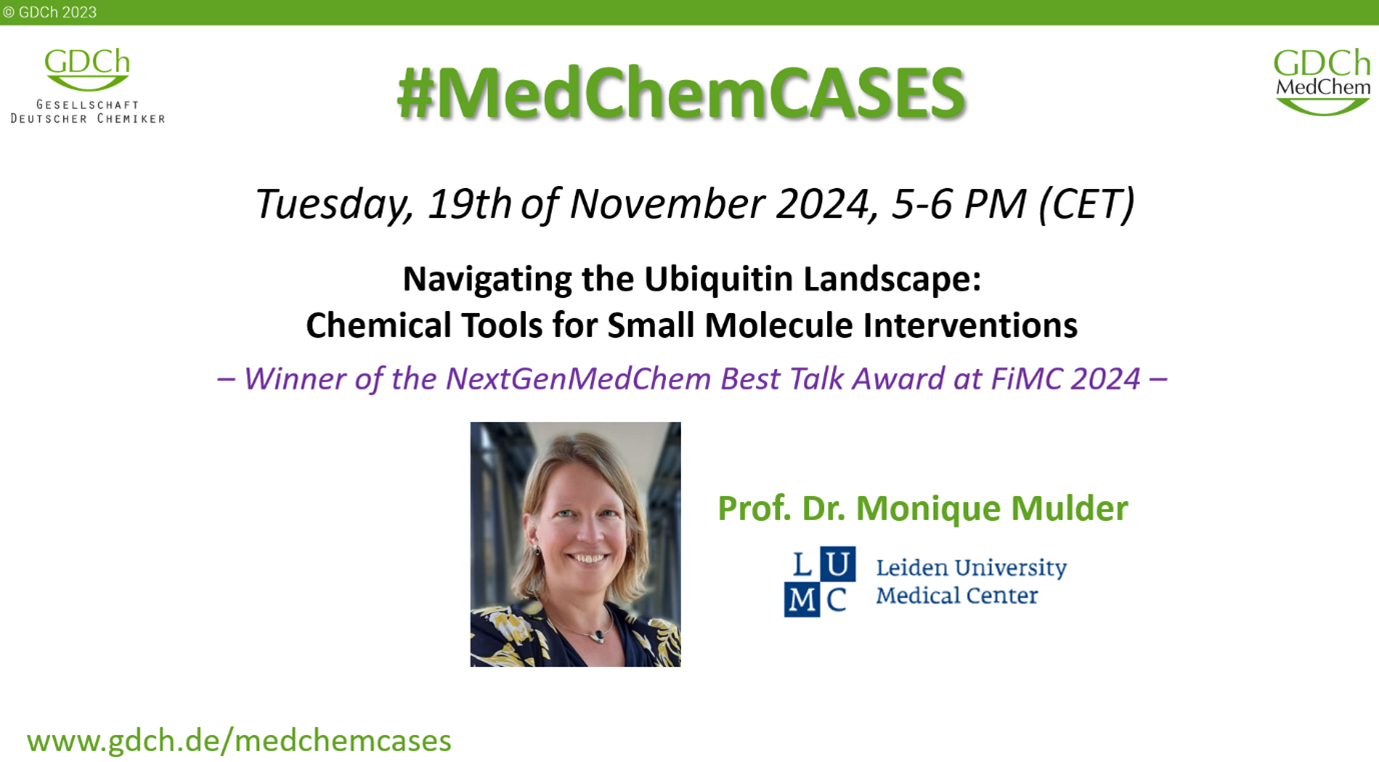
Protein post-translational modification by ubiquitin (Ub) is a versatile signalling system that regulates various aspects of normal cell biology and pathogenesis, governed by a complex enzymatic network. With over 700 enzymes involved, studying the ubiquitination system and developing related therapeutics are vital areas of current research. In this seminar, I will discuss our team's efforts to decode and manipulate the Ub system. Gaining a detailed understanding of this system is both challenging and essential, and chemistry provides valuable tools for uncovering new insights into ubiquitination dynamics. Through the development of cutting-edge platform technologies, including assays, reagents, and probes, we aim to exert control over the Ub system. Our work has laid the groundwork for accelerating the creation of small molecule inhibitors and chemical probes, which hold great promise for advancing our understanding and manipulation of ubiquitin dynamics.
Register for free here.
#GDCh (MedChem Division), #NextGenMedChem. NEWS FROM THE BIOLOGICAL AND MEDICINAL CHEMISTRY SECTOR (BMCS) OF THE ROYAL SOCIETY OF CHEMISTRY (RSC)
The BMCS is happy to announce several upcoming events:
BMCS-CICAG Hot Topics: Robotics and Automation 2024
21st November 2024 (afternoon), Virtual
Registration closing soon!
Website: https://www.rscbmcs.org/events/hottopicsroboticsautomation24/
Synopsis: The role of laboratory automation in pharmaceutical research and development is continually expanding, increasingly becoming entwined with software and workflow automation. This online, half-day meeting will bring together experts from both academia and industry to discuss recent advances in how we use laboratory automation in pharma and chemical synthesis.
The BMCS Hot Topics online meetings are intended to highlight breaking areas of research in fields of science relevant to drug discovery. They will run as stand-alone half-day virtual events, 2-3 times per year. The programme will be targeted towards researchers working who would like to enhance their understanding of these nascent or developing fields.
BMCS Postgraduate Symposium XVIII
12th December 2024, University of Oxford, Oxford, UK
Registration closing soon!
Website: https://www.rscbmcs.org/events/psxviii/
Synopsis: This face-to-face meeting will comprise oral and poster presentations from PhD students and post-doctoral workers researching in biological or medicinal chemistry. In addition, the agenda will feature invited keynote speakers from industry and academia.
Meetings in 2025:
BMCS 2nd Conformational Design in Drug Discovery 2025
3rd March 2025, AstraZeneca, Cambridge, UK
Registration and abstract submission now open! Oral Abstract deadline Thursday 14th November!
Website: https://www.rscbmcs.org/events/conformationaldesign25/
Synopsis: Conformational Design plays a key role in the medicinal chemistry of small molecule drug candidates. The emergence of generative AI models to assist molecular design and free-energy-perturbation techniques critically depend on accurate prediction of 3D ligand conformations. Here we bring together cutting-edge computational methods with experimental free ligand NMR solution conformations and protein-ligand X-ray and CryoEM structures to craft the medicines of tomorrow. We will discuss ligand rigidification and physicochemical optimisation strategies for protein-protein interaction inhibitors, PROTACs, molecular glues, antibody-drug-conjugate payloads and other new modalities. This RSC-BMCS event aims at building a community that shares conformational design strategies, technologies, and successful case studies. It will complement other rational drug design events and promote more successful research into future medicines.
8th RSC-BMCS / SCI Symposium on Ion Channels as Therapeutic Targets
31st March – 1st April 2025, Hinxton Hall Conference Centre, Cambridge, UK
Registration and abstract submissions are now open! Oral Abstract deadline Thursday 14th November!
Website: https://www.rscbmcs.org/events/ionchannels25/
Synopsis: Ion channels are important targets for therapeutic intervention due to their extensive roles in human physiology and the pathophysiology of disease. Many successful drugs targeting this gene family have been discovered for diseases such as hypertension, epilepsy, and neuropathic pain. This symposium, the 8th in an ongoing series, will showcase the most recent advances to aid the design of new ion channel therapeutics and promote interaction between scientists with a shared interest in the field of ion channel drug discovery.
36th BMCS Spring Symposium on Medicinal Chemistry
24th April 2025, Fielder Centre, Hatfield, UK
Abstract submission is now open!
Website: https://www.rscbmcs.org/events/hatfields25/
Synopsis: Known colloquially as the “Hatfield MedChem” meeting, this is a highly successful, long-standing, one-day meeting that runs annually. The scientific program will comprise presentations showcasing medicinal chemistry case studies from tools to candidates, across a range of modalities, therapeutic areas and target classes, as well as covering more general topics at the forefront of drug discovery. The meeting aims to be informal and interactive, and is ideal for all those working in medicinal chemistry and drug discovery more widely.
11th RSC/SCI Symposium on Kinase Inhibitor Design
12nd – 13rd May 2025, Royal College of Physicians of Edinburgh, Edinburgh, UK
Registration and abstract submissions are now open!
Website: https://www.rscbmcs.org/events/kinase2025/
Synopsis: With more than 100 clinically approved small molecules, the field of kinase modulation continues to attract significant investment from the drug discovery community and attention from academia. The 11th RCS-BMCS/SCI symposium on kinase inhibitor design will encompass plenary lectures on emerging topics and case studies of ongoing programmes as well as successful past programmes. A range of topics including brain penetrant and inhaled kinase inhibitors, kinase chemical probes, allosteric modulators, targeted kinase protein degradation and kinase inhibition for non-oncology indications will be covered, along with views and perspectives on the future of kinase modulator research.
BMCS 5th Synthesis in Drug Discovery and Development
3rd – 4th June 2025, Virtual
Website: https://www.rscbmcs.org/events/sddd25/
Synopsis: Synthesis is at the heart of drug discovery and development. The industry has increasingly demanded higher quality clinical candidates and has sought to exploit less druggable biological targets. Densely functionalised small molecules with a high degree of synthetic complexity are often the result of these demands. Successful programmes therefore require the application of innovative synthesis in all stages of discovery and development. The medicinal chemist’s toolbox is also enhanced by the introduction of novel bioisosteres, often made available only through the application of new synthetic methods. This symposium aims to celebrate the crucial role of synthesis in the success of drug discovery and development.
4th RSC Anglo-Nordic Medicinal Chemistry Symposium
10th – 13th June 2025, Hotel Comwell Borupgaard, Snekkersten, Denmark
Registration and abstract submissions are now open!
Website: https://www.rscbmcs.org/events/anmc-4/
Synopsis: This 2.5 day symposium is the fourth in the very successful series of biannual meetings started in 2017 containing high quality international speakers from industry and academia on topics of Medicinal Chemistry and related enabling technologies. Organised by the BMCS of the RSC, together with Nordic affiliates, the meeting promises to be an exciting and invigorating gathering packed with fantastic opportunities to disseminate knowledge and expand networks.
RSC-BMCS / SCI 23rd Medicinal Chemistry Symposium
14th – 17th September 2025, Churchill College, Cambridge, UK
Website: https://www.rscbmcs.org/events/cammedchem25/
Synopsis: The organisers invite you to the 23rd SCI-RSC Medicinal Chemistry symposium, Europe’s premier biennial Medicinal Chemistry event, focusing on first disclosures and new strategies in Medicinal Chemistry.
8th RSC-CICAG / RSC-BMCS Artificial Intelligence in Chemistry
22nd – 24th September 2025, Churchill College, Cambridge, UK
RSC-CICAG/ BMCS
Website: https://www.rscbmcs.org/events/aichem8 /
Synopsis: Artificial Intelligence is experiencing a renaissance in the development of new methods and practical applications to ongoing challenges in Chemistry. Following the successes of six annual “Artificial Intelligence in Chemistry” meetings starting in 2018, we are pleased to announce that the Chemical Information & Computer Applications Group (CICAG) and Biological & Medicinal Chemistry Sector (BMCS) of the Royal Society of Chemistry are once again organising a conference to present the current advances in AI and machine learning in Chemistry. The meeting will be held over two and half days and combine aspects of artificial intelligence and deep machine learning methods to applications in chemistry. The programme will include a mixture of keynote talks, panel discussion, oral presentations, flash presentations, posters and opportunities for open debate, networking, and discussion. This year meeting will follow 2024 with two and half days and will include workshop on first day, please keep checking website for updates. |
|
|
|
|
|
EFMC ORGANISED EVENTS
January 29-31, 2025
Basel, Switzerland
2nd EFMC International Symposium on Chemical Biology (EFMC-ISCB 2025)
April 6-9, 2025
Oegstgeest (near Leiden), The Netherlands
19th EFMC Short Course on Medicinal Chemistry
May 12-15, 2025
Chicago, USA
ACSMEDI-EFMC Medicinal Chemistry Frontiers 2025
August 31 - September 4, 2025
Porto, Portugal
X EFMC International Symposium on Advances in Synthetic and Medicinal Chemistry
EFMC SPONSORED EVENTS
December 12, 2024
Virtual Event
BMCS Postgraduate Symposium XVIII
JOB PORTAL
Senior Computational Chemist, Aqemia, FRANCE
Read more
Head of Biology, Aqemia, FRANCE
Read more
PhD student in in light-responsive anticancer drugs, Spanish National Research Council, SPAIN
Read more
Post-Doc Researcher Medicinal Chemistry, Université de Tours, FRANCE
Read more
|
|