|
|
EFMC AWARDS 2026 – CALL FOR NOMINATION
To acknowledge outstanding achievements in the field of Medicinal Chemistry and Chemical Biology, EFMC will confer three awards in 2026. The Awards will be presented during the EFMC International Symposium on Medicinal Chemistry (EFMC Medicinal Chemistry 2026), which will be held in Basel, Switzerland, on September 6-10, 2026.
All 3 awards consist of a diploma, € 7.500 and an invitation to give a headline presentation at EFMC Medicinal Chemistry 2026.
Nominations for these Awards consist of a nomination letter, a brief CV including a list of selected publications and two supporting letters. Self-nominations are also accepted. The nominations should be submitted to Dr Luc Van Hijfte, President of the EFMC, via the following link:
Deadline for submission: January 31, 2026
THE NEWSLETTER IS KINDLY SPONSORED BY BioSolveIT
LITERATURE SPOTLIGHT
The “Literature Spotlight” section of the newsletter offers concise and accessible summaries of recently published research. It highlights a range of themes drawn from various journals, with this edition’s contribution provided by Dr Efthymios S. Gavriil (Imperial College London, United Kingdom).
This contribution focuses on the recently published article “Novel Pyrazolo [1,5-a]−1,3,5-Triazine Derivatives as CDK7 Inhibitors: Synthesis and Biological Insights in Pancreatic Ductal Adenocarcinoma Models” by D. Carbone et al. (ChemMedChem 2025, DOI: 10.1002/cmdc.202500448).
Pancreatic ductal adenocarcinoma (PDAC) accounts for over 80% of pancreatic cancers and has extremely poor prognosis, with a 5-year survival rate of less than 13%. Cyclin-dependent kinase 7 (CDK7) has emerged as a promising cancer target due to its dual role in cell cycle and transcription mechanisms. In addition, recent studies have demonstrated the therapeutic potential of CDK7 inhibition in human and mouse PDAC preclinical models. Current CDK7 inhibitors are based on pyrazolo[1,5-a]pyrimidine and pyrazolo[1,5-a]-1,3,5-triazine scaffolds. Crystallographic structures have shown that both the exocyclic nitrogen and N6 of the ring are required for specific H-bond interactions with the ATP-binding site.
Here, the authors report novel pyrazolo[1,5-a]-1,3,5-triazine derivatives as CDK7 inhibitors and PDAC targeting agents. In the presented series, the C7 position of the bicyclic scaffold was functionalized with either an indole or 7-aza-indole moiety, affording two novel scaffolds, designated as types 1 and 2. Given the importance of C2 and exocyclic nitrogen substitutions in affording CDK7 selectivity, the functionalization of these sites was also explored, leading to compound types 3, 4 and 5, 6. The new compounds were synthesized from suitably substituted pyrazolo-5-amine intermediates and their biological properties were then investigated in representative PDAC models.
Firstly, compounds were screened against three PDAC cell lines (SUIT 2.28, PATU-T, PANC-1). Derivatives 1b, c–e, g,h-j, which demonstrated low-μM or even sub-μM activity were further evaluated in a wound healing assay. Based on these results, 1b and 1g, having a Br-substituent and unsubstituted or methylated indole ring respectively, were prioritized for subsequent analysis. The compounds were then tested in two clinically relevant models, a gemcitabine resistant cell line (PATU-T GR), and a primary cell line (PDAC3). 1b and 1g demonstrated excellent activity against PDAC3 (1.3 ± 0.2 µM and 0.7 ± 0.1 µM, respectively) and slightly higher IC50 values for PATU-T GR. The activity of these compounds was compared to LDC4297, a commercially available CDK7 inhibitor, which was highly active against all PDAC cell lines. However, LDC4297 was also significantly more toxic than 1b and 1g against pancreatic stellate cells (PSCs), which are non-tumorous immortalized pancreatic fibroblasts.
In advanced studies, the authors evaluated the impact of 1b and 1g on apoptosis, CDK7 gene expression, cell cycle and spheroidal cultures of PDAC cells. To investigate if the observed effects are mediated by CDK7 inhibition, both compounds were assessed using kinase arrays and ELISA to determine phosphorylated CDK7 in two PDAC models. Finally, an in vitro CDK7 inhibition ADP-Glo assay showed that both 1b and 1g are low-nM inhibitors of CDK7 (IC50 25 nM and 28 nM respectively). Although further studies are required for the structural and mechanistic basis of CDK7 inhibition, the presented work contributes significantly to the field of targeting CDK7 for treatment of pancreatic cancer.
Read the article 22nd EFMC-YSN MEDCHEMBIOONLINE – PHOTOPHARMACOLOGY
In this edition, the EFMC and the Young Scientists Network will tackle the exciting topic of “Photopharmacology”.
Photopharmacology is an emerging field at the intersection of medicinal chemistry and chemical biology that harnesses light to control molecular activity with high precision. By exploiting the unique spatial and temporal resolution of light, researchers can achieve an unprecedented level of selectivity in regulating biological processes. This webinar will explore key strategies and molecular designs developed in the field, highlighting how light-responsive compounds are being used to modulate biological functions in innovative and versatile ways.
Our experts will be Dr Johannes Broichhagen (Leibniz-FMP, DE), Prof. Nadja Simeth-Crespi (Universität Göttingen, DE) and Prof. Wiktor Szymanski (University of Groningen, NE).
The event will take place on November 25 between 15:30 and 17:30 CET and we kindly invite you to register on https://www.medchembio.online/.
Registration to the event is free and open to all.
7th EFMC² TANDEM TALKS – DECEMBER 4
EFMC² Tandem Talks, jointly organised by the EFMC and the EFMC Computational Chemistry Initiative (EFMC²), are designed to give you real life insights into how medicinal and computational chemists can drive projects together. The tandem talks feature a balanced perspective from both sides. In this online seminar and discussion format you can hear about case studies where collaboration between the disciplines was key and discuss what makes the essence of successful MedChem-CompChem interaction now and in the future.
The seventh edition will take place on December 4 from 16:00 to 17:00 CET. Timo Heinrich, Jakub Gunera and Jesko Fabian Kaiser (Merck, Germany) will deliver a lecture entitled "Investigation of P-site-binding TEAD Inhibitors: Structure-based Optimization and Mode of Action Elucidation" before joining the round table discussion to interact with the attendees.
More information on www.efmctandemtalks.org.
EFMC GRANTS 2026 – APPLICATIONS ARE OPEN
EFMC is funding grants for EFMC organised events with the aim to support the participation of young academic scientists.
Upon application, a limited number of grants will be covered by EFMC, corresponding to the full registration fees for:
- 10 participants at EFMC Medicinal Chemistry 2026 and EFMC Young Scientists' Symposium 2026
- 5 participants at EFMC-ACSMEDI MedChemFrontiers 2026
- 2 participants at the EFMC Short Course on Medicinal Chemistry 2026
Grant applications for the following 2026 events are open:
- 20th EFMC Short Course on Medicinal Chemistry
Oegstgeest (near Leiden), The Netherlands | April 19-22, 2026
Deadline for application: January 15, 2026
- EFMC-ACSMEDI Medicinal Chemistry Frontiers 2026
Dublin, Ireland | June 22-25, 2026
Deadline for application: February 12, 2026
- EFMC Medicinal Chemistry 2026 (Formerly EFMC-ISMC)
Basel, Switzerland | September 6-10, 2026
Deadline for application: February 12, 2026
- EFMC Young Scientists' Symposium (Formerly EFMC-YMCS)
Basel, Switzerland | September 10-11, 2026
Combined with the grant application of EFMC Medicinal Chemistry 2026 (Participation to both events is mandatory)
More information on www.efmc.info/ysn-grants.
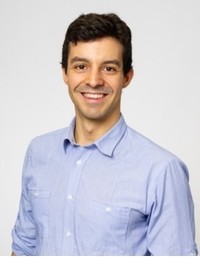
GET TO KNOW SAMUELE CAZZAMALLI (PHILOCHEM AG, SWITZERLAND)
In this edition, our MedChemBioConversations is with Samuele Cazzamalli from Philochem, Switzerland. Get to know him better by reading the interview below:
How did you get interested in Chemical Biology?
I have always been fascinated by topics at the interface of chemistry and biology. During my studies, I got interested in chemistry and chemical biology applied to drug development. I believe that using chemical tools to improve human health is really the most beautiful application of science, as it combines creativity, precision, and purpose with the potential to make a real difference in patients’ lives.
Where did you have your postdoc position?
After my PhD, I joined Philochem as research scientist, working in the field of tumor-targeted therapies such as antibody-cytokine fusions, small molecule-drug conjugates and radioligand therapeutics.
Where are you currently working and what is your current position?
I am Head of Research at Philochem AG, the discovery unit of the Philogen group.
What are your current research interests?
My main research interest is designing and developing new targeted therapies against cancer, to obtain drugs that are safer and more efficacious than currently approved products.
How would you explain what your research area is to non-scientists?
I work on “smart medicines” that can recognize cancer cells and deliver powerful treatments directly to them, while leaving healthy tissues largely unaffected.
What do you like best about your work?
The most rewarding part is seeing an idea grow from a concept at the bench to a therapeutic candidate that can potentially improve patients’ lives.
What kind of tasks does your work involve?
I oversee research programs, design new therapeutic strategies, guide experimental activities, and collaborate with internal and external teams, including clinical researchers to bring these compounds to patients.
What kind of skills does your work require?
Energy, precision, knowledge, passion for science, patience, vision, diplomacy…too many to be mastered, but trying is half the fun.
How many PhD students and postdocs do you currently supervise?
I am currently supervising a research team composed of 40 scientists, with PhD students, Research Associates, Research Scientists, and Senior Scientists.
How would you describe yourself as a supervisor?
I aim at being a supportive, direct and present supervisor. I love motivating good scientists and trying to get the most out of them.
Are you currently looking for a new PhD student or a postdoc?
We are always looking for talented students and postdoc to join our research team at Philochem!
What do you consider your greatest achievement in your scientific career?
I consider the discovery of OncoACP3, a new prostate cancer targeting ligand, one of the greatest achievements in my scientific career.
Which of your papers are you most proud of and why?
“Discovery of high-affinity ligands for prostatic acid phosphatase via DNA-encoded library screening enables targeted cancer therapy” by Georgiev et al. (in which I am corresponding author together with Dr. Sebastian Oehler), published in 2025 in Nature Biomedical Engineering. In this paper, we describe the discovery on new ACP3-targeting ligands by DEL technology.
What are the features of a successful PhD student or postdoc?
A student which invests energy and intelligence in the project will always be a successful PhD student / post-doc!
What advice would you give to someone who wants to know more about your field?
Read literature, look at what companies are doing, go to conferences, and talk to medicinal chemists that are working in top groups (if you have the chance).
What would you like to ask from other medicinal chemists?
How do you balance creativity and risk-taking with the practical constraints of drug development?
Have you experienced any unfair situations during your scientific career? How would you advise scientists facing similar situations?
Unfair situations happen to everyone. My advice would be to seek mentorship, build supportive networks, and don’t let setbacks define your trajectory.
What is the most embarrassing thing you have done in the lab while doing experiments, e.g. explosions?
Once I mislabelled mice when doing an in vivo experiment. The compound was not showing targeting, and I was trying to explain to my colleagues that, in my opinion, the molecule was not promising... when we realized that I picked the wrong mouse and in the right animal the test compound was showing the expected effect! We have just successfully completed a Phase I trial with the same molecule… very embarrassing.
What are your recommendations for a book, podcast, website, blog, YouTube channel or film?
Book: “Flatland: A Romance of Many Dimensions” (by E. A. Abbott)
Podcast: “The basement” (Italian podcast) / “On Purpose” by Jay Shetty
Which scientist do you admire the most and why?
I have great admiration for Prof. Dario Neri, my PhD mentor. He is an incredible source of knowledge, motivation, and ideas for new therapeutic approaches. Dario has been trained by two Nobel prize winners, Sir. Gregory Winter and Prof. Kurt Wüttrich, two scientists who I also greatly admire.
Which field of medicinal chemistry do you consider the most promising for the future?
Targeted therapies, particularly small molecule-drug conjugates hold great promise as an alternative to antibody-drug conjugates. Their potential for precision medicine is enormous.
What would you expect to be the next breakthrough in medicinal chemistry?
I believe that the use of Artificial Intelligence applied to DNA-Encoded Chemical Libraries and affinity measurements could revolutionize the way drugs are discovered. 12th EFMC YOUNG MEDICINAL CHEMISTS' SYMPOSIUM (EFMC-YMCS 2025) – SHORT REPORT
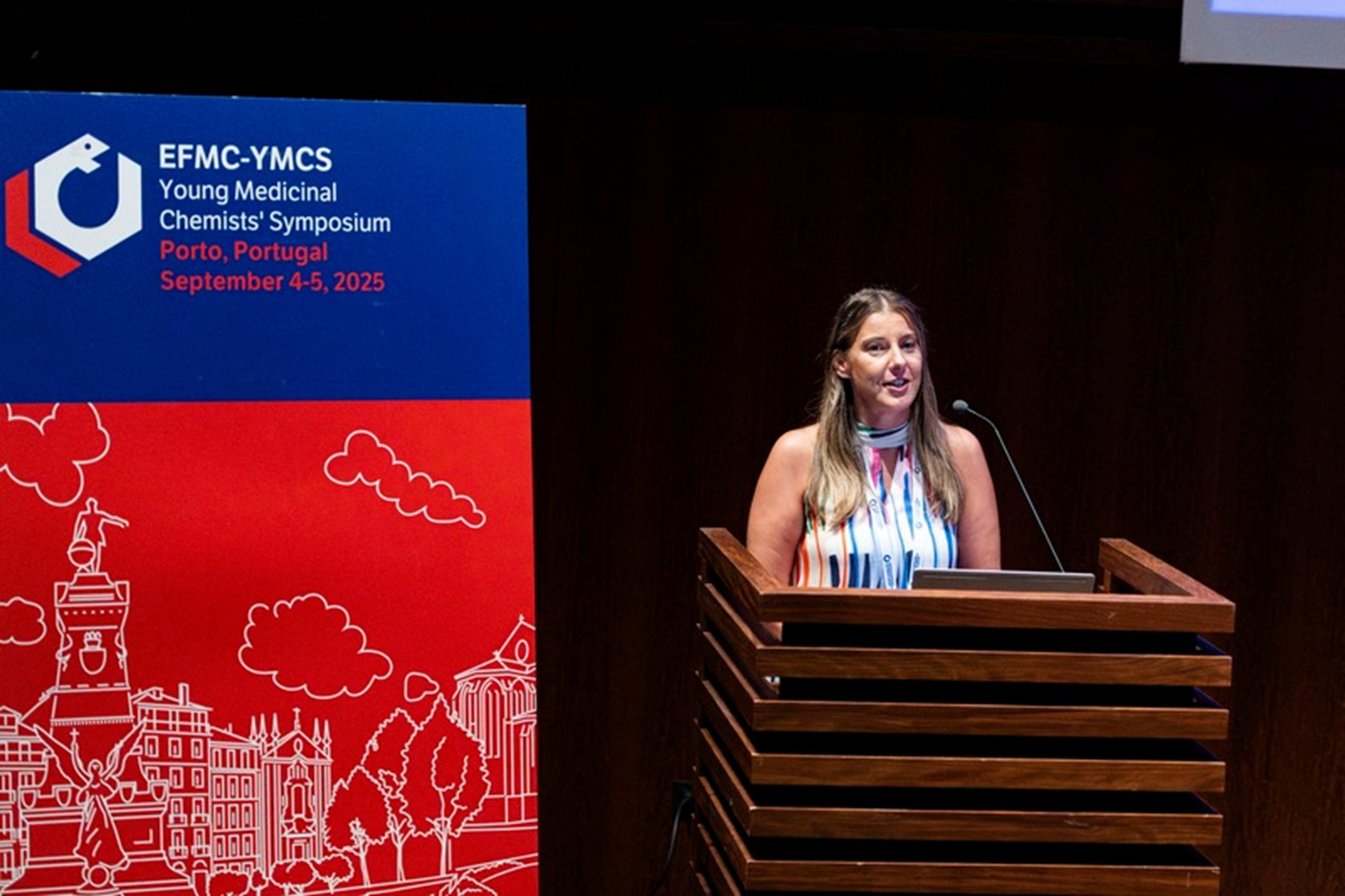
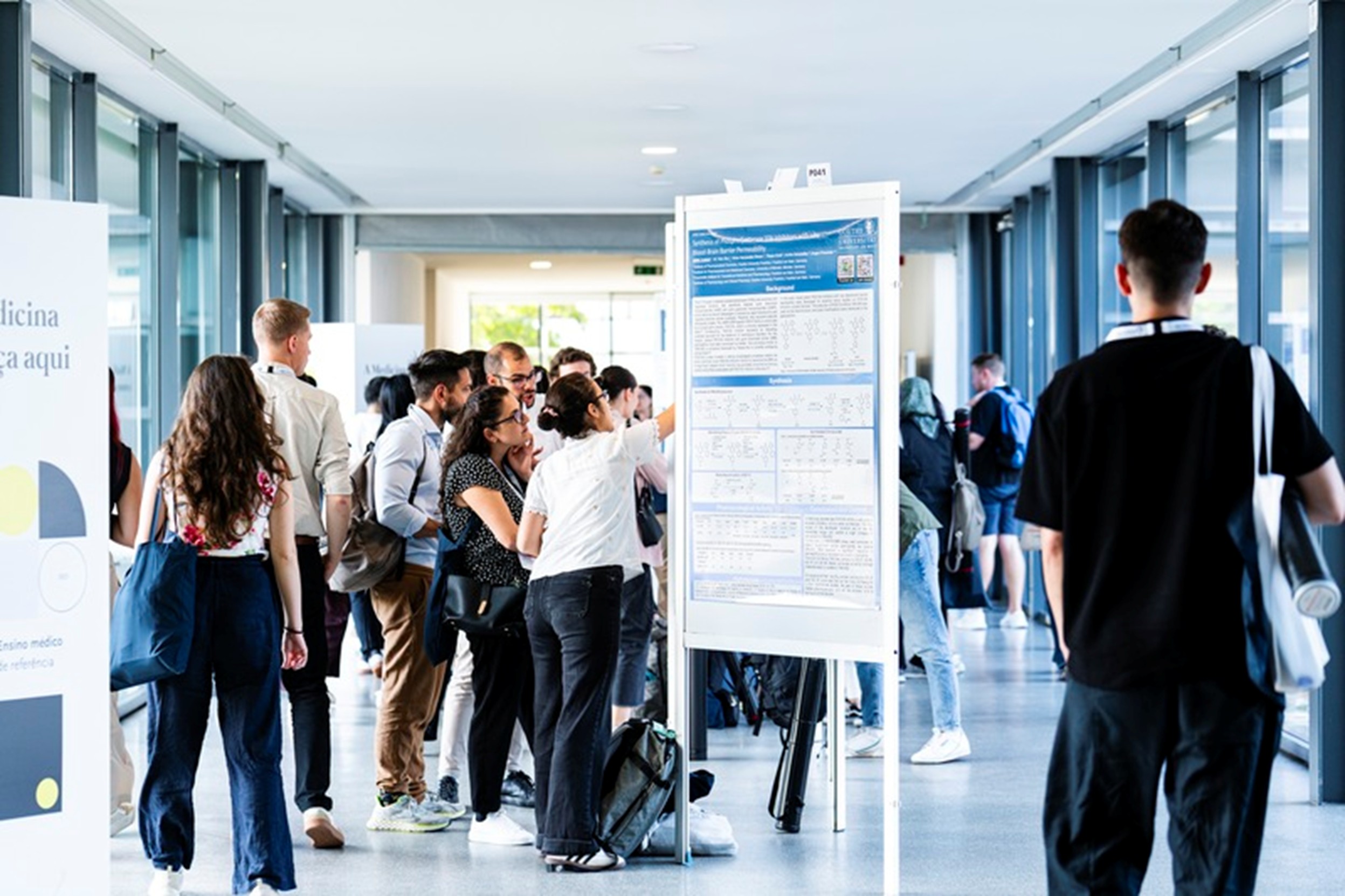
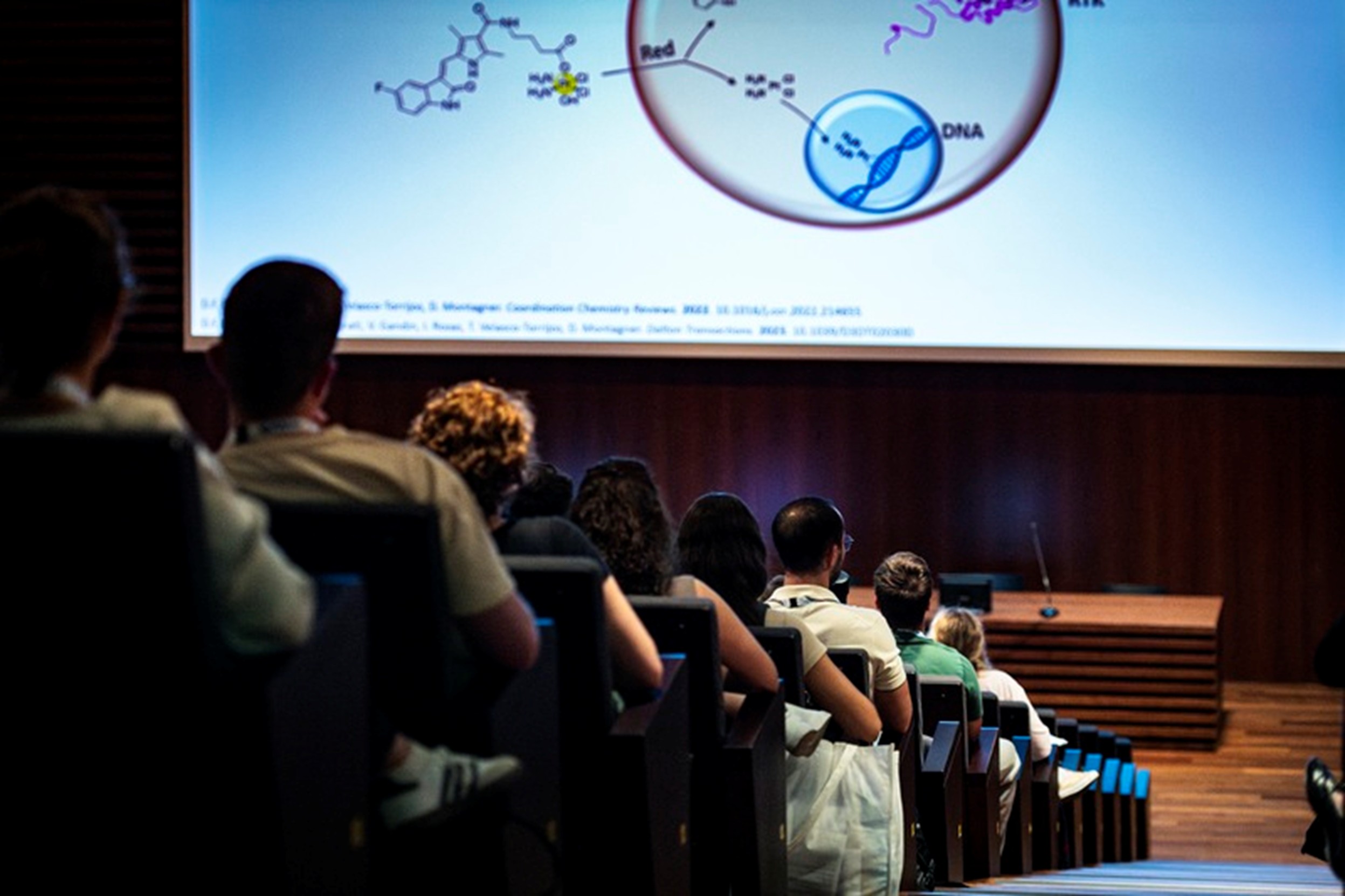
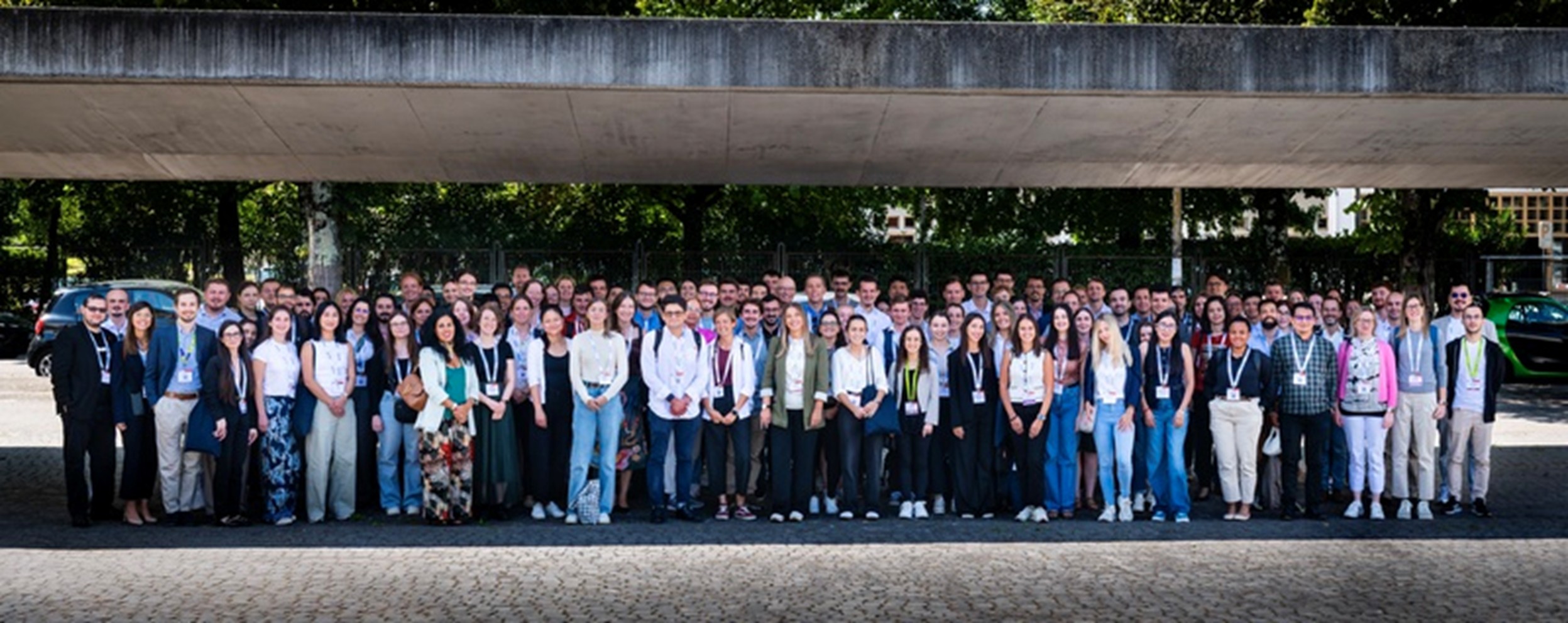
The 12th EFMC Young Medicinal Chemists' Symposium followed the X EFMC International Symposium on Advances in Synthetic and Medicinal Chemistry and gathered 170+ attendees at the Faculty of Medicine of Porto, Portugal. The symposium's programme for this year featured two distinguished keynote lectures, 8 oral presentations, 17 National Highlights by invited prize winners from national young medicinal chemist meetings across Europe, 1 prize lecture and 20 flash poster presentations.
The symposium began on Thursday, September 4, with a warm welcome from the chairs, Dr Diana Resende and Mr Ivo Dias (University of Porto, Portugal). The opening lecture “Harnessing TRIM21 Mediated Protein Degradation, Selectively Degrading Pathological Protein Aggregates in the CNS” was delivered by Dr Andrea Testa (Trimtech Therapeutics, United Kingdom), before leaving the stage to the competition between the oral communications, and the first set of flash poster presentations.
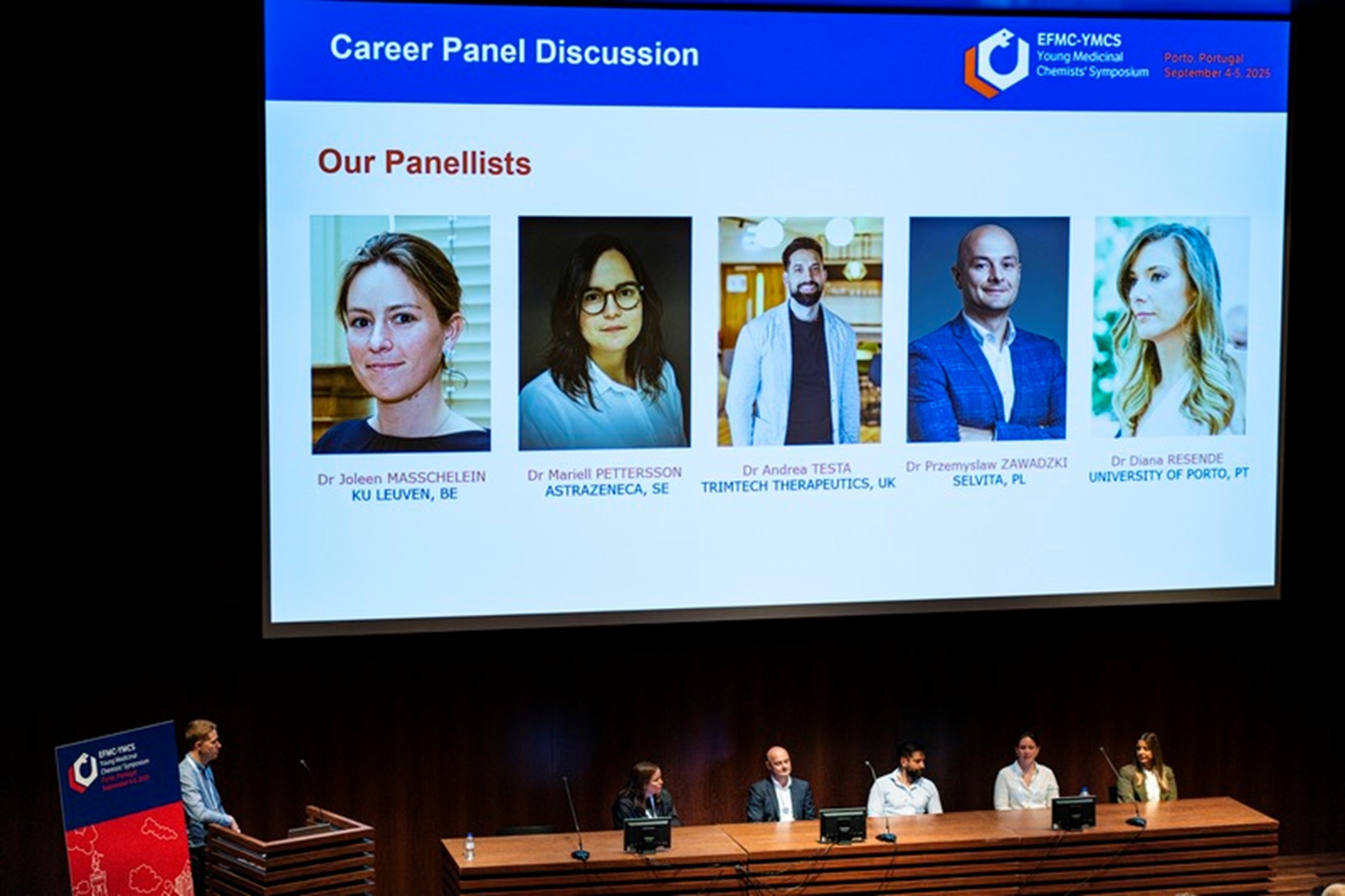
The second day of the conference commenced with a stimulating Career Panel Discussion, organised by the EFMC-YSN, featuring early-career talents from both industry and academia. The best oral communication contest resumed over the course of the day, as well as the second set of flash poster presentations before closing with a lecture by the winner of the 2025 EFMC Prize for a Young Medicinal Chemist or Chemical Biologist in Academia, Dr Joleen Maschelein (KU Leuven, Belgium) on “Elucidating and Exploiting Novel Microbial Pathways for Antibiotic Biosynthesis”.
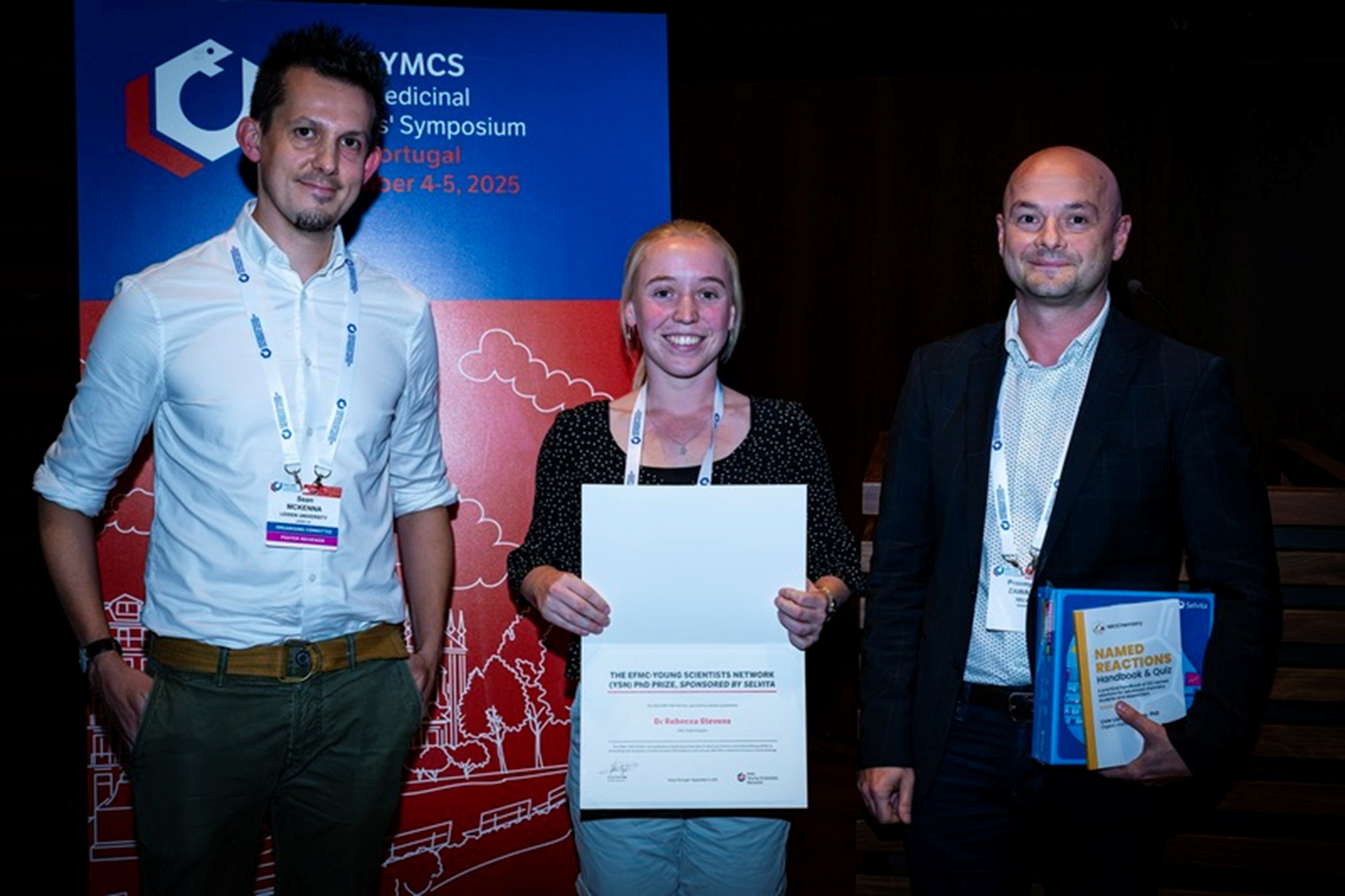
The conference was also the stage for the lecture of the 2025 EFMC-YSN PhD Prize, awarded to Dr Rebecca Stevens (Bicycle Therapeutics, United Kingdom).
Throughout the event, networking was at the heart, with a welcome reception and networking event offered by the EFMC-YSN, as well as two poster sessions showcasing 114 posters.
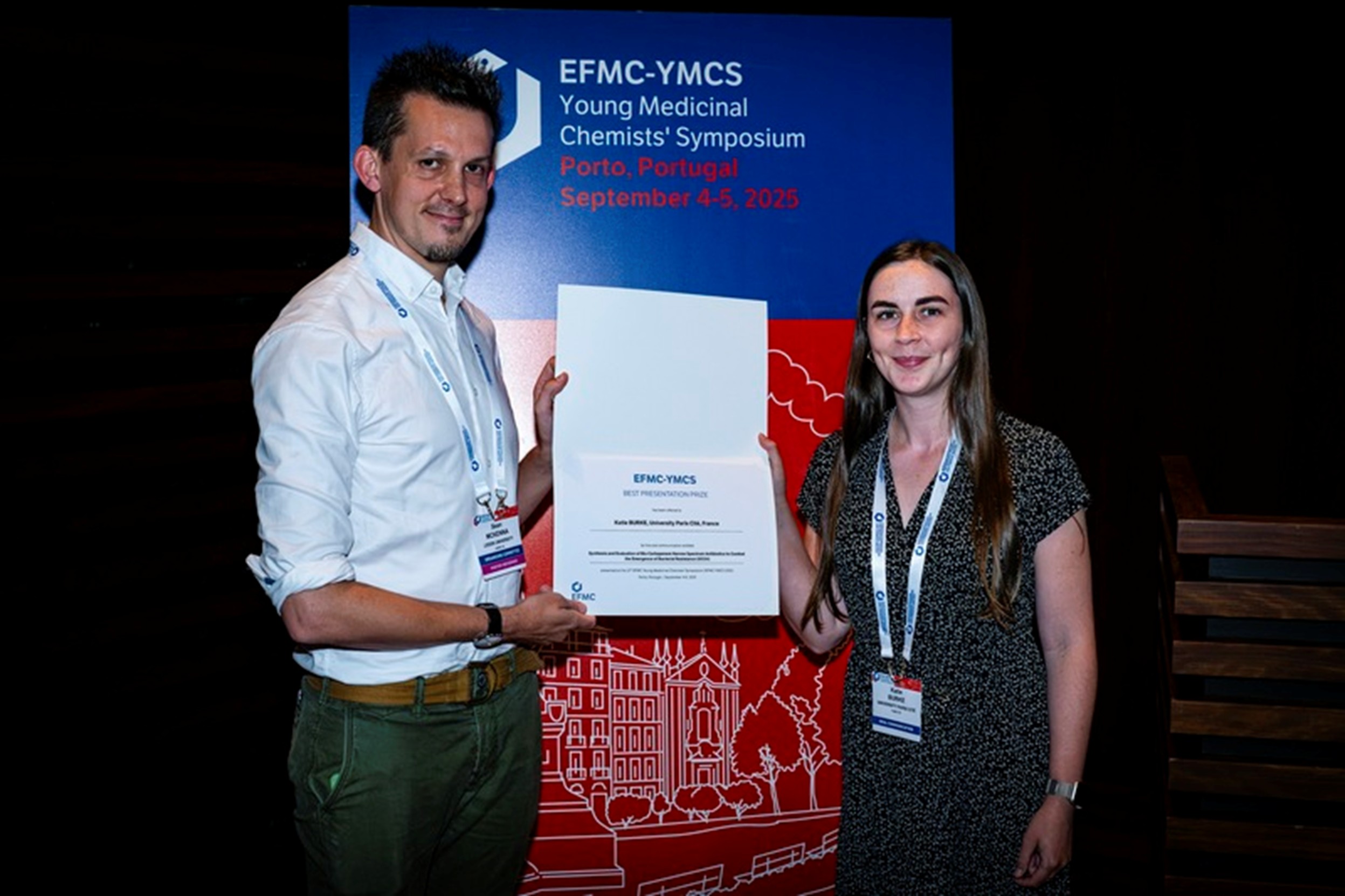
The Award Ceremony recognised the following champions:
- Ms Katie Burke (Université Paris Cité, France) received the EFMC-YMCS Presentation Prize for her presentation entitled "Synthesis and Evaluation of Bis-Carbapenem Narrow Spectrum Antibiotics to Combat the Emergence of Bacterial Resistance".
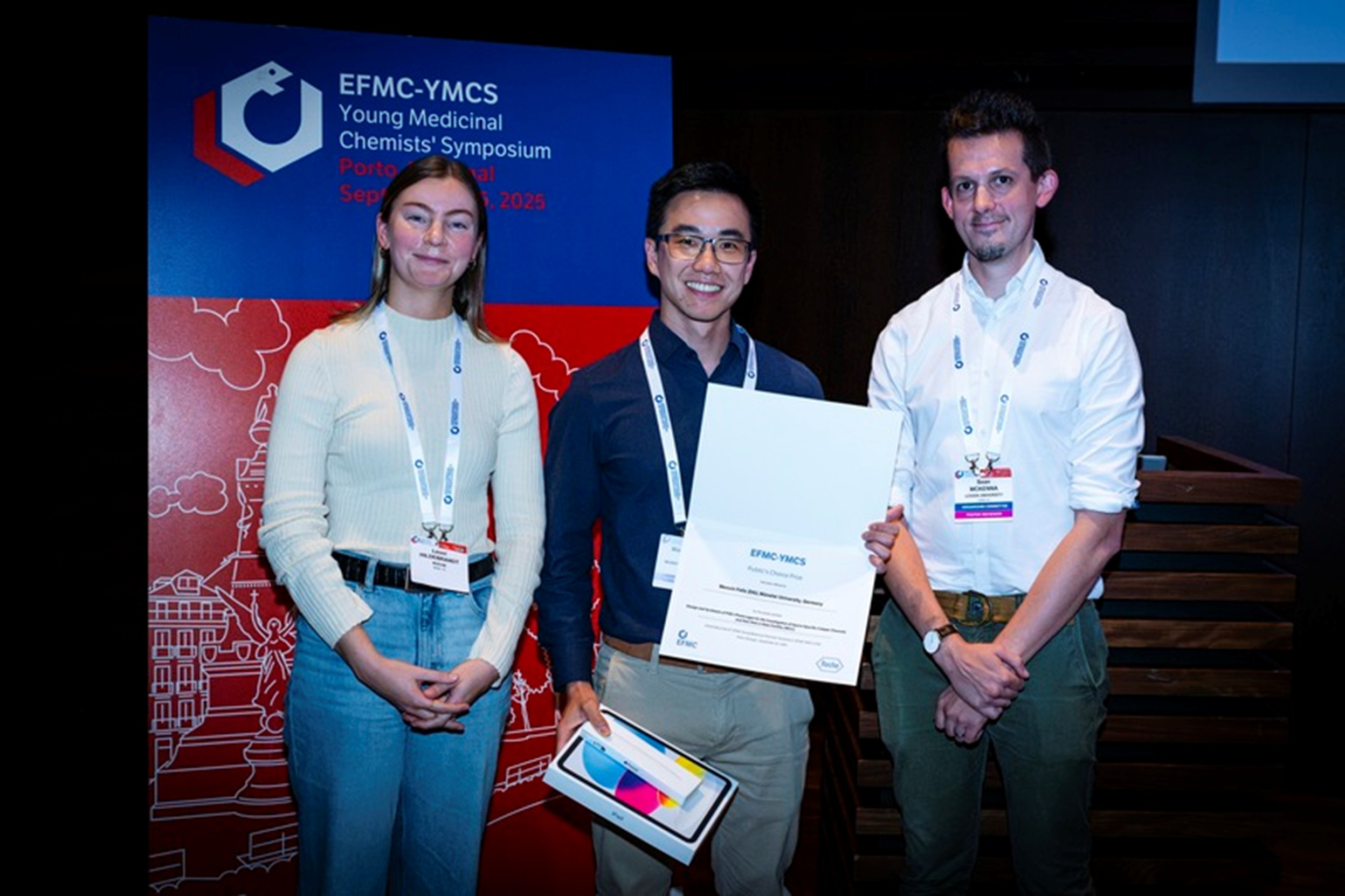
- Dr Wenxin Felix Zhu (Münster University, Germany) was awarded the EFMC-YMCS Public's Choice Prize, sponsored by Roche, for his presentation entitled "Design and Synthesis of PGE1-Photocages for the Investigation of Sperm-Specific CatSper Channels and their Role in Male Fertility".
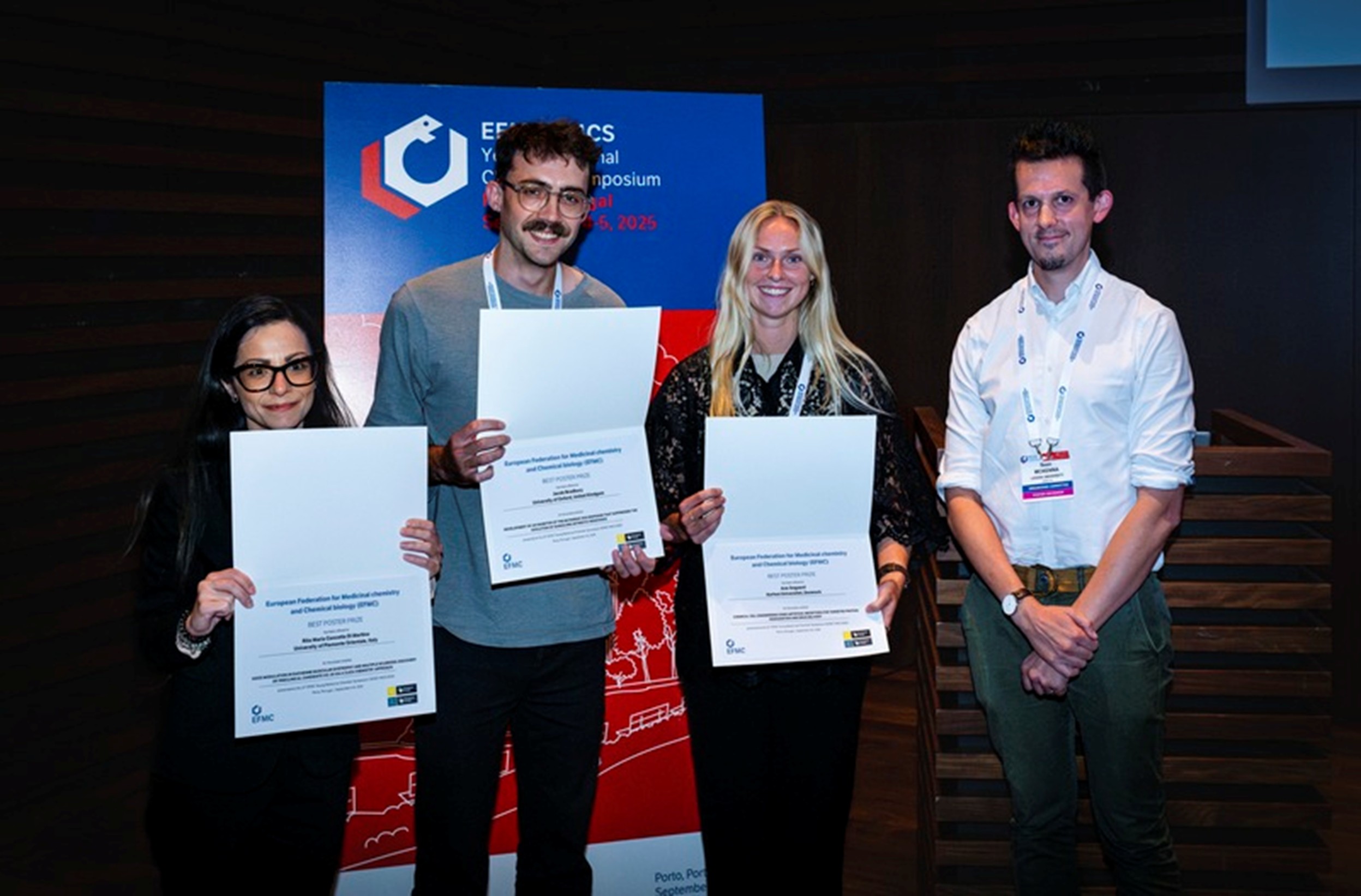
Additionally, three deserving participants received the EFMC-YMCS Best Poster Prizes, sponsored by Chemistry Europe:
- Poster 017: Jacob Bradbury (University of Oxford, United Kingdom)
- Poster 034: Rita Maria Concetta Di Martino (University of Piemonte Orientale, Italy)
- Poster 104: Ane Søgaard (Aarhus University, Denmark)
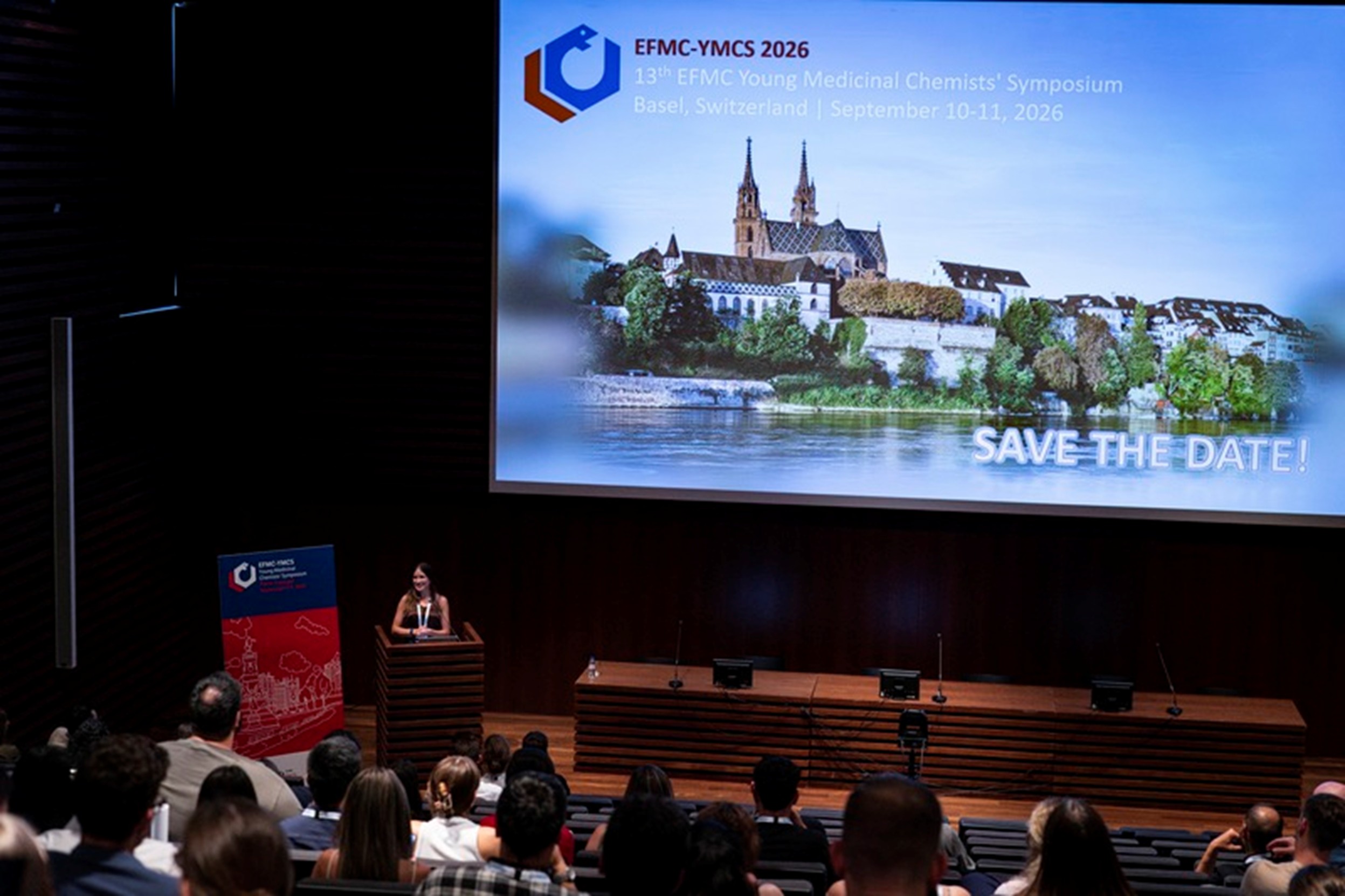
We extend our sincerest gratitude to all the committee members, speakers, sponsors, exhibitors, and, most importantly, the participants for their invaluable support. We look forward to meeting all of you in Basel, Switzerland, for the 13th EFMC Young Medicinal Chemists' Symposium (now known as EFMC Young Scientists' Symposium), set to take place on September 10-11, 2026.
Have a look at the Pictures!
SHOWCASING THE FRENCH YOUNG MEDCHEM FORUM (YMCF) FROM THE SCT:
Launched in early 2022, the Young MedChem Forum of the French Société de Chimie Thérapeutique is a dynamic and evolving group of academic and industrial medicinal chemists and chemical biologists, aiming to promote our fields towards young scientists’ community in France (and beyond!) by informing, inspiring, promoting and connecting them. Several actions are now well established among our community:
AskMeAnything webinars
* We regularly organize “AskMeAnything” online webinars to discuss career paths, training choices and opportunities in both academia and industry. During these interactive sessions, members of the group and guest speakers, from academia and industry, answer questions and share their experience to provide clear and useful insights. In recent sessions, we were honored to host Dr. Mélaine Kuenemann (Roche; “Chemoinformatic in pharma industry”), Dr. Kim Spielmann and Pr. Rebecca Deprez-Poulain (Evotec / University of Lille; “A career in medicinal chemistry after a pharmacy degree”) and Maïwenn Bonnet (Nony; “A career as patent engineer”). All “AskMeAnything” sessions are available on our YouTube channel. Building on the most frequent questions asked during these webinars, we also publish articles related to careers on the YMCF website.
Mentoring program
* A mentoring program is also conducted each year (4th edition in 2025-26), aimed at guiding and supporting students individually. This program consists in regular one-to-one meetings between senior researchers and mentees to exchange about career management. Senior researchers share their experiences, answer questions, give personalized advises and feedback. Both mentees and mentors have given excellent feedback about the program and the relationship they have built.
Mappings
* Finding and applying to suitable master’s program, academic lab or a pharmaceutical company for an internship, PhD or job is not an easy task and demands careful research, time and efforts. To ease this process, we gathered such information into interactive mappings allowing to quickly locate opportunities across the territory and find detailed information.
My publication at a glance
* We support young scientists (PhD and Postdocs) by promoting their work via short online videos through the “My publication at a glance” initiative, in which they present their latest publication as first author and which we broadcast on our YouTube channel, thereby offering visibility to their research. So far, 13 episodes were published.
Scientific meetings
The Young MedChem Forum is also involved in the organization of two major annual SCT events: RICT (next event in Paris, 1st–3rd July 2026) and YRFM (next event in Marseille, 11th–13th February 2026, registration opened). Our involvement focuses, but not exclusively, on career and poster sessions.
European Contribution
Finally, we recently teamed up with GdCh NextGenMedChem and EFMC-YSN to launch MedChemBio Posters Online, an event during which Master’s and PhD students, as well as postdocs from all over the world share and pitch their work on LinkedIn. This initiative celebrates curiosity and fosters connection among peers and guess what? It is still time to register for the 2nd edition, taking place on November 20th 2025!
If you feel like connecting with us, please join us on linkedin or write us at: ymcf@sct-asso.fr
Dr. Nicolas George, Dr. Pierre Sierocki, Dr. Guillaume Eppe & Dr. Guillaume Compain for the Young MedChem Forum of the Société de Chimie Thérapeutique, France. SPOTLIGHT ON FRANCE!
The French Young MedChem Forum (YMCF) from the SCT is pleased to highlight a paper titled “A Novel Selective Inhibitor of Acyl-CoA Synthetase Long Chain Family Member 4 (ACSL4) and Its Binding Mode” recently featured in Angewante Chemie.
Acyl-coenzyme A synthetase long-chain family member 4 (ACSL4) plays a key role in lipid metabolism and has recently emerged as a drug target for cancer and ferroptosis-related conditions, including neurodegenerative diseases. The antidiabetic drug rosiglitazone has previously been shown to selectively inhibit ACSL4 over the ACSL family of proteins, albeit with micromolar potency. Its high affinity for its clinical target, the peroxisome proliferator-activated receptor gamma (PPARγ), also involved in lipid regulation, however limits further investigation aiming to study ACSL4 inhibition with this compound. In this collaboration between the Catholic University of Louvain (Pr. Raphael Frederick) and the University of Lille (Dr. Jamal El Bakali), researchers successfully turned rosiglitazone into a more potent submicromolar ACSL4 inhibitor devoid of PPARγ activity.
To do so, they first leveraged the existing and well-established structure-activity relationship (SAR) of rosiglitazone to abolish the PPARγ activity while enhancing ACSL4 inhibitory potency, leading to the identification of LIBX-A401. Then, using a combination of biophysical techniques, they were able to demonstrate that the compound binds to ACSL4 in an ATP-dependent manner, thereby mimicking the natural fatty acids substrates of ACSL4. A set of different experiments, including hydrogen-deuterium exchange mass spectrometry, photoaffinity labelling, molecular dynamics and mutagenesis, was further employed to identify the binding region within the protein target and gain insights into LIBX-A401’s pharmacology. Based on these results, the team proposes a putative binding mode for their compound, in good agreement with the SAR, and the observed selectivity over other ACSL proteins. Finally, LIBX-A401’s capacity to protect a set of cell lines against ferroptosis, including dopaminergic neuron LUHMES cells (used as a model for neurodegenerative diseases) and the HEK293 cancer cell line, was evaluated. The target engagement was confirmed in-cellulo, and in all cases, a significant protective effect was observed, correlating with a significant decrease in lipid peroxidation.
This work establishes LIBX-A401 as a promising tool to investigate ACSL4 inhibition in cancer and neuronal disorders, and paves the way for the rational design of next-generation analogs with improved pharmacokinetic properties tailored for in-vivo profiling.
Mazhari Dorooee, D.; Ravez, S.; Vertommen, D.; Renault, N.; Papadopoulos, N.; Marteau, R.; Charnelle, E.; Porte, K.; Gobert, A.; Hennuyer, N.; Herinckx, G.; Pautric, M.; Jonneaux, A.; Devedjian, J. C.; Devos, D.; Staels, B.; Melnyk, P.; Constantinescu, S. N.; Frédérick, R.; El Bakali, J. LIBX-A401: A Novel Selective Inhibitor of Acyl-CoA Synthetase Long Chain Family Member 4 (ACSL4) and Its Binding Mode. Angew. Chem. Int. Ed. 2025, 64 (19), e202500518. https://doi.org/10.1002/anie.202500518. #MEDCHEMCASES - SEMINAR BY THE DIVISION OF MEDICINAL CHEMISTRY OF THE GERMAN CHEMICAL SOCIETY (GDCH)
The MedChem Division of the German Chemical Society (GDCh) would like to invite you to the next #MedChemCASES online seminar which will be held on November 11 by Dr Ryan Wurz, Amgen.
The topic of the webinar will be “Structure- and Property-based Design of a Macrocyclic pan-KRAS Inhibitor, AMG 410”.
Register for free here.
#GDCh (MedChem Division), #NextGenMedChem.
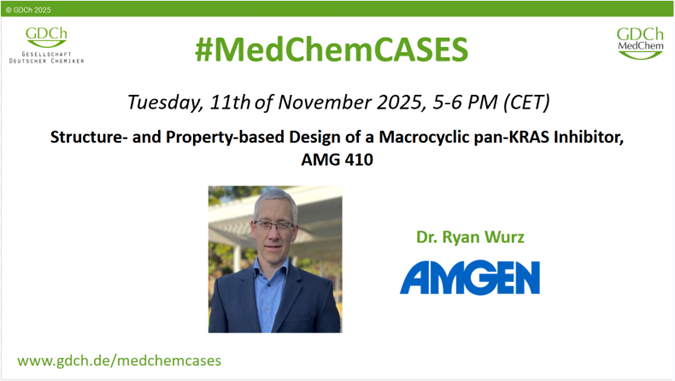
KRAS is the most frequently mutated oncogene, driving over 20% of human cancers, including pancreatic, colorectal, lung, endometrial, and gastric tumors. Building on insights from the development of sotorasib (covalent KRAS G12C inhibitor), we leveraged structure- and property-based design to identify a new class of reversible, macrocyclic pan-KRAS inhibitors, culminating in the discovery of AMG 410. AMG 410 is orally bioavailable, highly selective over HRAS and NRAS, and has high affinity for both GTP(on)- and GDP(off)-bound states of KRAS. Non-clinical studies of AMG 410 demonstrate robust antitumor activity. AMG 410 is currently under clinical evaluation in patients harboring KRAS missense mutations or genetic amplification who have progressed on standard-of-care therapy. NEWS FROM THE BIOLOGICAL AND MEDICINAL CHEMISTRY SECTOR (BMCS) OF THE ROYAL SOCIETY OF CHEMISTRY (RSC)
The BMCS is happy to announce several upcoming events
Meetings in 2025
BMCS New approaches to the treatment of Parkinson’s
Wednesday 12 November 2025, Burlington House, London, UK
BMCS/Parkinsons UK
Registration and abstract submission is open! Check the website for updated speaker details!
Website: https://www.rscbmcs.org/events/parkinsons25/
Synopsis: Join the Royal Society of Chemistry Biological Medicinal Chemistry Sector and Parkinson’s UK to hear about new approaches to the treatment of Parkinson’s Disease.
In the dynamic field of drug discovery, the search for new treatments for Parkinson’s disease has never been more critical. It is estimated 10 million people worldwide are living with Parkinson’s – a chronic, progressive neurodegenerative condition resulting from the loss of the dopamine-containing cells of the substantia nigra. Motor and non-motor symptoms of the condition are wide ranging and current treatments only help to manage a small subset of the symptoms and do not modify the disease progression. But there is a wealth of research to find new and better therapeutics for Parkinson’s.
This meeting, specifically designed for professionals dedicated to developing new therapeutics for Parkinson’s disease, will highlight current research offering symptomatic relief and disease modifying approaches.
BMCS Hot Topics: Antibody–Drug Conjugates
Thursday 20 November 2025 (afternoon), Virtual
BMCS
Registration is open!
Website: https://www.rscbmcs.org/events/hottopicsadcs2025/
Synopsis: The BMCS Hot Topics online meetings are intended to highlight breaking areas of research in fields of science relevant to drug discovery. They will run as stand-alone half-day virtual events, 2-3 times per year. The programmes will be targeted towards researchers working in or who would like to enhance their understanding of these nascent or developing fields.
Antibody-drug conjugates (ADCs), alongside other targeted modalities, effectively enrich target tissues with potent payloads unsuitable for systemic administration. With several recent clinical successes, the number of new ADCs approaching the clinic is rapidly increasing. This meeting aims to highlight the technological advancements and innovations driving these ADCs, while addressing the challenges and opportunities within the field. The Hot Topics session will feature speakers from industry and academia who are at the forefront of ADC design.
Meetings in 2026
BMCS Postgraduate Symposium XIX
Thursday 08 January 2026, University of Manchester, UK
BMCS
Registration and abstract submission is now open!
Website: https://www.rscbmcs.org/events/psxix/
Synopsis: This face-to-face meeting will comprise of oral and poster presentations from PhD students and post-doctoral workers researching in biological or medicinal chemistry. In addition, the agenda will feature invited keynote speakers from industry and academia.
BMCS 3rd Conformational Design in Drug Discovery
Monday 02 March 2026, Stevenage, UK
BMCS
A date for your diary!
Website: BMCS 3rd Conformational Design in Drug Discovery 2026 - RSC BMCS
Synopsis: Conformational Design plays a key role in the medicinal chemistry of small molecule drug candidates. The emergence of generative AI models to assist molecular design and free-energy-perturbation techniques critically depend on accurate prediction of 3D ligand conformations. Here we bring together cutting-edge computational methods with experimental free ligand NMR solution conformations and protein-ligand X-ray and CryoEM structures to craft the medicines of tomorrow. We will discuss ligand rigidification and physicochemical optimisation strategies for protein-protein interaction inhibitors, PROTACs, molecular glues, antibody-drug-conjugate payloads and other new modalities. This RSC-BMCS event aims at building a community that shares conformational design strategies, technologies, and successful case studies. It will complement other rational drug design events and promote more successful research into future medicines.
The BMCS Mastering MedChem X: 10th RSC-BMCS Symposium on Mastering Medicinal Chemistry
Friday 13 March 2026, Burlington House, London, UK
BMCS
A date for your diary!
Website: https://www.rscbmcs.org/events/mastermedchem26/
Synopsis: Mastering Medicinal Chemistry X is the latest in an ongoing series of conferences intended to provide expert advice and guidance to new practitioners in the field of drug discovery. It has been said that “there are two types of drug discovery programmes: those that hit serious problems and those that are going to hit serious problems.” Anticipating and preparing for such problems thus accelerates the delivery of new medicines: this event will feature presentations from experienced ‘drug-hunters’ in both industry and academia, who will talk about the challenges faced in modern drug discovery, and will share best practice common to all successful medicinal chemists.
RSC-BMCS/SCI 5th Symposium on Anti-Infectives Drug Discovery
Monday 01 – Tuesday 02 June 2026, Francis Crick Institute, London, UK
SCI/BMCS
A date for your diary!
Website: https://www.rscbmcs.org/events/mastermedchem26/
Synopsis: With the ever-growing prevalence of drug-resistant pathogens, it has never been more important that we refresh the drug pipeline with new antimicrobials that act on new targets or exhibit novel modes of action. The rise of antimicrobial resistance and recent COVID pandemic serve to highlight the importance of developing effective treatments for infection, and is helping to drive a resurgence in anti-infectives drug discovery and the development of innovative technologies and approaches for combating infection through more effective detection and diagnosis methods.
7th RSC-BMCS/DMDG New Perspectives in DMPK
Wednesday 10 June 2026, Burlington House, London, UK
BMCS/DMDG
A date for your diary!
Website: https://www.rscbmcs.org/events/dmpk26/
Synopsis: Novel small-molecule-based therapeutic approaches represent a key component of the discovery landscape. The emergence of molecular glues, PROTACs, bicyclic peptides, and other novel chemistries often bring with them new challenges for drug discovery scientists; synthetic difficulty, beyond rule-of-five physicochemical properties, and complexity in the link between exposure and response, may complicate ADME characterisation and accurate human dose prediction, particularly for drugs aimed at oral administration. This meeting will provide a forum for the exchange of ideas between principal members of the DMPK research community on how we can rise to these challenges. Keynote talks from thought leaders will provide wider perspectives on how DMPK can contribute to the delivery of medicines to patients more quickly and efficiently. There will be a balanced mix of oral and poster presentations, and networking opportunities throughout.
10th Fragment-based Drug Discovery Meeting
Monday 14 – Wednesday 16 September 2026, Churchill College, Cambridge, UK
BMCS
Save the date
Website: https://www.rscbmcs.org/events/fragmentsx/
Synopsis: The aim of the 10th RSC-BMCS Fragment-based Drug Discovery meeting will be to continue the focus on case studies in Fragment-based Drug Discovery that have delivered compounds to late stage medicinal chemistry, preclinical or clinical programmes. The Fragment series was started in 2007 and continues with this theme in having over three-quarters of the presentations focused on case studies. This will be complemented by technology progress in high concentration, NMR, SPR and X-ray screening. INTERESTED IN SPONSORING THIS NEWSLETTER?
Take the opportunity of our monthly newsletter “MedChemBioWatch” to promote your company or deliver a message to our audience of more than 10,000 members.
Each issue can be sponsored exclusively with two banners, a short company description, and a weblink. Reach out to administration@efmc.info if you want to receive more information.
|
|
|
|
|
|
ISSUE SPONSORED BY
EFMC ORGANISED EVENTS
November 25, 2025
Virtual Event
22nd EFMC-YSN MedChemBioOnline
December 4 2025
Virtual Event
7th EFMC Tandem Talks
April 19-22, 2026
Oegstgeest, The Netherlands
EFMC Short Course on Medicinal Chemistry
June 22-25, 2026
Dublin, Ireland
EFMC-ACSMEDI MedChem Frontiers 2026
September 6-10, 2026
Basel, Switzerland
EFMC Medicinal Chemsitry 2026
EFMC SPONSORED EVENTS
December 5, 2025
Institut Pasteur, Paris, France
Advances in Screening Technologies for Drug Discovery
December 15, 2025
Ghent, Belgium
MedChem 2025 Sustainability in Drug Discovery
January 25-29, 2026
St Anton, Austria
5th Alpine Winter Conference on Medicinal and Synthetic Chemistry
January 8, 2026
Manchester, United Kingdom
Postgraduate Symposium XIX – Biological and Medicinal Chemistry Symposium for Postgraduates
JOB PORTAL
Junior research group leader
Institut Pasteur, FRANCE
Read more
|
|