En
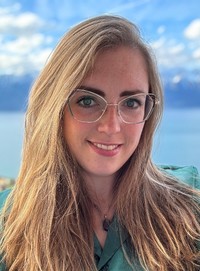
How did you get interested in Medicinal Chemistry?
I've always been curious about the world around me, and chemistry quickly became my favourite subject in high school. That early enthusiasm led me to pursue chemistry at university, and during my bachelor's programme I had the opportunity to complete several six-month internships, which allowed me to explore different subfields and figure out what part of chemistry I really liked.
I started in analytical chemistry, then moved to polymer chemistry, both interesting, but neither felt like the right fit. Everything changed when I joined Janssen Pharmaceutica in Belgium for an internship in medicinal chemistry. I fell in love with the work almost immediately. What captivated me was the unique blend of organic chemistry and biology: studying a biological target, understanding its interactions, and then making rational, informed decisions about how to modify a molecule to improve its potency. That combination of creativity, logic, and purpose is what drew me in and it's what still excites me today.
Where did you have your postdoc position?
I didn't follow the traditional postdoc route. Instead, I completed an industrial PhD in collaboration with Johnson & Johnson (Janssen Research & Development) as part of the PhotoReAct consortium, a Marie Sk''.chr('322').''odowska-Curie Innovative Training Network (ITN) funded under the European Union's Horizon 2020 programme (Grant Agreement No. 956324). Within this network, my research focused on the interface of automation, flow chemistry, and photochemistry, exploring how these enabling technologies can be combined to accelerate reaction development and bring photocatalytic methodologies from the academic lab into industrial practice. The industrial PhD format gave me the best of both worlds: the scientific depth of academic research, and the real-world perspective of working alongside medicinal chemists in a pharmaceutical setting.
Where are you currently working and what is your current position?
I am currently a Senior Scientist in the Chemical Synthesis and Automation team at AstraZeneca. In this role, I focus on parallel medicinal chemistry and work closely with medicinal chemistry project teams to support their programmes and help accelerate the Design–Make–Test–Analyse (DMTA) cycle through automation. A key part of our work also involves applying direct-to-biology (D2B) approaches, which allow us to shorten timelines even further by moving compounds from synthesis into biological testing without the traditional purification bottleneck.
What are your current research interests?
I'm genuinely drawn to the problem-solving and efficiency mindset that parallel medicinal chemistry and automation demand. Setting up a reaction in an automated or parallel format forces you to think holistically about chemistry, reagent compatibility, solvent choice, reaction robustness, scalability, analytical workflows, all at once. Another area I find particularly exciting is downscaling: pushing reactions to smaller and smaller scales enables us to explore broader chemical space with less material, which is transformative for early drug discovery. More broadly, I'm passionate about how the integration of automation, high-throughput experimentation, and data-rich workflows can reshape the way medicinal chemists design and make molecules.
What do you like best about your work?
The diversity, no two days are the same. I get to work across many different projects, collaborate with a wide range of scientists, and operate a variety of instruments and platforms. That constant variety keeps me curious, keeps me learning, and is what makes the job so rewarding.
How would you describe yourself as a supervisor?
Open-minded and enthusiastic. When I look back at my own career, I realise how much impact my mentors had on shaping who I am as a scientist, and I want to pay that forward to the next generation of researchers. I try to create an environment where people feel supported to ask questions, take ownership of their work, and explore their own ideas. My favourite piece of advice, and one I always share: never let anyone tell you that you can't do it.
Which of your papers are you most proud of and why?
The paper I'm most proud of is: "Addressing Reproducibility Challenges in High-Throughput Photochemistry" JACS Au 2024, 4 (7), 2585–2595. DOI: 10.1021/jacsau.4c00312. I'm particularly proud that the paper directly addressed a pressing need in the field. It has since been widely adopted and is now effectively considered a reference in the industry for photochemistry in HTE and library synthesis. For me, it's also a paper that brings together the three threads that have shaped my career photochemistry, automation, and medicinal chemistry.
Have you experienced any unfair situations during your scientific career? How would you advise scientists facing similar situations?
Like many scientists, and maybe especially women in STEM, I've had moments where I felt underestimated or had to work a little harder to have my voice heard. They show up as subtle biases or assumptions about what you can or cannot do. My advice is: trust your gut, surround yourself with mentors and allies who believe in you, and don't be afraid to speak up both for yourself and for others. And once you're in a position to lift people up, do it visibly. The piece of advice I always come back to, as mentioned before: never let anyone tell you that you can't do it, and prove people who doubt you wrong by doing exactly that!
Which scientist do you admire the most and why?
One scientist I really admire is Dr. Emma R. Parmee. I had the chance to speak with her during my PhD at Johnson & Johnson, and that conversation has stayed with me ever since.
What struck me wasn't just her impressive career, but how openly she talked about the reality of balancing a demanding career with a rich personal life, and about pursuing high ambitions without losing sight of what matters outside the lab. Hearing someone at her level speak so genuinely about that balance was really meaningful to me. She showed me that it's possible to be both ambitious and grounded. That's the kind of scientist, and the kind of person, I aspire to be.
Which field of medicinal chemistry do you consider the most promising for the future?
For me, the most exciting evolution in medicinal chemistry is the combination of automation, high-throughput experimentation, and data-driven design. We're moving away from the traditional, sequential DMTA cycle toward workflows where design, synthesis, and biological testing are tightly integrated and often supported by AI and machine learning. Approaches like direct-to-biology (D2B) are a great example. Combined with miniaturisation and parallel chemistry, this fundamentally changes the kind of questions we can ask and how quickly we can answer them. I believe the medicinal chemists of the future might spend less time repeating routine chemistry and more time doing what we do best: thinking creatively, designing smarter molecules, and making rational decisions based on richer, higher-quality data.
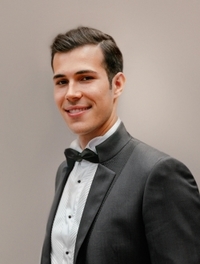
How did you get interested in Medicinal Chemistry/ Chemical Biology?
Organic chemistry caught my attention ever since I was in high school. I just loved to draw out mechanistic arrows and follow the logic behind chemical transformations. As time progressed, I saw organic chemistry more and more as a tool kit to make an impact on a higher level. That is when I also got involved with Chemical Biology and expanded my skillset to be able to push molecules from the bench to pre-clinical evaluation.
Where are you currently working and what is your current position?
I am currently working in a small Biotech company, Philochem AG, as a research scientist. I have always been more drawn to industry than to academia and Philochem allowed me to also do an industrial PhD before I continued as a research scientist. I am working in the field of Oncology, particularly in drug discovery and development.
How would you explain what your research area is to non-scientists?
I would often tell non-scientists that I work to develop treatments for diseases with an unmet medical need. The chemistry can often be described as cooking: sometimes following recipes and other times applying your experience and feeling to make your own unique “dishes”. The most successful “dishes” are sometimes served to mice before being served to humans. If the mouse is happy, we hope that also the human will be too.
What do you like best about your work?
I love the interdisciplinarity. It never becomes boring because I find myself routinely not only in the fume hood, but also in the cell culture, mouse house, and radiosafety laboratory. I have built a differs skillset and I am happy to apply it while assisting and training other scientists.
What kind of tasks does your work involve?
I am still actively involved with chemical synthesis and validation experiments, both in vitro and in vivo. I also now have a PhD student to supervise and my responsibilities are growing along with the number of projects that I am working on/ managing.
What kind of skills does your work require?
Synthetic organic chemistry, analytical methodology, biochemistry, cell biology, animal work, immunology.
How would you describe yourself as a supervisor?
I see myself as a mentor and as a supportive function, rather than as a boss. I work side-by-side with my students when I transfer new skills and make sure that they are comfortable while learning at their own rate. I value independence a lot and always give my students agency to plan their projects. I will never micromanage and apply excessive pressure. I am always happy to discuss anything and remain open and flexible as soon as my students have questions. Regularly, the students make their plans and discuss them with me and proceed after I have given my feedback.
What do you consider your greatest achievement in your scientific career?
The first in human study performed with OncoACP3 – a molecule that I synthesized with my own hands and shared with doctors proceeded to help many patients and change the course of their treatment. Now I am proudly supporting the development of the involving clinical programs.
Which of your papers are you most proud of and why?
“Discovery of high-affinity ligands for prostatic acid phosphatase via DNA-encoded library screening enables targeted cancer therapy”, published in Nature Biomedical Engineering. Firstly, it is my highest impact first-author paper, but most importantly, it starting to fan the flames for a revolution in prostate cancer imaging and therapy. We were brave to invest in a target that was overlooked and forgotten for many years in the small molecule field, and produced a ligand that is ready to outperform the gold standard in the clinics.
What are the features of a successful PhD student or postdoc?
The most important is to believe in your project and the work that you do. Motivation, drive, and curiosity are the most essential qualities, in my opinion. And it is much easier to possess them if you love what you do and are passionate about what you are working on!
What advice would you give to someone who wants to know more about your field?
It is a fast-paced environment where small details matter and speed is of the essence. You must work smart and chose which targets you invest your energy in.
Have you experienced any unfair situations during your scientific career? How would you advise scientists facing similar situations?
Before I began my Industrial PhD at Philochem AG, I was actually doing another PhD in a renowned organic chemistry group at ETH Zurich. I discontinued because my professor clearly abused his power and enforced a completely toxic work ethic. The only advice I can give is to find the strength to put your mental health first. Nothing is worth losing who you are and there are always alternatives, so be brave to escape any situation that makes you question your life choices. It is not quitting… It is self-respect and self-enabling to be the best version of yourself that you can be, without anyone holding you back or trying to change you.
What is the most embarrassing thing you have done in the lab while doing experiments, e.g. explosions?
Once I was at the last step of a long synthesis and dropped my flask after the final rotavap step after purification…. Needless to say, it broke and I was scrubbing the floor with cotton swabs to try to recover as much as I could before repurifying again. The whole thing took an extra half day, but surprisingly my final yield didn’t suffer so much!
What are your recommendations for a book, podcast, website, blog, YouTube channel or film?
I have to say, I am more on the music/gaming/fitness side of things, so I am much better at giving advice in these areas. I have to say, I would recommend the following website for prospective scientists, because it has saved me quite some headaches: https://www.chem.rochester.edu/notvoodoo/
Which scientist do you admire the most and why?
I have had the chance to work with and engage with various Professors, but I have to say that the one that won my unconditional admiration is Prof. Dr. Dario Neri. I am extremely lucky to be able to occasionally engage in higher level scientific discussions with Dario, as his knowledge of the field is exceptional. In additional, he is a truly great human being – very wholesome and kind. He is genuinely happy to see others succeed and support them along the way!
Which field of medicinal chemistry do you consider the most promising for the future?
I am in Oncology because I believe that I can make a difference in areas of high unmedical need. Indeed, this hypothesis got proven to me with the ACP3 story and I have no plans of going out of Oncology. Medicinal chemistry is a powerful tool in this field as it can lead to effective ligand optimization for targeted delivery purposes.
What would you expect to be the next major breakthrough in medicinal chemistry?
I think it will come from the field of targeted therapy. Possibly a universal approach to extend tumor retention time (i.e., covalent warheads or other types of novel approaches). The DEL technology also holds great promise and I believe strong medicinal chemists are needed to design smart libraries to broaden the scope of targets we can access.
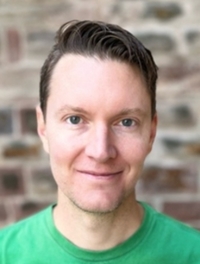
How did you get interested in Crop Protection Chemistry?
I’ve always wanted to apply myself to addressing global challenges I am passionate about, such as sustainable resource management, climate change, green energy and global human health. I’ve always been fascinated by how these topics interface with the chemical industry that supports and enables our experienced quality of life. My studies took me in the direction of green synthesis and catalysis, as well as renewable energy and fuels, and when I decided to shift to a career in industry, I became particularly fascinated by crop protection research because of how sustainable food production intersects with all of these topics I am passionate about. So when the opportunity came to join Syngenta, it was a no-brainer for me, and eight years on, I couldn’t be happier with my decision.
What is your academic background?
I obtained my PhD from the University of Wisconsin under Prof. Shannon Stahl, where I studied (asymmetric) aerobic oxidation catalysis for fine chemicals production. Following my PhD, I was an Alexander von Humboldt Postdoctoral Fellow at the Max Planck Institute for Bioinorganic Chemistry in Mülheim an der Ruhr, Germany, working under Prof. Dr. Karl Wieghardt. As a postdoc, I used spectroscopic and computational tools to understand highly complex electronic structures of paramagnetic transition metal complexes analogous to those found in metalloenzymes because I was inspired to understand more about the fundamental principles underlying some of the most important biological processes such as photosynthesis and nitrogen fixation. Following my postdoc, I took a faculty position (assistant professor of chemistry) at Emory University, where I built a research group looking to leverage complex electronic structures of (often paramagnetic) earth-abundant metals to drive tricky but important chemical processes run on massive scale in the chemical industry. After a few years in academia, I became convinced that I could do more to progress against the problems I was passionate about in an industrial setting, and for the reasons described above, I transitioned to Syngenta in 2018.
Where are you currently working and what is your current position?
My current role is Head of Disease Control and Insect Control Research Chemistry at Syngenta Crop Protection, a role which I stepped into in February 2025. In this role, located in Stein, Switzerland, I lead the chemistry organization responsible for delivering chemical active ingredients into the development pipeline starting from the earliest stages of the discovery process. I have the immense pleasure of working with a fantastic team of creative and collaborative chemists, as well as with our wonderful colleagues across other research and business functions. Previously, I spent seven years as a Group Leader in Crop Protection Research Chemistry, where I was at various times responsible for chemistry in mid and late research projects, and for one year I additionally led the Computational Chemical Design and Modelling group in Switzerland. I’ve also been a project leader and spent my first year at Syngenta in process research where I worked to develop sustainable and affordable routes to new active ingredients and also set up an electrosynthesis platform.
How would you explain what your research area is to non-scientists?
We work to develop new solutions that support farmers to sustainably produce the growing population’s food needs, addressing critical challenges in climate change mitigation and sustainable resource management.
What do you like best about your work?
I love collaborating creatively at the cutting edge of research in our field with a brilliant team of scientists and visionary leaders. In my role, I have the pleasure of being accountable not only for what we deliver, but also how we do it, and I get great joy out of working with the team to apply our collective creativity to continually get better at what we do. I also greatly enjoy working together with my colleagues on developing and implementing strategies that drive step changes in how we work and what we deliver, whether that’s in new modalities and discovery approaches or new ways to work together to deliver the pipeline.
What do you consider your greatest achievement in your scientific career?
Raising up, developing and supporting brilliant scientists who can collectively and individually do far more than I could ever do alone.
Which of your papers are you most proud of and why?
Our recent publication in OPRD (10.1021/acs.oprd.4c00395) detailing the production-viable application of electrosynthesis in a key C-N bond-forming step of a weed control active ingredient is the paper I am most proud of. This paper describes the firstfruits of our efforts in establishing an electrosynthesis platform at Syngenta for sustainable chemical production. Developing this novel oxidative C-N coupling reaction at Syngenta while addressing challenges of scale-up brought both critical learnings on the technology as well as a mindset shift on it’s potential within our organization.
What is your advice for being a successful PhD student or postdoc?
Be curious and stay curious! Embrace failure as a path to success. Don’t take no for an answer. Own your own development. Build lasting professional relationships and don’t burn bridg
Which scientist do you admire the most and why?
Marie Sk''.chr('322').''odowska-Curie, for her rare brilliance, for her enormous impact across multiple fields, for absolutely shattering glass ceilings, and for her resilience and passion. She’s a true inspiration. As a side note, I love that Bastille also recently paid homage to the great Marie in their own special way with their song “Marie & Polonium”.
Which field of crop protection chemistry do you consider the most promising for the future?
The application of omics in crop protection research holds great promise for supporting discovery and development of new crop protection active ingredients while bringing broad safety considerations even earlier into the research process. Coupled with advances in AI and ML, these studies not only hold promise for a better and faster pipeline, but they also play a role in the larger and very exciting development of effective generative design.
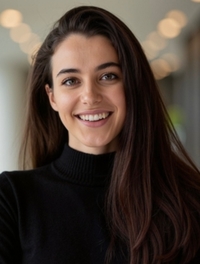
How did you get interested in Medicinal Chemistry?
During my high school years, my science and physics teachers encouraged me to take part in an extracurricular program in collaboration with the University of Florence. The project focused on the synthesis and characterization of gold and iron nanoparticles for medical applications in cancer therapy. Through this experience, I had my first exposure to organic synthesis and laboratory work with a clear connection to medicinal chemistry. It sparked my interest and I really enjoyed my time in the lab where I could combine my passion for chemistry, biology, and physics with the opportunity to contribute to improving human health. This ultimately led me to pursue a degree in Medicinal Chemistry. Since then, I have been passionate about the field.
What are your current research interests?
I am currently working as a Research Scientist in a biotech company based in Zürich, with a strong focus on cancer-targeted therapies. Unlike conventional cytotoxic chemotherapy, targeted therapies offer improved efficacy and selectivity, while minimizing damage to healthy tissues and reducing common side effects such as hair loss, gastrointestinal disorders, and nausea.
Building on my PhD work, I apply high-throughput technologies - specifically DNA-Encoded Libraries (DELs) - to enable the parallel synthesis and screening of compounds with pharmaceutical potential. This approach significantly accelerates the identification of new lead candidates for drug discovery.
My research interests span between medicinal chemistry, chemical biology, and machine learning tools applied to the drug discovery process.
How would you explain what your research area is to non-scientists?
The primary goal of a medicinal chemist is to discover and develop new molecules with the aim of improving patient outcomes and lives. In the context of cancer therapy, this is particularly challenging, as cancer comprises a broad range of distinct diseases. It is therefore essential to understand these differences in order to design therapies that are more specific, effective, and better tolerated. This requires working at the edge of multiple intriguing fields such as chemistry, biology, and immunology. And yes, we do wear lab coats and safety goggles, but our work is far less dramatic than often portrayed… we don’t typically cause explosions or blow up the lab at the end of our experiments!
What do you like best about your work?
What I enjoy most about my work is the variety it offers: no two days are the same, and I am constantly engaged in a wide range of experiments across different areas. I also spend a significant amount of time questioning, troubleshooting, and finding solutions to the challenges that arise on a daily basis.
It is exciting to explore the scientific literature and discover how others have approached similar problems, but even more rewarding is the possibility of contributing something new, exploring questions that have not yet been answered.
What kind of tasks does your work involve?
My role requires me to balance multiple responsibilities: conducting my own research, training new students and supervising and guiding their scientific projects, troubleshooting technical issues with laboratory equipment, actively participating in both scientific and non-scientific meetings and discussions, and contributing to the writing of scientific manuscripts and patents.
What kind of skills does your work require?
Above all, flexibility is essential. Scientific work often does not go as planned, and it is important to adapt to unexpected challenges with a resilient and open mindset. In addition, teamwork, strong organizational skills, and effective communication are key qualities for success in this field.
How many PhD students and postdocs do you currently supervise?
I am currently responsible for supervising one PhD student, one internship student, and one Master’s student.
How would you describe yourself as a supervisor?
I consider myself an attentive and responsible supervisor. At the beginning of a student’s research journey, I prioritize establishing a close one-to-one working relationship and dedicate time to teaching both the theoretical and practical aspects of medicinal chemistry research. I provide honest and constructive feedback and actively encourage students to share their perspectives as well. As their confidence and independence grow, I gradually give them more autonomy in their daily work, while remaining available for questions and scientific discussions to help shape the future direction of their projects. I find this stage particularly rewarding and exciting.
Are you currently looking for a new PhD student or a postdoc?
At the moment, we do not have open positions; however, at Philochem we regularly offer opportunities for PhD students and are always happy to receive strong applications from interested candidates.
What do you consider your greatest achievement in your scientific career?
The greatest achievement of my work is seeing its direct impact on patients’ lives. At Philochem, we collaborate closely with hospitals and physicians who evaluate our molecules directly in clinical settings. Knowing that the compounds we develop can reach patients and potentially improve their outcomes is incredibly motivating and rewarding.
Which of your papers are you most proud of and why?
The achievement I am most proud of is a manuscript currently under revision. This work originated from an idea developed jointly with a colleague, combining our respective areas of expertise and research interests in chemistry and machine learning.
Together, we conceived the concept, designed and carried out the experiments, and wrote the manuscript. Notably, we managed the entire process independently, without direct supervision, and in a field that differs from both our primary area of research. This experience was both challenging and highly rewarding, as it allowed us to step outside our usual scope and develop a project from idea to near-publication.
What are the features of a successful PhD student or postdoc?
You need to be passionate about the field, motivated to overcome challenges, and able to maintain a flexible mindset. In addition, it is important to be resilient and capable of handling periods of high pressure.
What advice would you give to someone who wants to know more about your field?
To speak and connect with people that are working on the field.
What would you like to ask from other medicinal chemists?
I would be interested in asking senior medicinal chemists about their research and career journeys. I am fascinated by the diversity of backgrounds and the wide range of paths that careers (and lives) can take in this field.
Have you experienced any unfair situations during your scientific career? How would you advise scientists facing similar situations?
Unfortunately, yes. I believe it is part of the nature of research, which is inherently a competitive environment. The best way to navigate this is to take pride in your day-to-day journey and to recognize the personal and professional growth you achieve at each stage of your career. This is something that primarily depends on you and cannot be taken away by others.
What is the most embarrassing thing you have done in the lab while doing experiments, e.g. explosions?
When an experiment leads to an unexpected outcome and I find myself puzzled, I tend to walk around the lab saying, “This doesn’t make any sense!” I have done this so often that my colleagues now associate the phrase with me and occasionally tease me by repeating it in unexpected situations.
Which scientist do you admire the most and why?
Like many female scientists, I grew up with Marie Curie as a role model.
More recently, I had the opportunity to attend a talk by Nobel Prize laureate Jennifer Doudna, whom I also found deeply inspiring. Her passion and depth of knowledge are remarkable, and it is fascinating to see how her curiosity-driven approach to scientific questions has led to breakthrough discoveries across multiple fields.
Which field of medicinal chemistry do you consider the most promising for the future?
I believe that the integration of AI tools across the different stages of drug discovery will significantly reshape the future of the field.
What would you expect to be the next major breakthrough in medicinal chemistry?
I believe that targeted therapies (i.e., gene therapy) are becoming a breakthrough in modern medicine. The possibility of developing drugs that specifically address an individual patient’s disease holds enormous potential. At the same time, this progress brings new challenges from a pharmaceutical industry perspective.
How did you get interested in medicinal chemistry?
My interest in medicinal chemistry emerged during my early academic training in pharmaceutical chemistry. I was fascinated by the idea that small molecules could interact with biological systems and influence complex cellular processes. Understanding how chemical structures translate into biological activity opened a new perspective for me, particularly in the context of drug discovery. This interdisciplinary field, which combines chemistry with biology and medicine, naturally led me to focus on medicinal chemistry and the design of biologically active molecules.
Where did you have your postdoc position?
I completed my postdoctoral research at the University of the Sciences in Philadelphia, College of Pharmacy, Department of Pharmaceutical Sciences, USA, between 2008 and 2010. During this period, I had the opportunity to work in an international research environment and further develop my expertise in medicinal chemistry and drug design.
Where are you currently working and what is your current position?
I am currently working at Ankara University, Faculty of Pharmacy, Department of Pharmaceutical Chemistry, where I serve as a Full Professor.
What are your current research interests?
With more than three decades of experience in medicinal chemistry, my research focuses on rational drug design, the synthesis of bioactive compounds, and the development of new pharmaceutical agents. My work particularly involves the design and synthesis of small molecules targeting biologically relevant enzymes and signalling pathways, especially in cancer research. In addition, we use molecular modelling and structure–activity relationship studies to better understand how chemical modifications influence biological activity. Throughout my career, I have led and participated in many national and international research projects, aiming to translate scientific ideas into real discoveries.
What do you like best about your work?
What I enjoy most is the process of discovery. Designing a molecule, synthesising it, and then evaluating its biological activity is incredibly rewarding. I also greatly value mentoring students and young researchers. Seeing them develop their scientific thinking and grow into independent researchers is one of the most fulfilling aspects of my career.
How would you describe yourself as a supervisor?
I try to be supportive and approachable while maintaining high scientific standards. I encourage students to think independently and develop their own ideas, while guiding them through the scientific process and helping them build confidence as researchers.
Which of your papers are you most proud of and why?
Rather than a single publication, I am proud of the collective work produced with my research group over the years. Our studies on the design and synthesis of novel bioactive molecules, particularly potential anticancer agents, have contributed to the understanding of structure–activity relationships and new therapeutic strategies. These achievements are especially meaningful because they are the result of teamwork with talented students and collaborators.
Have you experienced any unfair situations during your scientific career? How would you advise scientists facing similar situations?
Like many researchers, I have encountered challenges and situations that were not always fair. However, I believe that persistence, integrity, and dedication to high-quality research are the most important factors for overcoming such difficulties. My advice to young scientists is to stay focused on their work, maintain scientific integrity, and build strong collaborations. In the long run, consistent and meaningful scientific contributions always speak louder than temporary obstacles.
Which scientist do you admire the most and why?
I admire scientists who have made transformative contributions to science through curiosity, perseverance, and creativity. In medicinal chemistry, many pioneers have significantly shaped the field by developing innovative strategies for drug discovery. What I find most inspiring is their ability to translate fundamental scientific knowledge into therapies that improve human health.
Which field of medicinal chemistry do you consider the most promising for the future?
I believe that the integration of medicinal chemistry with computational methods, artificial intelligence, and chemical biology will shape the future of drug discovery. In particular, targeted therapies, covalent inhibitors, and drugs addressing previously “undruggable” targets represent very promising directions. Additionally, interdisciplinary approaches that combine chemistry, biology, and data science will accelerate the development of more effective and personalized medicines.
How did you get interested in Medicinal Chemistry?
My original interest was in organic chemistry; during my undergraduate years I worked on novel supramolecular catalysts. Later, however, I became fascinated by the idea that carefully designed molecules could one day become drugs, which motivated me to pursue a PhD project in the field of medicinal chemistry. This curiosity naturally led me toward chemical biology, which I see as bridging the gap between organic chemistry and biological entitites. Following this line, what especially excites me today is the development of antibody–drug conjugates: the possibility of treating cancer with such precision and selectivity is remarkable.
Where did you have your postdoc position?
I am conducting my postdoctoral research at the HUN-REN Medicinal Chemistry Research Group in Budapest, under the supervision of Prof. György M. Keser''.chr('369').''. My work focuses on covalent target discovery, library design and development of innovative warhead chemistries. In parallel, I am applying these approaches to the development of new chemical methods suitable for the preparation of antibody–drug conjugates.
Where are you currently working and what is your current position?
I am currently working in the HUN-REN Medicinal Chemistry Research Group at Budapest, as a postdoctoral research fellow. My position was established through a postdoctoral national research grant, which allows me to pursue an independent research program focused on innovative bioconjugation strategies for targeted cancer therapeutics.
What are your current research interests?
My main interests lie at the interface of medicinal chemistry and chemical biology. Over the past years, I have worked on covalent fragment-based drug discovery, developing libraries and methods to map reactive amino acids in proteins and to design targeted covalent inhibitors. More recently, my interest has partially shifted to antibody–drug conjugates (ADCs), with a focus on developing new chemical technologies to make these complex biologics more homogeneous, selective, and clinically useful.
How would you explain what your research area is to non-scientists?
In simple words, my research is about finding better ways to connect small drug-like molecules to larger biological systems, such as proteins or antibodies, so that they can target diseases more precisely. Think of antibody-drug conjugates as attaching a powerful but potentially harmful medicine to a “delivery vehicle” that takes it exactly to the diseased cells while sparing the healthy ones. This is the principle behind antibody–drug conjugates, and my work is to invent the chemical tools that make such precise delivery of drug molecules more readily available.
What do you like best about your work?
What excites me the most is the combination of creativity and impact. On one hand, chemistry gives me the freedom to design new molecules and methods; on the other, these innovations can eventually lead to real therapeutic advances. I also enjoy the collaborative nature of my work as many of our projects involve partnerships with biologists, analytical chemists, pharmacologists, computational chemists, clinicians, or industry colleagues, which makes the research dynamic and translational.
What kind of tasks does your work involve?
My daily work is a mixture of experimental design, supervision, writing, and coordination. I still spend time in the lab, but a growing part of my role is to guide projects, mentor younger colleagues, and build collaborations. I also handle grant proposals, write manuscripts, and present our results at conferences.
What kind of skills does your work require?
A solid background in organic and medicinal chemistry is essential, but so is flexibility to learn from other fields such as proteomics, structural biology, immunology and pharmacology. Project leadership requires communication and organizational skills, while creative problem-solving is indispensable for tackling experimental challenges. I would say resilience and persistence are just as important in this field as technical expertise.
How many PhD students and postdocs do you currently supervise?
At the moment, I directly supervise one PhD student, and I co-mentor a postdoc fellow. I am also involved supervision of several undergraduate students and supporting other group members’ projects.
How would you describe yourself as a supervisor?
I aim to provide my students with the freedom to carry out their research independently, while ensuring that key decisions are made together after carefully reviewing the results. I see supervision as a collaborative process, where open discussion and mutual trust are essential. I am especially proud that former students once told me I was the first supervisor in their career to whom they felt comfortable reporting even negative results without fear.
Are you currently looking for a new PhD student or a postdoc?
Yes, I am always open to motivated young scientists who are interested in medicinal chemistry and chemical biology. Our projects are multidisciplinary and evolving, so there is room for people with diverse expertise and interests.
What do you consider your greatest achievement in your scientific career?
I would probably give a very basic answer to this, but I still consider earning my PhD to be my greatest achievement. It was a truly iconic milestone, not only because of the scientific work itself, but because it marked the point when I decided to fully commit myself to a scientific career. After that, I started applying for postdoctoral grants with the long-term goal of establishing my own independent research line. So in many ways, it wasn’t just an achievement in itself, but a turning point that set the direction for everything I’m doing now.
Which of your papers are you most proud of and why?
Success as a PhD student or postdoc in medicinal chemistry depends as much on attitude as on skill. Curiosity drives you to understand how things work at the molecular level, while patience and resilience help you face inevitable failures. You should be open to learning from people in other fields, such as biology or computational chemistry, since modern research is very interdisciplinary. Above all, honesty and enthusiasm for science, together with the determination to keep seeking solutions even after many setbacks, truly define a successful researcher.
What advice would you give to someone who wants to know more about your field?
Read recent research, attend seminars, and talk to scientists in different disciplines to see how chemistry, biology, and pharmacology connect. Most importantly, stay curious and keep asking questions, that is how real understanding begins.
What would you like to ask from other medicinal chemists?
I would ask other medicinal chemists how they turn negative results into new promising directions. I am also curious how they see the balance between the creative intuition of a scientist and the growing influence of AI-based or data-driven tools in drug discovery.
Have you experienced any unfair situations during your scientific career? How would you advise scientists facing similar situations?
Yes, I have faced situations that felt unfair, such as uneven recognition or biased decision-making, which can be discouraging. In those moments I learned that the best response is to stay focused on the science, because in the long run it is the quality and consistency of your work that truly shape your career.
What is the most embarrassing thing you have done in the lab while doing experiments, e.g. explosions?
One of my most embarrassing moments in the lab happened when I accidentally broke a flash column cartridge inside the instrument’s valve. It turned into a ‘long night surgery’ to carefully remove the broken piece without damaging anything, but in the end, I managed to fix it. I’ve also had a few reactions that decided to ‘test the limits of pressure’ and ended up exploding. Luckily, I always used extra safety shielding for these dangerous reactions, so the only problem was the mess I had to clean up.
What are your recommendations for a book, podcast, website, blog, YouTube channel or film?
I would heartfully recommend ‘The Language of God’ by Francis S. Collins. I believe it carries valuable insights not only for readers of any religious background but also for those who identify themselves as atheists or agnostics, as it encourages thoughtful dialogue about the meaning and purpose of exploring the world through science.
Which scientist do you admire the most and why?
I see the most promising future in targeted therapeutic modalities, such as antibody–drug conjugates and PROTACs. These approaches combine precise molecular recognition with controlled pharmacological action, offering the potential to intervene selectively in complex disease pathways that were previously considered undruggable. As our understanding of molecular oncology deepens and conjugation chemistries become more sophisticated, I believe these targeted solutions will redefine both the efficacy and safety profiles of future medicines.
What would you expect to be the next major breakthrough in medicinal chemistry?
I believe the next major breakthrough in medicinal chemistry will be the full integration of AI-driven, patient-derived targeted therapies. But said therapeutics needs for modular, rapid and robust methods to deliver the patient-tailored medicines efficiently. I believe, in the future genomic and proteomic data will be directly translated by advanced AI models into actionable phenotypic insights. This will enable the design of truly individualized treatments, for example, identifying the most suitable targeted immunotherapy for each patient.
How did you get interested in Medicinal Chemistry?
My interest in medicinal chemistry started during my undergraduate studies when I enrolled in my initial Organic Chemistry class. It was one of those subjects that felt like assembling puzzles—complex yet highly rewarding. What truly captivated me was a talk I went to regarding multicomponent reactions (MCRs) and their uses in pharmaceutical science. The effectiveness and beauty of these reactions were fascinating, and I was drawn to their ability to enhance drug development.
Starting from that moment, my curiosity grew even stronger. Throughout my undergraduate education, I focused on the complexities of organic chemistry, establishing a solid foundation and acquiring a clear insight into the connection between these concepts and pharmaceutical matters. When I began my Master’s, I focused on multicomponent reactions in synthetic organic chemistry. This experience has not only sharpened my abilities but also enhanced my understanding of how chemistry can propel innovation in drug creation and advancement. For me, medicinal chemistry represents the ideal convergence of science, creativity, and influence.
Where are you currently working and what is your current position?
I am starting a new position in February as a PhD candidate at the Max Planck Institute for Medical Research in Heidelberg.
How would you explain what your research area is to non-scientists?
My research focused on multicomponent reactions (MCRs) towards the design and synthesis of peptidomimetics, which are compounds that imitate natural peptides and hold promise for use in drug development. To make this understandable for non-scientists, I frequently compared it to a recipe in which various components are mixed together in one step to produce a dish. In my scenario, the components are chemicals, and the dish represents a molecule with medical promise. I think that employing common analogies in this way makes science easier to understand and helps connecting complex concepts with practical comprehension.
What do you like best about your work?
What I enjoy most about research is the intellectual freedom it provides and the opportunity to satisfy my natural curiosity. I also value how research encourages personal growth. It’s an environment where you can wrestle with challenges, test your ideas, and evolve through those experiences.
What kind of skills does your work require?
Beyond technical expertise, research heavily relies on soft skills. In my view, collaboration is one of the most critical skills. Being able to work within a team, support one another, and cultivate a non-competitive, cooperative environment is the key. A positive and collaborative atmosphere also makes the work enjoyable.
Equally important are innovative thinking and creativity. Staying curious and keeping up with the latest research trends enables you to think outside the box and stay ahead. Lastly, optimism is vital. You need the mindset to tackle problems head-on and persist in finding solutions, even if that means taking alternative pathways.
What do you consider your greatest achievement in your scientific career?
There are two significant milestones in my scientific career. The first is my soon-to-be-published paper on exploring interrupted MCRs toward peptidomimetics. This paper is the culmination of two years of hard work and overcoming numerous challenges.
The second milestone is being selected for an oral communication at EFMC-ISMC 2024. EFMC-ISMC is one of the most prestigious international conferences in the field of medicinal chemistry, where presentations are typically given by professors and PhD candidates. I had the honor of presenting at this conference shortly after completing my Master’s degree. This experience was transformative for me as a scientist, as it allowed me to present my research to some of the leading experts in the field and boosted my confidence in my work.
What would you like to ask from other medicinal chemists?
As one of my professors often says I encourage them to embrace interdisciplinarity and nurture a scientific community that includes various voices and viewpoints. It’s essential to create an environment where scientists from various disciplines collaborate, as it prevents the risks of echo chambers that reinforce current ideas without confronting them with opposing perspectives.
What is the most embarrassing thing you have done in the lab while doing experiments, e.g. explosions?
One of my most embarrassing moments in the lab happened when I spent an entire day performing column chromatography to purify a product. I ended up with two separate sets of fractions in flasks—one containing the product and the other containing the starting material. While cleaning my lab bench, I accidentally threw away the flask with the purified product and kept the starting material! After realizing my mistake, I had to repeat the entire synthetic procedure and purification process from scratch.
What are your recommendations for a book, podcast, website, blog, YouTube channel or film?
One of my favorite books is The Drug Hunters by Donald R. Kirsch, which provides a fascinating behind-the-scenes look at how medicines are discovered. I also recommend the YouTube channel CosmeticChemist, which offers valuable insights into cosmetic formulation and industry secrets from a scientific perspective.
Which scientist do you admire the most and why?
I deeply admire Gertrude Elion, an innovative female scientist in medicinal chemistry and a recipient of the Nobel Prize. Her innovative research resulted in the development of life saving drugs, including those for leukemia, autoimmune disorders, and organ transplant rejection. What I find most inspiring is her unconventional path to science. She followed her passion in spite of social obstacles and restricted chances for women in the industry during that period. Her innovation and determination in applying rational drug design without structural details laid the foundation for numerous contemporary drug discovery techniques. In my view, she represents resilience, creativity, and the influence an individual can exert on worldwide health.
Which field of medicinal chemistry do you consider the most promising for the future?
I believe the intersection of medicinal chemistry and artificial intelligence (AI holds great potential, as demonstrated by this year's Nobel Prize in Chemistry. Utilizing AI in drug discovery and design can speed up the development timeline, lower expenses, and assist in pinpointing new compounds with enhanced accuracy. The combination of chemistry and computational capabilities can also facilitate personalized medicine, customizing treatments to meet the specific needs of individual patients. Moreover, progress in chemical biology and targeted protein degradation techniques, including Molecular Glues and PROTACs (proteolysis-targeting chimeras), is creating opportunities to address diseases once thought to be untreatable. The future depends on adopting this multidisciplinary method.
What would you expect to be the next major breakthrough in medicinal chemistry?
I anticipate that the upcoming significant advancement will be the development of drugs targeting RNA. While small molecules traditionally target proteins, directly targeting RNA could potentially address genetic disorders and other diseases at their fundamental origin. Progress in RNA-based treatments, such as siRNA and mRNA vaccines, has already revealed remarkable potential, as illustrated by the COVID-19 vaccines.
How did you get interested in Medicinal Chemistry?
I obtained my Master’s degree in pharmacy at National and Kapodistrian University of Athens. During my studies, I was fascinated by the fact, that a small chemical compound can target the underlying mechanisms of a disease and restore the balance in the complex cellular environment. Drug design seemed like a form of art to me. I also loved both organic chemistry and pharmacology, so I realized that medicinal chemistry was the perfect place for me. I could work in the interface of different disciplines and contribute to the discovery of a drug that could help patients.
So, then I decided to pursue a PhD in medicinal chemistry with my mentors Prof. Nicole Pouli, Prof. Panagiotis Marakos and Prof. Emmanuel Mikros at University of Athens. I worked on the discovery of novel substituted purine isosters as anti-cancer agents, focusing on kinase inhibitors. In addition, I worked on a separate project for the development of chemical tools to study fungal nucleobase transporters. During my PhD, I developed synthetic skills, especially for heterocyclic compounds and learned the principles of drug discovery.
Where did you have your postdoc position?
After finishing my PhD, I decided to move abroad for my postdoc, in order to broaden my horizons and obtain new skills. In 2019, I joined Prof. Caroline Springer’s group at the Drug Discovery Unit of Cancer Research UK Manchester Institute. I loved being in a multidisciplinary environment, surrounded by experienced scientists in all aspects of drug discovery. In this ‘industrial-like’ setting, I gained expertise in all stages of a modern campaign, from hit generation, to lead identification and optimization. I worked on two kinase inhibition projects for oncology indications, with the prospect of nominating a clinical candidate, and I experienced all the challenges that a medicinal chemist faces, when trying to optimize the overall profile of a series.
Where are you currently working and what are your current research interests?
After my three-year postdoc at Cancer Research UK Manchester Institute, I moved in 2022 to Imperial College London to become a Research Associate in Prof. Ed Tate’s group. I have been leading the medicinal chemistry part of several projects in the areas of oncology, immunology and neglected tropical diseases. We design and synthesize probes that help us study new targets using activity-based protein profiling (ABPP) and we optimize library screening hits to discover potent and selective compounds with suitable pharmacokinetic properties for in vivo evaluation. Furthermore, we focus on advancing the field of targeted protein degradation or stabilization, both by developing new PROTACs and DUBTACs against established targets, and by discovering new ligands for E3 ligases and deubiquitinases.
What do you like best about your work and how many students do you currently supervise?
Our group has over 60 members working across different, but overlapping scientific fields. I enjoy being next to people, who specialize in chemical biology and proteomics, as each one of us possesses distinct skills, and through our collaboration, we can achieve the successful completion of a project. In addition to performing ‘hands-on’ work in the lab, I am currently supervising a group of about 10 students (PhD, Master, undergraduate), which gives me the opportunity to design projects and transfer my skills to junior scientists. As a supervisor, I like paying attention to experimental details, but also, I encourage my students to take initiative for their projects and become independent. Overall, I would describe the research performed in our group, as a multidisciplinary team effort to unlock new therapeutic targets and open a new pathway for the treatment of devastating diseases.
What is your greatest achievement in your scientific career?
The Hedgehog signalling pathway is aberrantly activated in many types of cancer and in fibrotic diseases. Although inhibitors of Hedgehog signalling that target the Smoothened (SMO) protein have been approved, they are not effective in all cases, so there is an urgent need for an alternative strategy. In the Tate group at Imperial, we have discovered the most potent and the first orally bioavailable inhibitors of Hedgehog Acyltransferase (HHAT) as a novel approach to target the Hedgehog pathway. Our work could expand the therapeutic options for patients suffering from Hedgehog-related diseases. I am grateful to the EFMC for giving me the opportunity to present our research results at the EFMC-ACSMEDI Medicinal Chemistry Frontiers in Utrecht and at the XXVIII EFMC International Symposium on Medicinal Chemistry in Rome.
Being a researcher is an extremely challenging job, especially in the early stages of our careers. The failures we face frequently in our experiments, combined with the uncertainty regarding our future career development, create significant stress for PhD students and postdocs. However, the feeling of excitement we get after a scientific achievement is unique and gives us the strength to keep going. Passion is key for the successful completion of our scientific tasks.
As researchers we can’t always predict the outcome of our experiments. The pathway to reach the end of our PhD or postdoc is not a straight line. However, we can do our best to rationally design our experiments, by thinking through all the parameters, studying comprehensively related literature and by efficiently managing our available time. Discussing our work with colleagues always helps, and even a casual chat over coffee can generate wonderful ideas. Furthermore, attending conferences and becoming part of a scientific network are extremely valuable, both for our current work and future career. More importantly, I would encourage everyone to express any mental health issues and speak up about the challenges they face. We should all try to create supportive working environments and help each other.
We have to be aware of the limitations of our skills and respect the expertise of others in certain aspects of our projects. For example, we should seek for advice from computational chemists for molecular modelling studies (especially the more complex ones!) and have a good collaboration with the biology team in a drug discovery project. We must evaluate objectively the profile of a compound and its value for the project, without any bias, because sometimes, we might develop an ‘emotional attachment’ towards a compound we designed and synthesized.
My first reaction during my Master’s project was nitration of an aminopyridine that leads to two isomers. My supervisors had done this many times and knew exactly the polarity and ratio of the two isomers. However, I saw only one spot in my TLC plate, that always moved all the way up to the solvent front, even with very non-polar eluent systems. After many discussions and digging up old lab notebooks for thorough exploration of this ‘scientific mystery’, I realized that I had mixed the hexane and methanol bottles… :)
What are your recommendations for a book, website, blog or film?
Book: Any of Agatha Christie
Website: drughunter.com
Blog: ‘In the pipeline’ by Derek Lowe
Films: The Fountain (2006), The Broken Circle Breakdown (2012) and Radioactive (2019) – must watch for chemists and cancer researchers!
Which scientist do you admire the most and why?
I admire scientists, like Rosalind Franklin or Alan Turing, who in different ways and for different reasons, were not respected at their time or their work was not acknowledged. Of course, also pioneers like Marie Sk''.chr('322').''odowska-Curie and Katherine Johnson, who managed to overcome both gender and racial barriers. Unfortunately, these are just examples of a very long list.
In recent years we have witnessed achievements that were once considered impossible. Drugs have been approved for targets that were supposed to be undruggable. The land ‘beyond the Ro5’ that once seemed forbidden, is now accessible. New modalities are validated in the clinic and expand our therapeutic toolbox. Especially, in the field of induced proximity, I believe we have only seen a minor fraction of what we can achieve. If we elucidate the role of more E3 ligases and deubiquitinases and recruit them; if we rationalize the discovery of molecular glues, not just for degradation; if we can design ligands for any binding pocket in proteins-of-interest, no matter how shallow or ‘unfriendly’ it looks, then we can rewire the cellular networks and restore the disrupted balance. The rise of AI/ML and new automation technologies can significantly alter drug discovery, as we know it. But are technological breakthroughs alone, sufficient to lead to drug discovery breakthroughs? Despite the current hype, I believe the answer is ‘no’. However, if they are used sensibly and are combined with the actual intelligence and experience of scientists, then only sky is the limit for the future of medicinal chemistry and drug discovery.
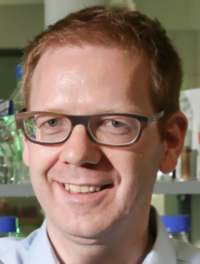
How did you get interested in Medicinal Chemistry?
I had just returned to ETH Zurich from an exchange semester at Imperial College London to complete my studies at ETH and had to catch up on exams, including one for a course by Prof Dario Neri. Someone gave me a folder with his teaching material and publications and I was totally fascinated by the topics. Directed evolution, protein engineering, combinatorial synthesis, antibody therapeutics etc. I then contacted Dario Neri for a master project and later for a PhD which was when I definitely became interested in drug development.
Where did you have your postdoc position?
I did a first post-doc with Prof Kai Johnsson at the EPFL in Lausanne and a second with Sir Greg Winter at the MRC-LMB in Cambridge. They are both incredibly good and creative scientists and great mentors from whom I learned a lot.
Where are you currently working and what is your current position?
I am a professor at the Institute of Chemistry and Chemical Engineering of the EPFL, leading a research team of about 15 post-docs, PhD students or master students. We are developing and applying new methods for drug discovery. An important part of my work is also the training of students by teaching courses, mentoring students and coordinating teaching activities.
What are your current research interests?
I am interested in developing new strategies and drugs for the treatment of currently untreatable diseases. We are working with cyclic peptides, a class of molecules that are able to bind to challenging targets such as proteins with flat and featureless surfaces or to inhibit protein-protein interactions. We are working on the long-standing challenge of developing membrane permeable cyclic peptides to target intracellular proteins or to administer them orally.
What do you like best about your work?
What do you consider your greatest achievement in your scientific career?
I would say the innovation and development of the bicyclic peptide phage display method. A second and more recent achievement is the generation of membrane-permeable and orally available cyclic peptides by developing high-throughput peptide synthesis methods
What are the features of a successful PhD student or postdoc?
I see students with very different abilities and strengths doing very well, so it is not an easy question to answer. The most important thing is certainly a keen interest in and enjoyment of research and development. Other very useful skills are creativity, teamwork, thoroughness and perseverance.
What advice would you give to someone who wants to know more about your field?
Best may be attending a conference in the field, for example one of the EFMC conferences, or a peptide symposium such as EPS or APS, or the CHI Drug Discovery Chemistry. If you have less time, I can recommend a recent review of our lab on the development of cyclic peptide drugs (Ji, X., et al., Cyclic peptides for drug development, Angewandte Chemie Int. Ed., 2024).
What is the most embarrassing thing you have done in the lab while doing experiments, e.g. explosions?
Fortunately, I haven't had any accidents while experimenting. But I have certainly tried or suggested many experiments that, in retrospect, make no sense and are even embarrassing. It's always fun to talk about the pointless endeavours later: “Do you remember when we tried this silly...”
What are your recommendations for a book, podcast, website, blog, YouTube channel or film?
I find it interesting to read the stories of important discoveries and or developments, or even better to watch them as films. For example, I enjoyed reading the book ‘The Double Helix’ or watching the film ‘Hidden Figures’.
What would you expect to be the next major breakthrough in medicinal chemistry?
Very difficult question! Important breakthroughs will often be made where there is an overlapping area of ‘major medical needs’ and ‘new technological opportunities’ or ‘unexpected discoveries. Perhaps a magical strategy on how to get DNA much more efficiently into cells for gene therapy? Or an ingenious method to make orally available ligands for any disease target, no matter how difficult the target looks?
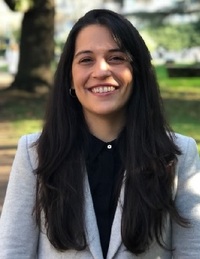
How did you get interested in Medicinal Chemistry?
I've always been fascinated by medical and pharmaceutical sciences since I was a child, as my father is a doctor. When it came time to choose a university, the Faculty of Pharmacy immediately appealed to me. I loved its courses, and during my final year, my professor of Medicinal Chemistry truly inspired me. I did my thesis with him, and that's how my journey in Medicinal Chemistry began.
Where and when did you obtain your PhD diploma?
I obtained my PhD in 2018 at the University of Bari, in southern Italy, after spending a research period abroad at CIQUS in Santiago de Compostela, where I worked with Prof. Eddy Sotelo. My PhD project focused on the use of bioisosteric replacements to optimize lead compounds and develop novel pharmacological agents for cancer and other major therapeutic areas. The work centered on three key examples: discovery and optimization of antiproliferative agents derived from a first series of biphenyl anilides showing inhibition of the P-gp pump, where we thoroughly investigated their mechanism of action; optimization of selective antagonists of the A3 adenosine receptor, for which we also explored their binding mode through computational studies; and optimization of A2b receptor antagonists, synthesized via the Biginelli multicomponent reaction. This last approach enabled us to generate hundreds of compounds, establish a detailed SAR profile for this class, and rationalize the enantio-specific interaction of the scaffold. Where did you have your postdoc position? I had my postdoc position at the CIQUS Centre in Santiago de Compostela, Spain.
Where are you currently working, and what is your current position?
I’m the Co-founder and Chief Scientific Officer of Celtarys Research, a biotech start-up located in Santiago de Compostela. We have patented a technology that allows us to assemble highly complex molecular architectures convergently. We have been widely applying it to the development of fluorescent ligands, building a portfolio of GPCR fluorescent ligands. Additionally, we offer customized development projects for targets that currently lack commercially available fluorescent tools or for designing next-generation assays. We also participate in funded projects where we contribute to developing innovative concepts for screening assays and diagnostic tools.
What do you like best about your work?
The opportunity to be creative every time a collaborator or customer presents a problem to be solved. I love proposing innovative and effective solutions. Even better is when the solution works—it’s incredibly satisfying! So, I’d say the combination of creativity and the gratification is what I enjoy most.
What kind of tasks does your work involve?
I wear many hats, but all are related to science! My tasks include marketing activities and identifying new customers and projects, collaborating and securing funding for research projects, selecting and managing researchers for my scientific team, and overseeing all projects. I also prepare publications based on our results and coordinate the various activities within scientific projects.
How many PhD students and postdocs do you currently supervise?
I supervise one PhD student as part of an industrial PhD project in collaboration with the University of Santiago de Compostela...and yes, we are always looking for new PhD students.
I believe the best way to teach is to trust. I assign tasks that help the student develop new skills. I am highly involved and enthusiastic about our work, fostering a collaborative and inspiring environment. I prioritize building strong relationships and creating a safe and peaceful space for productive work
What do you consider your greatest achievement in your scientific career?
Developing the technology we patented and founding our own biotech company.
Which of your papers are you most proud of, and why?
Every paper I’ve authored has its own story, and I’m proud of each one. They span not only medicinal chemistry but also other fields like metabolomics, analytics, and catalysis. If I had to highlight a few, I would mention the paper on the development of A2b antagonists (J. Med. Chem. 2021, 64, 1, 458–480). It provides a comprehensive SAR analysis and was instrumental in understanding the A2b receptor's binding pocket, which had not been crystallized until 2022.
Another key paper is on the development of A2b fluorescent agents to demonstrate their involvement in cancer (Biomedicine & Pharmacotherapy, Volume 153, September 2022, 113408). This work combined cutting-edge chemistry and biology, contributing to our understanding of the receptor's role in disease.
What are the features of a successful PhD student or postdoc?
A lot of passion, determination, and eagerness to learn. Being open to mobility is also crucial. During a PhD, it's important to work in different laboratories to develop your own scientific personality. This is something I experienced personally, and I am very satisfied with the outcome. Follow science communication pages, regulatory agencies (especially European ones), and take advantage of the many online seminars available, which are often open to everyone.
Have you experienced any unfair situations during your scientific career? How would you advise scientists facing similar situations?
Yes, I believe this happens to everyone to some degree. You might encounter people who are open to collaboration and others who are not, thinking that your success diminishes their own. This attitude harms science. My advice: don’t get discouraged or nervous, continue doing your work, and seek out new laboratories and places to grow. Remember, these kinds of people represent only a small minority of the scientific community.
What is the most embarrassing thing you have done in the lab while doing experiments, e.g., explosions?
During my visiting period in Santiago, after completing a 10-step synthetic pathway and finally obtaining a gram of the precursor compound for the final step, I accidentally dropped the vial, and it shattered on the floor. More than embarrassing, it was nervewracking—I started sweating and trembling at the thought of having to redo everything from scratch. Luckily, the postdoc supervising me in the lab, whom we can call Saint Johnny, helped me and managed to recover it. Another time was worse, though—a classic lab mistake: the reaction flask detached from the rotary evaporator, and water from the rota entered the flask. I lost the entire product.
Which scientist do you admire the most and why?
As a woman, I deeply admire all female scientists who paved the way for women in science and academia. Great examples for me are Marie Curie and Margherita Hack.
Which field of medicinal chemistry do you consider the most promising for the future?
Green Chemistry in Drug Development. Sustainable practices in medicinal chemistry are gaining traction to reduce the environmental impact of drug development.
What would you expect to be the next major breakthrough in medicinal chemistry?
Real-time drug screening technologies that allow for direct observation of drug-target interactions within living systems. This would greatly enhance the efficiency of drug discovery, providing unprecedented insights into how compounds behave in complex biological environments, and accelerating the path to effective therapies
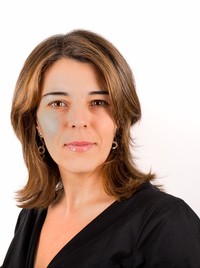
How did you get interested in Medicinal Chemistry?
Since I was a child, I have always been interested in science. And within science, I was very early captivated by the lives of Santiago Ramón y Cajal, Louis Pasteur and Marie Curie and their contributions to scientific advances that made an objective impact in the quality of life of many people. In this broad framework, and as I grew up, what attracted me the most was the possibility of improving health with small molecules that some special people could envision, create and test. The 80’s and 90’s were full of key advances in cancer and in HIV. These discoveries were in the news, and they made me think that I would like to take a part of this fascinating field.
Where and when did you obtain your PhD diploma?
I obtained my PhD in Universidad Complutense de Madrid, in 2004, under the guidance of professor María Luz López-Rodríguez.
What was the topic of your PhD project?
The aim of my PhD project was framed in the study on the endogenous cannabinoid system. In particular it was aimed at the development of new endocannabinoid uptake inhibitors.
Where did you have your postdoc position?
I carried out my postdoc with a fellowship of the Fulbright Program and the Spanish Ministry of Science in The Scripps Research Institute in California, under the advise of professor Benjamin F. Cravatt.
Where are you currently working and what is your current position?
I work in the Organic Chemistry Department of Universidad Complutense de Madrid, where I lead the Medicinal Chemistry Lab since 2021. My current position is Full Professor.
What are your current research interests?
My current research interests are within the fields of medicinal chemistry and chemical biology with a focus on two things: (i) the identification and (ii) validation of new therapeutic targets. In the former, we are working in the development of new modulators of the lysophosphatidic acid receptors and in the endogenous cannabinoid system. Regarding the latter, we are working in targeted protein degradation and their application to rare diseases such as progeria; in the generation of new chemical probes for the identification of the targets of bioactive compounds with unknown modes of action and in the development of chemical tools for the study of the human microbiome.
How would you explain what your research area is to non-scientists?
In a broad sense, we can say that diseases are due to the malfunctioning of a protein. In some cases, the protein is known and so are the compounds able to restore its normal function. In these cases, we have treatments. However, sometimes we do not know which protein is responsible for a given disease, or the compounds able to regulate it do not exist, so there are no treatments available. Our research aims to identify new molecules and new proteins to expand the number of therapies for diseases that remain as unmet needs.
What do you like best about your work?
The possibility of working in new things everyday and making a contribution to the formation of the new generation of scientists.
What kind of skills does your work require?
Besides the technical ones that include proficiency in the specific laboratory techniques that the project requires, you need creativity, resilience, and perseveration.
Are you currently looking for a new PhD student or a postdoc?
Yes, in our group we are always keen to incorporate new motivated members both as PhD students and postdoctoral researchers.
What do you consider your greatest achievement in your scientific career?
I hope that my greatest scientific achievement is still to come… It is difficult to select one from what I have done until today, since all research in which I have been involved during the different stages of my life has been of importance to me. Nonetheless, I am especially proud of the work done in the endogenous cannabinoid system, where we have provided widely used chemical tools for the scientific community, and of the work we are carrying out in the progeria field.
From a different perspective, I am really proud of the career achievements of my former PhD students and of my current team and the network of collaborations we have established over time. Without their hard work and committed dedication, none of our discoveries would be possible.
Which of your papers are you most proud of and why?
It is really difficult to select one because every project that translates into a paper is build upon the tireless work and endless enthusiasm of the PhD students and postdocs involved. Papers represent the happy ending of a specific story, so I cannot select just one over the others. On a more personal level, I have always had a soft spot for my first Journal of Medicinal Chemistry paper, which represented an important milestone in my PhD project.
What are the features of a successful PhD student or postdoc?
Curiosity and motivation are perhaps among the most important ones. Also, a strong technical background in the specific area of work is fundamental, especially at the postdoc level. Of course, hard-work capacity and perseverance are essential. As Einstein claimed already “success comes from curiosity, concentration, perseverance and self-criticism”. Finally, some soft skills are also a must, including team spirit, collaborative predisposition and good communication skills.
What advice would you give to someone who wants to know more about your field?
Just ask… all scientists will love talk about their fields!
Have you experienced any unfair situations during your scientific career? How would you advise scientists facing similar situations?
I guess that at some point all of us perceive as unfair the lack of an eagerly awaited accomplishment in which we have invested a lot of time and effort. We are currently subjected to round after round of evaluation, such as paper submission, grant revision, or even student opinion about teaching performance as different pieces of this global map.
Although this system is intended to keep and promote improvement, sometimes it is unfair. And it is a reality… so at the end of the day, it is important to never give up, trying a second, third, or even fourth time… and keep the focus on the really important things.
A different thing is workplace mobbing or discrimination, which is not only unfair but unacceptable. If this is the case, just speak out and remember that this is not the way it should be and that there will be always a place where you can feel respected and have opportunities for personal growth.
What is the most embarrassing thing you have done in the lab while doing experiments, e.g. explosions?
At the beginning of my PhD, I accidentally broke all the glass balls of a brand new glass oven for microdistillation.
Which scientist do you admire the most and why?
There are quite a few. But if I have to select, I would chose two stories of vaccine discovery, the polio and smallpox. At the beginning of the XX century, polio was one of the most feared diseases in western countries, paralysing hundreds of thousands of children every year. Today, global incidence of polio cases has decreased by 99%. Jonas Salk developed the first safe and effective vaccine for polio and the lack of a patent boosted its use all over the world in few years.
When talking about pandemics, smallpox is the virus that has killed most in the history, more than 500 million people. Today smallpox is considered eradicated due to the efforts of Edward Jenner, who developed the first vaccine in history, which was against smallpox, together with Francisco J. de Balmis and Isabel Zendal, who extended the vaccine against smallpox all over the world through the Spanish Royal Philanthropic Vaccine Expedition, considered the first international healthcare expedition in history.
Which field of medicinal chemistry do you consider the most promising for the future?
What would you expect to be the next major breakthrough in medicinal chemistry?
Protein targeted degradation and proximity induced modification of proteins with small molecules are two fields full of potential and which are still in their infancy. I am sure that they will provide breakthroughs in the upcoming years.
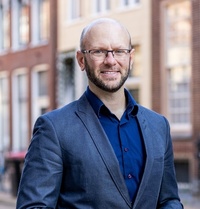
How did you get interested in Medicinal Chemistry?
I got into Medicinal Chemistry through a happy accident. I wanted to study biotechnology, hoping to learn genetic engineering. I chose Biotechnology program at Warsaw University of Technology, which was given by three faculties. I chose the Faculty of Chemistry, and soon learned two things: firstly, that the Biotechnology program at my new university is in fact organic synthesis and pharmaceutical biocatalysis program with a fancy name. Secondly, that synthetic organic chemistry, especially when applied to designing bioactive molecules, is much more appealing to me than genetic engineering!
I obtained my MSc in 2004 and my PhD in 2008, at Warsaw University of Technology (Poland), under the supervision of Prof. Ryszard Ostaszewski. For my postdoc position I joined the University of Groningen, first in biocatalysis and then in synthetic organic chemistry, working with Prof. Dick Janssen and Prof. Ben Feringa. And after working at Stratingh Institute for Chemistry, followed by the Medical Imaging Center of University Medical Center Groningen, I am about to come back to Medicinal Chemistry, taking a professorship position at the Groningen Research Institute for Pharmacy in July 2023.
What are your current research interests?
My group is developing the methods and applications of photopharmacology – a relatively new field that designs, synthesizes, and evaluates drugs whose activity can be controlled with light. Light is a fascinating control element: it is very clean (photons can “do” chemistry – break, form and isomerize chemical bonds – but they do not contaminate the object you study), it can be delivered with unprecedented precision in space (even sub-cellular) and time, and – what is becoming increasingly important for us – it comes in different colours!
What do you like best about your work?
That it combines basic concepts (photochemistry, quantum chemistry) with clinical applications. When I explain our work to students of the Medical Faculty, we go through the whole Jablonski diagram and look at the clinical applications of the very fundamental processes in it – and students really enjoy it.
How would you describe yourself as a supervisor?
I truly hope to come across as someone that the students can trust. The world of academia is not always a simple and easy place to work, and having a supervisor you can completely rely on (and I was always lucky to work with such people) is very important.
What do you consider your greatest achievement in your scientific career?
Helping to set up photopharmacology as a vibrant field of research that it is today – and the community around it, with organizing the First International Symposium on Photopharmacology, which has since then travelled around the world (with editions in Barcelona, New York, and the next one planned in Asia in 2023).
Which of your papers are you most proud of and why?
Molecular photoswitches are the main tools of photopharmacology. When embedded into the structures of bioactive compounds, they render them light-responsive, giving us the possibility to switch a drug “on” and “off”. In this respect, I am very proud of our discoveries of new photoswitches that expand our arsenal of tools for photopharmacology (Hoorens et al, Nat. Commun. 2019, 10, 2390, and Crespi et al, Angew. Chem. Int. Ed. 2021, 60, 25290-25295).
Another aspect of our work that really excites me is building the synergy between medical imaging and photopharmacology, which we do for example by using photochemistry in the design or responsive MRI contrast agents (Reeßing et al, ChemComm 2019, 55, 10784-10787).
What are the features of a successful PhD student or postdoc?
Curiosity, excitement for research and resilience when things do not go as planned. Those are all pretty obvious but having trust in the “final product” (the PhD thesis), even when the almost inevitable 3rd year crisis hits, can bring your through it and leave you with a lot to be proud of. Another skill, which is very useful but equally difficult to develop, is the ability to separate one’s ego from one’s research – as those often stand in each other’s way.
What would you like to ask from other medicinal chemists?
Open mindedness when dealing with such outlandish ideas as those that we and others bring to the field. Out light-responsive drugs may not immediately tick all the MedChem boxes, but with your help and expertise we can bring them towards the clinical use.
What is the most embarrassing thing you have done in the lab while doing experiments, e.g. explosions?
Once, I was purifying a simple compound using flash column chromatography. I collected around 20 fractions with an eluent of low polarity, checked them by TLC, and saw nothing. I increased the polarity, another 20 fractions, again nothing. In a desperate move, I decided to stop compromising and went for a heavy-duty eluent (10% methanol in DCM). Still nothing. And then… next to the column, I noticed the flask with crude product that I forgot to load on the column. I wish this was a made-up story…
What are your recommendations for a book, podcast, website, blog, YouTube channel or film?
I always find the prose of Neil Stephenson very inspiring. Whatever he writes about (and his topics range from philosophy to space travel, from energy transition to online gaming and from eco-terrorism to cryptology), he clearly does his research in a most thorough way. A good starting point for Stephenson’s work is his 1999 novel “Cryptonomicon” or his 1992 novel “Snow Crash” – which by the way served as the inspiration for the Google Earth project.
Which scientist do you admire the most and why?
With all the analytical methods available to us in laboratories currently (and with the number of problems that we still cannot solve using them), I am always dumbfounded by the fact that Emil Fischer elucidated the relative stereochemistry of hexoses without using chromatography, HPLC, NMR spectroscopy, or mass spectrometry.
Which field of medicinal chemistry do you consider the most promising for the future?
I see a lot of potential in approaches that would (directly or indirectly) enable imaging-guided pharmacotherapy. The role of medical imaging in surgery is at this point increasing, with intraoperative optical imaging allowing unprecedented surgical precision. In medicinal chemistry and pharmacology, we should aim for the same effect. This would require locally (and, if possible, reversibly) activatable drugs that can be locally switched on using any suitable external stimulus. Thinking further, the use of the imaging signal itself (such as photons of different energies) for drug activation would bring real theranostics to pharmacotherapy.
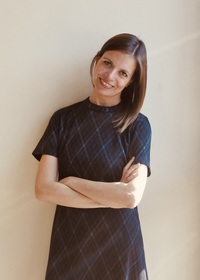
How did you get interested in Medicinal Chemistry?
Since my adolescence, I have been fascinated by drugs and their ability to be effective in human beings. Paracetamol being able to lower fever looked like a miracle to me, and, when I realized that the discovery of a drug is something that you can achieve by applying a scientific approach, I fell in love with the idea of contributing to the process and I decided to pursue a degree in Pharmacy.
Where and when did you obtain your PhD diploma?
I obtained my PhD diploma in 2008 at the University of Piemonte Orientale, Novara (Italy), under the guidance of Prof. Gian Cesare Tron.
What was the topic of your PhD project?
The topic of my PhD was the exploitation of click chemistry and multicomponent reactions to accelerate the drug discovery process. During my PhD I co-authored one of the first articles where click chemistry was used in a medicinal chemistry campaign (https://doi.org/10.1021/jm051118z), together with a seminal review paper on the topic (10.1002/med.20107; > 1200 citations). My laboratory has followed Prof. Tron’s footsteps and is still passionate about the use of a straightforward type of chemistry in R&D. Recently, for example, we have developed a platform based on multicomponent reactions (Ugi reaction and its variants) to easily access PROTACs (https://doi.org/10.1021/acs.jmedchem.2c01218).
During my PhD I joined the laboratory of prof. Jieping Zhu in CNRS (Paris) working on the discovery of isocyanide-based multicomponent reactions and, later, I spent a postdoctoral period in Michael Greaney’s group at the School of Chemistry (Edinburgh), where I learnt about the chemistry of benzyne.
Where are you currently working and what is your current position?
Currently, I am a full professor of Medicinal Chemistry at the University of Piemonte Orientale where I lead a medicinal chemistry team. I am also CTO of the start-up ChemiCare that I co-founded in 2016 with Dr. Beatrice Riva (www.chemicare.it). The company is developing small molecules that modulate calcium signalling for the treatment of rare genetic myopathies.
What are your current research interests?
I am very curious, but I get bored very easily. Therefore, during my career I have been working on many different targets and approaches. My current research consists of merging the different technologies I have approached so far (such as PROTACs, deuterium labelling, soft drug design, and multicomponent reactions) in drug discovery campaigns, especially in the fields of rare genetic diseases, cancer immunotherapy and pain.
What do you like best about your work?
In my work what I like best is mentoring young students and promote their growth, offering them opportunities to become scientists, thereby becoming the facilitator for talents. I feel a sense of pride and gratification in their achievements.
What kind of tasks does your work involve?
My work involves many tasks: I discuss ideas and data with my students, postdocs and collaborators, I write articles and research grants, I teach medicinal chemistry, and I coordinate the Erasmus Mundus Master EMOTION that every year trains students coming from all over the world (www.emotion-master.eu).
What kind of skills does your work require?
My work requires many skills. Critically thinking: the ability to carry out complex R&D projects with many data to interpret and, based on them, critically judge if the project must be concluded, continued or abandoned. Social skills: the ability to get along with people, from students to colleagues, collaborators, and administrative staff, each of them with different personality traits. Time management: the ability to organize my time and find the right balance between what I like the most and what I like the least, but I am required to do, prioritizing the activities to meet the deadlines.
How many PhD students and postdocs do you currently supervise?
Currently, I supervise three PhD students and a postdoc. I also supervise a handful of M.Sc. students every year.
How would you describe yourself as a supervisor?
I think I am an optimistic, cheerful, and empathetic supervisor that inspires young scientists, and especially girls, to pursue a career in science. Even though I am not working closely with the students in the lab anymore, I follow the progress of each project, and advice when necessary to guide it into the right direction and to make it successful.
What do you consider your greatest achievement in your scientific career?
My greatest achievement is the identification of a candidate that, by acting on Store-Operated Calcium Entry, is effective in models of tubular aggregate myopathy and Duchenne muscular dystrophy and has received orphan designations by EMA. Another great achievement (a long-cherished dream) is the Nat. Rev. Drug Discov. paper (https://doi.org/10.1038/s41573-023-00703-8) that showcases the use of the heavy isotope deuterium in medicinal chemistry, a topic I am passionate about. Finally, I am proud of my current team and the network of collaborations we have established over time: without the dedication of each of us, exciting discoveries wouldn’t be possible.
Which of your papers are you most proud of and why?
The paper that I am most proud of is the J. Med. Chem. paper that describes the use of multicomponent reactions to synthesize modulators of TRPV1 channels (https://doi.org/10.1021/acs.jmedchem.8b00109). Due to their soft nature, these compounds are devoid of systemic side-effects when topically applied. One of the described compounds is on the market in a line of cosmetic products and, gratifyingly, the work has been highlighted by both C&EN and ACS Med. Chem. Lett
What are the features of a successful PhD student or postdoc?
Spirit of initiative. Passion. Spirit of sharing among the team members. Ambition. Resilience.
Have you experienced any unfair situations during your scientific career? How would you advise scientists facing similar situations?
Yes. From unfair culture, through unfair funding body decisions, to unfair behaviours. My suggestion is: never give up (your day will come) and walk away from toxic people!
What is the most embarrassing thing you have done in the lab while doing experiments, e.g. explosions?
It was one of my first days of my M.Sc. thesis and I was preparing some fresh manganese dioxide by adding sugar to a solution of potassium permanganate. As it was saccharose, I was convinced that the reaction was safe and did not pay attention to the increasing temperature when suddenly the mixture exploded, and a black slurry covered all the fume hood. Luckily, nobody was injured, and I learnt that you must always be careful in the lab, even when you are doing things that are apparently safe.
What are your recommendations for a book, podcast, website, blog, YouTube channel or film?
I recommend the book “Lessons in Chemistry” by B. Garmus. It is a thought-provoking novel about a chemist battling a sexist 1950s establishment and initiating a quiet, but effective, revolution.
Which scientist do you admire the most and why?
I admire Michael Sofia who discovered sofosbuvir for the treatment of hepatitis C for his dedication, perseverance, and humble attitude. His interviews and speeches are so inspiring.
Which field of medicinal chemistry do you consider the most promising for the future?
Deuterium, the heavy isotope of hydrogen, is entering the medicinal chemist’s toolbox as it has a positive impact on drug metabolism and other properties, as exemplified by a few deuterated approved drugs and about a dozen of deuterated candidates in clinical trials. Given its great potential, I believe that deuterium will be found in many marketed drugs in the future.
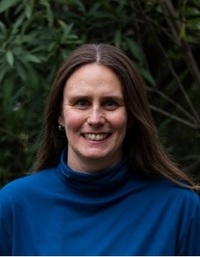
How did you get interested in Medicinal Chemistry?
I started my career with an apprenticeship as a chemical lab technician at Ciba Specialty Chemicals. After a few years working in industry, I then obtained a Bachelors and Masters in Chemistry from the University of Applied Sciences Northwestern Switzerland and the University of Basel, respectively. While being interested and trained as an organic chemist, I have always been extremely passionate about the application of chemistry within the health sciences. Therefore, for my PhD I have specialised in Medicinal Chemistry as I want my research to contribute to improving health within our society.
Where and when did you obtain your PhD diploma?
I have obtained my PhD in Medicinal Chemistry from Monash University in 2014. My PhD focused on the development adenosine A2A receptor antagonists, dopamine D2 receptor agonists and dual acting ligands for the treatment of Parkinson’s disease.
Where did you have your postdoc position?
I stayed at Monash University for my postdoc and worked in the group of Professor Peter Scammells, where I worked on the development of allosteric and bitopic ligands targeting muscarinic and adenosine receptors.
What are your current research interests?
My research interests are in the development of novel chemical probes to improve our understanding of proteins on a molecular level, and to address important questions in molecular biology related to the structure, activation, degradation, oligomerisation, allostery and selectivity of selected drug targets.
How would you explain what your research area is to non-scientists?
We currently lack crucial insights into the function of cells and how they perform the billions of chemical reactions that keep us functioning each day, allowing us to sleep, breathe, move about, and stay healthy. While atoms and molecules are known to play a central role in this functioning, further chemical biology studies are needed to improve our understanding of vital processes within cells. My work is aimed to provide a better understanding of these chemical reactions within the body and use this information to develop better drugs.
What kind of tasks does your work involve?
My duties include running a medicinal chemistry lab, overseeing research projects, supervising students, preparing lectures, teaching, attending meetings as well as writing papers and applying for grants.
What do you like best about your work?
The biggest privilege is working with students on research projects. It combines two aspects that I am most excited about in my job 1) realising research ideas, and 2) teaching, working with and learning from the next generation of great minds.
Are you currently looking for a new PhD student or a postdoc?
My group currently consist of 5 PhD, 2 master’s and 1 Honours students. I am always interested in expanding my group with talented and motivated PhD students that are interested in Medicinal Chemistry and/or Chemical Biology.
What do you consider your greatest achievement in your scientific career?
I don’t think that there is one particular achievement I am most proud of, but more the combination of a series of achievements. Growing up I wasn’t a very good student and an academic career seemed out of reach. The completion of a Bachelor’s Degree, Master’s Degree and PhD after several years of work experience in industry was only possible due to a lot of hard work and dedication. Therefore, running my own research group, teaching and supervising postgraduate students is something I not only enjoy, but I am proud of.
Which of your papers are you most proud of and why?
This is a difficult question as behind every paper there is a lot of work and unique experiences. However, my first publication in the Journal of Medicinal Chemistry (M. Jörg et al. J. Med. Chem. 2015, 58, 718-738.) is very special to me as it sums up three years of work during my PhD. The majority of the work was performed by myself and this publication one of the highlights of my PhD.
What are the features of a successful PhD student or postdoc?
Passion for their field of study, good work ethic, ability to work individually and also be a team player, attention to detail, drive to excel, high motivation, resilience, good communication and interpersonal skills.
Have you experienced any unfair situations during your scientific career? How would you advise scientists facing similar situations?
Unfortunately, unfair situations are not uncommon in scientific careers (and probably most careers). For example, my non-traditional academic career path has prohibited me from applying to several early- and mid-career grants and fellowships due to age limitations. Thankfully, this has become less common over the last few years. I recommend connecting with people that actively support your career. Be resilient. Stay true to your values. Try to make the change that is needed to make it better for future generations.
What is the most embarrassing thing you have done in the lab while doing experiments, e.g. explosions?
In my second week of a 1-year internship, I forgot to turn on the water flow to one of the rotavaps. While this doesn’t sound too bad, it resulted in breaking the condenser of the rotavap, which is not easy or cheap to repair. It was a very embarrassing mistake and not a good way to join a new lab.
Which scientist do you admire the most and why?
There isn’t just one scientist that I admire the most. Generally, I am most inspired by genuine people that have faced and overcome some major obstacles in their career and/or life.
Which field of medicinal chemistry do you consider the most promising for the future?
Some of the areas that have huge potential are protein degradation, DNA-encoded libraries, biomarkers, and personalised medicine. Additionally, machine learning will transform the way we work in drug discovery and beyond.
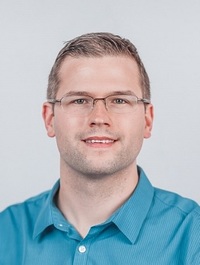
How did you get interested in Medicinal Chemistry?
Already as a kid I have been fascinated by biological questions such as what happens inside the body when one gets sick and how medicines help you to feel better again. During high school I then realized my talent for chemistry. In medicinal chemistry and drug discovery in general I can combine my passion to design molecules to answer biological questions and moreover do science to help patients!
Where and when did you obtain your PhD diploma?
I did my Ph.D. in the group of Prof. Thomas Carell at the Ludwig-Maximilian-University of Munich (Germany) from 2009–2014. As said, I am fascinated by the interface of chemistry and biology, so doing a Ph.D. in bioorganic chemistry was the perfect fit. The key learning from my Ph.D. is that it is essential to be brave and ask the tough and challenging questions to ensure your project is progressing into the right direction and you see its full potential! And also communicating science in an engaging way is highly important to become a successful researcher. Even if your science is great, but you present it in a boring way you will not get the full credit your research deserves.
Where did you have your postdoc position?
Another key learning from my Ph.D. was that in order to answer interesting biological questions with chemical tools, it is key to have rapid synthetic access to the required molecules. This is why I decided to learn more about organic synthesis and to do a postdoc in total synthesis in the group of Professor Movassaghi at the Massachusetts Institute of Technology (MIT) in Cambridge, USA. At MIT I especially enjoyed the “can do mentality”: if there is a problem, let´s find a way to fix it!
Where are you currently working and what is your current position?
I am currently a director of medicinal chemistry at AstraZeneca in Gothenburg, Sweden. In addition to working with my direct reports I am also a chemistry lead responsible for the delivery of innovative clinical candidates to tackle respiratory and immunology diseases. As a co-project leader of an AstraZeneca strategic initiative, I also scope out new grounds for small molecule drug discovery. I keep strong ties to academia with giving several annual lectures in master courses, initiating and leading collaborations, supervising students of various career levels, and advancing science through publishing papers and presenting at conferences. Moreover, I am also very curious about future trends in drug discovery and therefore have been hosting various round table discussions.
What do you like best about your work?
I especially enjoy drug discovery being a highly interdisciplinary field, where every day there are new things to learn and explore. For example, one day I engage with colleagues from DMPK, biology, and safety. The other day I discuss with clinical colleagues and learn about commercial aspects. So, it never gets boring!
What kind of skills does your work require?
Curiosity and creativity are key for being innovative. Being curious about current and future trends and then being creative to see how these opportunities can be utilized to accelerate your present research are essential. Additionally, knowing future trends will allow you to already now prepare yourself and your team to be fit for the future.
It is also important to challenge the status quo and acknowledge that we do not fully understand the area we are working in. In medicinal chemistry we often think we understand the biology of our targets. However, this can sometimes limit ourselves, because we assume we know what will work and what not. I have what I call the “90% / 10% rule”. 90% of the compounds I design are following our current working hypotheses, but 10% of the compounds are on purpose outside what we believe will work. The 90% compounds will progress the project into the planned direction, but the 10% compounds, if they work, will give completely new directions of the project and might be exactly the game changer required to accelerate your project!
The last skill I like to highlight is enthusiasm about your work and the ability to get colleagues and the upper management excited about your ideas. We cannot do research on our own and the best idea will not succeed if you cannot get your colleagues excited to join your idea!
How would you describe yourself as a supervisor?
For me creating an atmosphere of high psychological safety is key. My team members know that they can freely speak their mind and I value their opinions and feedback, especially if they disagree with the proposed direction of the project. Enabling everyone to contribute and challenge ideas will ensure that only the best idea (irrespective of who has proposed it) will be progressed.
And communication is key. Sharing the thinking behind (also sometimes tough) decisions in an authentic way is important for a trustworthy work relationship
Which of your papers are you most proud of and why?
The paper I am most proud of is the work on N-CF3 azoles as underutilized functional groups in medicinal chemistry (J. Med. Chem.2020, 63, 13076). When starting this project, the perception among medicinal chemists was that all N-CF3 groups are too hydrolytically unstable to be useful. However, in this paper we demonstrate that N-CF3 azoles have excellent aqueous stability. This shows that it is key to always challenge perceptions with data and allow science to surprise you! Based on our work N-CF3 azoles are now explored across the industry and I am curious to see the first clinical compound bearing this functionality.
What do you consider your greatest achievement in your scientific career?
My greatest achievement in my career clearly is the discovery of clinical candidates with one being currently in phase 1 clinical trials. Seeing a compound entering clinical trials with the ultimate goal to benefit patients is highly rewarding!
What are the features of a successful PhD student or postdoc?
Thinking back on my Ph.D. and postdoc time I have two quotes which I believe are very much summarizing what it takes to be a successful Ph.D. student, postdoc, and beyond. The first quote is from Thomas Edison on “Genius is 1% inspiration, 99% perspiration” summarizing nicely that having a great idea is not enough. You need to be persistent in following your idea, not get discouraged by failures, but learn from them to improve and finally achieve your goal. However, this does not mean you should go down a rabbit hole! You also need to know when to stop a project and focus on a more promising area.
The second quote is from Henry Ford: Whether you think you can, or think you can´t. You are right. Do not limit yourself, because you think you cannot do it. Be brave to get started, learn from your failures, and succeed!
What would you like to ask from other medicinal chemists?
One area where medicinal chemists and researchers in general can improve is in reporting “negative” results. If the science is sound and rigorously done, but the outcome is for example that a target is devalidated for a certain disease this is also an achievement, because it allows to invest resources into more promising projects. And publishing these results would avoid other companies heading into the same unfruitful direction. As a whole industry this might lead to more drugs being discovered faster, because time and money are not wasted in an area, where someone else has already shown that it will not work (but never published it).
What are your recommendations for a book, podcast, website, blog, YouTube channel or film?
Additional to continuing to stay up to date with your current disease area and general medicinal chemistry I think it is also key to understand the more business/economics related topics. For example, I recommend following fiercebiotech.com and endpts.com to stay up-to-date with current events within the pharma/biotech industry such as merger and acquisitions, key investments in future technologies, and upcoming biotechs worth looking further into. This will give you an idea on where the field is heading and also some inspiration on where to focus/invest next.
Additionally, as scientists we also need to be aware that we do not work in an isolated environment, but that areas beyond science such as geopolitical and socioeconomical changes have an impact on how we discover drugs. Prominent recent examples are the impact of COVID-19 on our way of working (remotely versus face to face or mixed arrangements) and its consequences, the Inflation Reduction Act, and the increased focus on sustainability including PFAS. Keeping up to date with what is happening around us outside science with an eye on how this will affect our present and future way of working is essential to be prepared for the future!
What do you think is the biggest future challenge of medicinal chemistry?
Additional to upcoming geopolitical and socioeconomical changes I think the biggest challenge for future small molecule drug discovery is to expand the mechanisms of action for small molecules. In the past medicinal chemists have highly successfully modulated the function of proteins by a small molecule binding to a suitable binding pocket of a protein. However, the number of these targets is limited, and we medicinal chemists need to think of alternative ways to obtain the desired physiological outcome. There are several promising approaches:
Let´s for example take the field of TACs such as PROTACs, LYTACs RIBOTACs etc. This opened up a whole now research field with exciting opportunities to degrade the protein of interest or change its post translational modification stage. However, it still remains to be seen which of these TACs will emancipate from “just” being a chemical biology tool to establishing a new class of drug modalities.
Another area where I see vast potential is modulating biological function with small molecules binding to RNA. There are huge possibilities such as modulating biology of long non-coding RNA, splice switching, or interfering with miRNA biogenesis. And we so far have only scratched the surface of it. I am curious to see more examples where modulating RNA was chosen as the desired mechanism of action from the start of the project in contrast to being retrospectively shown to do so (though nothing is wrong with the later either).
The third area I think is highly promising for medicinal chemistry are antibody-drug conjugates. Originating from oncology people now look into their application outside of oncology. Though being an exciting area, much still needs to be learned, for example, on how far this field can be pushed for chronic indications.
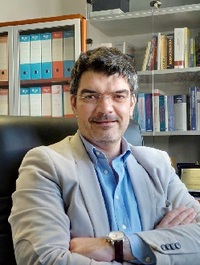
How did you get interested in Medicinal Chemistry?
When I was in high school, I read “The Periodic Table”, a short story collection by the Italian chemist, partisan, writer, and Jewish Holocaust survivor Primo Levi, named after the periodic table in chemistry. Among the others a passage in the short story “Iron” caught my attention and fascinated me: “the nobility of man, acquired in a hundred centuries of trial and error, lay in making himself the conqueror of matter, and that I had enrolled in chemistry because I wanted to remain faithful to this nobility. That conquering matter is to understand it, and understanding matter is necessary to understanding the universe and ourselves: and that therefore Mendeleev's Periodic Table, which just during those weeks we were laboriously learning to unravel, was poetry, loftier and more solemn than all the poetry we had swallowed down in liceo; and come to think of it, it even rhymed!”. In that moment I decided that chemistry should be my own path. Within this context, medicinal chemistry was a natural choice because I have always been fascinated by the chemistry and biology interface, in particular the capability to affect human diseases. To me, medicinal chemistry gives you super-powers!
Where and when did you obtain your PhD diploma?
It was back in 1997, at the University of Rome “La Sapienza”, under the supervision of prof. Marino Artico. My PhD project was focused on the development of 2-alkoxy- and 2-alkylthio-6-arylmethyl-4-oxopyrimidines as a new class of potent non-nucleoside HIV-1 Reverse Transcriptase inhibitors. After the PhD, I spent postdoctoral stints at the Drug Chemistry Center of Italian National Research Center (Rome, 1 year), Italian National Institute of Health (2 years), University of Rome "La Sapienza" (1 year), University of Siena (1 year) before joining the Department of Pharmacy of the University of Salerno, Italy, as an assistant professor. Three years later, I spent a sabbatical period (1 year) as a visiting professor at the Department of Chemistry and Biochemistry of the University of California Los Angeles (UCLA), in the group of Michael E. Jung.
What are your current research interests?
The main interest of my research group (Epigenetic Med Chem Lab, EMCL) is the development of chemical probes for the study of protein targets responsible (directly or indirectly) of epigenetic modifications (KATs, KMTs, DNMTs, PRMTs, KDMs, bromodomain, MBT, Tudor) or of proteins regulated by epigenetic processes (e.g., LINE-1 RT), taking advantage of a multidisciplinary approach combining synthetic organic chemistry, medicinal chemistry, chemical biology, biochemistry and biophysics. But, of course, we also have running projects on other topics outside the epigenetics field.
How would you explain what your research area is to non-scientists?
There are quite a lot of beautiful examples that can be used to better explain epigenetics. In general, I use a musical metaphor. DNA is often considered as if it’s a template, like a mold for a car part in a factory, out popping thousands of identical car parts unless something goes wrong in the process. But DNA isn’t really like that. It is more like a musical score, that could be played in quite different ways like, for example, are the interpretations of “What a wonderful world” by Louis Armstrong and Joey Ramone. And how the DNA score is played depends on epigenetic mechanisms. In my group, we develop chemical tools for studying such mechanisms.
What do you like best about your work?
The freedom to work on what interests me most, coming up with new research ideas, designing experiments and potential molecules, working with intelligent and enthusiastic early career researchers who are willing to embrace exciting new approaches, mentoring students. And I really love the multidisciplinary nature of our research.
What kind of tasks does your work involve?
It’s been several years since when I used to work in the lab and it’s a pity since that was the real fun. My current tasks include teaching, writing papers, and finding money for research by writing national and international grant applications. Mentoring PhD students and postdocs and guide them towards the research goals is another important task. And (unfortunately) administrative/institutional tasks also occupy a large part of my time, much larger than I wish.
In science being a good communicator is of high importance, not just for teaching. Curiosity is an essential skill but knowledge, creativity (with the ability to repeatedly generate good ideas), critical thinking (and seeing underlying principles behind data sets and deriving new concepts and principles from them), commitment, persistence, social-, communication-, and team leader skills as well as intuition are also quite important.
How many PhD students and postdocs do you currently supervise? Are you currently looking for a new PhD student or a postdoc?
My research group has shrunk a little bit during the last 2-3 years because of the COVID19 pandemics. Currently it consists of around 20 people (including assistant and associate professors) and there are 4 PhD students and 3 postdocs, besides many undergraduate students. The group will expand again in the future and applications by talented and motivated candidates with the right background and passion are always welcome.
How would you describe yourself as a supervisor?
I care about the progress of my students and try to push them as much as I can for success. I encourage them for an independent thinking. Good science needs the air of freedom to explore own ideas and to be creative, and I leave my students and postdocs the required room. I believe that a student that knows the bigger picture is more motivated to accomplish her/his goals and therefore I constantly share with my students the primary goals and future directions so they could choose where to take their projects to.
The social atmosphere in the group is also of high importance.
Supervising students goes beyond providing scientific guidance. Mentoring is crucial for career development, and I always try to encourage and motivate students at a personal level when problems arise during their projects.
What do you consider your greatest achievement in your scientific career?
It is difficult to name one, because I’m very proud of all the research work we have done. Probably one of the most important achievements was the discovery of the first inhibitor of the Tudor-domain-containing protein Spindlin1 (SPIN1), capable of engaging the protein in cells, blocking its ability to 'read' H3K4me3 marks and inhibiting its transcriptional-coactivator activity. Other important ones are the development of an inhibitor of the retrotransposon LINE1 reverse transcriptase which also induces apoptosis in a cell-density-dependent manner and antagonizes tumour growth in animal models, the development of a positive modulator of the lysine acetyltransferase PCAF able to selectively regulate the extinction of conditioned fear, the identification of a novel selective and cell-active chemotype for G9a/GLP inhibitors, based on the underinvestigated 2-alkyl-5-amino- and 2-aryl-5-amino-substituted 3H-benzo[e][1,4]diazepine scaffold, the identification of an allosteric inhibitor of the acetyltransferase p300, and the identification of the first potent PRMT7/9 inhibitor.
But I am also very proud of the career achievements of my former graduate and PhD students, both in academia and industry all over Europe.
Which of your papers are you most proud of and why?
They are those reporting the achievements mentioned above:
What are the features of a successful PhD student or postdoc?
Curiosity and motivation to learn new topics and techniques together with being passionate about the research project (and science in general) are certainly the most important, even more than having an outstanding knowledge of organic and medicinal chemistry. But do not misunderstand me: cutting-edge research is highly challenging and a strong science education with well-developed laboratory skills is necessary to start tackling significant challenges. Also, I would be lying if I wouldn’t say that hard-working is a crucial feature, as well as having a critical mind and being perseverant and not giving up when things do not work (the first, second, and even a third time). Remaining up to date by reading literature, going to conferences, talking to people are also important together with team spirit, collaboration and good communication skills.
What advice would you give to someone who wants to know more about your field?
I am pretty sure that most (if not any) medicinal chemists/chemical biologists, both in academia and industry, are happy to discuss science and career development. Personally, I am. So, reach out to anyone who can tell you more about medicinal chemistry/chemical biology and don’t be afraid to ask. There are no silly questions.
It is critical to always be open-minded, combining the deep experience in the field with a global scientific perspective and never hesitate to embrace new developments and new fields. And I would love if academia and industry could work together to train the next generation of medicinal chemists.
Have you experienced any unfair situations during your scientific career? How would you advise scientists facing similar situations?
I guess that anyone has perceived something unfair in her/his own career, for instance reviews of papers and/or grant applications or by company-internal Boards, and I’m not an exception to this. Of course, they are annoying, but in my experience not being too annoyed and trying to take such situations easy helps. I try not to think about the things I didn’t get (and why) and focus and appreciate the things I accomplished
What is the most embarrassing thing you have done in the lab while doing experiments, e.g., explosions?
There are two episodes, both dated back to my period as an undergraduate student and both related to the use of a rotavap. In the first, I forgot to use the metal (or Keck) clip to secure the flask and before reaching the required vacuum, the flask (a 1000 ml one) fell into the rotavap bath and get filled with the bath water. I had to extract (and purify again) my compound from the whole volume. In another situation, I did not notice that the glass joint of the neck of the flask was not completely clean. Of course, after the evaporation of the solvent it was stuck on the rotavap and when I forced it to come off it cracked and ripped my thumb open. It needed a six-stiches suture at the hospital, and I still have the scar (32 years later).
What are your recommendations for a book, podcast, website, blog, YouTube channel or film?
Chemistry is usually represented as a threat or, anyway, in a negative way in movies. Nonetheless, in my lessons I often quote some specific movie scenes to let students visualize (or better remind) something: for example, the scene from Pulp Fiction of the intracardiac injection of adrenaline by Vincent Vega (John Travolta) to revive Mia Wallace (Uma Thurman) after her heroin overdose, or the story in Awakenings (from the book of the same name by Oliver Sacks) of the repositioning and off-label usage of L-DOPA by Dr. Malcolm Sayer (Robin Williams) to “awake” Leonard Lowe (Robert De Niro) from encephalitis lethargica. Besides The Periodic Table by Primo Levi (and also all his other books) and Awakenings by Oliver Sacks, another book I would recommend is Perfume by Patrick Süskind, with interesting details about olfactory perceptions, extraction techniques, and the chemistry of making perfumes.
Regarding blogs, everyone working in medicinal chemistry should read Derek Lowe’s ‘In the pipeline’ (https://blogs.sciencemag.org/pipeline/) and Dan Erlanson’s ‘Practical Fragments’ ( http://practicalfragments.blogspot.com/) blogs.
As websites I would recommend Drug hunter (https://drughunter.com/) and Endpoints news (https://endpts.com) and, above all, the EFMC website and YouTube channel, in particular the section related to the slide decks and webinars by the Best Practice in Medicinal Chemistry Working Group (https://www.efmc.info/best-practices).
Which scientist do you admire the most and why?
There are many of them. In my opinion, Dave Evans was one of the most influential scientists in chemistry, who brought together an incredible collection of researchers and inspired many others (including me). Another fantastic scientist was David C. Allis. Not only he gave an amazing contribution to chromatin biology and epigenetics research, but he was known and loved for being a great mentor and a very lovely person.
Quite often in my talks and in my lessons, I use to quote a sentence by Stuart Schreiber: “There should be no problem with biology driving science unless perhaps you happen to be a chemist!”. And, in fact, he and his way to approach biology from a chemist's perspective are of great inspiration for me (together with K.C: Nicolaou, Stuart Schreiber coined the expression “chemical biology”). And I really admire all the colleagues in academia who succeeded in developing a compound that finally ended to become a FDA/EMA approved drug. Two examples are Roberto Pellicciari and Michael Jung.
What would you expect to be the next major breakthrough in medicinal chemistry?
Induced protein proximity is already a reality and I expect than various drugs deriving from this approach will be approved in the near future. Also, I am pretty sure that besides the few examples already approved, many other therapeutics targeting proteins involved into epigenetic pathways will find their way.

How did you get interested in Medicinal Chemistry?
I was first attracted by the beauty and complexity of natural product total synthesis and was trained therefore as an expert in asymmetric synthesis. My PhD was however already focused on the development of HIV inhibitors and this Medchem training was reinforced during my industrial postdoc position at Novartis working on selectins and integrins. I got my PhD in asymmetric synthesis from the university of Strasbourg in 1995. Strasbourg has always been a centre of excellence in chemistry in Europe and I definitely learnt a lot.
Where did you have your postdoc position?
I did my postdoctoral study in Central Research at Ciba-Geigy. This experience was extended for one year in the transplantation department at Novartis following Sandoz and Ciba-Geigy merger. This gave me the opportunity to work on 2 different sites in Basel Switzerland and East Hanover US and to discover different cultures of working.
Where are you currently working and what is your current position?
I am Chief Scientific Officer at Edelris, a CRO company I have co-founded in 2005.
What are your current research interests?
My strong interest remains in the identification of molecular tools to explore new targets related to diseases that could potentially lead to the identification of a drug. We explore new molecular frameworks based on innovative chemistry and have developed a specific expertise in affinity selection-mass spectrometry to assess the activity of these compounds against challenging targets.
My work requires performing scientific intelligence, developing R&D projects and ensuring financing and monitoring. I like to stay in close contact with the team to stimulate their creativity and help them as much as I can in solving problems. Ensuring the worldwide visibility of the company is also a priority. Networking and communication are among the tasks affiliated with my responsibilities. The most exciting is to foster creativity and work with a bunch of multidisciplinary experts to achieve a specific goal. I never got bored of that after 30 years in this field.
How many PhD students and postdocs do you currently supervise?
I have the responsibility of 1 PhD student in the frame of an MSCA-Innovative Training Network collaboration aiming at the identification of inhibitors of helicases. We have applied for another public funding to host 1 PhD student working on RNA modulation.
As supervisor, I always tried to motivate my collaborators to give the best of themselves, to provide them with a stimulating environment and act as a facilitator instead of a controller.
What do you consider your greatest achievement in your scientific career?
I have directly contributed to the clinical development of 4 drug candidates and have co-founded Edelris, a Drug Discovery CRO company that has been in activity now for 18 years. We have overall recruited and trained over 100 PhD since the inception and this is probably my best reward.
Which of your papers are you most proud of and why?
As a young process chemist, I have published in 2001 an article in Org. Process R&D describing the optimization and scale-up of a novel process for 2-aminoindan hydrochloride production. At Novartis, the scale-up of a drug candidate was compromised due to a shortage of the main starting material 2-aminoindan. Under the guidance of my mentor Kapa Prasad, I proposed to prepare this material by an unprecedented route which turned out to be successful and allowed the due delivery of one first batch of the drug candidate.
What are the features of a successful PhD student or postdoc?
A good researcher should be thoughtful, curious and persevering. As stated by Pasteur “Fortune favours the prepared mind”!
What would you like to ask from other medicinal chemists?
Although we are working in a competitive field, we should not forget that our ultimate goal is to provide new therapies for patients. I will advocate sharing failures and successes through collaborative networks, publications and conferences.
Have you experienced any unfair situations during your scientific career? How would you advise scientists facing similar situations?
Certainly. I remember one particular situation where a project was heavily relying on the synthesis I had developed of a complex natural product. This project was at one time transferred to another department and I was eventually not cited as a co-author on the patent application. Rewarding individuals in a multidisciplinary process implying a long list of contributors is not always easy.
What is the most embarrassing thing you have done in the lab while doing experiments, e.g. explosions?
During my first years at the university, we used to dry glassware with an open-flame Bunsen burner. I accidentally set fire to a Dewar vessel containing acetone. The fire was fortunately stopped very quickly with the intervention of a more experienced supervisor.
What are your recommendations for a book, podcast, website, blog, YouTube channel or film?
I like to advertise for young medicinal chemists the EFMC webinar “Best practice in medicinal chemistry”. The Suisse course on Medicinal Chemistry organized for many years by my former supervisor Beat Ernst is also a fantastic training for young medicinal chemists. The Kerns “Drug-like properties: concepts, structure design and methods” has been for many years my bible when working on improving ADME/tox properties of compounds. Among the blogs, Derek Lowe’s commentary on drug discovery “In the Pipeline” is certainly a must-read.
Which scientist do you admire the most and why?
Barry Sharpless 2 times Nobel prize in chemistry. His work opened whole new scientific frontiers that have had a major impact on the fields of chemistry, biology and medicine.
Which field of medicinal chemistry do you consider the most promising for the future?
The field of PROTACs and molecular glues has reactivated a strong interest in small-molecule drug discovery. This is very exciting for our community which has suffered for the last 20 years from the competition with New Biological Entities (NBE).
What would you expect to be the next major breakthrough in medicinal chemistry?
When compared to disciplines like engineering, medicinal chemistry remains very experimental. Computational chemistry has not delivered yet the results expected to provide better predictions and accelerate the DMTA cycle (Design-Make-Test-Analyse). I expect a real breakthrough of artificial intelligence in the years coming.

How did you get interested in Medicinal Chemistry?

How did you get interested in Medicinal Chemistry?
I was always interested in nature and science from an early age. I took Biology, Chemistry and English at A-level (I never liked Maths of Physics) and did an undergraduate degree in Chemistry with Biological Chemistry, with a PhD project on Synthesis of Anthracyclinones.
Where are you currently working and what is your current position?
I have been Head of Medicinal Chemistry for a French biotech called Antabio for around 12 years. This is no longer a full time position and now I also manage medicinal chemistry projects for an Indian CRO called o2h. Previously I worked as a medicinal chemist at GSK and heritage companies, but since leaving around 15 years ago I mainly work from home (near London), working on site for meetings as and when.
What are your current research interests?
I work in antibacterials, Cystic Fibrosis, oncology, Parkinsons Disease plus some novel antiaging projects.
How would you explain what your research area is to non-scientists?
I do drug design for new medicines (and no, I don’t make pills).
What do you like best about your work?
I love having an idea about how to change a molecule to affect some biological activity or property, and see it work out. Ii doesn’t happen that often, most good ideas fail.
What kind of skills does your work require?
Medicinal chemistry skill and synthetic chemistry skills, organisational, communication and people skills plus a love of science and the desire to learn more every day. Plus the determination to carry on when things look difficult.
What do you consider your greatest achievement in your scientific career?
From my GSK days we have a drug which is being launched this year and from my Antabio days we have a drug going into Phase 1 this year. I am most proud of the J Med Chem paper describing the Antabio Phase 1 drug, because we achieved an asset in a crowded area with 6 chemists in 6 months.
What are the features of a successful PhD student or postdoc?
You have to enjoy doing research. Don’t be afraid to change things if your work is going badly – success is your responsibility as much as your supervisor’s. Read the literature. Every day.
What advice would you give to someone who wants to know more about your field?
Depends on what level they are at. If a synthetic chemistry PhD student, try reading med chem journals like ACS Med Chem Lett.
Have you experienced any unfair situations during your scientific career? How would you advise scientists facing similar situations?
Absolutely. From poor organisational culture, through poor managers, to unfair funding body decisions. Life is unfair, but don’t worry, no situation is permanent. Try to take control.
What is the most embarrassing thing you have done in the lab while doing experiments, e.g. explosions?
During my PhD I had a friend who got a job selling life insurance, so I said I would buy a policy from him and he could meet me at the lab. As he walked in, I dropped a Winchester of conc. HCl which smashed and the HCl began to react with a metal container next to it containing sodium. I screamed “Get out” to him while I sorted the problem out. (He still sold me the life insurance, though.)
Which scientist do you admire the most and why?
It has to be Watson and Crick. Changed the world.
What would you expect to be the next major breakthrough in medicinal chemistry?
I am close to the end of my career now, so I will leave that question for the next generation, but I don’t think it will be due to AI.

How did you get interested in Medicinal Chemistry?
When I was studying chemistry, I had the exciting opportunity to perform a gap-year in industry which turnout out to be at Janssen. At the time I was working on Alzheimer’s disease and the potential impact of my work in addition to the company values increased my interest in medicinal chemistry.
I obtained my PhD at the University of Strasbourg under the supervision of Prof. Françoise Colobert, Dr. Jean-Pierre Djukic and Dr. Joanna Wencel-Delord. I graduated in October 2018. I was lucky to work on the hot topic of C-H activation, trying to use sulfoxides as chiral directing groups. Not only was I working on catalysis, but also total synthesis.
Where are you currently working and what is your current position?
I am currently working in Beerse, Belgium, as a Senior Scientist and team leader in the Discovery Chemistry department.
What do you like best about your work?
I’m constantly driven by trying to make a world without disease. My work has the potential to impact patients and it drives me every day to do my best. Besides, medicinal chemistry is a collaborative field, and every day is full of interaction and learning from my colleagues in different functions.
Which of your papers are you most proud of and why?
I enjoy collaboration in my work, and the papers I’m the most proud of usually result from collaborations. One example from my first year as a PhD student, I had the chance to give a talk at the JCO, an important conference held near Paris and gathering organic chemists from all around the world. After the talk, a research group engaged a conversation with me on the possibility to use our chiral auxiliary for their projects. Couple of years after, this nice collaboration gave a paper on sulfoxide-controlled aza-Piancatelli rearrangement.
What are the features of a successful PhD student or postdoc?
Curiosity and a collaborative mindset are two qualities that can help, not only during the PhD studies but during the whole career as a scientist.
What is the most embarrassing thing you have done in the lab while doing experiments, e.g. explosions?
Barely arrived at Janssen for a student internship, I started working on a challenging synthesis. After a few steps I realized that what I thought to be an impurity was in fact due to a two-carbon elongated starting material! Despite this misfortune, I learnt from my mistakes and since then I double check every product I use.
What are your recommendations for a book, podcast, website, blog, YouTube channel or film?
One of my colleagues, Matthew Horwitz, is leading Synthesis Workshop (https://synthesis-workshop.com/). I highly recommend looking at this website which highlights named reactions, total synthesis but also the human side of chemistry.
Which scientist do you admire the most and why?
That’s a tough question, as there are so many scientists who I admire even in my current work environment. But I would say Gertrude Elion. With Hitchings and Black, they brought the use of innovative methods for rational drug design. She also contributed to the development of drugs against leukemia, gout and malaria.
Which field of medicinal chemistry do you consider the most promising for the future?
I think that Artificial Intelligence and Machine Learning are and will be playing a critical role in our work, and it will certainly be interesting to see how medicinal chemists adapt to this emerging field. AI/ML can create a new revolution to be more efficient, and maybe help to advance emerging modalities like PROTACS.

How did you get interested in Medicinal Chemistry?
I grew up in a pharmacist’s family, my father, mother and my sister are all pharmacists. Since at that time I was less interested in biology, I focused to chemistry and obtained my MSc in Chemical Engineering. During my undergraduate years I joined the research group of Prof Nógrádi on natural products chemistry as a research student. After completing my thesis in Karlsruhe, Germany, I continued natural product synthesis that was extended by structural and biological studies. Natural products, ethnomedicine and the film, Medicine Man starring Sean Conory inspired me towards Medicinal Chemistry.
Therefore, I learned cheminformatics and drug design at Budapest during my postdoc years and then joined Sanofi heading a chemistry research lab in 1996. Next, I moved to Gedeon Richter and spent 14 years before moving back to academia in 2013.
Where are you currently working and what is your current position?
Now I am working in the Research Center for Natural Sciences and heading the Medicinal Chemistry Research Group. My group is focusing on two therapeutic areas, one is CNS that is coming from my industry experience and the other is oncology that is one of the key areas in the Research Center.
We are heavily involved in fragment based drug discovery and more recently, we combined FBDD with approaches using covalent mechanism of action. In addition to FBDD programs, we are interested in developing new methodologies with covalent fragments including new warhead chemistries, novel labelling techniques, screening approaches and chemoproteomics applications.
We develop screening libraries including pharmacophore optimized fragment libraries and covalent fragment libraries. These are typically screened against our targets of interest and next we characterize the hits before designing, synthesizing and testing further, improved molecules as follow-up. Recently we opened towards challenging targets including transcription factors, intrinsically disordered proteins and COVID targets, but even for more complex systems such as antibodies and proteasomes.
How would you explain what your research area is to non-scientists?
Basically, our objective is to build drugs from small building blocks within the suitable pockets of the target protein. The most challenging part of this is finding the first one since the individual building blocks bind less tightly to the protein target. Therefore, we recently extended our research to those starting points that can be sticked to the pocket due to their reactivity.
What do you like best about your work?
We are working in teams. Research teams include design and synthesis people and also colleagues more interested in analytics or biological experiments. In addition we have many students at different levels from BSc to PhD. This diversity makes the atmosphere of our community very stimulating since our common goals and the different expertise create an exciting working environment.
How many PhD students and postdocs do you currently supervise?
There are 7 PhD students and 5 postdocs in my lab.
Are you currently looking for a new PhD student or a postdoc?
Since we were recently granted to create our National Laboratory on Drug Discovery and Development, we are actively looking forward to talented candidates to turn this dream into reality during the upcoming years.
Which of your papers are you most proud of and why?
Working in drug discovery and development I am extremely proud contributing the discovery of cariprazine, a third generation antipsychotics that showed efficacy in the full range of bipolar disorder including depression. The drug was approved worldwide and reached the blockbuster status last year. During the pandemic, I was involved in the development of a generic COVID drug that received emergency use authorization in Hungary and contributed to our national COVID efforts.
In science terms, our contribution to binding thermodynamics, fragment based approaches and development of optimization metrics might be notable. I am very proud of the four Nature Reviews Drug Discovery papers we published on compound quality and optimization strategies together with industry colleagues. More recently, we have two methodology papers, one on fluorescent microscopy and the other on designing effective fragment libraries, both published in Nature Communications.
https://www.nature.com/articles/s41467-021-26757-z
https://www.nature.com/articles/s41467-021-23443-y
I think successful students have exceptional interest on the topic, they are strongly focused and most importantly, highly motivated and fully committed to research.
What advice would you give to someone who wants to know more about your field?
I truly believe in personal contacts. Please contact me via email and I would be happy to provide more information on our work. If there is a general interest to the overall field, I would suggest to attend meetings.
What are your recommendations for a book, podcast, website, blog, YouTube channel or film?
As a general reading, I would suggest the book “The Practice of Medicinal Chemistry” by Camille Wermuth that is a good introduction to medicinal chemistry. I consider drug discovery case studies specifically important. The published success stories provide valuable experience for practitioners.
I mention here the book series of “Successful drug discovery” and the Annual Reports in Medicinal Chemistry. Nature Reviews Drug Discovery publishes fresh analysis and review papers focusing on the current trends.
I also enjoy Derek Lowe’s “In the Pipeline” and Dan Erlanson’s “Practical Fragments” blogs.

How did you get interested in Medicinal Chemistry?
It happened relatively late, during my first year of bachelor’s studies. I did not plan to continue with chemistry at the university, I never enjoyed that much of organic chemistry in high school, even though it was easy subject to me. I only applied to study chemistry at the University of Jyväskylä, since it was an easy way for me to start my university studies. Then something strange happened during the first year, and I decided to put all my effort into medicinal chemistry (only 10 students per year were selected to have Med.Chem. as the main subject). At that time, I already find it really fascinating, I just didn’t knew it exists before my bachelor’s. I guess I’m a classical example, that you may not know at the age of 18 what you really want to do in your life, and it may still turn out to be ok in the end.
What was the topic of your PhD project?
Design, synthesis, and evaluation of prodrugs for improved and targeted drug delivery. My main project was to improve the oral bioavailability of anti-diabetic agent, metformin via increased permeation, but in my secondary project, I also developed cytochrome P450-bioactivated liver-targeted prodrugs.
Where did you have your postdoc position?
Auckland Cancer Society Research Centre, University of Auckland, New Zealand in Distinguished Professor, Sir William (Bill) A. Denny’s research group, during 2009-2011. I developed novel inhibitors of perforin, a pore-forming cytolytic protein that is associated with several autoimmune diseases.
Where are you currently working and what is your current position?
At the School of Pharmacy at the University of Eastern Finland. Currently, I’m an Associate Professor and I lead the research group called ”Transporter-mediated Targeted Drug Delivery” team (Huttunen lab).
What are your current research interests?
Brain-drug delivery across the blood-brain barrier but also intrabrain distribution of drugs via membrane transporters. But I’m always interested in any kind of targeted drug delivery application to any part of the body.
How would you explain what your research area is to non-scientists?
Drugs are only effective if they are delivered to the right place. They also can be very toxic if they are delivered to the wrong place. To improve the effectiveness and safety of your medicines, I’m developing compounds that can utilize specific membrane transporters (proteins that also deliver sugar to your brain cells) to improve the distribution and exposure of drugs at the target site within the body.
What kind of tasks does your work involve?
These days, mainly writing and reading. Writing grant applications, manuscripts, reports, etc. and reading scientific papers, theses, and other student writings. However, despite all the digitalization, the most valuable tools for me still are the pen and paper, I’ll prefer to design my compounds and write original ideas in my notebook. Of course, supervising and leading a research group involves a lot of different everyday tasks, like being present/available for the group members.
What kind of skills does your work require?
Of course pharmaceutical or medicinal chemistry background is a requirement to understand the basics, however, I’m one of those persons who believes that the right attitude, motivation to learn and readiness to step out of your comfort zone (not fearing the failures) are the keys in your personal success. The needed skills can be learned and improved along with your career. In addition, soft skills, like good communication skills are highly appreciated in any multidisciplinary and multinational research group these days.
How many PhD students and postdocs do you currently supervise?
I have 4 soon finalizing Ph.D. students, 3 recently started Ph.D. students and I also co-supervise 3 Ph.D. students with other group leaders. I also supervise 1 postdoc/senior scientist and 2 technicians and have a handful of ERASMUS and M.Sc. students every year.
Are you currently looking for a new PhD student or a postdoc?
I just recruited a couple of new Ph.D. students, so currently not, but I’m always open to work with Ph.D. students and postdocs who are willing to apply their own funding, e.g., Marie Sklodowska-Curie position.
How would you describe yourself as a supervisor?
Hmmm… easy-going, open-minded, fair but strict, supportive. As I was planning to become a figure skating coach as a teenager, I think I still got it in my veins and my supervision style is quite coaching. I’ll throw the student into the deep end of the pool and then teach them to swim. I always said to my students that I’m learning together with them!
What do you consider your greatest achievement in your scientific career?
I’m really proud of my current team and the creative atmosphere that we have that supports novel innovations and the growth of young scientists. I think I have come a long and curly way to get to this point and learn a lot about how to lead a research team successfully.
Which of your papers are you most proud of and why?
I probably would say my third J.Med.Chem. paper of L-type amino acid transporter 1 (LAT1) inhibitor as an anti-cancer agent, which was one of my first papers, for which I received funding after my Ph.D., supervised the students who gave their input, and finally I put the results together and wrote the paper. My postdoc Professor Bill Denny said that I should be the first and last author in that one! I almost burst into tears, since it was so true.
https://pubmed.ncbi.nlm.nih.gov/27253989/
What are the features of a successful PhD student or postdoc?
As mentioned above, I highly value the curiousness and motivated attitude over the specific skills. In addition, the soft skills that enable you to work successfully in the research group and scientific community are very valuable.
What advice would you give to someone who wants to know more about your field?
Well, that depends on the background, how much you understand in the first place and what are your possibilities to dig deeper. Attending conferences or having a mentor could be steps for young scientists, but for non-scientists, it is a bit more challenging question…
What would you like to ask from other medicinal chemists?
These days, everyone seems to be overwhelmed with deadlines and unfinished tasks, how do you manage your time and make sure that your brain can also rest and recover?
Have you experienced any unfair situations during your scientific career? How would you advise scientists facing similar situations?
Yes, many times. The academic world can be cruel and people can be greedy. My advice would be that pick up your fights wisely. There is no point to waste time and energy on something that cannot be changed anyway. But make sure that it won’t happen again. Therefore, I try to avoid psychologically toxic environments and people.
What is the most embarrassing thing you have done in the lab while doing experiments, e.g. explosions?
As a summer intern during my bachelor’s, my supervisor asked me to make anhydrous DMF by using molecular sieves (overnight). I asked her shall I also stir the mixture, and she said yes. In the next morning, I had a nice porridge in my erlenmeyer, since the sieves were completely destroyed due to the stirring. I was just amazed that my supervisor didn’t know this beforehand either.
What are your recommendations for a book, podcast, website, blog, YouTube channel or film?
I’m a bit boring person here, but I would recommend everybody to get distant from their work during their free time. Therefore, I prefer to listen to music, go to nature, play with the kids, etc. and give my brains something refreshing!
Which scientist do you admire the most and why?
Each and every powerful woman in history, like Rosalind Franklin, Marie Sklodowska-Curie, and a Finnish geneticist Leena Palotie-Peltonen. But of course, I respect all the scientists, regardless of gender, who have the passion to increase our knowledge resulting in better healthcare, respect of natural resousources and piece in the world.
Which field of medicinal chemistry do you consider the most promising for the future?
Well, many diseases, and particularly brain diseases, are very complex, with several different mechanisms contributing at the same time. Therefore, I believe that drugs that can affect multiple targets at the same time are highly needed. However, no drug is effective, unless it is delivered to the target site, so in that respect, I believe that achievements in drug delivery applications can be results in real breakthroughs.
What would you expect to be the next major breakthrough in medicinal chemistry?
I would like to believe that we can still go greener in our chemistry and digitalization is a key step in saving our resources. However, to be successful, we still need even more multidisciplinary understanding over different research fields and the ability to communicate at such a level, in which all the actors from different fields can give their greatest contribution to the next real breakthrough for humankind.

How did you get interested in Medicinal Chemistry?
Although I come from a family of Pharmacists (grandmother, mother, aunt, sister) after graduation in Pharmaceutical Sciences I experienced ERASMUS in the lab of Pedro Pérez at University of Huelva; Spain and “fell in love” with organic synthesis. The connection between organic and pharmaceuticals felt “natural” and synthetic. I did my PhD at the Faculty of Pharmacy, University of Porto on "Design and synthesis of antitumor xanthones"
I started my academic career along with my PhD project at Porto and after PhD did short trainings at Universidade São Carlos Brazil with Quezia Cass on enantioseparation studies
Where are you currently working and what is your current position?
I’m currently researcher at the Interdisciplinary Centre of Marine and Environmental Research (CIIMAR) and Associate Professor with Habilitation of Organic and Medicinal Chemistry of the Faculty of Pharmacy of the University of Porto.
Mostly besides teaching I’m engage in supervision, administration, outreach activities, capturing financial support, establishing and coordinating collaborations.
How would you explain what your research area is to non-scientists?
Normally, in outreach activities in schools showing some molecular models and useful microorganism in Petri plates helps to explain the drug resistance problem; but to capture the attention of young audiences I choose to show the villains and my student the heroes.
What do you like best about your work?
Creativity, the possibility of testing our hypothesis. Particularly in research, a good “chemical toolbox”, with a nice set of reactions, structure elucidation, analysis, and making decisions.
How would you describe yourself as a supervisor?
I currently supervise 2 posdocs, 3 PhD students and cosupervise other 5 PhD. These students are at different periods, finishing and starting and they need my full commitment. I see myself as a facilitator, in overcoming resistance (not bacterial… drawbacks that can appear in the process).
What do you consider your greatest achievement in your scientific career?
My greatest achievements are normally the last ones… organising a meeting last month gave the opportunity to young researchers of presenting their work and to attend in person after two years of virtual meetings.
Which of your papers are you most proud of and why?
In Biochem Pharmacol. 2012 doi: 10.1016/j.bcp.2011.10.004 we started our focus on overcoming anticancer drug resistance inspired in existing drugs and now we are moving to antimicrobial drug resistance and marine natural products as for example in RSC Advances, 2020, 10, 31187 – 31204 https://doi.org/10.1039/D0RA05319H
What are the features of a successful PhD student or postdoc?
To embrace Science, not to be closed in their own projects but to share and acquire different knowledge and collaborations.
What would you like to ask from other medicinal chemists?
Collaborations, strong and focus collaborations are cherished.
Have you experienced any unfair situations during your scientific career?
Not really…but we must respect decisions that sometimes are unfair at least from our point of view, but should not give up and do our best because our efforts will be recognised; resilience not only in research.
What is the most embarrassing thing you have done in the lab while doing experiments, e.g. explosions?
After performing the last step of the total synthesis of a natural product, I used the wrong centrifuge tubes in a purification step and the compound spread through the apparatus; It takes a dose of resilience and problem-solving to overcome limitations.
What are your recommendations for a book, podcast, website, blog, YouTube channel or film?
I still appreciate a practical book for new research students: Advanced Practical Organic Chemistry, By John Leonard, Barry Lygo, Garry Procter
Which scientist do you admire the most and why?
I would say my supervisor, Professor Madalena Pinto for her joy and contagious enthusiasm; and my students, brave young generation.
Which field of medicinal chemistry do you consider the most promising for the future?
Selective bioactivation; new bioactivation mechanisms unveil
What would you expect to be the next major breakthrough in medicinal chemistry?
The interception of chemistry and biology has render major breakthroughs in the last years; now physics and other sciences will sure contribute to increase the interdisciplinary science that is medicinal chemistry, we are assisting to major breakthrough with light-mediated mechanisms.

How did you get interested in Medicinal Chemistry?
I started to get involved in the field of Medicinal Chemistry while I was studying in Belgium, during the last year of my degree. I had the opportunity to discover how the organic chemistry that I have studied could influence and benefit the society. After synthesizing new antibiotics I changed to the field of kinases in neurodegenerative diseases which has been the topic of my PhD project. It has been a challenging but rewarding pathway since targeting the CNS is arduous.
Where are you currently working and what is your current position?
After finishing my PhD this last April, I currently work in at CIB CSIC as a postdoctoral fellow but I am actively searching a postdoctoral position abroad to continue with my academic career. I would like to learn novel techniques like DEL, computational chemistry, DCC or PROTACS to complete my background in kinase inhibitors drug discovery, structural biology and nanoparticles. During these years we have been trying to develop new drugs for the treatment of amyotrophic lateral sclerosis and other neurodegenerative diseases. I design and synthesize new chemical compounds to target kinases, a type of enzyme that modifies other protein sometimes causing toxic consequences for the cells.
What do you like best about your work?
The best part of my job is working with other scientist and being able to directly see how my molecules interfere and change the course of the disease in cells and in animals. I like the multidisciplinary environment that I have experienced since in my opinion is the best way to expand your knowledge and your limits. Another positive aspect of being a scientist is the opportunities to meet people from different backgrounds and countries in the multiple congress, symposiums and meetings we usually attend.
What do you consider your greatest achievement in your scientific career?
I am very proud of being the most meritorious runner-up for the 2022 EFMC-YSN PhD Prize, I am aware of the great level of other PhD candidates across Europe and this has been a great honour for me. Related to my research, I enjoyed writing the paper related to multitarget compounds for Alzheimer’s disease, which was published in 2021. It was a challenging but exciting project in which I implemented target-guided synthesis. Seeing the final paper published in Angewandte Chemie and the bigger picture of the project after many years was a great reward to all the efforts done.
What are the features of a successful PhD student or postdoc?
In my experience, the most important aspect of a successful PhD thesis is being happy with your project and working in a good laboratory, with a healthy atmosphere and a great supervisor. I could not imagine overcoming all the difficult situations that happened during these years without the support of my supervisor and my colleagues. Another aspect that I have enjoyed very much is participating in dissemination activities with other scientist and also with the general public. It helps you to see other aspects of your research and make the effort to explain it to someone that is not an expert in science. Finally, I believe that scientist can really make a change so I am usually involved in research associations or federations, because I think that we have to fight for what we consider fair.
What is the most embarrassing thing you have done in the lab while doing experiments, e.g. explosions?
During a short stay related to protein crystallography in another CSIC centre, one colleague of mine and I accidentally swiped the crystals that we were analysing in the synchrotron. After three years of research, it was the first time that my colleague was diffracting protein crystals but they were not his crystals but mine…
What are your recommendations for a book, podcast, website, blog, YouTube channel or film?
Related to science and dissemination, I enjoyed very much a Spanish podcast called “Catástrofe Ultravioleta”. They share very interesting stories about scientific and historic discoveries from an innovative point of view. I have, of course, seen all the chapters of the TV series “The BigBang Theory”. It is very funny to see how they picture scientists and the hilarious criticism that they make to the pharmaceutical companies.
Which scientist do you admire the most and why?
I really admire Marie Curie and her husband Pierre. I think he stood for his wife and contributed to the recognition of the success of every woman in science after her. I am a big fan of Rafael Yuste, a Spanish neurobiologist one of the drivers of the BRAIN project. I heard one of his conferences related to neurorights which caused me a great impact.
Which field of medicinal chemistry do you consider the most promising for the future?
I think that DNA-encoded libraries have a promising future, in order to engage the target in the discovery of its own inhibitor and accelerate this process. On the other hand, I really hope that Medicinal Chemistry would be able to find a cure for neurodegenerative diseases like amyotrophic lateral sclerosis or dementias, millions of patients count on us.


How did you get interested in Medicinal Chemistry?
A wonderful schoolteacher, Pete Brown, inspired me into chemsitry (and also developed my love of natural history) so a progression into organic chemsitry and the understanding and modulation of natural processes was a logical progression.
Where and when did you obtain your PhD diploma?
University of Oxford, 1988, with Dr George Fleet after a year with Prof. Jack Baldwin.
What was the topic of your PhD project?
Studies in the Chemistry of Glutarimides and Synthetic Entry to N(5)-Ergolines
Where did you have your postdoc position?
Ben May Institute, University of Chicago, with Prof. Ron Harvey
Where are you currently working and what is your current position?
I am currently “semi-retired” but run my own consultancy business, working with Pharma companies and CROs of all shapes and sizes; advising, involved with projects, teaching, training... and undertaking some expert witness work.
Previously, 30 years with Wellcome/GlaxoWellcome/GSK.
What are your current research interests?
Outside of my consultancy roles, I’m reading and writing about the influence of nature on drug action and disposition, considering evolutionary recognition and its importance in synthetic origins, transporter, and receptor recognition. And my interest in property-based design and understanding the key concepts in the drug discovery journey continues.
How would you explain what your research area is to non-scientists?
I often describe organic synthesis as cookery in its purest form, drug discovery as making highly decorated bespoke cupcakes – yet to be a successful drug these cupcakes would need to be mass produced in their thousands (and more). I love cooking – and question the practical skills of any medicinal chemist who says they can’t cook!
What do you like best about your work?
The variety of interactions I have and the ability to set my own agenda! I also enjoy sharing my knowledge and enthusiasm through teaching and mentoring.
What do you consider your greatest achievement in your scientific career?
Surviving into my 30th year within one organisation, despite many mergers, acquisitions, and reorganisations - always staying true to my science principles, whilst constantly learning and adapting to new challenges.
Which of your papers are you most proud of and why?
A difficult question – much to choose from in property-based design, mapping progress and key compounds... But I’ll plump for “Practical purification of hydrophilic fragments and lead/drug-like molecules by reverse phase flash chromatography: tips, tricks and contemporary developments.” This neat collection paid tribute to Andy who, despite no chemistry qualifications, became an adept and hugely impactful member of our group developing logical and quantitative methods that established best practice, improving purification efficiency and productivity. Drug Discov Today 2013, 18, 148-154,
What are the features of a successful PhD student or postdoc?
Training in the skills and techniques of synthesis and learning to think for yourself, be curious and develop independence through creativity and knowledge. Learning to work across boundaries and disciplines.
What advice would you give to someone who wants to know more about your field?
Be curious, read, listen (plenty of in-line resources these days) and consider finding a mentor. The diversity of skills in medicinal chemsitry are best honed by experience; follow principles, expect surprises, and understand that “rules are for the obedience of fools and guidance of the wise.”
What would you like to ask from other medicinal chemists?
Be creative, but focussed, in your approach. Keep an eye on properties and aromatic ring count, monitor progress and learn when to call a timely halt to series/programmes that have issues.
Have you experienced any unfair situations during your scientific career? How would you advise scientists facing similar situations?
The world has changed a lot since I started my chemical career – and, sadly, I experienced examples of discrimination over the years. My advice is to seek help and consult codes of practice; gather evidence, speak up.
What is the most embarrassing thing you have done in the lab while doing experiments?
Spilling 100 ml of HF that caused a lab evacuation during my post-doc.
What are your recommendations for a book, podcast, website, blog, YouTube channel or film?
Which scientist do you admire the most and why?
Trudy Elion – one of the greatest drug hunters of all time (in her partnership with George Hitchens), whilst being the most modest, humble, and empowering of people with great generosity. A pioneering mould breaker and true innovator, I had the great fortune to spend time with her in my Wellcome days.
Which field of medicinal chemistry do you consider the most promising for the future?
Finding ways of working with nature to modulate the immune system; carbohydrates are likely to have a key role in this.
What would you expect to be the next major breakthrough in medicinal chemistry?
The ability to be confident of the outcome when making molecules you want to make rather than those you can make easily from a limited toolbox – incorporating better harmonisation with natural structures and processes.

How did you get interested in Medicinal Chemistry?
Medicinal chemistry attracted my interest because it is a discipline that integrates different expertises ranging from computational design and synthetic organic chemistry to biophysical and biological evaluation.
What was the topic of your PhD project?
I received my Ph.D. degree in Chemistry from the University of Milan, under the supervision of Prof. C. Gennari, working on the rational design of highly stereoselective boron enolates using transition-state computer modeling. The developed reagent was subsequently used to synthesize Taxol and Taxotere. Both, synthetic chemistry and quantum mechanical calculations, were performed during the Ph.D. studies.
Where are you currently working and what is your current position?
In 1995, I joined Pharmacia & Upjohn, later Pfizer, and in 2006 I moved to Novartis, where I support drug discovery projects in various therapeutic areas, from early target assessment up to lead optimisation.
What are your current research interests?
My research interests include ligand-based Fluorine NMR screening in drug discovery, the investigation of the role of fluorine in drug design, the development of novel methods for describing and comparing either fluorinated molecules or protein binding sites.
How would you explain what your research area is to non-scientists?
My aim is to improve the efficiency of drug discovery by helping to design compounds that have a high probability of binding to the target of interest with the right molecular and physical properties to ultimately demonstrate good bioavailability and be beneficial to patients.
What do you like best about your work?
The possibility to work in multidisciplinary teams on various challenges. I like working in different disease areas with different protein families and different modalities.
What kind of skills does your work require?
Creativity with scientific rigor. Broad knowledge of all disciplines involved in drug discovery. Good communication skills and self-motivation.
What do you consider your greatest achievement in your scientific career?
Contribution to the development of drugs that have reached the clinic.
Which of your papers are you most proud of and why?
The perspective published in J. Med. Chem. (2019), 62, 2218-2224 nicely summarizes the synergy of working at the interface of different disciplines.
What would you like to ask from other medicinal chemists?
Desire to learn and apply learnings together. Motivate each other’s with constructive feedback, cooperation and mutual respect. Recognize that great science is not one person or one discipline effort.
Which scientist do you admire the most and why?
Curious scientists with humble attitude, but with strong commitment, broad and in depth understanding of different scientific fields.
What would you expect to be the next major breakthrough in medicinal chemistry?
Ability to combine precise atomic design with big-data-driven approaches. Design methods will heavily rely on artificial intelligence and advanced computational methods such as quantum chemistry.

How did you get interested in Medicinal Chemistry?
During my chemistry studies I first fell in love with synthetic organic chemistry. Synthesizing and characterizing organic molecules was something I enjoyed a lot. In the course of my studies I then became attracted by the logic of retrosynthesis and natural product synthesis, which was then also the topic of my PhD thesis. Naturally, once you have synthesized complex organic molecules you also become interested in their pharmacological activity and the broader context of drug targets as well as pharmacokinetics.
Where and when did you obtain your PhD diploma?
I obtained my PhD from Karlsruhe Institute of Technology (KIT) in 2006. During my undergraduate studies at University of Bonn, I decided to join the group of a freshly appointed organic chemistry professor, Stefan Bräse. Stefan was an outstanding mentor, giving every team member the feeling of pushing the boundaries and providing every support. Shortly after I joined the group, Stefan was appointed to KIT and I moved with the group.
The topic of my PhD project was the total synthesis of the fungal natural product Diversonol which forms part of a larger group of fungal metabolites. Our goal was to apply a self-developed synthetic method to this group of natural products which in the end worked out. We published the total synthesis in Angewandte Chemie and the work was later confirmed by the Nicolaou group in an independent synthesis. Unfortunately, Diversonol turned out to have very limited biological activity, but this is also part of science.
Where did you have your postdoc position?
For my postdoc, I had the unique opportunity to join Andy Myers group at Harvard University. This was a different universe and an enormous learning experience. Over the last decades, Andy´s group has had an immense influence on the broader field of Life Sciences. As one example, the group´s work on several classes of antibiotics has clearly highlighted the power of small molecule drug discovery. What I found particularly impressive was the combination of synthetic organic chemistry with chemical biology as well as the commitment to push translation of inventions into clinical development via startup companies.
Where are you currently working and what is your current position?
I just recently started a new position within Bayer Pharmaceuticals as Head of Process R&D. In this role, I work with a talented team of chemists to push drug candidates into clinical development via chemical route optimisation and scale-up. Interestingly, this includes both small molecule candidates as well as new modalities such as protein conjugates or peptides.
Amongst other topics I am very interested in chemistry at the interface to other disciplines and modalities. To me, there sometimes has been a too reductionist view on organic chemistry as being focused on small molecules. In reality, breakthroughs in gene editing or modalities such as mRNA offer unique challenges and potential for organic chemists and chemical biologists.
How would you explain what your research area is to non-scientists?
I normally start by talking about diseases that everybody knows such as Covid-19, bacterial infections or different cancers. People then understand the context and societal relevance. Probably most of us have experienced the devastating impact of such diseases in our families and this creates a huge motivation to work in the pharma industry. I then also explain that drugs need to be synthesized in efficient amounts and quality in order to help patients.
What do you like best about your work?
First I like the relevance and purpose. Looking at the still large unmet medical need for many diseases and having witnessed the impact of disease in my family I do not need any additional motivation. Second, I like the breadth of scientific challenges which you find in a global company like Bayer. And third, I enjoy working with great colleagues from which I also learn a lot.
What kind of tasks does your work involve?
There is a variety of tasks that also varies over time. Let me focus on two examples: One task is to steer a portfolio of projects with my team. Here, we need to make sure that the projects keep their timelines during preclinical and clinical development and that we deliver CMC packages that meet regulatory requirements. The second task is to take a strategic view on my team and define where we need to adopt novel technologies and/or further develop our expertise.
What kind of skills does your work require?
To me, leadership and communication skills are essential. As a young student, I was very motivated by my PhD advisor who was a role model and mentor to me. The same should hold true for every leader, i. e. understanding the individual needs of your coworkers and providing a work environment of trust and honesty. Communication skills are also very important in today´s complex working environment. Here I would also add emotional intelligence: Communication is not only talking but also carefully listening. Of course, scientific expertise also matters so that you can discuss on eye-level with other scientists and have a credible voice.
What do you consider your greatest achievement in your scientific career?
For the last 10 years, I have been acting as a lecturer for medicinal chemistry and agrochemistry at KIT and Freie Universität Berlin. Over the years, several students became attracted to the field due to the lecture and some even started their career in industry. This makes me very happy and proud.
Which of your papers are you most proud of and why?
During my PhD thesis I accomplished the total synthesis of the fungal metabolite Diversonol together with a lab colleague which we then could publish in Angewandte Chemie. It was a great experience synthesizing a molecule that had never been synthesized by humans before and being able to publish the synthesis in a high-ranking journal.
What are the features of a successful PhD student or postdoc?
From my point of view there are several important features for any scientist: An intrinsic motivation and joy working on scientific projects that also helps to overcome unavoidable drawbacks. A critical mindset that allows to critically judge scientific results from yourself and others. Creativity in problem solving that helps to identify new avenues and solutions. And then let´s not forget communication: Being able to present scientific work to others with a focus on the audience is a sometimes underestimated skill.
What advice would you give to someone who wants to know more about your field?
Have you experienced any unfair situations during your scientific career? How would you advise scientists facing similar situations?
Of course there will always be situations that from a personal judgement one considers unfair. But when it comes to outright discrimination or mobbing my clear advice would be to speak up and leverage escalation that should be in place in every organisation.
What would you like to ask from other medicinal chemists?
First I think we all need to play a more active role in communicating what we are doing and what impact our work has on society. Second, we need to constantly build on breakthroughs in other disciplines and broaden our repertoire of modalities. Examples like Protacs and mRNA clearly show that there is ample of opportunity for medicinal chemists to constantly push the limits of drugability.
What is the most embarrassing thing you have done in the lab while doing experiments, e.g. explosions?
During my postdoc I was working with larger amounts of triflic acid during a scale-up campaign. I had chosen a cannula with insufficient diameter and it was not properly fixed to the syringe. This caused a major spill – fortunately inside the fume hood. A colleague immediately helped me to neutralize the spill with bicarbonate solution.
Which field of medicinal chemistry do you consider the most promising for the future?
In general I think there is tremendous opportunity in the area of new modalities. It is still early days in areas like Protacs or RNA targeting but I believe we will see many exciting advances in the future. Then let´s not forget the potential of small molecules in the context of precision medicine.
What would you expect to be the next major breakthrough in medicinal chemistry?
One area that I would like to highlight is selective tissue targeting. This is a problem largely unsolved for most modalities and once solved it has the potential to deliver superior outcomes. There is a lot of exciting work ongoing in early R&D and I am optimistic that we will see breakthroughs at least mid-term.

How did you get interested in Medicinal Chemistry?
After my A-levels, I started my professional career with a vocational training as laboratory technician and spent two thirds in a Medicinal Chemistry laboratory at nowadays Sanofi. My female laboratory head was so inspiring to me, and I really enjoyed synthetic chemistry, so I started studying chemistry in Frankfurt after accomplishment of the training.
I did my PhD at the ETHZ in the group of Prof. Karl-Heinz Altmann on a total synthesis topic “Resorcylic Lactone L-783277 as a New Lead Structure for Kinase Inhibition - Total Synthesis and SAR Studies“ and continued my academic career with a postdoctoral stay with Prof. Steven Ley in Cambridge/UK, again working on a total synthesis project.
What is your current position?
I am co-leading the Medicinal Chemistry Department in Darmstadt as a Director Medicinal Chemistry. In addition, I am a research project leader. My research interests are Oncology/Immuno-Oncology/Fragment-based drug discovery/Chemical Biology/Degrader.
How would you explain what your research area is to non-scientists?
We develop new drugs for patients suffering from cancer. Whereas our area of expertise is at the very beginning of this process, namely identifying what goes wrong in the indication of interest and identifying chemical structures that can be used to fix the mis-functioning of proteins or other cellular targets.
What do you like best about your work?
I am a passionate researcher and people manager that enjoys helping my direct reports to grow out of their comfort zone. I love working with people especially with scientists and to do something that impacts patients’ life for the good.
What kind of tasks does your work involve?
Listen to people, understand what they need to solve their problems and help them to self-help, look at research projects and understand what the next critical step is to be investigated and enable the project teams to go for it. Read literature, attend conferences, understand what others do and come up with ideas how this could be helpful for our research.
All this requires emotional intelligence, scientific expertise, communication and influencing skills.
What do you consider your greatest achievement in your scientific career?
I am proud of being a meaningful support to brilliant scientists in order to progress projects into the clinics to meet patients’ needs.
Which of your papers are you most proud of and why?
Alexander J. Oelke, David J. France, Tatjana Hofmann, Georg Wuitschik, Steven V. Ley: Total Synthesis of Chloptosin; Angew. Chem. Int. Ed. 2010, 49 (35), 6129-6142. This was just very hard work…
What are the features of a successful PhD student or postdoc?
To believe in themselves, to be curious, to be open minded and to be really motivated and hard-working to achieve their goals.
How would you advise scientists facing unfair situations during their scientific career?
This might happen. However, be aware that you are on the driver seat, you will make it as long as you really want to achieve your goals...Never, never give up.
What is the most embarrassing thing you have done in the lab while doing experiments, e.g., explosions?
Once I tripped over a dry ice container and destroyed it. I was really embarrassed as it happened during an internship with Novartis. However, my lab head was kind and calmed me down.
What are your recommendations for a book, podcast, website, blog, YouTube channel or film?
https://drughunter.com/ and http://practicalfragments.blogspot.com/
Which field of medicinal chemistry do you consider the most promising for the future?
Identification of tools for difficult-to-drug targets and developing them onto in vivo suitable compounds for target validation is the most important area for the success of drug discovery in future.
What would you expect to be the next major breakthrough in medicinal chemistry?
Making use of AI in that sense that it really suggests new structures and creates something new.
How did you get interested in Medicinal Chemistry?
My interest was first for chemistry and its impact on living systems, which dates from my high school days. Even so at the time I did not know what job would be the most suited for combining chemistry and biology. During my first days at university, I felt in love with organic chemistry, it sounded like making molecule was a lot like assembling a Lego set. From then I knew I wanted to work in this field and during my undergrade I was fortunate to do a 1-year internship at Infinity Pharmaceuticals in Cambridge, MA. This placement reinforced my conviction that medicinal chemist was the job I wanted to do.
Where and when did you obtain your PhD & Postdoc diploma?
I got my PhD from the University of Nottingham in 2015. I started grad school in Edinburgh and after 1 year my PhD advisor, Hon Wai Lam moved the group to Nottingham. I focused on developing novel enantioselective conjugate-additions using transition-metal as well as organocatalyst. Overall, my time as a grad student was a very good training for a future job as a medicinal chemist, as it gave me a good skillset for organic synthesis.
I did my postdoc in the lab of Barbara Imperiali at MIT. I focused on the development of inhibitors and probes applied to the study of the glycosylation pathways of Gram-Negative organisms. This was a completely different environment than my PhD lab and it served me very well to become a medicinal chemist because it prepared me for the cross-functional interactions that a medicinal chemist encounters every day.
What are your current research interests?
I love working on precision oncology programs. It’s a field which has such a strong impact on patients.
I am also very interested in the integration of technology within the drug discovery process, from target identification, screening, hit validation all the way to clinical trial.
How would you explain what your research area is to non-scientists?
One of my favourite metaphors to describe the job of medicinal chemist is to compare to building a Lego set which needs to impact the biology of a disease. My wife being an interior designer I also use the analogy of kitchen cabinets design to describe it. If the cabinet is the drug and an apartment building being the body. You must build a cabinet that fits for one apartment only and it has to be built and assembled outside, then it has to make its way to the proper apartment.
What do you like best about your work?
First I like the finality of our work, trying to find new treatment for patients is such a strong motivation. On a daily basis I like the high pace and the generation of large data set. Trying to solve problems with so many variables using chemistry really keeps me on my toes, so I never get bored. I feel very lucky to be able to combine work and passion, trying to solve those problems is very exciting and stimulating.
What kind of tasks does your work involve?
I focus on the late-stage optimization of lead molecules (lead optimisation). This involves design of new compounds within the chemistry team (synthetic, medicinal and computational chemists), synthesis at the bench, communication with our CRO partner in Asia, internal communication with the project team and the rest of the company, analysing data, triaging compounds into the different assays, rinse and repeat.
How would you describe yourself as a supervisor?
I had the chance to mentor undergrade and master students during both my PhD and postdoc. I love to share my passion for science and get others involve and able to express and try their own ideas.
What is the most embarrassing thing you have done in the lab while doing experiments, e.g. explosions?
Thankfully I haven’t had anything such as an explosion, but I had a small fire once. I was heating a large flask in an oil bath, at around 200 °C (melting urea in order to use it as solvent/reagent), the oil expanded, started to overflow, and I decided to clean the surrounding of the stir plate with some hexane…of course, some got underneath the stir plate and caught on fire…
What advice would you give to someone who wants to know more about your field?
Reach out to couple of medicinal chemists and get to know the field by chatting with them. If possible, try to find a program that will give you the opportunity for placements within medicinal chemistry departments.


How did you get interested in Medicinal Chemistry?
I am trained as a pharmacist and obtained my master in pharmaceutical sciences in 1988. During my 6 months internship, I realized that, although working in a community pharmacy is an important job with a big social impact, I wanted to do something else with my life. I was attracted to research, and mostly to the chemical aspects of medicines. However, during our studies, the chemical aspects of medicines were mostly focused on the analytical aspects. Around that time, Piet Wigerinck, former CSO of Galapagos, who graduated one year before me convinced me to have a talk with his supervisor, Prof. Piet Herdewijn. Piet Herdewijn was a young professor starting up his group in medicinal chemistry and he could easily convince me to join his group. In fact, I was his second PhD student.
Where and when did you obtain your PhD diploma?
After 4 years of PhD at the Rega Institute of KULeuven in Belgium, I obtained my diploma in 1992 with Prof. Piet Herdewijn as supervisor. The Rega Institute is best known for its research on infectious diseases. That period was marked by the HIV/AIDS pandemic and the discovery of the very first nucleoside and non-nucleoside reverse transcriptase inhibitors. The medicinal chemistry group collaborated intensively with the virology group lead by Prof. Erik De Clercq, and so this was a highly interesting and stimulating environment for me. The first paper I co-authored was published in Journal of Medicinal Chemistry in 1990 on the synthesis and anti-HIV activity of 2’,3’-dideoxyribo-5-chloropyrimidine analogues. This is more than 30 years ago. Time flies.
What was the topic of your PhD project?
The period of my PhD was also the start of chemically modified antisense oligonucleotides and the early days of automated DNA synthesis. We started exploiting the extensive knowledge of nucleoside chemistry available in the group to synthesize sugar-modified DNA analogues. I synthesized several hexopyranosyl nucleoside analogues that were functionalized for automated oligonucleotide synthesis and studied their properties such as hybridization specificity and enzymatic stability. My PhD thesis was entitled: Synthesis of sugar-modified antisense oligonucleotides. It is rewarding to notice that after 30 years of huge efforts the therapeutic principle of antisense oligonucleotides is finally paying off. At the end of 2016, Nusinersen was approved for the treatment of spinal muscular atrophy (SMA).
An interesting story connected to my PhD topic is that one day my supervisor came into my lab and told me that he heard that competition had increased “a little bit”. Around the same time, the group of Albert Eschenmoser at the ETH in Zurich also started investigating the synthesis of hexose nucleic acids. His purpose was to find why nature had chosen for pentose and not hexose nucleic acids. Finally we published almost together in 1992 our findings.
Where did you have your postdoc position?
After my PhD, I belonged to one of the last classes in Belgium who still had to do military service. Next, I went as a postdoc to the medicinal chemistry research group of Prof. Achiel Haemers at the University of Antwerp, Belgium. Soon, I realized that an international experience would be beneficial and applied in Germany for the prestigious international postdoctoral fellowships of the Alexander Von Humboldt Foundation. I was lucky to be selected and worked for one year under the supervision of Prof. Günther Jung at the University of Tübingen in Germany. This was a very rewarding experience. It was the start of combinatorial chemistry and Günther Jung was translating his experience in solid-phase peptide synthesis to applications in combinatorial chemistry. Four years ago, a large group of his PhD students and Postdocs celebrated his 80th birthday with a big party in Tübingen.
Where are you currently working and what is your current position?
Currently I am full professor of medicinal chemistry at the University of Antwerp in Belgium. Next to that I am also the Dean of the faculty of the university and until the end of 2019 I served the European Federation for Medicinal Chemistry in several roles.
What are your current research interests?
One of the major research lines in my group is the discovery of inhibitors of novel types of regulated cell death (ferroptosis and necroptosis) and their application in different animal disease models. Currently, I am also involved as medicinal chemist in a large collaboration financed by the EU-IMI programme to discover novel drugs to treat infections caused by mycobacteria. We are targeting both multiresistant tuberculosis (RespiriTB) as well as infections caused by non-tuberculous mycobacteria (RespiriNTM). Next to that, I am also interested in applications of biorthogonal chemistry for bioimaging and irreversible serine protease inhibitors as chemical tool compounds.
How would you explain what your research area is to non-scientists?
That is a very good point. Science communication to the general public that is paying for our research is extremely important. I indeed often get the question from non-scientists what I am doing the whole day. I usually start by explaining that a university professor has two main tasks: teaching and scientific research. And I add that because of that we don’t have as much holidays as the students. I try to explain that medicinal chemistry deals with the chemistry of medicines and that we make novel molecules that eventually one day can become a drug. The general public also needs to understand that discovering new drugs is a very time- and labour intensive process, but that even small steps that learn us what is the relation between the chemical structure and the therapeutic activity, how a molecule works at the molecular level and how this can influence a disease is important for the field. Nowadays, people more easily understand what Covid-19 is and how detrimental an infectious disease can be. They see the importance of having treatment and prevention options and the need to prepare for a next pandemic. I try to explain them that resistance to existing antibiotics is becoming a major threat and that untreatable bacterial infections is one of the next big challenges.
What do you like best about your work?
In medicinal chemistry, you design and create something new for the benefit of human health. This is in contrast to many other scientific disciplines where you analyse already existing things. I still remember the excitement during my PhD when you synthesize your first molecule that until then never existed on earth before.
What kind of tasks does your work involve?
Currently I am not working in the lab anymore. Next to teaching, an important task is to find money for research by writing national and international grant applications. Successful execution of these research projects is only possible by recruiting highly talented PhD students and postdocs and then guide them towards the research goals. More and more, research is done in multidisciplinary consortia so collaborative skills and networking are highly important as well. As a dean of the faculty, I am furthermore responsible for research policy, personnel and students, and administration. Luckily the latter is limited because I am fortunate to have a very efficient dean’s office. By far the most important task as a dean is to attract bright and motivated young professors.
What do you consider your greatest achievement in your scientific career?
It is difficult to name one. During my PhD we were among the first to incorporate sugar-modified nucleosides into oligonucleotides. As a young professor we pioneered the field of DPP4 inhibitors, which is now a well validated target with several inhibitors on the market as antidiabetic medicines. More recently we published several cell death inhibitors, among which the most potent ferroptosis inhibitors with interesting properties in in vivo disease models. I also felt very honoured to have served the European Federation for Medicinal Chemistry (EFMC) as an executive board member for 11 years, being the president from 2015 until the end of 2017.
Which of your papers are you most proud of and why?
One of my first papers. Augustyns, K. et al. Incorporation of Hexose Nucleoside Analogues Into Oligonucleotides - Synthesis, Base-Pairing Properties and Enzymatic Stability. Nucleic Acids Research 1992, 20, 4711-4716.
How many PhD students and postdocs do you currently supervise? Are you currently looking for a new PhD student or a postdoc?
I am the head of the research group of Medicinal Chemistry at the University of Antwerp (UAMC) that consists of around 25 researchers. I am directly supervising 3 PhD students and 9 postdocs. Currently we are not recruiting, but we had several open positions in the last two years.
What are the features of a successful PhD student or postdoc?
Of course you should have an excellent knowledge of organic and medicinal chemistry, but even more important is passion for science, ambition and the desire to obtain as much experience as you can through international mobility.
What was your first EFMC experience?
My first EFMC experience must have been as a young postdoc at the International Symposium on Medicinal Chemistry (EFMC-ISMC) in 1994 in Paris. I still remember this as an overwhelming and enthusing experience. As a young scientist I had never imagined to be one day also on stage in front of such a large group of medicinal chemists. In 2002 we decided to restart the Medicinal and Bioorganic Chemistry Division of the Royal Flemish Chemical Society (KVCV). One of the first things we did was to contact Edmond Differding, who was at that time the president of the Medicinal Chemistry Division of SRC, the chemical society of the French speaking part of Belgium. He stimulated us to apply for EFMC membership and in 2004 at the council meeting we were approved and I became EFMC council member. In 2009, when Gerhard Ecker became EFMC President, he asked me to apply for Secretary. That was the start of a 11-year long exciting journey in the executive committee of EFMC with among others the organisation of EFMC-ISMC in 2010 in Brussels and the Frontiers in Medicinal Chemistry symposium in 2015 in Antwerp.
What are your recommendations for a book, podcast, website, blog, YouTube channel or film?
“Breaking Bad”, although I do not recommend anyone to perform the chemistry that Walter White is doing.
Which scientist do you admire the most and why?
Paul Janssen, one of the pioneers of medicinal chemistry and drug discovery. He really brought our field to where we are now and he was and still is an inspiration to many scientists in Belgium and around the world.
Have you experienced any unfair situations during your scientific career?
No. On the contrary, I am very grateful for all the chances that I got and I am most thankful to all my collaborators
Which field of medicinal chemistry do you consider the most promising for the future?
The challenges in the field of infectious diseases are enormous. Not only we need more and better antivirals but we also badly need novel antibiotics to treat infections caused by multiresistant bacteria.
How do you see the future role of EFMC?
As a scientific federation EFMC has to bring people together around excellent science. In a scientific discipline such as ours that is highly dependent on multidisciplinary collaborations this will always remain an important objective for the future of medicinal chemistry and chemical biology.

How did you get interested in Medicinal Chemistry?
I still was in high school when a medical doctor, friend of my family, suggested me to learn medicinal chemistry when discussing together of my desire to understand how drugs work in patients. Accordingly, despite choosing synthetic organic chemistry, I made my thesis on the synthesis of a non-natural amino acid and I learned all the associated biology and effects of the statins on the body. That was the reason for which I joined a pharma company as my first job despite having had offers from other branches of chemistry much closer to home.
In such a way I learned biology and pharmacology on the job and, a few years later, I also completed my pathway with a degree in medicinal chemistry.
Where are you currently working and what is your current position?
I currently work for Evotec in the Levi-Montalcini campus in Verona. I am VP of the Medicinal Chemistry I department and I manage a group of about 45 people in the larger Evotec chemistry community, whose mission is to discover and develop highly effective therapeutics and make them globally available to the patients who need them
How would you explain what your research area is to non-scientists?
The discovery of a new drug is a long process, made by many small steps with a lot of potential hurdles and roadblock to overcome. You may want to see it as cross-country race in a rainy day, but I do prefer to see it like a chess game in which you plan in advance the move to overcome the resistance of your opponent until the final goal is met.
What do you like best about your work?
Challenges and diversity. Every day you discover a novel potential routes to achieve your final target but also new obstacles along the path and you need to fix these potential issues. Every day you have new things to do as the disaster is always behind the corner and only a few molecules can survive the entire path till the end.
What kind of skills does your work require?
Being a drug hunter requires definitely vision, flexibility and resilience.
I remember a dialog in an old movie where the two characters speak about crossing a river “I need a man with very special qualities to lead. He's got to be tough enough to do it and he's got to be experienced enough to do it. Plus, one more thing. He's got to be dumb enough to do it... Start getting ready”.
To achieve a potential drug, you need to plan your strategy and your tactics very well, and you need to be flexible to overcome all the roadblocks that you might find on the road. Plus, you need to be resilient enough as many of your molecules will definitely fail. Only a tiny number will get to the finish line and you know that in advance. For that your expertise if critical, to “take care” of these ones as these be the potential ones to finish in the MD list and to arrive to the patients that need them and to their beloved ones.
Which of your papers are you most proud of and why?
Considering the fact that I only worked in the industrial environment, I am really proud of my more that 130 peer-reviewed articles and patents. Among them there is a J.Med.Chem that I love the most. It belongs to the discovery of a DA D3 antagonist. That was done in a highly competitive field with a very crowded IP area. It came after a previous closure of the research project and it contains the molecule which reached the proof of concept within humans following PET studies.
Which scientist do you admire the most and why?
The first name which comes to my mind is the one of Dr. Tadataka "Tachi" Yamada. And this is not only as he recently passed away, but as he was an inspiring figure for me. He was a Japanese-born American physician and gastroenterologist and I met him when he was Chairman of Research and Development at GlaxoSmithKline. Being a scientist, Tachi fully understood the inherent difficulties of the research programmes. He was also an inspiring manager, whose focus was always on the patients pushing to make things with a great sense of urgency. I had the pleasure to meet him multiple times in my role of project leader. Despite his high position within the company, he had always time to look after the research programs, to give great suggestions and to also understand the tiny details of the projects. And one of the things that makes me proud is the co-authorship of a patent with him.
Which field of medicinal chemistry do you consider the most promising for the future?
Medicinal chemistry is a continuously evolving science. It is made by great expertise, learnings from the past and always with an eye well aimed at the future. It has the capability to retain all the goods from the different things that have popping up during these years. In my humble opinion, the most promising and challenging thing that medicinal chemistry is facing is the impact of Artificial Intelligence/Machine Learning. This will surely help the scientist to achieve their targets and objectives with shorter timelines, in more efficient way and in an always “greener” environment. But this future is not far. This future is now and we are ready for this new adventure

How did you get interested in Medicinal Chemistry?
I got interested in Medicinal Chemistry while studying for my Bachelor in Pharmacy in 2007. This led me to my Master’s degree in Pharmaceutical Analysis with distinction at Sheffield Hallam University in the United Kingdom in 2013. Thereafter, I got my PhD in Iraq with distinction in 2019.
What was the topic of your PhD project?
The topic of my PhD project was entitled “In silico design, synthesis, characterization, and biological evaluation of spebrutinib analogues as antitumor agents against breast and colon cell lines”
Where are you currently working and what is your current position?
Currently, I am working as head of a department at the University of Alkafeel, College of Pharmacy.
What are your current research interests?
My current research interests are: computer-aided drug design, anticancer drugs, synthesis of new small molecules, green chemistry, microwave-assisted synthesis, and others.
How would you explain what your research area is to non-scientists?
My research area can be simply revealed as the design, synthesis, characterization, and biological evaluation of new molecules in an attempt to enhance the properties and overcome obstacles encountered with the existing drug molecules.
What do you like best about your work?
What I like the most about my work is the novelty in the synthesis of new molecules.
What kind of tasks does your work involve?
My work involves many tasks encompassing teaching, researching, and mentoring.
What kind of skills does your work require?
My work requires skills like being precise, creative, and patient.
What do you consider your greatest achievement in your scientific career?
My greatest achievement throughout my scientific career is the application of a WO-PCT patent.
Which of your papers are you most proud of and why?
I am most proud of the paper entitled “Advances in Applying Computer-Aided Drug Design for Neurodegenerative Diseases”. This is because I’ve worked with very talented scientists from Oxford, Cambridge, Aston Universities for almost a year.
What are the features of a successful PhD student or postdoc?
The features of a successful PhD student or postdoc can be illustrated in being undefeatable and never giving up.
How would you describe yourself as a supervisor?
My team would describe me as an excellent motivator that full with positive energy
What is the most embarrassing thing you have done in the lab while doing experiments, e.g. explosions?
When I was doing a reaction during my PhD, I was evaporating the solvent under vacuum. Then one of the supervisors just entered the lab. Distracted, I just turn off the vacuum pump without closing the valve of the discator. This caused the pump oil to return back and sprayed on the samples worth approximately 1000 USD! It was an unforgettable moment!
What are your recommendations for a book, podcast, website, blog, YouTube channel or film?
As a book; An Introduction to Medicinal Chemistry - Graham Patrick. While the websites I do prefer are the ACS and EFMC as they are very supportive.
Which scientist do you admire the most and why?
Professor Simona Francese, as she kindly supervised me during my MSc in SHU in the UK and she was a real scientist that taught me a lot of what I am today.
Which field of medicinal chemistry do you consider the most promising for the future?
Computer-aided drug design CADD
What advice would you give to someone who wants to know more about your field?
Medicinal Chemistry is a fascinating discipline that deserves every effort you would offer.
What would you like to ask from other medicinal chemists?
Please write down all the reaction conditions so they would be reproducible.
What would you expect to be the next major breakthrough in medicinal chemistry?
It might be the discovery of new druggable targets for neurodegenerative diseases.
Picture from the lab:


How did you get interested in Medicinal Chemistry?
I got interested in Organic Chemistry and Medicinal Chemistry when I was an undergraduate at the pharmacy program especially the reactions and mechanisms of organic compounds. After graduation, I studied a master degree in Organic Chemistry to be the first pharmacist at my school that joins the Department of Chemistry. It was enjoyable to study Organic Chemistry more in depth and to work on the synthesis of organic compounds. I had classes about the chemistry of synthetic and natural compounds.
Later, during my PhD in Medicinal Biochemistry, I became more interested in these majors due to my great supervisor and the enjoyable challenging research I was working on. This journey led me to become a passionate chemist that transfer her research skills into the synthesis of new medicinal agents. Moreover, to transfer her teaching skills into teaching Organic and Medicinal Chemistry with new methodologies.
Where and when did you obtain your PhD diploma?
I completed my PhD studies in Medicinal Biochemistry; 2016 at the University of North Carolina at Greensboro (UNCG) under supervision of Dr. Mitchell Croatt.
What was the topic of your PhD project?
I was working on two projects:
Where are you currently working and what is your current position?
I am currently an assistant professor at the Department of Medicinal Chemistry and Phytochemistry - Faculty of Pharmacy in Yarmouk University in Jordan.
What are your current research interests?
My interests are mainly Organic Chemistry and Medicinal Chemistry. In particular, I am working on the preparation and biological evaluation of platinum-complexes anticancer agents. Besides, I have been working on studying teaching methodologies linking Organic Chemistry/Medicinal Chemistry and Clinical Therapeutics courses.
What do you like best about your work?
For teaching, I like teaching Organic Chemistry the most, especially teaching students the way of drawing organic structures and mechanisms. Moreover, I love it when students practice linking the functional groups of the molecule to its physicochemical properties.
For research, I really like working with my lab team in order to solve problems in synthesis. We enjoy the challenge of getting a synthetic step done after searching in literature, many discussions, and trying different conditions.
What kind of skills does your work require?
Knowledge, communication, leadership, and creativity skills. I remember in a leadership skills workshop I joined at UNCG. The trainer said, “leadership and communication skills are important for an academic position”, which is totally right. As a professor you need to be able to communicate effectively with your students and research team.
Which of your papers are you most proud of and why?
Bioorganic & Medicinal Chemistry 2019, 27, 338-342.
This paper is the most representative paper of my PhD work. We have been proud to report the shortest synthesis for isocarbacyclin, a neuroprotective agent for ischemic stroke. Great chemistry, step-economical synthesis and new analogues of this medicinal agent.
What are the features of a successful PhD student or postdoc?
Reading the literature and being patient are the two main ways to success in research, that is why it is called “Chem-is-try”! Reading the literature, working in lab, fail, then try, then keep trying till having the confidence and be expert in your field. I remember spending a year on only one synthetic step to get it work after that.
Another main thing is never work on only one project. Different type of syntheses will first increase your possibility to get more successful results and second give you the experience to think in different ways and design your own novel ideas.
How would you describe yourself as a supervisor?
I would like to think my team members find me to be the person who motivates them. I try to guide them to work, search, and think independently and at the same time give them freedom in doing research. I enjoy it when later I see how they can search and think by their own, and so create good researchers.
What is the most embarrassing thing you have done in the lab while doing experiments, e.g. explosions?
When I was a PhD student at UNCG, I was repeating a reaction that I had done several times and worked but with a new bottle of one of the reagents it did not work. This is what I thought at the beginning! I used to get color change in the reaction mixture, but with the new bottle I don’t so I was throwing the whole mixture thinking that it failed. After that a postdoc in the lab ran the reaction with me and said: let’s run NMR for it! But I said: no, the color of the mixture is not changing. He said: even though. And it worked! Later we found that the new reagent bottle did not contain one of the preservatives that caused the color change. It was really embarrassing but I have learned not to judge till making analysis.
What are your recommendations for a book, podcast, website, blog, YouTube channel or film?
I recommend “Foye’s Principles of Medicinal Chemistry” for teaching, it is a comprehensive amazing textbook that links Medicinal Chemistry to the drugs Pharmacology. I also enjoy reading the book “Molecules That Changed the World”; always have it in my office thinking how great are the researchers who discovered these molecules. It motivates me to work harder.
I like the website “SciFinder” and use it frequently; I find it the best to look for procedures or novel molecules or anything related to structures.
What would you like to ask from other medicinal chemists?
The Medicinal Chemistry field is a field of innovations and challenges, so I would like to ask my colleges to not to do the same type of compounds over and over. And if you are in academia try to be connected to industry and vice versa.

How did you get interested in Medicinal Chemistry?
I have been interested by chemistry since I was a little girl. Maybe it was the “little chemist box” that my mum had offered me, maybe it was something I read somewhere. It is difficult to know. Anyhow, sometime ago, I found an essay, “redaction” in French, that I wrote when I was eight years old, stating that I wanted to become a chemist to make new medicines to cure diseases. Over my study, I got more and more interested by organic chemistry and its application to create molecules of biological interest.
Where and when did you obtain your PhD diploma?
For my PhD, I moved really far away from my home country, France. After spending 4 years in the beautiful country of New Zealand, I completed my PhD diploma from the University of Auckland in November 2010.
What was the topic of your PhD project?
During my PhD in the research group of Prof. Brimble, I studied the synthesis of natural products and focused on the synthesis of the spiroimine unit of the spirolide family of shellfish toxins.
Where did you have your postdoc position?
After my stay in New Zealand, I returned to the North hemisphere and performed an industrial postdoc at the Novartis Institute for Biomedical Research in Basel in Switzerland. During my time at Novartis, I developed a new class of cyclic peptidomimetics and started my career in the pharmaceutical industry.
Where are you currently working and what is your current position?
Since 2015, I am working for AstraZeneca as part of the Medicinal Chemistry Department of Research and Early Development, Cardiovascular, Renal and Metabolic. During this time, I have been working in two different set-ups and locations. First, I was located in Dortmund in Germany in the AZ-MPI Satellite Unit, which was fully integrated in the research group of Prof. Waldmann. We were three AstraZeneca scientists embedded in the MPI with a focus on assessing New Modalities to address challenging targets such as PPIs and Transcription Factors. Then, I moved to Sweden to work in the AstraZeneca site in Gothenburg as a Research Scientist in Medicinal Chemistry focusing on small molecule drug discovery programs for liver diseases. After a part time rotation of few months in the DMPK department working as a DMPK Design Leader, I have recently been promoted to Associate Principal Scientist.
What are your current research interests?
My current research interests are focused toward integrating small molecules and New Modalities to address challenging targets. Further, I have a strong interest for synthetic and medicinal chemistry with broadening towards chemical biology to solve key questions on how to move forward novel chemical entities towards drug-like compounds. In the bottom of my heart, I still have a strong interest in Natural Product and the total synthesis of complex molecules which I found very fascinating.
What do you like best about your work?
The teamwork is a critical part of how new medicines are discovered. Bringing together scientists with different expertise to work in close collaboration on a drug discovery project is the part of my job that I truly enjoy the most. Exchanging knowledge, making things progress and solving problems are what wakes me up in the morning and motivates me.
What kind of tasks does your work involve?
My work is about designing new molecules with better properties to reach their targets. I work simultaneously in the laboratory performing the synthesis of novel chemical entities as well as in the design, analysis of data generated by the research project. Overall, my daily tasks are quite diverse from lab work, to brainstorming and project meetings which is something that I really enjoy.
What kind of skills does your work require?
In general, a medicinal chemist working in industry needs to have a strong background in organic chemistry while over the years broadening his/her expertise in chemical biology, diseases understanding and DMPK. From a soft skill perspective, it is very important to be creative, have good problem-solving skills and a strong motivation and commitment to advance drug discovery programs within the required timelines.
Which of your papers are you most proud of and why?
I am proud of my publications record from my PhD which gave a good overview of the work I performed during my PhD study, including the first review on the “Spiroimine shellfish poisoning (SSP) and the Spirolide family of shellfish toxins” published in Natural Product Report. More recently, I am very proud of our last JACS publication on “Macrocyclic Modalities Combining Peptide Epitopes and Natural Product Fragments”. It is a project that I lead and work on from the very beginning with a great team of postdoc and master students in the AZ-MPI Satellite Unit. We had to solve many challenges, performed a tremendous amount of work in the lab and collaborate with different scientific experts to achieve this research and access new class of modalities to address challenging targets.
What is the most embarrassing thing you have done in the lab while doing experiments, e.g. explosions?
When I was in New Zealand, I used to perform multiple Birch Reductive Alkylation with potassium metal, a highly flammable metal! Unfortunately, New Zealand is a very humid country, especially Auckland located in a narrow strip of land between the Pacific Ocean and the Tasman Sea. One day while I was quenching the left-over of my potassium metal, I used a pissette of isopropanol which unfortunately had slowly suck water from the air over time, and this started a fire. My colleagues and I were able to contain the fire but it was a truly impressive experience for a young PhD student that I was, at that time. Since then, I am a master of working under anhydrous and dry conditions.
What would you expect to be the next major breakthrough in medicinal chemistry?
I think Artificial Intelligence (AI) will play a critical role in Medicinal Chemistry allowing to design faster new molecules for a given target, to answer key questions and advance drug discovery. It would allow to analyse and extract trend from large dataset in order to learn and make evolve our design and understanding of the DMPK challenges.
The silo between small molecules and larger New Modalities will slowly fade to allow to access the right modality for the right target. A better understand and knowledge on how to solve key challenges of larger molecules would allow medicinal chemists to advance these New Modalities toward drug-like compounds with required properties to reach and influence their target of interest in human.
Picture from the lab:


How did you get interested in Medicinal Chemistry?
I guess it happened gradually during the first semesters of my undergraduate studies. I quickly became excited about organic chemistry and when I learned it could be applied as a tool to solve biological challenges, I was sold.
Where and when did you obtain your PhD diploma?
I completed my PhD studies in 2020 at the Technical University of Denmark (DTU) under supervision of Prof. Mads H. Clausen.
What was the topic of your PhD project?
Synthesis and screening of diverse and three-dimensional libraries for fragment-based drug discovery.
Where are you currently working and what is your current position?
I am currently a research scientist at ALK-Abelló in Denmark where I am working with medicinal chemistry to develop novel treatments for allergic diseases.
What are your current research interests?
I am still very interested in fragment-based drug discovery but since I joined ALK-Abelló, I have also become quite fascinated with the complexity of immunology and allergy.
How would you explain what your research area is to non-scientists?
Practically, I think organic synthesis resembles cooking in many ways. We have recipes, weigh off ingredients, mix them in certain orders, heat/cool, filter, concentrate and so on. The main difference is the purification of desired products, which would translate into something like isolating all the onion after finishing a chili con carne.
What do you consider your greatest achievement in your scientific career?
I would say the entire process of designing and completing my main PhD project concerning the synthesis of fluorinated fragments and their biological evaluation using 19F NMR. I personally envisioned and designed the project from the ground up as well as received the necessary funding to realize the project. Then carrying out and managing a multidisciplinary study before finally publishing the results in Angewandte Chemie has been an amazing journey.
Which of your papers are you most proud of and why?
As indicated above, I am the most proud of my main PhD publication regarding fluorinated fragments – Troelsen, N. S. et al., ACIE, 2020, 59, 2204
I was once scaling up a water-sensitive reaction running at high temperature with an acid trap attached. Unfortunately, I had forgotten to attach an empty flask in between the reaction vial and trap. So when the reaction cooled, the aqueous solution was sucked directly into the reaction mixture and caused a highly exothermic reaction that ejected yellow liquid all over my fume hood. I lost my product and spent the rest of the afternoon cleaning.
What are your recommendations for a book, podcast, website, blog, YouTube channel or film?
I quite enjoy Dan Erlanson’s blog ‘Practical Fragments’ about fragment-based drug discovery. It gives a brief and often slightly humoristic overview of the most impressive achievements within the field.
Which field of medicinal chemistry do you consider the most promising for the future?
I think artificial intelligence hold enormous promise for drug discovery and will likely become an integrated part of developing new pharmaceuticals.

Where and when did you obtain your PhD diploma?
I obtained my PhD in a collaborative programme between GlaxoSmithKline and the University of Strathclyde in 2014. I was very fortunate to work with an academic (Professor Colin Suckling) and industrial supervisor (Mr John Pritchard) who both had many years of drug discovery experience and were very supportive and motivational.
What was the topic of your PhD project?
My PhD was focussed on the development of integrin antagonists as potential treatment options for people with Idiopathic Pulmonary Fibrosis (IPF). I was able to publish some of my work and see one of the molecules identified during my PhD progress into the clinic and be ultimately be given to patients with IPF.
Where are you currently working and what is your current position?
I still work in GlaxoSmithKline, I am a Scientific Leader and GSK Associate Fellow within the Medicinal Chemistry organisation based in Stevenage, UK. My current role is to lead the GSK medicinal chemistry side of a joint research collaboration with Kymera Therapeutics to discover new E3 ligase binders that can be incorporated into PROTAC molecules.
What are your current research interests?
I am really interested in the field of Targeted Protein Degradation. This is a relatively new and rapidly expanding area and it is exciting to see the progress of various PROTACs into the clinic. I am excited to see what the future will be for these large molecules.
What do you like best about your work?
I love the fact that every day when I come into work, I face a new challenge. This could be a practical chemistry hurdle or something that is related to the programme I am working on and can only be solved by involving the wider matrix team including biologists and DMPK scientists. This helps to keep me on my toes and maintain my motivation to see programmes progress towards decision points.
What do you consider your greatest achievement in your scientific career?
The identification of GSK3008348, a potent and selective αvβ6 integrin antagonist that reached Phase 2 clinical trials. I worked on this programme for several years and experienced the progression through the entire drug discovery process from hit to lead through to candidate selection and ultimately the clinic. This evolution involved a number of different parts of the organisation, however, to be the chemist that designed and first synthesised GSK’348 is something that I am particularly proud of. Learnings from this programme were used to subsequently progress an oral programme to candidate selection as well.
Which of your papers are you most proud of and why?
In 2019 I published a paper entitled Targeting IRAK4 for Degradation with PROTACs. This was a programme that I lead with a small team of chemists and biologists from concept to decision point in less than 9 months . The work was then published within a year after the first degrader was identified. The field of Targeted Protein Degradation is a hot topic at the moment and this paper has gained many citations and has allowed me to present the story at various fora. Decisions we make are often fraught with uncertainty and the risk of being incorrect. So it is important to celebrate good decisions rather than lucky ones and I think this is one of many examples that demonstrates the smart risk-taking culture we have at GSK. ACS Med. Chem. Lett. 2019, 10, 7, 1081–1085.
How would you describe yourself as a supervisor?
I would like to think I am motivational and someone that seeks opportunities for supervisees to grow and develop themselves. I like to pass on the experiences I have had, both good and bad, and hopefully help to guide the careers of fellow medicinal chemists.

This time, our #Iamamedicinalchemist is no other than the EFMC President for the three years to come: Prof. Rui Moreira (University of Lisbon, Portugal). Get to know him better by reading the below interview.
How did you get interested in Medicinal Chemistry?
Chemistry and biology were my favourite topics in high school, which led me to choose pharmaceutical sciences when I entered university. When I first studied medicinal chemistry as a second-year student, I was immediately fascinated how chemistry could be used to address almost any major medical need. This passion was decisive when it came to decide how to develop my scientific career.
Where and when did you obtain your PhD diploma?
I obtained my PhD degree in pharmaceutical chemistry at the University of Lisbon in 1991, under the supervision of Professor Eduarda Rosa.
What was the topic of your PhD project?
My research topic was the design and evaluation of novel prodrugs for anticancer agents. I was particularly interested in studying the mechanisms of chemical and enzymatic activation of these prodrugs, and to determine the structure-reactivity relationships that could be used to the design prodrugs with improved drug delivery. This was an exciting project that brought together medicinal chemistry and the principles of physical organic chemistry.
Where did you have your postdoc position?
While not having a formal postdoc position, I did my postdoctoral research with Professor Jim Iley, at the chemistry department, The Open University, UK.
Where are you currently working and what is your current position?
I am a full professor of medicinal chemistry at the Faculty of Pharmacy, University of Lisbon, where I run a laboratory with ca. 20 people comprising research associates, postdocs and students.
What are your current research interests?
My background in physical organic chemistry led me to be interested in the design of covalent inhibitors and activity-based probes for target identification, where understanding the intrinsic reactivity associated to this type of compounds is fundamental to modulate their selectivity. Another major research topic in my group is the development of anti-infectious agents based on dual-targeting approaches as a strategy to overcome drug resistance, with a focus on parasitic diseases (e.g. malaria) and tuberculosis. Finally, we are also interested in developing tumour-activated prodrugs that use specific cellular signatures (e.g. iron level, hypoxia and oxidative stress) as triggering mechanism to release the parent drug.
What are the features of a successful PhD student or postdoc?
Be passionate about the research project, but always with a critical mind. Do not be afraid to ask questions, because there aren’t silly questions in Science.
How would you describe yourself as a supervisor?
Supervising students goes beyond providing scientific guidance. Mentoring is crucial for career development, and I always encourage and motivate students at a personal level when problems arise during their projects.
What are your recommendations for a book, podcast, website, blog, YouTube channel or film?
My recommendation goes to the EFMC website and EFMC YouTube channel, what else?
Which scientist do you admire the most and why?
Marie Curie comes first in my list of scientists I admire. Not only for her contribution to the use of radiation in medicine, setting the stage for the modern cancer therapies and imaging/diagnostic tools that help to save lives every day. But, even more importantly, for her perseverance at a time when being a woman was a limitation to scientific and academic success.
What would you expect to be the next major breakthrough in medicinal chemistry?
CRISPR–Cas will soon become a mainstream drug discovery tool, particularly useful to identify target molecules for precision medicine. Gene editing with CRISPR–Cas provides a unique opportunity to determine which genes and proteins can cause or prevent a specific disease, thus paving the way for the development of tailor-made drugs for unmet medical needs. In addition, chemical probes that can enable a highly precise spatiotemporal control of CRISPR-Cas machinery are also expected to revolutionise the therapeutic use of this technology.

How did you get interested in Medicinal Chemistry?
In high school I was very interested in chemistry and biology and I wanted to understand how drugs worked and how could I be able to create new tools against diseases. For this reason, when I had to apply to the university, I decided to study Pharmacy as my first option. The first time I got involved in academic research was in a Medicinal Chemistry research group during my first course in Pharmacy. Since then, and after being part of several research groups, I realized that my passion was drug discovery due to its interdisciplinary nature and the possibility to create new drugs and search a real benefit in patients improving their health and quality of life.
Where and when did you obtain your PhD diploma?
I obtained my international PhD on November 2019 with the highest qualification- cum laude in the Complutense University of Madrid working mainly at the Spanish National Research Council (CSIC) in Prof. Ana Martinez’s research group under the supervision of Dr. Carmen Gil and Dr. Nuria Campillo. Moreover, as part of my PhD and in a drive to gain new techniques, I decided to undertake research stays abroad in excellent research groups at the University of Cambridge (UK) and CONICET (Argentina) under the supervision of Prof. Sir Tom L. Blundell and Prof. Ignacio Ponzoni, respectively. Both research experiences turned out to be really exciting personal and professional adventures. All this work was possible thanks to obtaining several public and private fellowships.
What was the topic of your PhD project?
The title of my PhD thesis was “Drug Discovery for Infectious Diseases: Target-Based and Ligand-Based Approaches”. During this exciting period, I applied mainly Medicinal and Computational Chemistry tools for the discovery and development of molecules against infectious agents working both on target and ligand-based programs. One of the main projects was the PDE4NPD Consortium, funded by the European Commission, that brought together efforts to tackle Neglected Parasitic Diseases (NPDs) using phosphodiesterases (PDEs) as novel strategies. It established a multidisciplinary target-centric drug discovery platform including expert research groups and SMEs.
In addition to this, I had the opportunity to participate in several projects focused on neurodegenerative diseases drug discovery. In both areas, the application of the tools led us to identify novel promising molecules that can guide the further development of future drug candidates after an optimization program. Furthermore, novel targets were successfully explored as alternative strategies to address these unmet clinical needs.
I focused on these topics because I think that the development of novel effective treatments in both therapeutic areas is one of the biggest challenges not only for Medicinal Chemistry, but also for Global Health.
Where do you work at the moment and what is your current position?
When I finished my PhD, several opportunities from both academy and industry appealed to me in the drug discovery field. I enjoyed the environment of academic research but had also become increasingly interested in the translation of research into real drugs in the market. That’s why I finally decided to join Exscientia, an innovative pharmatech company, to acquire experience and take my first steps in the drug discovery industrial environment closer to the drug candidates.
What are your current research interests?
After being involved and acquire experience during my PhD not only in Computational-Aided Drug Discovery (CADD), but also in additional key areas for drug discovery including organic chemistry, crystallography, enzymatic assays or biophysical tools, I decided that wanted to continue working mainly in the CADD field. For this reason, now I am focused in drug discovery from a computational perspective using the advances of artificial intelligence to design compounds and accelerate the lead optimization and candidate identification being in close contact with expert scientist in other key areas.
What do you like most in your job?
Drug discovery includes an incredibly long and complex adventure about getting a drug to the market. In this sense, for me it is very exciting to be part of this challenging journey and contribute to achieve the aim of delivering a drug candidate that might help patients and address a clinical need. During this process, the validation of scientific hypothesis is very rewarding by receiving positive results for the new compounds we have designed and see how the programs are evolving to the hit to lead and lead optimization stages. However, when the results are not as positive as expected, and after a minute of frustration, immediately we start formulating different strategies to improve our results and face the different challenges. All the results allow us to be always learning increasing our knowledge and expertise and be closer to achieve the key objectives in the project.
What do you consider your biggest achievement in your scientific career?
I have recently finished my PhD, thus, I think that my biggest achievements are yet to come. Outside of being selected for the EFMC-YSN PhD Prize, which is a great honor, I am very happy about the positive results we have been able to achieve and my contributions to the different projects. Specially, I felt particularly rewarded that the application of the computational models yielded hit compounds in different targets and therapeutic areas during my PhD and my recent experience in Exscientia. One of my biggest aims involves contributing to the discovery and development of a drug into the market being able to make an important impact in patients’ life.
Which scientist do you admire the most and why?
I would say it is impossible to select only one. There has been an important number of scientists during the last centuries that deserves to be mentioned because of their wonderful contributions and impactful discoveries for the humanity including Sir Isaac Newton, Louis Pasteur, Alexander Fleming or Marie Curie. I would like to remark the pioneering Spanish scientists Severo Ochoa, Santiago Ramón y Cajal and mention the Spanish women scientist Margarita Salas who sadly passed away last year and with whom I had the opportunity to be seated next to in an award ceremony in 2019. Moreover, I admire many scientists I have met during my short scientific career that really inspired me.
However, I believe science, mainly nowadays, is not only about individual brilliant minds but also about teamwork and scientific collaborations specially in multidisciplinary fields. In this sense, there are many scientists that contributes everyday importantly to the development of scientific knowledge.
Did you experience any unfair situations during your scientific career?
In academic research, and mainly in countries like mine Spain, it is very common the lack of resources for scientists that are doing a great job making substantial discoveries. It is really sad to see talented young scientists working hard in impactful projects with low salaries, precarious conditions, uncertain future and lack of institutional funding and support with an excessive bureaucracy.
What would you like to ask from other medicinal chemists?
I think that probably in science we need to revise the publishing process to make it more transparent and fairer. Another point we should consider and encourage is the publication of unsuccessful results that sometimes are as important as the positive ones.
What would you guess to be the next major breakthrough in medicinal chemistry?
Novel drugs are urgently required to solve the lack of treatments in different therapeutic areas since there are still many unmet clinical needs including infectious diseases or neurodegenerative diseases. Particularly, probably biased by my background, I believe that the emergency of resistances and the new outbreaks in infectious diseases, including the current Covid-19 pandemic, are some of the main threats for the global health that we need to face. The discovery of new effective treatments for infectious diseases including the next generation of antibiotics and antiviral drugs is one of the biggest global challenges to overcome resistances and outbreaks.

How did you get interested in Medicinal Chemistry?
My first contact with medicinal chemistry was as an undergraduate student in France. During that time, I had the chance to do internships with pharma companies (Sanofi and Pierre Fabre) and could discover research in industry.
Where and when did you obtain your PhD diploma?
I did my PhD at the University of Manchester under the supervision of Prof. Jonathan Clayden. I graduated in December 2011
What was the topic of your PhD project?
Jonathan Clayden’s group is well known for organilithium chemistry and that was the topic of my PhD. I was working on the rearrangement of lithiated vinyl ureas to synthesize α-tertiary amines.
Where did you have your postdoc position?
As a postdoc I worked for two years in the group of Prof. Dirk Trauner where I worked on the total synthesis of natural products
Where do you work at the moment and what is your current position?
I am currently working as a labhead in Bayer in Berlin in the Med Chem department.
What are your current research interests?
Over the last 6 years I have been working in oncology mainly in Lead-optimization projects. I’ve worked on different kinases inhibitors projects such as ATR and TBK1 inhibitors and now I am working on the exciting field of immuno-oncology.
What do you like most in your job?
There are so many interesting parts in my everyday job that it’s difficult to pick one. I have the chance to keep learning new things all the time by working with excellent scientists across a lot of different fields. I also really enjoy working with my lab team in order to synthesis new compounds and solve problems
One part of my job is the management of research projects where I work with other scientists on oncology projects in order to identify new clinical candidates for oncology. In parallel I also have a chemistry lab with three coworkers. We need to design and synthesis the new compounds that will be tested by our colleagues in other departments such as pharmacology, DMPK etc.
What kind of skills your job requires?
When you work in research, I think you need to be curious and not afraid to fail or make mistakes. When you are responsible for research teams and a lab you definitely need to be organized and be able to communicate clearly. You also need to trust your team either in the lab or in the other functions
What is the most embarrassing thing you did in the lab while doing experiments?
It was probably when I wanted to show one of my labmate how to quench BuLi safely. And at the first drop we saw very nice blue flame. Fortunately, nobody was injured, and we didn’t start a fire
Which scientist do you admire the most and why?
That s a very difficult question to answer. There so many excellent scientists around that I can’t pick one. Among all the great chemists around I have to say that I am always really looking forward to reading the total synthesis papers from Sarah Reisman or a new methodology paper from John Hartwig
Which paper of yours you are the proudest of and why?
Which field of medicinal chemistry do you consider the most promising in the future?
At the moment, we see a very strong interest in the scientific community for degraders and Protacs. The field is exciting and offers a lot of promising perspectives for treatments in the future.
What would you guess to be the next major breakthrough in medicinal chemistry?
I think small molecule RNA inhibitors are getting more and more attention in the scientific community and I won’t be surprised if this modality plays an important role in the future.

How did you get interested in medicinal chemistry?
I was in my first semesters in Lübeck studying “Molecular Biotechnology” and walked through the library amazed by all those books. The new “Wirkstoffdesign” book by Böhm, Klebe and Kubinyi just came out in 2002 and I borrowed it, and read it from A to Z in a couple of weeks. My next step was to walk into the Institute of Chemistry asking for an internship to do molecular modelling.
Where and when did you obtain your PhD diploma?
I stayed at the University of Luebeck in the Chemistry department and did my PhD (2009) on “Investigations into Viral Entry Mechanisms and Carbohydrate-Protein Interactions using NMR” in the same group.
Where did you have your postdoc position?
Department of Chemical Physiology with Prof. Dr James C. Paulson, The Scripps Research Institute, La Jolla, USA entering the field of Glycoimmunology and Targeted Delivery.
What are your current research interests?
Fragment-based drug discovery against challenging protein targets such as carbohydrate-binding proteins. Allostery in Drug Discovery. Targeted delivery to manipulate immune cells for immunotherapies.
What do you like most in your job?
It is an excellent mixture of creativity and working in smarts teams of brilliant people.
What do you consider your biggest achievement in your scientific career?
Translating basic research on carbohydrate binding proteins and the development of ligands for these challenging proteins into something that might make it into the market as a drug.
What is the most embarrassing thing you did in the lab while doing experiments?
A student thought he could get rid of left-over dry ice by pouring it into the sink. I didn't think either by assuming I could facilitate the process by adding water on top of it - which essentially let a massive amount of dry ice vapor floating the entire lab space by about 1 m heights and scaring people in the hall way ''.chr('9786').'' …
Which scientist do you admire the most and why?
Max Delbrück, for moving from theoretical physics into revolutionizing biology.
Did you experience any unfair situations during your scientific career?
It is getting less, but I still see scientist being selected for being great thinkers, but not good leaders – and they kill the career of the next generation by promoting a hopefully-soon-to-be-extinct picture of how science works.
Which paper of yours you are the proudest of and why?
Wamhoff et al. 2019 ACS Cent Sci. 5, 808-820.
This paper summarizes our work on the development of a targeting ligand for human Langerin enabling the future development of ligand-based targeted delivery for immunomodulation. Since day one of my independent career we have been working on this and my team together with our collaborators managed in five years to design such targeting ligand from the scratch, starting from modelling, structure-based to design, over to chemistry and into primary human cells from human skin using a breath of methodology.
Which field of medicinal chemistry do you consider the most promising in the future?
Rational design of allosteric modulators of target proteins.
What would you like to ask from other medicinal chemists?
To think out of the box and develop new methodologies treating every project as a unique challenge and not do the same type of chemistry on the same type of molecules over and over again.
What would you guess to be the next major breakthrough in medicinal chemistry?
The feedback cycle between artificial intelligence suggesting solutions to old problems that we had not envisioned before and our rapid learned by deriving a rational from those suggestions.

How did you get interested in Medicinal Chemistry?
I have always been interested in treatments for people and animals. As a young girl, I was curious and wanted to understand how the body works, but it wasn’t until my first year at University where I studied natural science that I truly discovered the beauty of how one can explain biological processes if one understands molecular interactions and chemical reactivity. This ignited my passion for medicinal chemistry.
Where and when did you obtain your PhD diploma?
At Gothenburg University in 1999 under the supervision of Prof. Stig Allenmark. My PhD project was about Bio-catalyzed asymmetric oxidation of sulfide containing organic molecules using halo-peroxidases.
Where did you have your postdoc position?
At The Scripps Research Institute in La Jolla, San Diego, US, studying asymmetric metal-catalyzed oxidation under the supervision of Prof. Barry Sharpless
What are your current research interests?
I am deeply passionate about drug design and how to get all required features into one molecule. I also believe strongly in innovation to help get potential medicines to patients – for example, the integration of various chemical modalities, targeted drug delivery, machine learning for drug design and drugging RNA using small molecules. I’m also interested in how we can transform our business into an environmentally more sustainable way of working.
What do you like most in your job?
The people I work with – within AstraZeneca and as part of our external collaborations, being surrounded by so many skilled, smart people working together to find solutions and innovations. I also like the variation and that I see a true meaning and mission in what we try to achieve.
What kind of tasks does your job include?
I lead a department of 60+ medicinal chemists and have access to a larger group of external synthetic chemists to support AstraZeneca’s pipeline in the Cardiovascular, Renal and Metabolism disease area. This means I oversee the strategic direction and prioritisations, I sit on the Research Board representing Chemistry and on the disease area leadership team. I also sit on the AstraZeneca Global Chemistry Leaders forum to guide the direction of chemistry for the company. I have a tremendously strong team so a major part of my time is spent on guiding and supporting them and removing obstacles, so they can focus on the core project deliverables. I truly enjoy seeing people I work with develop and taking on new challenges and succeed. We have also a number of students and post-docs who I try to stay in contact with and support. I’m involved in collaborations, either as a joint steering committee member or as direct scientific discussion partner. I’m also directly involved in one of our pipeline projects where we utilise a peptide chemistry approach. I spend time at external meetings, as a committee member and on publications. My job is overall very varied.
What kind of skills does your job require?
An ability to act as a respected leader by listening, having trust in others, ensuring clear communication and respect for individuals and different opinions. It requires a focus on science, and a strong core expertise in organic and medicinal chemistry. I also need to continue to build network and relationships.
What do you consider your biggest achievement in your scientific career?
My biggest achievement is the inventorship of a FLAP inhibitor which is in trials in the clinic. I led the chemistry from the very start of the programme until late lead optimisation, when I handed over to one of my direct reports. To present this molecule as a first-time disclosure at ACS 2018 was a special feeling. I’m also proud to have gained the trust to lead my colleagues as head of medicinal chemistry for the past six years. Now I look forward to seeing us deliver compounds from the pipeline we have built. Finally, it’s far from my achievement but I feel blessed to have been in the Sharpless lab when the Cu-catalyzed click reaction was discovered and then witnessing how it has impacted across many areas of science.
Which paper of yours you are the proudest of and why?
The 2019 Journal of Medicinal Chemistry back to back papers on the discovery of our FLAP inhibitor. Also, our review of New Modalities for Challenging Targets in Drug Discovery in Angewandte Chemie 2017 has been read and cited by many.
Which field of medicinal chemistry do you consider the most promising in the future?
Our area is full of future promise. For example, I see protein degradation by various mechanisms beyond just PROTACs to be an expanding area. In addition, the advancements in using small molecules to drug RNA and RNA/protein interfaces opens a unique opportunity. Finally, we will see major impact from machine learning and artificial intelligence (AI) in both synthesis and design which in combination with automation and miniaturisation will speed up the discovery phase of drug discovery.
What would you guess to be the next major break-through in medicinal chemistry?
I believe this will be in the area of protein regulation on the RNA level using oral small molecules to open up the druggability space for small molecules and to circumvent some of the challenges with nucleotide-based therapies. This field moves fast and the successful strategies and design criteria’s will become more evident as we learn more.

How did you get interested in Medicinal Chemistry?
I studied pharmacy as the consequence of my equal interest in both chemistry and biology. In my fifth year or so (one studied endlessly back then) I did a research internship in pharmaceutical chemistry, and got fascinated by small molecule – protein interactions while studying stopped-flow kinetics of the binding of drugs to human serum albumin.
Where and when did you obtain your PhD diploma?
That was in 1985 under the supervision of Henk Timmerman, professor of medicinal chemistry at the Vrije Universiteit in Amsterdam.
We wanted to sort out the molecular characteristics defining an agonist’s intrinsic activity at the beta-adrenergic receptors. No cell lines in those days for the radioligand binding studies we did, so I remember vividly visiting the slaughterhouse for a pound or two of fresh calf meat every now and then, an endless source for our membrane preparations.
Where did you have your postdoc position?
If you don’t tell anyone else: I never did a postdoc.
What are your current research interests?
G protein-coupled receptors (GPCRs) have always been my pet drug targets. When I started as a PhD student I was overwhelmed by the available literature on GPCRs and wondered what on earth I could contribute. Some decades later – it took a while - I have come to the conclusion there is still so much to discover in this research field.
What do you like most in your job?
Being a professor is probably the most fortunate position one can have. First and foremost, the interaction with colleagues, coworkers, and students is what I cherish, and I must say the corona crisis really has a negative impact on this. Secondly, never a dull moment, every day has surprises: new findings, puzzling data, and an occasional email with the great news of being selected as the 2020 EFMC Nauta Awardee
What kind of tasks your job includes?
Well, that’s a good mix of teaching and research, and the associated management. I am fond of teaching – got a few awards for my academic lecture series and together with Henk Timmerman I shaped and organized the LACDR School on Medicinal Chemistry, a 4-days workshop/course for young medicinal chemists, than ran for 20 years. Not surprisingly I love research, discussing results and science in general with anyone who’s around, and won’t stop before the G, the P, the C, and the R are mentioned in the right order. I won’t say too much on management.
What do you consider your biggest achievement in your scientific career?
When I started in Leiden back in 1985 there was no medicinal chemistry there. Now, it’s everywhere – even the School of Medicine has fume hoods now. I think I played a role in that development.
Which scientist do you admire the most and why?
Next to medicinal chemistry I am really interested in history and art, so allow me to step back a few centuries and honor Leonardo da Vinci. I just cannot fathom how all that brilliance converged in one person.
Which paper of yours you are the proudest of and why?
Frankly, my best and most influential papers were (almost) all built on collaboration. The structure elucidation of the adenosine A2A receptor, as early as 2008, is my favorite. It was published in Science that year, and could only occur thanks to our collaboration with Ray Stevens and his team in San Diego.
Which field of medicinal chemistry do you consider the most promising in the future?
It’s always hard to predict anything, especially about the future (thanks, Niels Bohr). Although not easy territory - languages can be very different, it scours and creaks from time to time - I’ve always learned most from where disciplines meet. So, for now I think the laws of biology and artificial intelligence are influencing medicinal chemistry unprecedentedly.
What would you like to ask from other medicinal chemists?
Let’s train the next generation of medicinal chemists together, whether you are in academia or industry. That way, medicinal chemistry will always flourish, more than by anything else.

How did you get interested in Medicinal Chemistry?
The knowledge of the importance of Medicinal Chemistry for Public Health and the challenges that numerous diseases currently offer, both in terms of their diagnosis and treatment, have caught my interest from the first steps in university education. In 2010, I entered the pioneer degree in Medicinal Chemistry at the University of Coimbra and subsequently the master. After that, the MedChemTrain, a unique PhD program designed to train the next generation of scientists to work at the interface between chemistry and biology at various stages of pre-clinical drug discovery was designed. Aiming this ambitious and competitive program I applied for a grant and I was selected. After the first year of classes in the faculty of pharmacy of the University of Lisbon, we dealt with the elimination of some candidates with worst results and the selection for a grant to develop the PhD project of the rest. And the adventure began!
Where and when did you obtain your PhD diploma?
I am currently finishing my PhD in Chemistry, in the field of Medicinal Chemistry. As a student of this multidisciplinary program, I have two supervisors from two different institutions - University of Coimbra and University of Lisbon (IMM). As part of my PhD project, I also collaborated with the University of São Paulo, Brazil and the Jagiellonian University, Poland. I will obtain the degree during March 2020.
What is the topic of your PhD project?
The development of new effective treatments for infectious diseases is one of the biggest challenges of Medicinal Chemistry. The worldwide emergence of multidrug-resistant bacteria is considered by the World Health Organization (WHO) one of the main causes of mortality by infectious diseases. According to WHO recommendations, an urgent investment in R&D is essential for the development of new antibacterial entities with alternative mechanisms of action, to avoid that around 10 million people will die annually worldwide by 2050. Given the relevance of this problem, the main goal of the work presented in my PhD project consisted of the design, synthesis, and development of new antimicrobial chemical entities with alternative action mechanisms, in order to give a valuable contribution for the overcoming of this challenge.
What do you like most in your job?
Doing research, we are constantly challenged, something new and different happens every day and you need to deal with this, think and find different solutions. You also have time to invest in your personal growth. In my case, during these years, I participated in several courses and competitions.
What do you consider your biggest achievement in your scientific career?
I am just started my way, so I hope that my biggest achievement is still to come. At this moment, I considered my biggest achievement was the excellent results obtained against multidrug-resistant bacterial strains collected from patients from the Coimbra Hospital Center and biofilms. The designed meso-imidazolyl porphyrins of small size with positive charges surrounding the macrocycle enabled the inactivation of bacteria in biofilms by 6.9 log units at 5 nM photosensitizer concentration and an irradiation with 5 J cm−2. This was an unprecedent result and lead to a patent application and subsequently publication of the results.
What is the most embarrassing thing you did in the lab while doing experiments, e.g. explosions?
During these years of investigation, I watched to several situations in the lab. Vacuum pumps failing and balloons falling into the rotary evaporator baths, floods resulting from pipe rupture, a colleague got burned with a reagent etc. but the worst situation for me was an explosion of a fridge where I lost several compounds. Fortunately, there was only one guy in the lab and nobody got hurt. In my point of view, security formation is neglected in some portuguese universities.
Which scientist do you admire the most and why?
This is the most difficult question! Several scientists are doing very important work and contribute every day. I had the opportunity to know many scientists who I admired and inspired me. However, this time my words goes to young’s scientist, like me, that face lack of opportunities in science. Do your best every day and do not give up, an opportunity will appear sooner or later!
Which paper of yours you are the proudest of and why?
I would say it is the next one, because our focus is always do better in the next time!
But I am already proud of my last one. This is a compilation of the best results obtained in my project against multi-drug resistant bacteria and biofilms. The results are very good, without precedents. It is available on: https://dx.doi.org/10.1021/acsinfecdis.9b00379.
Which field of medicinal chemistry do you consider the most promising in the future?
I think the future of medicinal chemistry will pass through the deep team work between computational and medicinal chemistries. This will allow to save a reasonable quantity of money and perform a synthesis more conscient, which will reinforce the investment of pharmaceutical companies on R&D. On the other hand, the personalized medicine will also have their place in the future of medicinal chemistry.
What would you guess to be the next major breakthrough in medicinal chemistry?
I guess acquired drug-resistance is one of the biggest challenges in medicinal chemistry. Development of new therapeutics and novel drugs that can overcome the drug-resistance can be the key to a breakthrough in medicinal chemistry.

Where and when did you obtain your PhD diploma?
For the past 4 years I have been working on my PhD at Instituto Superior Técnico, University of Lisbon, Portugal, under the supervision of Prof. M. Matilde Marques, Prof. Rita Guedes and Dr. Luís Sobral. I expect to obtain the degree during this Summer 2020. As part of my PhD project, I also collaborated with Inteligand Company, the University of Vienna and the Fraunhofer Institute.
What is the topic of your PhD project?
My PhD project focuses on epigenetics in cancer. I designed new EZH2 inhibitors, using 3-D pharmacophore models. Following this computational campaign, I selected and synthetized some of the most promising molecules with the intent of testing them against the target. Both biochemical and cellular assays were developed and implemented in order to identify hit compounds. In addition, ADMET profiling of the hits was also performed.
What are your current research interests?
As a Pharmacist, I would like to further build a research career in the development of new medicines. Metabolism and toxicity studies are expertise areas in which I would strive for an opportunity to work on.
What do you consider your biggest achievement in your scientific career?
My scientific career is still young, but I felt particularly rewarded that my computational models actually yielded hit compounds with good activity against my selected target.
Which scientist do you admire the most and why?
It is impossible for me to consider just one scientist. I admire many scientists who I have met during my scientific journey. I had the privilege to have meaningful conversations and learn a lot with people who are passionate about their research. People who work beyond the lab and dedicate their work so others may benefit. People with honest behavior, integrity, resilience and a sense of responsibility. People who give a voice to the aspiring scientists.
I feel mostly inspired by the examples set by women in science. Unfortunately, I feel that nowadays, women researchers still do not get the same attention, as well as credibility, enjoyed by their male counterparts. This cultural issue has been evolving in a positive way, however it is a struggle that we, women, inspired by other scientists who set the tone and example, should keep in mind and use as an extra inspiration in our daily work.
Fortunately, I have had many examples of people who can inspire others and I am grateful to all of them, particularly my supervisors for influencing and shaping the way I look at science, the way I work every single day.
Did you experience any unfair situations during your scientific career?
Unfortunately, there is a lack of opportunities in science in Portugal. I have contacted and felt the frustration in many young talents, who get discouraged and abandon their scientific careers.
Which paper of yours you are the proudest of and why?
At this stage in my career, I would say my next one!
Which field of medicinal chemistry do you consider the most promising in the future?
I consider that medicinal chemistry is trending from therapeutics to diagnosis. Future will focus beyond the therapeutic target discovery and design of new modulators. Diverging from the actual amount of effort in trying to cure certain diseases (which should be always a purpose in medicinal chemistry) or develop new drugs with improved safety or efficacy profiles, I believe that the future of medicinal chemistry will allow us more certain, clear, and well-timed diagnosis of certain diseases, allowing us to prevent them, or at least have a better prognosis for them.
Predictive toxicology of the drugs is one promising field in medicinal chemistry. In a near future we could describe a complete ADMET profile using computational tools and large-scale in vitro models.
Thanks to the disruptive emerging technologies, Medicinal Chemistry will change. Big data, machine learning, artificial intelligence will all be crucial in changing the traditional Medicinal chemistry. The trends in cutting-edge innovation will be transversal to all the Medicinal Chemistry.

As EFMC is celebrating its 50th anniversary - we had the chance to interview Prof. Henk Timmerman, one of the founding father of the European Federation for Medicinal Chemistry, who was recently awarded the title of EFMC Honorary Fellow.
How did you get interested in Medicinal Chemistry?
Long story...I started my “chemistry” study in 1956. The first 4 years, the programme was very broad, but at the end of what we would call the bachelor level now, I bought a book with the title “Chemistry at the Service of Mankind” and was impressed by the stories on penicillin, DDT, crop protection, herbicides; and by the perspectives of compounds with a biological activity in general.
For what is now called master’s degree, I studied under the supervision of Prof. Wijbe Nauta, who was not only a professor at the Vrije University Amsterdam but also research director of the local pharma company Brocades. My future in science was defined!
(I would like to add that the term Medicinal Chemistry was at that time hardly introduced in Europe, and the field was certainly not accepted as an independent discipline yet)
What was the topic of your PhD project?
The title of my PhD thesis was Synthesis 2-Alkyl-1-[ortho-alkyl phenyl]cyclohexanols (Synthesis, conformation and some pharmacological investigations).
It was interesting that I could make use of NMR with one of the first instruments in the country (60 megacycles at that time) and in vitro pharmacology techniques, both not very common at that time.
Can you tell us more about your Career?
In the sixties it was, in The Netherlands at least, not common to start your career with a postdoc position. One went after obtaining the degree straight to a position in research, teaching or similare. I joined the team of Prof. Nauta at Brocades, in the pharmacology department.
Later on, I became the scientific director of the Pharma division of the company Gist Brocades, which was a world leader in antibiotics research.
In 1979 I returned to academia to become the successor of Prof. Nauta.
As a special effort, I initiated a programme to stimulate the development of pharmaceutical research in Indonesia. This programme became very rewarding when we were able to introduce modern research in the « Fakultas Farmasi in Yogyakarta ». About ten local PhD programmes were completed and by far the most of the PhD's became full professor in Indonesia.
Currently I still serve science (EFMC, Dutch med. chem section. I am also editor of a scientific journal: DDT-T), serve society (active in the « Dutch Society Against Quackery ») and involve myself in some social aspects.
What were your research interests?
My research has been concentrated on the relationships between structure and activity of biologically active compounds, with the objective to obtain new substances with an attractive profile for using them as active ingredients in medicines, or to become tools in solving existing questions in pharmacological issues (mechanisms of actions, receptor identification, receptor structures, etc.)
As a field I had selected histaminergic ligands, both agonists and antagonists. We were able to contribute to the the knowledge about all four types of histamine receptors; in 1979 only the H1 and the H2 receptor had been identified.
What kind of skills are needed to be a good researcher?
For teaching, it is clear you should be able to transfer knowledge, but moreover - and maybe more importantly - to educate people in a broader sense, to stimulate scientific curiosity, to make sure the become 'independently' thinking scientists. For research, a med. chemist needs knowledge in a very broad field and be able to communicate with colleagues in other scientific fields.
What is the most embarrassing thing you did in the lab while doing experiments, e.g. explosions?
When I was a PhD student, I carried out a hydrogenation experiment. At a given moment the autoclave I used started to leak hydrogen! It made a terrible noise but was also extremely dangerous. The stupid thing was that I did the experiment during evening hours, being the sole person in the lab, inacceptable.
Did you experience any unfair situations during your scientific career?
It was during my years in industry. It happened twice that there was a vacancy for which I was told by management that I was the right person for but went to somebody which was senior. Do you understand? A clear case of mismanagement.
Another one: We had found a series of new ligands, with a very high activity at a given receptor. A co-worker of me told during an unofficial meeting at a department abroad about the finding. To our big surprise, one person attending the meeting filed a patent application on "our" series of compounds, with the activity we had found earlier. My co- worker had been imprudent, the other person involved showed an uncollegial, and even an inacceptable behaviour.
Which field of medicinal chemistry do you consider the most promising in the future?
Without any doubt the further increase of interdisciplinary - I even prefer the term « transdisciplinary ». Those approaches will determine the coming successes of med. chem. research
What would you like to ask from other medicinal chemists?
Please, accept that organic synthetic chemistry, having been for many years the driving force of med. Chem, plays no dominating role in med. Chem anymore. New perspectives come from biology.
And also, please, read the position paper on our discipline!
If you would like to know more about Prof. Timmerman, stay tuned to the YouTube Channel were we will publish the full interview!

How did you get interested in Medicinal Chemistry?
Since childhood, I wanted to be a scientist. During my masters in Chemistry, the concept of drug discovery used to fascinate me. So, I explored my passion and interest in the field of medicinal chemistry to develop new drug candidates against evolving disease conditions for the benefit of mankind.
Where and when did you obtain your PhD diploma?
I was awarded my PhD diploma from CSIR-Indian Institute of Chemical Biology, University of Calcutta in 2016
What was the topic of your PhD project?
My Ph.D. research focused on the design, synthesis and biological evaluation of phenolic molecules against inflammatory diseases and cancer. During my doctoral studies, I synthesized polyphenolic small molecules as the inhibitor of macrophage migration inhibitory factor (MIF) and studied their effect on cancer cell proliferation as a result of altered mitochondrial pathology, where MIF plays a significant role. I also examined the role of these polyphenolic compounds as antioxidants against NSAID-induced gastric mucosal injury by the amendment of mitochondrial oxidative stress. In another project, I have synthesized novel antimalarial hydrazone compounds having promising antimalarial activity against multidrug resistant strains.
Where do you work at the moment and what is your current position?
I am currently working as a Senior Research Engineer under the supervision of Prof. Fredrik Almqvist, Department of Chemistry, Umea University, Sweden.
What are your current research interests?
I am working on the design, synthesis and development of Mycobacterium Tolerance Inhibitors (MTIs) that invoke collateral sensitivity in Mycobacterium tuberculosis (Mtb). These MTIs sensitize Mtb to stresses during infection and restore activity to the frontline antibiotic isoniazid (INH) in otherwise INH-resistant katG mutant Mtb isolates.
What do you like most in your job?
As a medicinal chemist, I relish to encounter and troubleshoot unfamiliar challenges in the laboratory. I find it extremely satisfying when my tiring efforts in synthesis produce active compounds against the disease models, I am working with. Apart from the lab work, I also appreciate the versatility of my job that involves writing, exchanging ideas with the collaborators, presentations, seminars and so on.
What kind of skills your job requires?
My job requires the skill of handling delicate reagents and intermediates with highly reactive functional groups. The strong knowledge in multistep synthesis, pharmacophore designing, and biological studies are also obligatory to meet the responsibilities of my job.
What do you consider your biggest achievement in your scientific career?
I am highly privileged to actively work in a project with NIH-approved grant during my post-doctoral studies. This study shows the unique potential of our compound to reverse Isoniazid (INH) resistance. Our findings hold a promising avenue to disarm INH resistance in the clinic, offering contribution in combating the global epidemic of TB.
What are the features of a successful PhD student or postdoc?
A PhD student must be highly motivated, inquisitive and hardworking to pursue his/her scientific research. The responsibilities of a post-doctoral researcher include independent thinking to develop a project, dynamic networking, and inspire the PhD students to cultivate their insights to thrive to explore their scientific pursuits.
What is the most embarrassing thing you did in the lab while doing experiments?
Once I turned my chemical hood yellow along with the instruments and solvent bottles by an explosion during a nitration reaction.
Which scientist do you admire the most and why?
Prof. Phil Baran at Scripps Research Institute. He performs robust synthetic chemistry work which has implications in medicinal chemistry, agrochemicals and industries. In his lab they did chemical reactions in a cup of coffee or plastic bucket to show the synthetic procedures are easy and robust. He is changing the view of organic chemists by breaking the myth about the synthesis of complicated compounds with efficient simple transformations.
Which paper of yours you are the proudest of and why?
As I have mentioned earlier, I am proud to work in an NIH-funded project. One of our recent investigations was published in PNAS (Proc Natl Acad Sci U S A.) that depicted a novel avenue to reverse antibiotic resistance in persistent tuberculosis strains.
Which field of medicinal chemistry do you consider the most promising in the future?
In my opinion, personalized medicine is the most promising advancements in next-generation therapeutic intervention, especially in the treatment of cancers; because it will replace the “one size fits all” concept of therapies, where same dose of drugs is prescribed to all the patients. This kind of therapy is tailored to consider the genetic and biological makeup, the environment and lifestyle of each and every individual
What would you like to ask from other medicinal chemists?
I would be interested to perceive the rationale of other medicinal chemists in pharmacophore designing. I would also prefer to seek out their notion about target identification minimizing off-target effects.
What would you guess to be the next major breakthrough in medicinal chemistry?
I realized that acquired drug-resistance is the major challenge in medicinal chemistry. Development of novel drugs that can reverse the drug-resistance mechanism can be the cornerstone to fetch the revolution in therapeutics.

Today, our #Iamamedicinalchemist is the other most meritorious runner-up of the 2019 EFMC Prize for a Young Medicinal Chemist in Academia.
Where and when did you obtain your PhD diploma?
Charles University in Prague, Faculty of Pharmacy in Hradec Kralove, 2007.
What was the topic of your PhD project?
Synthesis of acetylcholinesterase reactivators and their evaluation against organophosphate poisoning in vitro (Prof. M. Dolezal, Prof. K. Kuca).
Where did you have your postdoc position?
Centre Recherche Service Santé Armée, La Tronche/Grenoble, France (Dr. F. Nachon).
Where do you work at the moment and what is your current position?
Head of Department and Vice-Dean for International Affairs, University of Hradec Kralove, Faculty of Science, Czech Republic, Full Professor.
What are your current research interests?
Cholinesterase antidotes, Alzheimer´s disease, Cancer theranostics.
What do you like most in your job?
Freedom to research unexplored space in MedChem knowledge.
What kind of skills your job requires?
Interdisciplinary skills, team and time management, or plenty of other important skills
What do you consider your biggest achievement in your scientific career?
To have an opportunity to build up own scientific team.
How many PhD and postdoc students do you have at the moment?
Are you currently looking for a new PhD and postdoc students?
There are five PhD students and several postdocs, plus we are always looking for new candidates.
What are the features of a successful PhD student or postdoc?
I would recommend to a candidate a broader topic covering interdisciplinary techniques. I have personal experience with combination of in silico techniques, chemical synthesis, in vitro and in vivo evaluation, which is complex and always help in the MedChem field.
What is the most embarrassing thing you did in the lab while doing experiments, e.g. explosions?
I don´t remember exactly, but there surely were some small accidents within the Master and PhD studies.
Which scientist do you admire the most and why?
I admire all my former supervisors and former or current colleagues that always helped me to move forward.
Which paper of yours you are the proudest of and why?
I am very satisfied with our latest paper in J. Med. Chem., which concerns on modified cholinesterase antidotes. Such oximes showed broad-spectrum ability and are noticeably better to standards after last 40 years of research. BTW this article was selected as one of the front covers for J. Med. Chem. 2018 vol. 61 no. 23.
Which field of medicinal chemistry do you consider the most promising in the future?
Artificial intelligence (AI) might help a lot, when it would be properly handled.
What would you guess to be the next major breakthrough in medicinal chemistry?
Identifying the novel targets and finding the novel scaffolds for infectious or parasitic diseases.

Today, our #Iamamedicinalchemist is the most meritorious runner-up of the 2019 EFMC Prize for a Young Medicinal Chemist in Academia.
Where and when did you obtain your PhD diploma?
2008 (ETH Zurich, Switzerland)
What was the topic of your PhD project?
Design and synthesis of inhibitors of the antimalarial target enzyme IspE (Prof. F. Diederich)
Where did you have your postdoc position?
Institut de Science et d’Ingénierie Supramoléculaires, Strasbourg, France (Prof. J.-M-Lehn)
Where do you work at the moment and what is your current position?
Head of department at Helmholtz Institute for Pharmaceutical Research Saarland and full professor at Saarland University, Saarbrücken, Germany
What are your current research interests?
Anti-infective drug discovery using both established and innovative, protein-templated approaches
What do you like most in your job?
The creativity and freedom to focus on the projects that inspire me the most.
The diversity of the activities: research, teaching, project discussions with coworkers and collaboration partners, writing, presenting, attending conferences etc.
What kind of tasks your job includes?
Carry out research, teaching, project discussions with coworkers and collaboration partners, writing scientific papers and grants, presenting the results, attending conferences, serving on committees etc.
What kind of skills your job requires?
Creativity, communication skills, critical thinking, problem-solving skills, organisational skills, time-management skills
What do you consider your biggest achievement in your scientific career?
Obtaining the ERC starting grant and securing my current position
How many PhD and postdoc students do you have at the moment?
13 PhD students and 10 postdocs
Are you currently looking for a new PhD and postdoc students?
Yes always
What are the features of a successful PhD student or postdoc?
Self-motivated, creative, persistent, meticulous, interested to venture into new fields/learn new techniques
How would you describe yourself as a supervisor?
Open-minded, giving coworkers a lot of freedom do develop their own ideas, supportive, ambitious, creating and maintaining a collaborative environment and spirit in the group
What is the most embarrassing thing you did in the lab while doing experiments, e.g. explosions?
As a Master’s student, I handled 1,2-ethane-dithiol for the first time and was not aware of its smell.
Which scientist do you admire the most and why?
Marie Curie for her scientific achievements and for being an important role model as a female scientist, certainly ahead of her time.
Which paper of yours you are the proudest of and why?
First report on the synergistic combination of dynamic combinatorial chemistry and structure-based de novo design (M. Mondal et al., Angewandte Chemie, 2014)
Which field of medicinal chemistry do you consider the most promising in the future?
As an academia, I believe it is most valuable, rewarding and urgent to work in a field that is underexplored/neglected by the pharmaceutical industry such as anti-infective drug discovery.
What would you guess to be the next major breakthrough in medicinal chemistry?

Today, our #Iamamedicinalchemist is Klemens Hoegenauer from Novartis, Switzerland
Discover his full-story below!
How did you get interested in Medicinal Chemistry?
I wanted to do something useful with my chemistry degree.
Where and when did you obtain your PhD diploma?
University of Vienna, Austria, 2001
What was the topic of your PhD project?
Development of a New Synthetic Strategy Towards the Skeleton of Huperzine A (total synthesis of an alkaloid natural product)
Where did you have your postdoc position?
University of Cambridge, UK
Where do you work at the moment and what is your current position?
Novartis Pharma, Basel, Switzerland as a Medicinal Chemist
What are your current research interests?
Targeted Protein Degradation
What do you like most in your job?
Doing top-class research in an interdisciplinary environment
What do you consider your biggest achievement in your scientific career?
Being part of the PI3Kδ project team that successfully advanced a compound into the clinic
What are the features of a successful PhD student or postdoc?
Scientific curiosity, openness, frustration tolerance
What is the most embarrassing thing you did in the lab while doing experiments?
I dropped a flask containing 8mg of an advanced natural product precursor (26 steps into the synthesis) into a super-dirty rotary evaporator bath. Luckily, the material was already mostly dry and I did not have to extract the water bath.
What would you guess to be the next major breakthrough in medicinal chemistry?
Successfully modifying target classes that were considered ‘undruggable’ 5-10 years ago.

Today, our #Iamamedicinalchemist is Dmitry Mazunin from F. Hoffmann-La Roche in Basel, Switzerland.
Discover his full-story below!
Where and when did you obtain your PhD diploma?
I did my PhD with Prof. Jeffrey W. Bode at ETH Zurich from 2011-2016
What was the topic of your PhD project?
Initially I worked on bullvaene, a shape-shifting molecule. However, my doctoral thesis deals with recently discovered KAT ligation and its use as a bioorthogonal reaction. We have used KAT ligation for hydrogel formation and functionalization.
Where did you have your postdoc position?
For my postdoc I moved to LMB in Cambridge, UK supported by SNF fellowship. I spent 18 months in the group of Prof. Jason W. Chin working in the area of chemical biology.
Where do you work at the moment and what is your current position?
Currently I am working as a medicinal chemist at F. Hoffmann-La Roche in Basel
What are your current research interests?
Our medicinal chemistry department is supporting preclinical reseach in terapeutic areas such neuroscience, oncology, inflammation, immunology and infectious desease. Currently I am a part of oncology section and involved in design and synthesis of our target copounds ranging from lead identification to lead optimisation.
What do you consider your biggest achievement in your scientific carrier?
Personally I would consider a big (biggest) achievment in my carrier if I could contribute to a development of a drug, which will help patients. Until today it has been an educational and adventurous scientific journey from my chemistry studies over PhD and Postdoc to my current position.
How many PhD and postdoc students do you have at the moment? Are you currently looking for a new PhD and postdoc students?
At the moment medchem department does’t host any PhDs or Postdocs. Recently we had a 3-months stay of a PhD student from Germany. However, MedChem department at Roche in Basel has been organizing a one-year intership program (RICH) for students for many years.
How would you describe yourself as a supervisor?
I try to be collegial and teach my students to work independently without a fear to fail. Till today I have been fortuate to supervise six students and all of them started or are planning to start their PhD. At least I haven’t scared anyone.
What is the most embarrassing thing you did in the lab while doing experiments?
As all students I had few small run-aways and one a bit bigger while trying to scape up a synthesis. Fortunately I have never had an explosion, but was present in the lab when two happened and it is not fun at all. One of them happened for water splitting where you generate oxygen and hydrogen. It was done on larger scale and two gases were collected in two barrels with safety detectors. However, the setup was drawn by a chemist, but the apparatus was build by electricians . And here a funny part starts: for chemist a kathode is a plus, and anode is a minus; for a electrician visa versa. Electriacians connected the setup not in the right way. The gases were collected in wrong barrels and the safety detectors didn’t help when one of them was leaking. After certain time when the ratio was 2:1 it exploded.
Which field of medicinal chemistry do you consider the most promising in the future?
Oncology would remain unfortunately one of the biggest challenges for biology but also for drug discovery.

Today, our #Iamamedicinalchemist is Pedro Brandao from the University of Coimbra & CQE – University of Évora, Portugal.
He believes Green Chemistry associated with Medicinal Chemistry is here to stay, and that chemoinformatics & artificial intelligence will play a major role in assisting future decision-making processes. Do you agree with him?
Discover his full-story below!
How did you get interested in Medicinal Chemistry?
In high school, I was always very interested in Biology and Chemistry, so when I applied to the University, Pharmaceutical Sciences was my first option. During my MSc in Pharmaceutical Sciences (Faculty of Pharmacy – University of Porto), the curricular units that really caught my attention were Organic Chemistry, Pharmaceutical Chemistry and Drug Design and Synthesis. I felt really fascinated in understanding how drugs could reach and interact with disease targets. For this reason, as an undergraduate student, I joined the Laboratory of Organic and Pharmaceutical Chemistry, and worked under the supervision of Prof. Madalena Pinto in the enantiomeric purity evaluation of new chiral compounds. Furthermore, during the last semester of my MSc (2011), as an Erasmus student, I joined the Laboratory of Organic Chemistry at the University of Urbino “Carlo Bo”, developing work in asymmetric catalysis, under the supervision of Prof. Giovanni Zappia and Prof. Giovanni Piersanti. This was definitely a life-changing experience, which allowed me to further expand my horizons and knowledge, as well as to have a better understanding of the different challenges in Medicinal Chemistry. It also showed me how great it is to share a workplace with a multicultural team, with totally different backgrounds and mindsets, while sharing the same interests. It makes the brainstorming processes much more appealing, at least from my point of view. At this point in life, I decided that Medicinal Chemistry was the field in which I would like to give my contribution to society.
Where and when did you obtain your PhD diploma?
I am currently halfway through my PhD in Chemistry, in the field of Catalysis and Sustainability (CATSUS – Doctoral programme). As a student of this multidisciplinary program, I have three supervisors from three different institutions - University of Coimbra, University of Évora and Instituto Superior Técnico (Lisbon), allowing me to interact with multiple research groups throughout my PhD.
What was the topic of your PhD project?
The topic of my PhD project is the sustainable development of new oxindole derivatives with potential biological activity. My main goal is to develop new molecules with drug-like properties in a “Green by design” way. Oxindole derivatives are very interesting for Medicinal Chemists, with several molecules bearing this structural motif reaching clinical trials and even the market. I intend to develop new “drug candidates” using molecular hybridization and green synthetic procedures, in what concerns solvents, catalytic systems, and activation techniques.
Where do you work at the moment and what is your current position?
I am a PhD student in the CQC/Department of Chemistry – University of Coimbra & CQE – University of Évora, Portugal.
What are your current research interests?
My main focus is the synthesis of new molecules with drug-like properties. I always wanted to develop my work in the area where Medicinal Chemistry meets Green Chemistry, and I am lucky enough to be doing that during my PhD It is challenging and many times makes me think outside the box and explore fields which are out of my comfort zone…and that is exactly the type of challenge I am looking for at this point. Working with privileged structures, I really hope I will be able to find some interesting hit compounds during my PhD. By developing new compounds in a “Green by design” way, I think I will develop a mindset that will have increasingly demanded by industries, regulatory authorities, and academia. Early assessment of pharmacokinetic properties and toxicological features of new drug candidates is also very important to the drug discovery pipeline, and I expect to develop some work in this field as well.
What do you like most in your job?
The constant challenges and the opportunity to learn something new every day.
What kind of tasks your job includes?
At the moment, my main focus is the synthesis, purification and characterization of new compounds. My day-to-day job comprises reaction planning, execution, purification and characterization. Sometimes the results do not appear as quickly as I would expect, so I need to go back to the “drawing board” sometimes and rethink my approach.
What kind of skills your job requires?
Patience, perseverance and grit are mandatory, I would say. When our aim is to do something new, there is always some trial-error involved and sometimes that might turn out to be a little bit daunting. I believe organization skills are also very important to not allow a succession of failures to overwhelm us and to keep us focused in our goals.
What do you consider your biggest achievement in your scientific career?
I hope that moment is still to come. For now, I consider my biggest achievement every time I experience some kind of breakthrough in my lab work, especially when that happens after a succession of failures. It always gives me a very important boost of motivation to further develop my work and explore new tasks.
What are the features of a successful PhD student or postdoc?
As a PhD student, I think it is very important to keep my work well organized and a positive-attitude towards my goals. Despite luck sometimes also emerging as a relevant player during a PhD, a well designed project, combined with a lot of brainstorming and continuous planning are determining factors for a successful PhD.
How would you describe yourself as a supervisor?
Supervision is not one of my tasks as a PhD student. Nevertheless, I really enjoy brainstorming sessions with my supervisors and collaborators in the lab. Therefore, I believe if that time comes, as a supervisor, I will try to develop critical thinking as much as possible since I think that is the only way to achieve real scientific breakthroughs.
What is the most embarrassing thing you did in the lab while doing experiments, e.g. explosions?
Luckily, no explosions so far. Perhaps I am quite “consistent” in my lab work, but so far, I have not experienced any particularly embarrassing moment. However, a few years ago, I had the chance to cooperate in some in vivo assays using Wistar rats. It was great because I really needed to step out of my comfort zone and explore new fields and collaborations, but there were plenty of unusual situations. The most “embarrassing” moment would be perhaps, when we needed to euthanize the first animal. Although I worked multiple times with blood and other tissues, both during my degree and in my professional life as a pharmacist, everyone said I got really pale during that process…After the first animal, everything went smoothly as expected and desired.
Which scientist do you admire the most and why?
This is a very difficult question. I think it is very important to get inspired by those who work directly with you. Therefore, the supervisors I have today and I had in the past, my lab coworkers (and I already worked in multiple locations, so it is plenty of them), I somehow admire all of them, since they helped me to become the “scientist” I am today and to determine which kind of scientist I want to become in the future. Some by the passion they have for the field, others by their work ethics, others by their great knowledge transfer skills. Some by even allowing me to have a voice in the development of projects and to take part in some decision-making processes. Others, by simply showing me the kind of scientist I do not want to become.
In a totally different note, there is a scientist that, even though our fields barely overlap, whose approach to Science, and the way he addresses several (I would say) delicate topics in the scientific community are simply inspiring. He is Dr. John Tregoning, from the Department of Medicine – Imperial College London. He writes a blog about academic careers and already wrote opinion articles in several publications. I keep many of those in a folder with the title “motivation” in my laptop. If I would have to choose one of the articles which inspired me the most, I would say it was “No researcher is too junior to fix science” (Nature, 2017, vol. 545, 7), which I believe should be mandatory reading for any young scientist and first year’s PhD students.
Did you experience any unfair situations during your scientific career?
Unfortunately, I have experienced some unfair situations, but I always try to convert those unwanted situations into opportunities. Grit is definitely one of the most important characteristics of a scientist, and those situations helped me to understand the importance of perseverance and the passion I have for the field of Medicinal Chemistry. They helped me to develop healthy and strong work ethic, as well as to develop a good network of contacts.
Which paper of yours you are the proudest of and why?
I would say it is always the last one I publish. Nevertheless, I really enjoy writing review papers. The ones I had the chance to write so far, really allowed me to dwell into a certain topic and that is always how I learn the most about something. It is a great way to know what has been done and how, and it also can show us some opportunities on what there is still to be done in a certain field. It is also a great opportunity to cooperate with different scientists. Anyway, feel free to take a look in my google scholar or my researchgate profile.
Which field of medicinal chemistry do you consider the most promising in the future?
Well, I believe Green Chemistry associated with Medicinal Chemistry is here to stay. I think regulatory authorities will start to demand the application of the twelve principles as much as possible in both industries and R&D units. The depletion of resources, environmental concerns, and health hazards, will cause a shift in the way many sciences are performed, including Medicinal Chemistry. There will be less and less room for trial-error and a great deal of planning will be required. For that, I think chemoinformatics, as well as artificial intelligence, will play a major role in assisting in decision-making processes. Regarding the disease targets, I think the number of publications concerning new antibiotic drug candidates will increase dramatically, as the failure of current therapeutic options will become more evident due to resistance mechanisms. Ageing and chronic diseases are also topics that will continue to expand due to demographic and social pressure. In diseases such as cancer and other diseases in which the immune system plays a pivotal role, I think biological drugs might become first-line therapy in multiple diseases and overcome the use of small-molecules.

Today, our #Iamamedicinalchemist is Dr Giannamaria Annunziato from the Università degli Studi di Parma, Italy.
Where and when did you obtain your PhD diploma?
I obtained the Ph.D. diploma in March 2017 at the University of Parma, spending four months at ETH of Zurich as visiting Ph.D. student.
What was the topic of your PhD project?
“New strategies to eradicate Microbial Resistance”, I’ve been involved into a very challenging and exciting project, from the synthesis of small molecules as inhibitors of pathogens’ “non-essential” pathways to the total synthesis of natural products derivatives endowed with antimicrobial activity.
Where did you have your postdoc position?
I had a postdoc position as a Medicinal Chemist at the University of Parma.
Where do you work at the moment and what is your current position?
At the moment I am Assistant Professor of Medicinal Chemistry at the Department of Food and Drug of the University of Parma and also, I am the representative of Medicinal Chemistry under-35 years old scientists at the Italian Chemical Society (Società di Chimica Italiana, SCI Giovani).
What are your current research interests?
Now I have the opportunity to work on different topics; I am still working on my former PhD project, trying to find small molecules as adjuvants of already existing antibiotics for which pathogens have developed resistance. From my point of view this is a very promising approach in this field because these targets that are “non-essential” are less prone to mutate and their inhibition make bacteria more susceptible to the attack of the host immune system and antibiotics. Another project in which I am involved is focused on the development of pharmacological chaperones able to restore the physiological activities of a mutated proteins underlying human diseases and, finally, I am also working on natural extracts in order to identify natural compounds endowed with interesting nutraceutical activities.
How would you describe yourself as a supervisor?
I always try to make my students curious about their work, pushing them to be patient, motivated, hard-working and creative which I think are the most important skills in this work.
Which scientist do you admire the most and why?
Rita Levi Montalcini, the first and only (up to now) Italian woman which won the Nobel prize in Medicine and Physiology. In my opinion she has been one of the most important Italian scientists, and I appreciate her commitment in science but also in social problems at a time when women hardly have chances.
Did you experience any unfair situations during your scientific career?
Fortunately, no
Which paper of yours you are the proudest of and why?
I am proud of every single paper I have contributed to publish in a scientific journal, there is a lot of studies and work behind all of them. Anyway, up to now, the paper for which I am proudest is my first as corresponding author, on the discovery of a new class of antifungal agents that selectively inhibits microbial carbonic anhydrase. Journal of Enzyme Inhibition and Medicinal Chemistry; 2018, 1, 1537-1544.
Which field of medicinal chemistry do you consider the most promising in the future?
The concept of pharmacological chaperone therapy has been emerging in the last years and is very intriguing and interesting. Pharmacological chaperones are small molecules that bind into a target protein and stabilize its native structure helping mutated proteins to restore their biological function. The ability to restore the native physiological function of a protein trough a small molecule or bio-macromolecule is something really exciting and challenging to obtain. Such modulators can find large applications in misfolding human diseases, such as neurodegenerative diseases, so I think that they will play an increasingly important role in the medicinal chemistry field in the next decades.

Today we share an interview with Martina Durcik from University of Ljubljana, Slovenia.
In addition to discovering new antibiotics, she has been able to start a fire alarm while cleaning a dish washer. Do you also have similar skills?
How did you get interested in Medicinal Chemistry?
I have always liked chemistry, since I was a child. Then in the third year of my pharmacy studies I got in touch with medicinal chemistry and I knew that it interests me the most. So, I did my research work for the master thesis in the field of medicinal chemistry and I just wanted to continue doing that.
Where and when did you obtain your PhD diploma?
I am currently in the first year of my PhD studies.
What was the topic of your PhD project?
I am working on the discovery and synthesis of new DNA gyrase B inhibitors with broad spectrum antibacterial activity. Additionally, I work with different cell lines to evaluate the cytotoxicity of our compounds and I am also engaged in biochemical evaluation of compounds that are potential new Hsp90 inhibitors.
Where do you work at the moment and what is your current position?
I am a young researcher at the department of medicinal chemistry at the Faculty of Pharmacy, University of Ljubljana.
What do you like most in your job?
What I like and what drives me is doing something new, something unknown, like synthesizing compounds for the first time, getting new results and learning or discovering new things. I am always excited when I see a nice NMR of a new final compound or when I am waiting for the microplate reader to read the plate to see what numbers I get.
What kind of tasks your job includes?
Mainly it includes organic synthesis and analytics of small molecules, working with cell lines and performing biochemical assays on the cells. Then there is »office work«, like writing articles, and I am also involved in pedagogic work by assisting with practical exercises in subject Instrumental pharmaceutical analysis.
What kind of skills your job requires?
First are of course lab skills, but communication and writing skills are also important. Doing chemistry, it is important to be patient and persistent, because not everything always works for the first time already. Accuracy is also very important, especially during biochemical assays. I would say that it is also important to be courageous to sometimes just try something and see what happens (OVERthinking doesn't always help). If you mess up and lose a compound – well you do, but I think that more times than less you’ll get a positive result and if not, you still learn something.
What do you consider your biggest achievement in your scientific career?
So far, when my very first article (being the first author) was published I felt like on top of the world and it was a real encouragement for the future, but I think that my biggest achievement is yet to come.
What are the features of a successful PhD student or postdoc?
I think you have to be curious, eager to learn, persistent and it is important to have a good work attitude.
What is the most embarrassing thing you did in the lab while doing experiments, e.g. explosions?
There was quite a funny incident (fortunately not dangerous) when me and a colleague of mine were cleaning the dish washer (another funny incident was how it actually got dirty, but this was not my doing) and we were able to set off the fire alarm with the dish washer. Probably not everybody knows how to do this  :).
Which paper of yours you are the proudest of and why?
I was proud of my papers whenever I saw the e-mail about the acceptance of the manuscript. But the current research with very successful results that I am most proud of was not published yet.
What would you guess to be the next major breakthrough in medicinal chemistry?
My answer could be biased since I am working on antibacterials, but as CDC once declared – we have reached the post-antibiotic era. So, I think that marketing new antibacterial agents with new mechanisms of action against the quickly spreading multi-drug resistant bacteria, to again gain advantage in the fight against bacterial infections, would be of great importance.

Today we present you the story of Praveen Kumar Chinthakindi as part of the #Iamamedicinalchemist interview series.
Do you think we should use more natural products or their derivatives in medicinal chemistry?
Where and when did you obtain your PhD diploma?
I obtained my PhD in 2014 from the Indian Institute of Integrative Medicine-CSIR (work carried out) and Andhra University (Doctorate awarded), India under the guidance of Chief Scientist Dr. S. Koul and co-supervision of Prof.Y. L. N. Murthy.
What was the topic of your PhD project?
My PhD research project work focused on Natural products Medicinal Chemistry, natural products known for structurally complex and diverse scaffolds and using as a drugs for various therapeutic purposes from decades. However, especially terpenoids suffers from poor solubility as well as toxicity issues. Thus, I worked on biological active natural products to improve the potency as well as physiochemical properties. I had experience in Natural Products isolation from Artemisia laciniata, Psoralea corylifolia, Platanus orientalis Xanthium spinosum and generation of chemical libraries from their major chemical constituents such as Santonin, Bakuchiol, Betulinic acid, Piperine, and Isoxanthanol etc. using click chemistry, transition metal catalysis & functional group interconversion. Furthermore, we also investigated the therapeutic property of these compounds including anticancer, antimicrobial, bio enhancing & immunosuppressive activity in-house. Where we found few promising less toxic and more potent anticancer, antimicrobial, bio enhancing and immuno suppressive agents with improved solubility. After completion of my PhD, I worked as a senior research associate at Piramal HealthCare (CRO, Industry), Ahmedabad, and India.
Where did you have your postdoc position?
My first 3 years of postdoc at University of KwaZulu-Natal, Durban under the guidance of Prof. Per. I. Arvidsson (Director of the National Swedish Drug Discovery & Development Platform at Karolinska Institutet/SciLifeLab, Sweden). There, I developed robust synthetic methodologies within the new branch of young SuFEx-click chemistry ( J. Org. Chem., 2016, 81, 2618–2623) to access biologically active sultams (Org. Lett., 2017, 19, 480–483), 1,2,4-thiadiazinane 1,1-dioxide in single step. This work was highly competitive with impactful researchers such as Nobel laureate Prof. Sharpless and leading Industrial Chemical biologist Lyn Jones working in the same area. Furthermore, my synthetic efforts were focused on the synthesis of small molecule libraries and peptidomimetics using solid phase peptide synthesis & transition metal catalyzed coupling reactions. While in South Africa, I got an opportunity to work closely with world renowned peptide scientist Prof. Fernando Albrecio (inventor of efficient peptide coupling reagent Oxyma) on a collaborative radiopharmaceutical peptide project for PET imaging; there I was involved in the facile seven-step synthesis of NODASA with a model peptide on solid phase resin (Synlett 2016, 27, 1685-1688). Moreover, I engaged in mentoring of Master, PhD Students and I was also secured a very prestigious postdoctoral fellowship from the South African Claude Leon foundation. Recently one of our Review on SuFEX click chemistry (Eur. J. Org. Chem. 2018, DOI: 10.1002/ejoc.201800464) has been selected as Very Important Paper by Wiley publishers and appears in Wiley Hot topics (Click Chemistry) as well.
Where do you work at the moment and what is your current position?
At Present, I am doing my second postdoc on “Sulfonimidamide based new modalities for Challenging targets” under the supervision of Assoc. Prof. Anja Sandström at Uppsala University, Sweden in collaboration with AstraZeneca, Sweden. Here I got opportunity to work closely with AstraZeneca Scientists on challenging drug targets (PPI etc.).
What are your current research interests?
As I mentioned earlier, I am working on industrial collaborative project and my research efforts mainly focused on development of solution phase and solid phase strategies for the synthesis of “Peptidosulfonimidamide based new modalities” for various drug targets under the guidance of Assoc. Prof. Anja Sanström. In addition, I got an opportunity to work with another academic collaborative project to design and synthesize antimicrobial peptide based protease inhibitors. During this year, I am going to involve another international networking project with Monash University directed towards design and synthesis of novel drug-like peptide-based enzyme inhibitors aimed to be e.g. cognition enhancers. I am also interested in highly challenging contemporary topics such as DEL, Antibody-Drug conjugates, PROTAC etc. I am enthusiastic to learn/explore underexplored chemical reactivity (SuFEX) as well as biological activity of novel chemical space (Sulfur aza analogues).
In general, Anja Sandsröm group works at the interface of chemistry and biology. Her research group develops novel methodologies for the synthesis of biological active peptides and tool compounds. In addition, her group involved in the development of disease diagnostic peptide based PET imaging agents.
What do you consider your biggest achievement in your scientific career?
My biggest achievement yet to come, however during my first postdoc, in our small molecule libraries discovery program we found one lead molecule and currently being evaluating in-vitro studies at Gothenburg University in Sweden and LEO pharma in Denmark, and in-vivo studies at Karolinska Institute in Sweden. This one gives me some sort of motivation to keeps me moving on the scientific path and fearlessly accept major problems and challenges. Overall, this job gives self-satisfaction to help others, train the newbies in lab, review papers of others and share scientific experiences.
How would you describe yourself as a supervisor?
During my doctoral studies and postdoctoral studies, I engaged in training Master and PhD Students. Some of them working as PhD students and some of them working as Research associates. I have trained them in literature search, conducting experiments, problem solving, and data analysis. Also, I have involved and helped in writing their thesis.
What is the most embarrassing thing you did in the lab while doing experiments, e.g. explosions?
Myself, I never experienced such type of accidents. However, I do remember while I was collaboratively working on synthesis of Betulinic acid based triazoles series using Huisgen 1, 3-Dipolar Cycloaddition one of my junior met with an accident. In fact, that was last compound to be synthesized in that series, after making the slurry of the reaction mixture (compound 17 + with excess of unreacted organic azide), he was trying to scratch the compound using spatula, all of sudden it detonated and round bottom flask broken into small pieces. Some of the sharp and tiny glass pieces scattered into his eyes (only sclera part) and started bleeding. We took him immediately to hospital and doctor removed glass pieces from his eyes. He was lucky glass pieces does not damage his eye sight.
For more info see the paper for compound 17 reference: Eur. J. Med. Chem.2013, 63, 782-792.
Which scientist do you admire the most and why?
In personal, I admire my mentors because I know them very well than any other scientists and I spent most of the time with them and observed them very keenly and I learnt many things like how to select the challenging problems, how to tackle them independently, how to meet deadlines etc. They are friendly, collaborative, supportive, passionate, persistent, open-minded, and kind enough to teach me gently during this scientific endeavor.
Mostly, I admire Edward Jenner, Alexander Fleming, Paul Ehrlich, Yellapragada Subbarow, Frederick Banting, and Arvid Carlsson for their discoveries which have great impact in Medicine.
Did you experience any unfair situations during your scientific career?
I would say no, I never been in that situation! However, most of the time I openly discuss with peers as well as supervisors to avoid such type of incidents.
Which paper of yours you are the proudest of and why?
I am not proud for any of my papers but very happy for few papers which was cited by most renowned chemists like Nobel laureate Prof. Sharpless, chemical biologist Lyn Jones etc. Also, I am happy for one of our latest review “Sulfonyl Fluorides (SFs): More Than Click Reagents?” has been selected as Very Important Paper by Wiley publishers and appears in Wiley Hot topics (Click Chemistry) as well.
Follow the below link for more information:
https://onlinelibrary.wiley.com/…/(ISSN)1521-3773.hottopic-…
Which field of medicinal chemistry do you consider the most promising in the future?
Chemical Biology, Synthetic biology, and personal medicine all together going to be most promising.

This week's #Iamamedicinalchemit is Michele Mari from the University of Urbino “Carlo Bo” Italy. He is also the president of small spin-off company from the same university (GLUOS). Would you also like to have your own company?
Where and when did you obtain your PhD diploma?
I obtained my Ph.D. at University of Urbino “Carlo Bo” Italy, spending 9 months also at ETH Zurich as visiting Ph.D. Student
What was the topic of your PhD project?
“Strategic indole functionalization for the synthesis of tryptophan containing alkaloids and biologically active tryptamines”, I’ve been into pretty much chemistry from total synthesis of natural products to new anticancer compounds.
Where did you have your postdoc position?
I have a postdoc position in the same University; I love to work in a quiet place like Urbino, surrounded by the beauty of an UNESCO site.
Where do you work at the moment and what is your current position?
At the moment I share my worktime between my postdoc position at University of Urbino and my start up company GLUOS (university spin off).
What are your current research interests?
We are working on a lot of things at the moment, I’m trying to push forward the pioneering work that our group did on melatonin receptors ligands, we are synthesizing some interesting natural products with antibiotic activity, another thing that we are always looking for is the development of novel antioxidant agents, finally I am also working on the analysis and biological activity of different natural extracts.
What is the most embarrassing thing you did in the lab while doing experiments, e.g. explosions?
It happened that when we were quenching some old reagents a one meter high green flame came out from the flask, but we were working safely so it was not a problem to manage it and dispose everything in the right manner to the waste.
Which scientist do you admire the most and why?
I cant talk for hours about this because I really consider myself a science nerd, and I love to follow also other people’s work, for sure a scientist that I really like is Prof. Paul Wender, with his reaserch that goes from chemistry to biology and medicine, I’m really passionate in particular in Organic Synthesis because I’m more a synthetic medicinal chemist, so I really like also the work of Prof. Phil Baran and Prof. Erick Carreira. I have to say that there are scientists I’ve been working with that really inspired me and I have them as models such as Prof. Jeffrey Bode and Prof. Giovanni Piersanti. Than I have to say Giulio Natta, our only Italian Nobel Prize in Chemistry and last but not least Prof. Robert Woodward that gave a touch of artistry to organic synthesis.
Which paper of yours you are the proudest of and why?
Every paper has a story and there’s so much work behind that you must be proud of everything you did. At the beginning it is not so easy to publish and you push a lot to reach the goal, so for sure my first paper has been quite hard work. Anyway, just have a look to my profile on google scholar and check out, there’s some pretty nice stuff that I’m proud of:
https://scholar.google.it/citations?user=x-zUbsIAAAAJ&hl=it
Which field of medicinal chemistry do you consider the most promising in the future?
I think that cancer is still the greatest problem of our era, we must improve the weapons we have against it, another emerging and urgent problem is improving our antibiotics pull to fight infections and bacterial resistance. So I would say that these two still remain the challenges to face in the future.
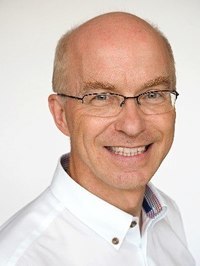
This week we offer you an exclusive interview with the president of EFMC, PhD Yves P. Auberson.
Do you sometimes feel like you are trying impossible reactions like he did during his post-doc?
How did you get interested in Medicinal Chemistry?
The power of chemistry to create novel matter always fascinated me. As a kid, I witnessed an epilepsy patient having a seizure while on vacation in Spain, and that left a lasting impression on me. When I realized that new molecules might have the power to heal, I became fascinated in the potential of medicinal chemistry.
Where and when did you obtain your PhD diploma?
I obtained my PhD in 1990, in Prof. Pierre Vogel’s group in Lausanne, Switzerland. I developed total syntheses of rare sugars: Fun chemistry, intellectually challenging, and that prepared me well for the next step in my career.
Where did you have your postdoc position?
With Prof. Peter Schultz, at Affymax in Palo Alto, California. It was a start-up company by then, and I had a great time. We were surrounded by brilliant people, pursuing new ideas by mixing techniques of biology and chemistry with printing technology. What a lesson it was! The company was at the research edge in combinatorial libraries, which was a fancy new development at that time: printing DNA on chips, or using phage display to produce gigantic peptide libraries created fascinating opportunities. My project was to develop catalytic antibodies to lower the energy of activation of thermodynamically disfavoured reactions. That was an ambitious goal, and despite all efforts, impossible reactions remained... impossible.
Where do you work at the moment and what is your current position?
I work in the Novartis Institute for Biomedical Research in Basel, Switzerland, and have a double role: leading a research group, and serving as president of both EFMC and of the Division of Medicinal Chemistry and Chemical Biology of the Swiss Chemical Society.
Novartis is a great company to work for, science-oriented and supportive of the scientific community in general.
What are your current research interests?
My research group is developing clinical imaging agents to facilitate the development of our drug candidates. Imaging helps with diagnosis and monitoring of disease progression, but also answering questions that cannot be easily addressed otherwise, such as: Does a drug reach its target and occupy it long enough to have an effect? What is the most effective and safe clinical dose? This is very helpful information for our clinicians, and when it helps bring a drug faster to the patients, it is well worth the effort. There is also an artistic dimension to the images we generate, and that makes it even more interesting.
What do you like most in your job?
Its intellectual diversity, the people I work with, and the fact that I will never know everything and must keep learning all the time.
What do you consider your biggest achievement in your scientific carrier?
When we tested our first development compound in treatment-resistant epilepsy patients and... yes, it worked! There is no bigger satisfaction than seeing years of research transform into a therapy. It feels like a miracle happened when a new molecule created in a medicinal chemistry lab proves to work in the clinic, and restore health.
Which scientist do you admire the most and why?
I still remember reading, as a child, the “Stories of Uncle Paul”, a cartoon that introduced me to the life of Alexander Fleming and Louis Pasteur, and many other wonderful scientists and admirable minds. I loved these stories, and I suspect this is one reason I became interested in science. There are of course many admirable scientists, past and present. They all have in common dedication, a sense of innovation, curiosity and an acute sense of observation, and a knack for finding gold nuggets in mountains of data.
Which field of medicinal chemistry do you consider the most promising in the future?
This is an interesting question, and my belief is that medicinal chemistry will become even more diverse. Low molecular weight compounds will remain a major source of new treatments in the future. Other areas, including synthetically optimized biologics, will expand our options. There is much to gain by exploiting the chemical biology – medicinal chemistry continuum. Better chemical tools will help improve target selection; new modalities will allow developing novel therapeutic approaches. Imagination and innovation should have no limits.
What would you guess to be the next major breakthrough in medicinal chemistry?
It is hard to say, as the claims around the potential impact of new techniques in drug discovery are often exaggerated. I tend to believe that innovation is incremental and that we will continue to develop the power of medicinal chemistry by constantly challenging ourselves, exploring new technologies and ideas. Over the years, multiple innovations have contributed to this progress, such as computer-assisted drug discovery, new synthetic methods and screening technologies, chemically optimized biologics or target identification technologies. The human body is complex and we need a broad variety of approaches. The next major breakthrough is always a drug that shows a real impact on patient’s lives, whatever form it takes.
What would you like to ask from other medicinal chemists?
To stay passionate, curious and creative, to be supportive of their team and community, to trust themselves and have fun in research, but never forget the ultimate objective of what we do: create tools to improve our understanding of disease, and drugs to help people live a better and healthier life. This is something we can really be proud of.

This week's #Iamamedicinalchemist is Jorge Peiró Cadahía from the Scandinavian biopharmaceutical company Nuevolution A/S, Copenhagen, Denmark.
Are you motivated to do synthesis because the difficult compound you are synthesizing might be "the one" which turns into a useful drug? Or do you have other great reasons to do synthesis?
How did you get interested in Medicinal Chemistry?
During my B.Sc. studies in 2012 I had the great opportunity to carry out a research project in the group of Prof. Adoración Gómez Quiroga at the Universidad Autónoma de Madrid. The project was based on the synthesis and biological evaluation of Pt-complexes with anti-tumoral properties. This bio-inorganic research project was my first contact with Medicinal Chemistry and encouraged me to start my M.Sc. on Organic and Medicinal Chemistry at the Technical University of Denmark.
Where and when did you obtain your PhD diploma?
I have obtained my Ph.D. in December 2017 from the Technical University of Denmark, Copenhagen, DK. A six-month research stay in the group of Prof. Matthew Gaunt at the University of Cambridge, Cambridge, UK, was part of the degree.
What was the topic of your PhD project?
The main project of my Ph.D. focused on the synthesis and biological evaluation of reactive oxygen species sensitive prodrugs for the treatment of chronic inflammatory diseases like e.g. rheumatoid arthritis. A smaller sub-project carried out was based on the development of novel Pd-catalyzed carbonylation reactions.
Where do you work at the moment and what is your current position?
I am a Research Scientist at the Scandinavian biopharmaceutical company Nuevolution A/S, Copenhagen, DK (www.nuevolution.com).
What are your current research interests?
Our current research interest is the development of novel tablet-based drug therapies for human diseases within oncology and chronic inflammation. Examples of such autoimmune inflammatory diseases are multiple sclerosis, rheumatoid arthritis, psoriasis, inflamed fatty liver and chronic inflamed colon or intestine, where significant unmet medical need remains.
What do you like most in your job?
The fact that a specific compound you have synthesized in the lab, although sometimes very synthetically challenging, can be potentially “the one” that will create a better treatment or even a cure to very serious diseases motivates not only my daily work but probably also of many medicinal chemists.
What kind of tasks your job includes?
Design and synthesis of new analogues in “hit-to-lead” and “lead-optimization” programs as well as evaluation of biological results.
What kind of skills your job requires?
Strong synthetic Organic Chemistry knowledge as well as Medicinal Chemistry know-how.
What do you consider your biggest achievement in your scientific career?
My first publication “Synthesis and evaluation of hydrogen peroxide sensitive prodrugs of methotrexate and aminopterin for the treatment of rheumatoid arthritis. J. Peiró Cadahía, J. Bondebjerg, C.A. Hansen, V. Previtali, A.E. Hansen, T.L. Andresen, M.H. Clausen. Journal of Medicinal Chemistry 2018, 61 (8), 3503-3515 (https://doi.org/10.1021/acs.jmedchem.7b01775)” was probably the first big achievement in my scientific career. But to be chosen by the Danish Society for Medicinal Chemistry and Chemical Biology (DSMKB) as the Denmark’s nominee for European Champion in Medicinal Chemistry at the EFMC-YMCS 2018 was probably the biggest achievement so far. It was an honor for me to be given the opportunity to present my work in a truly international and relevant Medicinal Chemistry conference as the EFMC-YMCS is.
What are the features of a successful PhD student or postdoc?
Patient, motivated, hard-working, innovative and creative are probably the most important skills to become a successful Ph.D. student.
What is the most embarrassing thing you did in the lab while doing experiments, e.g. explosions?
Probably forgetting to turn off the vacuum when filtering Pd/C letting it to dry and get red-hot or quenching LAH with septum on the flask, producing a small explosion. You sometimes learn from mistakes.
Which scientist do you admire the most and why?
I do not dare mentioning a single and particular scientist without first expressing my admiration to all those scientists who despite the great difficulties in finding financial support for their research they persist and fight every day to continue running their groups. With all the above mentioned, I really admire Nobel Laureates Heck, Negishi and Suzuki for their contributions into the field of palladium-catalyzed cross couplings in organic synthesis.
Did you experience any unfair situations during your scientific career?
If any, luckily not of great importance.
Which paper of yours you are the proudest of and why?
I am proud of every single paper I have contributed to publish in any scientific journal and the humble list is shown below:
- Synthesis and evaluation of hydrogen peroxide sensitive prodrugs of methotrexate and aminopterin for the treatment of rheumatoid arthritis. J. Peiró Cadahía, J. Bondebjerg, C.A. Hansen, V. Previtali, A.E. Hansen, T.L. Andresen, M.H. Clausen. Journal of Medicinal Chemistry 2018, 61 (8), 3503-3515 (https://doi.org/10.1021/acs.jmedchem.7b01775).
- Methotrexate prodrugs sensitive to reactive oxygen species for the improved treatment of rheumatoid arthritis. N.S.Andersen, J. Peiró Cadahía, V. Previtali, J. Bondebjerg, C.A. Hansen, A.E. Hansen, T.L. Andresen, M.H. Clausen. European Journal of Medicinal Chemistry 2018, 156, 738-746 (https://doi.org/10.1016/j.ejmech.2018.07.045)
- Diastereoselective C–H carbonylative annulation of aliphatic amines: a rapid route to functionalized γ-lactams. Z.M. Png, J.R. Cabrera-Pardo, J. Peiró Cadahía and M.J. Gaunt. Chemical Science 2018. (https://doi.org/10.1039/c8sc02855a)
Which field of medicinal chemistry do you consider the most promising in the future?
I believe PROteolysis-TArgeting Chimeras (PROTACs) are very promising small molecule targeted therapy strategies which many big pharma and biotech companies have relatively recently gotten onboard for its potential. I am sure we will soon read the first published clinical trials and hopefully also the first marketed PROTACs.

Christa Müller from Bonn University is celebrating her 20th year as a Professor of Pharmaceutical Chemistry! We congratulate her for this big achievement and share her thoughts on medicinal chemistry.
How did you get interested in Medicinal Chemistry?
When I was an undergraduate student at Tübingen University, Prof. Hermann J. Roth presented an excellent lecture on Pharmaceutical Chemistry. Later, I chose him as my PhD supervisor and mentor. During that time I spent much time in the library of our institute, and there my favourite journal was the Journal of Medicinal Chemistry, which I loved to read. And I dreamed of publishing myself in that journal.
Where and when did you obtain your PhD diploma?
I completed my PhD in 1988 at the University of Tübingen, a small town in the State of Baden-Württemberg, in the South of Germany, about 60 km north of the city where I was born (Rottweil).
What was the topic of your PhD project?
Synthesis and properties of chiral amphiphiles and liposomal prodrugs with unsymmetrically substituted disulfide bridge. The compounds that I synthesized had terrible physicochemical properties. But I learned a lot about stereochemistry, prodrugs, lipids, amphiphilic compounds, liposomes and cancer therapy.
Where did you have your postdoc position?
At the National Institutes of Health in the Laboratory of Bioorganic Chemistry, National Institute of Diabetes, Digestive and Kidney Diseases, in Bethesda, Maryland, USA with Dr. John W. Daly. That was a whole new world for me which I had the privilege to discover. I would recommend everybody to work for some time in a top laboratory abroad, preferably on a different continent. You will have a new view on your previous work and life from a distance.
Where do you work at the moment and what is your current position?
I have been a Full Professor of Pharmaceutical Chemistry at Bonn University since 1998 – for exactly 20 years. And I still enjoy the possibilities as a University Professor at one of the top German universities.
What are your current research interests?
My scientific interests are focused on the medicinal chemistry and molecular pharmacology of purine-binding membrane proteins (purine receptors, ectonucleotidases) and orphan G protein-coupled receptors. Disease indications include neurodegenerative and inflammatory diseases, cancer, and rare diseases. My activities are ranging from basic research to collaborative drug development projects with pharma industry partners. Recently I have become interested in new modalities in drug development.
What do you like most in your job?
Working with young, talented people and sharing my insights with them; contemplating about tricky scientific question and difficult issues - and finding solutions; contributing to the development of drugs that are beneficial for patients; collaborating with experts from different areas and from all over the world; reading scientific literature and learning something new every day.
What kind of tasks your job includes?
Teaching, research and administration
What kind of skills your job requires?
You have to be an allrounder and a hard worker; it requires creativity, organisational skills, problem-solving and leadership ability, team-working and collaboration competencies, teaching qualities, high motivation, patience, persistence, resilience - and you have to deeply enjoy what you are doing.
What do you consider your biggest achievement in your scientific career?
Actually, I have always been broadly interested and contributed to different areas related to medicinal chemistry.
How many PhD and postdoc students do you have at the moment?
Are you currently looking for a new PhD and postdoc students?
My group is quite big, but this is necessary for our approach which combines chemistry and biology. The techniques established in my lab range from synthetic chemistry, (bio)analytical studies, and molecular modeling to in vitro pharmacology, and molecular and structural biology.
I have 20 PhD students, currently more than usually, but several students are about to complete their thesis, and it is always good to have some overlap on a topic in order not to lose the knowledge regarding certain lab techniques.
If excellent students and postdocs apply to my lab, I always try to find a way to finance them.
What are the features of a successful PhD student or postdoc?
High motivation is most important, in addition to creativity and talent, and persistence.
Regarding a young scientist‘s CV it is always good to have publications (quality is more important than quantity), to have shown mobility, and to be supported by previous supervisors.
How would you describe yourself as a supervisor?
Since I have a big group, I am not closely controlling each student. The students and postdocs will get some freedom to develop themselves as scientists, e.g. to realize some of their own ideas. In the inital phase, they will be co-supervised by a postdoc in the lab. I am always approachable to discuss results or problems and to suggest solutions, and I am carefully watching the progress of each project, and interfere if necessary to push it into the right direction and to make it successful. I do care for my students and coworkers.
What is the most embarrassing thing you did in the lab while doing experiments, e.g. explosions?
I had (small) explosions and fires. Once, I upscaled a reaction from a 10 g to a 30 g scale, it was the regioselective alkylation of silylated uracil with propargyl bromide in the presence of iodide, the procedure that I had invented. After the reaction was completed, and the excess of the silylation reagent had been removed by evaporation, the silylated product was carefully hydrolyzed by the addition of ice-water. This is an exothermic reaction, and it became too hot, resulting in violent reaction involving the triple bond. Fortunately, the fire was under the hood and could quickly be controlled, with the help of my labmate.
Which scientist do you admire the most and why?
Marie Curie. She was the first woman to get a Noble Prize in science, and later on, she even got a second one. She achieved this as a Polish immigrant in Paris, at a time when women hardly had a chance to study.
Did you experience any unfair situations during your scientific career?
Yes, but I was also lucky. In fact, I was the first woman who got a full professorship in Pharmaceutical Chemistry in Germany, and I got this chance only because at that time, in the late 1980s, it was more attractive to take a job in industry than to stay in academia.
Luckily, the University of Bonn had had good experiences with female science professors, and they offered me a chair without hesitation.
My perception is that not always the best scientists are successful, but the ones who are well connected within networks. The way you are treated is not always fair. On the other hand, data bases creating (more or less) objective assessments, nowadays can help in supporting fair decisions.
Another problem I have observed and encountered is envy, which can be very destructive. There seems to be increasing egoism and ruthlessness in parts of the younger generation.
Which paper of yours you are the proudest of and why?
Difficult to select because I have published around 400 papers so far, and there are a number of papers which I am proud of, including three publications which I co-authored and which were published in Nature.
Since I am supposed to select only a single paper, I would select this one:
Thomas Borrmann, Sonja Hinz, Daniela C. G. Bertarelli, Wenjin Li, Nicole C. Florin, Anja B. Scheiff, Christa E. Müller; 1-Alkyl-8-(piperazine-1-sulfonyl)phenylxanthines: development and characterization of adenosine A2B receptor antagonists and a new radioligand with subnanomolar affinity and subtype specifity. J. Med. Chem. 2009, 52, 3994-4006.
This manuscript describes adenosine receptor antagonists with low nanomolar affinity including the preparation of an A2B-specific radioligand. It contains a lot of information (which easily could have been divided into two or three papers, but I prefer papers with broad content). The described antagonists, e.g. PSB-603 and [3H]PSB-603, are currently among the most frequently used A2B antagonists due to their high potency, selectivity and metabolic stability. A long time after we had developed the first A2B-selective antagonists, such compounds have recently become of great interest for the (immuno)therapy of cancer.
Which field of medicinal chemistry do you consider the most promising in the future?
What would you like to ask from other medicinal chemists?
What would you guess to be the next major breakthrough in medicinal chemistry?
Small molecules are clinically successful and will be approved for the immunotherapy of cancer - further revolutionizing cancer therapy.

Christina Lamers from the University of Basel is this week's #Iamamedicinalchemist! Read below if she ever forgot anything important when doing a dilution series.
Would you also like to take part in our interviews? Send us a message and we will send you the questions. After answering them we will share your story with our followers!
How did you get interested in Medicinal Chemistry?
Before I became interested in specifically Medicinal Chemistry, my passion and interest for Chemistry was evoked by my Chemistry teacher in high school. He explained to me that every reaction, even in our body, is following the same basic rules of attraction, repulsion and reactivity and if you understood those rules you could explain and design such reactions. It was always clear to me that I want to use this knowledge to create something useful, but not like new materials such as plastics. And since I was also quite interested in human anatomy, physiology and pathophysiology, I chose to study pharmacy, where I found all these topics combined. From the very first day at university, it
was clear to me that I was going to get a PhD and continue working in science, with Pharmacy as a backup plan. Seeing every process in the human body as a chemical interaction fascinates me, especially because you can modify these reactions with a designed molecule, for example binding to a receptor might be competitive to endogenous ligands. As soon as you understand the molecular interaction, you can modulate it to treat diseases. Therefore, I started my PhD in Medicinal Chemistry immediately after completing my Pharmacy studies, and worked on small molecules activating nuclear receptors.
Where and when did you obtain your PhD diploma?
I did my PhD in the group of Prof. Manfred Schubert-Zsilavecz at Goethe University in Frankfurt am Main, Germany. I also studied at that university and had the chance to check out all the working groups before choosing one with a topic and methods I liked the most. After nearly five years of PhD research, I obtained my PhD diploma in December 2014.
What was the topic of your PhD project?
My main PhD projects were the synthesis and characterization of small molecules to modulate the nuclear receptors FXR and PPARs, which are involved in several metabolic regulations like fatty acid and glucose homeostasis. Our molecules had similar structural features to the endogenous ligands, namely an acidic head group and a lipophilic tail... which didn’t make it too easy for purification and solubility 
But isn’t it stunning that molecules like fatty acids, which used to be considered a nutritional factor are actually signaling molecules?
I was also involved in the cellular testing of several nuclear receptor modulators in our transactivation assay systems, and I was quite happy to also learn cell culture and other in vitro assays. I think this is very important for a medicinal chemist to also understand the in vitro systems that are used to judge their liability and comparability, especially if you want to create a sound SAR.
Where did you have your postdoc position?
For my first postdoc, I completely changed direction and went into the chemical biology lab of Prof. Christian Heinis at EPFL, Lausanne, Switzerland with a Marie Curie Individual Fellowship. I wanted to learn a more sophisticated and faster way to identify a lead compound than the trial-and-error method of a systematic SAR investigation. With Phage Display, you basically start the other way around and have a huge library of 10 9 compounds from which you let the target select the most appropriate ones. Obviously, you are restricted to peptides as your scaffold, but in the Heinis lab we are actually able to chemically modify our peptides to lead to new and pre-constrained molecular formats.
These modified peptides have a high affinity, and are specific and able to bind difficult targets like protein-protein interactions.
Where do you work at the moment and what is your current position?
In November of last year, I moved to Basel, and I am now working in the group of Prof. Daniel Ricklin in the pharmaceutical department of the University Basel as a postdoc.
What are your current research interests?
I am still working on peptides as possible therapeutics, which of course is a challenging task seeing their limitations especially in pharmacokinetic parameters. But our group in Basel is targeting the complement system, which is circulating in blood, already circumventing the limitation of no cell permeability. The topic especially fascinates me because in recent years I realized how underestimated the innate immune system is. This is anyway a summarization of several different intra- and extracellular mechanisms of host defense and its involvement in different diseases is getting clearer and clearer. Using our
tools to study these mechanisms will help us understand their involvement in age related and autoimmune diseases, which are pressing health issues now and even more in our future.
What do you like most in your job?
I really love doing reactions, creating a new molecule and testing the compound
afterwards, especially when you realize you have created something very active. The lab work is always fun for me, especially if you can solve a problem in a creative way.
What kind of tasks your job includes?
My job includes peptide synthesis, purification and the analytic evaluation as well as the testing in SPR and other assays. In addition, I am supervising students and teach a class of quantitative analytics for pharmaceutical students.
What kind of skills your job requires?
Organizational and planning skills, time management, creativity is a plus, analytical skills, communication and presenting skills, networking skills are helpful to establish new collaborations.
What do you consider your biggest achievement in your scientific career?
Winning the Marie Curie Fellowship is for sure my highlight so far, but I hope big achievements are still ahead of me
What are the features of a successful PhD student or postdoc?
In my opinion the most important feature is endurance and commitment to your project. In my experience, most experiments don’t work the first few times and you have to try several approaches. You still need to motivate yourself to keep trying even if you had weeks of disappointing results. And to become an excellent PhD you need to be curious. Not accepting results as given but always ask for the why and how will lead to new observations and might be the start to a new groundbreaking project.
How would you describe yourself as a supervisor?
When I was in my PhD I appreciated very much freedom in my research. I believe that you learn more when you figure out problems on your own and make your own mistakes. So as a supervisor, I always have an open ear if there are problems and my students need advice, but I try to not interfere with their planning and analysis of projects to leave them as much freedom as possible.
What is the most embarrassing thing you did in the lab while doing experiments, e.g. explosions?
The actual most embarrassing was to realize after measuring a dilution series of 40 samples that I had forgotten to put the stock solution into the first dilution before diluting the rest. So, I had 40 blank samples...
Which scientist do you admire the most and why?
Besides Leonardo Da Vinci, who was a real genius in so many disciplines and so ahead of his time, I really admire Christiane Nüsslein-Volhard not “just” because she became a female scientist in male dominated natural sciences nor because she won the Nobel price (which is pretty awesome), but she is very inspiring! Especially because she doesn’t seem to be able to satisfy her curiosity and still keeps on doing research. I hope for myself that I will also still have the hunger for science when I am supposed to retire
Which paper of yours you are the proudest of and why?
I am the proudest of my paper of the first in class dual FXR antagonist and TGR5 agonist paper from my PhD project because it was a project with a difficult start and it didn’t at all go in the direction we expected. But I kept on working on it and in the end, I succeeded with a nice SAR and story. I pushed to publish and finished the manuscript after I was already graduated so that I really feel this paper is my own baby.
Which field of medicinal chemistry do you consider the most promising in the future?
I expect that the artificial intelligence will become more and more powerful as a tool for medicinal chemists by helping us to use the vast amount of information to come up with new ideas. But I think an experienced medicinal chemist is still needed to actually conduct the successful SAR. On the other hand, I see growing interest in molecular formats adapted from biomolecules like peptides or carbohydrates. Though they don’t show great pharmacokinetic features per se, I think they are able to bind to targets small molecules are not suitable for. And topic-wise, I think the innate immune system is highly under estimated and I expect it to be in some autoimmune diseases the missing puzzle piece for
understanding disease pathology.
What would you like to ask from other medicinal chemists?
I think we need a discussion about publishing and impact factor and how we can make a more transparent and fair reviewing process. Sometimes it feels like an established author name is worth more than solid scientific work. And also, negative reports are valuable and should be published. It is one of the most abundant knowledge on how not to do things but yet nowadays everyone has to figure out by themselves again.

This week's #Iamamedicinalchemist is professor Martin Dolezal from the newest EFMC member state, Czech Republic. He is developing new antibacterials to help us outsmart the bacteria that are developing resistance to the current antibiotics.
How did you get interested in Medicinal Chemistry?
Initially, I thought I was going to make some career in microbiology, but that all changed once I took medicinal chemistry for my diploma thesis. From that moment on, I knew I wanted to design pyrazine molecules that are biologically active, meaning they have antibacterial effects on mycobacterial cells. After I received my Ph.D. in the field of medicinal chemistry, I took the assistant position at the Faculty of Pharmacy in Hradec Kralove Charles University, Czech Republic.
Where do you work at the moment and what is your current position?
I am a teacher for more than 34 years, now a professor of medicinal chemistry. I am a vice-dean of the Pharmaceutical faculty. I am a president of Czech Pharmaceutical Association.
What are your current research interests?
Almost all my professional life is connected with pyrazine chemistry, with novel pyrazine compounds, with searching and evaluation of their anti-infective properties.
What do you like the most in your job?
I prefer everyday contact with my students in my laboratory. All my diploma-students (more than 90) and Ph.D. students (12) were very important members of my research team. Some of them are now very successful professors or researchers at other institutions in Czech Republic or abroad.
What do you consider your biggest achievement in your scientific career?
My best achievements in my scientific career is the education of young scientists. Of course, I have prepared approximately thousand of new compounds, and some of them are very active against M. tbc.
What is the most exciting thing you did in the lab while doing experiments, e.g?
Crystal forming during purification of new compounds, their fascinating polymorphism.
Which scientist do you admire the most and why?
I have an enormous respect for Dr. Paul Janssen and Dr. Antonin Holy, for their hard-working enthusiasms.
Which paper of yours you are the proudest of and why?
The review article DOLEZAL, M.; ZITKO, J. Pyrazines Derivatives: a patent review (June 2012-present). Exp. Opin. Ther. Pat., 2015, vol. 25, no. 1, p. 33-47; the original paper DOLEŽAL, M.; ''.chr('268').''MEDLOVÁ, P.; PALEK, L.; VINŠOVÁ, J.; KUNEŠ, J.; BUCHTA, V.; JAMPÍLEK, J.; KRÁ''.chr('317').''OVÁ, K. Synthesis and Biological Evaluation of Pyrazinecarboxamides. Eur. J. Med. Chem., 2008, vol. 43, no. 5, p. 1105–1113. Both articles describe for me very interesting facts.
What would you guess to be the next major breakthrough in medicinal chemistry?
New miracle drugs (incl. biologics, gene therapy, …) for personalised medicine and personalised pharmacy care.

This week's #Iamamedicinalchemist is Cassandra Lee Fleming, a Marie Curie postdoctoral fellow at the University of Gothenburg (Sweden). She is the Winner of the young medicinal chemist meeting in Sweden.
How did you get interested in Medicinal Chemistry?
I have always been interested in understanding how the body works. This in combination with my enthusiasm for a range of science subjects offered throughout my education led me to pursue my research interests within medicinal chemistry field.
Where and when did you obtain your PhD diploma?
I completed my PhD in 2015 at Deakin University (Australia) under the guidance of Associate Professor Frederick Pfeffer.
What was the topic of your PhD project?
In efforts to further develop our understanding of how histone deacetylase (HDAC) inhibitors act at cellular level, my doctoral studies focused on the design and synthesis of fluorescent HDAC inhibitors as tools for cellular imaging applications.
Where did you have your postdoc position?
Following my doctorate, I joined the group of Professor Joakim Andréasson as a postdoctoral researcher at Chalmers University of Technology, Sweden.
Where do you work at the moment and what is your current position?
I am currently a Marie Curie postdoctoral fellow at the University of Gothenburg (Sweden), in the group of Professor Morten Grøtli.
What are your current research interests?
My research interests are centred around the utilisation of light as an external stimulus to control the pharmacological activity of small bioactive molecules in diseased cells and tissues to provide valuable insight into the underlying molecular events of complex disease states.
What do you like most in your job?
I like being able to combine the practical aspects of organic chemistry with problem solving to address the research question at hand. I really enjoy the interdisciplinary nature of my current project and the fact that no two days are ever the same. You are constantly learning new things (even if most of the time this is a result of experiments that just didn’t work!).
What kind of tasks your job includes?
I spend most of my time synthesising fluorescent and light-responsive bioactive molecules and evaluating their photophysical and biological properties. However, more recently, I have also begun to dabble in a bit of multiphoton microscopy.
What kind of skills your job requires?
Curiosity, determination, to be able to embrace failure and to ‘think outside the box’.
What is the most embarrassing thing you did in the lab while doing experiments, e.g. explosions?
During my PhD I once accidently flooded the fume hood with water and oil after the hosing on my reflux condenser split and the water ended up flowing into the oil bath. Luckily this happened over the lunch break so not a lot of damage was done, however it did take a while to clean up!
Which scientist do you admire the most and why?
This is a tough question as there are so many inspirational scientists both past and present. However, I really admire Sir Martyn Poliakoff for his science outreach and education work. He communicates a diverse range of scientific topics in a unique and engaging way. He shares his passion for learning with the public and inspires the next generation of scientists — he is an excellent role model for young researchers.
What would you guess to be the next major breakthrough in medicinal chemistry?
I hope to see a significant advancement in our understanding of the underlying molecular events of neurodegenerative disorders (such as Alzheimer’s) so that effective treatments for disease states can be developed.

What is your current position?
I’m a last year PhD student in Medicinal Chemistry at Uppsala university
How did you get interested in Medicinal Chemistry?
I’ve always been interested in the natural sciences and in high school I had an outstanding chemistry teacher who really awakened my interest to the field of chemistry. He also gave me the opportunity to go to the Berzelius days, which is the biggest chemistry meeting for high school students in Sweden. One of the lecturers showed us the beauty of medicinal chemistry and from that day I was hooked! I really like the combination of organic chemistry with the medicinal field.
What are your current research interests?
My PhD project involves identification and synthesis of Insulin-regulated amino peptidase (IRAP) inhibitors. Inhibition of IRAP has been shown to improve cognitive functions in several animal models and is considered as a potential target for treatment of cognitive disorders. Previously, most of the inhibitors have been peptide-based but we developed an assay amenable for HTS where we identified several small molecule-based inhibitors. We’re currently working on hit expansions on some of these.
What do you like most in your job?
I really like that I get the opportunity to do so many different things. Synthetic organic chemistry, analysis and biochemical testing of the compounds, as well as teaching undergraduate students. I like spending time with motivated people in the lab even though we’re working in different projects and in different areas of the medicinal chemistry field. The interdisciplinary discussions are what I like the most since I learn new things all the time. It satisfies my curious side that wants to know and learn as much as possible! Working as a PhD student has also given me a lot personally. A major challenge with a PhD project is to work independently and to find new ideas to tackle problems, and that has made me grow both as a scientist and as a person. I have learned to deal with pitfalls as experiments don’t always go as planned, and to manage a research project both independently and in a team.
What kind of tasks your job includes?
My job includes 80% research and 20% teaching. The teaching commonly involves supervision of lab courses and seminars in organic chemistry for undergraduate students. The research part is my PhD project which involves both synthesizing compounds as well as evaluating them as inhibitors in biochemical assays. I am also responsible for the NMR-instrument at the department which involves nitrogen and helium filling as well a basic maintenance of the instrument and software.
What kind of skills your job requires?
Except for all the ”standard” skills required for someone working in academia, like scientific writing, critical thinking, creativity, teaching, ability to learn and comprehend new information etc., I would say that some of the most important things when working as a PhD student is to be able to praise the failure and be persevering and courageous! Failure is a normal part of the process and sometimes it feels like getting a PhD is more of a test of endurance rather than knowledge, and you need to be brave from time to time to do something with what others don’t agree if you feel the potential. Of course, you also need to be able to work independently, to keep track of things you do (you will do a lot!), to be patient and believe in yourself (things will go wrong even though you gave your best), and last but not least; learn to get things done.
What is the most embarrassing thing you did in the lab while doing experiments, e.g. explosions?
Oh, this will make me sound like the most boring chemist ever, but so far I have manage to carry out my research project without any major fireworks in the fume hood. So far so good...
Which scientist do you admire the most and why?
Can I pick three? I would say Marie Curie for being the first woman to win the Nobel prize (twice!), Galileo Galilei for putting science before religion which must have been hard at that time, and Charles Darwin for knowing that the evidence he had for natural selection would cause people to get upset but he stuck with his conclusions and time has proven him right.
In everyday life, I would say that I admire scientists that are truly experts in their field and without any concerns shares their vast knowledge, allows you to ask an infinite number of questions without feeling stupid, and inspires you to continue and keep a positive mindset no matter how many hurdles you face along the way.

This week's #Iamamedicinalchemist is Nadine Jagerovic from Medicinal Chemistry Institute in Madrid. Read about her research below.
How did you get interested in Medicinal Chemistry?
After having defended my thesis which was oriented on materials, I was actually feeling that I could even enjoy more research if I could focus my chemistry on biochemistry, biology and medicine. It is why I did my postdoc in a medicinal chemistry lab.
Where and when did you obtain your PhD diploma?
I am originally from Beaune in France, and I obtained my PhD diploma in 1991 from the University of Burgundy. The research group was very dynamic and I really enjoy a kind of family atmosphere.
What was the topic of your PhD project?
I worked on metalloporphyrins. They are fascinating structures having precious colours. However, due to their instability to oxygen and water, once they were getting brown, you knew that the reaction needed to be set up again. The purpose was getting porphyrin-based polymeric conductors.
Where did you have your postdoc position?
I got my first two-years-postdoc position at the University of California Davis (USA) founded by a NIH grant. There, I could apply the porphyrin chemistry to the photodynamic therapy. This therapy was just emerging and it was so exciting to be part of the adventure. San Francisco was close, which only increased the pleasure to be postdoc.
Then I got my second two-years-postdoc position at the Medicinal Chemistry Institute in Madrid (Spain) thanks to a Marie-Curie-fellowship in the EU human capital mobility program.
Where do you work at the moment and what is your current position?
I reside in Spain and I have been working at the Medicinal Chemistry Institute in Madrid for more than twenty years. How time flies! I am a Senior Research Scientist of the Spanish Research Council.
What are your current research interests?
These last 15 years, I have been developing my research in the cannabinoid field. As a medicinal chemist, my research is focussed on designing new entities acting on the endocannabinoid system. Due to the increasing public interest for the medicinal cannabis, studying its mechanism of action and designing new molecules with reduced psychotropic effects is a personally fulfilled research.
What do you consider your biggest achievement in your scientific career?
The day that I think having accomplished my biggest achievement, I better stop doing research. There is no way to be satisfied, learning is the best achievement. Another kind of achievement for me is the pleasure realizing that my students are getting scientifically independent. This is probably my mother-hen side coming up.
How many PhD and postdoc students do you have at the moment?
Are you currently looking for a new PhD and postdoc students?
In the group, we have one PhD student, three graduates and soon another postdoc student. Depending on the grants or company contracts, we might offer PhD positions. But, be aware, the candidate is not only selected by myself, my students participate in this selection.
How would you describe yourself as a supervisor?
I never feel to be a supervisor. I am as my students are, part of the group. I usually prefer to let them develop their research and be there when they need me as an advisor. That does not stop me being mother-hen.
What is the most embarrassing thing you did in the lab while doing experiments, e.g. explosions?
I experienced fire, small explosion but the most embarrassing concerned a new computer. That was a long, very long time ago, I change my Mac computer for PC. The first day I clean the screen in my way and the next day I could not start the computer. A computer scientist took it to repair and two days later asked me who was the person that move the boot disks in a folder named “No idea”.
Which scientist do you admire the most and why?
I am a “fan” of Professor Mechoulam, the father of the THC (tetrahydrocannabinol). I admire him as researcher and as a person. This is one of the most generous person I know. He has been collaborating with hundreds of researchers. He is always smiling and full of energy despite his age. For years, he has been the research engine of all of us, he inspires most of us in the field of medicinal cannabis.
Did you experience any unfair situations during your scientific carrier?
We all experienced such situations from time to time, but this is always better not spending too much time and energy in it.
Which paper of yours you are the proudest of and why?
I am never fully proud of a paper, but I actually like the papers that are the results of several nice collaborations with friends.
Which field of medicinal chemistry do you consider the most promising in the future?
Personalized medicine is emerging. It will be so interesting to be able to treat patients based on their predicted response or risk of disease. Medicinal chemist can help in this direction with their expertise.
What would you guess to be the next major breakthrough in medicinal chemistry?
I hope that neglected tropical diseases and cancer can find treatments. In the case of the tropical diseases, Foundations as the one of Steve Job, finance international grants. For instance, research is currently in an advance stage with the existence of a cheap unique-dose antimalarial agent. Treatment of cancer will be personalized decreasing side-effects.

This week's #Iamamedicinalchemist is Riccardo Provenzani from University of Helsinki, Finland. Read about his work below.
How did you get interested in Medicinal Chemistry?
Well, long time ago as a kid I always wanted to play with one of my best friends who owned the game “Il Piccolo Chimico” (“The Little Chemist”) and try to create new revolutionary potions. Then, during my Master’s programme in Pharmaceutical Chemistry and Technology at the University of Pavia, the combo Molecular Modeling/Drug Design/Synthesis totally blew my mind—apparently that little chemist was still kicking for new discoveries. So after the Erasmus exchange in Finland I stayed for my PhD studies.
What is the topic of your PhD project?
I synthesize new compounds targeted to the C1 domain of protein kinase C to investigate new therapeutic approaches for cancer and Alzheimer's disease. I am also developing a new affinity chromatography device to understand the mechanism of action of the compounds.
What do you like most in your job?
The dynamicity! Every day can be different and full of surprises, whether good or bad.
What kind of tasks your job includes?
Experimental design, plenty of lab work, troubleshooting and writing. PhD students in Finland also have “teaching duties” so I supervise bachelor/master students and assist lab courses or tutor exercise sessions for pharmacy students. As side tasks I take care of few instruments like our flash purification system and NMR spectrometer.
What kind of skills your job requires?
Being open minded, co-operative, willing to learn new things and ready for sudden change of plans!
What is the most embarrassing thing you did in the lab while doing experiments, e.g. explosions?
I was going to run a reaction in the microwave but it was occupied so I decided place the vial (sealed) in a oil bath, to run the reaction in my fume hood. The conditions were neat so just the 2 reagents, no solvents required...except I didn't pay attention to the small percentage of DCM present in one of the two reagents. So, I turned the heating on and in the meanwhile I went to finish a flash purification in the adjacent lab. After few minutes I heard "POOOM". I ran back to find my labmate frozen, totally pale and looking at me with wide opened eyes, my reaction scattered all around the top part of the hood and the broken bath leaking silicon oil all over the hood bench..."oops"...

This week's #Iamamedicinalchemist is Federico Munafò who just finished his degree from the University of Pisa and who is looking for a Ph.D. position in the field. Read more about him and his research interests below.
What is your current position?
I am a just graduated in medicinal chemistry and pharmaceutical technology from University of Pisa and now I am looking for a PhD position. Meanwhile I am working in a laboratory where I perform chemical analysis on food contact materials.
How did you get interested in Medicinal Chemistry?
I have been addicted to chemistry since high school thanks to incredible teachers. During my last year I had the opportunity to spend some days in a research center where I met a research group focused on the development of polymers for medical uses. This meeting made me curious about application of chemistry in the medical field. That’s how I met medicinal chemistry and I fell in love with it. Figure out how a pill of a NSAID can ease the pain by applying organic chemistry is really amazing, isn’t it?
What are your current research interest?
My master thesis project, which has been carried out at the University of Copenhagen in the research group headed by Associate Professor Anders Bach, was focused on ischaemic stroke. Depletion of oxygen and glucose, due to blood flow reduction, initiates a series of biochemical reactions after minutes of ischaemia, together called ischaemic cascade, that lead to the production of reactive oxygen species, and at present the only available therapy focuses on restoring an adequate flow of blood to the brain without counteract oxidative stress. An emerging therapeutic strategy against ischaemic stroke is to disrupt the protein-protein interaction between Nrf2 and its repressor protein Keap1, thus boosting the Nrf2-dependent defence against oxidative stress.
What do you like most in your job?
Undoubtedly, I like to wake up in the morning without knowing what the day holds for me. I don’t want to write “see yesterday” every evening on my diary. This job gives the opportunity to do different things. One day you can be an organic chemist and the day after you can perform biochemical tests. Another aspect that I really like is that team work is the basis of this job. You cannot achieve results without the contribution of your workmates, but, at the same time, your work is fundamental to reach the goal. Finally, interdisciplinary meetings are always a good opportunity to learn something new.
What kind of task your job includes?
I work in a chemical synthesis laboratory. My tasks involves organic synthesis, characterisation and purification of compounds with different scaffolds, such as sulfonamides, benzo[7]annulene derivates, and benzotriazole derivates. Furthermore, I prepare presentations about my work for group meetings and I daily update my laboratory book.
What kind of skills your job requires?
From a professional standpoint, a good knowledge of organic chemistry and spectroscopy (mainly NMR and Mass Spectroscopy) makes the job easier. Except for these “standard” requires, I think that motivation, curiosity and perseverance are keys issue to succeed in this regard. Research is certainly fascinating, but quite often could be stressful. We should learn from failures. As is often said, bad results are still results. Well, you know, it is just the way life is. Another key require is the ability to work as a team. We must be cohesive team. As I said previously, you can not achieve results without the contribution of your workmates, but, at the same time, your work is fundamental to reach the goal.
What is the most embarrassing thing you did in the lab while doing experiments, e.g. explosions?
Sorry, I have not bombed any laboratory yet. However, once I was synthesising a new compound starting from a mercaptan and probably I did not close properly the reagent vial or the reaction vessel. What is certain is that a stench was smelled all around the laboratory. At the next group meeting we talked about the project...and why mercaptans have a disgusting smell.
Which scientist do you admire the most and why?
That’s a tough question. I admire for sure Giulio Natta. HIs studies leaded to the synthesis of polypropylene and we all well know the importance of this polymer in our daily life. I also admire Margherita Hack for her professional highlights, but mainly for her activities outside of science and her thoughts about ethic. Finally, I admire Alexander Fleming. I guess we all agree that his discovery changed the fate of a lot of people.

This week's #iamamedicinalchemist is Tharindi Panduwawala from University of Oxford. Read more about her research below.
How did you get interested in Medicinal Chemistry?
My undergraduate research project was related to the application of nanotechnology and analytical chemistry in a disease environment, which really got me interested in
working in a field of medical need. Around the same time, a course in medicinal chemistry that I undertook in my final year of the undergraduate course at the University of Colombo in Sri Lanka furthered my interest in medicinal chemistry and
wanted to learn more about small molecule drug discovery.
Where and when did you obtain your PhD diploma?
I obtained by PhD in Organic Chemistry from the University of Oxford (actually, PhD is referred to as a DPhil in Oxford) in 2016.
What was the topic of your PhD project?
I was working on natural product-guided antibacterial drug discovery with tetramates as core scaffolds in Prof. Mark Moloney’s research group. It was a very educational journey for me and really enjoyed working on this research project. We managed to make a library of compounds in search of novel antibiotics and some of these compounds exhibited a dual-mode of action.
Where do you work at the moment and what is your current position?
I am currently working as a postdoctoral research associate at the University of Oxford in Prof. Christopher Schofield’s research group. The project I am working on is a hit-to-lead drug discovery project under the ENABLE consortium. It has been an exciting journey so far and a great learning experience where you get to work with an amazing team of scientists within the UK and across Europe.
What are your current research interests?
Throughout my DPhil and postdoctoral research work, I was working on chemistry related to the field of antibiotics. The previous work I did was focused on developing a novel antibiotic core scaffold in search of the next first-in-class drug. Then I moved into my current field of work on metallo β-lactamase inhibitors (MBLi) for combination therapy with β-lactam antibiotics. Currently, there are no MBLis in the market.
What do you like most in your job?
The work we do every day to fill an unmet medical need. This gives me the momentum to keep going. At the same time, we get to learn from each other within the team, which I very much enjoy.
What kind of tasks your job includes?
I mainly work as a synthetic organic chemist, but also work in the biochemistry lab when required. In addition to that, supervision of masters and DPhil students.
What are the features of a successful PhD student or postdoc?
Passion for what they do…being motivated to do what they do. Also, along with good quality science, one’s ability to work in a collaborative research environment, the willingness to give a helping hand when needed will also define one’s success.
What is the most embarrassing thing you did in the lab while doing experiments?
So far, fortunately, no explosions. I’ve had my share of silly mistakes in the lab, but nothing significant to be embarrassed about. They are mistakes that we can laugh at in good humor…I hope!!
What would you like to ask from other medicinal chemists?
I’m keen to know what medicinal chemists think are the disease areas that they believe need more attention.

This week we present the story of Clemens Zwergel, a postdoctoral scientist at the Sapienza University of Rome.
How did you get interested in Medicinal Chemistry?
Standing as a child in the pharmacy of my aunt I was fascinated by the miracles happening in the pharmacy watching her dispensing all the coloured pills and creams. As I was growing my interests got more focused and I decided to become a healthcare professional studying pharmacy. At faculty of pharmacy, I met my first supervisor Prof C. Jacob getting me in touch with the world of science and research. He aroused my passion for medicinal chemistry while working on my diploma thesis with his unique character to motivate his students.
Where do you work at the moment and what is your current position?
I am a postdoctoral scientist at the Sapienza University of Rome in the Department of Drug Chemistry and Technologies. I am working in the team of Prof. Antonello Mai on various epigenetic targets.
What are your current research interests?
I am focused on the design and synthesis of small epigenetic modulators targeting all main classes readers, writers and erasers. For example, one of my current projects involves novel and selective HDACi in cancerous and non-cancerous diseases.
What do you like most in your job?
Certainly I like best the fact with my current job that I can combine practical work in the lab with creative thinking and writing. However I consider also teaching and advising students as a source of pleasure as these people are the next-generation scientists one can help to find their way.
What do you consider your biggest achievement in your scientific career?
That is not an easy question but I guess winning the Marie-Fellowship and thus doing my PhD project within an international network of experts was my biggest achievement so far.
What are the features of a successful PhD student or postdoc?
I would not limit this question only to PhD students and postdocs but to scientists in general. A good scientist needs to be a good all-rounder. He needs to possess not only creative skills and a strong working attitude but also practical skills are required to conduct the previously planned experiments. Problem solving strategies do not only help to get around scientific problems but also help with the interaction of colleagues and collaborators. Furthermore it is becoming more important also to be a marketing expert not only to promote the own career but also to attract sufficient funding.
What is the most embarrassing thing you did in the lab while doing experiments?
This story dates back well 12 years ago when I was still an undergraduate student. I was working in a team and I throwed away our product instead of the waste after 3 days of labwork. You can imagine that my team-mate was not very happy and also our instructor as we had to repeat all on an extra day. However I learned an important lesson: don’t throw away anything until you have your result.
Which scientist do you admire the most and why?
That is a tough question to name just one scientist because there are too many excellent ones, but you asked for one so my choice would be Leonardo Da Vinci. He influenced as universal talent our modern world we live in today in a way you cannot underestimate. His visons almost 500 years ago could be confirmed or became reality just now. He drafted not only the first idea of an helicopter but his contributions to anatomy were fundamental for our modern medicine of today.
What would you guess to be the next major breakthrough in medicinal chemistry?
In the years to come I expect the first multi-target modulators to be marketed. This intelligent approach usually allows scientists to avoid toxic side effects of single agents alone and reduce the risk of resistance development.

It is #Iamamedicinalchemist time again! This time we share you the story of Johan Gising from Uppsala University. You can read more about his research interests below.
How did you get interested in Medicinal Chemistry?
During my studies in pharmacy at Uppsala University I found the organic chemistry courses especiallyinteresting. I showed my interest for the department of Medicinal Chemistry and worked there as a lab-assistant during the summers. The research was very exciting and after spending more time at thedepartment, summer research school and a master degree exam work, I was certain that wanted to peruse a PhD degree.
What are your current research interests?
I spend most of my time in the area of infectious deceases and in angiotensin related research projects.
What do you like most in your job?
In drug discovery and early drug development you will get use for all your skills and work in a veryinterdisciplinary environment. It is very challenging and no day is alike.
What kind of tasks your job includes?
Coordination of medicinal chemistry FTEs in the European Gram-negative Antibacterial Engine chemistry platform (ENABLE, part of IMI-ND4BB), planning and risk evaluation of synthetic routes, project leader in academic research and supervision of PhD students.
What kind of skills your job requires?
Interdisciplinary skills and good communication skills are very important. Of course you need wide medicinal chemistry knowledge but it is also important to have some insight and understanding of the areas of all collaborators fields to progress in drug development research. One of the most important skills for a medicinal chemist is persistence and positive thinking – a lot of synthetic routes seems very reasonable on paper but might fail in late steps forcing you to start all over again and again and again.
What do you consider your biggest achievement in your scientific career?
I was recruited by ENABLE and started as a medicinal chemist with minor responsibilities. During the following two years I was engaged in developing the workflow and improve communication in the big international organization. In this process I got more and more responsibilities and I now hold several keypositions in ENABLE such as shared leadership for all ENABLEs chemistry resources and co-lead for a lead to candidate drug programme.
What is the most embarrassing thing you did in the lab while doing experiments?
During my PhD studies I worked on a methodology development for improving the synthetic route to a heterocycle. The ring closure proceeds through release of gas and required high temperature (aboveboiling point of the solvent), not a good combination in sealed vessels. I utilized a dedicated microwave synthesizer for the ring closure and several reaction exploded during scale up. The dedicated microwave synthesizer is explosion proof but needed maintenance several times, my supervisor was very relieved when I finally got control of the reaction conditions.
Which scientist do you admire the most and why?
I collaborate with several scientist that are experts in their field. The ones I admire have very high research integrity and can communicate both at an expert level in their field, explain their research results to other trained scientists in other fields and also takes time for students.

This week's #Iamamedicinalchemist is Mohamed Mahgoub from South Valley University, Egypt. Read why he danced in the lab and other information about his work below!
How did you get interested in Medicinal Chemistry?
I got interested in chemistry when I was in secondary school. In the first year at university I became very excited in chemistry, especially organic chemistry. I always got high grads in organic courses and had good experience in laboratory. After graduation I received my permanent job at my science faculty as a Teaching Assistant…. Starting from this moment, I always was thinking how can I use my career to help people?! We have health problems not only in my country, but also worldwide. So, starting from that point I became interested in medicinal chemistry maybe I can do something for helping the humanity.
Where do you work at the moment and what is your current position?
I just came back from Lisbon university, Portugal. I was in a PhD scholarship. Now I am a Teaching Assistant at South Valley University (SVU), Egypt.
What are your current research interests?
Currently, find a novel acetylcholinesterase (AChE) inhibitors based on thiazolopyrimidines scaffold.
What do you like most in your job?
Working in the lab.
What kind of tasks your job includes?
There are many tasks, but the important things are:
1- teaching practical courses for undergraduate students and organized exams……etc.
2- doing my PhD work, searching, practical work and writing papers…….etc.
What kind of skills your job requires?
- Writing and reading scientific paper.
- Teaching skills.
- Seriousness, and of course if you are working in this filed you must be patient.
What do you consider your biggest achievement in your scientific career?
GREAT LEARNING___I think the biggest achievement was getting some scholarships, one after my master and two through my PhD studies. I learned many new things in my career (excellent characterization of new compounds using 1D and 2D NMR, ESI-MS and X-ray analysis, Molecular docking, some other computational chemistry (Optimization-Total energy- HOMO-LUMO orbitals, Hirschfeld surface …….. ect.).
What are the features of a successful PhD student or postdoc?
In my opinion is to love own work and working in a collaborative research group.
What is the most embarrassing thing you did in the lab while doing experiments, e.g. explosions?
So far, no explosion..!!! But there are some funny things happened during working in the lab. During the master I was trying to use new natural catalyst in my work. I tried several catalysts but did not work..!! Finally, I used Quartz as a catalyst and after 2h I found precipitate in the flask during heating….I was very happy and started dancing. My supervisor saw me and he started laughing ……It was funny day. Noteworthy, I finished my master by using this catalyst.
Which scientist do you admire the most and why?
Prof. Ahmed Zewail (http://www.zewail.caltech.edu/index.html) he is Egyptian. In 1999, He won the Nobel Prize in Chemistry alone! for his work on femtochemistry.
Which paper of yours you are the proudest of and why?
NOW, I am writing two papers and will be very proud after publishing.
Which field of medicinal chemistry do you consider the most promising in the future?
Drug design related to cancer disease in general.
For more information http://mahgoubchem.wix.com/mahgoub-chem

This week's #Iamamedicinalchemist is Associate Professor Joaquín C García-Martinez from Universidad de Castilla-La Mancha, Albacete, Spain. You can read more about his research interests below.
How did you get interested in Medicinal Chemistry?
Actually, I don’t remember when I first time became interested in Medicinal Chemistry, but I remember when I decided to be a scientist. I was 16 years old and I was studying Chemistry in high school for the first time. I told my teacher that I liked chemistry but “doing chemistry” not “teaching chemistry”, and he was the first person who told me what researching is about. Since that moment, all the main decisions of my life were focus on being a scientist.
Where and when did you obtain your PhD diploma?
I became a doctor in 2002, in University of Castilla-La Mancha. School of Chemistry of Ciudad Real.
What was the topic of your PhD project?
Synthesis and Optical Properties of p-Conjugated Dendrimers. I mainly learned organic synthesis and molecular characterization of the optical properties either in solution and solid state.
Where did you have your postdoc position?
During my PhD I was mainly training in organic synthesis in dendrimers and when I looked for my postdoc I wanted to learn more about applications and properties of dendrimers. I have been almost three years in the Prof. Crooks research group at Texas A&M University (USA). Working with him, I had the opportunity to learn about supramolecular chemistry, metal nanoparticles or catalysis on dendrimers.
Where do you work at the moment and what is your current position?
Currently, I am an Associate Professor of Pharmaceutical and Organic Chemistry at the Faculty of Pharmacy in Universidad de Castilla-La Mancha. Albacete (Spain)
What are your current research interests?
Our laboratory mainly focusses on the synthesis of active molecules. Our research interest is on tuning the final properties of the molecules by supramolecular interaction. The design the appropriated chemical functionalization of the molecules looking for properties was a historical aim that result in inefficient when final properties may be seriously affected within the environment because self-assembling induction or interaction with other molecules. In some way, molecular design may address molecular and supramolecular properties.
What do you consider your biggest achievement in your scientific carrier?
I like to think that my biggest achievement is about to come. We are constantly learning and improving. If I thought that I would had done my best finding I will not made enough effort to reach the next challenge.
How many PhD and postdoc students do you have at the moment?
Are you currently looking for a new PhD and postdoc students?
I started the Pharmaceutical Organic Chemistry group in 2010, as well as the School of Pharmacy. This small emerging group are currently formed by four full time professors, one postdoc, two PhD. students and one undergraduate. We are growing physically and scientifically and always looking for enthusiastic people who love research and science.
How would you describe yourself as a supervisor?
I think this question is for my PhD students or postdocs. But I have to say that I want people to work in a friendly working environment and to love their research. Science is very passionate, it is how I feel it and it is what I like to transmit. No passion No Science.
What is the most embarrassing thing you did in the lab while doing experiments, e.g. explosions?
Nothing so far….
Which scientist do you admire the most and why?
I have always admired big scientist that friendly talk to other full professors and kindly listen to PhD. students. Scientists that reveal a great achievement as it was something casual. In this sense, I especially have to mention two: Prof. José Elguero (CSIC Madrid) and Prof. Juan Carlos Izpisúa (Salk Institute, CA, USA). Prof. Elguero is considered one of the fathers of the Organic Chemistry in Spain and I know him since I started my PhD. He always showed interest about me or my research and had a nice word to inspire me. Now, he is still taking care with the new researchers like he did with me. On the other hand, recently I had the opportunity to meet Prof. Izpisúa. A very nice person who with “spectacular” naturality can explain his amazing results and then ask you, how are you? Good scientists that are amazing people.
Did you experience any unfair situations during your scientific carrier?
It was the main full paper that I published as first author, because of the policy of the group all full staff were included as authors and an extensive list of authors was in this article. The good thing about it is that now, the policy in my group is “if you work you are in”.
Which paper of yours you are the proudest of and why?
There are few of them because of assorted reasons: scientific challenges, personal growth, bonds of friendships, etc. But there is a common adrenaline rush in all papers that I have published: Seeing the galley proof of a “just accepted paper”. This give me fuel for the next one!
Which field of medicinal chemistry do you consider the most promising in the future?
Many fields are hot topics in medicinal chemistry and most of them are “chemical” or “medical” issues. In my opinion, the future must involve others disciplines to explore new perspectives. In this sense, Data Mining is strongly developing in other fields and not much in medicinal chemistry although all kind and numerous data is being collected for years. These data, appropriately processed, may be very helpful in the development of new tools, drugs, therapies, etc.

This week's #Iamamedicinalchemist is Cornelia Zumbrunn from Idorsia Pharmaceuticals in Allschwil (Switzerland). She is interested in developing drugs to fight deadly bacteria. Find out more of her research interests below!
How did you get interested in Medicinal Chemistry?
I have been fascinated by chemistry since the age of 14. After highschool and before university I worked for several months in a company producing UV stabilisors for car paint. I decided that the job itself was great but that I wanted to solve more relevant problems in life, i.e. save lives by discovering novel medicines.
Where do you work at the moment and what is your current position?
I work as a labhead and project leader at Idorsia Pharmaceuticals in Allschwil (Switzerland), a young but already quite big biotech company.
What are your current research interests?
Since the beginning of my career I have been convinced that antibiotics are one of the biggest achievements in modern medicine. I wanted to contribute to the discovery of novel drugs against deadly bacteria. This is what I have been doing since many years. Antibiotics cure infections and save lives. It is hard to imagine how our life would look like without them. Many of our recent innovations in healthcare such as surgery, cancer treatment, neonatal care etc. are based on the availability of antibiotics. At the same time, we, i.e. mankind, use antibiotics in an irresponsible way that favors the spread of resistance and we might soon experience again how it is to be unable to cure a pneumonia or skin infection.
I am grateful that despite the lack of return of investment a few pharmaceutical companies still feel the responsibility to invest money in this type of research.
More recently I have been involved in projects from other disease areas which of course does not change the overall aspects of my job.
What do you like most in your job?
I love the combination of practical work in the lab with the intellectual challenge to work in an interdisciplinary environment required to successfully develop a novel drug. To make compounds active on the target is one thing. But to synthesize compounds that are active, selective, non-toxic, stable, soluble and can be administered to patients in a reasonable way is a complete different thing. The job of a medicinal chemist is to understand these parameters and design compounds that fulfill all of those requirements. A formidable intellectual challenge, like a multidimensional Sudoku puzzle, which requires a lot of creativity! And a big frustration tolerance!
What kind of tasks does your job include?
I supervise a couple of technicians as well as an apprentice in my lab. In addition, I spend quite some time in meetings dealing with the advancement and coordination of the project
What kind of skills does your job require?
A medicinal chemist should not only master organic chemistry, but he/she should also be able to understand the biology relevant for the project. Knowledge of physiology, mechanisms of toxicity and metabolism as well as process chemistry, solid state chemistry and galenics are of great help. Working in big interdisciplinary teams requires a number of soft skills like communication and the awareness that the result is the achievement of the whole team and not of a single person.
What do you consider your biggest achievement in your scientific career?
I have been able to contribute to the advancement of several compounds into preclinical phase. This required sometimes a great deal of creativity and out of the box thinking, which I’m proud of. Unfortunately, none of these compounds has made it to the market. But I think that our job is to optimize the compounds as good as possible with as few compromises as possible. This is all we can do. Bad surprises in form of unexpected toxicity or intolerance are impossible to foresee and can arrive at any time.
Which paper of yours you are the proudest of and why?
The science I am most proud of has unfortunately never been published. This is one downside of my job: the most interesting compounds are patented and by the time we would be able to publish, the next project is important and writing a publication about the old one is time consuming and only “nice-to-have”.

This week's #Iamamedicinalchemist is Cedric Dzidzor Amengor from Kwame Nkrumah University of Science and Technology in Ghana. Read more about his research interests below.
Would you also like to be featured on our page? Feel free to contact us by message or email!
How did you get interested in Medicinal Chemistry?
First of all, I have always been interested in Chemistry since high school especially the organic aspect and in the first and second years at the University. With the passion in organic chemistry
I got interested in Medicinal Chemistry in my third year in the University. After graduation, I became a teaching assistant in Pharmaceutical Chemistry department.
I became a Pharmacist year after coupled with my appointment as a Graduate assistant for two years. My profession as a Pharmacist and passion in chemistry actually cemented the interest to understand more about the chemistry of medicines.
Where and when did you obtain your PhD diploma?
Currently in my last year of PhD
Where do you work at the moment and what is your current position?
I just came back from Greenwich University, United Kingdom on a commonwealth split-site PhD scholarship. Now I am a Research assistant at Kwame Nkrumah University of Science and Technology
What are your current research interests?
My research interests are in designing and synthesizing novel compounds using click chemistry as targets for neglected tropical diseases.
What do you like most in your job?
Always seeing chemicals triggers structure optimization in me and I enjoy being in the lab.
What kind of tasks your job includes?
1. Teaching undergraduates and supervising their project works. Designing project works for MPhil students.
2. Writing research proposals and papers
What kind of skills your job requires?
1. Patience is the first skill
2. Teaching and communication skills
3. Reading papers.
What do you consider your biggest achievement in your scientific career?
My biggest achievements have been obtaining commonwealth scholarship (2016-2017) for split site PhD at University of Greenwich, UK and being part of the Next Generation Scientist Program at Novartis, Basel in 2016. I learnt so many things: chemistry, communication skills e.t.c
What are the features of a successful PhD student or postdoc?
There sis nothing successful in your PhD work except finding greatest joy after your PhD by contributing to improving the lives of humanity.
How would you describe yourself as a supervisor?
Patient but I need the work to be done.
What is the most embarrassing thing you did in the lab while doing experiments?
During my PhD, I was carrying out a Sandemeyer reaction. I under-rated the scale of reactions and did not use a larger vessel. After about 10 mins of adding all reactants, the whole reaction medium started popping out vigorously. Just immediately, a big boom in the fume hood and spilled all over. Fortunately, the fume hood was in appropriate position so I was safe. The remaining portion of the product however gave me a wonderful click product after.
Which scientist do you admire the most and why?
My greatest Scientist is anyone who lost their life in contributing to humanity.
Which paper of yours you are the proudest of and why?
I am currently writing two papers and should make a great impact when published.
Which field of medicinal chemistry do you consider the most promising in the future?
Drug design related to parasitic diseases
What would you guess to be the next major breakthrough in medicinal chemistry?
A major breakthrough in future would be discovery of a blockbuster drug against XDR-TB and TDR-TB

This week's #Iamamedicinalchemist is Tonko Drazic from the Institute of Pharmacy and Molecular Biotechnology at Heidelberg University. Read below how he created some smoke and a lot of beta-lactam related inhibitors.
How did you get interested in Medicinal Chemistry?
In my case, there was never a certain point in which I decided that I want to work as medicinal chemist. This is simply the way life lead me, although I have always been interested in natural sciences. After university I started working in biochemistry lab on lipid metabolism and after two years I switched from investigating lipid metabolism from biochemical viewpoint to finding drugs which alter it. Since then, and this was 11 years ago, I have been in Medicinal Chemistry.
Where and when did you obtain your PhD diploma?
I obtained my PhD diploma from the University of Zagreb, Croatia. I had a defense on a nice winter day in December 2014, after sailing rough seas called PhD research.
What was the topic of your PhD project?
I was working on the development of analogs of ezetimibe, a β-lactam cholesterol absorption inhibitor. My PhD research was a great experience for me because I was working on all aspects of the project, from synthesis, over in vitro testing to experiments in mice.
Where do you work at the moment and what is your current position?
I am a postdoctoral researcher at the Institute of Pharmacy and Molecular Biotechnology at Heidelberg University. I came here a year ago after winning Marie Curie Individual Fellowship.
What are your current research interests?
As during my PhD research, my interests are still related to β-lactams and their biological activity. However, the target has changed since the PhD research. Currently I am working on my Marie Curie fellowship project “β-Lactams as flaviviral NS3 protease inhibitors - LIsTEN”. This project is focused on the development of β-lactam compounds which act against flaviviral diseases. Flaviviral diseases affect millions of people mostly in tropical and subtropical regions. But with global warming, greater incidence is also expected in Europe. Most dangerous flaviviruses for humans are dengue virus, yellow fever virus, West Nile virus and as of recently, Zika virus. The aim of my project is to investigate the potential of β-lactams to inhibit flaviviral protease, and is mostly related to dengue virus, but deals also with other viruses.
What do you like most in your job?
I like the excitement of obtaining new and especially unexpected results. I guess that this is the favorite moment for most scientists. I also like putting pieces of the puzzle together and the feeling of fulfillment when I see meaningful results mount.
What kind of tasks your job includes?
At the moment, I am mostly occupied with organic synthesis. However, as probably is the case with most medicinal chemists, my job is pretty interdisciplinary and it extends into the realms of biochemistry and biology. When it comes to the so-called “bench work”, besides synthesis, during my career I have performed biochemical assays, worked with cell lines, including the development of cell assays, analyzed human samples and very recently, immersed myself in computational chemistry.
What kind of skills your job requires?
My job does not require any particular skills other than usual skills required for the work in the lab. But my job also requires certain mental qualities. Most of all persistence and patience. These are the qualities which are, I guess, required in science in general, as science is a slow process of “achieving” many failures before reaching some rewarding discoveries.
What do you consider your biggest achievement in your scientific career?
So far, it is obtaining Marie Curie fellowship. I am really happy and proud to have won this prestigious fellowship. But I hope that my biggest achievements will come in the future.
What are the features of a successful PhD student or postdoc?
Curiosity, persistence, eagerness to learn, imagination.
What is the most embarrassing thing you did in the lab while doing experiments, e.g. explosions?
During my PhD I once overestimated the firmness of a reaction flask in an overnight reaction. The flask exploded and spilled the oil from the oil bath. As the reaction was heated, there was a lot of smoke from the oil and the Institute’s firefighters had to intervene. Since it was an overnight reaction, all the mess was over until I came to work (lucky for me  ).
Later we had a rule that whoever causes an explosion or fire has to bring a cake afterwards. Luckily, I had no more incidents.
Which scientist do you admire the most and why?
There are a lot of scientist which I admire, but now I will mention three: Charles Darwin because he found general rules of evolution from a huge set of individual data; Richard Feynman because of the way he communicated science and from the field of chemistry Elias James Corey, because of his enormous productivity in wide range of topics in organic chemistry.
Which paper of yours you are the proudest of and why?
I hope that the papers I would be the most proud of are still going to come.
Which field of medicinal chemistry do you consider the most promising in the future?
I would like to say that it is the development of drugs against neglected tropical diseases. I think this is a vast and still pretty unexplored field, which could teach us a lot about pharmaceutically active compounds and their interactions with targets. Even more importantly, the advancement in this field could save great number of lives. Unfortunately, I am not sure that it is likely going to happen.

This weeks' #Iamamedicinalchemist is Ana Amic from the University of Josip Juraj Strossmayer in Osijek, Croatia. What does she enjoy about her job and other details you can read below.
How did you get interested in Medicinal Chemistry?
I was always interested in natural sciences, especially chemistry and biochemistry. Partly it was due to my teachers, but in a greater part it was due to my family. My father is a chemist, and he was the one who got me truly interested in chemistry.
Where and when did you obtain your master/PhD diploma?
I obtained by PhD diploma in the field of Chemistry in 2017 from the University of Josip Juraj Strossmayer in Osijek, Croatia.
What was/is the topic of your PhD project?
I was working on a novel and ecologically friendly method for N-acetylation of amines in choline chloride based deep eutectic solvents (DESs). The main objective was to create efficient and environmentally friendly protocol for acetylation using DES, which acts as a reaction medium as well as a catalyst. Developed protocol was proven to offer several advantages to conventional acetylation reactions such as operational simplicity, easy workup, shorter reaction time, excellent yield, economically and environmentally acceptable reaction conditions with the use of easily available, efficiently recyclable and reusable, nontoxic and bio-degradable solvents.
Where did you have your postdoc position? Or do you plan to pursue postdoc position?
I plan to pursue postdoc position, preferably in a combination of experimental and computational chemistry. Molecular modelling is a very useful tool that allows a better understanding of chemical and biochemical topics. It makes sense to use computers to predict characteristics of novel compounds and even the optimal route of their synthesis.
Where do you work at the moment and what is your current position?
Currently, I work at the Department of Chemistry at the Josip Juraj Strossmayer University of Osijek, as a Teaching Assistant.
What are your current research interests?
At the moment, I’m focused on computational chemistry and the use of computers to study reaction mechanisms behind biological activities of natural compounds, which can be found for example in medicinal plants. My research interests are in understanding of the background of biological activity of medicinally important compounds, determination of main structural characteristic of compounds responsible for such activity, and its application in development of novel and more efficient medicinally significant compounds. For example, one of my projects involves study of mechanisms of antioxidative activity of polyphenols and their metabolites; another one is a study of free radical scavenging mechanisms of 3-(4-hydroxy-3-methoxyphenyl)propanoic acid.
What do you like most about your job?
My job is dynamic, challenging and pushes me to do my best. It is a combination of teaching, continuous learning, creative and critical thinking and writing.
What kind of tasks your job includes?
There are two types of tasks in my current job. One is teaching practical courses and seminars for the undergraduate students, lab supervision, writing and grading exams, supervision of bachelor/master students, and similar. And the other is conducting my own research work and writing papers, conference presentations, etc. I’m trying to interest students for my research as much as possible, especially since this field of chemistry is not something they are well acquainted with and they are the next generation of scientists.
What kind of skills your job requires?
Teaching skills, wide knowledge, interpersonal and communication skills, organisational skills, team work, writing scientific papers, critical and logical thinking, ability to learn, problem solving, creativity, perseverance, …
What do you consider your biggest achievement in your scientific career?
I think that the biggest achievement in my scientific career is jet to come. It takes time and effort, so I’m constantly reading, learning and trying to improve myself.
How would you describe yourself as a supervisor/mentor?
So far I have supervised only a few undergraduate students and they are the only ones who can answer this question. But I understand the importance of a friendly working environment so I have always tried to be open for communication, patient, approachable, helpful and understanding.
What is the most embarrassing thing you did in the lab while doing experiments, e.g. explosions?
Well I’m quite boring so no explosions (yet), but I made a lot of silly mistakes, though nothing out of the ordinary. Except I have once accidentally wiped clean my memory stick (with no backup).
Which scientist do you admire the most and why?
Throughout the history there was a lot of excellent scientists worthy of admiration for their advanced thinking as well as for their perseverance, so it is difficult to pick just one (though I am a huge fan of Galileo Galilei). I admire the people in my research team because they are true experts in their field and are not afraid to share their knowledge and expertise. They are inspiring because of their passion, open-mindedness, integrity and honesty.
Did you experience any unfair situations during your scientific carrier?
This is something that occurs from time to time. I have had my share too, but I tend not to dwell on the past but use the experiences (even the negative ones) for the future.
Which paper of yours you are the proudest of and why?
The papers I am proud of are the ones that are a result of collaborations with friends. I was very proud of my first paper, but the most important paper is yet to come.

This week's #Iamamedicinalchemist is Vlad Pascanu from at the University of Zurich, Switzerland. He is so enthusiastic about medicinal chemistry that he even dreams about it! Share with us your medicinal chemistry dreams!
Where and when did you obtain your PhD diploma?
I received my PhD in 2016 from Stockholm University, in Sweden.
What was the topic of your PhD project?
We were developing heterogeneous catalysts based on a class of porous materials called MOFs, which were making waves at the time. Interestingly, this topic was almost as new for my supervisor at it was for me. There were many mistakes I’ve made along the way and many lessons to learn, but it was an exciting experience.
How did you get interested in Medicinal Chemistry?
Some of these catalysts I mentioned above were active enough to raise interest from a big pharma company in Sweden. At one point, I got the chance to spend a couple of months in their labs and test my catalyst on their molecules. It was a fascinating experience to see such a vast amount of resources dedicated to science and to curing disease. It was then when I started to think it would be nice to be part of this effort and that this is a topic that would keep me curious for a long time to come.
Where do you work at the moment and what is your current position?
I am currently a postdoctoral researcher at the University of Zurich, in Switzerland. I have been here for about one year and a half now.
What are your current research interests?
We are interested to develop chemical probes that interrogate the function of major transcriptional co-regulators CBP/EP300. These are chromatin-remodeling factors involved in epigenetic regulation with essential roles in healthy embryonic development. However, their precise mechanisms of action and roles in oncologic malignancies are not yet elucidated. We focus on small-molecule inhibitors but also new modalities such as PROTACs and all sorts of other conjugated entities.
What do you like most in your job?
I like to think that our job is to create things (molecules) that have not existed before and use them to answer biological questions that could not be answered before, which is cool. Also, the freedom to test in the lab whatever idea I may have dreamt the night before is a priceless feeling. Another one of the rewards is being constantly surrounded by extremely intelligent people.
What kind of tasks your job includes?
I am spending the better part of my time doing organic synthesis and whatever is left, I spend it on reading, planning and trying to think of new solutions and strategies. I wish I could dedicate more time to that ever increasing pile of “to read asap” literature. However, we are a small group of people with not enough hands in the lab and way too many ideas. I also spend a considerable amount of time trying to prevent my younger colleagues from getting discouraged too quickly. I think that should be part of every postdoc’s responsibilities. Over the next couple of months, I hope I’ll get the chance to spend more time playing with zebrafish. But this all depends on how the synthesis goes.
What kind of skills your job requires?
There are some technical skills required, but I found that I could teach all the practicalities to a student in less than one semester. And these are probably the first skills that will be mastered by automated robo-chemists. Therefore, I cannot rely on that alone for the future. More important is the ability to connect different pieces of information and ask the right questions.
What do you consider your biggest achievement in your scientific career?
For the time being, my future goals are still considerably bigger than my achievements. There were perhaps a few moments when I felt that I must be doing something right. But I would rather answer this question in a few years’ time.
What are the features of a successful PhD student or postdoc?
Resilience is by far the most important. And that rare ability to not lose sight of the bigger picture and of your bigger goals, in the face of daily minor setbacks and obstacles. Then comes curiosity and being open to learn from others. Not least, ethics, in all its forms.
How would you describe yourself as a supervisor?
My experience in this direction is rather limited. There have been a couple of BSc and MSc students for whom I was responsible. If anything, I have learned that I need to work on my patience. Still working on that.
What is the most embarrassing thing you did in the lab while doing experiments?
I don’t think I have ever done something stupid enough to be memorable. Not more than the regular throwing your organic phase to waste or breaking the Dewar and giving everyone a mini-heart attack. Nevertheless, it was quite embarrassing when the cleaning staff found me at 6 a.m. on an inflatable mattress in the middle of our computer room, after I had missed the last metro home.
Which scientist do you admire the most and why?
I would choose Edward O. Wilson for the life-long dedication to his passion, for relentlessly advocating for science, for being a brilliant storyteller and for the energy that he still invests into seeding the same kind of passion in the hearts of young generations of scientists. Books such as “Letters to a young scientist” should be read by everyone, in the darkest moments of their PhD studies.
Did you experience any unfair situations during your scientific career?
Nothing serious. Even though I have spent the previous seven years as an immigrant, I was privileged enough to work in Stockholm and Zurich, which both have a highly developed culture of equality and tolerance, in the society as well as in the lab.
Which paper of yours you are the proudest of and why?
I have not published much during my medchem postdoc and the most interesting work has yet to come out. However, I am proud of a paper recently published from my PhD work (DOI: 10.1021/jacs.8b03505). This was an enormous collaborative effort to portray the entire lifecycle of a catalyst, which we had previously developed. We could take clear snapshots from the bench-stable precatalyst, to activated form in solution, aging into different species that operate through different mechanisms, and finally succumbing to deactivation pathways. It is a whole story from birth to death and it is an empowering feeling to get that kind of detailed insight into a process that you have been struggling to understand for years.
Which field of medicinal chemistry do you consider the most promising in the future?
I’m optimistic about the potential to use deep learning tools to predict pharmacokinetics and toxicity and hopefully reduce to some extent the demand for animal models.
What would you like to ask from other medicinal chemists?
I would be happy to see more medicinal chemists embracing more modern and less wasteful synthetic tools, along with the risks that it implies. Read Jonas Bostrom’s analysis on this topic (DOI: 10.1021/acs.jmedchem.5b01409).
What would you guess to be the next major breakthrough in medicinal chemistry?
I would bet my money on drugs based on new modalities, and in particular targeted protein degraders (PROTACs). They represent a fundamentally different mode of action that could, in theory, target proteins that lack a high affinity ligand or a well-defined enzymatic site. This technology could enable researchers to go after oncoproteins that were previously out of reach with small molecule inhibitors.

This week's #Iamamedicinalchemist is Davide Benedetto Tiz from the faculty of Pharmacy in Ljubljana (Slovenia). Do you agree with him that luck plays a role in synthetic chemistry?
How did you get interested in Medicinal Chemistry?
During the high school I had classes about natural science (biology, geography and chemistry). My professor was so interested about chemistry that transmitted his passion to me. I liked the pathos behind each experiments and the fascination that could stem from putting together small entities such as atoms in order to form bigger substances.
Later, during my master degree, I really fell in love with organic chemistry subjects combined with the pharmacology: this cocktail led me to become a medicinal chemist, a passionate scientist that transfers his synthetic skills into the development of new drugs.
Where and when did you obtain your PhD diploma?
I am currently in my third year of doctoral studies at the faculty of Pharmacy in Ljubljana (Slovenia)
What was the topic of your PhD project?
The topic of my PhD project is the design, synthesis and evaluation of novel DNA gyrase and topoisomerase IV inhibitors. DNA gyrase is a bacterial topoisomerases that catalyse changes in DNA topology and are validated targets for antibacterial drug discovery.
DNA gyrase is primarily involved in the negative supercoiling of DNA during replication, while topoisomerase IV is deputed to the decatenation of the two daughter chromosomes after replication.
From the crystal structure of E. coli DNA gyrase B in complex with a previously developed inhibitor recently disclosed by our research group, I developed further inhibitors which displayed good inhibitory activities against E. coli and S.aureus gyrase B. Some compounds possessed activity against selected Gram-positive bacteria.
Where did you have your postdoc position?
Currently I do not have any postdoc position
Where do you work at the moment and what is your current position?
I currently work at the faculty of Pharmacy in Ljubljana and I carry out my research work as a PhD student in my third year of studies.
What are your current research interests?
My interests are mainly organic chemistry and medicinal chemistry. In particular I am involved in the preparation of carboxylic acid bioisosteres, replacements that are meant to boost the penetration of small-molecules into bacteria. The limited drug entry in bacteria is today one of the limiting factor to develop successful antibiotics.
What do you like most in your job?
Mostly synthesis and purification of compounds. I also perform docking studies of my molecules and other computational studies such as the prediction physicochemical properties.
Examining the analytical data of a certain compound is also an aspect I like because I feel like solving a riddle and revealing the true identity of a compound is something that makes me satisfied.
What kind of tasks your job includes?
My daily routine includes the preparation of the designed inhibitors, their purification using several techniques (e.g., chromatography and crystallization) and the sample preparation for the collection of the analytical data (NMR, infrared, polarimetry, mass spectrometry and melting point). The most interesting part and sometimes the most difficult is the design of the synthetic route because you have to take into account the compatibility of different groups in a molecule.
Additionally, I am writing review and research papers related to the field of antibacterial discovery.
What kind of skills your job requires?
Patience, I would say, is one of the most important skills because it often happens to deal with failed experiments. Another skill is the manual work since I need to set up the reaction environment and to dose liquids carefully every day. Last, but not the least, the wisdom you need when arranging, for example, the stoichiometry and the duration time of a determinate reaction.
What do you consider your biggest achievement in your scientific career?
The biggest achievement is for sure the obtainment of molecules endowed with antibacterial activity since I believe drugs are important tools for the mankind's health.
How many PhD and postdoc students do you have at the moment?
Are you currently looking for a new PhD and postdoc students?
At the moment I am the only PhD under the supervision of my mentor, Assist. Prof. Nace Zidar.
What are the features of a successful PhD student or postdoc?
Persistence, creativity and a little dose of risk are the features I believe count most in the career of a PhD student.
Curiosity is also fundamental: I learnt how to predict and plot the physicochemical properties of my inhibitors while attending a summer conference.
How would you describe yourself as a supervisor?
I am not a supervisor, but I had some students working with me. I would describe myself as a methodical person because I consider the lab environment as a second house.
What is the most embarrassing thing you did in the lab while doing experiments?
The most distressing happening was when I mistook the labels of two similar compounds and it took several time to understand which one was the correct one. Another embarassing thing during the master thesis was while evaporating phosphorus oxychloride. The rotavapor contained few drops of water from a previous job and I suddenly noticed an evolution of smoke. I asked my mentor for help and except for the scare of seeing a "cloudy sky" I could go on with my experiments unharmly.
And yes, do not leave a black product on the bench without naming it: I found my product in the trash bin because a co-worker thought it was an impure mixture.
Which scientist do you admire the most and why?
My favourite scientist is Prof. Mitsunobu. His famous reaction that combines an alcohol and a carboxylic acid to make an ester has become one of the most important transformations in organic chemistry at industrial level and in academia. I have often carried out the Mitsunobu process and I believe one of its major utility is the inversion of configuration of the alcohol starting material.
Did you experience any unfair situations during your scientific career?
I did not experience such unfair situations. I think luck sometimes plays an important role in organic chemistry.
Which paper of yours you are the proudest of and why?
Without doubt the review whose title is "Overcoming problems of poor drug penetration into bacteria: challenges and strategies for medicinal chemists". It was my first publication and for me it represented a big achievement since I consider myself more a "laboratory guy" than a write-aholic.
Which field of medicinal chemistry do you consider the most promising in the future?
The discovery of novel anticancer and antibacterial agents. Finding novel anticancer drugs with limited side effects and antibacterial agents effective against resistant bacteria would represent a big step forward in the world of medicinal chemistry.

This week we introduce you to the story of Laura Heitman (LACDR, Leiden University, The Netherlands), who is a runner up for the EFMC Young Medicinal Chemist in Academia prize. #Iamamedicinalchemist #WomenInScience #PhD #drugdesign
How did you get interested in Medicinal Chemistry?
As a bachelor student I followed a course on “Design and Synthesis” (Ontwerp & Synthese in Dutch), and the idea that a small molecule can modulate a large protein intrigued me.
Where and when did you obtain your PhD diploma?
Department of Medicinal Chemistry, University of Leiden, The Netherlands in April 2009
What was the topic of your PhD project?
“Allosteric modulation of ‘reproductive’ GPCRs”
Where did you have your postdoc position?
I didn’t – I was able to obtain a tenure track assistant professorship immediately after my PhD
Where do you work at the moment and what is your current position?
Division of Drug Discovery and Safety, University of Leiden – Associate Professor (Tenured)
What are your current research interests?
Novel concepts to target GPCRs, such as allosteric modulation and target binding kinetics
What do you like most in your job?
Teaching, supervising and mentoring the next generation, i.e. bachelor, master and PhD students.
What kind of tasks your job includes?
My job is quite diverse, which I like very much. It consists of research, teaching and management.
What kind of skills your job requires?
In my opinion: enthusiasm, curiosity and flexibility
What do you consider your biggest achievement in your scientific career?
That so far nine of my PhD students have graduated in time, all resulting in PhD theses to be proud off.
Are you currently looking for a new PhD and postdoc students?
My group currently consists of six PhD students, one PostDoc and a technician
I currently don’t have a vacancy, but that can change. Of course, I am interested to host excellent people when they can secure their own funding, e.g. Marie Curie Fellowship.
What are the features of a successful PhD student or postdoc?
Enthusiasm, perseverance, curiosity (good experimental and writing skills)
How would you describe yourself as a supervisor?
Enthusiastic, structured, empathic
What is the most embarrassing thing you did in the lab while doing experiments, e.g. explosions?
Ow, I once broke a tabletop centrifuge, because I did not distribute the epp cups evenly. It even caused the fire alarm to go off…
Which scientist do you admire the most and why?
Prof Ad IJzerman. He was my PhD supervisor, and still is my mentor. I admire how he build his group to contain all features of medicinal chemistry (i.e. organic chemistry, computational chemistry and molecular pharmacology). Moreover, he is able to keep the atmosphere in his group friendly and social (while science can be quite competitive and stressful at times)
In general, I admire scientist who are able to combine a family with a scientific career. I know from my own experience that this is quite a challenge.
Did you experience any unfair situations during your scientific career?
Luckily not
Which paper of yours you are the proudest of and why?
I am currently most proud of my Nature paper in 2016 in collaboration with UCSD (Prof Handel lab). In general, I am most proud of the papers resulting from (interdisciplinary) collaborations.
Which field of medicinal chemistry do you consider the most promising in the future?
I think that any field taking the desired in vivo pharmacology in mind is promising. This sounds trivial, but is often lacking.
What would you like to ask from other medicinal chemists?
How they would describe the field of ‘Medicinal Chemistry’, or how they feel they contribute to the field of ‘medicinal chemistry’.
What would you guess to be the next major breakthrough in medicinal chemistry?
I am biased of course, but a major breakthrough would be when a small molecule designed to have optimal target binding kinetics reaches the market. So far, some marketed drugs have been shown in retrospect to be efficacious due to optimized target binding kinetics. Having a ‘prospective’ example would really be a breakthrough (further) supporting the importance of this concept.

This week's #Iamamedicinalchemist is Fabrizio Giordanetto, Head Medicinal Chemistry from D E Shaw Research LLC.
What makes medicinal chemistry unique and so interesting? Read from below!
How did you get interested in Medicinal Chemistry?
I became completely hooked on Medicinal Chemistry when I heard a talk on Drug Discovery and Medicinal Chemistry given by a SmithKline Beecham Director at a career fair organized by the local university. I simply could not resist the unique mix of design, engineering rigor, uncertainty management and scientific method directly responsible for the creation of new medicines. The idea of being able to decide and manipulate matter at an atomic level of detail and see direct consequences in the lives of human beings felt so challenging, meaningful and rewarding, there was basically no coming back. Early thoughts about a career in architecture were quickly dispelled by the promise of designing and building something that nobody did before, nobody could see in action, but whose results could change life. I clearly remember this aura of wizardry and unknown beckoning me then, I just had to try and do it for a living.
What did you do then?
I signed up for a Masters degree in Medicinal Chemistry, then got myself a scholarship for a PhD in the same subject because I was thirsty for more. The industrial placement during my PhD was so life-inspiring and life-transforming it is hard to describe with words. I would leave the company site late at night desperately wanting back the next morning. The next day I would arrive fully energized despite set-backs, my sheer ignorance and the challenges ahead, daring to try again. A magic magnetic pull drawn me to data, new concepts, revised ideas, different people and skills, the details of all these aspects. It was never the same. There was so much to take in, to try and understand, to attempt practicing, to apply in projects, to internalize as an experience for the future, I only wished there were more hours in a day. It dawned on me I did not want to do anything else than taking one industrial drug discovery project after the other, sift through that complexity over and over again, success and constant learning as convincing beacons. I decided to build my professional path and all my future career decisions around it.
How is it now?
20 years on, I am so glad and grateful I made that choice and stuck with it. The reality of it surpassed everything I had imagined or even wished for. There is something extremely defining and inspiring in building a drug discovery project from scratch, when only the therapeutic modality is thought of, generating knowledge and expectations while advancing it through the various stages and pitfalls, all the way to progressive testing in humans. The journey itself is already worth all the efforts, let alone the final product. The fact that each project is truly unique and hardly resembles anything seen before only adds to the fascination. There is something very humbling in knowing and accepting that, despite all these years and all these projects, one would still have to start almost empty-handed, informed by past experience but not blinded by it, balancing endurance and pragmatism with finite resources and budgets, threading risk and opportunity, with final success still defined as a statistical exception.
What else could one wish for from a profession?

This week's #Iamamedicinalchemist is PhD student Teppo Leino from the University of Helsinki. Find out below why he is called Mr. Blue by his colleagues!
How did you get interested in Medicinal Chemistry?
I was interested in chemistry and other natural sciences already in high school, but only after starting the studies in the university I got really excited about organic chemistry. The professor at the university was teaching his topic with admirable enthusiasm, and he had an important role in getting me interested in medicinal chemistry. Also my first practical experiences in a medchem lab as an undergraduate were inspiring, and from then on I had the direction for the rest of my studies.
What are your current research interests?
I am interested in the studying the potential of azulene ring structure in medicinal chemistry.
What do you like most in your job?
Success in the lab! I experience the most exciting moments in my job, when I manage to synthesize a new compound and I get the first analysis results suggesting it to be what I wanted.
What kind of tasks your job includes?
Most of my job consists of research: both practical organic chemistry lab work and writing scientific articles. In addition, I have certain teaching duties such as supervision of M.Sc. students when they are doing their experimental work for their theses.
What kind of skills your job requires?
Creativity and strong understanding of organic chemistry and analysis of organic compounds. Not being a real skill, but I have learned patience is a must-have for a PhD student!
What do you consider your biggest achievement in your scientific career?
So far I think the biggest and most satisfying achievement in my career has been the publishing of my first article as first author. It was an important step on the way towards finishing the PhD and encouraged me to continue the journey.
What is the most embarrassing thing you did in the lab while doing experiments?
During my research visit in a foreign lab I was synthesizing new azulene derivatives, which are usually very colorful, thanks to the properties of azulene. Once an exothermic reaction got too hot and the pressure in the flask increased and caused the reaction mixture to explode in the fumehood. Following this, everything was colored blue in my hood and the colleagues started to call me Mr. Blue!