En
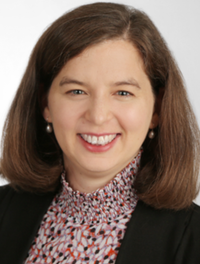
How did you get interested in Computational Chemistry?
My fascination with computer simulations to study complex biological systems and predict molecular behaviour began during my studies in Physics at the University of Heidelberg through introductory courses on biophysics and through research internships. In addition, an internship in the molecular modeling group for crop science research at BASF, just before I completed my Diploma, introduced me to computational chemistry and its application to herbicide design.
Where did you have your postdoc position?
I completed my postdoctoral research in the Computational Chemistry and Biology group at Merck Healthcare KGaA, where I focused on evaluating and applying alchemical free energy calculations in drug discovery projects. This position served as a perfect bridge between my educational background as a physicist and my desire to enter pharmaceutical research, allowing me to learn about drug discovery and compound design.
Where are you currently working and what is your current position?
I am currently the Head of Computational Drug Design at Merck Healthcare KGaA, leading a team of three computational chemists who support early-stage drug discovery projects. Additionally, I act as project lead for early-stage small molecule inhibitor and degrader projects, and I also contribute as computational chemistry expert in project teams.
What do you like best about your work?
I truly enjoy the diverse range of responsibilities my role encompasses. As a people manager of highly skilled experts, I believe it’s essential to stay closely connected to their work to provide the best support possible.
How would you describe yourself as a team lead?
I strive to be supportive and approachable, to create an environment where team members feel comfortable sharing their ideas and challenges. Coaching my team and helping them develop new skills while growing beyond their current responsibilities is one of the most rewarding aspects of my role. In our dynamic environment, I also find it crucial to provide clear direction while remaining flexible and adaptable to changing circumstances.
Which of your papers are you most proud of and why?
I am very proud of my paper "Large-scale prospective assessment of alchemical binding free energy calculations in active drug discovery projects," which summarizes my PostDoc work. The paper provides a comprehensive prospective evaluation of free energy calculations applied in active drug discovery projects at Merck KGaA and the results also helped to establish the approach internally. Furthermore, the public data sets provided in this study have been taken up by other researchers in the computational chemistry community and are now parts of larger benchmarks. I particularly enjoyed leveraging my previous benchmarking experience for protein-protein docking from my Ph.D. project to contribute to this new field.
Which scientist do you admire the most and why?
I admire Ada Yonath for her remarkable energy and determination in pursuing goals that many deemed impossible at the time. Her curiosity and excitement for exploration throughout her life make her a great role model for any scientist.
Which field of medicinal chemistry do you consider the most promising for the future?
While I may be biased, I firmly believe that the integration of artificial intelligence (AI) into medicinal chemistry has already led to significant advancements, with even more breakthroughs on the horizon. The rapid improvements in deep learning algorithms and their impact on various prediction tasks are extremely promising. One area that particularly excites me is the potential to combine AI and computational design with innovative therapeutic modalities, such as targeted protein degraders and mixed modalities like antibody-drug conjugates, to accelerate the development of these complex molecules.
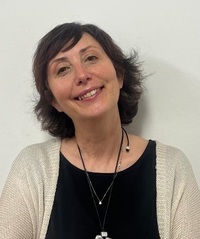
How did you get interested in Medicinal Chemistry?
I would describe my interest in medicinal chemistry as a journey. I have always been curious about science, a passion stimulated by my father Demetrio, a naval engineer with a deep love for physics and mathematics.
However, after high school, I was not sure which direction to take, and I even considered programs as different as Biological Sciences, Veterinary Medicine, and Graphic Design. At the very last minute, I discovered the degree course in Pharmaceutical Chemistry and Technology and decided to give it a try. I realized right away that it was the right choice for me.
During my university studies and later throughout my PhD, I met inspiring professors who introduced me first to the potential of small molecules in fighting disease, and then to the fascinating world of computational medicinal chemistry. That is when I truly fell in love with the discipline.
The people we meet along the way can deeply influence our interests and the choices we make, and that has certainly been true in my case.
Where did you have your postdoc position?
I initially carried out a two-year postdoctoral fellowship between the University of Messina and the University of Bari, both based in Italy, working in the research groups of Professors Alba Chimirri and Angelo Carotti, respectively.
Subsequently, I completed a one-and-a-half-year experience at the University of Houston, Texas, under the supervision of Professor James M. Briggs. There, my research focused on using molecular dynamics simulations to investigate resistance-related mutations that affect the efficacy of HIV integrase inhibitors.
What are your current research interests?
I have many! I am naturally a curious and creative person, and these characteristics shape the work we do in my lab. Broadly speaking, our research falls into two main areas.
On one side, we focus on the rational discovery of small bioactive molecules targeting proteins involved in various human diseases, including cancer, neurodegenerative disorders, antimicrobial resistance, and rare diseases. For the latter, we are applying an innovative drug discovery strategy that leverages protein folding interference as a new therapeutic modality to address undruggable or difficult-to-drug targets by promoting their physiological degradation. This approach implements a drugging paradigm called PPI-FIT (Pharmacological Protein Inactivation by Folding Intermediate Targeting), currently exploited by Sibylla Biotech, a company I co-founded. Specifically, we are currently applying PPI-FIT to two different targets: the prion protein, originally studied in an academic context, and a mutant form of AKT1 (E17K), which is implicated not only in cancer but also in a rare pediatric condition called Proteus syndrome. In this latter case, the research is part of a joint effort with the company to explore new therapeutic opportunities.
And given the curiosity I mentioned earlier, our interests have recently extended beyond human health, and we have opened a new research line in precision agrochemical discovery, applying similar rational strategies to target plant disease proteins.
On the other side, we are developing computational tools to improve chemical and biological datasets by enriching them with curated data and information automatically extracted from patents. This is crucial to ensure data quality and completeness, which are both key to reliable predictions and successful drug discovery efforts.
What do you like best about your work?
What I love most is its dynamism, which aligns perfectly with my enthusiastic and tireless nature. I constantly shift between different roles depending on the situation: I’m a researcher, a teacher, a mentor, a manager. That variety keeps things exciting and always gives me the chance to learn something new.
I also really value the connection with students, both in my lab and through teaching. It is a two-way exchange that I find incredibly enriching. Watching former students grow, find their path, and stay passionate about what they do is one of the most rewarding parts of my job.
What kind of tasks does your work involve?
The tasks I handle are quite diverse and often shift throughout the same day.
I work closely with members of my lab to plan experiments and analyze data, teach, write articles, and interact with collaborators from other disciplines to coordinate our joint research. I am currently supervising two PhD students working on projects co-funded by companies, one by Innovatune Srl and the other by Sibylla Biotech SpA., so part of my responsibilities includes regular interaction with the industrial partners.
In addition to internal mentoring activities, I have been part of the EFMC-YSN Mentoring Programme since 2021, supporting my mentee through scheduled meetings or whenever they need guidance.
My work also includes strategic tasks such as applying for funding, managing research projects, starting (and when needed, discontinuing) research lines, and building collaborative networks.
And finally, as a university professor, I am involved in a range of administrative and institutional activities.
What kind of skills does your work require?
Aside from scientific and technical expertise, you definitely need to be flexible and well-organized, as the days are always intense and constantly changing. Curiosity, creativity, and resilience are essential skills in our field, but so is the ability to communicate clearly, whether you are working with students, collaborators, or writing a grant. Leadership plays a key role too. It is not just about giving direction, but about inspiring others, building a shared vision, and keeping the team motivated, even when things get challenging. And of course, you need plenty of energy to keep everything moving forward!
How many PhD students and postdocs do you currently supervise?
At the moment, I’m supervising two PhD students and one postdoc in my group. As I mentioned earlier, both PhD students are co-funded by industry partners, which allows them to work on cutting-edge projects at the intersection of academic research and industrial innovation. Thanks to this setting, they can develop not only strong scientific and technical skills, but also a deeper understanding of how research translates into real-world applications, something I consider essential for their future careers.
How would you describe yourself as a supervisor?
This is probably a question my team would be better suited to answer!
That said, I believe the role of a supervisor is really important, not only during the time a student or a postdoc spends in the lab, but also afterwards. The experience they gain during those years often shapes their future path, both professionally and personally.
To me, a good supervisor should offer more than just scientific guidance. It is also about transmitting passion, dedication, integrity and the resilience needed to navigate the ups and downs of research.
I try to be supportive and encouraging, but also clear and firm when needed. And above all, I believe in leading by example: how we handle challenges, stay motivated, celebrate achievements, and work together as a team often teaches more than any formal lesson.
What are your recommendations for a book, podcast, website, blog, YouTube channel or film?
I would suggest three must-read blogs: In the Pipeline by Derek Lowe (https://www.science.org/blogs/pipeline), Practical Fragments by Dan Erlanson (https://practicalfragments.blogspot.com/), and Practical Cheminformatics by Pat Walters (https://patwalters.github.io/). Each offers sharp insights into drug discovery from a different and valuable perspective.
For books, I recommend Drug Hunters by Donald R. Kirsch and Ogi Ogas, a fascinating behind-the-scenes look at the history and challenges of drug discovery, and Medicinal Chemistry for Practitioners by Jie Jack Li, which starts with basic principles and then moves on to practical applications in modern drug design.
And for films, The Imitation Game and Hidden Figures are both inspiring, as they remind us that behind major scientific and technological breakthroughs there are often untold stories of brilliance, courage, and resilience.
Which field of medicinal chemistry do you consider the most promising for the future?
I see targeted protein degradation (TPD) as one of the most promising and transformative directions in modern drug discovery. While PROTACs are already in the clinical development, there is still plenty of room for innovation, not just in improving existing approaches, but also in exploring entirely new modalities, such as small molecules that interfere with protein folding, as I mentioned earlier. This is a field where creativity is essential, both in envisioning new strategies and in molecular design, and where artificial intelligence will increasingly support and accelerate progress.
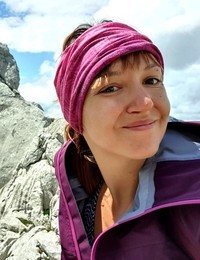
How did you get interested in Medicinal Chemistry?
I found my way into the field of medicinal chemistry by chance. I always liked chemistry, and during my master's studies in medical biochemistry, I became actively involved in scientific research at the university. And that’s how my love affair with computational chemistry began. Applying it to biological systems and drug design felt like a natural progression, given the complexity and challenges these systems present.
Where and when did you obtain your PhD diploma? What was the topic of your PhD project?
I completed my PhD at the Faculty of Science, University of Zagreb, in 2021, focusing on the mechanism of irreversible inhibition of MAO B enzymes by propargylamine inhibitors. During my doctoral studies, I was employed at the Ru''.chr('273').''er Boškovi''.chr('263').'' Institute in Zagreb (Croatia).
Where did you have your postdoc position?
In early 2022, I spent six months as a scholarship holder at the Austrian Academy of Sciences and Arts, working in Prof. Bojan Žagrovi''.chr('263').''’s group at the Max Perutz Laboratories in Vienna. Since September 2022, I have been working as a postdoctoral researcher at Uppsala University (Sweden) under the guidance of Prof. Hugo Gutierrez de Terán.
What are your current research interests?
My research centres on G protein-coupled receptors (GPCRs), especially adenosine receptors A2A and A2B, which are key targets for drug development in cancer immunotherapy and dementia. We use molecular dynamics (MD) simulations and Free Energy Perturbation (FEP) methods to explore receptor mechanisms, ligand interactions, and the impact of point mutations on ligand binding. The main goal is to rationally create new molecules with better pharmacodynamic and pharmacokinetic profiles.
I also focus on developing allosteric ligands for these receptors. Allosteric modulators can offer better selectivity and fewer side effects, but identifying allosteric binding sites is challenging. My postdoctoral work involves developing techniques to locate these sites in GPCRs.
How would you explain what your research area is to non-scientists?
That’s a challenging question. I often describe it as having the ability to use a magnifying glass to observe what happens when a drug interacts with its target. I then watch this interaction like a movie to understand the behaviour of the drug.
What do you like best about your work?
I love the moment when all the pieces come together, allowing me to see the bigger picture. It gives me a sense of purpose.
What kind of tasks does your work involve?
First, I have to prepare the system for simulation. I need to consider for the biochemical context in order to create good model. The simulation type and parameters depend on the specific problem, and detailed analysis follows. While published articles highlight beautiful figures made by computational people, our daily work is centred around the Linux terminal—and we love it!
What do you consider your greatest achievement in your scientific career?
I received a message from a girl I taught in science outreach workshops during my student years. She shared that my enthusiasm inspired her to pursue chemistry. For me, success isn't measured by awards or impact factors but by how much I motivate and influence those around me.
Which of your papers are you most proud of and why?
The main paper from my PhD thesis, "Computational Insight into the Mechanism of the Irreversible Inhibition of Monoamine Oxidase Enzymes by the Antiparkinsonian Propargylamine Inhibitors Rasagiline and Selegiline" (Tandari''.chr('263').'' T, Vianello R, ACS Chem Neurosci. 2019, 10(8):3532-3542, doi: 10.1021/acschemneuro.9b00147), is definitely my favorite one. I invested a lot of time and work, and I was extremely proud when it was published.
Also, the paper I’m working on right now is probably the most meaningful to me because it’s really pushed me out of my comfort zone.
What are the features of a successful PhD student or postdoc?
Behind every successful research project are countless hours of hard work, numerous mistakes, and many attempts that sometimes feel like they’re leading nowhere. I believe this is something all researchers experience. When things don't go as planned, the key is not to give up. This principle applies to everyone in research, not just postdocs and PhD students. Mistakes, though unpleasant, are invaluable learning opportunities!
Additionally, it's important not to neglect your personal life, hobbies, and friendships. Balance is key! Many of us invest all our time in our careers and research, but it's equally important to rest, relax, and spend quality time with loved ones.
Have you experienced any unfair situations during your scientific career? How would you advise scientists facing similar situations?
Unfair situations occur in every career path. When I was younger, they affected me more deeply than they do now. I've come to accept that injustices are inevitable, but I can choose how to react and whether to expend energy on a given situation. Injustice now motivates me to be even more persistent. My one piece of advice is this: don't be afraid to stand up for yourself, no matter how challenging it might be.
What is the most embarrassing thing you have done in the lab while doing experiments, e.g. explosions?
The most embarrassing moment I experienced was collapsing while speaking to a professor at a conference. It wasn't the impression I intended to make, but I'm certain he will remember me and that moment forever.
What are your recommendations for a book, podcast, website, blog, YouTube channel or film?
The book that definitely changed me and my perspective on the world is "The Snow Leopard" by Peter Matthiessen. In it, the author recounts his journey to the remote Himalayas in search of a snow leopard. Although he didn't find the snow leopard, which in his case symbolizes the meaning of life, he discovered the peace that arise from accepting the world as it is.
Which scientist do you admire the most and why?
Clara Immerwahr, Germany’s first female chemistry Ph.D., is a scientist I admire. Despite societal expectations to confine her to domestic roles, she remained active in women's rights, educated young women, and opposed her husband Fritz Haber’s work on chemical weapons. Though her life ended tragically, people like her made scientific careers possible for everyone.
Which field of medicinal chemistry do you consider the most promising for the future?
I have to admit I’m pretty biased on this. With the rapid advancements in computational techniques and more accurate methods, I’m really excited and hopeful that we’re on the start of a new era in drug discovery.
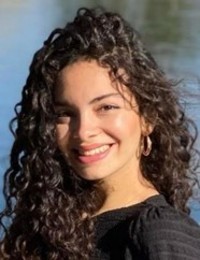
How did you get interested in Computational Chemistry?
I obtained a Bachelor's degree in Pharmacy in 2018 from the German University in Cairo, Egypt. Despite coming from a family with no scientific background, I was driven by my passion for science and this is why I decided to move to France to pursue a career in research. During my final year of pharmacy, I was exposed to the world of computational chemistry and in silico drug discovery. This field fascinated me because of its ability to use simulation and computer-based tools for the drug discovery process. This is why I was enrolled in a master program where I gained extensive knowledge in molecular modelling then pursued a PhD in the same field.
Where and when did you obtain your PhD diploma?
Currently in my third year of PhD at the University Paris Cité and I will obtain my PhD by the end of 2024.
What was the topic of your PhD project?
Nanobodies targeting mGlu receptors as innovative agents for schizophrenia.
What are your current research interests?
Using in silico drug design and molecular modelling for the development of nanobodies to target metabotropic glutamate receptors. Including the protein structure prediction, epitope identification and nanbody re-design or re-epitoping.
How would you explain what your research area is to non-scientists?
The main idea is to develop nanobodies (which are 10 times smaller than antibodies) to target certain receptors involved in schizophrenia. Using an analogy, one can think of nanobodies as Lego pieces that are already designed to bind to a specific target. The first step is to understand where the nanobody binds and how it interacts with the target receptor, and then try to redesign the nanobody so that it can bind to a different receptor for therapeutic purposes.
What do you like best about your work?
The field of my work is highly evolving, so every day presents a chance to learn something new and apply it to my research.
What kind of tasks does your work involve?
Mostly working on computers, I am focused on modelling the structures of nanobodies and receptors to understand how they bind together. I also conduct simulations to observe their movement and behaviour on a nanosecond scale.
What kind of skills does your work require?
A strong background in chemistry and biology is required to understand the principles of molecular interactions. As well as an expertise in programming and computational methods is crucial for designing and running simulations. But since it is an interdisciplinary field, I strongly believe that anyone who has the will to learn can acquire the necessary skills and knowledge to excel in this domain.
What do you consider your greatest achievement in your scientific career?
Still early since I am at the beginning of my career but the day the biology confirmed a hypothesis I suggested using molecular modelling was one of the best moments.
What are the features of a successful PhD student or postdoc?
From my point of view, to start with, one has to be well organized and persistent but above all be a critical thinker and having the ability to stop along the way and try to look at the bigger picture.
What advice would you give to someone who wants to know more about your field?
To attend conferences in the field and talk to experts and young scientists.
Which scientist do you admire the most and why?
There are many amazing scientists out there who faced a lot of obstacles and challenges but I specifically admire the endurance and the perseverance of Marie Curie.
Which field of medicinal chemistry do you consider the most promising for the future?
Computational chemistry is one of the fields that would have a promising future. Especially with the use of artificial intelligence in the field, it will help address and resolve many un answered questions in chemistry and biology.

How did you get interested in Computational Chemistry?
I always had a keen interest in natural sciences, especially in how the body works on the molecular level. For example, how do cells/ organs operate; how do xenobiotics manipulate our being. For me, the main focus point was clearly chemistry, therefore I started to study chemistry at the University of Cologne. I worked on my Diploma thesis at the Institute of Pharmacology (University of Cologne), this being my first steps into medicinal chemistry.
During an Erasmus stay at the University of Bern working at the organic synthesis of PNA, I got the first time in contact with computational chemistry in modelling different PNA/DNA complexes. To follow up on the computational part I did my PhD-Thesis at the Department for Biochemistry (University of Cologne), “Development of a distance- and direction dependent knowledge based potential for the prediction of protein thermostability”. Hooked by computational chemistry I moved more into the area of cheminformatics during my PostDocs.
This landed me a position at the global chemoinformatic group at AstraZeneca.
Tell us more about your current position at AstraZeneca?
I currently work as a teamleader for the computational chemistry group in R&I at AstraZeneca. We are currently eight people in addition to a handful of students, graduates and PostDocs. I am always willing to discuss possibilities of doing a Master Thesis within the group, collaborations and visiting students.
We all work in pre-clinical drug discovery projects as the computational chemistry responsible, chemistry lead or project co-lead. The way we are organized is that we follow a project from idea to the clinical candidate, being exposed to all the challenges and stages of such an endeavour. Curiosity, resilience and scientific rigor are key skills to have, besides solid knowledge of medicinal & computational chemistry. We apply a wide range of methods, software and tasks for the different phases. Having a background in cheminformatics my research interest resolves around machine learning and its challenges in the application in drug discovery.
What we would like to achieve is to find a substance which is able to have a positive effect on a given condition. How we do this is like solving the rubics cube, without looking at it and the cube constantly changing colors with swapping fields.
What do you consider your greatest achievement in your scientific career?
I am very proud of the science we do within the team and with Master and Graduate students as PostDocs or visiting PhDs. Scientifically I consider our publication in the field of cheminformatics introducing ChemistryConnect a milestone – collating at this scale SAR data was at that time industry leading. In terms of medicinal chemistry the work in PI3K was the most satisfying, resulting in several publications and clinical candidates. From a machine learning perspective I am very happy about my collaboration with Marwin Segler 2016 leading to REINVENT the first RNN molecular generator with impact across the industry in the field of AI lead drug discovery.
What advice would you give to someone who wants to move forward with studies in the field?
Tips: be resilient, honest, respectful, curious, understand the intend and read Richard Feynman´s speech of cargo cult science. If you are interested in medicinal chemistry synthesis chemistry excellence is a must, but also start looking into pharmacology and physical organic chemistry. The later is also true for computational chemistry. Instead of synthesis excellence you should be able to program to understand the methods behind the tools. Always be prepared and able to question them.
What is the most embarrassing thing you have done in the lab while doing experiments, e.g. explosions?
I did a lot of mistakes and stupid things while learning and I wouldn’t consider them as embarrassing. One good lesson was in the beginning of my studies during practical work. Heating up a glass pipette to change its form (forgot the reason why), took it out of the flame and waiting a couple of seconds and asking “is it still hot?” while touching it. It was hot and I have still the scar on my finger.
What are your recommendations for a book, podcast, website, blog, YouTube channel or film?
The blog In the Pipeline from Derek Lowe. Modern Physical Chemistry from EV Anslyn and Dougherty. I have several must read papers for newcomers in my team.
Which field of medicinal chemistry do you consider the most promising for the future?
In terms of computational chemistry and medicinal chemistry it will be automated/autonomous design, make and test cycles, including high throughput experimentation.

Can you describe why and where you studied chemistry, and your subsequent early career?
I always found chemistry fascinating, since my teens – micrograms of a substance can cure you, or they can kill you, it depends on the compound. That made chemistry really powerful in my mind, and I wanted to embark further into this direction, and learn more about it.
I did my diploma in Frankfurt, Germany, in 2002 in the bioinformatics area (predicting signalling peptides), and my PhD in Cambridge, UK, in the cheminformatics area in 2005, on molecular similarity. Both were excellent choices (not that I knew beforehand though, you often only know afterwards in life!), and I am still grateful to my supervisors, Gisbert Schneider who was then in Frankfurt (I was in fact his first student there), and Bobby Glen in Cambridge, who taught my lots about ‘real-world drug discovery’.
For my postdoc I joined Novartis in Cambridge/MA, on a Presidential Postdoctoral Fellowship – this meant the ability to work on academic research, but with all resources available in a pharmaceutical company, which was another great experience. It also shaped my thinking about the practical relevance of research until this day, what I do should be applicable in practice, to improve drug discovery. Jeremy Jenkins, Meir Glick and John Davies were my mentors there, who provided a fantastic environment to learn more, about the analysis of high-throughput screening data, as well as high-content imaging data which became very popular around my time there, in 2006/2007. I can really recommend to keep the mind open about academia, big pharma, start-ups (and beyond) – they all have their advantages, and you learn something different everywhere.
Where are you currently working and what is your current position?
Another aspect I find truly motivating in our area of research is its diversity – this can mean diversity from the scientific side (different data types, algorithms, and endpoints); but equally people from different countries, with very different backgrounds. I lived in multiple countries myself as well (at least count I realized I moved 23 times until that stage!), and this is what I always recommend to my students: In science it’s easy to see the world, so go to a new place on the planet, to different science, in your postdoc (or generally next stage in life).
Which of your papers are you most proud of and why?
There are indeed some papers that I quite like and which I am proud of – but for reasons that are maybe not so apparent from the outside. There is a story behind every paper – how the idea was developed, the people you have met and how you met them, and so on.
The first paper I am quite proud of is from my postdoc times (https://www.nature.com/articles/nchembio.2007.53), on the integration of high-content screening data with target prediction. The reason why I quite like that is that the idea really came about during a postdoc seminar at Novartis, where both Daniel Young (the first author of the work) and myself were postdocs at the time. We met at this meeting where Daniel presented his work from the high-content screening side, I thought ‘hey, let’s add target prediction to this for the mode of action side’, and this is what led to a really nice Nature Chemical Biology publication, which combines a (then) relatively new readout type with a mechanistic angle from computational tools.
The other publication is much more recent, while I was a PI in Cambridge, on using small molecules for the targeted differentiation of stem cells into a desired cell type, in this case cardiomyocytes (https://www.ncbi.nlm.nih.gov/pmc/articles/PMC4979408/). This work was done by Dr Yasaman KalantarMotamedi as a first author, and it was really fascinating that the computer, using data and algorithms, was able to select small molecules that led to a beating cardiomyocyte under the microscope – so in this way we basically generated a small part of the working heart, using the power of algorithms, chemistry, and biology. I still find this study fascinating when I think about it again.
Apart from that science is really often very incremental – you find one answer, and you have five new questions, so I am not sure this really led to me being ‘proud’ of what I did in particular. In other words, “The more you know – the more you know what you don’t know!”. I think to keep the curiosity alive, like when you were young, or in your PhD, this is what keeps science going.
What are the features of a successful PhD student or postdoc?
I think the most important thing in science, but maybe even as a human being, is to keep your eyes, ears, and mind open to what you currently don’t understand, to what other people say, and how other people are – which helps you develop science, but also to understand the whole world better. For example, I started out as a chemist, but during my postdoc with Novartis I was dealing with High-Content Screening Data. I first found the data very difficult to analyse (and I still do!) – but this made me realize how important it is to look at drug discovery (and associated data) across its whole range, from chemistry, to biology and pharmacology, to physiology (etc.) All of those aspects are pieces of the big puzzle of drug discovery.
An open mindset helps in science, but also more generally to learn in life. I was for example quite influenced by my trips to India: I taught in Bangalore, at the Institute for Bioinformatics and Applied Biotechnology (IBAB) for about 10 years of my life, from my postdoc years until quite recently. This only happened since I replied to an email from Karthikeyan, from NCL Pune, a bit before, but it changed my life. If you are in India you notice for example what ‘go with the flow’ means – if 10,000 people want to exit Mumbai Central Station, then you just will be unable to enter. In life of course this means to not fight situations, but to deal with them as they come, to accept how things are.
The pictures below illustrate those years a bit – during my birthday celebration at the institute (the local tradition is to smear chocolate cake into the face of the lucky boy), as well as on the night train from Chennai to Bangalore. You get actually very good food from the vendors at the train stations, so next time you are in India, plan in a trip on the night train as well.


What is the most embarrassing thing you have done in the lab while doing experiments, e.g. explosions?
I started chemistry actually at home in my late teens – building rockets, and doing other science in what were ‘probably not entirely controlled conditions’. One time a chemical supplier at the time sent me (to my home address!) the wrong delivery containing, among others, elementary sodium. It was too cumbersome, so apparently the supplier thought it a good idea to keep this delivery nonetheless, as a present. The label on the sodium, stored under liquid to protect from oxidation, said ‘do not bring in touch with water’, which… of course, as a teenage boy, is precisely what I did. Generation of sodium hydroxide, as well as hydrogen, and a decent explosion followed. I spent six weeks or so in hospital and nearly got blind as a result (bases cause much more serious damage to the cornea than acids), so I can confirm from empirical evidence: In case you find some elementary sodium at home, for whatever reason, do not bring into touch with water. I have realized that sometime it is just fine to believe what one reads, and not everything needs to be proven in experiment.
What are your recommendations for a book, podcast, website, blog, YouTube channel or film?
As for resources, I can recommend for example Tom Mitchells’ ‘Machine Learning’ for an easy-to-read and very understandable introduction to the field; the blog ‘In The Pipeline’ for developments in and around the pharma area (https://www.science.org/blogs/pipeline), and TeachOpenCADD (https://volkamerlab.org/projects/teachopencadd/) from the Volkamer Lab for an hands-on introduction to the Computer-Aided Drug Discovery Field. I am also editing the Cambridge Cheminformatics Newsletter (http://www.drugdiscovery.net) with jobs and resources in the field which everyone is welcome to subscribe to, and where we organize regular events (also online) for those who are interested in the computational drug discovery field.
What do you think about the future of your field, AI in drug discovery, and how it applies to the advancement of medicinal chemistry as a whole?
We live in really exciting times currently, be it due to new therapeutic modalities, the amount of data being generated, or the computational and algorithmic power available. From the AI in Drug Discovery angle, I would like to bring some realism to the debate – do we actually have the data available so that the field can live up to its expectations? I think this will be the case in some areas more than in others – for those interested in more details, the Cambridge Crystallographic Data Centre (CCDC) put one of my recent talks online which can be found here, on the topic “Artificial Intelligence in Drug Discovery – Where Are We Today, What Do We Need to Advance Further?”, which may be of interest to the reader here: https://www.youtube.com/watch?v=PrYIChWuUFI.

How did you get interested in Medicinal Chemistry?
During my Bachelors, I became fascinated by the way in which molecules interact and how humans, using rational design, can purposely modulate their behaviour.
Where and when did you obtain your PhD diploma?
I did my PhD in the lab of Prof. Dr. Stefan Günther (Freiburg, Germany). I obtained my diploma in 2014.
What was the topic of your PhD project?
The research in my PhD focused on implementing and applying computational methods for the identification and characterisation of small molecules modulating protein–protein interactions, in particular bromodomains. As part of my PhD, I deepened my knowledge in virtual screening, cheminformatics, and structure-based drug design among others.
Where did you have your postdoc position?
I did my postdoc in the lab of Prof. Dr. Alessio Ciulli (Scotland), working on PROTACs and targeted protein degradation. I implemented and applied molecular dynamics and structure-based drug approaches to study and modulate the mode of action of small-molecule degraders.
Where are you currently working and what is your current position?
Since mid-2018 I work as a scientist in computational drug design at Roche (Switzerland). I support portfolio projects especially in pre-clinical stage, i.e. from early target assessment up to lead optimisation, covering diverse therapeutic areas.
What are your current research interests?
I am particularly interested in new therapeutic modalities that challenge undruggability, for example in the fields of targeted protein degradation, RNA-targeting, or protein–protein interaction modulators, and in investigating how computational methods such as machine learning, artificial intelligence, and molecular dynamics, can facilitate that.
How would you explain what your research area is to non-scientists?
I work in the early stages of drug development designing molecules with the help of computers. Hopefully, some of those molecules follow their path to clinical trials and, eventually, cure diseases.
What do you like best about your work?
The possibility to work with highly knowledgeable scientists and the constant challenge of innovating new medicines.
What kind of tasks does your work involve?
I use all sorts of computational methods with two goals: first, to study how proteins and small molecules interact and behave, and second, to identify and design new molecules with desired biological activities and appropriate physicochemical properties. For these tasks, I use machine learning, artificial intelligence, molecular dynamics, quantum chemistry, virtual screening, cheminformatics, Free-Wilson analysis, etc.
What kind of skills does your work require?
I believe a computational chemist can benefit the most from combining a wide range of technical and behavioural skills, including programming; a sound understanding of quantum mechanics and non-covalent interactions; machine learning methods, and capabilities for spatial vision and chemical pattern recognition, along with perseverance, curiosity, and a good amount of creativity.
What are the features of a successful PhD student or postdoc?
I would say that important features include not being afraid of failure, not getting obsessed with success, not avoiding challenges, and being always open to connecting with other scientists and learning new complementary skills.
What are your recommendations for a book, podcast, website, blog, YouTube channel or film?
I very strongly recommend Derek Lowe’s blog “In the pipeline”, in which he writes mostly about medicinal chemistry topics (https://www.science.org/blogs/pipeline). I also keep myself up to date about the biotech world and the pharmaceutical industry by checking regularly Fierce Pharma (https://www.fiercepharma.com/).
Which scientist do you admire the most and why?
I admire scientists with the ability to communicate science to non-specialised audiences in an accurate yet appealing manner.
Which field of medicinal chemistry do you consider the most promising for the future?
I think that in the next few years we will see drugs in the marked that exploit the targeted protein degradation concept, such as PROTACs and molecular glues, to treat diseases.
What would you expect to be the next major breakthrough in medicinal chemistry?
I expect a revolution in medicinal chemistry by further exploiting artificial intelligence, machine learning, and predictive structure-based drug design approaches.

How did you get interested in Medicinal Chemistry?
My academic supervisors, Gábor Náray-Szabó in Budapest, and Graham Richards in Oxford were among the pioneers of the application of computational tools in drug design. Although this field was much narrower in the late 80s when I started my career, it was exciting and exotic enough to be appealing for someone, who has more affinity toward theoretical work than skill to do practical chemistry.
Where and when did you obtain your PhD diploma?
I obtained my PhD from the Eötvös University in Budapest, in 1989. I worked on approximate computational schemes for evaluating molecular electrostatic interactions. The project included the development of methods for electrostatic potential calculations by semiempiricial quantum chemistry.
Where did you have your postdoc position?
I was postdoc with Graham Richards at Oxford University, United Kingdom and with Jean-Louis Rivail at the University of Nancy, France.
Where are you currently working and what is your current position?
I work in the Medicinal Chemistry Research group of the Research Centre for Natural Sciences in Budapest. I also have a position at the Institute of Biophysics and Radiation Biology of the Semmelweis University in Budapest.
What are your current research interests?
I admire the power of molecular dynamics based methods to describe a wide range of phenomena. I am involved in the computation of the free energy profile of biochemical reactions, and the binding of covalent and non-covalent inhibitors. I am also interested in the MD based interpretation of single molecule experiments performed by Atomic Force Microscope and laser tweezers.
How would you explain what your research area is to non-scientists?
My research is directed toward the exploration of the atomic details of various phenomena including biochemical processes and drug actions.
What do you like best about your work?
I enjoy very much when computational results contribute to the understanding of experimental observations. In my field, explorations of atomic motions in reaction mechanisms and in single molecular experiments are good examples.
It is particularly gratifying when a computation-based prediction is validated by experiments. I had such experience with structure-based virtual screening and molecular dynamics based affinity predictions.
What kind of tasks does your work involve?
I do computations to support early phase drug discovery efforts. From time to time I participate in method development that includes the derivation of mathematical formulas and their coding.
What kind of skills does your work require?
As a part of a team working in the complex field of drug discovery, it is essential to have an overview of the whole process and to be able to effectively communicate with people working in not very closely related fields.
What do you consider your greatest achievement in your scientific career?
On one hand, I was very much satisfied when I was able to publish a work alone, meaning that I could accomplish the task of designing and realizing an idea. On the other hand, I enjoyed very much when as a member of a diverse team I could contribute to achieve milestones in drug discovery projects.
Which of your papers are you most proud of and why?
I like my early paper on a method deriving atomic charges that efficiently describe the electrostatic interactions of molecules. These charges are theoretically well founded alternatives to electrostatic potential derives charges.
I believe that our series of papers on the thermodynamic background of hit and lead optimization contributed to the efficiency of drug discovery.

Where and when did you obtain your PhD diploma?
I obtained my PhD in “Chemical and Pharmaceutical Sciences” at the University of Siena, Italy in the group of Professor Maurizio Botta. It was the beginning of 2017.
Where are you currently working and what is your current position?
I am currently working for the French company Discngine, in Paris. Discngine develops and provides state-of-the-art IT solutions, mainly for customers involved in life science R&D.
The title of my position is “Senior Consultant”, which, even if it does not seem to tell much, is a pretty good description of what my duties are- helping our customers with, well, a little bit of everything!
What do you like best about your work?
There are multiple aspects I love about my work. For starters, it is never boring! I have the possibility to help our customers in many different areas: from designing a custom solution to handling the administration of an application, to give training on various software, to provide scientific and technical support, to suggest and implement new ways for integration and automation… as I said – a bit of everything.
Another aspect I really like about my job is that it gives me the possibility to interact with many smart and talented people, both co-workers and customers. This often results in producing enriching experiences, allowing me to continuously grow.
Finally, it is really rewarding when I see a customer heavily relying on a piece of work I have done, or helped with. It really shows how much important what we do is.
What kind of tasks does your work involve?
See the previous answer for some examples. More in general, the kind of tasks my work involves are all around the ideation, design, implementation, management, and maintenance of custom IT solutions deployed at customers’ sites. All of this without forgetting the “human factors” as engagement and support of the user community.
What kind of skills does your work require?
My work requires a broad range of competencies. Of course, there is the need for a solid scientific and technical base, but that’s not all. Particularly important skills are also in presentation, project management and people management. It is important to have the capability to quickly grasp - and keep in mind - the “big picture”, so that one can better proceed with all the steps I have mentioned in the previous answer. Mental elasticity is finally crucial; not only is the fundamental to understand the needs, but also what is required to adapt a project when it has already started. In a real-world scenario, we need to be prepared to navigate through an ever-changing landscape of possibilities. Be able to steer in time is the key between success and failure.
What are the features of a successful PhD student or postdoc?
That depends on what one intends with “successful”. Success and sense of achievement are strictly personal feelings. Therefore, my answer here is based purely on my personal idea of success – which, in the case of a PhD student or postdoc, is to put themselves in the best conditions to proceed towards what they would like to do with their next steps. Based on such premise, I would say that to be successful they should be able to not think only about science. They should be able to think about their career path, to create opportunities for themselves, to not waste any occasion to interact with other scientists as well as not-scientists. So, translated into feature, I think that I could say: “communicative planner”.
How would you describe yourself as a supervisor?
I think that many of the ex-students I supervised while working at the university would agree on these 3 words: “tough but fair”. I believe it fits.
Which field of medicinal chemistry do you consider the most promising for the future?
The usage of AI-assisted computational methods to reliably predict 3D protein structures.

How did you get interested in Medicinal Chemistry?
I have a MSc in Pharmaceutical Biotechnologies from the University of Bologna. When attending the final year in the program, thanks to some compelling lectures, I got interested in the subject of drug discovery. However, I have to say, It was computational molecular modelling that sold me the discipline.
Where and when did you obtain your PhD diploma?
After obtaining my master degree, I went straight to graduate school, which I attended in the QSAR and Molecular Modeling Group of Prof. Recanatini at the Department of Pharmaceutical Sciences (now FaBit), University of Bologna.
What was the topic of your PhD project?
I worked on a clustering algorithm written in Python – which we eventually published under the name of AClAP - that applied unsupervised learning to the outcome of docking simulations. I guess I could rightfully claim that we did machine learning way before It was cool!
Where did you have your postdoc position?
After my PhD I joined the group of Prof. Abagyan at The Scripps Research Institute in La Jolla, CA – USA, where I spent over two years working on receptor flexibility in protein ligand docking. In 2008, I went back to Italy to join Prof. Cavalli’s computational chemistry group at the Dept. of Drug Discovery and Development (D3) at the Italian Institute of Technology (IIT, Genova) then newly founded by Prof. Piomelli. I ended up becoming a team leader at D3, eventually spending eight years in Genova.
Where do you work at the moment and what is your current position?
After a few years working in industry, I am now a senior lecturer in computational medicinal chemistry at the School of Pharmacy at the University of Birmingham and PI of the Computer-assisted Molecular Design group (CAMD lab).
What are your current research interests?
I always try to develop ideas and projects in which computational modelling is immediately translated into new and, possibly, better molecules. After joining the University of Birmingham, I kept on working on some of my long-standing interests, namely computational polypharmacology and membrane proteins. I have recently started working on modelling approaches geared toward protein loop mimetics in cancer treatment. My main research line revolves around developing multi-target compounds for the treatment of nicotine addiction
What do you like most in your job?
I really, really get my kicks from experimental data confirming computational predictions. I believe that the discipline of [molecular] modelling should be approached focusing on the literal meaning of the word “modelling”: always bearing in mind that what we do creates a model that attempts to explain collected evidence. This model. Should be used to design future experiments. I mean, it is the scientific method, didn’t really change that much in the past 400 years. Preliminary evidence suggested that Aristoteles might have been wrong, Galileo conceived a model of how objects of different weight would actually behave. Then, he did not leave it at that. Based on his model, he created a hypothesis about the outcome of an actual experiment and, presto, he started dropping gravi from the leaning tower of Pisa.What kind of tasks your job includes?
Currently, I am on a so-called three-pillars contract: my duties include research, teaching and administrative work. When I am not busy in the CAMD lab at the School of Pharmacy in Birmingham, I teach chemistry in our MPharm and I am academic director of business engagement for the college of medical and dental sciences (MDS). This last role is particularly interesting: my job, together with my clinical counterpart and the manager of the business engagement team, is to develop the framework for scientific collaborations between companies and the PIs at MDS, identifying opportunities for overlap between scientific interests.
What kind of skills your job requires?
One, often underrated, skill is the ability to deploy a huge amount of work. Like, a lot.
I understand how celebrating quality over quantity sounds glamorous, appeals to the stereotyped idea of the egghead working on brilliant intuitions. Don’t get me wrong: quality is fundamental. Sharp minds and, sometime, the genuine spark of genius are instrumental to the progress of science. Yet, I just can’t see much being accomplished without the often-belittled contribution of long hours spent in the lab on apparently (?) tedious and repetitive tasks, weekends and late nights spent coding, scientific papers read on your smartphone while commuting to work, etc.
And junk food, of course. The ability to survive on junk food and to endure, actually enjoy, the awful coffee from vending machines must rank very high on the list of skills this job requires. As soon as they’ll start working in research, these fully-organic, low-carb eating Gen-Zs are in for a big surprise.
What do you consider your biggest achievement in your scientific career?
My scientific career has always been very much influenced by the work of Henry Chesbrough on open innovation. I have always tried to follow a path that would keep me and what I do at the interface between academia and business. Having been able to obtain a master in healthcare management and to co-found a start-up while doing full-time science is something I am quite proud of.
What are the features of a successful PhD student or postdoc?
Well, I believe that the first element to understand is actually how PhD and post-doc should be regarded as two very different things. Namely, a successful PhD should be focused on a challenging project, something with a genuine chance to improve on the state-of-the-art while learning a wide range of transferable skills including the most valuable one: how to tackle a complex issue that requires stress management and long-term planning. Conversely, a postdoctoral appointment shouldn’t be a second, possibly shorter PhD project but the beginning of a path toward an independent position.
What is the most embarrassing thing you did in the lab while doing experiments?
One time, together with a colleague of mine (F.C., if you are reading this, forgive me for betraying our secret!) we tried to replace the NIC - the wired network interface controller - in one of the workstations. We opened the machine up, took the dead component out, placed the new one in with religious care – upon our recommendation, our PI has agreed to spend an outrageous amount of money on what was back then considered a straight-from-the-future piece of hardware: the Gigabit Ethernet controller – and… it didn’t work.
Which scientist do you admire the most and why?
This is an easy one: Laura Bassi.
First woman ever to become a university professor. She corresponded with some of the sharpest minds of her time, including Voltaire, Bonnet, Volta. She mentored Spallanzani. The establishment really couldn’t stand her but she was so good that eventually she couldn’t be ignored. Well, that, and the fact that her uncle was pope Benedict XIV. That, for sure, did help.
Did you experience any unfair situations during your scientific career?
Unfair? No.
I mean, don’t get me wrong. Like many others, I have had my share of submissions torpedoed by biased reviewers, I have been short-listed for positions belonging to the internal candidate, I’ve seen my papers go uncited by people who were obviously familiar with their contents. But these aren’t truly unfair situations, are they? Mildly annoying, maybe, but just minor inconveniences in the grand scale of things. I’ve never had to endure discrimination or prejudice. I’ve had pleasure to have always worked for diverse, cosmopolitan and welcoming institutions. And I consider myself very lucky for that.The J Med Chem paper which I published in 2009 with Irina Kufareva, Max Totrov and Ruben Abagyan on the approach called 4D docking developed when I was a postdoc in Ruben’s lab, is a paper I am very much fond of. It was (still is, even by today’s standards) a massive validation study carried out on a very diverse benchmark. Despite being computationally intensive, it conveyed a very clear message to the broad med chem community and not just to the specialists. Furthermore, it was accepted for publication less than a year after that famous editorial by Prof. Bajorath aimed at raising the bar for computational contributions on JMC.
What would you guess to be the next major breakthrough in medicinal chemistry?
Do you know that Robert Metcalfe predicted that by 1996 the Internet would have been gone and forgotten? My point is: predicting the future is a tricky business and the risk of being proven monumentally wrong 10/20/30 years from now is real. However, I’ll try an educated guess, extrapolating from the present to a very near future: a prospectively validated multi-disciplinary pipeline that, combining elements of cryo-EM, machine learning, molecular dynamics, fragment-based drug discovery and some clever analytical technique such as native protein mass spectrometry will be able to systematically identify ligandable allosteric pockets.
How did you get interested in Medicinal Chemistry?
My first encounter with medicinal chemistry was during my studies of biochemistry and medicine. I was immediately fascinated by the fact that small molecules can modulate complex living systems, and was hooked right from the start. Understanding the interactions between effector molecules and their receptors remains one of my scientific passions.
What was the topic of your PhD project?
During my PhD project at the Freie Universität Berlin I developed the first computational approach to autonomous ‘generative’ molecular de novo design with artificial neural networks. These were humble beginnings compared to today’s technology, but it was all there in the early 1990s already.
Where did you have your postdoc position?
I had the great opportunity to visit several laboratories as a Boehringer Ingelheim Fellow, including the M.I.T. in Cambridge, MA (with Prof. Schimmel), the Benjamin Franklin Clinic in Berlin (with Prof. Wrede), the University of Stockhom (with Prof. von Heijne), and the Max Planck Institute of Biophysics in Frankfurt am Main (with Prof. Schulten).
What are your current research interests?
My current research focus is on the development and application of drug discovery methodology with artificial intelligence. We specifically aim to capture the diversity of natural products by help of machine learning, and use these models to generate synthetically accessible mimetics with the desired pharmacological properties.
What do you like most in your job?
The best about my job is the freedom to explore new things every day. There is so much to discover.
My position as a university professor includes teaching and research, but also administrative duties. In addition, I always seek the interaction between my research group and the pharmaceutical industry which helps us focus on the relevant questions for the application of our methods.
What do you consider your biggest achievement in your scientific career?
My greatest scientific achievement may be my persistence to continue developing and applying ‘artificial intelligence’ methods to medicinal chemistry over a period of three decades, against all odds.
Which scientist do you admire the most and why?
If I had to pick, I would probably choose Fridtjof Nansen, whose scientific achievements and humanitarian work I very much admire. Scientists are diplomats after all.
Which paper of yours you are the proudest of and why?
Did you experience any unfair situations during your scientific career?
Much could I say about this topic. I have experienced personal and scientific breakdowns facing vile treatment and spitefulness by fellow scientists. Importantly, I learned that the perception of unfair treatment must not cloud one’s own judgement, you have to roll with the punches, and that humility truly is a virtue.
Which field of medicinal chemistry do you consider the most promising in the future?
I am convinced that the advance of artificial intelligence will enable a renaissance of nature-inspired medicinal chemistry with a fresh view on natural products and their mimetics, and the emergent features of complex adaptive systems. ‘Learning from nature’ with this new twist will offer ample opportunity for future medicinal chemistry.
What would you guess to be the next major breakthrough in medicinal chemistry?
My best guess is that we will learn something rather unexpected about virus-host interactions that will lead to innovative treatments of viral infections.

How did you get interested in Medicinal Chemistry?
It was at the beginning of my scientific career, when I was just a PhD student. I became interested in the interface between chemistry and biology and more concretely and how the, at that time incipient, molecular modelling methods, might contribute to the understanding of the mechanism of action of drugs.
Where and when did you obtain your PhD diploma?
I obtained my PhD diploma in 1982 in the Autonomous University of Barcelona. The topic of my PhD was the study of differential molecular determinants of MAO-A and MAO-B inhibitors using computational approaches.
Where do you work at the moment and what is your current position?
I am currently director of a Research Program on Biomedical Informatics, which is a joint program of the Pompeu Fabra University and the Hospital del Mar Medical Research Institute, located in Barcelona. My current research is focused on the development of new computational strategies and tools serving the biomedical research.
What do you like most in your job?
The most interesting aspect of my job is its multidisciplinary nature. The projects that we develop and the research team that I lead synergically integrate knowledge and professionals from several disciplines, such as medicine, biology, computer sciences, chemistry and pharmacy.
What kind of tasks your job includes?
As director of a program (a kind of academic department), constituted by more than sixty professionals including ten principal investigators and their groups, I have tasks related with the coordination and strategic guidance of the program, including bureaucratic duties that, as you can imagine, are the less attractive. In addition, I have some direct collaborators within the program, and I develop my own research projects in collaboration with them.
What kind of skills your job requires?
My job requires scientific and human experience and I think that have a lot of this taking into account my age.
What do you consider your biggest achievement in your scientific career?
I am particularly proud of the DisGeNET knowledge resource on gene-disease associations that we have been developing along the last ten years. It has become a worldwide recognized resource with more than 5000 users per month and more than 1000 bibliographic citations.
What is the most embarrassing thing you did in the lab while doing experiments?
Since I use to work in silico (computational) labs, explosions are not particularly usual, but we remember incidents related with floods in the room were our computer servers are located, which were particularly damaging.
Which scientist do you admire the most and why?
I particularly appreciate the history of Paul Janssen and his ability for leading an international pharmaceutical company without abandoning his direct involvement in the successful discovery of new drugs.
Which paper of yours you are the proudest of and why?
The papers that we have published about the DisGeNET resource, for instance the last one recently published in Nucleic Acids Research. I am also proud of my paper in Nature Reviews in Drug Discovery in which we reported the results of the IMI eTOX project on data sharing in predictive toxicology.
Which field of medicinal chemistry do you consider the most promising in the future?
I am probably biased in this respect, but I think that the computational methods and tools offer great opportunities to medicinal chemistry. In particular, the joint exploitation of the biological, chemical and medical big data is very promising for improving the drug discovery process.
What would you like to ask from other medicinal chemists?
I would ask my colleagues to keep them always open-minded, combining their deep experience in the field of their specialization with a global scientific perspective.
What would you guess to be the next major breakthrough in medicinal chemistry?
Given my current professional focus, I do not have a deep insight on all the facets of the medicinal chemistry. However, I think that the incorporation of the systems biology perspective in the design of new drugs offers interesting perspectives.

This week's #Iamamedicinalchemist is Ana Sofia Newton from Yale University. She enjoys working in a creative environment. Do you think drug design requires creativity?
Find her on Twitter! @AnaSofiaNewton
How did you get interested in Medicinal Chemistry?
I had an interest in Chemistry very early on. I did my undergrad studies at the Faculty of Science in Lisbon. At the time Martinho Simões, a distinguished Physical Chemistry Professor, and Amélia Pilar Rauter a pioneer in Carbohydrate Chemistry had a profound impact on me and my initial directions in research. I became more and more interested in Medicinal Chemistry and decided to do my graduate studies at the Faculty of Pharmacy and develop my knowledge in both Medicinal and Computational Chemistry under the supervision of Prof. Rui Moreira and Prof. Rita Guedes.
Where and when did you obtain your PhD diploma? What was the topic of your PhD project?
I obtained my PhD diploma at the University of Lisbon in 2013. “Design, Synthesis, and Evaluation of Peptidyl Inhibitors for Clan CA and Clan CD Cysteine Proteases.” A big title but basically I applied Medicinal and Computational skills for the development of anti-malaria and anti-neurodegenerative agents. It was pretty exciting and I learned tons.
Where did you have your postdoc position?
My interest in drug discovery and Medicinal Chemistry assisted by computer aided-methods lead me to William Jorgensen’s lab at Yale University. Throughout my doctoral and postdoctoral work, I was particularly interested in being able to apply both computational chemistry and organic synthesis in drug discovery. I knew that applying computational strategies to design small molecule inhibitors was important, but at the same time having a strong synthetic background would allow me to rapidly distinguish computational hits that could be feasibly synthesized from those that would represent a substantial synthetic challenge.
Where do you work at the moment and what is your current position? What are your current research interests?
Currently I work at Yale University as an Associate Research Scientist where I am leading two collaborative research projects to design potent, safe, easily administrated, and long-acting small molecule inhibitors that could reduce or eliminate blood cancer growth and skin cancer. The approach combines state-of-the-art technology for molecular design, synthetic organic chemistry, biological assaying, and crystallographic determination of structures of the designed molecules bound to their protein target.
What do you like most in your job? What kind of tasks and skills your job includes?’
I would say being surrounded by people with a lot of creativity. Also, attention to detail and enormous passion for drug discovery are good skills to have if you want to be a good scientist. Perseverance, working as a group and always pushing the projects forward because you will most likely find a breakthrough.
How many PhD and postdoc students do you have at the moment?
Are you currently looking for a new PhD and postdoc students?
We have 3 PhD students and 4 Postdocs. Currently we have two Medicinal Chemistry Postdoctoral positions open. They will work in close collaboration with experts in computer-aided drug design, biological assays, and protein crystallography.
What are the features of a successful PhD student or postdoc?
Strong organic and medicinal chemistry bench skills, good interpersonal skills, flexibility, and the ability to work well within an interdisciplinary team environment.
Which scientist do you admire the most and why?
I suspect the expected answer would be Sir Isaac Newton. The brilliant British mathematician and physicist is definitely among my top choices. For Newton, all there was in the world was matter moving. His equations are so effective we still use them today. However, Albert Einstein proved that time and space are shaped by matter. He could take a hard, physical problem and boil it down to a powerful visual image, a thought experiment. A creativity process that very few are able to achieve.

This week's #Imamedicinalchemist is Professor Antti Poso who is working both in Finland and Germany.
How did you get interested in Medicinal Chemistry?
I was extremely bad in organic chemistry :) However, at the same time when I was selecting my major subject a new research field at the University of Kuopio had just been started: molecular modeling. It looked quite interesting and I thought it makes sense to use computers to study chemical topics.
Where do you work at the moment and what is your current position?
I am a bit strange in this sense, as I work both in Finland and in Germany. In Finland my position is a professor of drug design at the University of Eastern Finland while in Germany I work as Distinguished Guest Professor at the University of Tübingen. Typically I work around 2 weeks per month in both places and the rest is somewhere between (or somewhere else). So, in short, I am very much liked by Finnair and probably very close to the top ten blacklisted people by Greenpeace…
What are your current research interests?
Anti-cancer drug design, understanding the solvation and desolvation effects in drug binding and the design of new antibacterial compounds. Target validation is a topic I am also really interested in, as even the best compound can do very little if the target is not good enough.
What do you like the most about your job?
Science is the best part. To find something new. It is great to recognize that we are able to actually design new compounds and those compounds are doing what we want, like killing cancer cells.
What do you consider your biggest achievement in your scientific career?
All the PhDs from my group. I think that is the most important and best measurement of how good we are. All the papers are nothing, as those will be found to be (at least most) wrong…
What is the most embarrassing thing you did in the lab while doing experiments, e.g. explosions?
Sorry, no explosions since I work with computers (although I overheated one once…). I have once also accidentally totally wiped out the hard drive but this is (I think) not that special..
Which scientist do you admire the most and why?
Brian Kobilka: he continued his research topic even against the “common knowledge”. It was a generally accepted fact that there is not so much interest in studying any more G-protein coupled receptors, but thanks to his work, this is not the case anymore.
Which paper of yours are you the proudest of and why?
For me the most important paper is still not published yet. And I think it will be always that way. I know that all the models I have created are wrong but some of the models can be used. That’s the fact.
What would you guess to be the next major breakthrough in medicinal chemistry?
If I could tell that I would be already making this breakthrough myself. I believe a good candidate is better integration of theoretical methods (like docking and library design) with combinatorial chemistry library construction. I also believe that usage of MD simulations will become a standard tool in drug design.